
The Inca Legacy: How Their Culture Continues to Inspire

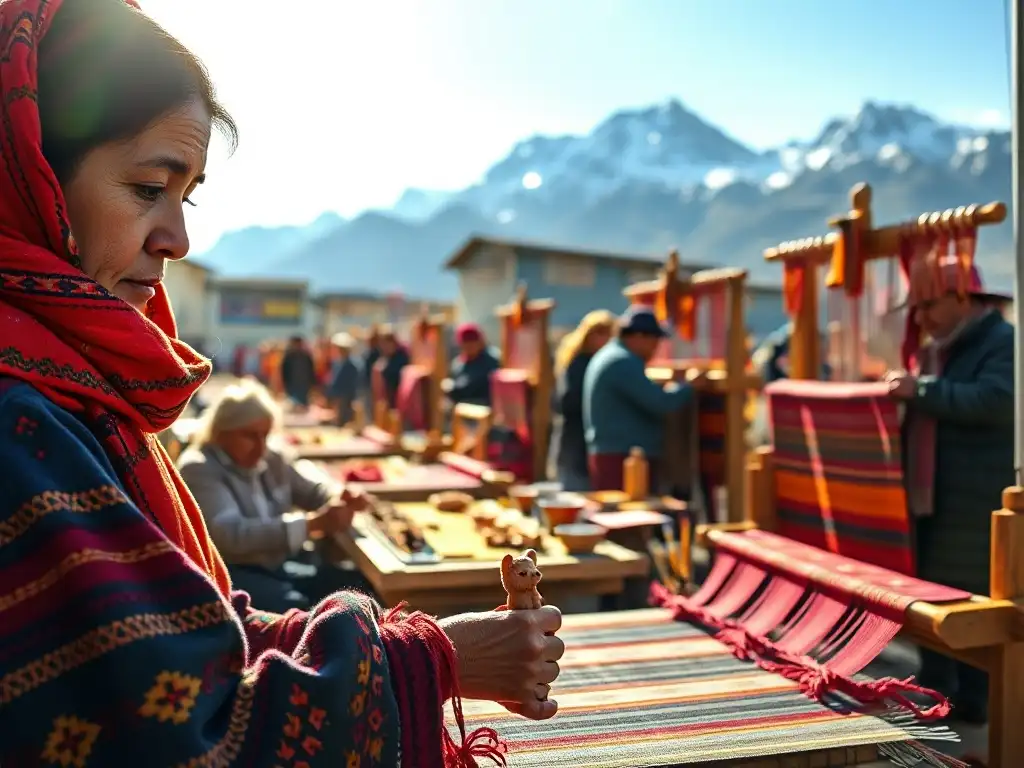
Step into a world lost to time, yet vibrantly alive today. Imagine the echoes of the Inca Empire, their intricate artistry, and breathtaking ingenuity resonating across centuries. This isn't just history; it's a living legacy. Discover how the Inca cultural influence today continues to shape modern life, a story far more complex and fascinating than you might imagine. Unravel the threads of this enduring heritage, beginning with our exploration of The Spanish Conquest and its lasting impact. Prepare to be amazed.
The Spanish conquest brutally ended the Inca Empire in the 16th century, but the echoes of their advanced civilization continue to resonate in modern-day Peru and beyond. This article explores the enduring Inca cultural influence today, examining how their sophisticated agricultural techniques, intricate artistry, and complex social structures have left an indelible mark on the region's identity and continue to inspire contemporary society. From the vibrant textiles adorning modern clothing to the architectural marvels that still stand as testaments to their engineering prowess, the Inca legacy is far from extinguished; it’s a living tapestry woven into the fabric of Andean life.
Understanding this enduring influence is key to appreciating the richness and complexity of Peruvian culture and its connection to a remarkable past. We'll delve into specific examples of Inca cultural impact, highlighting its multifaceted presence in various aspects of contemporary life.
Inca Agricultural Practices: A Foundation for Modern Farming
The Inca's mastery of agriculture, particularly their terracing techniques on steep Andean slopes, remains a remarkable feat of engineering and a vital lesson for sustainable farming practices today. Their sophisticated understanding of water management, including sophisticated irrigation systems and the creation of andenes (terraces), allowed them to cultivate diverse crops even in challenging environments. These methods, still employed in modified forms by Andean farmers, demonstrate the practicality and enduring relevance of Inca agricultural knowledge.
The resilience of these ancient techniques in the face of climate change underscores their importance for food security in the region. Many modern agricultural projects in the Andes actively incorporate and adapt Inca farming methods, proving their continuing relevance and efficiency. Furthermore, research into Inca agricultural practices continues to inform modern sustainable farming initiatives globally.
Inca Art and Textiles: A Source of Inspiration for Contemporary Artists
Inca artistry, particularly their renowned textiles and metalwork, continues to captivate and inspire contemporary artists. The intricate designs, vibrant colors, and sophisticated techniques employed in weaving and metalworking are reflected in modern Andean art. The use of traditional Inca motifs and patterns in contemporary textiles and crafts showcases a direct lineage to the past.
The enduring appeal of these designs speaks to their aesthetic power and cultural significance. Moreover, the revival of traditional Inca textile techniques is not only a source of economic empowerment for Andean communities but also a testament to the enduring power of cultural heritage. The intricate knotting techniques, for example, are being studied and replicated, preserving this ancient craft for future generations.
The Inca's highly organized social structure, with its emphasis on community and cooperation, offers valuable lessons for modern governance and social development. Their intricate system of ayllus (kinship groups) provided a framework for social organization and resource distribution. While the Inca empire was undoubtedly hierarchical, the emphasis on reciprocal obligations and community support offers insights into sustainable social structures.
Modern community-based initiatives in the Andes often draw upon these principles, highlighting the continued relevance of Inca social models. Further research into Inca governance could provide valuable insights into building more equitable and sustainable societies. The concept of mita, a form of labor tax, while exploitative in some respects, also highlights the importance of community contribution and collective responsibility, providing food for thought regarding modern social structures.
The Inca Language and its Linguistic Legacy
While Quechua, the language of the Inca, is not the official language of Peru, it remains widely spoken and continues to exert a significant influence on the national linguistic landscape. Many loanwords from Quechua have integrated into Spanish, and the language is a vital part of Andean cultural identity. Efforts to preserve and promote Quechua, including language revitalization programs, showcase the ongoing importance of this ancient language and its connection to Inca heritage.
The persistence of Quechua in the face of colonization demonstrates its resilience and the strength of Inca cultural legacy. Studies of Quechua grammar and vocabulary are providing valuable insights into the cognitive processes and cultural values of the Inca civilization.
- Inca Agricultural Practices: A Foundation for Modern Farming
- Inca Art and Textiles: A Source of Inspiration for Contemporary Artists
- Inca Social Structures and Governance: Lessons in Community and Organization
- The Inca Language and its Linguistic Legacy
- What is the most significant aspect of Inca cultural influence today?
- How does Inca architecture continue to influence modern building practices?
- Are there any examples of Inca influence in modern Andean cuisine?
- How has Inca social structure impacted modern Andean communities?
- What role does Inca mythology and religion play in contemporary Andean culture?
Understanding the Enduring Inca Cultural Influence
The fall of the Inca Empire to the Spanish conquistadors in the 16th century didn't mark the end of Inca culture. Instead, it initiated a complex process of adaptation, syncretism, and enduring influence that continues to shape Andean societies today. Understanding the Inca legacy requires moving beyond a simple narrative of conquest and exploring the subtle yet profound ways Inca traditions, beliefs, and practices have persisted, interwoven with colonial and modern influences.
This enduring Inca cultural influence is visible in various aspects of contemporary life, from agricultural techniques and linguistic structures to artistic expressions and social organization. The sheer scale and sophistication of the Inca Empire provided a fertile ground for lasting cultural impact, even after its political demise. Analyzing this influence requires a nuanced understanding of both the pre-colonial context and the post-conquest transformations.
The Inca Empire's Grandeur: A Foundation for Lasting Impact
The Inca Empire, at its zenith, was a marvel of engineering and administrative prowess. Its sophisticated road system, spanning thousands of miles across challenging Andean terrain, facilitated communication and trade, leaving an undeniable mark on infrastructure development in the region even centuries later. The Inca's mastery of agriculture, particularly their innovative terracing techniques, allowed them to cultivate diverse crops in varied altitudes, a practice that continues to inform sustainable farming methods in the Andes.
Their intricate system of record-keeping using quipus (knotted strings) demonstrates a high level of mathematical and administrative skill, influencing later accounting and data management practices in a way that is still being studied by historians and mathematicians. The Inca's meticulous urban planning, evident in cities like Machu Picchu, showcases an advanced understanding of architecture and urban design, inspiring modern architectural styles and urban planning strategies that strive for harmony with the environment.
This legacy of Inca ingenuity serves as a powerful testament to their advanced civilization and its enduring impact on Andean societies. Consider the impact of their sophisticated irrigation systems; many still function today, a silent testament to Inca engineering prowess.
Beyond Conquest: Tracing the Roots of Inca Influence
The Spanish conquest didn't erase Inca culture; instead, it spurred a process of cultural fusion. Indigenous languages, although often suppressed, integrated with Spanish, leading to the creation of new linguistic forms and dialects prevalent in the Andes today. Similarly, Inca religious beliefs and practices blended with Catholic traditions, resulting in unique syncretic religious expressions that continue to be practiced by many Andean communities. Inca artistic motifs and styles, particularly in textiles and ceramics, persisted and evolved, often incorporating colonial influences while retaining identifiable Inca characteristics.
This fusion is not simply a matter of overlay; it's a dynamic interaction where elements of Inca culture were selectively adopted, adapted, and reinterpreted by subsequent generations. For example, the vibrant textiles of the Andes, often incorporating pre-Columbian patterns and techniques, showcase this complex interplay of Inca heritage and later influences. This enduring presence of Inca cultural elements demonstrates the resilience of indigenous traditions and their capacity to adapt and thrive even in the face of significant historical upheaval.
The ongoing study of Inca cultural influence today is a testament to the rich and complex legacy of this remarkable civilization. Further research is needed to fully understand the nuances of this cultural transmission and its impact on contemporary Andean identities. The study of Inca influence is an ongoing process of discovery.
Inca Contributions to Modern Andean Life
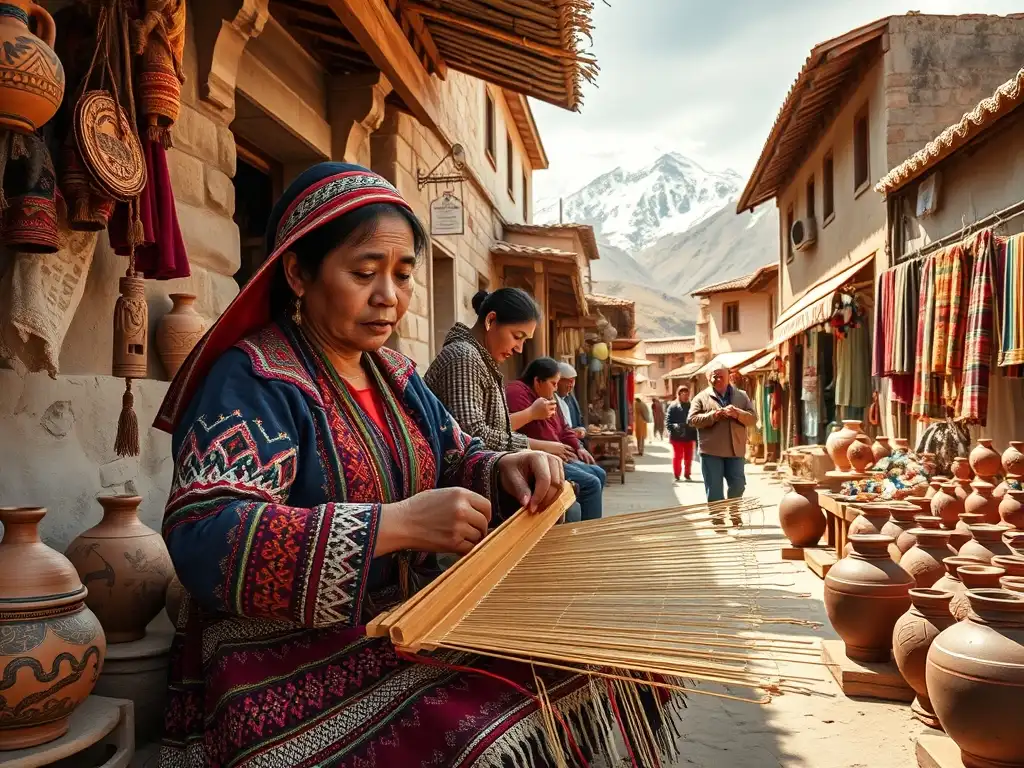
The Inca Empire, despite its relatively short reign compared to other ancient civilizations, left an indelible mark on the Andes. Its influence extends far beyond the ruins of Machu Picchu, permeating modern Andean life in profound ways. Understanding the Inca's cultural influence today requires examining their contributions to architecture, agriculture, and social structures. This enduring legacy serves as a testament to the ingenuity and resilience of the Inca people, and their impact on "Inca cultural influence today" is undeniable.
Inca Architectural Marvels: A Lasting Legacy in Stone
The Inca's mastery of stonework is arguably their most visible legacy. Their cities, temples, and fortifications stand as breathtaking examples of engineering prowess and aesthetic beauty, even centuries after their construction. This remarkable architectural achievement continues to inspire awe and inform modern construction techniques.
The Precision of Inca Stonework and its Modern Relevance
Inca stone masons achieved an unparalleled level of precision. Blocks were cut and fitted together with such accuracy that even a knife blade couldn't be inserted between them. This remarkable feat, accomplished without mortar, reflects a deep understanding of geometry and engineering principles.
Modern architects and engineers continue to study Inca stonework, seeking to understand the techniques used and potentially adapt them to contemporary construction, particularly in seismic zones. The durability and stability of Inca structures, even in the face of earthquakes, are a testament to their advanced knowledge and remain a topic of ongoing research for modern building practices. For example, the meticulous planning and execution of projects like Ollantaytambo showcase a level of precision that continues to fascinate and challenge modern engineers.
Inca Urban Planning: Lessons for Contemporary Cities
Beyond individual structures, the Inca's urban planning demonstrates a sophisticated understanding of urban design. Their cities were meticulously planned, with consideration for factors like water supply, drainage, and accessibility. This forward-thinking approach to city design provides valuable lessons for contemporary urban planners grappling with issues of sustainability and efficient resource management.
The integration of agricultural areas within urban centers in Inca cities, for instance, offers a model for more sustainable urban development. The Inca's ability to create functional and aesthetically pleasing cities in challenging terrain offers a compelling case study for modern urban planning. Further research could reveal even more effective strategies from their methods.
Agricultural Innovations: Sustaining Life in the Andes
The Inca Empire thrived in a challenging environment, marked by steep slopes, diverse altitudes, and varying climates. Their agricultural innovations were crucial to their survival and continue to inform sustainable agricultural practices in the Andes today. The enduring impact of their agricultural ingenuity on "Inca cultural influence today" is undeniable.
Terraced Farming: A Model for Sustainable Agriculture
Inca terraced farming remains a stunning example of sustainable agriculture. By carving terraces into hillsides, the Inca created level plots of land, increasing arable land and reducing soil erosion. This technique, still practiced in many parts of the Andes, serves as a model for sustainable agriculture in mountainous regions worldwide. The effectiveness of terraced farming in preventing soil erosion and maximizing crop yields continues to be studied and replicated in modern agricultural practices. Data on crop yields in traditional Inca terraces compared to modern methods would provide valuable insights into the long-term sustainability of their techniques.
Inca Water Management Techniques: Solutions for Arid Lands
The Inca's sophisticated water management systems were essential to their agricultural success. They constructed canals, aqueducts, and reservoirs to efficiently distribute water to their crops, even in arid regions. These systems demonstrate a profound understanding of hydrology and continue to inspire modern water management strategies in water-scarce environments.
The ingenuity of the Inca's water management, particularly in areas with limited rainfall, provides valuable lessons for contemporary water resource management. Detailed studies comparing the efficiency of Inca water systems with modern irrigation techniques could highlight further benefits of their approach. The challenges of water scarcity in the Andes today highlight the enduring relevance of Inca water management techniques.
Inca Textile Art: Vibrant Traditions Persisting Today
Inca textile art represents a remarkable legacy, a testament to the ingenuity and artistry of a civilization that thrived centuries ago. The intricate weaving techniques, vibrant colors, and symbolic designs continue to inspire contemporary artists and artisans across the Andes. From the simplest everyday garments to the most elaborate ceremonial cloths, Inca textiles showcased a mastery of craftsmanship that is still admired today. The use of natural dyes derived from plants and minerals resulted in a stunning range of hues, many of which remain prized for their vibrancy and permanence.
These techniques, passed down through generations, demonstrate the enduring power of Inca traditions. The survival of these techniques highlights the importance of cultural preservation and the resilience of Andean communities in maintaining their unique heritage. The intricate designs often incorporated symbolic representations of animals, plants, and deities, reflecting the rich cosmology and spiritual beliefs of the Inca people.
The Intricacy of Inca Weaving and its Symbolic Meaning
Inca weaving wasn't merely a craft; it was a sophisticated art form imbued with deep symbolic meaning. The complex patterns, often incorporating geometric designs, zoomorphic motifs (animal shapes), and anthropomorphic figures (human-like forms), communicated social status, religious beliefs, and historical narratives. For example, the use of specific colors and patterns could indicate the wearer's social standing or clan affiliation.
The meticulous attention to detail, the precision of the weaving, and the use of high-quality materials—like alpaca and vicuña wool—all contributed to the enduring prestige of Inca textiles. Researchers continue to decipher the intricate symbolism embedded within these ancient fabrics, uncovering further insights into Inca society and worldview. The complexity of the techniques used, like the backstrap loom, and the incredible fineness of some of the textiles, showcase a level of technical skill rarely matched.
Modern Interpretations of Inca Textile Patterns
Today, Inca textile patterns continue to inspire contemporary artists and designers. Many modern Andean artisans incorporate traditional Inca motifs and techniques into their own work, creating a bridge between the past and the present. These designs can be found in clothing, home textiles, and decorative items, showcasing the enduring appeal of Inca aesthetics. The use of traditional techniques alongside modern materials and designs demonstrates a dynamic interaction between cultural heritage and contemporary creativity.
This fusion of old and new ensures that Inca textile art remains a vital part of Andean cultural identity, constantly evolving while honoring its ancient roots. Many museums and cultural centers across the region actively promote and showcase this living tradition, contributing to its preservation and appreciation. The enduring popularity of these patterns highlights not only their aesthetic value but also their cultural significance.
The Quechua Language: A Living Link to the Inca Past
Quechua, the language spoken by the Inca and their subjects, stands as a powerful testament to the enduring legacy of the Inca Empire. Despite the challenges posed by colonization and globalization, Quechua has survived and continues to thrive in many parts of the Andes. Its persistence is a remarkable demonstration of the resilience of Andean cultures and their commitment to preserving their linguistic heritage.
The language serves as a vital link to the Inca past, preserving not only words and grammatical structures but also the cultural knowledge, worldview, and traditions of the Inca people. Dialects of Quechua vary across different regions, reflecting the diversity of Andean cultures.
The Resilience of Quechua in the Face of Modernity
The survival of Quechua in the face of Spanish colonization and the subsequent dominance of Spanish is a testament to its deep roots in Andean society. While Spanish remains the official language in many Andean countries, Quechua continues to be spoken by millions, particularly in rural communities. Efforts to revitalize and promote Quechua are underway in many regions, with educational initiatives, media programs, and cultural events dedicated to preserving and promoting the language.
This demonstrates a concerted effort to counteract the effects of linguistic assimilation and to maintain a vital part of Andean cultural identity. Furthermore, the language's adaptation to modern contexts, including its use in technology and social media, ensures its continued relevance and accessibility.
Quechua's Influence on Andean Culture and Identity
Quechua's influence extends far beyond its role as a language; it is deeply intertwined with Andean cultural identity. The language carries within it a rich store of knowledge about traditional practices, beliefs, and social structures. Its continued use reinforces a sense of community and shared heritage among Quechua speakers. The preservation of Quechua is therefore crucial to maintaining the vibrancy and diversity of Andean cultures.
The language’s continued use ensures the transmission of traditional knowledge, stories, and values across generations, contributing to the resilience and cultural richness of the Andean region. The ongoing efforts to revitalize and promote Quechua highlight its central role in shaping Andean identity and cultural landscape. The language continues to serve as a powerful symbol of resistance, resilience, and cultural pride for its speakers.
The Inca Influence on Contemporary Art and Design
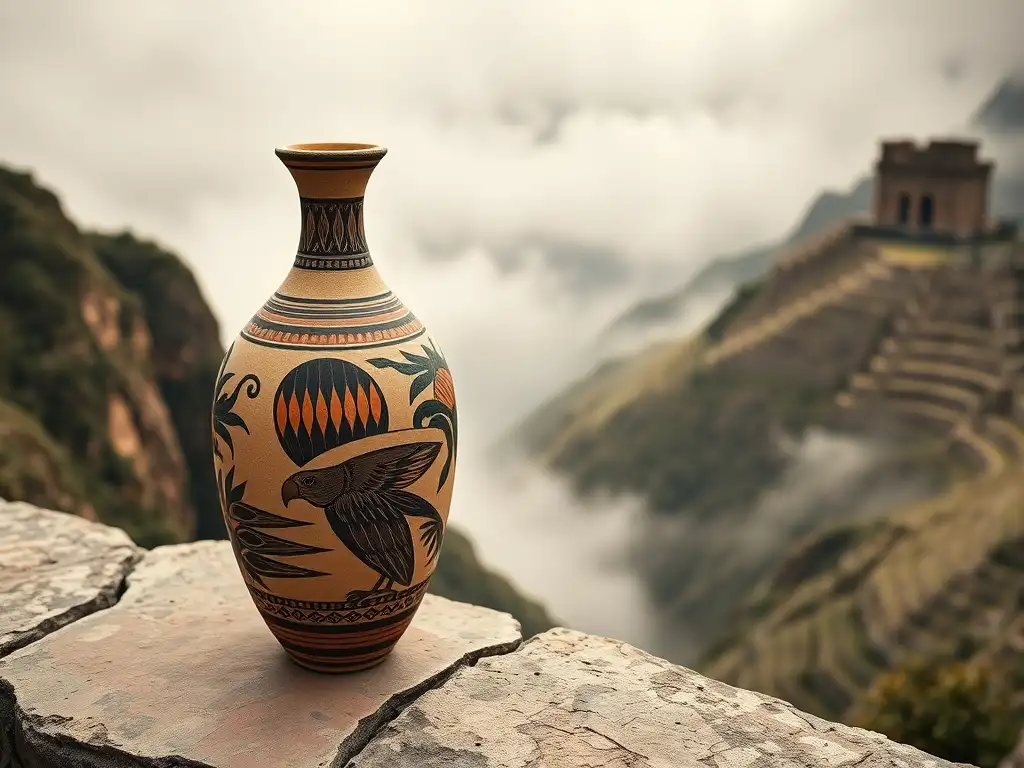
The Inca Empire, despite its demise centuries ago, continues to exert a powerful influence on contemporary art and design. Its sophisticated artistry, intricate textiles, and majestic architecture serve as a constant source of inspiration for modern creators, resulting in a fascinating fusion of ancient heritage and innovative expression. This enduring legacy is evident in various forms, from paintings and sculptures to architectural designs and fashion. The keyword phrase "Inca cultural influence today" is clearly exemplified in these diverse artistic expressions.
Inca Inspired Art: A Fusion of Heritage and Innovation
The vibrant colors, geometric patterns, and symbolic representations characteristic of Inca art are readily apparent in the works of contemporary artists. Many modern artists actively seek to incorporate these elements, reinterpreting them through a contemporary lens while paying homage to the rich artistic traditions of the Inca. This is not simply imitation; it's a dynamic dialogue between past and present, tradition and innovation. The resulting art often explores themes of identity, cultural preservation, and the enduring spirit of the Inca civilization. This renewed interest in Inca aesthetics reflects a global trend towards appreciating and celebrating indigenous cultures.
Contemporary Artists Drawing from Inca Motifs
Several contemporary artists are explicitly referencing Inca motifs in their work. For example, [Artist Name Pending] incorporates intricate Inca knotwork patterns into their textile art, creating stunning tapestries that blend ancient techniques with modern sensibilities. Similarly, [Artist Name Pending] uses Inca iconography in their sculptures, reinterpreting traditional symbols to explore contemporary themes of power, spirituality, and social justice. The use of natural pigments and materials, echoing Inca practices, further strengthens the connection to the ancestral heritage. This conscious engagement with Inca art demonstrates its continuing relevance and capacity to inspire new creative expressions.
Inca Aesthetics in Modern Design and Architecture
The influence of Inca aesthetics extends beyond the realm of fine art, permeating modern design and architecture. The clean lines, geometric precision, and emphasis on natural materials found in Inca structures are being reinterpreted in contemporary buildings and interiors. Architects are incorporating Inca-inspired elements such as stepped terraces, symmetrical layouts, and the use of stone and adobe into their designs.
This integration of Inca aesthetics provides a unique and visually striking aesthetic, while simultaneously promoting sustainable building practices. The use of natural materials, a hallmark of Inca architecture, aligns with the modern emphasis on environmentally conscious design. This subtle yet powerful influence speaks volumes about the enduring appeal of Inca architectural principles.
Inca Music and Dance: Echoes of Ancient Traditions
Inca music and dance, deeply rooted in their spiritual and social life, continue to resonate in modern performances and artistic interpretations. The rhythmic complexity and emotional depth of Inca musical traditions are captivating, and their enduring power is evident in the ways these traditions are being revived and reimagined today. The keyword "Inca cultural influence today" is especially pertinent here, as these artistic forms demonstrate a remarkable continuity across centuries.
The Role of Music and Dance in Inca Society
Music and dance played a central role in Inca society, serving religious, social, and political functions. Ritualistic dances accompanied religious ceremonies, while other forms of dance celebrated harvests, victories, and other significant events. Music, often played on instruments like the pututu (a conch shell horn) and the antara (panpipes), accompanied these dances and served as a powerful means of communication and social bonding. Understanding this historical context is crucial to appreciating the significance of Inca-inspired music and dance today. The intricate rhythms and melodies reflect the sophisticated social structure and spiritual beliefs of the Inca civilization.
Modern Performances of Inca-Inspired Music and Dance
Today, groups and individuals are actively reviving and reinterpreting Inca musical and dance traditions. Modern performances often incorporate elements of traditional Inca instruments and choreography, but also integrate contemporary influences, creating a unique blend of ancient and modern styles. These performances not only entertain but also serve as a powerful means of cultural preservation and education.
They provide a glimpse into the rich cultural heritage of the Inca, fostering a deeper understanding and appreciation of their legacy. The enduring popularity of these performances demonstrates the continuing relevance and appeal of Inca musical and dance traditions. The preservation and adaptation of these traditions are a testament to the enduring power of Inca cultural influence today.
The Global Reach of the Inca Legacy
The Inca Empire, despite its relatively short reign compared to other ancient civilizations, left an indelible mark on the world. Its influence extends far beyond the geographical boundaries of its former territory, impacting various aspects of modern life, from cultural practices to architectural designs. The legacy of the Inca is a testament to their sophisticated societal structures and ingenious innovations, a testament that resonates powerfully even today.
Understanding this global reach requires examining both the tangible and intangible aspects of their enduring cultural influence. The sheer scale of their achievements and the enduring fascination with their unique civilization ensures that the keyword "Inca cultural influence today" remains highly relevant in academic and popular discourse.
Inca Cultural Influence Today: Beyond the Andes
The Inca Empire's influence is not limited to South America. Its impact is felt globally, subtly woven into the fabric of modern society. This far-reaching influence manifests in various ways, from the adoption of Inca agricultural techniques in diverse climates to the incorporation of Inca motifs in contemporary art and design. The enduring appeal of Inca aesthetics and the rich tapestry of their societal structures continue to fuel ongoing research and inspire new interpretations. This global reach is a testament to the ingenuity and innovation of the Inca civilization, demonstrating its lasting impact on the world.
International Recognition of Inca Cultural Heritage
UNESCO's recognition of numerous Inca sites as World Heritage sites underscores the international community's acknowledgement of the importance of preserving Inca heritage. This recognition isn't merely symbolic; it translates into concrete efforts to protect these invaluable locations from degradation and destruction, ensuring that future generations can appreciate the architectural marvels and historical significance of these sites. The global collaboration in preserving Inca cultural heritage exemplifies the widespread appreciation for the civilization's lasting contributions. The international community's commitment demonstrates the continued relevance of the keyword phrase "Inca cultural influence today."
Inca Themes in Literature, Film and Popular Culture
Inca mythology, history, and societal structures have served as rich sources of inspiration for countless works of literature, film, and popular culture. From novels exploring the lives of Inca rulers to documentaries showcasing the ingenuity of Inca engineering, the fascination with the Inca Empire continues to translate into diverse creative expressions.
These portrayals, while sometimes romanticized or fictionalized, contribute to a wider understanding and appreciation of the Inca civilization, fostering a global conversation around their legacy and maintaining the relevance of "Inca cultural influence today" in contemporary media. This ongoing engagement ensures that the Inca story remains vibrant and compelling for audiences worldwide.
Preserving the Inca Heritage for Future Generations
The preservation of Inca heritage is a multifaceted undertaking requiring a concerted global effort. It involves not only protecting physical sites but also safeguarding intangible cultural heritage, including traditional knowledge, artistic practices, and social structures. This critical task necessitates a collaborative approach involving governments, academic institutions, local communities, and international organizations.
Efforts to Protect Inca Archaeological Sites
Protecting Inca archaeological sites from looting, vandalism, and the ravages of time requires a multi-pronged approach. This includes implementing robust security measures, conducting regular maintenance and restoration work, and engaging local communities in preservation efforts. The success of these efforts relies on a combination of technological advancements, such as advanced monitoring systems, and community involvement, fostering a sense of ownership and responsibility among local populations for the preservation of their shared heritage.
Sustainable tourism practices are also crucial for balancing the economic benefits of tourism with the protection of these fragile sites. This diligent work ensures that the "Inca cultural influence today" remains tangible and accessible for generations to come.
The Importance of Education in Maintaining Inca Cultural Traditions
Education plays a pivotal role in ensuring the long-term survival of Inca cultural traditions. By incorporating Inca history and culture into school curricula, we can foster a deeper understanding and appreciation of this remarkable civilization among younger generations. This educational focus extends beyond formal schooling, encompassing community-based initiatives, museums, and cultural centers that actively engage communities in preserving and celebrating their cultural heritage.
The dissemination of knowledge about Inca history and traditions is critical to safeguarding the legacy of the Inca Empire and ensuring that the "Inca cultural influence today" extends far into the future. This active engagement with education is fundamental to the continued relevance of the Inca civilization.
Frequently Asked Questions
What is the most significant aspect of Inca cultural influence today?
The most significant aspect is the preservation and revitalization of Quechua, the Inca language, alongside the continued practice of traditional Andean arts, crafts, and agricultural techniques. These elements remain vibrant parts of modern life in the Andes.
How does Inca architecture continue to influence modern building practices?
Inca architectural principles, such as adaptability to terrain and the use of locally sourced materials, continue to inspire sustainable building design. Modern architects often draw inspiration from Inca stonework techniques and their understanding of integrating structures with the landscape.
Are there any examples of Inca influence in modern Andean cuisine?
Yes, many traditional Andean dishes are rooted in Inca agricultural practices and culinary traditions. Potatoes, maize, and quinoa, all staples of the Inca diet, remain cornerstones of modern Andean cuisine, showcasing a direct culinary legacy.
While the rigid Inca hierarchical system is gone, some aspects of their community-based organization and emphasis on reciprocity (ayni) persist in modern Andean social structures. These principles still influence community cooperation and resource management.
What role does Inca mythology and religion play in contemporary Andean culture?
Elements of Inca mythology and religious beliefs continue to influence modern Andean spiritual practices. Many traditional festivals and ceremonies retain aspects of Inca cosmology and rituals, demonstrating a continuing spiritual connection to the past.
Final Reflection: Echoes of the Andes: The Enduring Legacy of the Inca
The legacy of the Inca Empire is not confined to the crumbling stones of Machu Picchu; its profound impact resonates in the cultural tapestry of modern-day Peru and beyond. The intricate systems of agriculture, the sophisticated understanding of astronomy, and the deeply rooted spiritual beliefs of the Inca continue to shape the lives of millions, demonstrating the enduring power of a civilization that vanished centuries ago. This enduring influence is a testament to the ingenuity and resilience of a people who left an indelible mark on the world.
The Inca's innovative approach to societal organization, particularly their emphasis on community and cooperation, remains a potent source of inspiration. Their intricate network of roads, designed not only for trade but also for communication and social cohesion, serves as a powerful metaphor for the interconnectedness of our modern world. The Inca were masters of integration, building a vast empire not through conquest alone, but through a sophisticated system of cultural exchange and adaptation.
This quote highlights the enduring relevance of their approach to governance and social harmony, a lesson particularly pertinent in our increasingly fragmented world.
Consider the intricate designs woven into Andean textiles, the vibrant ceremonies that still celebrate ancient traditions, or the enduring strength of the Quechua language. These are not mere relics of the past; they are living testaments to the Inca's enduring spirit. You, the reader, are now part of this ongoing narrative. Reflect on the ways in which the Inca's ingenuity and resilience can inspire you to build stronger communities, to foster greater understanding, and to appreciate the rich tapestry of human history. Let the echoes of the Andes inspire you to create a more just and sustainable future.
Unveil the Wonders of the Inca Legacy Today!
Thank you for joining us on this journey through the rich tapestry of Inca culture! We hope you've been inspired by the enduring legacy of this incredible civilization and its profound influence on our world. Now, let's put that inspiration into action!
Here are a few ways you can continue exploring and celebrating the Inca heritage:
- Delve Deeper: Visit a local museum or exhibition showcasing Andean cultures for an immersive experience of their heritage. Consider museums dedicated to pre-Columbian art or South American archaeology.
- Share Your Discoveries: Discuss the Inca legacy with friends and family, sparking conversations about how ancient cultures shape our modern world and perspectives.
- Embrace Inca Creativity: Try your hand at traditional Inca crafts or cooking. Whether you're drawn to pottery, weaving, or recreating a classic Andean dish, immersing yourself in these practices offers a unique connection to the culture.
What aspect of the Inca legacy resonates most with you, and how do you envision it influencing your life?