
The Language of Stone: Deciphering the Symbolic Meanings in PreCeramic Art

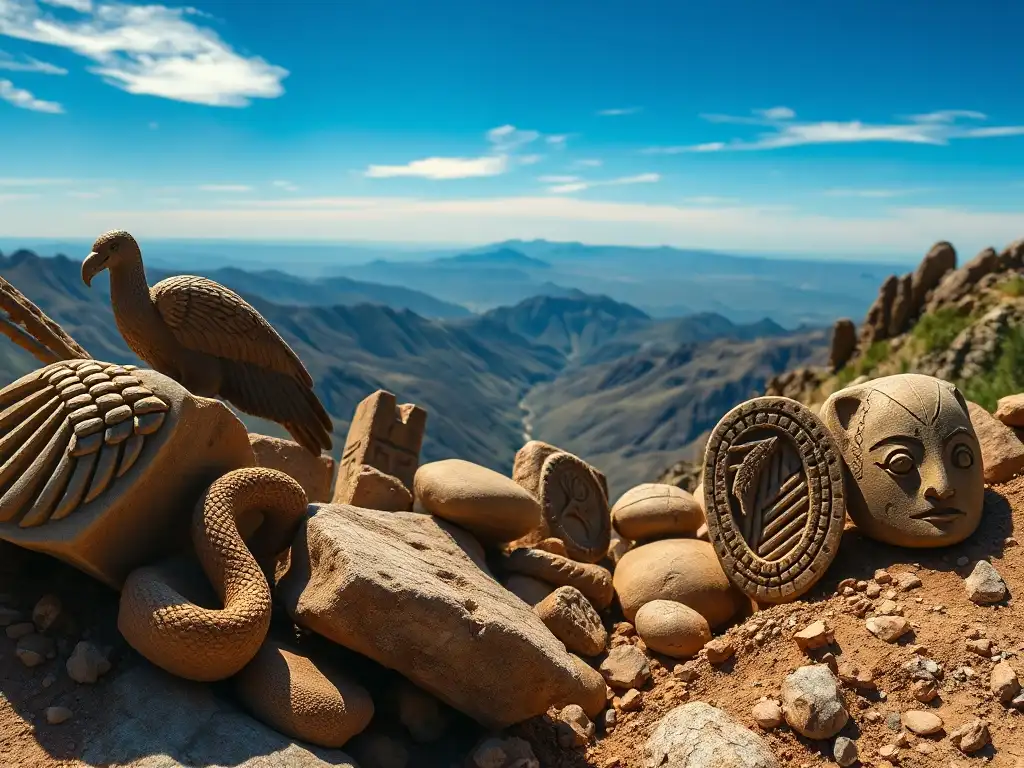
Step into a world lost to time, where mountains whisper secrets and stones speak volumes. Journey with us to the heart of the Andes, where ancient civilizations flourished, leaving behind a legacy etched in stone. Uncover the enigmatic world of Preceramic Andean stone art meaning, and discover how these seemingly simple objects held profound symbolic power. Prepare to be amazed by the artistry and ingenuity of these forgotten masters—their stories are waiting to be revealed.
- The Language of Stone: Deciphering the Symbolic Meanings in Preceramic Andean Art
- Key Motifs and Symbols in Preceramic Stone Art
- Regional Variations in Preceramic Stone Art
- Methods for Deciphering Preceramic Andean Stone Art
- The Evolution of Symbolic Expression in Preceramic Art
- The Legacy of Preceramic Andean Stone Art
-
Frequently Asked Questions
- What is Preceramic Andean stone art?
- What are some common themes found in Preceramic Andean stone art?
- How did Preceramic Andean artists create their stone sculptures?
- What is the significance of the "Preceramic" aspect of this art?
- How can studying Preceramic Andean stone art help us understand the Andean civilizations?
- Final Reflection: Echoes of the Past, Whispers of the Future
- **Unveil the Secrets of Pre-Ceramic Art! **
The Language of Stone: Deciphering the Symbolic Meanings in Preceramic Andean Art
The Andes Mountains, a spine of towering peaks stretching along the western coast of South America, have witnessed millennia of human history. Long before the Inca Empire rose to prominence, a rich tapestry of cultures flourished, leaving behind a remarkable legacy in the form of art.
This article delves into the fascinating world of Preceramic Andean stone art, exploring the symbolic meanings embedded within these ancient artifacts and examining how they illuminate the beliefs, social structures, and daily lives of the early Andean peoples. We will uncover the profound significance of stone in their societies, revealing how these seemingly simple objects hold the key to understanding a crucial period in Andean prehistory, a time ripe with innovation and spiritual expression.
Understanding the "language of stone" allows us to connect with these ancient cultures in a deeply meaningful way, offering a glimpse into the minds and hearts of those who came before us. This exploration focuses on the keyword "Preceramic Andean stone art meaning," providing insights into the interpretations and ongoing research surrounding this captivating field.
Introduction to Preceramic Andean Art and its Significance
The Preceramic period in the Andes (roughly 8000 BCE – 1800 BCE) represents a foundational era in the development of Andean civilizations. While lacking the sophisticated metalwork and monumental architecture of later periods, the art of this time is no less significant. Preceramic Andean art, primarily manifested in carved stone, pottery, and textiles (where surviving examples exist), provides invaluable insights into the early development of artistic expression and religious beliefs.
These artifacts, often found in contexts such as burial sites and ceremonial centers, offer glimpses into the social organization, worldview, and daily practices of the people who created them. The limited, but carefully crafted, nature of surviving Preceramic artifacts suggests a deliberate and meaningful purpose behind their creation, emphasizing their role as more than mere utilitarian objects.
The scarcity of these objects also highlights the importance of careful preservation and continued research to fully understand their significance. Analysis of these objects, coupled with archaeological contextualization, allows us to piece together a narrative of early Andean life, revealing a complex and evolving society.
Understanding the Preceramic Period in the Andes
The Preceramic period in the Andes is characterized by a gradual shift from nomadic hunter-gatherer lifestyles to increasingly sedentary agricultural communities. This transition, fueled by the domestication of plants like potatoes and beans, led to significant societal changes. Larger, more permanent settlements emerged, fostering the development of social hierarchies and specialized labor.
The increasing reliance on agriculture profoundly impacted the worldview of these early Andean peoples, leading to the development of complex religious beliefs and ritual practices. The development of agriculture also led to increased sedentism, which in turn facilitated technological advancements such as pottery and stone carving. This period saw significant regional variations in artistic styles and cultural practices, reflecting the diverse environments and ecological niches occupied by different groups.
Evidence suggests the existence of complex social networks and inter-regional exchange, indicating a degree of interconnectedness across the Andean landscape, even during this early period. Further research is crucial to fully understand the extent of this interconnectedness and the nuances of regional differences.
The Role of Stone in Early Andean Societies
Stone played a pivotal role in the lives of Preceramic Andean societies. Beyond its use in creating tools for hunting, agriculture, and daily tasks, stone also served as a primary medium for artistic expression. The careful selection of specific stone types, often sourced from distant locations, suggests a deep understanding of material properties and symbolic value.
The prevalence of specific motifs and iconography in stone carvings, such as stylized animals, abstract geometric patterns, and human figures, points to the existence of complex belief systems and ritual practices. The use of stone in monumental architecture, albeit on a smaller scale compared to later periods, further indicates the importance of stone as a material that conveyed power, status, and spiritual significance. For example, [specific examples of stone tools and artifacts and their associated meanings pending].
The analysis of these artifacts, combined with ongoing archaeological excavations, continues to reveal new insights into the symbolic language embedded within Preceramic Andean stone art, offering a deeper understanding of the spiritual and social world of these early Andean cultures. The enduring legacy of stone in Andean art and culture underscores its enduring significance throughout the region's rich history.
Unveiling the Meanings: Interpreting Preceramic Andean Stone Art
Interpreting preceramic Andean stone art requires a multi-faceted approach, acknowledging the limitations of our understanding while embracing the richness of available evidence. Unlike later Andean cultures with extensive written records, deciphering the meaning of these early artistic expressions relies heavily on contextual analysis, comparative studies, and careful observation of stylistic elements. Scholars painstakingly examine the artifacts themselves – their shapes, carvings, and the materials used – searching for patterns and recurring motifs that might hint at their purpose and significance.
For example, the prevalence of certain animal representations, such as jaguars or condors, may indicate their importance in the cosmology or social structure of the time. Similarly, the presence of specific geometric designs might be linked to rituals, astronomical observations, or territorial demarcation.
The geographical context plays a crucial role in interpretation. Stone artifacts discovered in coastal regions might have different meanings than those found in the highlands. Access to specific resources, such as particular types of stone, also influences the artistic output.
The meticulous craftsmanship evident in some pieces suggests a high level of social organization and specialized labor, potentially linked to religious or elite practices. The location of the artifacts – within burial sites, ceremonial centers, or everyday settlements – further informs their interpretation, offering clues about their function within the society. For instance, intricately carved stones found in burial contexts likely held significant symbolic meaning related to the afterlife or ancestral veneration.
Furthermore, understanding the stylistic evolution of preceramic Andean stone art provides valuable insights. By tracing the changes in artistic motifs and techniques over time, researchers can gain a better understanding of the cultural transformations that occurred. The emergence of new styles or the disappearance of old ones might reflect shifts in belief systems, social structures, or technological advancements.
This diachronic analysis, combining spatial and temporal perspectives, allows for a more nuanced and comprehensive understanding of the symbolic meanings embedded within these ancient artifacts. The challenge lies in piecing together a coherent narrative from fragmented evidence, recognizing that our interpretations are always subject to revision as new discoveries are made and our understanding of these complex societies evolves. The study of preceramic Andean stone art is an ongoing process of discovery, constantly refining our understanding of the rich cultural heritage of the Andes.
Key Motifs and Symbols in Preceramic Stone Art
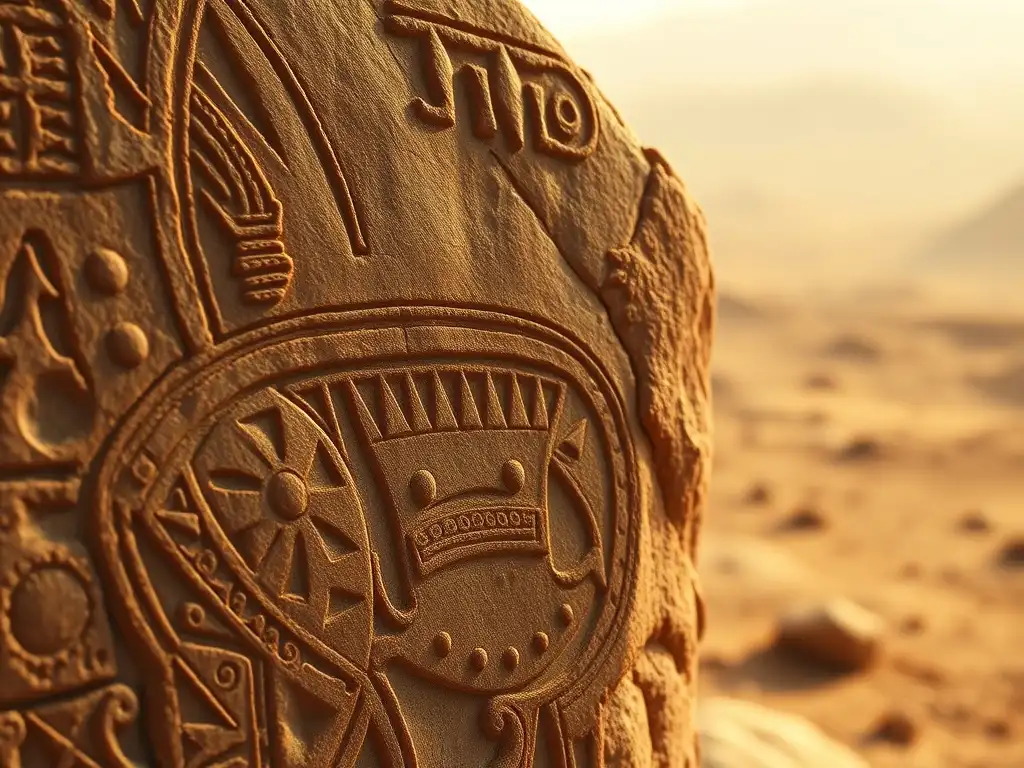
This section delves into the recurring motifs and symbols prevalent in Preceramic Andean stone art, offering insights into their potential symbolic meanings and cultural significance. Understanding these visual elements provides a crucial window into the worldview and beliefs of the early Andean societies, long before the rise of the Inca Empire. The analysis focuses on the prevalent use of zoomorphic and anthropomorphic representations, alongside the intriguing presence of geometric patterns, all of which contribute to a richer understanding of "Preceramic Andean stone art meaning".
Zoomorphic Representations: Animals as Symbols in Preceramic Art
Animals played a significant role in the cosmology and daily life of Preceramic Andean cultures. Their representations in stone art are not merely decorative; they likely held deep symbolic meaning, reflecting the close relationship between humans and the natural world. Common zoomorphic depictions include:
- Camelids: Llamas and alpacas, vital for sustenance and transportation, frequently appear. Their depiction might symbolize wealth, social status, or connection to the Andean highlands' ecological balance. Some carvings show camelids in stylized poses, potentially representing specific rituals or mythological narratives. The size and detail of the carving could indicate the importance assigned to the animal within a particular context.
- Birds: Birds of prey, such as condors, and other avian species are also common. These could represent power, speed, and connection to the upper world – a realm often associated with deities and spiritual forces. The depiction of birds in flight might symbolize freedom, transcendence, or the passage of souls. Specific bird species may have held unique symbolic meaning, though further research is needed to fully decipher their individual significance. [Specific bird species symbolism pending].
- Reptiles and other animals: Serpents, felines, and other creatures also appear, though less frequently than camelids and birds. These may represent fertility, earth forces, or underworld deities, depending on the specific context of their depiction and accompanying symbols. The presence of these animals alongside other motifs adds layers of complexity to the overall interpretation of the stone art. For example, a serpent intertwined with a camelid might signify a complex relationship between the earthly and spiritual realms.
Anthropomorphic Figures: Depicting Humans and Deities in Stone
Anthropomorphic figures, representing humans or deities, are less common in Preceramic stone art compared to zoomorphic representations. However, when found, they offer invaluable insight into the society's social structures, religious beliefs, and understanding of the human form. These figures often exhibit stylized features, sometimes exaggerated or distorted, which could represent idealized forms, shamanic figures, or supernatural beings.
The level of detail in these carvings varies greatly. Some are highly schematic, with minimal features, while others show remarkable attention to anatomical detail. This variation might reflect different artistic styles, regional differences, or the status of the individuals or deities depicted. Further research comparing the anthropomorphic figures across different Preceramic sites is necessary to identify potential regional variations and stylistic developments. [Data on regional variations in anthropomorphic figures pending].
The presence of specific attributes, such as headdresses, jewelry, or ceremonial garments, further enhances the interpretation of these figures. These accessories can signify social rank, ritual status, or connection to specific deities or ancestral figures. For example, a figure wearing a feathered headdress might represent a shaman or a high-ranking member of society.
Geometric Patterns and Their Symbolic Interpretations
Geometric patterns, such as spirals, zigzags, and cross-hatching, are frequently found in Preceramic Andean stone art. These patterns are rarely isolated; they often accompany zoomorphic or anthropomorphic representations, enhancing their symbolic meaning.
| Pattern Type | Potential Interpretation | Example Location (Site) |
|---|---|---|
| Spirals | Cyclical processes, cosmic energy, fertility | [Specific site example pending] |
| Zigzags | Mountain ranges, pathways, lightning, duality | [Specific site example pending] |
| Cross-hatching | Textiles, weaving, interconnectedness, networks | [Specific site example pending] |
| Concentric Circles | Sun, celestial bodies, cyclical time, wholeness | [Specific site example pending] |
The interpretation of geometric patterns is often context-dependent. The same pattern might have different meanings depending on its location on the artifact, its association with other motifs, and the overall artistic style. For example, a spiral might represent fertility when found near a zoomorphic depiction of a camelid, but signify cosmic energy when found in association with celestial motifs.
The combination of geometric patterns with other symbols creates a complex visual language that requires careful and nuanced analysis to fully understand its "Preceramic Andean stone art meaning". Further research is needed to fully understand the complex interplay of these patterns and their significance within the broader context of Preceramic Andean culture. 🕵️
Abstract Designs and Their Possible Meanings
The Preceramic Andean period, preceding the rise of iconic civilizations like the Inca, is characterized by a fascinating array of abstract designs etched, carved, and painted onto stone artifacts. These designs, often geometric in nature, defy simple interpretation, sparking ongoing debate among archaeologists and art historians regarding their symbolic meanings. While definitive answers remain elusive, several compelling theories attempt to unravel the mysteries held within these ancient patterns.
One prominent theory suggests that many abstract designs represent celestial phenomena. The intricate spirals, concentric circles, and zigzags found on numerous stone objects bear a striking resemblance to constellations, the movements of the sun and moon, and perhaps even astronomical events like eclipses. This interpretation aligns with evidence suggesting a sophisticated understanding of astronomy in early Andean societies, utilized for agricultural planning and ritualistic purposes. Careful analysis of the orientation of these artifacts in relation to the landscape further supports this hypothesis, indicating a potential connection to specific celestial alignments.
Another perspective focuses on the role of abstract designs in representing social structures and power dynamics. Certain recurring motifs, such as stepped patterns or complex interwoven lines, might indicate hierarchical systems or the representation of different social groups within the community. The size and prominence of the design on the stone artifact could also reflect the status or importance of the individual or group it belonged to.
Further research involving the context of discovery – where the artifacts were found and in association with what other objects – would be crucial in supporting this interpretation. For example, the discovery of a stone carving with a complex abstract design alongside other burial goods could suggest a connection to ritualistic practices or beliefs related to the afterlife.
Furthermore, the use of various colors and pigments in some Preceramic stone art adds another layer of complexity to the interpretation of abstract designs. The careful application of ochre, red, and black pigments suggests that color held significant symbolic meaning, potentially representing different deities, natural elements, or even specific events. However, the exact meaning of these color combinations remains largely unknown, requiring further investigation and cross-referencing with other archaeological findings from the same period. The degradation of pigments over millennia presents a significant challenge in this area of research, highlighting the need for advanced analytical techniques.
Finally, it is important to acknowledge the limitations of current interpretations. Many abstract designs remain enigmatic, defying simple categorization or explanation. The possibility of multiple, overlapping meanings – influenced by local beliefs, specific contexts, and evolving cultural practices – cannot be ruled out. Ongoing research, incorporating advanced technologies like 3D scanning and spectral analysis, holds the potential to reveal further insights into the symbolic language encoded within these ancient works of Preceramic Andean art. The ongoing investigation of these artifacts promises to unveil a deeper understanding of the rich cultural tapestry of early Andean societies.
Regional Variations in Preceramic Stone Art
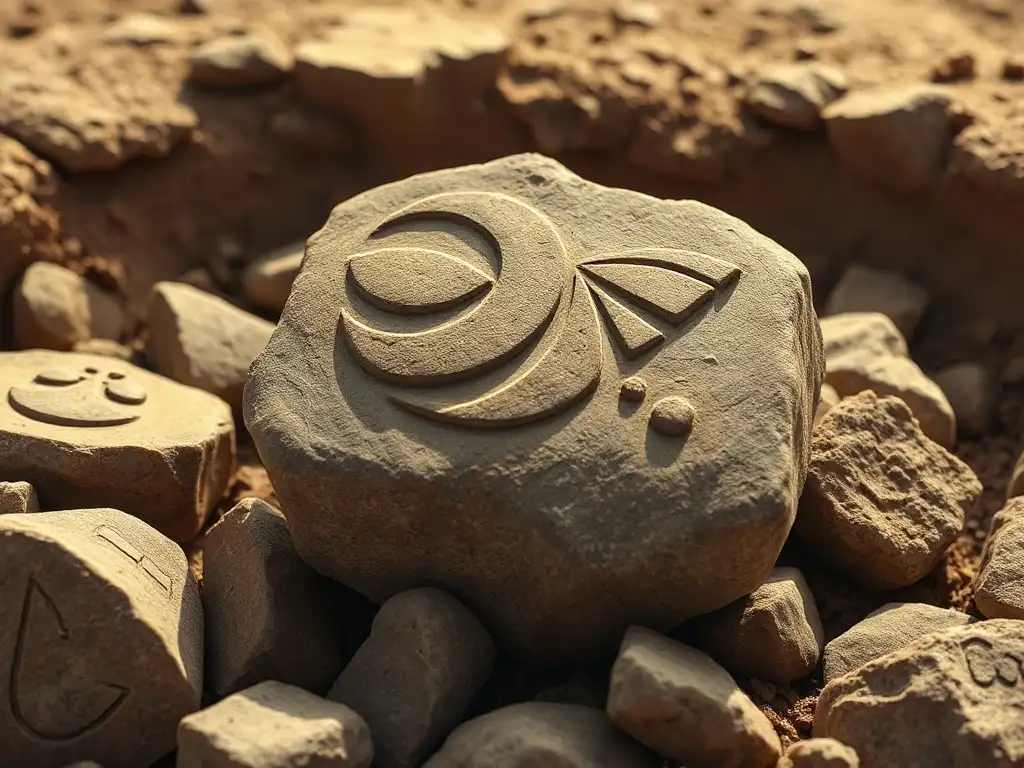
The Preceramic period in the Andes (roughly 8000-1800 BCE) witnessed a remarkable flourishing of artistic expression, particularly in stone. While a unified "Andean" style doesn't exist, regional variations reveal diverse cultural practices and beliefs reflected in their unique artistic idioms. Examining these differences provides crucial insights into the societal structures, spiritual beliefs, and environmental adaptations of these early Andean communities.
The development of stone working itself represents a significant technological leap, requiring specialized knowledge and tools, indicating complex social organization. Understanding these regional variations helps us better interpret the symbolic meanings embedded within Preceramic Andean stone art. This section will explore some key regional examples, focusing on the distinct characteristics of coastal, highland, and Amazonian influences on preceramic stone art.
Coastal Preceramic Stone Art: Caral's Monumental Architecture
Caral, located in the Supe Valley of Peru, stands as a prime example of coastal Preceramic artistry. While not solely focused on small, portable stone artifacts like other regions, Caral's monumental architecture itself constitutes a powerful form of artistic expression. The massive structures, meticulously constructed from stone and adobe, reveal sophisticated engineering and planning.
The arrangement of these structures, their size, and the use of specific stones (like the carefully selected and placed andesite blocks) all speak to a deeply ingrained cosmology and social hierarchy. The absence of clear depictions of figures or narrative scenes, unlike later periods, suggests a different mode of symbolic representation, possibly emphasizing abstract concepts of power, community, and the relationship between humans and the environment.
Analysis of the stone's provenance and the techniques used in construction provide further clues to understanding the complex labor organization and resource management systems that underpinned Caral's society. The precision and scale of Caral's stonework emphasize the importance of collective effort and shared beliefs, arguably a powerful form of non-representational "Preceramic Andean stone art meaning."
Highland Preceramic Stone Art: Kotosh's Temple of the Crossed Hands
In contrast to the monumental architecture of the coast, the highland Preceramic period produced smaller-scale stone artifacts, often characterized by more direct symbolic representations. Kotosh, located in the central Andes, is renowned for its Temple of the Crossed Hands, a structure containing remarkable sculpted figures. These figures, carved from stone, depict stylized human figures with arms crossed over their chests.
The meaning of this iconic pose remains debated, but interpretations often center around themes of fertility, ritual, and possibly ancestor veneration. The use of specific materials, such as volcanic stone, and the stylistic choices in the sculpting (e.g., the emphasis on certain body parts) point to a rich symbolic language that requires further investigation.
The discovery of other carved stone artifacts at Kotosh, including smaller figurines and decorative elements, expands our understanding of the artistic practices and beliefs of this highland community. The stylistic differences between Kotosh's stone art and that of Caral highlight the diversity of artistic expression across the Andean landscape, proving that "Preceramic Andean stone art meaning" wasn't monolithic.
Amazonian Influences on Preceramic Stone Art
The Amazonian region presents a unique case in Preceramic Andean stone art. While less extensively studied than the coastal and highland regions, evidence suggests a distinct artistic tradition influenced by the rainforest environment. The availability of different stone types and the unique challenges of working in a tropical climate likely shaped the development of Amazonian stone art.
While monumental architecture is less prevalent, the discovery of carved stone tools, amulets, and possibly early forms of ceremonial objects indicates a rich, albeit less well-documented, artistic tradition. The scarcity of findings highlights the need for further archaeological research in this area, especially to understand the relationship between Amazonian preceramic stone art and the wider Andean context. The potential for uncovering new sites and artifacts could significantly enrich our understanding of the diversity of Preceramic Andean stone art and its multifaceted meanings.
Further research is crucial to fully explore the nuances of “Preceramic Andean stone art meaning” in the Amazon. More detailed analysis is needed to determine the extent of cultural exchange and the unique artistic characteristics of this region, potentially revealing unexpected connections and enriching our understanding of the broader Andean cultural tapestry.
Methods for Deciphering Preceramic Andean Stone Art
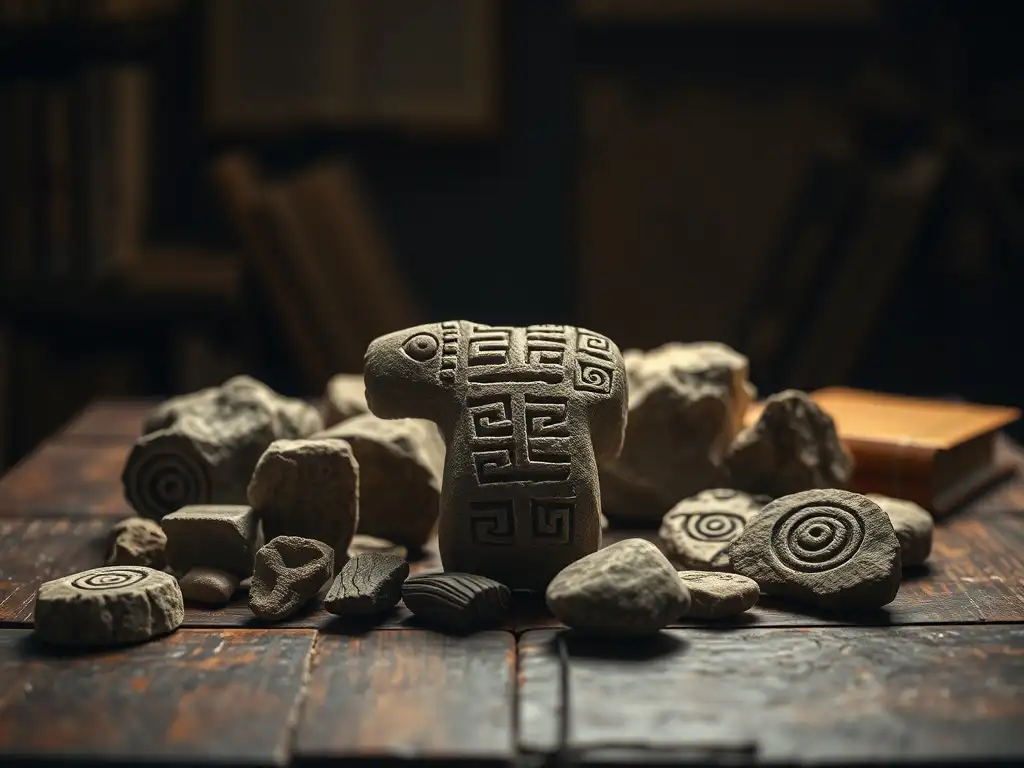
This section delves into the multifaceted approaches scholars employ to unlock the symbolic meanings embedded within Preceramic Andean stone art. Understanding these ancient expressions requires a multidisciplinary approach, combining archaeological investigation, ethnographic parallels, and detailed iconographic analysis. This allows us to move beyond simple description and towards a deeper comprehension of the beliefs, rituals, and social structures of these early Andean societies. The keyword "Preceramic Andean stone art meaning" is central to this exploration.
Archaeological Context: Understanding the Setting of the Art
The context of discovery is paramount in interpreting Preceramic Andean stone art. Where was the artifact found? What other materials accompanied it? What was the surrounding environment like?
These questions are crucial for understanding the object's original function and meaning within its socio-cultural setting. For instance, a carved stone found within a burial site might signify something entirely different than a similar stone discovered in a ceremonial center. Careful excavation and meticulous recording of spatial relationships are essential. Analysis of associated artifacts, such as pottery shards, tools, or other stone carvings, can provide valuable clues about the time period and cultural affiliation of the artwork.
Moreover, the geological context – the type of stone used and its source – can reveal trade networks and resource management strategies. Consider, for example, the meticulous obsidian tools found alongside certain stone carvings in the coastal regions, suggesting a complex system of exchange and specialization. The precise location of finds, often documented with GPS coordinates and detailed site maps, helps researchers build a rich understanding of the landscape's role in shaping cultural practices and the meaning of the art itself. Understanding the archaeological context is therefore fundamental to deciphering the Preceramic Andean stone art meaning.
Ethnographic Parallels: Insights from Modern Andean Cultures
While separated by millennia, there are striking continuities in Andean worldview and artistic expression. Ethnographic research, the study of contemporary Andean cultures, provides valuable parallels for interpreting ancient art. Many modern Andean communities retain traditions of stone carving and symbolic representation, offering valuable insights into the possible meanings and functions of Preceramic art.
For example, the use of specific motifs, such as stylized animals or geometric patterns, in contemporary Andean textiles and ceremonies may shed light on their counterparts in Preceramic stone carvings. The continuity of certain symbolic systems, albeit transformed over time, suggests a deeper cultural memory and shared understanding of the world. By carefully comparing and contrasting ancient and modern artistic practices, we can identify potential links and build more nuanced interpretations.
This comparative approach, however, must be undertaken cautiously, acknowledging the vast temporal and cultural differences while recognizing the potential for illuminating parallels. The presence of similar motifs or techniques across millennia strengthens the argument for a potential continuity in meaning, though further research is needed to fully understand the nuances of these connections. This approach helps us to better understand the Preceramic Andean stone art meaning within a broader Andean cultural context.
Iconographic Analysis: Examining the Visual Elements
Iconographic analysis focuses on the visual elements of the stone art itself. This includes identifying and interpreting the various motifs, symbols, and patterns employed by the artists. Detailed descriptions and precise measurements are crucial. For example, the repetition of certain geometric patterns, the depiction of stylized human or animal figures, or the presence of abstract symbols all require careful scrutiny.
The use of different techniques, such as carving, polishing, or painting, can also provide clues about the object’s function and significance. Furthermore, the position and arrangement of elements within the composition itself can be significant. Is there a hierarchical ordering of elements? Are certain motifs emphasized over others?
These subtle details can reveal much about the artist’s intentions and the cultural values reflected in the artwork. The creation of detailed catalogs and databases of Preceramic stone art motifs is essential for comparative analysis and the identification of recurring themes. This systematic approach allows for the development of more robust interpretations, moving beyond subjective impressions towards a more objective understanding of the Preceramic Andean stone art meaning. Careful documentation and comparison are key to unlocking the rich symbolic language embedded within these ancient works.
Comparative Studies: Linking Art from Different Sites
Comparative analysis plays a crucial role in deciphering the symbolic meanings embedded within Preceramic Andean stone art. By comparing artistic motifs, styles, and techniques across different archaeological sites, researchers can identify patterns and potential connections that reveal broader cultural trends and beliefs. For example, the recurring depiction of stylized felines in both coastal and highland sites suggests a shared iconography related to either religious beliefs or societal structures, potentially indicating widespread networks of communication or interaction during the Preceramic period. The similarities, however, are not always straightforward.
Variations in artistic representation, even when depicting seemingly the same subject, can offer valuable insights into regional differences and the evolution of symbolic meanings over time. A meticulous examination of these variations allows for a more nuanced understanding of the complex cultural landscape of the Andean region during this formative period. Detailed cataloging of motifs, including their size, position within a piece, and associated elements, is essential for effective comparative studies. This approach requires careful documentation and rigorous methodology to avoid misinterpretations and ensure the reliability of the conclusions drawn.
Further, technological analysis of the stones themselves – their origin, the tools used to carve them, and the methods of polishing – can provide additional context for comparative studies, linking artistic styles to specific geographic regions and resource availability. This interdisciplinary approach, combining art historical analysis with archaeological and geological data, is vital for building a comprehensive understanding of Preceramic Andean stone art's meaning. For instance, comparing the stone types used in sculptures from Caral and Paracas can reveal potential trade routes and interactions between these seemingly distant communities. The differences in stylistic choices, when considered alongside the similarities in subject matter, offer a rich tapestry of information regarding the cultural exchanges and transformations that characterized the Preceramic era.
The Evolution of Symbolic Expression in Preceramic Art
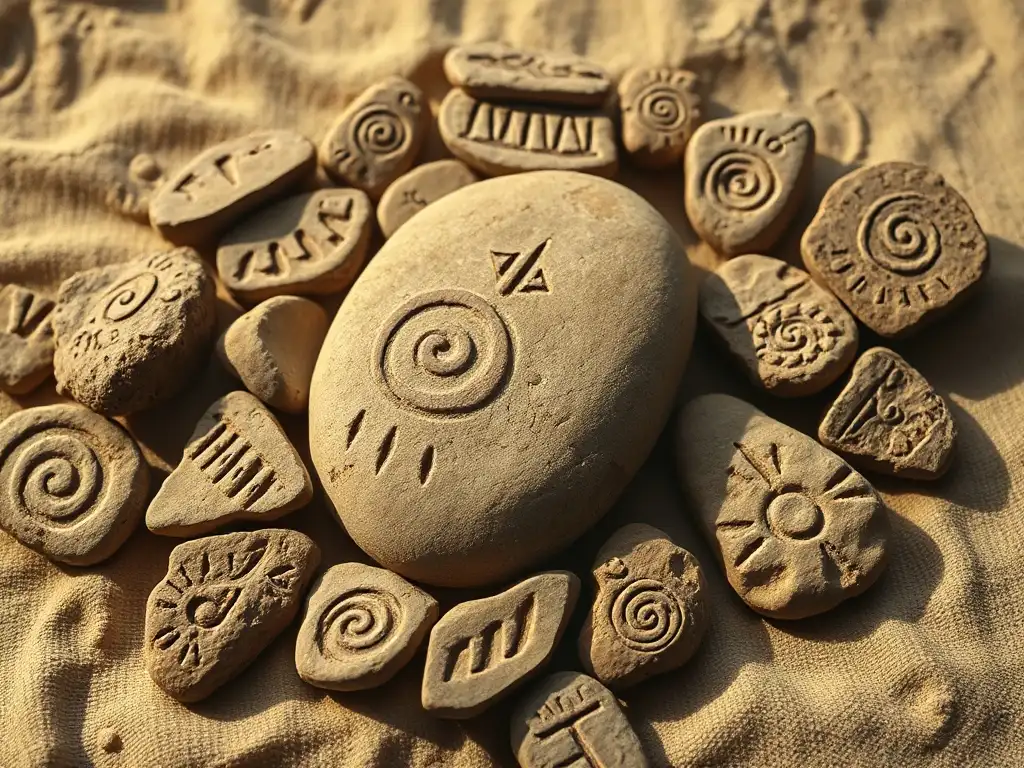
This section delves into the fascinating evolution of symbolic expression evident in Preceramic Andean stone art, focusing on the gradual increase in complexity and the eventual transition to ceramic mediums. Understanding the meaning behind these early artistic endeavors provides invaluable insight into the belief systems, social structures, and daily lives of these ancient Andean cultures. The analysis below focuses on the "Preceramic Andean stone art meaning" found in specific examples, highlighting the development of artistic techniques and their symbolic implications.
Early Forms of Preceramic Stone Art: Lithic Engravings at Toquepala
The earliest forms of Preceramic Andean stone art often manifest as simple lithic engravings. Sites like Toquepala in southern Peru offer compelling examples. These engravings, typically found on pebbles and cobbles, consist of rudimentary geometric patterns: lines, dots, and simple shapes. While the exact meaning remains debated among archaeologists, several interpretations exist.
Some researchers suggest these markings served practical purposes, perhaps as tally marks for counting or recording events. Others propose a more symbolic function, with the geometric patterns representing celestial bodies, abstract concepts, or clan affiliations. The lack of standardization in the engravings suggests a potentially diverse range of meanings, varying across different groups or even individual artists.
Further research, including detailed stylistic analysis and contextual archaeological investigations, is needed to refine our understanding of the "Preceramic Andean stone art meaning" inherent in these early expressions. The limited size and often fragmented nature of these artifacts also poses challenges to comprehensive analysis.
Developments in Artistic Complexity: The Increasing Use of Relief Carving
As Preceramic Andean societies developed, so too did their artistic capabilities. The relatively simple engravings gave way to more complex techniques, notably the rise of relief carving. This involved sculpting images directly onto stone surfaces, creating three-dimensional representations. These carvings often depict stylized animal figures, particularly camelids (llamas and alpacas), which were crucial to the Andean economy and possibly held spiritual significance.
The increased sophistication in relief carving reflects a growing level of artistic skill and a more developed understanding of stone as a medium. The deliberate creation of three-dimensional forms suggests a shift towards a more representational style, moving beyond simple abstract markings. Interestingly, the animal depictions frequently exhibit stylized features, suggesting a symbolic, rather than purely realistic, representation.
Further, the size and placement of these carvings – often found in association with settlements or ritual sites – point towards their potential role in social and religious contexts. The "Preceramic Andean stone art meaning" in these carvings likely involved a complex interplay of economic, social, and spiritual symbolism. More detailed studies are needed to fully explore the variations in style and iconography across different regions and time periods.
The Transition to Ceramic Art: The Shift in Artistic Mediums
The development of ceramic technology in the Andean region marked a significant turning point, leading to a gradual shift away from stone as the primary artistic medium. While stone carving continued, the emergence of pottery provided a more versatile and readily available material for artistic expression. This transition wasn't abrupt; rather, it was a gradual process, with both stone and ceramic art coexisting for a considerable period.
The shift to ceramics didn't necessarily diminish the symbolic importance of art. Instead, it expanded the possibilities for artistic expression, allowing for more intricate designs and larger-scale creations. The transition reflects a broader societal change, with the development of agriculture and settled communities providing new resources and influencing artistic styles. The "Preceramic Andean stone art meaning" therefore evolved, but the underlying symbolic systems likely persisted, adapting to the new medium.
The study of both preceramic stone art and early ceramic art is crucial for understanding the continuity and change in Andean artistic traditions and worldviews. Further comparative studies are needed to fully understand the relationship between the symbolic systems expressed in both stone and ceramic art. The transition represents not an end, but a transformation in the language of artistic expression in the Andean region.
The Legacy of Preceramic Andean Stone Art
This section delves into the enduring influence of Preceramic Andean stone art, demonstrating its profound impact on subsequent artistic and cultural expressions across the Andes. Understanding this legacy is crucial to appreciating the complexity and continuity of Andean civilization. The "Preceramic Andean stone art meaning" isn't confined to the objects themselves; it resonates through millennia, shaping later artistic conventions and worldview.
Influence on Later Andean Art and Culture
The abstract and symbolic forms found in Preceramic Andean stone art served as a foundational vocabulary for later artistic traditions. The sophisticated techniques of carving, polishing, and sculpting stone, evident in early artifacts, were refined and adapted by succeeding cultures like the Chavín and Inca. For example, the recurring motifs of felines, birds, and stylized human figures, present in Preceramic art, reappear in various guises throughout Andean history, albeit with stylistic variations reflecting evolving cultural contexts.
This artistic continuity suggests a shared cultural heritage and a consistent engagement with fundamental themes, such as cosmology, power, and social hierarchy. Analyzing the evolution of these motifs provides valuable insights into the transmission of cultural knowledge and beliefs across different Andean societies. The stylistic elements and techniques found in Preceramic stone art can be traced in later ceramics, textiles, and metalwork, demonstrating a lasting impact on Andean artistic expression.
This artistic continuity underscores the importance of understanding Preceramic art as a vital link in the chain of Andean cultural development. The subtle shifts in iconography over time also provide valuable clues to understanding the social and political changes that occurred within Andean societies.
The Importance of Preserving Preceramic Art Sites
The preservation of Preceramic art sites is paramount for understanding the "Preceramic Andean stone art meaning" and the broader history of Andean civilization. These sites, often located in challenging environments, are vulnerable to natural erosion, looting, and the impacts of climate change. Their protection requires a multi-faceted approach involving archaeological research, community engagement, and responsible tourism practices.
Detailed documentation of these sites through high-resolution photography, 3D modeling, and meticulous excavation techniques is essential for preserving the information they hold for future generations. Furthermore, engaging local communities in the preservation efforts fosters a sense of ownership and responsibility, ensuring the long-term sustainability of these invaluable cultural heritage resources. The loss of these sites represents not only the destruction of unique artistic expressions but also the erasure of crucial information about early Andean societies and their beliefs.
Investing in protective measures, such as improved site management and environmental monitoring, is a crucial investment in the preservation of our shared cultural heritage. Careful excavation and preservation techniques minimize the risk of damage and ensure that these fragile artifacts remain available for future study and appreciation.
Continued Research and Discoveries in Preceramic Art
Ongoing research continues to illuminate the "Preceramic Andean stone art meaning" and expands our understanding of early Andean societies. New discoveries of Preceramic art sites and artifacts regularly challenge existing interpretations and reveal previously unknown aspects of their culture. Advanced dating techniques, such as radiocarbon dating and thermoluminescence dating, provide more precise chronologies, allowing for a more nuanced understanding of the temporal relationships between different artistic styles and cultural practices.
Furthermore, technological advancements in imaging and analysis, such as X-ray fluorescence and 3D scanning, allow researchers to examine artifacts in greater detail, revealing hidden features and providing insights into their creation and use. The collaborative efforts of archaeologists, anthropologists, and other specialists contribute to a more comprehensive understanding of Preceramic Andean art, enriching our knowledge of this formative period in Andean history.
The ongoing nature of research underscores the dynamic and evolving understanding of Preceramic Andean culture, promising further revelations about its complexities and significance in the broader context of Andean civilization. New discoveries and innovative research methods continue to reshape our understanding of the "Preceramic Andean stone art meaning", highlighting the dynamic and evolving nature of archaeological inquiry.
Conclusion: The Enduring Power of Preceramic Andean Stone Art Meaning
The study of Preceramic Andean stone art offers a captivating glimpse into the minds and societies of the earliest Andean inhabitants. While much remains enigmatic, the careful analysis of surviving artifacts reveals a complex system of symbolic representation reflecting a deep connection to the natural world and a sophisticated understanding of their place within it. The enduring power of this art lies not only in its aesthetic qualities but also in its ability to connect us across millennia to the ingenuity and spiritual beliefs of these pioneering cultures.
The meanings embedded within these seemingly simple stones resonate even today, prompting continued research and inspiring a deeper appreciation for the rich tapestry of Andean history. The enduring mystery surrounding some of the symbols only serves to heighten the intrigue and encourage further investigation, ensuring that the legacy of Preceramic Andean stone art continues to unfold, revealing new layers of meaning with each new discovery. This legacy serves as a powerful testament to the resilience and creativity of the human spirit, reminding us that even the most ancient societies possessed a capacity for profound artistic expression and symbolic communication.
The ongoing efforts to decipher and understand these ancient symbols are a testament to the enduring fascination with understanding our shared human past and the profound impact of early Andean cultures on the development of art and civilization in the Americas. The quest to unlock the secrets held within these stones continues, promising further revelations and a deeper understanding of "Preceramic Andean stone art meaning" for generations to come. Ultimately, the study of this art provides a powerful lens through which to examine the enduring human impulse towards artistic expression and symbolic communication, a legacy that continues to shape our understanding of the world.
Frequently Asked Questions
What is Preceramic Andean stone art?
Preceramic Andean stone art refers to stone carvings and sculptures created by Andean cultures before the invention of pottery (hence "preceramic"). These artifacts offer valuable insights into their beliefs and societal structures. They often depict abstract and zoomorphic forms.
What are some common themes found in Preceramic Andean stone art?
Common themes include representations of animals, particularly camelids like llamas and alpacas, and abstract symbols potentially related to rituals, fertility, or ancestor veneration. These themes varied regionally, reflecting diverse cultural practices.
How did Preceramic Andean artists create their stone sculptures?
Techniques varied depending on the stone's hardness and the desired form. Artists likely used abrasion, pecking, and polishing to shape the stone, often employing simple tools made of stone or bone.
What is the significance of the "Preceramic" aspect of this art?
The "preceramic" label is crucial because it highlights the early development of complex artistic expression in the Andes, prior to the widespread adoption of pottery. It demonstrates advanced skill and cultural sophistication in the region.
How can studying Preceramic Andean stone art help us understand the Andean civilizations?
Studying this art provides critical insights into the belief systems, social organization, and technological capabilities of early Andean societies, long before the Inca empire. It offers a window into a rich and complex past.
Final Reflection: Echoes of the Past, Whispers of the Future
The intricate carvings and enigmatic forms of Preceramic Andean stone art remain powerfully relevant today, offering a profound window into the human spirit's enduring quest for meaning and expression. These ancient artifacts, far from being mere relics of a distant past, speak directly to our contemporary understanding of symbolism, artistic innovation, and the complex relationship between humanity and the natural world. Their silent testimony challenges us to reconsider our own narratives and the ways we communicate across time.
The enduring influence of Preceramic Andean stone art is undeniable; its symbolic language continues to resonate in contemporary artistic movements and anthropological studies. These ancient works inspire awe and wonder, prompting us to contemplate the ingenuity and spiritual depth of early Andean cultures. Their impact transcends geographical boundaries and historical periods. The past is never dead. It's not even past.
– William Faulkner. This quote perfectly encapsulates the enduring power of these artifacts to inform and inspire us, reminding us that the human experience, in its fundamental aspects, remains remarkably consistent across millennia.
Consider the profound implications of these discoveries. What stories do these stones whisper to you? What can you learn from the ingenuity and artistic expression of these early cultures? I invite you to engage with these ancient voices, to explore the rich tapestry of meaning woven into each carefully crafted form, and to let their silent wisdom enrich your own understanding of the human journey. Let the language of stone speak to your soul, and discover the enduring power of art to transcend time and connect us to our shared humanity.
**Unveil the Secrets of Pre-Ceramic Art! **
Thank you for exploring the fascinating world of Pre-Ceramic art with us! You've gained valuable insights into the symbolic meanings embedded in ancient stone carvings. Now, let's deepen your understanding of this rich tapestry of history and culture.
Here are a few ways you can continue your exploration:
- **Delve deeper into the subject** by exploring the additional resources available on our website, **andeancivilizations.com**—starting with our curated list of related articles and recommended readings.
- **Join our community** of enthusiasts! Share your thoughts and reflections in the comments section or on our social media platforms to connect with others who share your passion for Andean civilizations.
- Visit **local museums and galleries** featuring Pre-Ceramic artifacts—experience the art firsthand and discover new layers of meaning.
Which aspects of the symbolism in Pre-Ceramic art resonate most with you, and how might they inform your understanding of ancient cultures?