
Tiahuanaco's Grandeur: Tracing the Development of a Powerful Andean Empire

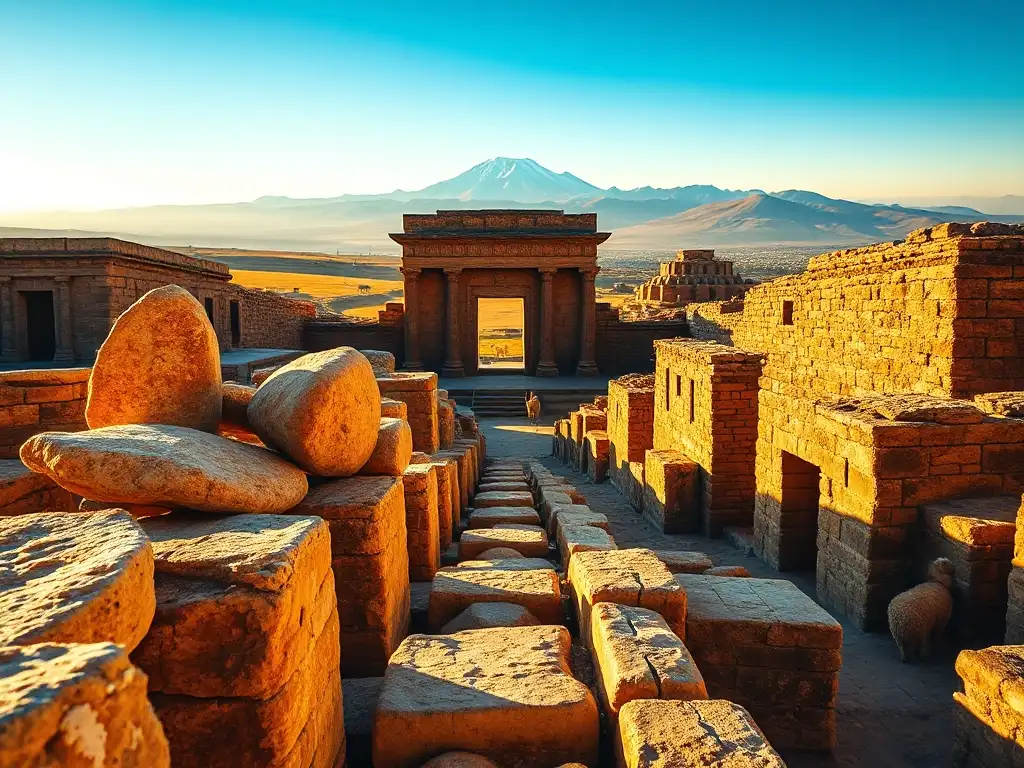
Unravel the mysteries of the Andes! Prepare to be captivated by the remarkable story of ancient Andean civilizations – their ingenuity, artistry, and enduring legacy. But the puzzle isn't complete... Dive into the fascinating world of Tiahuanaco empire development, and discover how this powerful empire rose to prominence, leaving behind a breathtaking testament to human achievement. Journey with us to uncover the secrets of this lost civilization.
The Andean region, a breathtaking tapestry of towering mountains and fertile valleys, cradled some of the most fascinating and sophisticated civilizations of the pre-Columbian Americas. Among them, the Tiahuanaco empire stands as a testament to human ingenuity and organizational prowess. This article delves into the intricate development of this powerful Andean society, exploring its rise to prominence, its sophisticated technological achievements, and its lasting legacy.
We will trace the evolution of Tiahuanaco, analyzing its social structures, religious beliefs, and economic systems to understand how this civilization shaped the cultural landscape of the Andes and left an indelible mark on history. Understanding Tiahuanaco's empire development is crucial to grasping the broader context of Andean civilization and its remarkable contributions to human history.
This exploration will focus on key aspects of its growth, offering insights into its complex societal organization and its ultimate decline. Prepare to journey back in time and uncover the secrets of this enigmatic and influential empire.
The Early Stages: From Village to Regional Power
The origins of Tiahuanaco remain a subject of ongoing archaeological investigation, but evidence suggests a gradual development from a small agricultural settlement into a regional center of power. Early Tiahuanaco, dating back to approximately 1500 BCE, showed signs of sophisticated irrigation systems, indicating a strong agricultural base that provided the foundation for population growth and social complexity. The early inhabitants likely cultivated crops such as potatoes, quinoa, and maize, utilizing the fertile lands around Lake Titicaca.
Archaeological findings point to the existence of early ceremonial structures, suggesting the development of religious practices and a centralized social structure, even at this early stage. The emergence of specialized crafts, such as pottery and textile production, further indicates a growing division of labor and economic diversification.
This period is characterized by the gradual accumulation of power and influence, laying the groundwork for the empire's future expansion. The development of sophisticated agricultural techniques was paramount to this early success, enabling the population to support a growing population and an increasingly complex social order.
The Classic Period: Consolidation and Expansion of the Tiahuanaco Empire
By 500 CE, Tiahuanaco had transformed into a major urban center, exerting significant influence over a vast territory. This "Classic Period" witnessed the construction of iconic monumental architecture, including the famous Akapana pyramid and the Sun Gate, showcasing the empire's advanced engineering capabilities and its ability to mobilize large-scale labor forces. The monumental structures, often adorned with intricate carvings and symbolic representations, served not only as architectural marvels but also as powerful symbols of the empire's authority and religious beliefs.
This period also saw the development of a distinctive artistic style, characterized by its highly stylized figures and intricate patterns, which spread throughout the region, reflecting the empire's cultural dominance. The Tiahuanaco empire's influence extended far beyond its core territory, with evidence suggesting extensive trade networks and cultural exchange across the Andes.
The standardization of weights and measures further points to a highly organized and centralized economic system. The Classic Period represents the zenith of Tiahuanaco's power and influence.
Technological Innovations and Economic Organization
The Tiahuanaco empire's success was closely tied to its remarkable technological advancements and efficient economic organization. Their mastery of hydraulic engineering, evident in their sophisticated irrigation systems, allowed them to maximize agricultural output and support a large population. The development of advanced metalworking techniques, including the use of copper and bronze, enabled the creation of intricate tools and weapons. Furthermore, the empire's control over key resources, such as obsidian and other minerals, contributed to its economic strength.
The organization of labor was crucial to the construction of monumental architecture and the efficient management of resources. Evidence suggests a system of tribute and taxation, possibly involving the mobilization of labor for public works projects. The empire's economic system was complex and efficient, contributing significantly to its growth and stability. This sophisticated organization and technological prowess allowed Tiahuanaco to thrive and exert its influence over a large and diverse region.
Decline and Legacy: The End of an Era
The reasons for the decline of the Tiahuanaco empire are still debated among scholars, with several factors likely contributing to its eventual collapse. Environmental changes, such as prolonged droughts or shifts in climate patterns, may have impacted agricultural production, leading to economic instability and social unrest. Internal conflicts or challenges to the empire's authority could also have played a significant role.
While the exact cause remains unclear, the gradual weakening of the empire is evident in the reduced scale of construction projects and a decline in the quality of craftsmanship. By approximately 1000 CE, the Tiahuanaco empire had significantly diminished in power and influence. Despite its decline, however, Tiahuanaco left a lasting legacy.
Its art, architecture, and religious beliefs continued to influence subsequent Andean cultures, shaping the cultural landscape of the region for centuries to come. The empire's technological advancements and organizational structures left an enduring impact on the history of Andean civilizations.
- The Early Stages: From Village to Regional Power
- The Classic Period: Consolidation and Expansion of the Tiahuanaco Empire
- Technological Innovations and Economic Organization
- Decline and Legacy: The End of an Era
The Genesis of Tiahuanaco: Origins and Early Settlement
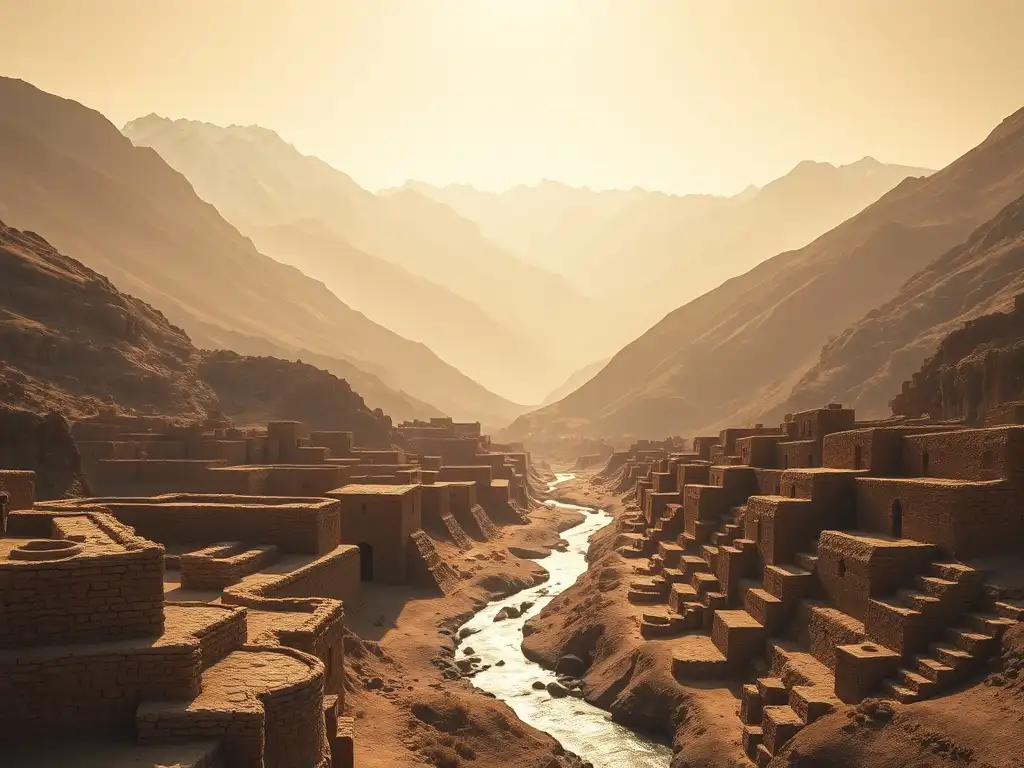
This section delves into the fascinating origins of the Tiahuanaco empire, exploring its early settlement and the environmental factors that shaped its development. Understanding Tiahuanaco's genesis is crucial to comprehending its later imperial expansion and influence across the Andean region. The rise of Tiahuanaco wasn't a sudden event; rather, it was a gradual process spanning centuries, built upon a foundation of adaptation, innovation, and strategic resource management. The keyword "Tiahuanaco empire development" is central to this narrative.
The Altiplano Environment and its Influence on Tiahuanaco
The high-altitude Altiplano, a vast plateau in the Andes Mountains, presented both challenges and opportunities for early Tiahuanaco. The harsh climate, characterized by intense solar radiation, freezing temperatures, and limited rainfall, necessitated sophisticated agricultural techniques. The ingenuity of Tiahuanaco's inhabitants is evident in their mastery of raised field agriculture, a system of artificially elevated plots that improved drainage and soil fertility. These fields, often interconnected by canals, allowed for increased crop yields, supporting a growing population.
Furthermore, the Altiplano's unique ecosystem, with its diverse flora and fauna, provided resources for food, clothing, and construction materials. The availability of certain minerals and stone also played a significant role in the development of Tiahuanaco's distinctive architecture and artistry. Understanding the interplay between the environment and Tiahuanaco's early development is key to appreciating the resilience and adaptability of its people. This environmental context directly influenced the "Tiahuanaco empire development" trajectory.
Early Tiahuanaco Culture: Pre-Imperial Phases
Before its imperial phase, Tiahuanaco went through several distinct cultural periods, each leaving its mark on the later empire. Archaeological evidence suggests a gradual evolution, with early settlements characterized by simple dwellings and basic tools. Over time, these settlements grew in size and complexity, exhibiting advancements in pottery, textile production, and monumental architecture.
The emergence of distinctive artistic styles, including intricate carvings and sophisticated weaving techniques, points to increasing social organization and specialized labor. This period also saw the development of religious beliefs and practices, with evidence suggesting the early emergence of the deity figures that would later become central to Tiahuanaco's imperial ideology. The pre-imperial phases laid the groundwork for the later expansion of the "Tiahuanaco empire development," providing the cultural and technological foundation for its rise to power.
Key Factors Contributing to Tiahuanaco's Initial Growth
Several interconnected factors contributed to Tiahuanaco's initial growth and eventual dominance in the Altiplano. Agricultural innovation, as discussed earlier, was paramount, allowing for a surplus of food that supported a larger and more complex society. Strategic location also played a crucial role.
Tiahuanaco's position near major trade routes facilitated access to resources and facilitated interaction with neighboring communities. This fostered economic exchange and the dissemination of ideas and technologies, contributing to Tiahuanaco's development. Furthermore, the development of a strong centralized political authority, likely led by religious elites, helped to organize labor, manage resources, and maintain social order.
The ability to effectively mobilize human resources for large-scale construction projects, such as the iconic Gate of the Sun, further solidified Tiahuanaco's power and prestige, contributing significantly to the "Tiahuanaco empire development" narrative. The combination of these factors, working synergistically, propelled Tiahuanaco from a small settlement to a regional powerhouse. Further research is needed to fully understand the precise timeline and interplay of these factors in the early stages of "Tiahuanaco empire development."
This section delves into the fascinating political and social changes that propelled the Tiahuanaco empire to prominence. We will explore its expansion, the intricate political structures it employed, and the sophisticated social hierarchy that underpinned its power. Understanding these aspects is crucial to grasping the magnitude of Tiahuanaco's achievements and its lasting impact on Andean civilization. The keyword, "Tiahuanaco empire development," will be explored in detail through these subsections.
Tiahuanaco's Expansion: Territorial Control and Influence
Tiahuanaco's rise to power wasn't solely based on its impressive religious and ceremonial center. Its influence spread far beyond its immediate surroundings, encompassing a vast territory through a combination of military might, economic control, and ideological dominance. Archaeological evidence suggests that Tiahuanaco controlled a significant portion of the Altiplano region, extending its reach into present-day Bolivia, Peru, and potentially parts of Chile and Argentina. 1
This expansion wasn't a sudden conquest but a gradual process spanning several centuries. The empire's growth likely involved a mix of strategies: strategic alliances with local communities, the imposition of tribute systems, and, in some cases, outright military subjugation. The distribution of Tiahuanaco-style pottery, textiles, and architectural features across this wide area provides compelling evidence of its cultural and political influence. The empire's reach, however, wasn't uniform.
Some regions likely experienced greater levels of direct control than others, with varying degrees of integration into the Tiahuanaco system. Further research is needed to fully understand the nuances of Tiahuanaco's territorial control and the diverse responses of local populations to its expansion. The precise extent of Tiahuanaco's influence remains a subject of ongoing debate amongst researchers, highlighting the complexity of reconstructing past empires.
The Political Structure of the Tiahuanaco State
The political organization of the Tiahuanaco state remains a topic of scholarly discussion. While the exact nature of its governance is debated, evidence suggests a centralized authority capable of coordinating large-scale projects, managing resources, and maintaining control over a widespread territory. The construction of monumental structures like Akapana and Pumapunku, requiring immense manpower and logistical coordination, points towards a sophisticated administrative system.
Some scholars propose a hierarchical structure, possibly with a supreme ruler at the apex, supported by a network of regional governors or officials. The distribution of elite goods and the standardization of certain artifacts across the empire suggest a degree of centralized control over production and distribution. However, the extent to which local power structures were integrated into the Tiahuanaco system is still unclear.
It's possible that a balance existed between centralized authority and local autonomy, depending on the specific region and its historical context. Further investigation into administrative practices and the role of local elites is necessary to refine our understanding of Tiahuanaco's political organization. The development of the Tiahuanaco empire's political structure involved a delicate interplay between central authority and regional adaptation.
The Tiahuanaco empire was characterized by a complex social hierarchy, reflected in the varying quality and types of dwellings, burial practices, and access to resources. Evidence suggests a clear distinction between elites, who enjoyed privileged access to resources and lived in elaborate structures, and commoners, who constituted the majority of the population. The construction of monumental structures like Akapana and Pumapunku required a massive, coordinated workforce.
The organization of labor likely involved a combination of specialized craftspeople, agricultural workers, and laborers involved in construction and other public works. The scale of these projects suggests a highly organized system of labor mobilization, potentially involving corvée labor, specialized guilds, or a combination of these. While the precise mechanisms of labor organization remain uncertain, the monumental architecture stands as testament to the ability of the Tiahuanaco state to mobilize and manage a significant workforce.
Furthermore, analyzing the skeletal remains from Tiahuanaco reveals insights into the health and diet of different social groups, adding another dimension to our understanding of social stratification and the distribution of resources within the empire. The sophistication of Tiahuanaco's social organization is directly linked to the empire's success and its ability to sustain large-scale projects.
1 Further research is needed to refine the geographical limits of Tiahuanaco influence.
The Role of Religion and Ritual in Tiahuanaco Society
The Tiahuanaco empire's remarkable expansion and enduring legacy were significantly shaped by a complex and deeply ingrained religious system. Religion wasn't merely a separate aspect of life; it was intricately woven into the fabric of Tiahuanaco society, influencing political structures, economic activities, and daily life. The religious beliefs and practices of the Tiahuanaco people provided a unifying force, fostering social cohesion across a vast and diverse empire.
Evidence suggests a sophisticated pantheon of deities, with a likely emphasis on a creator god and various associated divinities representing natural forces like the sun, water, and mountains. These deities were likely venerated through elaborate rituals, many of which involved human sacrifice, as evidenced by archaeological discoveries. The scale and complexity of these rituals point to a highly organized religious structure, possibly involving a priestly class wielding considerable influence. The precise nature of their beliefs remains a subject of ongoing research, but the sheer volume of monumental architecture dedicated to religious purposes speaks volumes about its importance.
Monumental structures like the Kalasasaya and the Akapana pyramid served not only as impressive displays of architectural prowess but also as crucial centers for religious ceremonies and rituals. These sites likely hosted large-scale events, attracting pilgrims from across the empire and reinforcing the central authority of the Tiahuanaco rulers.
The intricate carvings and iconography adorning these structures provide valuable clues about the religious beliefs and cosmology of the Tiahuanaco people, depicting various deities, mythical creatures, and symbolic representations of their worldview. The presence of specific symbols and motifs across different sites suggests a degree of standardization and control over religious practices, further emphasizing the role of religion in unifying the empire.
The religious beliefs likely influenced the empire's economic activities as well. Agricultural practices, for example, were probably tied to specific religious observances and rituals aimed at ensuring bountiful harvests. The control over water resources, essential for agriculture in the arid altiplano, may have been directly linked to religious authority.
This control over vital resources would have further strengthened the political power of the religious elite. In essence, religion in Tiahuanaco was not simply a matter of faith; it was a powerful tool for maintaining social order, consolidating political power, and ensuring the empire's economic prosperity. The intertwining of the religious and secular spheres is a key element in understanding the rise and eventual decline of this remarkable Andean civilization.
Tiahuanaco's Economic System: Agriculture, Trade, and Resource Management
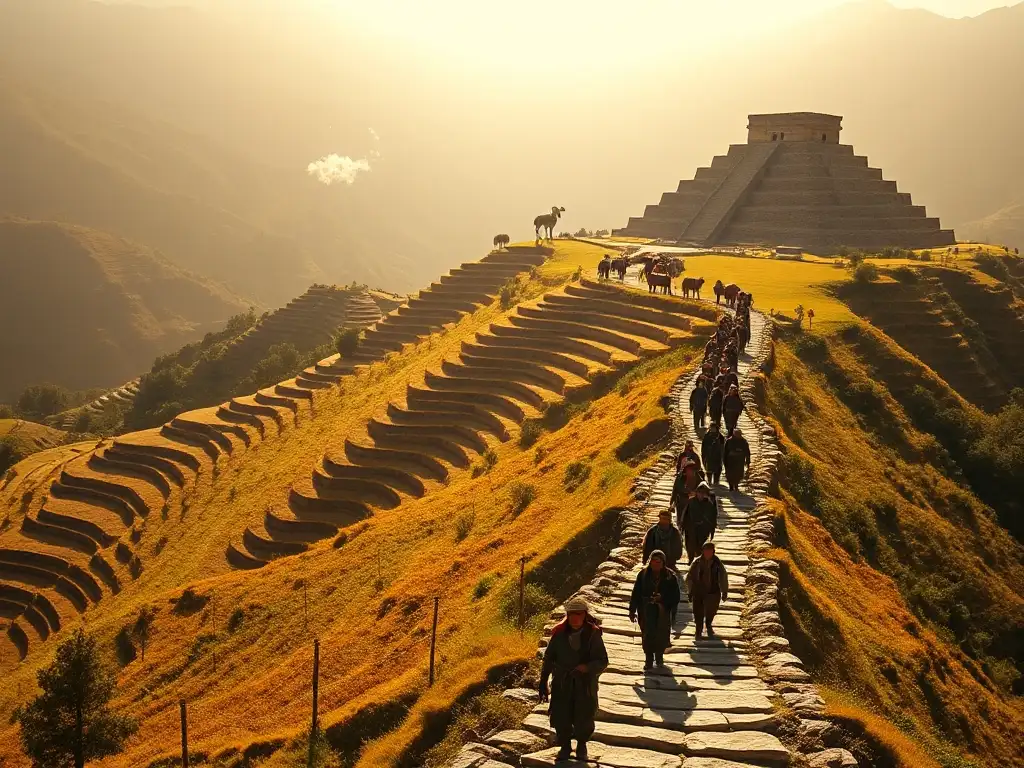
The economic strength of the Tiahuanaco empire was intricately linked to its sophisticated systems of agriculture, trade, and resource management. These weren't isolated components, but rather interconnected elements that fueled the empire's growth and prosperity, allowing for the development of its monumental architecture and complex social structure. Understanding Tiahuanaco's economic development provides crucial insight into the empire's remarkable success and eventual decline. The effective management of resources, particularly agricultural production and trade networks, was key to the flourishing of this powerful Andean civilization. This section will explore the key components of Tiahuanaco's economic engine.
Advanced Agricultural Techniques in Tiahuanaco
Tiahuanaco's success was fundamentally rooted in its ability to cultivate the harsh, high-altitude environment of the Altiplano. The civilization developed remarkable agricultural techniques to maximize crop yields. These weren't simply basic farming practices; they involved sophisticated systems of irrigation, terracing, and crop rotation. Archaeological evidence reveals extensive networks of canals and raised fields, testament to the ingenuity of Tiahuanaco engineers and farmers.
The raised fields, or suka kollus, are particularly noteworthy. These artificial islands, built in the shallows of Lake Titicaca and other wetlands, provided ideal conditions for growing crops even in areas with poor soil drainage. The construction involved creating platforms of earth and reeds, offering better drainage and warmer soil temperatures, extending the growing season. This ingenious system allowed for increased agricultural production, supporting a significantly larger population than would have been possible through traditional farming methods.
This innovative approach to agriculture is a powerful illustration of Tiahuanaco's technological prowess and its direct contribution to the empire's economic might. Furthermore, the careful management of water resources through intricate irrigation systems ensured a reliable food supply, even during periods of drought. This resilience was crucial for the empire's stability and its ability to sustain a large population.
The Importance of Lake Titicaca for Tiahuanaco's Economy
Lake Titicaca, the highest navigable lake in the world, played a pivotal role in the Tiahuanaco economy. Its waters provided a crucial source of sustenance, supporting fishing communities and supplying water for irrigation. Beyond its direct contribution to food production, the lake served as a vital transportation artery, facilitating trade and communication across the vast Altiplano. The lake's strategic location also provided a natural defense, protecting Tiahuanaco from potential invaders.
The abundance of fish in Lake Titicaca provided a significant source of protein for the Tiahuanaco population. Evidence suggests that fishing was a major economic activity, with specialized tools and techniques developed to harvest the lake's resources. The lake also supported the growth of aquatic plants, which were likely used for various purposes, including food and construction materials.
The combination of agriculture and fishing provided a diversified food supply, contributing to the empire's overall economic resilience. The lake's role extended beyond sustenance; its use as a transportation network facilitated trade and communication, linking Tiahuanaco to other regions and strengthening its economic influence.
Tiahuanaco's Trading Networks and Resource Distribution
Tiahuanaco's economic influence extended far beyond its immediate surroundings. The empire established extensive trading networks that connected it to distant regions, facilitating the exchange of goods and resources. This sophisticated trade system was essential for the empire's growth and prosperity. The empire controlled access to valuable resources and maintained effective mechanisms for their distribution.
Archaeological evidence suggests that Tiahuanaco traded a variety of goods, including textiles, ceramics, metalwork, and agricultural products. The empire's control over key resources, such as obsidian and other minerals, gave it considerable economic leverage. The precise nature of Tiahuanaco's trading networks and the extent of its economic reach remain areas of ongoing research, but evidence points to a complex system involving both regional exchange and long-distance trade.
The ability to efficiently manage these networks and distribute resources throughout the empire was critical to its economic success. The organization and control of these networks demonstrate the sophisticated administrative capacity of the Tiahuanaco state, a key aspect of its economic power and its ability to maintain control over a vast territory.
The efficient distribution of goods and resources across the empire also played a crucial role in ensuring social stability and preventing internal conflict. The economic strength of Tiahuanaco, therefore, was not solely based on production, but also on its ability to manage and leverage its extensive trade networks.
Economic Control and the Consolidation of Power
The economic system of Tiahuanaco was intricately linked to the empire's political and social structures. Control over resources, particularly agricultural production and trade networks, was fundamental to the consolidation of power by the ruling elite. The sophisticated irrigation systems, meticulously planned and maintained, ensured a surplus of agricultural products, forming the backbone of the Tiahuanaco economy.
This surplus wasn't merely a matter of sustenance; it fueled the growth of specialized crafts, the expansion of the urban center, and the maintenance of a large, complex bureaucracy. The elite's control over this surplus translated directly into political dominance. They likely controlled the distribution of food and other essential goods, using this power to reward loyal subjects and punish dissenters.
Evidence suggests a highly centralized economic system. Archaeological findings reveal large storage facilities capable of holding significant quantities of food and other goods, implying a system of centralized collection and redistribution. This system allowed the elite to maintain their power by controlling the flow of resources throughout the empire.
The scale of these storage facilities speaks volumes about the level of organization and control exercised by the Tiahuanaco rulers. They weren't simply managing resources; they were strategically manipulating them to solidify their grip on power and ensure the empire's stability. The very existence of such vast storage facilities suggests a complex administrative apparatus dedicated to managing the empire's economic resources.
This intricate system of resource management was crucial to Tiahuanaco's success and longevity. The ability to effectively collect, store, and redistribute resources allowed the empire to withstand periods of drought or other environmental challenges, further bolstering the power of the ruling class.
The control over trade routes also played a significant role in Tiahuanaco's economic dominance. The empire controlled access to vital resources, such as metals and exotic goods, which were traded throughout the Andes. This control allowed Tiahuanaco to accumulate wealth and further consolidate its power.
The presence of Tiahuanaco artifacts throughout the region is a testament to the reach and influence of its trade networks. These artifacts weren't simply objects of exchange; they were symbols of power and prestige, representing the economic and political dominance of the Tiahuanaco empire. By controlling the flow of these valuable goods, the ruling elite ensured not only economic prosperity but also the propagation of their ideology and influence across a vast geographical area.
The strategic placement of settlements along key trade routes further solidified Tiahuanaco's economic and political control, creating a network of dependencies that reinforced the empire's power. The economic system wasn't merely a means of survival; it was the engine that drove Tiahuanaco's expansion and solidified its position as a dominant force in the Andean region. Understanding this intricate system is crucial to grasping the full extent of Tiahuanaco's grandeur and its lasting impact on Andean history.
Architectural Marvels and Engineering Innovations of Tiahuanaco
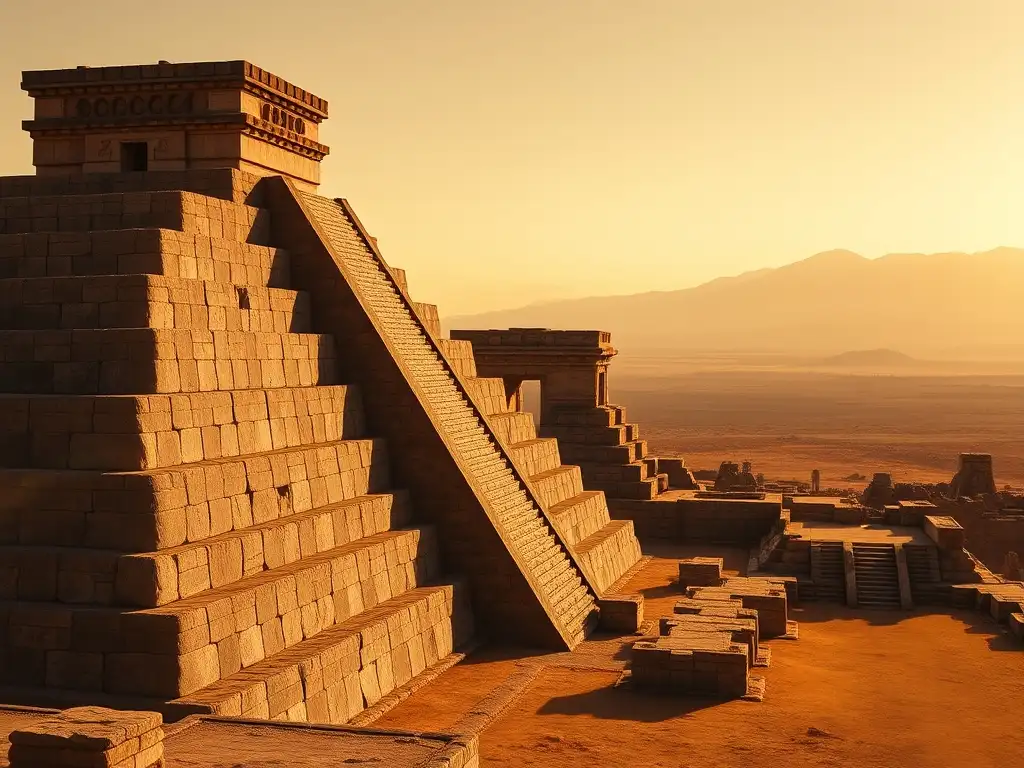
Tiahuanaco's remarkable achievements are not just evident in its sophisticated social structures and intricate religious beliefs, but also in its breathtaking architecture and advanced engineering techniques. The city's monumental structures stand as testaments to the ingenuity and organizational capabilities of its builders, showcasing a level of sophistication rarely seen in other contemporary societies. Understanding these architectural marvels is crucial to grasping the full extent of the Tiahuanaco empire's development and its lasting impact on Andean civilization.
The precision, scale, and materials used in construction reflect a deep understanding of engineering principles and a highly organized workforce, capable of mobilizing significant resources for monumental projects. The sheer scale of these projects speaks to the power and influence wielded by the Tiahuanaco elite. Analyzing these structures provides valuable insights into their social, religious, and political contexts.
The Akapana Pyramid: A Monument of Tiahuanaco Power
The Akapana pyramid, a massive earthen platform structure, is arguably the most iconic symbol of Tiahuanaco power. Its construction involved the precise placement of millions of stones, meticulously arranged and layered to create a monumental structure. Evidence suggests the pyramid was not simply a solid mass, but a complex internal structure, possibly featuring chambers and internal passages.
Archaeological investigations have revealed sophisticated water management systems integrated into the pyramid's design, indicating a deep understanding of hydraulic engineering. These systems likely played a crucial role in the city's water supply and possibly held symbolic religious significance. The Akapana's size and complexity suggest a highly centralized political system capable of coordinating a large-scale workforce and managing vast resources.
The precise function of the Akapana remains a subject of ongoing debate, with theories ranging from a ceremonial center to an administrative hub, reflecting the multifaceted nature of Tiahuanaco society. Further research, including detailed analysis of recovered artifacts and more precise dating techniques, is needed to fully unravel the mysteries surrounding this monumental structure.
The Kalasasaya: Ceremonial Center and Astronomical Observatory
The Kalasasaya, meaning "standing stones" in Aymara, is another prominent structure in Tiahuanaco, characterized by its massive stone blocks and intricate carvings. Its layout suggests a strong connection to astronomical observations, with evidence indicating that the structure was aligned with celestial events, such as solstices and equinoxes. This implies a sophisticated understanding of astronomy and its integration into religious practices.
The Kalasasaya served as a major ceremonial center, hosting large-scale rituals and possibly acting as a focal point for political and religious authority. The intricate carvings on the stones depict various religious symbols and figures, providing valuable insights into Tiahuanaco's cosmology and beliefs. The precise arrangement of the stones, their size, and the level of craftsmanship involved indicate a high level of planning and organizational skill.
The Kalasasaya's enduring presence highlights the importance of astronomical observation and ritualistic practices in the development of the Tiahuanaco empire and its cultural identity. The monumental scale of the Kalasasaya reinforces the idea of a powerful and centralized authority capable of mobilizing large-scale labor and resources for such ambitious projects.
Pumapunku: Tiahuanaco's Engineering Prowess
Pumapunku, meaning "the gate of the puma," showcases the pinnacle of Tiahuanaco engineering. This site features massive, precisely cut stone blocks, some weighing several tons, fitted together with incredible accuracy. The precision of the stonework is remarkable, with joints so tight that even a thin blade cannot be inserted between them. The advanced techniques employed in quarrying, transporting, and assembling these stones remain a source of fascination and debate.
Some blocks exhibit intricate designs and carvings, demonstrating a high level of artistic skill and technical expertise. The exact function of Pumapunku is still unclear, with theories ranging from a ceremonial center to a sophisticated administrative or manufacturing complex. The advanced engineering evident at Pumapunku underscores the high level of technological sophistication achieved by the Tiahuanaco civilization.
The site stands as a testament to the empire's remarkable ability to organize and manage resources on a massive scale, reflecting the advanced organizational capacity of the Tiahuanaco state. The mystery surrounding the construction techniques employed at Pumapunku continues to inspire research and speculation, highlighting the enduring legacy of this remarkable Andean civilization. Further research is needed to fully understand the construction methods and the true purpose of this enigmatic site.
Tiahuanaco's Urban Planning and Infrastructure Development
Tiahuanaco's urban planning reveals a sophisticated understanding of engineering and societal organization, far surpassing the capabilities of many contemporary civilizations. The city wasn't haphazardly built; instead, it demonstrates a clear, pre-planned layout reflecting a complex social structure and centralized authority. Evidence suggests a grid-like system, with meticulously aligned streets and monumental structures strategically placed.
This deliberate urban design facilitated efficient movement of people and goods, crucial for a thriving empire controlling a vast territory. The precision in the alignment of buildings, often oriented towards cardinal directions, implies a deep understanding of astronomy and its importance in their culture and societal calendar. This careful planning wasn't merely aesthetic; it was functional, reflecting a society capable of large-scale organization and resource management, vital components in the Tiahuanaco empire's development.
Further examination of Tiahuanaco's infrastructure unveils advanced techniques in water management, a critical factor in the arid altiplano region. The sophisticated system of canals and aqueducts, some still visible today, provided a reliable water supply for both domestic use and agriculture.
These intricate networks demonstrate a profound grasp of hydraulic engineering, allowing Tiahuanaco to flourish in a challenging environment. The scale of these projects is impressive, requiring significant labor organization and coordination, highlighting the centralized power structure and the capacity for large-scale collective action that contributed significantly to the Tiahuanaco empire's growth and longevity.
The ability to successfully manage water resources in such a harsh climate was a key element in their ability to support a large and complex population, further solidifying their position as a powerful Andean civilization. The efficient management of water, a scarce resource, showcases their innovative engineering and planning skills, key factors in the Tiahuanaco empire's development.
Beyond water management, the construction of monumental structures like the Kalasasaya and Puma Punku required advanced logistical planning and engineering skills. The precise cutting and fitting of massive stones, some weighing many tons, without the use of metal tools, continues to baffle modern engineers. This feat of engineering speaks to a highly organized workforce, sophisticated knowledge of stonework, and a strong centralized authority capable of mobilizing resources and manpower on an unprecedented scale for the time.
The sheer scale of these projects, requiring the coordinated efforts of thousands of people, underscores the organizational and managerial capabilities of the Tiahuanaco empire, a crucial factor in its rise to power and influence. The precision and complexity of these structures serve as testament to their advanced engineering and the strength of their societal organization, both critical components in the Tiahuanaco empire's development.
Tiahuanaco's Art and Iconography: Expressing Power and Beliefs
The art and iconography of Tiahuanaco serve as powerful windows into the beliefs, social structures, and political power of this influential Andean civilization. Their artistic expressions weren't merely decorative; they were integral to the empire's ideological foundation, reflecting a complex cosmology and a sophisticated understanding of their place in the world. Analysis of Tiahuanaco art reveals a civilization deeply concerned with themes of fertility, water control, and the cyclical nature of life and death, all intricately woven into their visual language.
The consistent stylistic elements across various mediums—sculpture, pottery, textiles—suggest a centralized control over artistic production, reinforcing the authority of the ruling elite. The sheer scale and precision of many artifacts also highlight the advanced technological capabilities of Tiahuanaco artisans and the immense resources dedicated to artistic endeavors, further underscoring the empire's power and wealth. Understanding Tiahuanaco's art is crucial to understanding the empire itself.
The Gateway of the Sun: Symbolic Representations
The Gateway of the Sun, a monumental stone structure, stands as the quintessential example of Tiahuanaco's artistic and symbolic prowess. Its intricate relief carvings depict a central figure, often interpreted as a deity or a powerful ruler, surrounded by smaller figures representing various cosmological elements and possibly mythical beings. The central figure's headdress, often adorned with stylized feline features, is a recurring motif in Tiahuanaco art, suggesting a connection to powerful animalistic forces or a representation of a deity associated with such power.
The surrounding figures are arranged in a complex pattern, possibly reflecting a sophisticated calendar system or a narrative related to creation myths. Scholars continue to debate the precise meaning of these carvings, but the sheer scale and meticulous detail of the Gateway of the Sun demonstrate the advanced artistic and engineering skills of Tiahuanaco artisans, and its symbolic power served to reinforce the religious and political authority of the empire.
The meticulous craftsmanship required—precise carving, fitting of massive stone blocks—suggests a highly organized workforce and a centralized system of production, further cementing the empire's strength. Detailed studies of the Gateway's composition, including the use of specific stone types and the techniques employed in its construction, reveal a fascinating interplay of artistry and engineering innovation.
Tiahuanaco Pottery: Styles, Motifs, and Functional Uses
Tiahuanaco pottery is characterized by its distinctive styles and motifs, reflecting both functional and symbolic purposes. From simple, utilitarian vessels to elaborately decorated ceremonial pieces, the pottery provides valuable insights into the daily life and religious practices of the people. Common motifs include stylized figures, geometric patterns, and representations of animals and plants, often echoing the themes found in other forms of Tiahuanaco art.
The use of specific colors and materials, such as the characteristic reddish-brown clay, also contributes to the distinctive style. Analysis of pottery fragments reveals the use of various techniques, including modeling, molding, and the application of slip and paint. The variety in shapes and sizes suggests a range of uses, from storing food and water to participating in rituals and ceremonies.
The presence of elaborate decorations on certain vessels indicates their social and religious significance, possibly used by the elite or in important ceremonies. Further research into the chemical composition of the clays used and the pigments employed could provide additional insights into the sources of materials and trade networks within the Tiahuanaco empire. The presence of specific markings or symbols on some pottery pieces may also provide clues to their intended use or the social status of their owners.
Tiahuanaco Textiles: Weaving and the Expression of Status
Tiahuanaco textiles represent another significant aspect of the empire's artistic achievements. While many fragments remain, the evidence suggests a high level of skill in weaving techniques and a sophisticated understanding of textile production. The surviving fragments showcase intricate patterns and the use of diverse materials, including alpaca and llama wool.
The complexity of the designs, often incorporating geometric motifs and representations of animals and human figures, reveals a high level of artistic sophistication. The use of different colors and textures within a single textile suggests that the creation of these pieces required significant skill and time. Analysis of textile fragments reveals the use of various weaving techniques, including tapestry and brocade, suggesting a specialized workforce of skilled weavers.
The quality and complexity of these textiles likely indicated the social status of their owners, with the most elaborate pieces probably reserved for the elite. Further research into the dye materials used could reveal information about trade networks and access to resources. The discovery of new textile fragments and the application of advanced analytical techniques could shed even more light on the techniques, materials, and social significance of Tiahuanaco textiles, further enriching our understanding of Tiahuanaco society and its artistic legacy.
Religious Iconography and its Role in Tiahuanaco's Ideology
The religious iconography of Tiahuanaco is deeply intertwined with its ideology, providing crucial insights into the worldview and beliefs of its inhabitants. The art, far from being mere decoration, served as a powerful tool for expressing and reinforcing religious concepts, social hierarchy, and political power. Central to this iconography is the recurring motif of the weracocha, a deity often depicted with feline features, a staff, and sometimes a headdress.
Interpretations vary, but the weracocha is generally understood to represent a creator god or a powerful intermediary between the earthly and spiritual realms. The ubiquity of this figure across various Tiahuanaco artifacts, from monumental sculptures to smaller ceramic pieces, underscores its significance in the society's religious beliefs. This widespread presence suggests a centralized and unified religious system, likely controlled by the elite who used the imagery to legitimize their rule.
Further enriching the religious narrative are representations of other deities and mythical beings. These figures, often depicted in complex compositions and symbolic settings, are believed to represent aspects of nature, fertility, and the cosmos. For example, depictions of stylized birds and serpents frequently appear, potentially symbolizing celestial bodies or forces of nature. The intricate details and symbolic layering found in these representations suggest a sophisticated understanding of cosmology and religious ritual.
Scholars continue to debate the precise meaning of many of these figures, but their prominence in Tiahuanaco's art undoubtedly reflects a complex and multifaceted religious system. The sheer scale of some of the religious iconography—consider the massive carved stones adorning the Kalasasaya—highlights the importance placed on these beliefs within the Tiahuanaco state. This investment of resources and labor demonstrates the central role religion played in shaping Tiahuanaco society and its identity.
The careful study of Tiahuanaco's religious iconography offers a window into the beliefs, values, and power structures of this remarkable civilization. The consistent use of certain motifs and symbols, their placement within architectural contexts, and the sheer scale of their execution all point to a highly organized and centralized religious system that was fundamental to the empire's social and political organization.
Understanding this iconography is crucial to understanding the very essence of Tiahuanaco's power and enduring legacy. The continued research and analysis of these artifacts promise to further illuminate the intricate tapestry of Tiahuanaco's religious and cosmological beliefs, shedding light on the fascinating interplay between religion, power, and artistic expression within this influential Andean empire.
The Decline and Legacy of the Tiahuanaco Empire
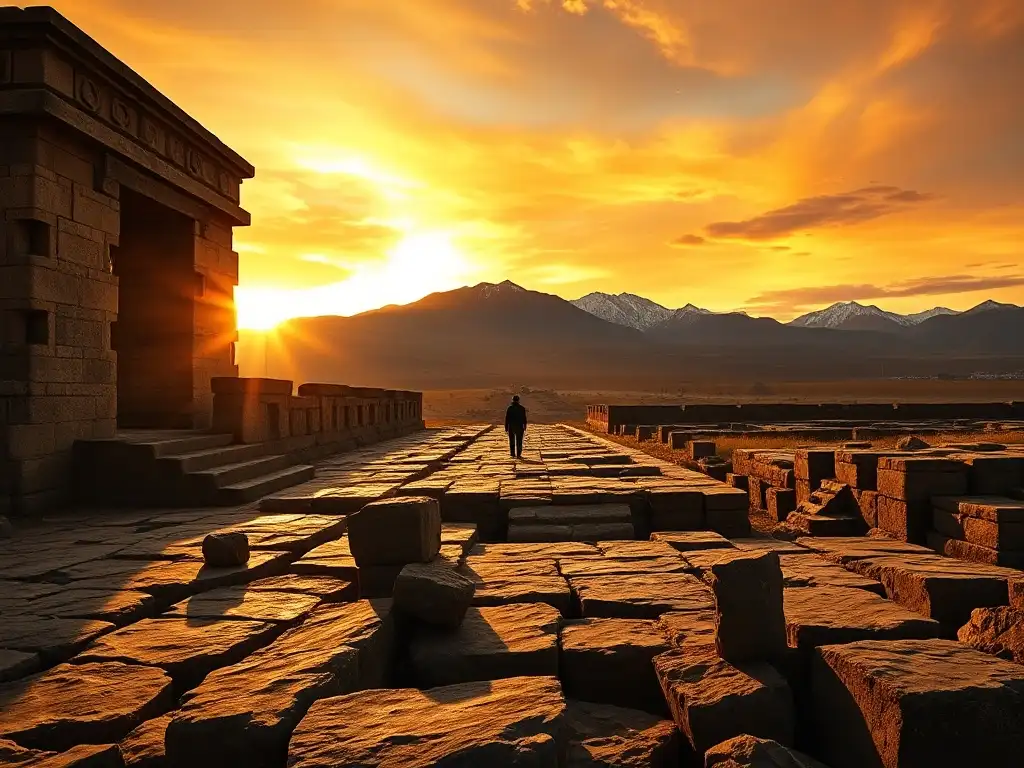
The Tiahuanaco empire, a civilization that once dominated the Andean highlands, did not meet a sudden, cataclysmic end. Instead, its decline was a gradual process, spanning several centuries and likely resulting from a confluence of factors. Understanding this decline is crucial to comprehending the full scope of Tiahuanaco's influence and its lasting impact on subsequent Andean societies.
The unraveling of this powerful empire provides valuable insights into the complexities of societal collapse and the resilience of human adaptation in the face of adversity. Analyzing the Tiahuanaco empire development, from its zenith to its eventual dissolution, allows us to gain a deeper appreciation for the intricate interplay of environmental, social, and political forces that shaped the Andean world.
Factors Contributing to Tiahuanaco's Collapse
Several interconnected factors likely contributed to the gradual weakening and eventual decline of the Tiahuanaco empire. These include:
- Environmental Changes: Evidence suggests that prolonged periods of drought and climate instability significantly impacted agricultural production, a cornerstone of Tiahuanaco's economy. Reduced crop yields would have led to food shortages, social unrest, and ultimately, weakened the empire's ability to sustain its vast population and expansive infrastructure. The impact of El Niño events, known for their disruptive effects on weather patterns in the Andes, cannot be overlooked.
- Overextension and Administrative Challenges: Managing a large and geographically dispersed empire presented significant administrative challenges. Maintaining control over distant provinces and ensuring the efficient flow of resources across vast distances would have been increasingly difficult. The sheer scale of the empire may have contributed to its internal fragility.
- Internal Conflicts and Power Struggles: As with many empires, internal conflicts and power struggles likely weakened Tiahuanaco from within. Competition for resources, political rivalries, and potential revolts by subordinate groups could have destabilized the empire, creating opportunities for its disintegration. Archaeological evidence of violence and upheaval during this period would support this hypothesis.
- External Pressures: The rise of other powerful Andean groups, such as the Wari, may have exerted external pressures on Tiahuanaco. Competition for resources and territory, coupled with potential military conflicts, could have further weakened the empire's position and hastened its decline. The interactions between Tiahuanaco and its neighbors require further investigation to fully understand the dynamics of this period.
Post-Tiahuanaco Cultures and Regional Transformations
The collapse of the Tiahuanaco empire did not result in a complete societal vacuum. Instead, a complex pattern of regional transformations emerged, with various successor cultures adapting and building upon the legacy of Tiahuanaco. These cultures, while distinct in their own right, often incorporated aspects of Tiahuanaco's artistic styles, religious practices, and architectural traditions. The transition was not a simple replacement, but rather a multifaceted process of adaptation and innovation. The study of these post-Tiahuanaco cultures reveals the remarkable resilience and adaptability of Andean societies.
The breakdown of centralized control allowed for the emergence of smaller, more localized political entities. These new societies often retained elements of Tiahuanaco's cultural heritage while developing their own unique characteristics. The diversity of these post-Tiahuanaco cultures reflects the complex interplay of continuity and change that followed the decline of the empire. Further research is needed to fully understand the nuanced relationships between these successor cultures and their connection to the Tiahuanaco legacy.
Tiahuanaco's Lasting Influence on Andean Civilizations
Despite its decline, the Tiahuanaco empire left an indelible mark on subsequent Andean civilizations. Its influence is evident in various aspects of culture, including:
- Religious Practices: Tiahuanaco's religious beliefs and iconography, particularly the veneration of deities associated with water and fertility, continued to resonate in later Andean cultures. The persistence of these religious motifs highlights the enduring power of Tiahuanaco's spiritual legacy.
- Architectural Styles: Tiahuanaco's distinctive architectural style, characterized by monumental structures, precise stonework, and complex designs, influenced the construction of buildings in later periods. The adoption of similar architectural techniques suggests a strong continuity of building practices.
- Artistic Traditions: Tiahuanaco's artistic traditions, including its distinctive ceramics, textiles, and metalwork, were adapted and transformed by later Andean cultures. The evolution of these artistic styles demonstrates the ongoing influence of Tiahuanaco's aesthetic sensibilities.
The legacy of the Tiahuanaco empire is not confined to a specific time period or geographical location. Its impact reverberated throughout the Andean region for centuries, shaping the cultural landscape and influencing the development of subsequent societies. Understanding this lasting influence is essential to a comprehensive understanding of Andean history and the complex evolution of its civilizations. The Tiahuanaco empire's development, though ultimately ending in decline, left a profound and enduring mark on the Andean world.
The Archaeological Significance of Tiahuanaco Today
The archaeological site of Tiahuanaco continues to hold immense significance for understanding not only the Tiahuanaco empire's development but also the broader trajectory of Andean civilizations. Its monumental architecture, meticulously crafted artifacts, and the sheer scale of the city itself provide invaluable insights into the social, political, and religious structures of the time. Excavations continue to uncover new details, refining our understanding of daily life, technological advancements, and the empire's eventual collapse. Researchers meticulously analyze everything from the intricate carvings on the Gateway of the Sun to the sophisticated irrigation systems that sustained the population. This ongoing work allows for a deeper appreciation of the Tiahuanaco's engineering prowess and their mastery of stonework, a skill that remains unparalleled in Andean pre-Columbian history.
The sheer size of some of the stones used in construction, some weighing many tons, raises fascinating questions about the logistical capabilities and societal organization required to move and place them. The ongoing analysis of these logistical feats helps us understand the level of centralized power and social control exercised by the Tiahuanaco elite. Furthermore, the discovery of new residential areas and workshops offers a more nuanced picture of the social stratification within the empire, helping to paint a more complete picture of Tiahuanaco society. The analysis of unearthed ceramics, textiles, and other artifacts provides further clues about daily life, trade networks, and cultural exchanges with other Andean societies. The ongoing study of Tiahuanaco's archaeological remains is crucial for understanding the complexities of this powerful empire and its lasting influence on the Andean region.
The site serves as a vital link to the past, offering a window into a remarkable civilization and its unique contributions to the history of South America. Its continued study and preservation are essential for safeguarding this invaluable heritage for future generations. The site's ongoing excavation and analysis are vital for enriching our understanding of the Tiahuanaco empire development, providing a clearer picture of its rise, peak, and ultimate decline. This ongoing work allows for a continual reassessment and refinement of our understanding of this crucial period in Andean history.
Understanding Tiahuanaco Empire Development: A Synthesis
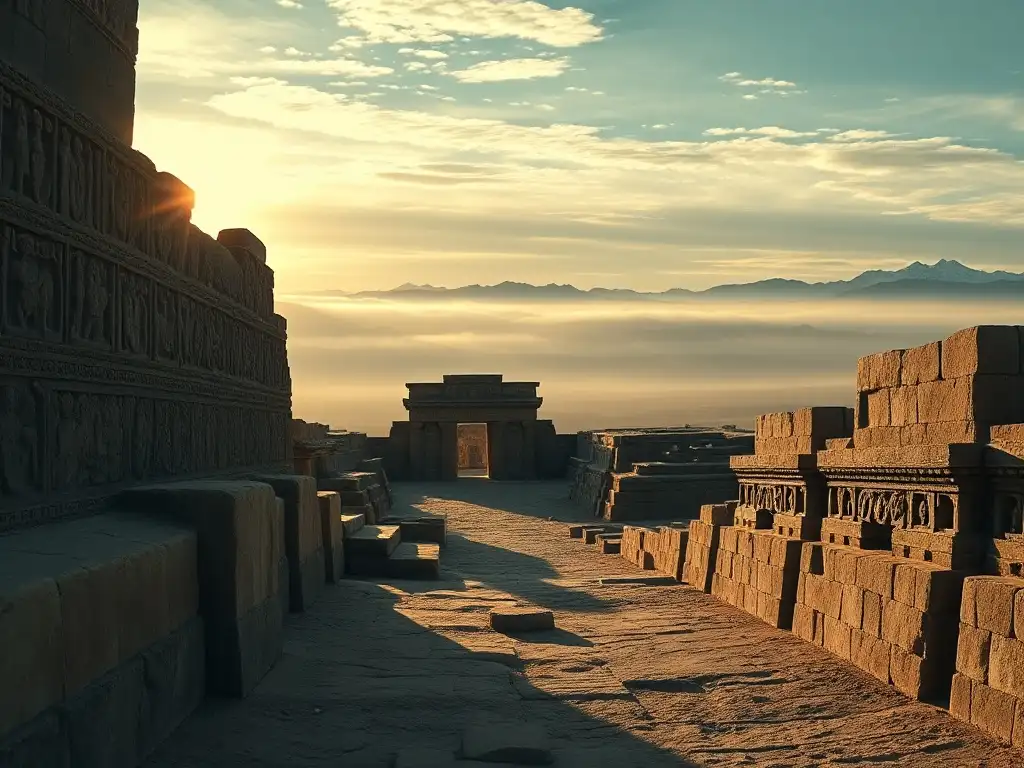
The development of the Tiahuanaco empire, a powerful Andean civilization flourishing between roughly 500 and 1000 CE, presents a complex and fascinating case study in societal evolution. Understanding its trajectory requires analyzing its sophisticated agricultural techniques, its innovative technological advancements, and its intricate socio-political organization. The growth of Tiahuanaco wasn't a linear progression; rather, it involved periods of expansion, consolidation, and eventual decline, shaped by environmental factors, internal dynamics, and interactions with neighboring cultures.
The expansion of Tiahuanaco's influence, often characterized as a "Tiahuanaco horizon," wasn't necessarily through direct conquest alone, but also through cultural exchange and the adoption of Tiahuanaco's religious and artistic styles across a wide swath of the Andes. This process of cultural diffusion significantly contributed to the empire's widespread impact and long-lasting legacy.
Key Takeaways on Tiahuanaco's Rise and Fall
Several key factors contributed to Tiahuanaco's rise to prominence. Its mastery of intensive agriculture, particularly its sophisticated raised-field systems, allowed for surplus food production, supporting a growing population and complex social hierarchy. This agricultural prowess, coupled with advanced water management techniques, enabled the civilization to thrive in the challenging altiplano environment.
Furthermore, Tiahuanaco's technological achievements, including its mastery of stonework evident in monumental structures like Puma Punku and Kalasasaya, underscore its sophisticated engineering capabilities. These impressive feats of architecture served not only practical purposes but also played a crucial role in solidifying political power and religious authority. The development of a complex religious ideology, centered around figures like the "Chakana" cross and powerful deities, further unified the empire and facilitated its expansion.
However, Tiahuanaco's decline remains a subject of ongoing debate. While some scholars point to environmental factors, such as climate change and resource depletion, others emphasize internal social tensions and external pressures from rival groups as contributing factors. The evidence suggests a gradual decline rather than a sudden collapse.
The empire's influence waned over time, with its sophisticated systems gradually fragmenting. The exact reasons for its ultimate demise are still being researched, necessitating further investigation. The shift away from centralized control and the emergence of regional power centers likely marked the end of the Tiahuanaco empire as a unified political entity.
Future Research and Unanswered Questions about Tiahuanaco
Despite considerable research, many questions about Tiahuanaco remain unanswered. The precise nature of its political organization, for instance, remains a subject of scholarly discussion. Was it a true empire with a centralized government, or was it a more loosely organized network of interconnected communities?
Further investigation is needed to clarify the extent of its control over distant regions and the mechanisms through which its influence was exerted. The role of trade in the empire's development also requires further study. While evidence suggests extensive trade networks connecting Tiahuanaco to other Andean regions, the precise nature of these networks and their impact on the empire’s economy and social structure needs more detailed analysis.
Additionally, a deeper understanding of the empire's social stratification and the daily lives of its inhabitants is crucial for a more complete picture of Tiahuanaco society. Further archaeological excavations and interdisciplinary studies, combining anthropological, archaeological, and environmental data, are essential to address these gaps in our understanding. Specifically, detailed analysis of isotopic data from human remains could shed light on migration patterns and dietary habits, providing valuable insights into the empire's social dynamics.
Tiahuanaco's Place in the History of Andean Civilizations
Tiahuanaco's impact on the subsequent development of Andean civilizations is undeniable. Its artistic styles, religious beliefs, and technological innovations spread widely throughout the region, influencing the cultures that followed. The empire's legacy can be seen in the architecture, pottery, and religious practices of later Andean societies.
The "Tiahuanaco horizon," a period of widespread cultural influence, serves as a testament to the empire's significant impact on the broader Andean landscape. The widespread adoption of Tiahuanaco's religious iconography, such as the Chakana cross, underscores its deep cultural influence. Understanding Tiahuanaco's development, therefore, is crucial for understanding the broader trajectory of Andean civilization.
Its rise and fall serve as a powerful example of the complex interplay of environmental, social, and political factors that shaped the history of the Andes. Further research into Tiahuanaco's interactions with other contemporary Andean societies will offer a more nuanced perspective on the dynamics of power and influence in the region, enriching our understanding of the entire Andean world. The study of Tiahuanaco's sophisticated irrigation systems and agricultural practices also provides valuable insights into the development of Andean agricultural technology, a crucial aspect of the region's overall development.
Frequently Asked Questions
What factors contributed to the rise of the Tiahuanaco Empire?
The Tiahuanaco Empire's rise stemmed from a combination of factors, including strategic location, advanced agricultural techniques (like raised fields), and the development of a powerful religious ideology that fostered unity across a vast territory. This allowed them to control vital resources and manpower.
How did Tiahuanaco's agriculture support its growth?
Tiahuanaco's innovative agricultural practices, such as the construction of raised fields, allowed them to cultivate crops in the challenging Andean altiplano. This reliable food production fueled population growth and supported a larger, more complex society.
What were some of the key achievements of Tiahuanaco's technology?
Tiahuanaco's technological prowess is evident in their monumental architecture, complex irrigation systems, and advanced metalworking techniques. These advancements facilitated both agricultural production and impressive urban development.
How did the Tiahuanaco Empire exert its influence?
The Tiahuanaco Empire's influence spread through a combination of military conquest, diplomatic alliances, and the dissemination of its religious and cultural beliefs. Standardized pottery styles and architectural features are evidence of this widespread influence.
What ultimately led to the decline of the Tiahuanaco Empire?
The exact causes of Tiahuanaco's decline are still debated, but likely factors include environmental changes, internal conflicts, and external pressures from rival groups. Climate shifts may have impacted agricultural productivity, weakening the empire's foundation.
Final Reflection: The Enduring Legacy of Tiahuanaco
The sophisticated urban planning and intricate social structures of the Tiahuanaco empire continue to resonate today, reminding us of the remarkable ingenuity and organizational capacity of pre-Columbian Andean societies. Their achievements in agriculture, monumental architecture, and religious practices stand as a testament to human potential and the power of collective effort, challenging our assumptions about the capabilities of ancient civilizations. The very existence of Tiahuanaco, a thriving metropolis in the harsh altiplano environment, speaks volumes about the resilience and adaptability of its people.
The influence of Tiahuanaco's artistic motifs, religious beliefs, and societal structures can still be traced in the Andean region, shaping the cultural landscape for centuries after its decline. The echoes of their sophisticated water management systems, for example, are still relevant in a world grappling with climate change and resource scarcity. The past is never dead. It's not even past,
wrote William Faulkner, and this rings profoundly true when considering the enduring impact of Tiahuanaco on subsequent Andean cultures and our understanding of ancient civilizations. Its legacy serves as a powerful reminder of the interconnectedness of history and the present.
Consider the ingenuity of a civilization that thrived in such a challenging environment, mastering agriculture and constructing monumental structures with limited technology. Let this inspire you to appreciate the power of human innovation and collaboration. What challenges do you face today, and how can you draw inspiration from the resilience and ingenuity of the Tiahuanaco people to overcome them? Embrace the lessons of the past, and let the grandeur of Tiahuanaco fuel your own pursuit of progress and understanding.
**Unveil the Mysteries of Tiahuanaco! **
Thank you for exploring the majestic story of Tiahuanaco! Discovering this powerful Andean empire reveals a captivating legacy that significantly shapes our understanding of ancient civilizations. Let's build on this knowledge.
Here are some ways to further connect with this incredible history:
- **Visit a local museum** showcasing Andean artifacts to experience a tangible link to Tiahuanaco's rich past.
- **Share this article** with friends and family—let's spread awareness of Tiahuanaco's profound influence on Andean culture!
- Join an online forum or local history group dedicated to ancient civilizations to delve deeper into Tiahuanaco's impact and discuss your findings with others.
What aspect of Tiahuanaco's remarkable history most captivates you, and how will you continue to explore its fascinating story?