
Aymara Textiles: Decoding the Stories Woven into Ancient Fabrics

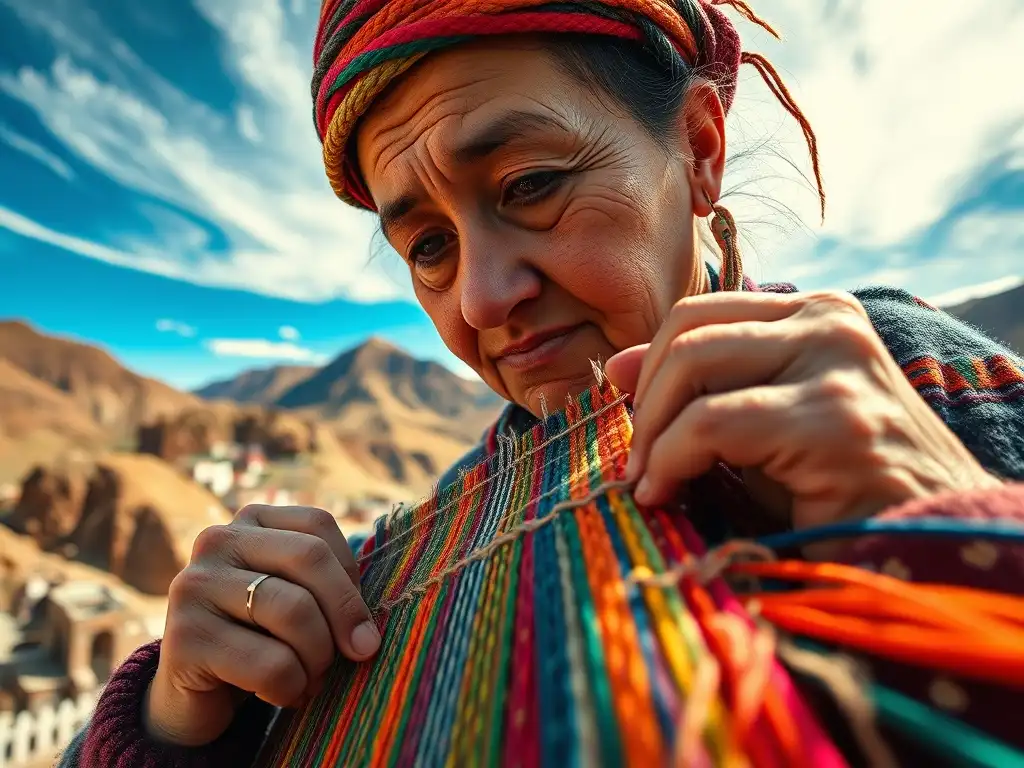
Welcome to Andean Civilizations, where the echoes of a lost world whisper secrets through time. Prepare to be captivated by the intricate tapestry of Andean history, from the towering heights of Inca ingenuity to the enigmatic artistry of the Nazca lines. But first, let us unravel a particularly fascinating thread: the Aymara textile history. Discover how these vibrant fabrics not only clothed a people but also encoded their beliefs, traditions, and stories—a legacy waiting to be deciphered. Journey with us and unlock the ancient wisdom woven into every fiber.
The vibrant threads of Aymara textiles whisper tales of resilience, adaptation, and a profound connection to the Andean landscape. For centuries, the Aymara people, inhabiting the high altitudes of the Andes Mountains in present-day Bolivia, Peru, and Chile, have used textile production not merely as a means of clothing themselves but as a powerful form of communication, storytelling, and cultural preservation. This article delves into the rich history of Aymara textiles, exploring the techniques, symbolism, and social significance embedded within these remarkable fabrics, providing a comprehensive look into the fascinating world of "Aymara textile history."
We'll unravel the intricate designs, examining their evolution and the enduring legacy they hold within Aymara identity. Understanding these textiles unlocks a deeper appreciation for the ingenuity and cultural richness of this ancient Andean civilization.
A Tapestry of Time: Tracing the Origins of Aymara Weaving
The origins of Aymara weaving practices are deeply rooted in the pre-Columbian era, predating the Inca Empire. Archaeological evidence suggests a long and continuous tradition, with textile fragments dating back centuries showcasing sophisticated techniques and intricate designs. These early textiles, often made from alpaca and llama wool, demonstrate a remarkable understanding of fiber preparation, spinning, and dyeing processes.
The use of natural dyes derived from plants, insects, and minerals resulted in a stunning range of colors, reflecting both the artistic skill and the deep connection to the surrounding environment. Early Aymara weaving likely served practical purposes, providing clothing and blankets essential for survival in the harsh Andean climate.
However, even in these early pieces, we can see the beginnings of symbolic representation, hinting at the cultural significance that would later fully blossom. The continuity of these techniques, passed down through generations, is a testament to the Aymara people's enduring cultural heritage.
Decoding the Designs: Symbolism and Meaning in Aymara Textiles
Aymara textiles are far more than just functional garments; they are canvases for complex narratives. Each pattern, color, and technique holds layers of symbolic meaning, often conveying information about the weaver's identity, social status, and spiritual beliefs. For instance, geometric designs frequently represent the Andean cosmology, reflecting the Aymara understanding of the universe, the relationship between humans and nature, and the cyclical patterns of life and death.
Animals, such as llamas and condors, are often depicted, signifying prosperity, strength, and connection to the Andean ecosystem. Colors also play a crucial role, with specific hues associated with various deities, ceremonies, and social events.
The intricate detail and the consistent use of symbolic motifs across different regions and time periods highlight the importance of these textiles as visual records of Aymara culture and history. Further research is needed to fully understand the nuances of specific designs, but the existing evidence strongly supports the idea that the textiles are a form of visual language.
The Evolution of Techniques: From Ancient Practices to Modern Adaptations
While the fundamental principles of Aymara weaving have remained consistent over time, the techniques have also evolved in response to changing circumstances. The introduction of new tools and materials, alongside the influence of external cultures, has led to variations in design, fiber selection, and weaving methods. However, the core knowledge and skills have been meticulously preserved, often within family lineages, ensuring the continuity of this vital cultural practice.
Even today, Aymara women continue to create these stunning textiles, often incorporating contemporary elements into traditional designs. This dynamic interplay between tradition and adaptation reflects the resilience and adaptability of the Aymara people, ensuring that their rich textile heritage continues to thrive. The ongoing evolution of Aymara weaving demonstrates its ability to adapt to modern circumstances while preserving its cultural significance.
Aymara Textiles Today: Preservation and Cultural Revitalization
The preservation of Aymara textile traditions is crucial for safeguarding a significant part of Andean cultural heritage. Efforts are underway to document and protect these unique weaving techniques, fostering workshops and promoting the work of contemporary Aymara artisans. These initiatives not only help preserve a tangible aspect of Aymara culture but also empower Aymara communities by providing economic opportunities and recognizing the value of their artistic skills.
The ongoing work to support Aymara textile production helps maintain the cultural identity of the Aymara people while offering a glimpse into a fascinating and enduring tradition. The future of Aymara textiles is intricately linked to the preservation of Aymara culture itself.
- A Tapestry of Time: Tracing the Origins of Aymara Weaving
- Decoding the Designs: Symbolism and Meaning in Aymara Textiles
- The Evolution of Techniques: From Ancient Practices to Modern Adaptations
- Aymara Textiles Today: Preservation and Cultural Revitalization
- What is the significance of Aymara textiles in Andean history?
- How did Aymara textile production differ from other Andean cultures?
- What kind of materials were traditionally used in Aymara textile production?
- How are Aymara textile designs interpreted?
- Where can I learn more about the history of Aymara textiles?
The Significance of Aymara Textile History in Andean Culture
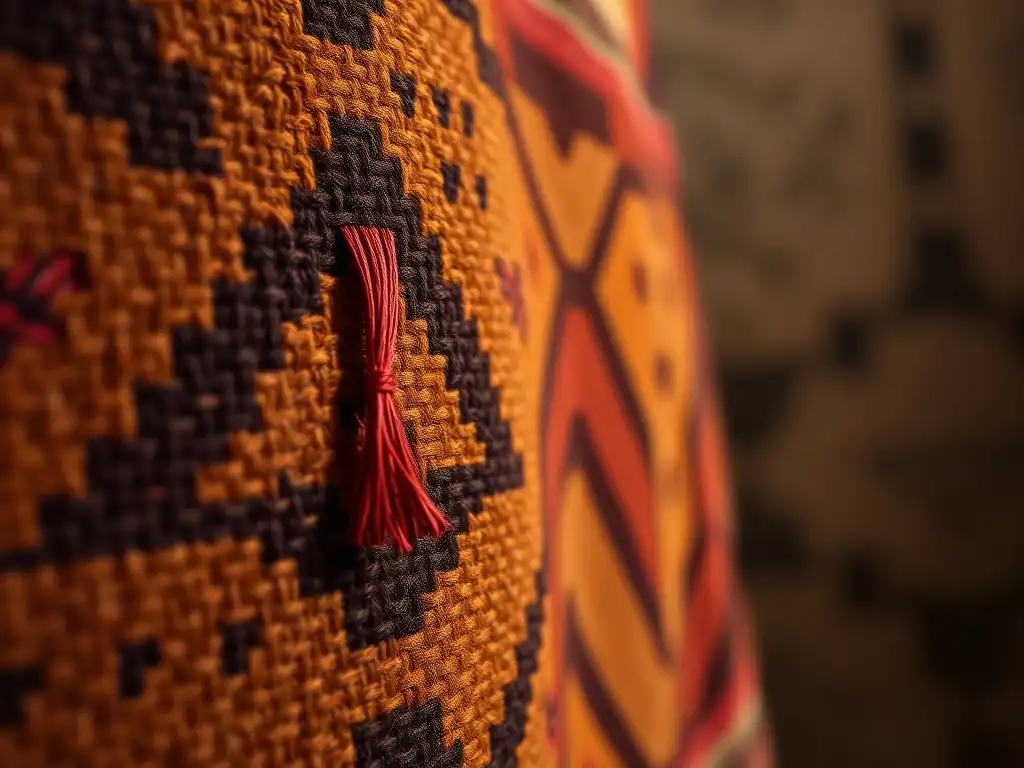
The Aymara textile history is profoundly intertwined with the social, economic, and spiritual fabric of Andean life. Understanding Aymara textiles means understanding a significant aspect of Andean civilization, a culture that thrived for centuries and continues to exert a powerful influence today. These textiles weren't merely utilitarian objects; they were dynamic carriers of cultural knowledge, sophisticated artistic expressions, and potent symbols of identity and social status.
The intricate designs, vibrant colors, and unique weaving techniques reflect a deep understanding of the Andean environment, cosmology, and social structures. Studying Aymara textile history provides a unique window into the rich tapestry of Andean beliefs, practices, and artistic achievements, offering invaluable insights into a civilization that continues to captivate and inspire.
The enduring legacy of Aymara textiles serves as a powerful testament to the ingenuity and resilience of the Aymara people, their adaptation to challenging environments, and their ability to preserve their cultural heritage across generations. Analyzing their evolution reveals much about the broader socio-political changes within the Andean region throughout history.
Ancient Aymara Weaving Traditions: A Legacy of Skill
Ancient Aymara weaving techniques demonstrate an impressive mastery of textile production. The use of natural dyes derived from plants, insects, and minerals resulted in a stunning range of colors—deep reds from cochineal insects, vibrant yellows from various plants, and earthy browns from minerals. The process of obtaining and preparing these dyes was itself a specialized skill, passed down through generations.
The complexity of the designs, often incorporating geometric patterns, zoomorphic motifs, and symbolic representations, points to a highly developed aesthetic sense and a deep understanding of symbolic language. Evidence suggests that specialized looms and tools were used, further highlighting the sophisticated nature of Aymara weaving traditions. Archaeological discoveries of well-preserved textiles offer compelling evidence of the advanced techniques employed.
For instance, the intricate tapestry weaving techniques, involving complex interlacing of warp and weft threads, showcase a level of skill and precision rarely seen in other ancient cultures. The durability of many of these ancient textiles is a testament to the quality of materials and the expertise of the weavers. Even today, traditional Aymara weaving techniques continue to be practiced, preserving this invaluable legacy for future generations.
The Cultural Importance of Aymara Textiles
Aymara textiles held immense cultural significance, serving various functions within the community. They were not simply clothing; they were integral components of ceremonies, rituals, and social interactions. Specific designs and colors held symbolic meaning, representing different social statuses, clans, or beliefs. For example, certain patterns might indicate a person's role within the community or their connection to a particular lineage.
The textiles were also used as offerings in religious ceremonies, reflecting their importance in the spiritual life of the Aymara people. Moreover, the creation and exchange of textiles played a crucial role in social interactions and economic systems. The intricate weaving process often involved communal participation, fostering social bonds and collaboration within the community.
The exchange of textiles as gifts or as payment for services further strengthened social ties and facilitated economic transactions. Their use in ceremonies and rituals underscored their sacred and ritualistic importance, emphasizing their integration into the broader cultural landscape. The rich symbolism embedded within the textiles provided a powerful means of communication, transmitting cultural knowledge and beliefs across generations.
Aymara Textile Art: A Language of Symbols and Meanings
Aymara textile art is rich in symbolism, with each pattern, color, and motif conveying specific meanings. The intricate designs are not merely decorative; they represent a complex system of communication, reflecting the Aymara worldview, cosmology, and social structures. Geometric patterns, often based on natural forms like mountains, rivers, and stars, reflect the Aymara's deep connection to their environment. Zoomorphic and anthropomorphic motifs, depicting animals and human figures, often represent mythical beings or ancestors, conveying stories and beliefs passed down through generations.
Color also played a significant role, with specific hues representing different concepts or deities. For instance, red might symbolize strength and vitality, while blue might represent the sky or water. The combination of different patterns and colors created a complex visual language that encoded a wealth of cultural knowledge.
Deciphering this visual language requires careful analysis of the textiles themselves, along with a deep understanding of Aymara culture and cosmology. Further research is needed to fully understand the nuances of this rich symbolic system, as many of the meanings associated with specific designs remain to be fully elucidated. However, the existing evidence clearly demonstrates the significant role of Aymara textile art as a powerful medium for cultural expression and the transmission of knowledge.
Exploring the Materials and Techniques of Aymara Weaving
This section delves into the intricate details of Aymara textile production, exploring the materials, techniques, and processes that have been passed down through generations, shaping their unique textile history. Understanding these aspects is crucial to appreciating the artistry and cultural significance embedded within each Aymara textile. The enduring legacy of Aymara weaving techniques speaks volumes about their ingenuity and adaptation to their challenging Andean environment.
Raw Materials Used in Traditional Aymara Textile Production
The raw materials used in traditional Aymara textile production are intrinsically linked to the Andean ecosystem. The most common fiber is alpaca, prized for its softness, warmth, and durability. Alpaca fiber, in various shades from creamy white to deep brown, offers a natural palette for Aymara weavers.
However, llama fiber is also utilized, particularly for coarser yarns used in structural elements of garments or rugs. Llama wool, though less fine than alpaca, is incredibly strong and resilient, making it ideal for items subjected to heavy wear. Additionally, sheep's wool may be incorporated, especially in more contemporary pieces, often blended with alpaca or llama to achieve specific textures or color variations.
The use of these locally sourced materials reflects a deep connection to the land and sustainable practices deeply ingrained in Aymara culture, a crucial aspect of Aymara textile history. The careful selection and preparation of these fibers significantly influence the final product's quality and aesthetic appeal.
Aymara Spinning and Dyeing Techniques
Aymara spinning techniques are traditionally done by hand, using a drop spindle. This ancient method, passed down through generations, results in uniquely textured yarns reflecting the individual spinner's skill and experience. The process is slow and meticulous, requiring considerable patience and dexterity. The resulting yarn is often uneven in thickness, adding to the textile's unique character. This characteristic irregularity is not a flaw but a testament to the handcrafted nature of the work and a key element of Aymara textile history.
Dyeing techniques are equally fascinating. Aymara weavers utilize natural dyes derived from plants, insects, and minerals found within their environment. These include:
- Cochineal: A parasitic insect producing a vibrant crimson dye.
- Tarwi: A legume yielding a range of yellows and oranges.
- Various plants and roots: Providing a palette of browns, greens, and yellows.
The precise recipes and techniques for preparing these dyes are often closely guarded family secrets, contributing to the uniqueness and diversity of Aymara textile designs. The colors obtained are often subtle and muted, reflecting the earth tones of the Andean landscape. The use of natural dyes, besides adding to the aesthetic appeal, also underscores the environmentally conscious practices central to Aymara textile history. The durability and richness of these natural dyes are a testament to the knowledge and expertise of Aymara artisans.
Traditional Aymara Looms and Weaving Processes
Traditional Aymara weaving utilizes backstrap looms, a portable and versatile tool well-suited to the nomadic lifestyle of some Aymara communities. The loom is essentially a frame, often made from wood, with the warp threads stretched between two points—one secured to a fixed object, and the other attached to a band worn around the weaver's waist. This allows for considerable flexibility and control over the weaving process. The weaver sits and manipulates the warp threads using their hands and a shuttle to interweave the weft threads.
The complexity of Aymara weaving patterns is remarkable, often incorporating intricate geometric designs, symbolic motifs representing Andean cosmology, and representations of local flora and fauna. These designs are not merely decorative; they tell stories, preserving and transmitting cultural knowledge, beliefs, and traditions across generations. The precision and skill involved in executing these complex patterns are truly astounding. The enduring use of the backstrap loom and the preservation of intricate weaving techniques highlight the resilience and adaptability embedded within Aymara textile history. The continued practice of these traditional methods ensures that this rich cultural heritage remains vibrant and alive.
Decoding the Motifs and Patterns in Aymara Textiles
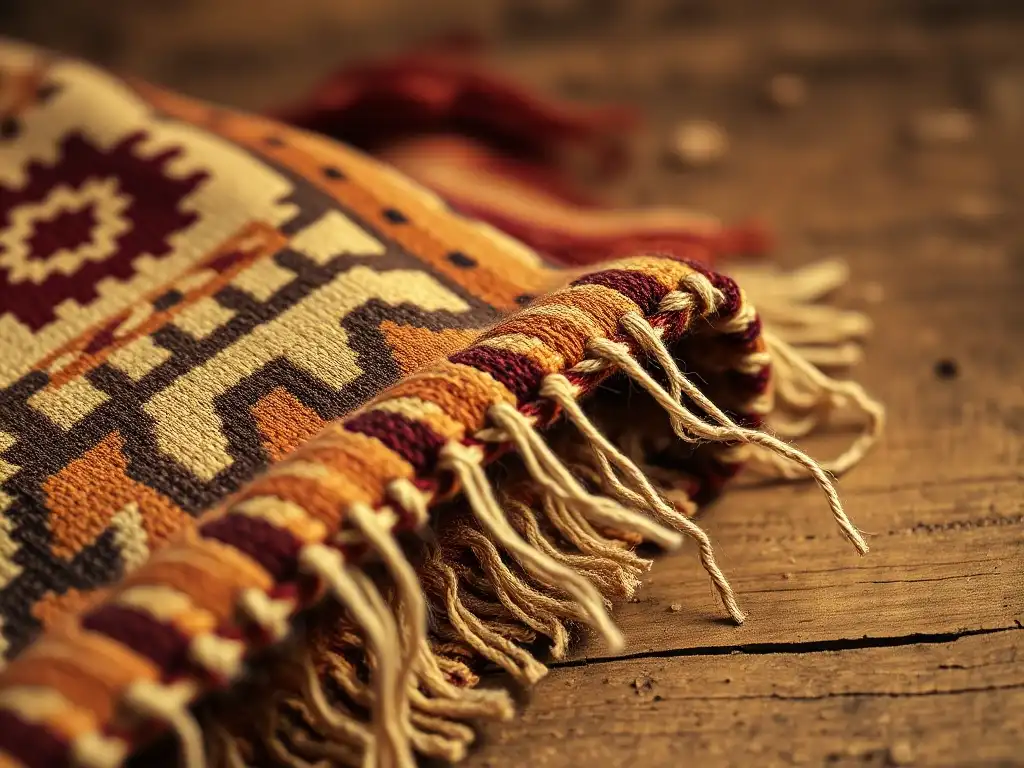
The vibrant and intricate world of Aymara textiles offers a captivating window into their rich history and cultural beliefs. Understanding the motifs and patterns woven into these fabrics is key to unlocking the stories embedded within them. These aren't simply decorative elements; they are powerful symbols carrying deep social, religious, and cosmological meaning, reflecting the Aymara worldview and their connection to the Andean landscape.
Analyzing these patterns provides invaluable insights into Aymara textile history, revealing a complex system of communication that has endured for centuries. The careful study of these designs allows us to appreciate the artistry and ingenuity of Aymara weavers, while also gaining a deeper understanding of their social structures, beliefs, and relationship with their environment. This section will delve into the symbolic language woven into Aymara textiles, exploring the various motifs and their interpretations.
Symbolic Representations in Aymara Textile Designs
Aymara textile designs are not random; they are carefully chosen symbols that communicate specific messages. For example, the recurring motif of the chakana, a cross-shaped design, represents the four cardinal directions, the four elements (earth, air, fire, water), and the four levels of Andean cosmology. This symbol, deeply rooted in Aymara spirituality, frequently appears in textiles, indicating a connection to the cosmos and the balance of the universe. Other symbolic representations include:
- The condor: Representing power, strength, and connection to the upper world. Its depiction in textiles often suggests a connection to spiritual leaders or a desire for protection.
- The llama: A crucial animal in Aymara life, symbolizing wealth, prosperity, and fertility. Llama motifs frequently appear in textiles, particularly in those related to agricultural cycles or celebrations.
- Geometric shapes: Squares, triangles, and zigzags are not merely aesthetic choices. They often carry specific meanings related to agricultural practices, social structures, or cosmological beliefs. The precise meaning often depends on their arrangement and combination with other motifs.
- Human figures: While less common than other motifs, depictions of humans in Aymara textiles can represent ancestors, deities, or important figures within the community. Their clothing and accessories provide further clues to their identity and significance.
The interpretation of these symbols is often complex and requires consideration of the context in which the textile was created, its use, and its place within the broader Aymara cultural system. Further research is needed to fully understand the nuances of these symbolic representations and their evolution over time. For example, [specific information pending] on the regional variations in symbolic interpretations within Aymara textile traditions.
Common Geometric Patterns and Their Meanings
Geometric patterns form a significant part of Aymara textile design. These aren't simple decorations; they are complex codes carrying cultural and historical weight. Common geometric patterns include:
- Stripes: Often represent the layers of the earth or the different levels of Andean cosmology. The colors and width of the stripes can further refine their meaning.
- Zigzags: These represent the paths of rivers, lightning, or the movement of celestial bodies, connecting the earthly and spiritual realms.
- Squares and Rectangles: Often represent fields, houses, or the structured organization of Aymara society.
- Triangles: Can symbolize mountains, the peaks of which connect the earthly and spiritual realms. They also represent the duality inherent in Aymara cosmology.
The combination of these geometric patterns creates intricate and layered designs. For instance, a textile might combine stripes representing the earth's layers with triangles representing mountains, creating a visual representation of the Andean landscape and the Aymara relationship with their environment. The precise arrangement and colors used within these patterns often hold specific meanings, providing a rich tapestry of symbolic communication.
The study of these geometric designs offers valuable insights into the Aymara worldview and their intricate understanding of their environment and cosmology. Detailed analysis of specific textile examples is needed to fully understand the complexity and diversity of these geometric patterns and their evolving meanings throughout Aymara textile history.
Animal and Plant Motifs in Aymara Weaving
Beyond geometric patterns, Aymara textiles frequently incorporate representations of animals and plants crucial to their way of life. These motifs are not merely decorative; they are imbued with symbolic meaning, reflecting the close relationship between the Aymara people and their environment.
| Motif | Symbolic Meaning | Example in Textile Design |
|---|---|---|
| Llama | Wealth, prosperity, fertility | Repeated llama figures along a border |
| Alpaca | Similar to llama, but can also represent softness | Woven into a shawl, suggesting comfort and warmth |
| Condor | Power, strength, connection to the upper world | Depicted in flight, soaring above a landscape scene |
| Vicuña | Represents rarity and prestige due to its fine wool | Featured prominently in a ceremonial textile piece |
| Cactus | Resilience, survival in harsh conditions | Stylized cactus forms interspersed with geometric patterns |
| Maize | Life, sustenance, abundance | Represented as ears of corn, often with vibrant colors |
| Potatoes | Staple crop, essential for survival | Stylized potato forms, perhaps within a field scene |
The inclusion of these animal and plant motifs often reflects the context of the textile's use. For instance, a textile intended for a harvest celebration might feature prominent maize motifs, while a ceremonial textile might incorporate condor and llama imagery.
The careful selection and arrangement of these motifs demonstrate the deep understanding the Aymara had of their environment and their profound connection to the natural world, enriching our understanding of Aymara textile history and their cultural values. Further research into the specific regional variations in these motifs and their symbolic meaning is crucial for a more complete understanding of Aymara textile traditions.
The Significance of the Chakana (Andean Cross)
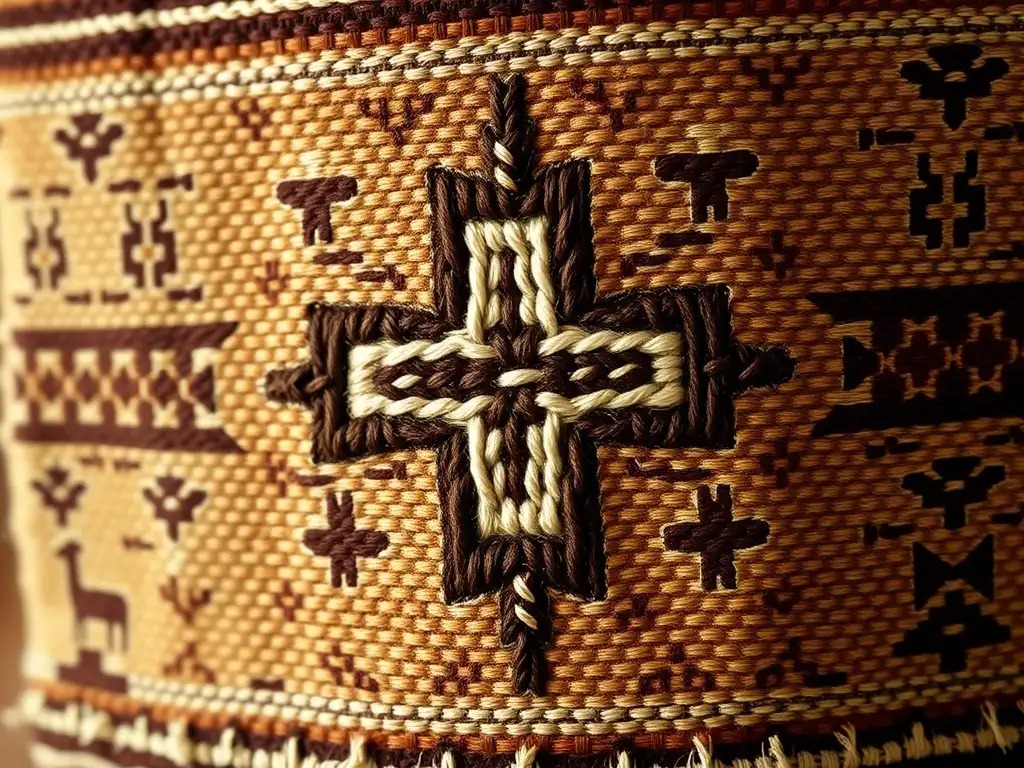
The chakana, also known as the Andean Cross, is a potent symbol deeply embedded in Aymara textile history and Andean cosmology. Its presence on textiles isn't merely decorative; it represents a profound connection to the spiritual world and the interconnectedness of life. The four arms of the cross are often interpreted as representing the four cardinal directions, the four elements (earth, air, fire, water), or the four levels of reality in Andean belief systems – the underworld (Ukhu Pacha), the human world (Kay Pacha), and the upper world (Hana Pacha), with the central point symbolizing the connection between them.
The stepped design, rather than a simple cross, emphasizes the cyclical nature of life, death, and rebirth. The chakana's presence on Aymara textiles, therefore, signifies a deep spiritual grounding and a connection to the ancestral past, reminding the wearer of their place within the cosmic order. The size and placement of the chakana within a textile can further refine its meaning, with larger, centrally placed chakanas holding more significant weight.
Detailed variations in the chakana's design—the number of steps, the presence of additional symbols within the cross—offer further layers of interpretation, requiring detailed study by textile experts to fully decipher. The careful crafting of the chakana on Aymara textiles reflects the intricate knowledge and spiritual understanding of the weavers.
The Meaning of the Serpent Motif
Serpents, in Aymara textile history, hold a complex and multifaceted symbolism, often representing both positive and negative forces. While sometimes associated with danger and the underworld, they are more frequently viewed as symbols of fertility, healing, and transformation. The serpent's ability to shed its skin symbolizes renewal and cyclical regeneration, mirroring the Andean understanding of life and death.
In some Aymara textiles, the serpent is depicted entwined with other motifs, such as the chakana or the condor, suggesting an interaction between different cosmological forces. The specific depiction of the serpent – its color, size, and the way it is woven into the textile – can significantly alter its symbolic meaning. For instance, a serpent depicted in vibrant greens might represent growth and abundance, while a serpent rendered in darker shades could signify the mysteries of the underworld or the transformative power of death.
The intricacy of the weaving itself often speaks volumes; a finely woven serpent might suggest a higher status or a more profound spiritual significance. The stylistic choices made by the Aymara weavers in representing the serpent demonstrate a sophisticated understanding of symbolic representation and their deep connection to the natural world.
The Use of the Condor Symbol
The condor, a majestic bird of the Andes, features prominently in Aymara textile history and Andean mythology. In Aymara culture, the condor is often associated with power, strength, and the ability to connect the earthly and spiritual realms. Its ability to soar to great heights symbolizes the connection to the upper world (Hana Pacha), and its keen eyesight represents wisdom and insight.
The condor's presence on Aymara textiles often signifies protection, guidance, and a connection to the divine. The way in which the condor is depicted – whether it is shown in flight, perched on a mountain, or interacting with other symbols – can further refine its meaning. A condor depicted in full flight might represent freedom and spiritual ascension, while a condor perched on a mountain could symbolize strength and stability.
The use of color is also significant; a condor rendered in rich, dark tones might represent its connection to the underworld, while a condor depicted in bright colors could highlight its association with the sun and the upper world. The careful consideration given to the condor's representation in Aymara textiles underscores the weavers' profound understanding of Andean cosmology and their ability to translate complex spiritual concepts into intricate visual narratives. The condor's enduring presence in Aymara textile traditions speaks to its continued cultural and spiritual relevance.
Aymara Textiles as Historical Records
Aymara textile history is deeply intertwined with the social, religious, and political life of the Aymara people. Their textiles aren't simply decorative items; they are tangible records of their past, offering invaluable insights into their lives, beliefs, and societal structures.
Unlike written records, which were not widely used by the Aymara, textiles served as a primary means of transmitting knowledge and preserving cultural heritage across generations. The intricate designs, vibrant colors, and unique weaving techniques employed all carry significant meaning, allowing researchers to reconstruct aspects of Aymara history that would otherwise be lost to time.
The longevity of these textiles, often surviving centuries due to the quality of the materials and the careful preservation techniques of the Aymara, makes them exceptional sources of information for historians and anthropologists. Analyzing their composition, from the type of fibers used (alpaca, llama, vicuña) to the dyes employed (derived from natural sources like plants and minerals), provides clues about trade networks, resource management, and environmental adaptations throughout Aymara history.
Aymara Textiles as a Form of Historical Documentation
The remarkable preservation of Aymara textiles allows us to trace changes in design motifs and techniques over time. For example, the shift from simpler geometric patterns in earlier periods to more complex, symbolic representations in later periods reflects evolving social structures and beliefs. Specific motifs, such as stylized animals (llamas, condors), geometric designs (zigzags, spirals), and anthropomorphic figures, are often associated with specific Aymara clans, rituals, or historical events.
These visual narratives provide a chronological framework for understanding the development of Aymara culture and society. Furthermore, the use of different colors also holds symbolic weight, with certain colors representing specific deities, social statuses, or life cycle events. Detailed analysis of color palettes in different textiles can reveal shifts in religious beliefs and social hierarchies over time.
The meticulous documentation of these textile designs, through detailed catalogs and photographic records, is crucial for preserving and interpreting this invaluable historical archive. Detailed studies of the fibers themselves, including isotopic analysis, can even shed light on the geographical origins of the materials and the extent of trade networks across the Andes.
Aymara textiles played a crucial role in defining social status and identity. The complexity of the weaving techniques, the quality of the materials used, and the specific designs incorporated all conveyed social standing. Elaborately woven textiles, often adorned with intricate designs and high-quality fibers, were reserved for the elite, signifying their wealth, power, and social prestige.
In contrast, simpler textiles, using less refined techniques and materials, were worn by the common people. This social stratification, reflected in the textiles themselves, provides insights into the hierarchical structure of Aymara society. Furthermore, specific textile designs could indicate clan affiliation, marital status, or even religious office.
The use of textiles in rituals and ceremonies further highlights their significance in reinforcing social structures and identity. The passing down of weaving techniques and designs from one generation to the next served as a means of transmitting cultural knowledge and maintaining social cohesion within the Aymara communities. The intricate relationship between textiles and social identity remains a key area of ongoing research, with new discoveries constantly enriching our understanding of Aymara social dynamics.
Insights into Aymara Beliefs and Cosmology Through Textiles
Aymara textiles are rich with symbolic imagery reflecting their complex cosmology and religious beliefs. Many designs incorporate representations of celestial bodies, deities, and mythical creatures, offering valuable insights into their spiritual world. For instance, the frequent depiction of the sun, moon, and stars reflects the importance of these celestial bodies in Aymara mythology and their connection to the agricultural cycle.
The presence of stylized animals, such as the llama (associated with fertility and prosperity) and the condor (a sacred bird symbolizing power and altitude), further illuminates their animistic beliefs. The use of specific colors and patterns also holds religious significance, often associated with specific deities or ritual practices. Analysis of these symbolic representations in different textiles, across different time periods, reveals the evolution of Aymara religious beliefs and the continuity of certain themes throughout their history.
The textiles provide a visual lexicon of Aymara spirituality, allowing researchers to reconstruct their worldview and understand the interconnectedness between the material world and the spiritual realm in their culture. The ongoing study of Aymara textiles continues to reveal the depth and complexity of their spiritual beliefs and their enduring influence on their cultural identity.
The Evolution of Aymara Textile Arts Through Time
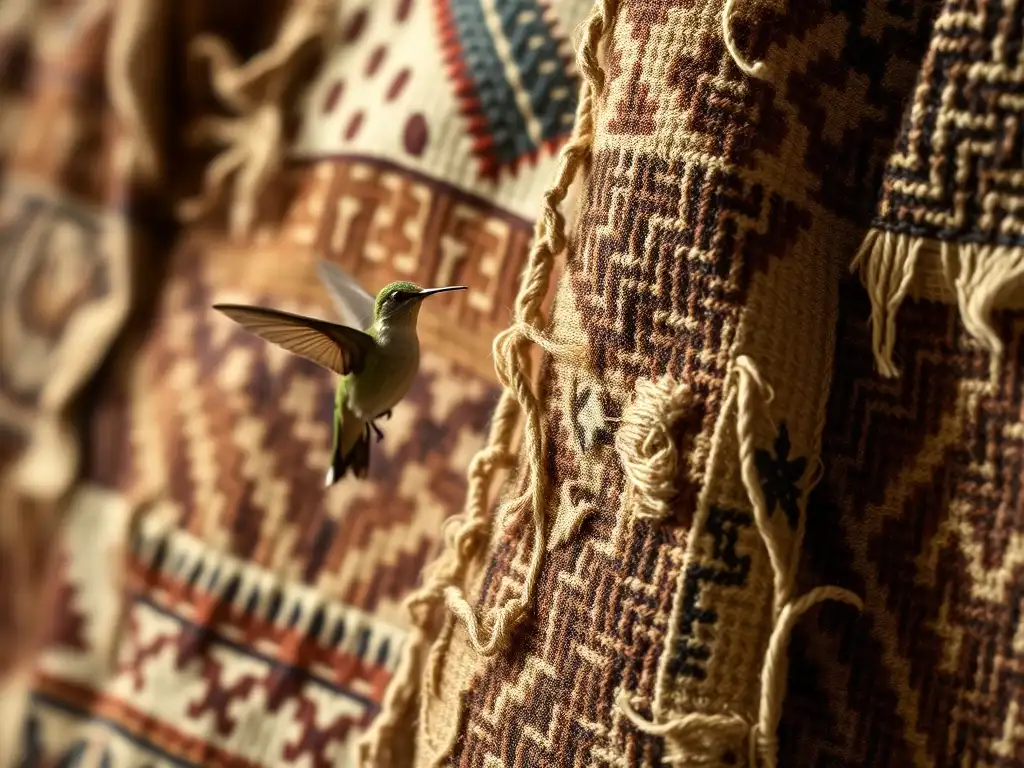
The vibrant tapestry of Aymara textile history is a rich and complex narrative, spanning centuries and reflecting the dynamic interplay of tradition, innovation, and external influences. Understanding this evolution requires examining the techniques, designs, and societal contexts in which these textiles were created. From the pre-Columbian era to the present day, Aymara textiles have served not only as clothing and household items but also as powerful mediums for storytelling, social status signaling, and cultural continuity.
The enduring legacy of these textiles is a testament to the resilience and adaptability of the Aymara people. Analyzing the evolution of Aymara textile arts reveals a fascinating journey of cultural preservation and transformation.
Changes in Aymara Weaving Techniques Across Generations
Aymara weaving techniques, passed down through generations, demonstrate a remarkable continuity alongside subtle but significant changes. Early Aymara textiles, dating back to pre-Inca times, often employed simple backstrap looms, a technology requiring considerable skill and precision. These looms, typically portable and easily adaptable to different locations, allowed for the creation of intricate designs and textures. The use of natural dyes derived from plants, insects, and minerals resulted in a limited but striking palette of colors, primarily earthy tones reflecting the Andean landscape.
Over time, the introduction of new materials and tools, particularly after the Spanish conquest, led to some modifications. While the backstrap loom remained a staple, the arrival of the more efficient foot-powered loom expanded production capabilities and allowed for the creation of larger and more complex textiles. The incorporation of new dyes, including imported aniline dyes, broadened the color range, although many communities maintained their preference for traditional natural dyes, associating them with spiritual and cultural significance.
The evolution isn't simply about technological advancement; it's about a continuous negotiation between tradition and adaptation, demonstrating the Aymara people's remarkable ability to integrate change without sacrificing their cultural identity. Careful study of surviving textiles reveals these subtle shifts in techniques and materials over time, providing valuable insights into the evolving Aymara society and its relationship with its environment.
The Impact of Colonialism on Aymara Textile Production
The Spanish conquest profoundly impacted Aymara textile production, introducing both challenges and opportunities. The colonial period witnessed a shift in the demand for textiles, with European styles and preferences influencing design and production. The introduction of new fibers, like sheep's wool, alongside the existing use of alpaca and llama wool, altered the texture and feel of the textiles.
However, the colonial impact was not solely about material changes. The imposition of the repartimiento system, a forced labor system, exploited Aymara weavers, forcing them to produce textiles for the colonial elite while often limiting their access to resources and restricting their ability to maintain their traditional practices. This period saw a decline in some traditional techniques and designs as weavers were compelled to adapt to colonial demands.
Despite the oppressive conditions, Aymara weavers demonstrated remarkable resilience. They cleverly incorporated subtle elements of their traditional designs and symbolism into the textiles they were forced to produce, effectively maintaining their cultural identity in a covert manner. This act of resistance, woven into the very fabric of their creations, highlights the enduring power of Aymara textile traditions.
The study of colonial-era textiles, therefore, requires a nuanced approach, acknowledging both the disruptions caused by colonialism and the enduring strength of Aymara cultural expression. Further research into archival records and surviving textiles is needed to fully understand the extent of these impacts.
Contemporary Aymara Weaving and Its Preservation
Contemporary Aymara weaving represents a remarkable blend of tradition and innovation. While many communities continue to practice traditional techniques and designs, there's also a growing interest in experimenting with new styles and incorporating modern influences. This dynamic interplay reflects the Aymara people’s ability to adapt and thrive in a changing world. The use of modern tools, alongside traditional methods, demonstrates a conscious effort to balance efficiency with the preservation of cultural heritage.
Efforts to preserve and promote Aymara textile traditions are gaining momentum. The increasing recognition of the cultural and economic value of these textiles has led to initiatives aimed at supporting Aymara weavers, promoting their work, and ensuring the transmission of knowledge to younger generations. These efforts include workshops, training programs, and collaborations with designers and organizations dedicated to promoting sustainable practices and fair trade.
The continued relevance and popularity of Aymara textiles in both local and international markets serve as a testament to the enduring appeal of these handcrafted works of art. However, challenges remain in ensuring the long-term sustainability of this vital cultural practice, including the need for continued support for Aymara communities and the preservation of traditional knowledge. The future of Aymara textile history hinges on these ongoing efforts to safeguard this invaluable cultural legacy.
Preserving the Legacy of Aymara Weaving
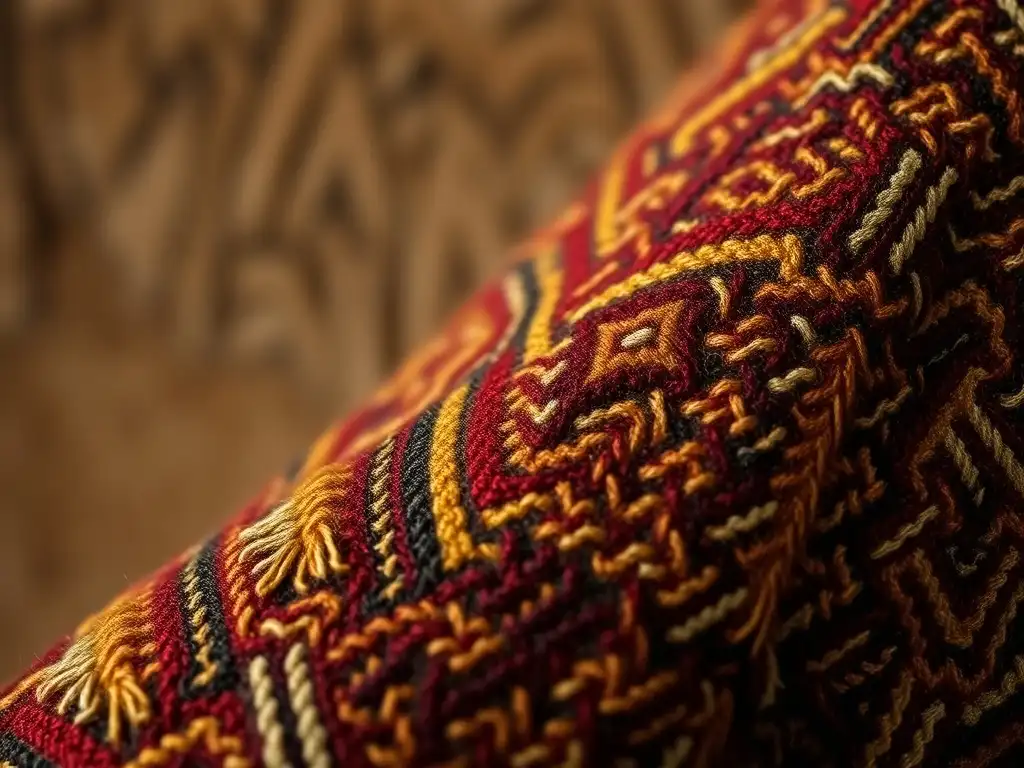
The vibrant and intricate world of Aymara textiles represents a tangible link to a rich and complex past. These textiles, imbued with deep cultural significance, are not merely clothing; they are living archives, narrating stories of Andean life, cosmology, and social structures. However, the preservation of this invaluable heritage faces significant challenges in the modern world. Understanding these challenges and the ongoing efforts to counteract them is crucial to ensuring the survival of this unique artistic and cultural expression for future generations.
The continuity of Aymara textile history hinges on these preservation efforts. The intricate designs, often passed down through generations of women, are threatened by factors ranging from economic pressures to changing social landscapes. Without concerted efforts, the profound knowledge embedded within these textiles risks being lost forever, severing a vital connection to Aymara identity and history. This section delves into the complexities of safeguarding this legacy.
Challenges Facing the Preservation of Aymara Textile Traditions
The preservation of Aymara textile traditions faces a multifaceted challenge. One significant obstacle is the economic viability of weaving. The time-intensive nature of traditional techniques, combined with the availability of cheaper, mass-produced clothing, makes it difficult for Aymara weavers to compete in the modern market. Many young people are abandoning the craft in favor of more lucrative opportunities, leading to a decline in the number of active weavers.
Another challenge lies in the loss of traditional knowledge. As older generations pass away, the intricate techniques and symbolic meanings embedded in the designs risk being lost. While some knowledge is passed down within families, the systematic documentation and dissemination of this knowledge is crucial to prevent its erosion.
Furthermore, the impact of globalization and tourism presents a complex dynamic. While tourism can provide a potential market for Aymara textiles, it also runs the risk of commodifying the craft, leading to mass production of low-quality imitations that undermine the authenticity and value of the traditional work. This can lead to a devaluation of the cultural significance of the textiles and a decrease in the income for authentic Aymara artisans.
Balancing the benefits of tourism with the protection of cultural integrity is a delicate act requiring careful planning and ethical considerations. The delicate balance between cultural preservation and economic sustainability remains a significant hurdle.
Efforts to Support Aymara Weavers and Their Craft
Despite the challenges, numerous efforts are underway to support Aymara weavers and their craft. These initiatives range from grassroots organizations working directly with communities to larger-scale projects focusing on market access and cultural preservation.
- Fair Trade initiatives: These programs ensure that Aymara weavers receive fair prices for their work, enabling them to earn a sustainable livelihood. This empowers them to continue practicing their craft without compromising their economic well-being.
- Cultural centers and workshops: These centers provide spaces for weavers to gather, share knowledge, and learn new techniques. They often offer training programs for younger generations, ensuring the continuity of traditional skills.
- Documentation and archiving projects: These initiatives aim to systematically record and preserve the knowledge associated with Aymara weaving, including techniques, designs, and symbolic meanings. This documentation is crucial for understanding the cultural context of the textiles and for transmitting this knowledge to future generations. Digital archiving plays a crucial role in disseminating this information widely and ensuring its long-term preservation.
- Marketing and promotion: Efforts to promote Aymara textiles in national and international markets help increase demand and provide weavers with a broader customer base. This can significantly impact their economic stability and the sustainability of the craft. The increased visibility also contributes to a greater appreciation of the cultural value of Aymara textiles.
The Importance of Documenting and Sharing Aymara Textile Knowledge
The documentation and sharing of Aymara textile knowledge are paramount for the preservation of this valuable cultural heritage. Detailed records of weaving techniques, designs, and symbolic meanings are vital not only for academic understanding but also for empowering Aymara communities to control and protect their cultural legacy. This involves:
- Ethnographic research: In-depth studies conducted by anthropologists and other researchers are crucial for understanding the cultural context of Aymara textiles, their significance within the community, and the evolution of weaving techniques over time. This research provides a foundation for effective preservation strategies.
- Digital archiving: Creating digital databases of textile designs, weaving techniques, and associated stories allows for wider access to this knowledge. This makes it easier to share information with researchers, educators, and the wider public, promoting a greater appreciation for Aymara textile traditions. The use of high-resolution images and video recordings can capture the intricate details of the textiles and the weaving process.
- Educational programs: Incorporating Aymara weaving techniques and their cultural significance into educational curricula empowers younger generations to appreciate and continue this tradition. This fosters a sense of cultural pride and ensures the continuity of the craft for future generations. Hands-on workshops and interactive learning experiences can be particularly effective.
The preservation of Aymara textile history is not merely a matter of preserving beautiful objects; it is about safeguarding a living cultural tradition, a repository of knowledge, and a vital aspect of Aymara identity. Through concerted efforts in documentation, support, and education, we can help ensure that the vibrant stories woven into these ancient fabrics continue to be told for generations to come. The future of Aymara textile history depends on our collective commitment to its preservation.
The Aymara Weaving Cooperative of Bolivia
The Aymara Weaving Cooperative of Bolivia exemplifies the ongoing efforts to preserve and promote Aymara textile traditions. Located in [Specific Bolivian region pending], this cooperative brings together skilled artisans from various Aymara communities. Their collaborative approach ensures the continuity of ancient techniques while adapting to the demands of a modern market. The cooperative focuses not only on producing high-quality textiles—including the iconic lliclla (a traditional shawl) and aguayo (a carrying cloth)—but also on fair trade practices, guaranteeing a sustainable income for its members.
This ensures that the knowledge and skills are passed down through generations, preventing the loss of this invaluable cultural heritage. The cooperative actively participates in local and international craft fairs, showcasing the beauty and craftsmanship of Aymara textiles to a wider audience. They also offer workshops and training programs, sharing their expertise with younger generations and fostering an appreciation for the intricate details and symbolism embedded within each piece.
The cooperative's success story highlights the power of collective action in safeguarding traditional crafts and empowering Aymara communities. Their commitment to authenticity and quality has resulted in growing recognition and demand for their products, contributing significantly to the economic and cultural well-being of the region. Furthermore, their efforts to document and archive traditional weaving patterns and techniques are invaluable for future research and preservation initiatives.
The Andean Textile Arts Center in Peru
The Andean Textile Arts Center in Peru plays a crucial role in preserving and promoting Aymara textile traditions, albeit within a broader Andean context. Situated in [Specific Peruvian region pending], the center acts as a repository of knowledge, a training ground for aspiring weavers, and a platform for showcasing the diversity of Andean textile artistry. While not exclusively focused on Aymara textiles, the center actively incorporates and celebrates Aymara weaving techniques and designs within its broader programming. They offer workshops that cover a range of Andean textile traditions, including those specific to the Aymara people, emphasizing the use of natural dyes and traditional spinning and weaving methods.
The center's collection of historical textiles provides invaluable resources for researchers and students, offering a tangible link to the past. Their efforts extend beyond preservation, actively engaging with local communities to support the economic viability of traditional textile production. The center frequently organizes exhibitions and events that promote awareness and appreciation of Andean textile arts, including the unique contributions of the Aymara people.
By providing a space for collaboration, learning, and innovation, the Andean Textile Arts Center helps ensure that the rich tapestry of Andean textile traditions, including those of the Aymara, continue to thrive in the 21st century. Their commitment to both preservation and promotion is vital for the continued existence and appreciation of Aymara textile history. The center's work reflects a broader movement to protect and celebrate the cultural heritage of Peru, with Aymara weaving forming a significant and integral part of this narrative.
Frequently Asked Questions
What is the significance of Aymara textiles in Andean history?
Aymara textiles hold immense cultural and historical significance. They are not merely clothing but powerful visual narratives that reflect social status, beliefs, and daily life. Complex weaving techniques passed down through generations showcase their advanced skills and artistry.
How did Aymara textile production differ from other Andean cultures?
While sharing some Andean weaving traditions, Aymara textiles exhibit unique designs and color palettes. Their use of natural dyes and specific patterns distinguishes them from, for instance, Inca or Nazca textiles. Certain motifs are specifically linked to Aymara cosmology and beliefs.
What kind of materials were traditionally used in Aymara textile production?
Aymara weavers traditionally used alpaca and llama wool, renowned for their softness and warmth. They also utilized cotton in warmer regions. The preparation of these fibers, along with the creation of natural dyes from local plants, was a crucial aspect of the process.
How are Aymara textile designs interpreted?
Aymara textile designs are rich in symbolism. Geometric patterns, zoomorphic figures, and anthropomorphic representations often convey stories of mythology, rituals, and social structures. Interpretations require understanding of Aymara culture and iconography.
Where can I learn more about the history of Aymara textiles?
To delve deeper into the history of Aymara textiles, explore museum collections featuring Andean artifacts. You can also find valuable information in academic publications and ethnographic studies focusing on Aymara culture and weaving traditions.
Final Reflection: The Enduring Threads of Aymara Heritage
The vibrant hues and intricate designs of Aymara textiles aren't merely aesthetic; they are living archives, echoing centuries of resilience, adaptation, and cultural continuity in the face of immense societal shifts. These ancient fabrics continue to speak to us today, offering invaluable insights into a rich history and a vibrant cultural identity that deserves our unwavering attention and respect. Their survival, against the odds, is a testament to the enduring power of tradition and the strength of the human spirit.
The impact of Aymara textile traditions extends far beyond the Andean highlands. Their influence can be seen in contemporary art, fashion, and even political movements, demonstrating the enduring power of cultural heritage to inspire and unite. The threads themselves are a language, a history, a story waiting to be understood.
This quote, though not from a specific Aymara weaver, perfectly encapsulates the depth and complexity woven into each piece. Understanding these textiles allows us to connect with a culture that has persevered through colonization, globalization, and countless challenges, offering a powerful lesson in resilience and cultural preservation.
Consider the stories whispered by each thread, the techniques passed down through generations, the symbolism embedded in every color and pattern. You, the reader, now hold a piece of this legacy. Take a moment to reflect on the power of cultural heritage and its ability to connect us across time and space. Let the enduring beauty and intricate artistry of Aymara textiles inspire you to explore and celebrate the rich tapestry of human cultures, and to champion the preservation of traditions that enrich our world.
**Unravel the Threads of History! **
Thank you for exploring the vibrant world of Aymara textiles with us. We hope you've gained a deeper appreciation for the intricate stories woven into these ancient fabrics. Now, let's delve even deeper into this rich cultural heritage!
Here are a few ways you can continue your exploration:
- **Visit a local museum or cultural center** to see authentic Aymara textiles and learn about their historical and cultural significance.
- **Share your newfound knowledge** with friends, family, or colleagues, or create a social media post to introduce others to the beauty and artistry of Aymara textiles.
- Consider exploring workshops or online classes in textile arts – you might discover a hidden talent!
Imagine the stories your favorite Aymara textile could tell if it could speak. What would it reveal about its creation, its maker, and the community it represents?