
Atahualpa's Heirs: The Fates of the Inca Royal Family After the Conquest

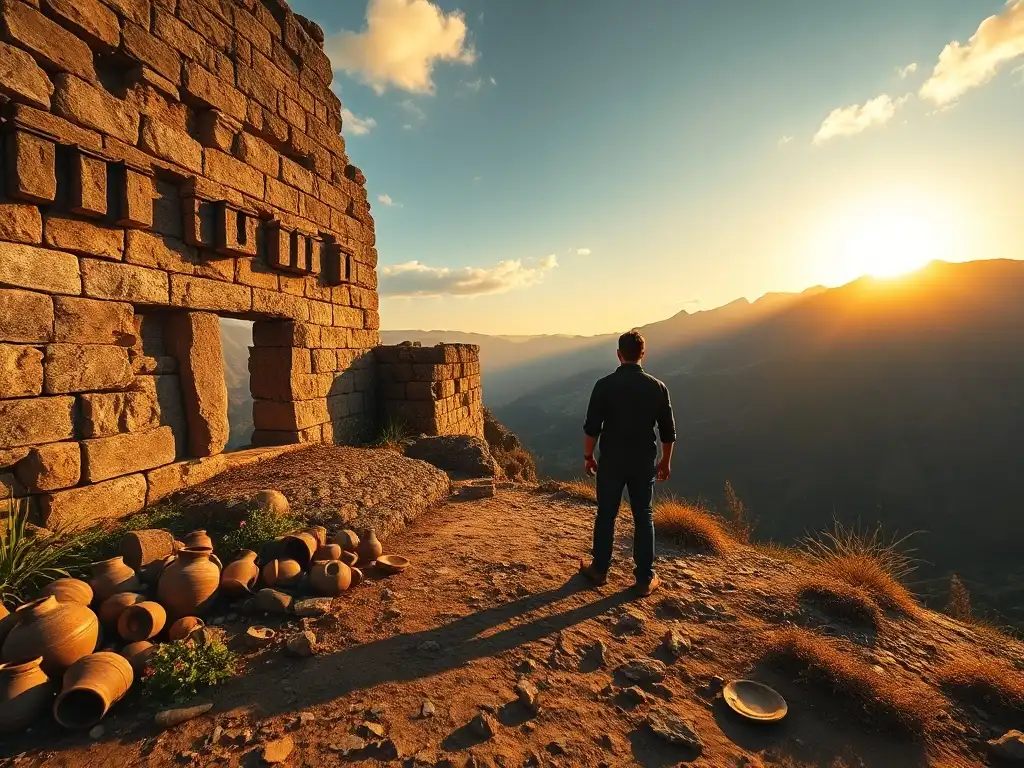
Step into a world lost to time, yet echoing with the whispers of empires past. Andean Civilizations unveils the captivating stories of ancient societies, their breathtaking artistry, and remarkable ingenuity. But what became of the powerful Inca, after the Spanish Conquest shattered their world? Discover the untold saga of Atahualpa's heirs and the turbulent fates that awaited the Inca royal family in the wake of conquest. Their story is one of resilience, tragedy, and a legacy that continues to resonate today. Dare to delve deeper…
The Spanish conquest of the Inca Empire in the 16th century dramatically altered the course of Andean history, leaving an indelible mark on the Inca people and their royal lineage. The execution of Atahualpa, the last Sapa Inca of the independent empire, marked not an end, but a brutal and complex transition.
This article delves into the tumultuous aftermath of the conquest, exploring the fates of Atahualpa's heirs and the broader Inca royal family, tracing their struggles for survival and resistance against the encroaching Spanish power. We will examine the immediate consequences of the conquest on the Inca elite, the strategies employed by the Inca to maintain their identity and power, and the tragic destinies of Atahualpa's direct descendants, highlighting the enduring legacy of this pivotal moment in Andean history.
Understanding the fate of the Inca royal family is crucial to comprehending the long-term impact of colonization on Andean societies and their enduring cultural resilience. The keyword "Inca royal family after Spanish conquest" will be explored throughout this detailed analysis.
The Inca Dynasty After the Fall of Atahualpa
Following Atahualpa's death in 1533, the Spanish installed puppet rulers, attempting to maintain a semblance of Inca governance while simultaneously exploiting the empire's resources. This strategy, however, proved short-lived and ultimately unsuccessful. The Spanish faced constant resistance from various Inca factions vying for power, each with its own claim to the throne.
The carefully constructed Inca system of succession, based on complex kinship ties and religious legitimacy, was disrupted, leading to a period of intense political instability. Several individuals were elevated and deposed in rapid succession, highlighting the chaotic environment created by the Spanish conquest. These power struggles often involved violent conflicts, further weakening the Inca's ability to resist Spanish rule.
The Spanish, meanwhile, played these factions against each other, strategically manipulating the situation to consolidate their own control. The manipulation of the Inca succession system was a key element of the Spanish strategy to subjugate the population and extract maximum wealth from the conquered territories. This period witnessed the systematic dismantling of the Inca political structure, paving the way for the complete integration of the former empire into the Spanish colonial system.
The Immediate Aftermath of the Conquest on Inca Royalty
The immediate aftermath of the conquest was marked by a wave of violence, imprisonment, and the systematic destruction of Inca cultural symbols. Many members of the Inca royal family were executed, imprisoned, or forced into servitude. The Spanish systematically targeted those who posed a threat to their rule, eliminating key figures who could potentially lead resistance movements.
The seizure of royal palaces, temples, and other significant sites served to further undermine the Inca's authority and cultural identity. The destruction of Inca records and artifacts aimed to erase the empire's rich history and replace it with a narrative that legitimized Spanish dominance. This process of cultural erasure was a deliberate strategy employed by the colonizers to facilitate their control over the conquered population.
The Spanish implemented policies aimed at suppressing Inca traditions and imposing their own culture and religion. The impact of these actions on the Inca people was devastating, leading to a profound loss of cultural heritage and identity. The surviving members of the royal family faced immense challenges in preserving their traditions and resisting the cultural imperialism imposed by the Spanish.
The Fate of Atahualpa's Direct Descendants
The fate of Atahualpa's direct descendants is shrouded in some mystery, with limited historical records available. Some accounts suggest that several of Atahualpa's children were taken captive by the Spanish, while others managed to escape into hiding. The children’s fate varied depending on their age and gender, and those who survived faced the harsh realities of colonial life.
The exact number of Atahualpa's surviving offspring remains uncertain, with historical accounts varying widely. Those who were captured often faced forced conversion to Christianity and were integrated into the colonial social hierarchy, sometimes in positions of relative privilege, but always under the watchful eye of the Spanish authorities. Others, escaping capture, likely faced a difficult existence, often living in hiding and constantly fearing discovery.
Their lives and stories represent a testament to the resilience and adaptability of the Inca people in the face of extreme adversity. The lingering impact of Atahualpa's lineage on subsequent generations is a subject worthy of further research. The ongoing investigation into the descendants of Atahualpa highlights the enduring interest in this pivotal figure and his family's legacy in the context of the Spanish conquest.
The Lives of Atahualpa's Children: Quispe Sisa and Others
Atahualpa, despite his relatively short reign and abrupt demise, left behind a legacy that extended beyond his political achievements. His children, born both before and during his reign, faced drastically different fates following the Spanish conquest. One of the most well-documented is Quispe Sisa, a daughter of Atahualpa and an indigenous woman. Her life after her father's execution remains somewhat shrouded in mystery, but historical accounts suggest she may have been spared the immediate brutality inflicted upon other members of the royal family.
This could be attributed to her youth or perhaps the strategic maneuvering of certain Spanish officials who saw potential advantages in maintaining ties with segments of the Inca aristocracy. However, even if spared immediate execution, Quispe Sisa likely faced a life drastically altered by the conquest, stripped of her birthright and forced to navigate a radically changed social and political landscape. The lives of Atahualpa's other children, whose names and fates are less clearly documented, likely followed similar patterns of displacement, dispossession, and marginalization.
Many were likely forced into servitude, dispersed among various Spanish encomenderos, or integrated into the newly imposed colonial social structures. Their stories, largely lost to history, represent the silent suffering of countless individuals caught in the maelstrom of the conquest. Further research is needed to fully understand the lives and experiences of Atahualpa’s other offspring.
The Lineage of Huayna Capac and its Dispersal
Huayna Capac, Atahualpa's father, had a large and complex family. His death in 1527 plunged the Inca Empire into a succession crisis, a situation ruthlessly exploited by Pizarro. The death of Huayna Capac left the Inca Empire vulnerable to internal strife and ultimately to the Spanish Conquest. His lineage, once a symbol of imperial power and continuity, was shattered by the conquest.
The carefully constructed system of succession, based on bloodlines and political alliances, was dismantled. Huayna Capac's sons, including Huáscar and Atahualpa, were pitted against each other in a brutal civil war, weakening the empire before the Spanish even arrived. After the conquest, the remaining members of Huayna Capac's lineage were scattered, their claims to power rendered meaningless.
Many were executed, imprisoned, or forced into obscurity. The dispersal of this lineage represents the complete dismantling of the Inca imperial structure and the erasure of its traditional power dynamics. The systematic destruction of the Inca royal family served as a key strategy by the Spanish to solidify their control over the conquered territories, preventing any resurgence of Inca resistance.
The Division and Conflict Among Inca Factions Post-Conquest
The conquest of the Inca Empire did not result in a unified response from the indigenous population. Instead, pre-existing internal divisions and rivalries, exacerbated by the Spanish, led to further fragmentation and conflict among various Inca factions. Those who had opposed Atahualpa during the civil war often saw collaboration with the Spanish as a means to gain power and revenge. This collaboration, however, often came at a steep price.
While some factions initially benefited from alliances with the Spanish, these alliances were often unstable and ultimately served the interests of the colonizers. The Spanish skillfully played Inca factions against each other, weakening any potential for organized resistance. The resulting power vacuum allowed the Spanish to consolidate their control more effectively.
The conflicts between these factions, far from hindering the Spanish conquest, actually facilitated it, demonstrating the devastating impact of internal divisions on the Inca Empire's ability to withstand foreign invasion. The legacy of this post-conquest fragmentation continues to shape the political and social landscape of the Andean region to this day. The strategic manipulation of these rivalries by the Spanish serves as a cautionary tale about the fragility of empires and the dangers of internal conflict.
Manco Inca and the Resistance: A Royal Struggle
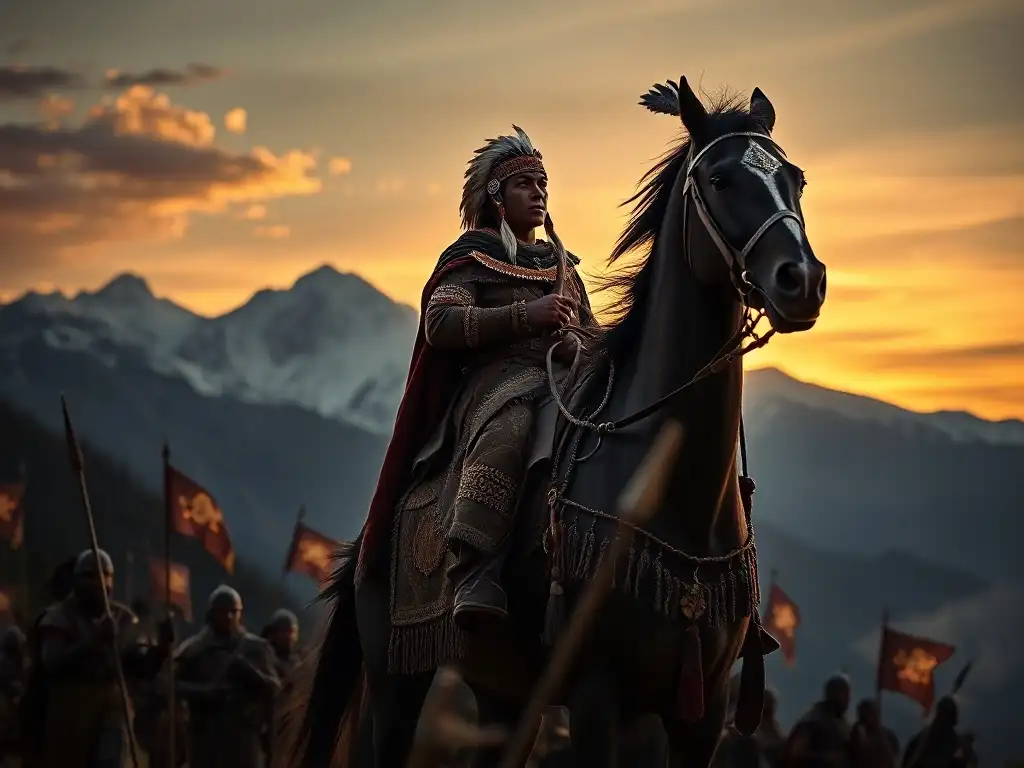
Manco Inca Yupanqui, a half-brother of Atahualpa and a key figure in the Inca royal family's struggle for survival after the Spanish conquest, initially collaborated with Francisco Pizarro. However, he quickly realized the deceptive nature of the Spanish promises and the brutality of their conquest. Witnessing the systematic dismantling of the Inca empire and the exploitation of his people, Manco Inca’s allegiance shifted dramatically.
He orchestrated a rebellion in 1536, a pivotal moment marking the beginning of a protracted and bloody resistance against the Spanish. This rebellion, led by a legitimate Inca ruler, was a powerful symbol of defiance and a testament to the enduring spirit of the Inca people. The initial successes of Manco Inca's forces demonstrated the resilience of the Inca military strategies, even in the face of superior weaponry.
His leadership galvanized many indigenous communities, highlighting the deep-seated resentment towards Spanish rule and the continued loyalty to the Inca lineage. The initial phases of this resistance involved strategically planned ambushes and coordinated attacks, showcasing Manco Inca's tactical prowess and the strength of his loyal following.
The Siege of Cusco and the Guerrilla Warfare of Manco Inca
The siege of Cusco (1536-1537) stands as a testament to Manco Inca's military acumen and the ferocity of the Inca resistance. He skillfully employed guerrilla warfare tactics, utilizing the Andean terrain to his advantage. The Inca forces, familiar with the mountainous landscape, launched surprise attacks, ambushes, and swift retreats, frustrating the Spanish attempts at conventional warfare.
The siege was brutal, with both sides inflicting significant casualties. The Spanish, despite their superior weaponry, struggled to overcome the Inca's knowledge of the terrain and their relentless attacks. Accounts from the time describe a relentless campaign of harassment, with Inca forces constantly harrying the Spanish positions, disrupting supply lines, and inflicting heavy losses.
The siege ultimately failed to recapture Cusco, but it significantly weakened the Spanish foothold and demonstrated the enduring strength of the Inca resistance movement under Manco Inca's leadership. This protracted siege highlighted the limitations of Spanish military dominance when facing a determined and adaptable enemy utilizing guerilla tactics in challenging terrain.
The Neo-Inca State of Vilcabamba and its Royal Leadership
Following the failure of the siege of Cusco, Manco Inca established a new Inca capital in Vilcabamba, a remote and strategically defensible location deep within the Andes. This marked the beginning of the Neo-Inca State, a continuation of the Inca empire, albeit significantly reduced in size and power. Vilcabamba became a symbol of resistance and a refuge for those loyal to the Inca cause.
The royal leadership in Vilcabamba continued the line of Inca emperors, with Manco Inca followed by his successors, including Sayri Túpac and Titu Cusi Yupanqui. These rulers maintained a degree of independence and continued to challenge Spanish authority, albeit through diplomatic maneuvering and occasional armed conflict. The existence of Vilcabamba for over a century demonstrates the enduring strength of the Inca identity and its resistance to Spanish domination.
The Neo-Inca State, though diminished, represented a significant challenge to the Spanish and a lasting testament to the resilience of the Inca people and their royal lineage in the face of the conquest. The continued existence of this state served as a constant reminder of the unfinished nature of the Spanish conquest and the lingering threat of Inca resurgence. The eventual fall of Vilcabamba in 1572 marked the definitive end of the Inca Empire, but the legacy of resistance and the resilience of its royal family continued to shape the history of the Andean region.
Sayri Túpac, Titu Cusi Yupanqui, and Túpac Amaru
The fate of the Inca royal family after the Spanish conquest was a complex tapestry woven with threads of collaboration, resistance, and ultimately, tragedy. Several individuals from Atahualpa's lineage attempted to navigate the treacherous political landscape, each with varying degrees of success and ultimately, different fates. Sayri Túpac, a son of Huayna Capac (Atahualpa's father), initially collaborated with the Spanish, accepting the title of Inca in Vilcabamba. This collaboration, however, was a strategic maneuver born of necessity, not genuine loyalty.
His reign was marked by a delicate balance between appeasing the Spanish and maintaining some semblance of Inca autonomy. His ultimate goal, likely, was to consolidate power and eventually challenge Spanish authority. However, his reign was relatively short, and his legacy remains a subject of debate among historians; some consider him a traitor, others a pragmatic survivor.
Titu Cusi Yupanqui, another son of Huayna Capac and brother of Sayri Túpac, took a different approach. He initially resisted Spanish rule, leading a rebellion from Vilcabamba. His resistance, however, was not based on a unified Inca front. He faced internal divisions within his own ranks and struggled against the superior Spanish military technology.
Despite this, Titu Cusi Yupanqui's reign is remembered for its determined resistance and its articulation of Inca grievances against the Spanish. His correspondence with the Spanish authorities, particularly his letters to King Philip II of Spain, are invaluable primary sources shedding light on Inca perspectives during the conquest. He skillfully used diplomacy and appeals to higher authority, trying to secure better terms for his people, a testament to his strategic acumen. Ultimately, however, his resistance was unsustainable, ending with his death under somewhat ambiguous circumstances.
Túpac Amaru I, the last Inca emperor, represented the culmination of this struggle for survival. He inherited a weakened resistance movement and faced a more consolidated and powerful Spanish colonial regime. His reign was marked by continued resistance, though it was ultimately unsuccessful. His capture and execution in 1572 marked the symbolic end of the Inca Empire and the physical elimination of the direct royal line.
The brutal manner of his death—being quartered—served as a chilling warning to any future attempts at rebellion against Spanish rule. His legacy, however, continues to inspire and resonate in the Andean region, becoming a symbol of indigenous resistance against colonial oppression. His name and the story of his defiance continue to be passed down through generations.
The Spanish Perspective on the Inca Royal Lineage
The Spanish viewed the Inca royal lineage through a distinctly colonial lens, often shaped by their own power dynamics and biases. The Spanish saw the Inca royal family primarily as a means to control and govern the conquered territory. The succession disputes amongst the Inca themselves—a common occurrence even before the conquest—were exploited by the Spanish to further their own objectives.
The Spanish strategically supported or undermined different Inca claimants based on their perceived usefulness in furthering the colonial project. They were not interested in preserving the Inca political system, but rather in dismantling it and replacing it with a Spanish-controlled hierarchy. This perspective is reflected in the official records and chronicles produced by the Spanish conquistadors and colonial administrators.
These accounts often portray the Inca nobility as either allies or threats, their loyalty and trustworthiness constantly being assessed and reevaluated based on their perceived value to the Spanish crown. The Spanish narratives largely ignored the nuances of Inca society and politics, reducing the complexities of the Inca royal family to simplistic narratives of cooperation or rebellion.
The Spanish Crown's interest in the Inca royal family was also deeply intertwined with their religious zeal. The conversion of the Inca population to Christianity was a central goal of the Spanish colonial project. The Spanish saw the Inca nobility's conversion as a crucial step in the broader process of evangelization.
They attempted to influence the Inca royal family to embrace Catholicism, viewing it as a way to legitimize their rule and consolidate their power. The Spanish chroniclers often emphasized the supposed acceptance of Christianity by some Inca royals as a sign of their submission and the success of the colonial project. However, the extent to which these conversions were genuine or simply strategic maneuvers to survive remains a matter of ongoing historical debate.
Spanish Policies Towards Inca Nobility: From Allies to Threats
Spanish policies toward the Inca nobility fluctuated dramatically, shifting from tentative alliances to outright suppression depending on perceived threats to their dominance. Initially, the Spanish utilized a strategy of divide and conquer, exploiting the existing power struggles within the Inca empire to their advantage. They allied with certain Inca nobles to weaken others, ultimately consolidating their own control. This approach allowed the Spanish to gain access to resources and knowledge, minimizing initial resistance.
However, as Spanish power solidified, this calculated collaboration gave way to suspicion and mistrust. The Spanish Crown increasingly viewed the Inca nobility as a potential source of rebellion, a threat to their colonial control. This shift in policy led to increasingly repressive measures.
The Spanish implemented policies designed to dismantle the traditional Inca social and political structures. This included the suppression of Inca religious practices, the redistribution of land and resources, and the systematic marginalization of the Inca elite. The destruction of Inca temples and the imposition of Spanish laws and institutions aimed at eroding the Inca nobility's influence and authority.
The Spanish also attempted to control the Inca population by using existing Inca administrative structures, but only to serve Spanish interests. The Inca nobility's access to resources and power was significantly curtailed, leading to resentment and resistance. Furthermore, the Spanish implemented a system of forced labor (mita), which heavily burdened the indigenous population, including the Inca nobility, exacerbating existing tensions and contributing to the rise of future rebellions.
The shift from alliance to suppression highlights the inherent contradictions within Spanish colonial policies, where temporary alliances were often superseded by a long-term strategy of dominance and control. The ultimate fate of the Inca nobility illustrates the devastating consequences of colonial power dynamics and the enduring legacy of Spanish rule in the Andes.
Integration and Assimilation of Inca Nobles into Colonial Society
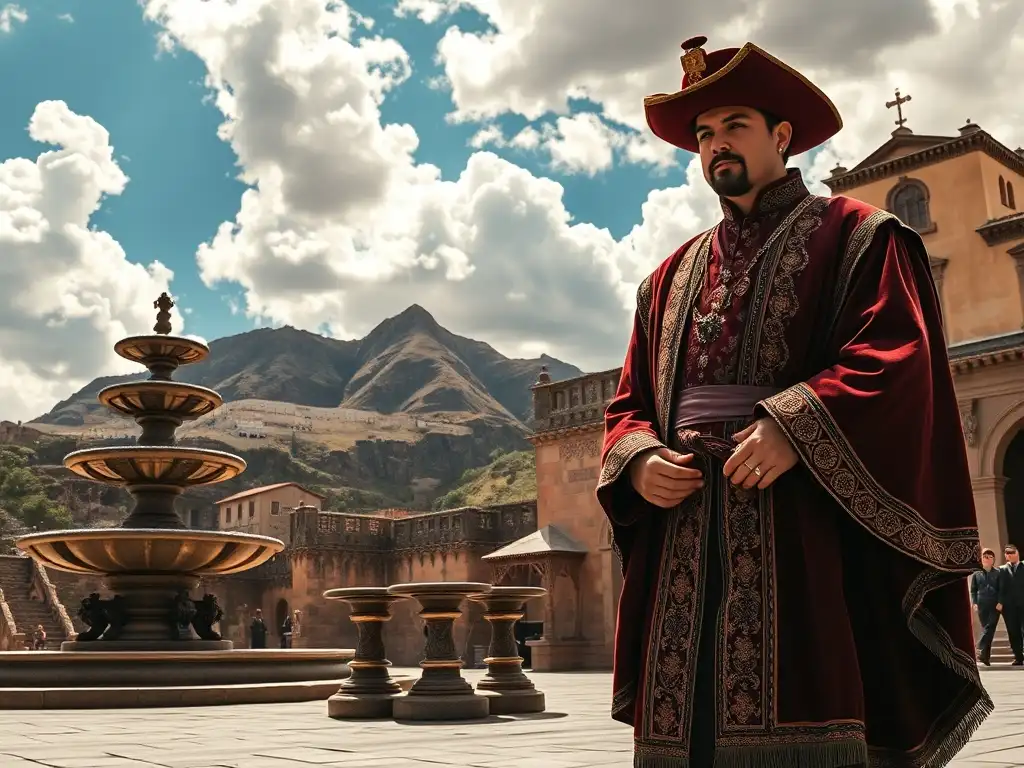
The Spanish conquest didn't simply eradicate the Inca elite; it forced a complex process of integration and assimilation. Many Inca nobles, stripped of their power and prestige, found themselves navigating a drastically altered social landscape. To survive, many embraced the new colonial order, adopting Spanish customs, converting to Christianity, and even marrying into Spanish families. This wasn't a uniform process; some nobles actively resisted, while others strategically collaborated to maintain a degree of influence or protect their families.
The level of acceptance varied greatly depending on individual circumstances, the specific region, and the attitude of the colonial authorities. Some nobles retained significant landholdings, albeit under the new Spanish feudal system, allowing them to maintain a degree of economic power and social standing. This complex interplay between resistance and adaptation shaped the destinies of countless Inca nobles in the decades following the conquest.
The process was gradual, uneven, and often fraught with tension, reflecting the broader struggle for control and cultural dominance in the newly colonized Andes. Studies of colonial records reveal a spectrum of responses, from outright rebellion to quiet compliance, demonstrating the diversity of experiences among the Inca aristocracy. The extent of their integration was also affected by factors like their proximity to centers of Spanish power and their perceived level of threat to the colonial regime.
The Case of Paullu Inca and Other Nobles Who Collaborated
Paullu Inca, a half-brother of Atahualpa, stands as a prime example of an Inca noble who actively collaborated with the Spanish. His decision to ally with Pizarro proved crucial in the conquest, providing the conquistadors with invaluable knowledge of Inca geography, politics, and military strategies. His collaboration, however, came at a price. While he gained significant power and status within the colonial hierarchy, he also faced criticism and suspicion, both from his fellow Incas who viewed him as a traitor and from some Spaniards who questioned his loyalty.
His legacy remains complex and controversial, highlighting the difficult choices faced by Inca nobles caught between two worlds. Other nobles followed similar paths, albeit with varying degrees of success. Some were rewarded with positions of authority within the colonial administration, while others found themselves marginalized or even persecuted.
The motivations behind their collaboration were multifaceted, ranging from pragmatic survival to a genuine belief in the benefits of cooperation. Examining these diverse cases allows for a more nuanced understanding of the complexities of the post-conquest period and the ways in which Inca nobles attempted to navigate the changing political landscape. Further research into the lives of these individuals could shed more light on the motivations and consequences of their choices.
The Legacy of the Inca Royal Family Today
The direct line of Inca royalty ended with the execution of Atahualpa and the subsequent subjugation of the Inca Empire. However, the legacy of the Inca royal family continues to resonate today, albeit in a transformed way. Descendants of Inca nobles, albeit often with mixed ancestry, still exist in various parts of the Andes.
Their heritage is often a source of both pride and complexity, reflecting the enduring impact of the conquest and the ongoing struggle for cultural recognition and identity. The Inca royal family's story is not merely a historical narrative; it's a living legacy woven into the cultural fabric of the Andean region. This legacy manifests in various ways, from local traditions and folklore to ongoing efforts to reclaim and celebrate Inca heritage.
The continued interest in Inca history and the ongoing archaeological discoveries serve as a testament to the enduring power of the Inca civilization and its impact on modern Peru and other Andean nations. Understanding the fate of the Inca royal family after the conquest provides critical insight into the broader processes of colonization, resistance, and cultural transformation in the Americas. Further research into genealogical records and oral histories could help illuminate the paths of these descendants and their ongoing contributions to Andean society.
Descendants and their Role in Preserving Inca Cultural Identity
The Spanish conquest didn't extinguish the Inca cultural flame entirely. Despite the brutal suppression and execution of many within the Inca royal family, some descendants survived, albeit often in significantly altered circumstances. These individuals, scattered across the vast Andean landscape, played a crucial, albeit often hidden, role in preserving elements of Inca identity. Their contributions were multifaceted.
Oral traditions, passed down through generations, kept alive stories, songs, and beliefs that might otherwise have been lost. While the grand ceremonies and societal structures of the Inca Empire were shattered, smaller, localized practices continued, often subtly woven into the fabric of daily life under Spanish rule. This included the continued use of Quechua, the Inca language, in many communities, a testament to the resilience of the Inca people and their descendants. Furthermore, the descendants of the Inca royalty, even those who had converted to Christianity, often held positions of influence within their communities, subtly influencing the cultural landscape and resisting the complete erasure of Inca traditions.
The preservation of agricultural techniques, medicinal knowledge, and artistic styles also bears witness to their enduring legacy. Their role was not one of overt rebellion, but rather a quiet, persistent resistance through cultural maintenance. The survival of these traditions, often passed down through clandestine means, laid the foundation for a cultural resurgence in later centuries.
The Historical Significance of the Inca Royal Lineage's Survival
The survival of the Inca royal lineage, however fragmented and obscured, holds immense historical significance. It represents a powerful counter-narrative to the often-simplified accounts of total conquest and cultural annihilation. The persistence of Inca descendants, even in marginalized positions, challenges the notion of a complete Spanish victory and highlights the enduring strength and adaptability of Inca culture.
Their continued presence serves as a crucial link to the past, allowing historians and anthropologists to piece together a more nuanced understanding of Inca society, beliefs, and practices. The study of these descendants, their experiences, and their cultural contributions provides invaluable insights into the complex processes of cultural adaptation and resistance in the face of colonial domination. Moreover, their story illuminates the long-term consequences of conquest, reminding us of the enduring impact of colonialism on indigenous populations and the ongoing struggle for cultural preservation.
The legacy of the Inca royal family, therefore, extends far beyond the immediate aftermath of the conquest, shaping the cultural landscape of the Andes and serving as a powerful symbol of resilience and cultural continuity in the face of overwhelming adversity. Their survival is a testament to the enduring spirit of a people and a vital source of information for understanding the complexities of the Inca Empire and its aftermath. Without their legacy, our understanding of this pivotal period in Andean history would be profoundly incomplete.
- The Inca Dynasty After the Fall of Atahualpa
- The Immediate Aftermath of the Conquest on Inca Royalty
- The Fate of Atahualpa's Direct Descendants
- The Lives of Atahualpa's Children: Quispe Sisa and Others
- The Lineage of Huayna Capac and its Dispersal
- The Division and Conflict Among Inca Factions Post-Conquest
- Manco Inca and the Resistance: A Royal Struggle
- The Siege of Cusco and the Guerrilla Warfare of Manco Inca
- The Neo-Inca State of Vilcabamba and its Royal Leadership
- Sayri Túpac, Titu Cusi Yupanqui, and Túpac Amaru
- The Spanish Perspective on the Inca Royal Lineage
- Spanish Policies Towards Inca Nobility: From Allies to Threats
- Integration and Assimilation of Inca Nobles into Colonial Society
- The Case of Paullu Inca and Other Nobles Who Collaborated
- The Legacy of the Inca Royal Family Today
- Descendants and their Role in Preserving Inca Cultural Identity
- The Historical Significance of the Inca Royal Lineage's Survival
- What happened to Atahualpa after the Spanish conquest?
- Did any Inca royal family members survive the conquest?
- What role did the Inca royal family play in the resistance against the Spanish?
- How did the Spanish attempt to control the Inca lineage after the conquest?
- What is the lasting legacy of the Inca royal family post-conquest?
Frequently Asked Questions
What happened to Atahualpa after the Spanish conquest?
Atahualpa, the last Sapa Inca before the Spanish conquest, was executed by Francisco Pizarro in 1533 despite paying a massive ransom. His death marked a significant turning point in the Inca Empire's demise.
Did any Inca royal family members survive the conquest?
Yes, several members of the Inca royal family survived, though many faced imprisonment, forced conversions, or exile. Their fates varied greatly depending on their individual circumstances and alliances.
What role did the Inca royal family play in the resistance against the Spanish?
Some Inca royals actively participated in resistance movements against the Spanish, leading rebellions and inspiring the indigenous population to fight for their freedom. Others chose different strategies for survival.
How did the Spanish attempt to control the Inca lineage after the conquest?
The Spanish implemented policies aiming to control and manipulate the Inca royal bloodline, using marriages and political maneuvering to consolidate their power and weaken potential resistance. They installed puppet rulers.
What is the lasting legacy of the Inca royal family post-conquest?
The Inca royal family's legacy continues to shape Peruvian national identity and cultural heritage. Their story serves as a reminder of the impact of colonialism and the resilience of indigenous populations.
Final Reflection: Echoes of Empire: The Enduring Legacy of the Inca
The brutal conquest of the Inca Empire reverberates through history, leaving a legacy of cultural loss and societal upheaval that continues to shape the identities and struggles of indigenous communities in South America today. The fate of Atahualpa and his family, far from being a mere historical footnote, serves as a potent symbol of the devastating impact of colonialism and the enduring fight for recognition and justice.
The story of the Inca royal family after the conquest is not simply one of defeat; it is a testament to resilience, adaptation, and the enduring power of cultural memory. The descendants of Atahualpa, though scattered and often marginalized, carried the weight of their heritage, subtly influencing the cultural landscape of the Andes for centuries. Their stories, often hidden within the larger narrative of Spanish dominance, reveal a complex tapestry of resistance, assimilation, and the persistent struggle to maintain a connection to their ancestral past. The past is never dead. It's not even past.
- William Faulkner. This quote perfectly encapsulates the enduring presence of the Inca legacy, even in the face of overwhelming historical forces.
Consider the impact of this history on your own understanding of colonialism and its consequences. How can we, as individuals, ensure that the stories of marginalized communities, like the descendants of Atahualpa, are not forgotten, but rather celebrated and integrated into a more complete and nuanced historical narrative?
Let the fate of the Inca royal family serve as a reminder of the importance of acknowledging the past, learning from its mistakes, and actively working towards a future where the voices of all peoples are heard and respected. Engage with the history, seek out further knowledge, and become a part of the ongoing conversation surrounding the legacy of the Inca Empire.
Unveil the Legacy of the Inca – Take Action Now!
Thank you for exploring the fascinating history of the Inca royal family with us! You've gained valuable insights into their resilience following the Spanish conquest. Now, let's turn your newfound knowledge into action.
Here are a few ways you can continue your journey of discovery:
- **Delve deeper into the past:** Explore our extensive online resource library dedicated to Andean civilizations. Discover the rich tapestry of Inca history and the enduring legacy of their descendants.
- **Share your perspectives:** Join the discussion! Connect with fellow history enthusiasts in the comments section below and share your thoughts on how these stories shape our understanding of indigenous cultures today.
- **Expand your understanding:** Consider further enriching your knowledge by reading books or watching documentaries about indigenous resistance and resilience in the face of colonization. Many excellent resources are available.
How do you believe the legacy of Atahualpa and his descendants influences modern perceptions of indigenous cultures? We eagerly await your thoughts!