
The Cycle of Life: Exploring Andean Beliefs on Death and Rebirth in Nature

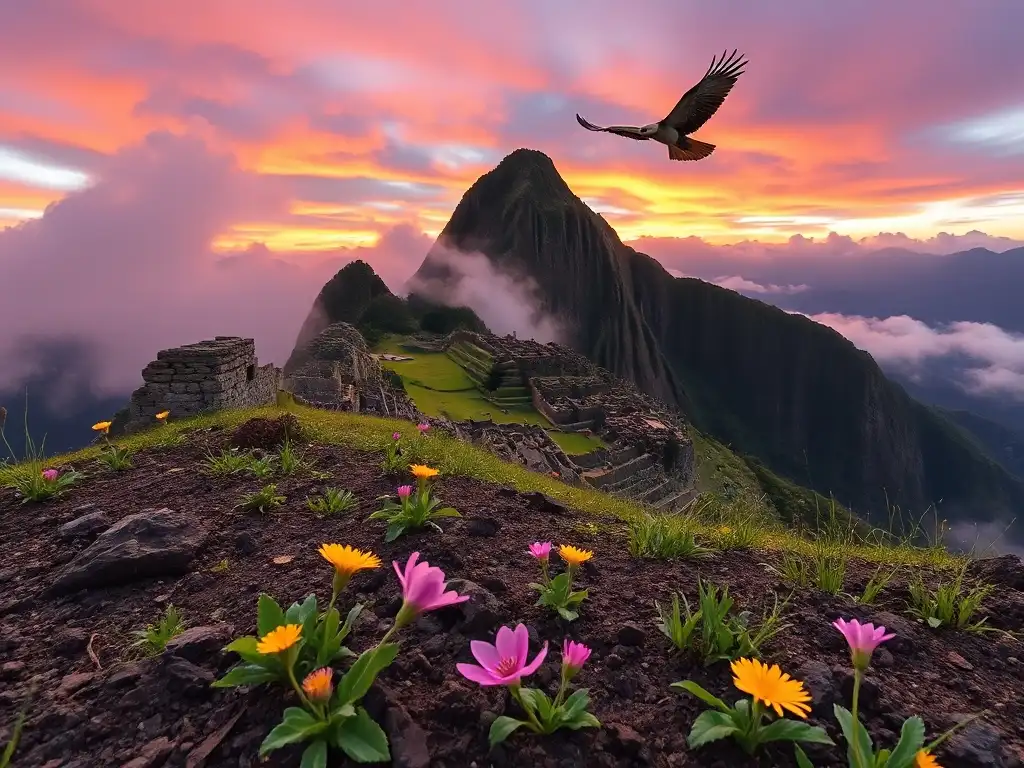
Step into a world lost to time, yet echoing with vibrant life. Imagine a civilization where the mountains themselves whispered secrets of death and rebirth, where the sun's journey mirrored the soul's eternal cycle. This is the heart of the Andes, a land steeped in mystery and wonder. Unravel the enigma of Andean beliefs on death and rebirth, a journey into a cosmology that intertwined the natural world with the spiritual realm. Prepare to be captivated by the intricate tapestry of their beliefs, a story waiting to be unveiled.
The Andes Mountains, a majestic spine running down the western coast of South America, were not merely a physical landscape for the ancient Andean civilizations; they were a living, breathing entity deeply interwoven with their beliefs about life, death, and rebirth. This article delves into the fascinating and complex relationship between Andean cosmology and the natural world, exploring how these cultures viewed the cyclical nature of existence, mirroring the rhythms of the Andes themselves – the changing seasons, the rising and setting of the sun, the flow of rivers, and the ever-present cycle of life and death.
Understanding their perspective on death and rebirth is crucial to grasping the holistic worldview that shaped their art, agriculture, and social structures. We will examine how this profound connection to nature manifested in their rituals, burial practices, and artistic expressions, providing insights into the rich tapestry of Andean beliefs on death and rebirth.
This exploration will focus primarily on the Incas, but will also touch upon the perspectives of other significant Andean cultures such as the Moche, Nazca, and Tiwanaku, highlighting both common threads and unique variations in their understanding of this fundamental aspect of existence.
The Andean Cosmos: A Living, Breathing Entity
Andean cosmology viewed the world as a dynamic interplay of opposing forces – life and death, light and darkness, male and female – constantly interacting and transforming. Death wasn't seen as an absolute end but rather a transition, a necessary phase in the continuous cycle of renewal. Mountains, rivers, and celestial bodies were considered sacred, imbued with spiritual power and acting as mediators between the human world and the supernatural realms.
The cyclical nature of agriculture, heavily reliant on the seasonal changes and the fertile land, profoundly influenced their perception of life and death. The planting and harvesting of crops mirrored the cyclical journey of the soul, with death representing the fallow period before the rebirth of new life.
This understanding is not merely theoretical; it is reflected in their intricate agricultural techniques, sophisticated water management systems, and the careful observation of celestial events. [Specific details on Inca agricultural practices pending] The meticulous planning and execution of their agricultural activities demonstrate a deep understanding of and respect for the cyclical nature of life and the essential role of death in sustaining the balance of nature.
Death Rituals and Burial Practices: Honoring the Ancestors
Andean burial practices were far from simple acts of disposal. They were elaborate rituals designed to ensure a smooth transition for the deceased into the afterlife and to maintain the connection between the living and the dead. Mummification, for instance, wasn't solely a preservation technique; it was a process of transforming the deceased into a revered ancestor who continued to play a role in the community.
The elaborate tombs and offerings found within them, such as textiles, pottery, and precious metals, highlight the importance placed on the deceased and their continued connection to the living world. [Specific examples of Inca mummification rituals and grave goods pending]. The Nazca culture, known for their intricate geoglyphs, also held unique burial practices, often including elaborate grave goods reflecting their beliefs about the afterlife.
[Specific examples of Nazca burial practices pending]. These practices underscore the belief that death was not an ending, but a transition to a different state of being within the continuous cycle of life.
Artistic Representations: Weaving the Cycle of Life into Textiles and Pottery
Andean art serves as a powerful visual record of their beliefs about death and rebirth. Textiles, pottery, and metalwork frequently depict scenes of life and death, often intertwined with imagery representing the natural world. The repetition of motifs such as spirals, zigzags, and other geometric patterns symbolizes the cyclical nature of existence. [Specific examples of Andean textile patterns representing the cycle of life pending].
Furthermore, depictions of animals, especially those associated with fertility and regeneration, such as llamas and condors, are commonly found in Andean art, reinforcing the idea of continuous renewal. [Specific examples of Andean pottery depicting animals and symbols of rebirth pending]. The vibrant colors and intricate designs further underscore the sacred significance of these artistic expressions, serving as tangible representations of their cosmological worldview.
The Legacy of Andean Beliefs on Death and Rebirth
The Andean understanding of death and rebirth, deeply rooted in their connection to the natural world, offers a powerful counterpoint to modern Western perspectives. Their cyclical view of existence, emphasizing the interconnectedness of life and death, provides a framework for understanding the world that values sustainability and respect for the environment. The legacy of these beliefs continues to resonate today, influencing contemporary Andean cultures and inspiring a growing appreciation for the wisdom embedded within their ancient traditions.
The enduring power of their cosmology lies in its ability to offer a holistic understanding of existence, one that acknowledges the inevitability of death while simultaneously celebrating the continuous renewal of life. Understanding their beliefs helps us appreciate the complexity and richness of Andean culture and offers valuable insights into our own relationship with the natural world and the cyclical nature of existence. 🌍 ☀️ ⛰️
- The Andean Cosmos: A Living, Breathing Entity
- Death Rituals and Burial Practices: Honoring the Ancestors
- Artistic Representations: Weaving the Cycle of Life into Textiles and Pottery
- The Legacy of Andean Beliefs on Death and Rebirth
- What role did nature play in Andean beliefs about death and rebirth?
- How did the Andes people view death?
- What were some common burial practices in Andean cultures?
- Did Andean beliefs about death and rebirth influence their art and architecture?
- How did Andean beliefs about the afterlife differ from other cultures?
Andean Cosmology and the Concept of Cyclical Existence
Andean beliefs on death and rebirth weren't viewed as linear endpoints, but rather as integral parts of a continuous cycle mirroring the natural world. Unlike Western perspectives that often see death as a finality, Andean cosmology embraced a cyclical understanding of time and existence. This worldview profoundly influenced their rituals, agricultural practices, and overall relationship with the environment. The cyclical nature of life, death, and rebirth was deeply embedded in their understanding of the cosmos and their place within it. This concept wasn't simply a philosophical abstraction; it was a practical framework shaping daily life.
The Andean Understanding of Time as Circular
Unlike linear conceptions of time prevalent in many Western cultures, Andean peoples perceived time as circular, a continuous flow without a definitive beginning or end. This is reflected in their intricate calendar systems, which tracked agricultural cycles, astronomical events, and the rhythms of nature. The cyclical nature of time is evident in their agricultural practices, where the planting, harvesting, and fallow periods mirrored the natural cycles of growth and decay.
The yearly cycle, marked by the changing seasons, was seen as a microcosm of the larger cosmic cycle, reinforcing the idea of continuous renewal and rebirth. Think of the capacocha sacrifices – these weren't simply acts of violence, but rather offerings intended to maintain the balance and harmony of the cyclical process, ensuring the continuation of life and prosperity.
The Andean calendar, with its intricate system of huacas (sacred sites) and its connection to celestial events, provided a framework for understanding this perpetual cycle. The continuous recurrence of seasons, mirroring birth, death and rebirth, underpinned their understanding of time’s cyclical flow.
Interconnectedness of Life, Death, and the Natural World in Andean Beliefs
Andean beliefs on death and rebirth are inextricably linked to their deep understanding of the interconnectedness of all living things. Death wasn't seen as an abrupt ending but as a transition, a return to the earth from which life originates. The decomposition of organic matter provided nourishment for new growth, further emphasizing the cyclical nature of existence. This holistic perspective extended to the entire natural world, encompassing mountains, rivers, and celestial bodies.
These elements weren't just inanimate objects but active participants in the continuous cycle of creation and destruction. For instance, the mountains were viewed as powerful apus (mountain spirits), embodying the life force of the land and playing a vital role in the cyclical renewal of the earth. Their reverence for these natural elements highlights the deep-seated belief in their interconnectedness and the cyclical flow of energy within the Andean cosmos.
The very act of burying the dead within the earth wasn't just a disposal of the body, but a ritualistic act of returning the individual to the earth, enabling the cycle of life to continue. This intimate connection between the living and the dead fostered a profound respect for the natural world and its inherent rhythms. The Andean understanding of death was not one of fear, but of respect and understanding of the intricate balance that maintained the continuous cycle of life.
Death as a Transformation: Andean Perspectives
Andean beliefs on death and rebirth weren't viewed as an ending, but rather a profound transformation, a cyclical process mirroring the rhythms of nature itself. Death wasn't a cessation of existence, but a transition to another realm, a continuation of the life force within the broader cosmological framework. This perspective profoundly influenced their funerary practices, social structures, and understanding of the world around them.
The cyclical nature of life, death, and rebirth was deeply embedded in their agricultural practices, mirroring the planting and harvesting of crops, the seasonal changes, and the continuous renewal of the earth. Understanding this cyclical worldview is crucial to grasping the significance of Andean funerary rituals and their profound connection to the land and ancestors.
The Andean concept of pachamama, the Earth Mother, played a vital role in this understanding, representing the source of life and the ultimate destination after death. This interconnectedness between the living and the dead shaped their social structures and daily lives.
The Transition to the Spirit World: Andean Funerary Practices
Andean funerary practices varied significantly across different cultures and time periods. However, a common thread running through these practices was the belief in a continued existence after death. The elaborate preparations for burial, including mummification in some cultures, underscore the importance placed on the deceased's journey to the next world.
The Moche culture, for example, is renowned for its sophisticated mummification techniques and the elaborate grave goods often included, suggesting a belief in a continued afterlife where the deceased would require provisions. These grave goods often included food, textiles, tools, and even human sacrifices in some cases, reflecting the richness and complexity of their beliefs. The Incas, on the other hand, practiced different burial customs, often placing their deceased in elevated tombs or caves, emphasizing the connection between the deceased and the celestial realm.
Detailed records of these practices, though fragmented, reveal a rich tapestry of beliefs surrounding death and the afterlife, highlighting the diverse expressions of Andean beliefs on death and rebirth within different cultural contexts. Further research into specific Andean cultures could unveil even more nuanced details about their funerary practices.
The Role of Ancestors as Guardians and Guides
The deceased weren't simply forgotten; they transitioned into the realm of ancestors, becoming powerful intermediaries between the living and the supernatural world. Andean beliefs on death and rebirth emphasized the ongoing relationship between the living and the dead. Ancestors were viewed as powerful spiritual guardians, offering protection, guidance, and even influencing the outcomes of important events.
This belief system fostered a deep respect for the dead and influenced social structures, shaping familial relationships and community dynamics. Regular offerings and ceremonies were performed to honor ancestors, ensuring their continued support and well-being. This constant interaction with the spirit world played a crucial role in shaping the Andean worldview, permeating their daily lives and decision-making processes.
The concept of ancestor veneration is still practiced in many Andean communities today, testament to the enduring influence of these ancient beliefs. Specific examples of ancestor veneration rituals and their significance within various Andean communities would further illuminate this aspect of their beliefs.
Andean Burial Rituals and Their Symbolic Significance
Andean burial rituals weren't merely practical acts; they were deeply symbolic ceremonies reflecting their cosmological beliefs. The location of burial sites, the orientation of the bodies, and the accompanying grave goods all held profound symbolic meaning. For example, the placement of bodies in specific positions, often facing towards the rising sun, could be interpreted as symbolic of rebirth and renewal. The inclusion of specific artifacts, such as tools or pottery, could represent the deceased's social status or their role in the community.
The intricate textiles and ornaments often found in burials highlight the artistic skill and the importance attached to the transition to the afterlife. The careful arrangement of grave goods suggests a meticulously planned ritual, emphasizing the importance placed on the deceased's journey. Analyzing the specific symbolism of these artifacts and their placement within various burial contexts would provide a deeper understanding of Andean beliefs on death and rebirth.
Further research into specific examples of burial sites and their accompanying artifacts would greatly enrich our knowledge of these complex rituals. The detailed study of Andean burial rituals offers a fascinating window into their rich cosmology and their profound connection to the natural world. The meticulous nature of these practices underscores the importance they placed on the transition from life to death and the ongoing relationship with their ancestors.
Rebirth and the Continuity of Life in Andean Thought
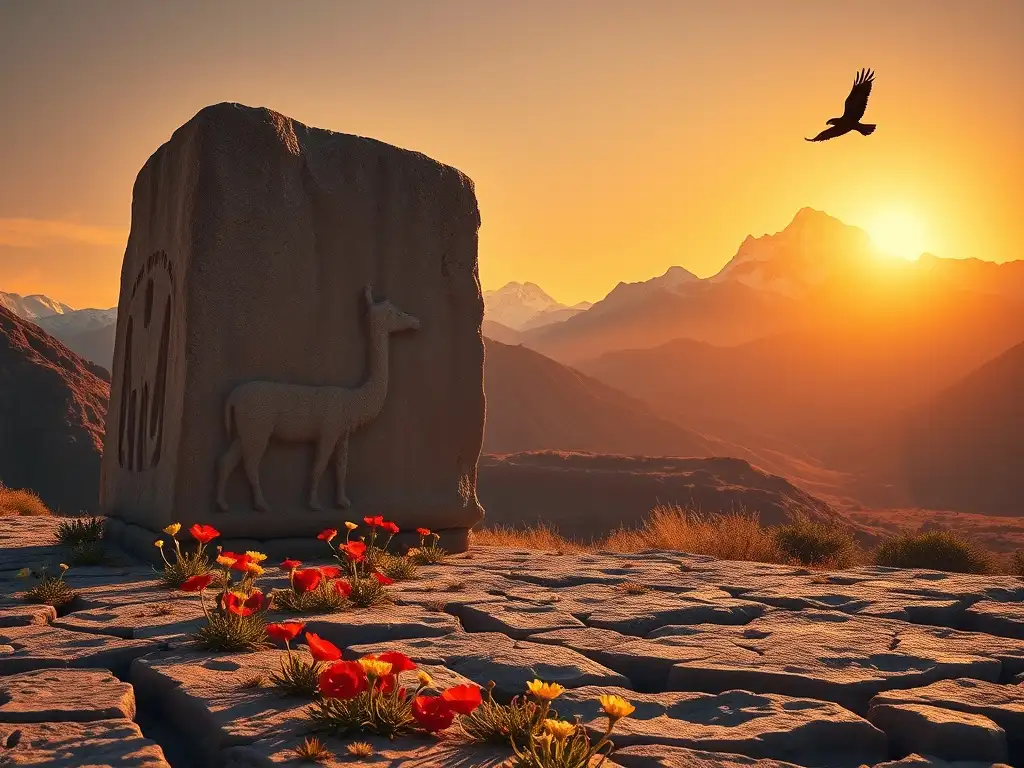
Andean beliefs on death and rebirth weren't viewed as a stark ending but rather as a continuous cycle, mirroring the natural world around them. This perspective, deeply intertwined with their understanding of Pachamama (Mother Earth) and the cyclical nature of the cosmos, shaped their daily lives, rituals, and agricultural practices. Death wasn't an absolute cessation but a transformation, a return to the earth to nourish new life. This concept permeated their worldview, influencing their understanding of the cosmos and their place within it.
The cyclical view of life and death wasn't simply a philosophical concept; it was a pragmatic reality that informed their survival strategies. Their understanding of the cyclical nature of life influenced everything from their agricultural practices to their funerary rituals. This holistic worldview is key to understanding the Andean relationship with nature and their unique cosmology.
Pachamama's Role in Renewal and Regeneration
Pachamama, the life-giving Earth Mother, plays a central role in Andean beliefs on death and rebirth. She is not just the source of all life but also the receiver of all death. The deceased, returned to the earth through burial or other rituals, become one with Pachamama, enriching her fertility and ensuring the continuation of the life cycle.
This symbiotic relationship emphasized the interconnectedness of life and death, highlighting the earth's capacity for both giving and receiving. Think of it as a constant exchange: life nourishes the earth, and the earth, in turn, nourishes new life. This cycle is not just about physical sustenance; it's a spiritual one as well.
The spirits of the ancestors, residing within Pachamama, act as guardians and protectors, ensuring the prosperity of the living. This belief fostered a deep respect for the land and a sustainable approach to resource management. Their reverence for Pachamama wasn't merely a matter of faith; it was essential for their survival.
The Andean worldview demonstrates a harmonious understanding of life and death. The cyclical nature of these two aspects is represented in several of their rituals and ceremonies. For example, the Capacocha sacrifices, while seemingly brutal from a modern perspective, were seen as a way of returning the most revered individuals to Pachamama, ensuring the continued bounty of the land.
This highlights the complex and nuanced nature of Andean beliefs on death and rebirth, demonstrating how these beliefs were intricately woven into their societal structures. The idea of returning to the earth was not a negative one, but rather a positive act of renewal and regeneration.
The Earth as the Source of Both Life and Death
The Andean understanding of the earth as both the source of life and the destination of death is fundamental to their cosmology. This duality isn't seen as contradictory but as complementary aspects of a single, continuous process. Life emerges from the earth's womb, nurtured by its resources, and upon death, it returns to the earth, becoming part of its ongoing cycle of renewal.
This perspective is reflected in their funerary practices, which often involved elaborate burials designed to facilitate the deceased's return to the earth. The mummification practices of some Andean cultures, such as the Inca, illustrate this; the preservation of the body wasn't just for veneration but also to maintain the connection between the living and the deceased within the earth’s cycle.
This cyclical view emphasizes the interconnectedness of all living things and their dependence on the earth's resources. The earth, therefore, is not merely a passive backdrop but an active participant in the cycle of life and death. The mountains, rivers, and valleys, all considered sacred entities, play vital roles in this cycle, guiding and nurturing life. This interconnectedness emphasizes the importance of maintaining a harmonious balance with the natural world, a fundamental principle of Andean cosmology. Understanding the earth as both source and destination underscores the reverent and sustainable relationship the Andean peoples cultivated with their environment.
Andean Agricultural Practices Reflecting the Cycle of Life
Andean agricultural practices weren't merely about sustenance; they were a direct reflection of their beliefs on death and rebirth. The cyclical nature of planting, harvesting, and fallow periods mirrored their understanding of the continuous flow of life and death.
The act of planting seeds was seen as a symbolic rebirth, while the harvest represented the culmination of a life cycle, providing sustenance for the living and offering a return to the earth through the decomposition of organic matter. This cyclical relationship between agriculture and the earth reinforced their belief in the interconnectedness of life and death and the continuous regeneration of the earth.
The ayllu system, a communal form of land ownership and labor, further highlights this connection. The collaborative effort of the community in cultivating the land reinforced the idea of shared responsibility for the cycle of life and death, ensuring the continuous fertility of Pachamama. They employed techniques like terracing, which not only optimized agricultural yields but also demonstrated a deep understanding of the earth’s delicate balance.
These practices, passed down through generations, weren’t just about food production; they were a testament to the Andean worldview, demonstrating a holistic approach that integrated their spiritual beliefs with their material needs. The meticulous care taken in their agricultural practices reflects a deep respect for the cyclical nature of life and death, and the vital role Pachamama plays in this continuous process. The Andean approach to agriculture provides a compelling example of how deeply intertwined their spiritual beliefs were with their everyday practices.
The Natural World as a Reflection of Life and Death
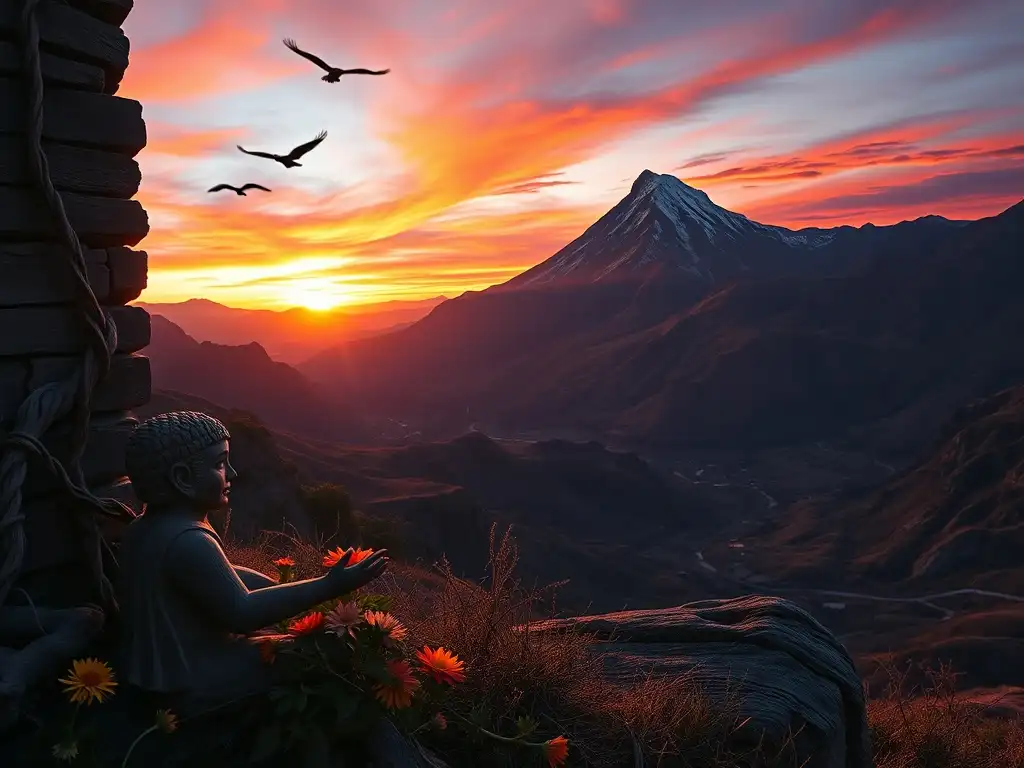
The Andean worldview deeply intertwined life and death, viewing them not as opposing forces but as integral parts of a continuous cycle mirroring the natural world. This cyclical understanding, central to Andean beliefs on death and rebirth, permeated all aspects of their society, from agriculture and daily routines to elaborate funerary practices and spiritual beliefs. The Andes' dramatic landscape – towering mountains, fertile valleys, and arid coastal plains – provided a powerful visual metaphor for this constant flux.
The changing seasons, the growth and decay of plants, and the life cycles of animals all served as tangible reminders of this continuous process of renewal. Understanding this cyclical perspective is key to appreciating the nuanced Andean relationship with mortality.
Their beliefs weren't about fearing death but about integrating it into a holistic worldview that emphasized the interconnectedness of all living things and their cyclical relationship with the cosmos. This perspective is reflected in their art, architecture, and even their agricultural practices, which were carefully attuned to the rhythms of nature.
Mountains as Sacred Entities and Pathways to the Spirit World
Mountains held immense spiritual significance for Andean cultures. Viewed as apu (sacred mountain spirits), they were considered intermediaries between the human world and the supernatural realm. These majestic peaks weren't simply geographical features; they were vibrant, living entities, imbued with power and capable of influencing the lives of those inhabiting the valleys below.
Death, in this context, wasn't an ending but a transition – a journey undertaken by the spirit to the mountain world. Many Andean burial sites are strategically located on mountain slopes or within caves, reflecting the belief that the mountains served as pathways to the afterlife. The specific location of a burial often depended on the individual's social standing and the rituals associated with their particular community.
For example, some elite individuals might be interred in elaborate tombs high in the mountains, while others were laid to rest in simpler graves in lower-lying areas. This practice highlights the profound connection between the physical and spiritual realms, emphasizing the mountains' role as conduits between life and death within Andean beliefs on death and rebirth. The preservation of mummies, often found in mountain caves, further underscores the belief in the ongoing connection between the living and the deceased, and the ongoing power of the apu.
Animal Symbolism Representing Transformation and Rebirth
Andean iconography is rich with animal symbolism, often reflecting the themes of transformation and rebirth. Animals such as the condor, puma, and serpent frequently appear in textiles, ceramics, and other artifacts. The condor, soaring high above the mountains, symbolized the connection between the earthly and celestial realms, representing the spirit's ascent after death.
The puma, a powerful predator, embodied strength and resilience, signifying the enduring nature of life even in the face of death. The serpent, with its ability to shed its skin, became a potent symbol of renewal and regeneration. These animals weren't simply depicted; they were imbued with spiritual meaning, representing the cyclical nature of existence and the continuous process of transformation that characterized Andean beliefs on death and rebirth.
The careful observation of animal behavior and life cycles likely contributed to the development of these symbolic associations. For instance, the serpent's shedding of its skin visually represented the shedding of the old self to make way for the new, mirroring the Andean understanding of death as a transition to a renewed state of being.
Nature's Influence on Andean Spiritual and Cultural Practices
Andean spiritual and cultural practices were deeply intertwined with the natural world, with agricultural cycles directly influencing religious festivals and rituals. The capacocha sacrifices, for example, were often timed to coincide with agricultural seasons, reflecting the belief that offering human sacrifices to the gods would ensure the fertility of the land and the abundance of crops. This highlights the interconnectedness of life, death, and the agricultural cycle within the Andean worldview.
The annual cycle of planting, growth, harvest, and fallow mirrored the cyclical understanding of life and death. Death, in this context, wasn't seen as an end but as a necessary component of the cycle, contributing to the renewal and regeneration of life. Many rituals were performed to ensure the successful completion of the agricultural cycle, reflecting the importance of maintaining a harmonious relationship with nature.
This connection extended to all aspects of Andean life, shaping their social structures, artistic expressions, and overall understanding of the world. The reverence for nature wasn't merely a philosophical concept but a practical necessity, integral to their survival and prosperity, demonstrating the deep-rooted connection between Andean beliefs on death and rebirth and their daily lives.
Andean Beliefs on Death and Rebirth: A Synthesis
Andean beliefs on death and rebirth weren't a grim contemplation of an ending, but rather a vibrant understanding of continuous cyclical renewal mirroring the natural world. This worldview, deeply rooted in the observation of agricultural cycles, the changing seasons, and the celestial movements, shaped Andean societies' relationship with life, death, and the afterlife.
The concept wasn't a linear progression from life to death, but a continuous cycle of transformation, where death represented a transition, a return to the earth, and a potential for rebirth or regeneration. This perspective profoundly influenced their rituals, agricultural practices, and social structures.
The cyclical nature of life, death, and rebirth was not merely a philosophical concept; it was integral to their daily existence, a fundamental principle shaping their interactions with the environment and their understanding of the cosmos. Understanding this perspective requires examining the specific beliefs of different Andean cultures and their unique interpretations of this fundamental cycle.
The Enduring Influence of Andean Cyclical Thought
The Andean concept of cyclical time profoundly impacted various aspects of their culture. Their agricultural practices, for instance, directly reflected this belief. The planting and harvesting seasons were not merely practical necessities, but ritualistic acts deeply connected to the cycle of death and rebirth in nature.
The death of the plant in the harvest was seen not as an end, but as a necessary step for the rebirth of new life in the next planting season. This cyclical perspective also permeated their artistic expressions. Many Andean artifacts, such as textiles and ceramics, depict scenes of death and regeneration, showcasing the continuous flow between these two states.
For example, the intricate designs on Nazca ceramics often feature imagery of both death and rebirth, with motifs such as skulls and sprouting plants appearing together, visually representing this interconnectedness. Furthermore, the veneration of ancestors was not simply a remembrance of the past, but an active engagement with the continuous cycle of life, acknowledging their continued presence and influence within the living world. This understanding of cyclical time differed significantly from linear Western conceptions, emphasizing interconnectedness and continuity rather than a definitive ending.
The Inca, Aymara, and Quechua Perspectives on the Afterlife
While the overarching concept of cyclical rebirth was shared among various Andean groups, specific beliefs about the afterlife varied. The Inca, for example, believed in a dualistic afterlife, with the souls of the righteous ascending to the sun god Inti's realm, while those deemed unworthy remained on earth or descended to a subterranean realm. This belief system is reflected in their elaborate funerary practices, which included the mummification of important figures and the construction of impressive mausoleums, such as those found at Machu Picchu.
The Aymara, on the other hand, held different beliefs, with some accounts suggesting a belief in reincarnation or the soul's journey to a spirit world connected to the mountains and lakes. Their worldview often emphasized the connection between the living and the dead, maintaining a constant interaction through rituals and offerings. The Quechua, a broader group encompassing various subgroups, held diverse beliefs about the afterlife, many of which incorporated elements of nature and ancestral spirits.
These varying beliefs, however, all shared a common thread: the cyclical nature of existence and the continuous interplay between the living and the dead. Further research is needed to fully map the nuances of each group’s beliefs, particularly regarding the specific rituals and practices surrounding death and the afterlife. [Specific details on Aymara and Quechua afterlife beliefs pending].
Modern Interpretations of Andean Ancestral Teachings
Today, many Andean communities continue to practice traditions that reflect their ancestral beliefs in the cycle of life and death. These practices often involve rituals and ceremonies aimed at honoring ancestors and maintaining a connection with the spirit world. The concept of Pachamama, Mother Earth, remains central to many Andean communities, representing the interconnectedness of all living beings and the cyclical nature of life.
Furthermore, modern interpretations often blend ancestral beliefs with contemporary challenges, leading to new expressions and understandings of these ancient teachings. For instance, some contemporary Andean thinkers and activists draw parallels between the cyclical worldview and contemporary environmental concerns, highlighting the importance of respecting the earth's resources and promoting sustainable practices.
This renewed interest in ancestral wisdom offers a valuable perspective on contemporary ecological issues, emphasizing the interconnectedness of all living things and the need for responsible stewardship of the planet. The ongoing study of Andean beliefs on death and rebirth continues to reveal the richness and complexity of this ancient worldview, providing valuable insights into humanity's relationship with nature and the cyclical nature of existence.
Frequently Asked Questions
What role did nature play in Andean beliefs about death and rebirth?
Andean cultures deeply intertwined their understanding of death and rebirth with the natural world. The cyclical nature of seasons, agriculture, and the landscape directly mirrored their beliefs about the afterlife and the continuous cycle of life. Mountains, rivers, and the sun held significant spiritual importance.
How did the Andes people view death?
Death wasn't seen as an end, but rather a transformation or a transition to another realm. The deceased were often believed to continue to exist in a spiritual form, interacting with the living world. Ancestor veneration was a crucial aspect of their culture.
What were some common burial practices in Andean cultures?
Burial practices varied across different Andean civilizations but often involved elaborate grave goods, reflecting the deceased's status and beliefs. Mummification was practiced in some cultures, and bodies were sometimes buried with offerings to ensure a smooth transition to the afterlife.
Did Andean beliefs about death and rebirth influence their art and architecture?
Absolutely! Andean art frequently depicted scenes of death and rebirth, often symbolized through natural imagery such as plants and animals undergoing cycles of growth and decay. Architectural structures, such as chullpas (tower-like tombs), directly reflected their beliefs about the afterlife.
How did Andean beliefs about the afterlife differ from other cultures?
While many cultures believe in some form of afterlife, the Andean worldview emphasized the cyclical and interconnected nature of life and death. Their strong connection to the natural world shaped their understanding of the afterlife, differentiating it from other belief systems that might focus more on a singular heaven or hell.
Final Reflection: Echoes of the Andes: A Legacy of Rebirth
The cyclical understanding of life and death, so deeply ingrained in Andean cosmology, resonates powerfully in our modern world, offering a vital counterpoint to linear narratives of progress and decline. The interconnectedness of all living things, the constant flux between creation and destruction, is a message urgently needed in a time of environmental crisis and societal upheaval. This ancient wisdom holds the potential to reshape our relationship with the planet and with each other.
The enduring influence of Andean beliefs on death and rebirth is evident in the continued reverence for Pachamama, Mother Earth, and the vibrant traditions surrounding Día de los Muertos. These practices are not merely historical relics; they are living expressions of a worldview that emphasizes continuity and renewal, reminding us that death is not an ending but a transformation. Death is not extinguishing the light; it is only putting out the lamp because the dawn has come.
This sentiment, though not directly Andean, captures the essence of their cyclical perspective on life's journey. It's a perspective that challenges our ingrained fear of mortality and encourages us to embrace the natural rhythm of existence.
Consider the profound implications of this Andean worldview. How might embracing a cyclical understanding of life, death, and rebirth influence your own perspective on personal growth, environmental stewardship, and your place within the larger tapestry of existence? I invite you to reflect on the lessons learned here, to find your own connection to the enduring wisdom of the Andes, and to integrate this powerful perspective into your own life. Let the echoes of these ancient beliefs inspire you to live more fully, more consciously, and more in harmony with the natural world.
**Unveil the Wisdom of the Andean Cycle! **
Thank you for exploring the profound Andean beliefs about the cyclical nature of death and rebirth. You've uncovered fascinating insights that enrich our understanding of life's continuous renewal. Now, let's apply this knowledge.
- **Embrace the insights:** Reflect on your personal beliefs about life and the natural world. Journal your thoughts on how the Andean perspective might shift your understanding of death and rebirth, considering it not as an ending, but as a transformation.
- **Share the knowledge:** Discuss these ideas with friends and family. Sharing your newfound understanding can spark insightful conversations and reveal a shared appreciation for the cyclical nature of life.
- **Connect with nature:** Spend time in nature this week. Observe the cycles of growth and decay, and consider how the principles of renewal and interconnectedness manifest in the natural world around you. This mindful observation can deepen your understanding of the Andean perspective.
How has immersing yourself in Andean philosophy altered your perspective on your own life's journey and its place within the larger cycle of existence?