
The Sunken City: Diving into the Underwater Ruins of Lake Titicaca

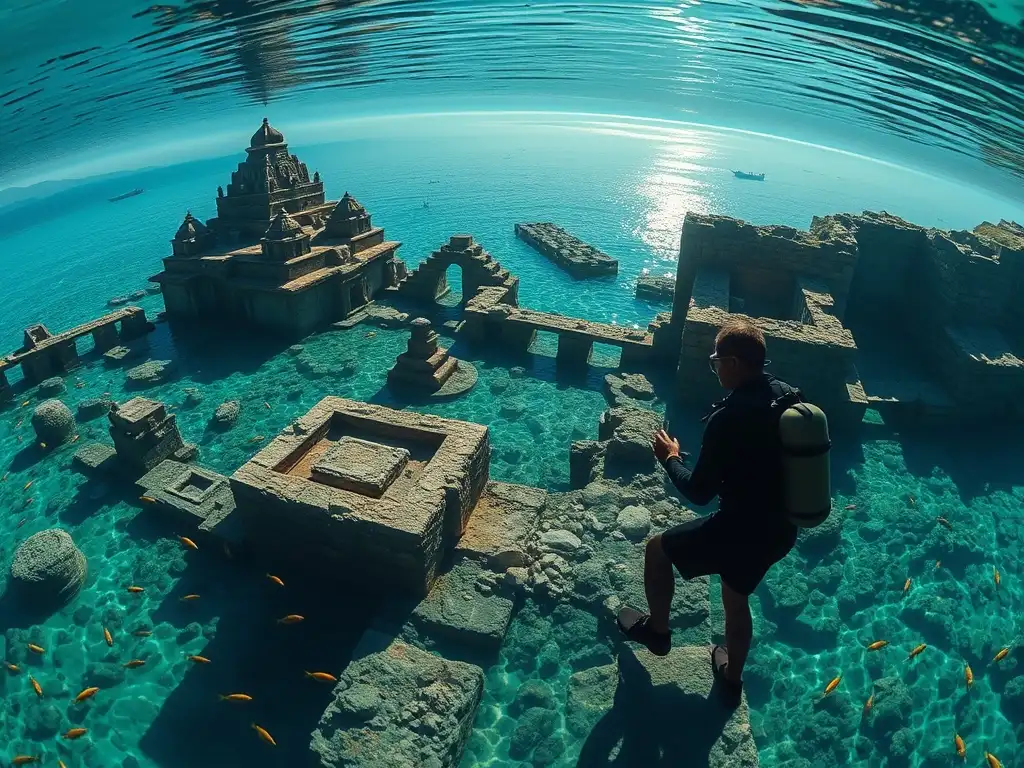
Dive into a world lost to time, where the whispers of ancient Andean civilizations still echo. For centuries, Lake Titicaca has held its secrets close, but now, the discovery of astonishing underwater ruins is rewriting history. Are these forgotten cities the key to understanding the Incas and their predecessors? Uncover the mysteries surrounding the Lake Titicaca underwater ruins and embark on a journey through a captivating realm of forgotten empires. Prepare to be amazed.
- Unveiling the Mysteries: The Allure of Lake Titicaca Underwater Archaeological Sites
- Challenges and Solutions: Navigating the Depths of Lake Titicaca
-
Gear Up for Exploration: Essential Equipment for Diving Lake Titicaca
- The Importance of a High-Quality Wetsuit for Cold-Water Diving - Recommendations: Aqualung SolAfx 8/7mm Wetsuit
- Choosing the Right Dive Mask for Clear Underwater Vision - Examples: Scubapro Synergy Twin Trufit Mask
- Underwater Cameras: Documenting Your Discoveries - Recommended: Olympus TG-6 for Underwater Photography
- Essential Dive Lights for Exploring Dim Areas - Options: Kraken Sports Hydra 5000 WRU Dive Light
- Exploring Lake Titicaca's Submerged Treasures: What to Expect
- Responsible Exploration: Preserving Lake Titicaca's Underwater Heritage
- Booking Your Lake Titicaca Underwater Archaeological Adventure
- Beyond the Dive: Continued Research and Further Exploration
- Frequently Asked Questions
- Final Reflection: Echoes of a Sunken World
- Unveil the Mysteries Beneath Lake Titicaca!
Unveiling the Mysteries: The Allure of Lake Titicaca Underwater Archaeological Sites
Lake Titicaca, the highest navigable lake in the world, nestled high in the Andes Mountains between Peru and Bolivia, holds more than just breathtaking scenery. Beneath its shimmering surface lie secrets whispered through the ages – a collection of underwater archaeological sites that continue to captivate researchers and ignite the imaginations of history enthusiasts.
This article delves into the fascinating world of Lake Titicaca's submerged ruins, exploring their enigmatic history, significance, and the reasons why these underwater remnants represent a crucial piece of the Andean civilizations puzzle. We will unravel the mysteries surrounding these sunken structures, examining the potential for future discoveries and the ongoing efforts to preserve this invaluable underwater heritage for generations to come.
The exploration of these underwater ruins offers a unique perspective on the ingenuity and resilience of the ancient Andean cultures, providing invaluable insights into their daily lives, beliefs, and societal structures. Prepare to embark on a journey through time as we dive into the depths of Lake Titicaca's captivating past.
The Enigmatic History Behind Lake Titicaca's Sunken Structures
The precise origins and purposes of the submerged structures in Lake Titicaca remain shrouded in mystery, fueling ongoing research and debate. However, preliminary findings suggest a connection to various pre-Columbian cultures that thrived around the lake, including the Tiahuanaco and Inca civilizations. These civilizations, known for their advanced engineering and sophisticated societal organization, likely utilized the lake's resources extensively, and the underwater structures may represent remnants of settlements, ceremonial sites, or even sophisticated irrigation systems.
Archaeological surveys have revealed a range of submerged artifacts, including stone structures, pottery shards, and other remnants of daily life, providing tantalizing clues to the lives of these ancient peoples. The challenging underwater environment, however, poses significant obstacles to comprehensive excavation and analysis. Many structures remain largely unexplored, their secrets locked beneath layers of sediment and the frigid waters of the lake.
The depth and the conditions of the lake make exploration difficult and slow, requiring specialized equipment and techniques. Further research is crucial to fully understand the extent and significance of these underwater ruins. The discovery of new artifacts and the application of advanced technologies promise to unveil more of the story in the years to come.
Why Explore the Underwater Ruins of Lake Titicaca? Understanding the Historical Significance
Exploring the underwater ruins of Lake Titicaca is not merely an adventurous undertaking; it holds profound historical significance. These submerged sites represent a unique opportunity to gain a deeper understanding of the Andean civilizations, their adaptation to challenging environments, and their sophisticated societal structures. The preservation of these ruins is paramount, as they offer a glimpse into a past that is otherwise largely inaccessible.
Studying these underwater sites allows archaeologists to reconstruct aspects of daily life, religious practices, and technological innovations that might otherwise remain unknown. Furthermore, understanding the impact of climate change and other environmental factors on these ancient settlements can provide valuable insights for modern-day conservation efforts. The study of these ruins offers a unique perspective into the ingenuity of the Andean peoples and their mastery of their environment.
Their preservation and continued study are essential for understanding a significant chapter in human history and for informing future archaeological endeavors in similar challenging environments. The potential for discovering even more underwater sites around the lake further underscores the importance of continued exploration and research in this remarkable region.
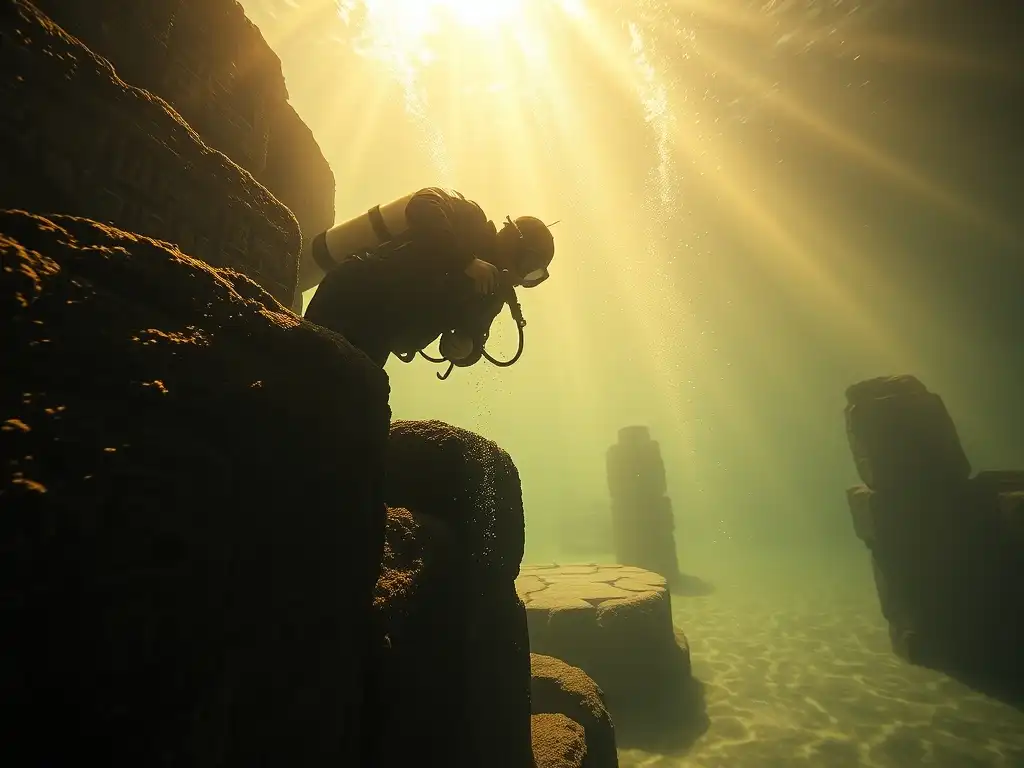
Exploring the underwater ruins of Lake Titicaca presents unique challenges unlike those encountered in other archaeological contexts. The high altitude, frigid waters, and often poor visibility demand specialized techniques and equipment. This section details the key difficulties faced by underwater archaeologists working in Lake Titicaca and the innovative solutions employed to overcome them, ensuring the preservation and understanding of these significant historical sites. The keyword "Lake Titicaca underwater ruins" is crucial to understanding the scope of these issues and their impact on research.
The Difficulty of Underwater Archaeology in High-Altitude Lakes
Underwater archaeology, in itself, is a demanding field. Working at the bottom of a lake presents inherent difficulties, amplified significantly by Lake Titicaca's high altitude (approximately 3,812 meters above sea level). The reduced atmospheric pressure at this altitude impacts divers' physiology, limiting their bottom time and increasing the risk of altitude sickness, decompression sickness ("the bends"), and other health problems. Divers must undergo rigorous training and acclimatization before undertaking any dives.
Furthermore, the logistical challenges are considerable. Transporting equipment, personnel, and supplies to remote diving locations around the lake requires careful planning and often involves the use of specialized boats and vehicles capable of traversing challenging terrain. The cold water, as discussed below, further compounds these logistical hurdles, necessitating specialized equipment and robust safety protocols. Data on precise diver mortality rates specifically in Lake Titicaca is [specific information pending], but the inherent risks of high-altitude diving are well-documented.
The complexities of working at such a high altitude are not just limited to the divers; the delicate nature of the artifacts themselves presents a further challenge. The fluctuating water levels of the lake and the corrosive nature of the water can damage or destroy the ruins and artifacts over time. Careful documentation and preservation techniques are paramount, demanding advanced skills and specialized equipment to minimize further damage during excavation and study. This necessitates a multidisciplinary approach, involving archaeologists, divers, and conservation specialists working in close collaboration.
Overcoming the Challenges of Lake Titicaca's Cold Water
Lake Titicaca's water temperature hovers around 10-13°C (50-55°F) year-round. These frigid conditions present a significant challenge to divers, who must wear specialized drysuits to prevent hypothermia. These suits are more cumbersome than wetsuits, limiting dexterity and increasing the effort required for underwater tasks.
Additionally, the cold water affects the performance of equipment, including cameras and other sensitive instruments. Regular maintenance and careful handling are vital to ensure their proper functioning. The cold also reduces the divers' physical capabilities and increases the risk of cold water shock, requiring meticulous preparation and monitoring of divers' physiological responses throughout the dive.
Detailed protocols for cold-water diving, including regular surface intervals and the use of rebreathers to extend bottom time, are vital for safety. The development of new technologies, such as specialized underwater lighting systems that can function effectively in cold water, are crucial for improving the quality of the underwater surveys and excavations. This also impacts the efficiency of the underwater surveys.
Visibility Issues in Lake Titicaca: How to Improve Your Dive
Visibility in Lake Titicaca can be notoriously poor, often limited to a few meters due to sediment suspension, algal blooms, and other factors. This significantly hampers the effectiveness of underwater surveys and excavations. Improving visibility is a constant challenge for researchers.
Techniques such as careful diver positioning to minimize sediment disturbance and the use of specialized underwater lighting systems are employed to maximize visibility. However, these measures have limitations, and advanced imaging technologies, such as sonar and underwater photography with powerful lighting, are crucial to overcome this obstacle. The use of advanced imaging techniques to create detailed 3D models of the underwater ruins is also becoming increasingly important in compensating for the poor visibility conditions.
The development and application of new imaging technologies tailored to the specific challenges of Lake Titicaca's murky waters represent an ongoing area of research and development, crucial for a more comprehensive understanding of the submerged archaeological sites. Analyzing the seasonal variations in visibility and correlating these to environmental factors (e.g., rainfall, wind patterns) could further improve the planning and execution of underwater operations. This requires long-term monitoring and data collection.
Gear Up for Exploration: Essential Equipment for Diving Lake Titicaca
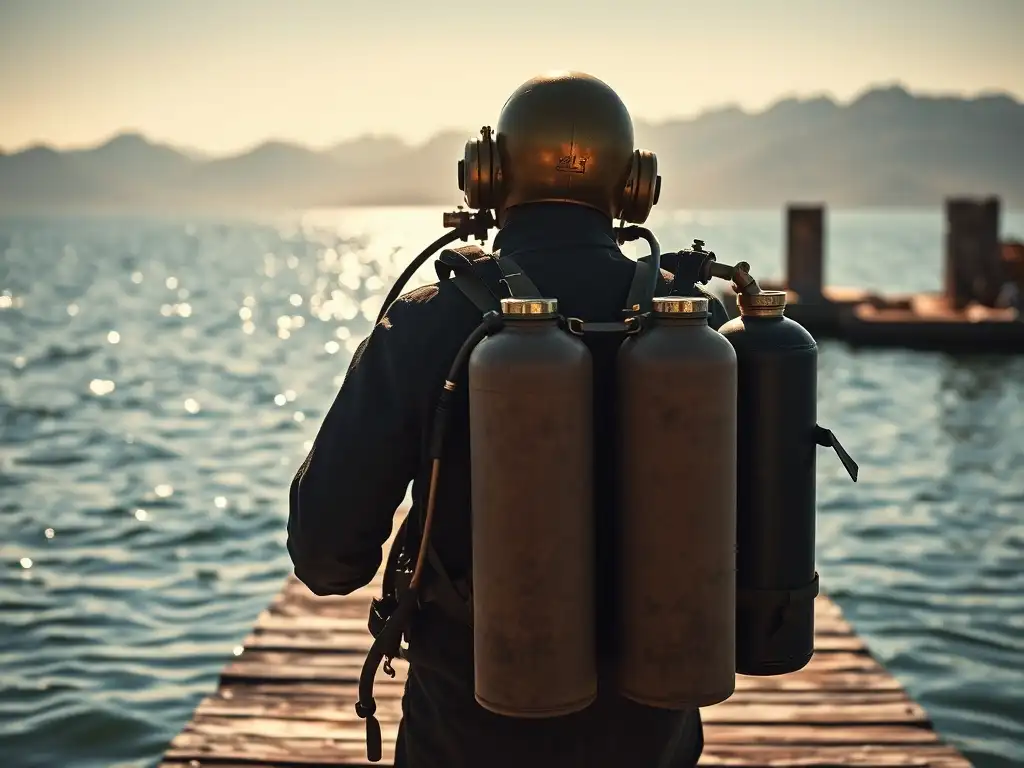
Lake Titicaca, perched high in the Andes, presents unique challenges for underwater exploration. Its altitude and frigid waters demand specialized equipment to ensure a safe and productive dive. Ignoring this crucial aspect can compromise your dive, potentially leading to hypothermia or equipment failure.
This section focuses on the essential gear for exploring the Lake Titicaca underwater ruins, prioritizing safety and functionality. Remember, conditions in the lake can change rapidly, so always check the weather forecast and consult with local dive operators before embarking on your underwater adventure. Proper planning is key to a successful and safe exploration of these fascinating Lake Titicaca underwater ruins.
The Importance of a High-Quality Wetsuit for Cold-Water Diving - Recommendations: Aqualung SolAfx 8/7mm Wetsuit
Diving in Lake Titicaca requires a high-quality, thick wetsuit to combat the extremely cold water temperatures. The water temperature rarely rises above 10°C (50°F), even in the summer months. A thin wetsuit will not provide adequate protection, leading to hypothermia, a dangerous and potentially life-threatening condition. Therefore, choosing the right wetsuit is paramount.
A minimum thickness of 7mm, and ideally 8mm, is recommended. Look for a wetsuit made from durable, neoprene material that offers good insulation and flexibility. Features like a hood, gloves, and boots are essential to maximize thermal protection. The Aqualung SolAfx 8/7mm Wetsuit, for example, is a popular choice among divers exploring cold waters due to its excellent thermal properties and comfortable fit. This specific model prioritizes flexibility and warmth, crucial elements for navigating the potentially challenging conditions around the Lake Titicaca underwater ruins. Consider the fit carefully; a properly fitting wetsuit is far more effective at retaining heat.
Choosing the Right Dive Mask for Clear Underwater Vision - Examples: Scubapro Synergy Twin Trufit Mask
Visibility in Lake Titicaca can vary depending on weather conditions and the specific dive site. However, having a dive mask that provides clear underwater vision is crucial for safely navigating the underwater ruins and appreciating the archaeological discoveries. A high-quality dive mask with a large viewing area will improve visibility and reduce eye strain during extended dives.
Several factors contribute to optimal underwater vision. Consider a mask with tempered glass lenses for increased durability and scratch resistance. A low-volume design minimizes the amount of air needed for clearing, making it easier to maintain clear vision. The Scubapro Synergy Twin Trufit Mask is an excellent example; its design minimizes water leakage and provides a comfortable, secure fit, even in colder waters.
Furthermore, its wide field of view is beneficial when exploring intricate underwater structures. Remember to always rinse your mask thoroughly with fresh water after each dive to prevent damage or the buildup of sediment. This careful maintenance will ensure optimal visibility during future explorations of the Lake Titicaca underwater ruins.
Underwater Cameras: Documenting Your Discoveries - Recommended: Olympus TG-6 for Underwater Photography
Documenting your discoveries during your Lake Titicaca dive is an important aspect of the experience. High-quality underwater photography allows you to capture the beauty and significance of the underwater ruins, sharing your experiences with others and contributing to the ongoing study of these remarkable sites. However, not all cameras are created equal when it comes to underwater photography.
A camera specifically designed for underwater use is essential. Features like a waterproof housing, good low-light performance, and image stabilization are crucial for capturing clear, detailed images in the often murky waters of Lake Titicaca. The Olympus TG-6 is a popular choice among divers and underwater photographers due to its rugged design, excellent image quality, and impressive macro capabilities.
Its built-in features make it easy to capture stunning images of the intricate details found within the Lake Titicaca underwater ruins. Remember to use appropriate settings for underwater photography, adjusting for the reduced light penetration and potential backscatter. Properly documenting your findings can contribute significantly to our understanding of these remarkable underwater archaeological treasures.
Essential Dive Lights for Exploring Dim Areas - Options: Kraken Sports Hydra 5000 WRU Dive Light
Exploring the underwater ruins of Lake Titicaca requires reliable illumination, as visibility can be significantly impacted by sediment and depth. The murky waters demand powerful dive lights capable of piercing the gloom and revealing the intricate details of the submerged structures. Choosing the right light is crucial for both safety and a rewarding dive experience. A weak light will leave you struggling to see, potentially endangering your exploration and diminishing the wonder of the discovery.
Several factors should guide your light selection. Consider the light's lumen output – a higher lumen rating indicates a brighter beam. You'll also want a light with a long burn time, especially for extended dives into the deeper sections of the lake. Durability is paramount; the light needs to withstand the pressure and potential impacts associated with underwater exploration. Finally, consider the beam angle; a focused beam is ideal for examining specific details, while a wider beam provides better overall visibility.
The Kraken Sports Hydra 5000 WRU Dive Light is a strong contender for Lake Titicaca exploration. Its 5000 lumens provide exceptional brightness, cutting through the murky water with ease. The Hydra 5000 boasts a substantial burn time, allowing for extended exploration without needing frequent battery changes – a significant advantage when dealing with the logistical challenges of underwater archaeology in a remote location like Lake Titicaca.
Its robust build ensures durability against the pressures and potential knocks encountered during dives. Furthermore, the adjustable beam allows divers to switch between a focused beam for detailed observation and a wider beam for navigating the underwater landscape. This adaptability makes it a versatile and reliable option for exploring the varying conditions found within the sunken city.
However, remember to always check the battery life before each dive, and consider bringing a backup light for added safety. The weight and size of the light should also be considered, as this can impact the diver's maneuverability underwater. Prioritize a light that balances power with ease of handling for optimal underwater exploration.
Exploring Lake Titicaca's Submerged Treasures: What to Expect
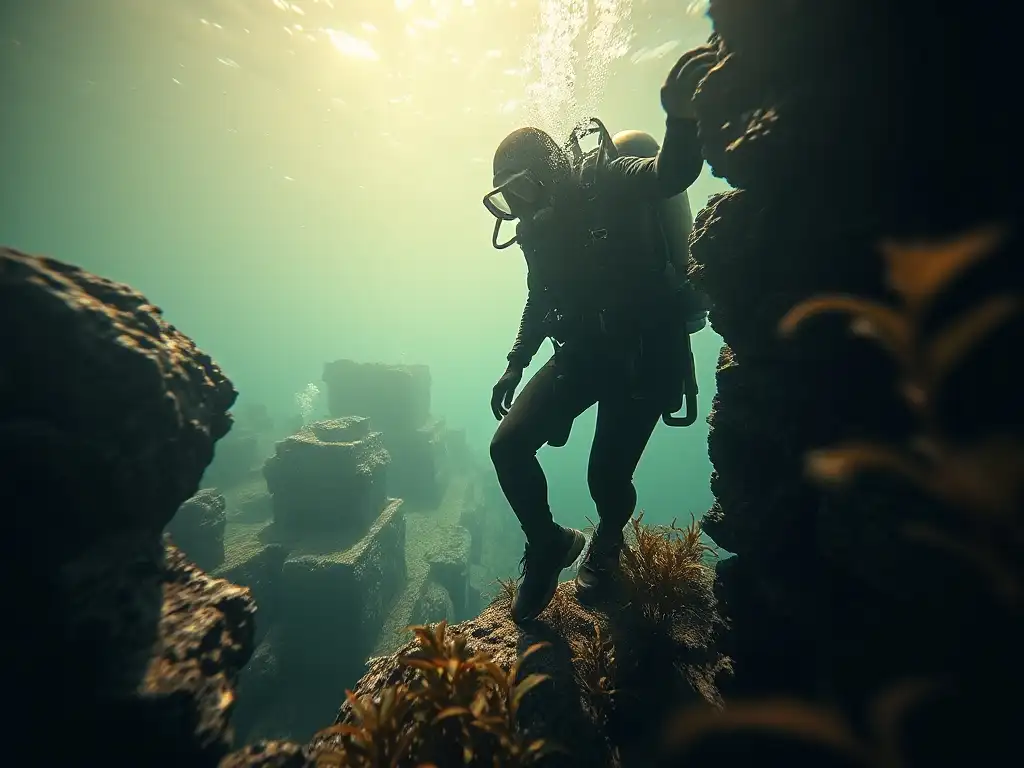
Lake Titicaca, the highest navigable lake in the world, holds more than just breathtaking views and vibrant cultures. Beneath its shimmering surface lie the enigmatic remnants of ancient Andean civilizations, a submerged world waiting to be explored. The depth and clarity of the water, combined with the unique challenges of high-altitude diving, make investigating these underwater ruins a truly specialized endeavor.
This section details what one might expect when diving into the depths of Lake Titicaca in search of its submerged history, focusing on the unique challenges and potential rewards of such an expedition. The sheer scale of the potential discoveries related to "Lake Titicaca underwater ruins" is staggering, promising to reshape our understanding of Andean history and engineering.
Underwater Structures: Identifying Sunken Walls and Temples
Divers exploring the underwater ruins of Lake Titicaca often encounter remarkably preserved structures. These aren't just scattered debris; they are often large-scale architectural elements, suggestive of sophisticated planning and construction techniques. Many accounts describe finding submerged walls, meticulously crafted stonework still standing in places despite centuries underwater.
These walls, often built using the characteristic Andean style of precisely fitted stones without mortar, sometimes form the outlines of what appear to be submerged temples or ceremonial structures. The precise layout and purpose of these structures remain largely unknown, representing a significant area of ongoing research. The condition of the underwater structures varies depending on depth and water currents; some areas show remarkably preserved stonework, while others are more degraded, requiring careful examination and interpretation.
The challenge of identifying these structures accurately is compounded by the limited visibility in some parts of the lake and the need for specialized equipment to avoid damaging these fragile historical sites. Further investigation and advanced underwater surveying techniques are crucial for a complete understanding of the extent and nature of these underwater settlements.
Artifacts of Ancient Andean Civilizations: Discovering Pottery and Tools
Beyond the impressive architectural remains, the underwater sites of Lake Titicaca hold the potential to yield a wealth of artifacts. These artifacts offer invaluable insights into the daily lives, religious practices, and technological capabilities of the ancient Andean cultures. Divers have reported finding fragments of pottery, often bearing intricate designs and patterns characteristic of different Andean civilizations.
These pieces, though fragmented by time and the lake's environment, can still provide crucial information on artistic styles, trade networks, and social structures. In addition to pottery, the discovery of tools—such as stone implements, fishing equipment, and possibly even remnants of agricultural tools—would shed light on the practical aspects of life in these submerged settlements. The preservation of organic materials underwater is a significant challenge; however, the discovery of well-preserved artifacts would dramatically increase our understanding of the daily lives of these ancient Andean peoples.
Careful documentation and analysis of any recovered artifacts are paramount, requiring specialized expertise in Andean archaeology and underwater preservation techniques. The potential for uncovering unique and previously unknown artifacts related to "Lake Titicaca underwater ruins" is a major driving force behind ongoing exploration efforts.
Efficient and accurate navigation is paramount when exploring the underwater ruins of Lake Titicaca. The lake's vastness, combined with the often-murky waters and the challenges of high-altitude diving, requires the use of sophisticated underwater mapping tools. A device like the Garmin Descent Mk2i Dive Computer with GPS offers a combination of crucial features for such an undertaking.
The GPS functionality allows divers to precisely mark their location on the surface before commencing their dive, providing a reference point for navigation underwater. The dive computer itself monitors depth, dive time, and other crucial parameters ensuring diver safety. Furthermore, the integrated compass helps maintain orientation underwater, especially important when navigating complex underwater structures and avoiding disorientation in low-visibility conditions.
The data collected by such a device can then be used to create detailed maps of the underwater sites, aiding in future explorations and the preservation of these valuable historical resources. The combination of GPS tracking and dive computer functionality is crucial for safe and efficient exploration, contributing significantly to the accurate mapping and documentation of these "Lake Titicaca underwater ruins." The use of advanced technology ensures responsible and informed exploration, minimizing risks to both divers and the fragile historical sites themselves.
Responsible Exploration: Preserving Lake Titicaca's Underwater Heritage
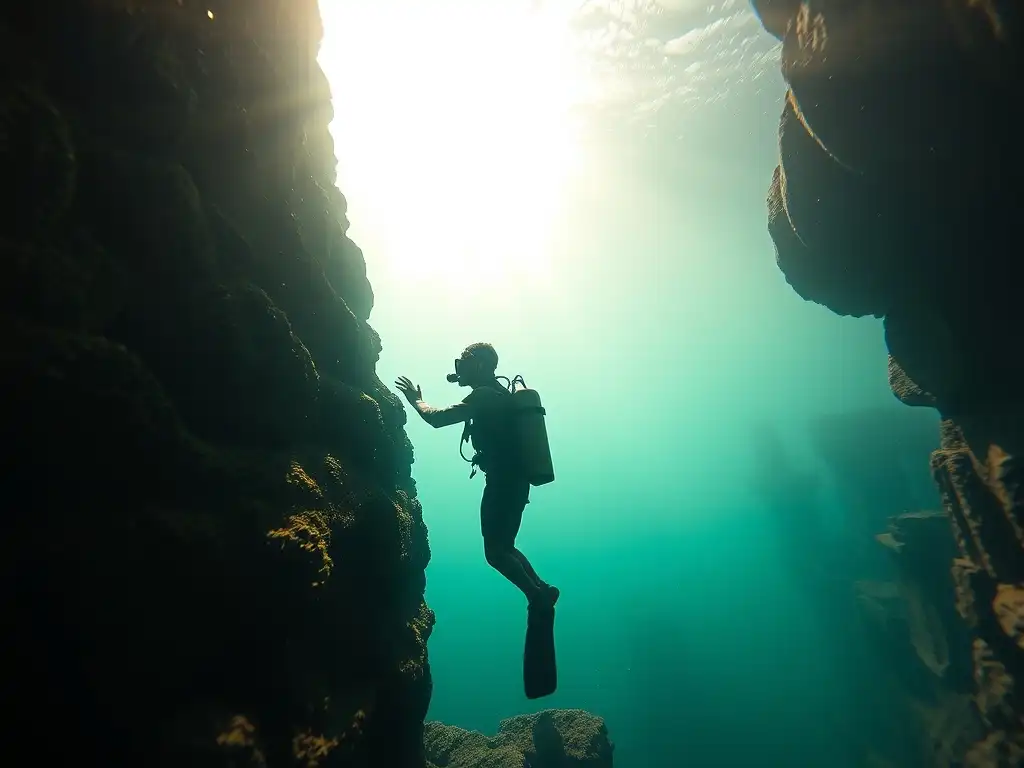
The discovery of underwater ruins in Lake Titicaca presents an incredible opportunity to learn more about the ancient Andean civilizations. However, this unique archaeological site requires careful and responsible exploration to ensure its preservation for future generations. The delicate balance of this high-altitude ecosystem and the fragility of the submerged structures necessitate a commitment to sustainable practices from both researchers and tourists alike. The goal isn't just to see these underwater ruins, but to understand them without causing irreparable damage. This section details how we can achieve that.
The Importance of Eco-Conscious Diving Practices
Diving in Lake Titicaca demands a different approach than diving in warmer, more accessible waters. The cold, high-altitude environment presents unique challenges, requiring specialized equipment and training. Furthermore, the lake's ecosystem is exceptionally sensitive. Eco-conscious diving practices are crucial to minimize the impact on the fragile underwater environment and the submerged archaeological sites. These practices include:
- Neutral buoyancy mastery: Maintaining perfect buoyancy prevents divers from accidentally kicking up sediment, damaging delicate structures, or disturbing the lake bed's delicate ecology. Proper buoyancy control is paramount in preserving the integrity of the underwater ruins and the surrounding habitat.
- Controlled finning techniques: Aggressive finning can stir up sediment and damage fragile artifacts. Divers should use slow, controlled fin kicks to minimize disturbance. Proper fin placement and technique are essential for responsible underwater exploration.
- Avoiding contact with the ruins: Touching or leaning on the underwater structures can cause damage, accelerating erosion and deterioration. Maintaining a respectful distance ensures the preservation of these invaluable historical remnants.
- Proper waste management: Divers should always practice responsible waste disposal, ensuring that no trash or debris is left behind. This is crucial in maintaining the pristine state of the lake and its underwater sites. The implementation of strict waste management protocols is essential.
- Respecting wildlife: Lake Titicaca is home to unique species, including the iconic Titicaca water frog. Divers should avoid disturbing or harming any wildlife encountered during dives. Observing and appreciating the biodiversity of the lake is crucial for responsible exploration.
Respecting the Archaeological Sites: Avoid Touching or Disturbing Artefacts
The underwater ruins of Lake Titicaca are not merely picturesque sights; they are irreplaceable historical artifacts that offer invaluable insights into the past. Even seemingly minor actions can cause significant damage. The process of deterioration is accelerated by human interaction, making respectful observation crucial. Any disturbance, no matter how small, can compromise the integrity of the site and hinder future research efforts. This includes:
- Resisting the urge to touch: Touching or moving artifacts can cause damage, from minor scratches to complete destruction. It's essential to remember that these artifacts are fragile and irreplaceable.
- Avoiding the use of equipment that could damage the sites: Certain diving equipment, if used improperly, can inadvertently damage the ruins. Proper training and careful handling of all equipment are essential.
- Reporting any observed damage or disturbance: If divers notice any damage to the ruins or any other sign of disturbance, they should immediately report it to the relevant authorities. This ensures prompt attention and potential remediation efforts.
- Understanding the significance of the site: A deep understanding of the historical and cultural significance of the site fosters a sense of responsibility and respect. Educational resources provided by local authorities can help promote this awareness.
- Following guidelines provided by local authorities: Compliance with all guidelines set by local authorities is crucial for the protection of the underwater ruins and the overall ecosystem of Lake Titicaca.
Supporting Local Dive Operators Committed to Conservation - Example: Titicaca Divers
Choosing a responsible tour operator is essential for ensuring that your exploration contributes positively to the preservation of Lake Titicaca's underwater heritage. Look for operators who prioritize sustainability, adhere to strict environmental guidelines, and actively contribute to conservation efforts. One example of such a responsible operator could be a hypothetical organization named "Titicaca Divers." Such an organization would likely:
- Employ highly trained and experienced dive guides committed to responsible diving practices.
- Utilize environmentally friendly equipment and minimize their environmental footprint.
- Collaborate with local communities and researchers to support conservation projects and archaeological research.
- Educate divers about the importance of responsible exploration and the fragility of the ecosystem.
- Contribute a portion of their profits to conservation initiatives or local community projects.
Choosing operators like this ensures that your exploration of the Lake Titicaca underwater ruins contributes not only to your understanding of the past, but also to the preservation of this unique and irreplaceable site for future generations. Supporting responsible tourism is crucial for balancing exploration with preservation.
Booking Your Lake Titicaca Underwater Archaeological Adventure
Planning a trip to explore the submerged secrets of Lake Titicaca requires careful consideration and preparation. The unique environment and historical significance of the underwater ruins demand a responsible and well-organized approach. This section will guide you through the essential steps to ensure a safe and rewarding experience. Remember, respecting the archaeological sites and local communities is paramount. Let's dive into the logistics!
Choosing a Reputable Dive Tour Operator - Recommendations: Bolivian Divers, Titicaca Explorer
Selecting the right dive tour operator is crucial for a successful Lake Titicaca underwater archaeological adventure. Not all operators prioritize responsible tourism and archaeological preservation. You need a company with experience, proper licensing, and a commitment to ethical practices. Thorough research is essential before booking.
Consider these key factors when choosing an operator:
- Experience and Expertise: Look for operators with a proven track record in Lake Titicaca dives, specifically those focusing on archaeological sites. Years of experience translate to better knowledge of the underwater environment and the ability to navigate potential challenges.
- Licensing and Permits: Ensure the operator holds all necessary permits and licenses to operate in the area and conduct underwater archaeological tours. This is vital for legal compliance and responsible tourism.
- Safety Procedures: Inquire about their safety protocols and emergency procedures. A reputable operator will prioritize diver safety through thorough briefings, equipment checks, and experienced dive guides.
- Environmental Commitment: Choose an operator that demonstrates a commitment to environmental sustainability and responsible tourism. Ask about their practices to minimize their environmental impact.
- Archaeological Sensitivity: The best operators will emphasize the historical significance of the sites and educate divers about responsible interaction with the submerged ruins.
Here are two examples of operators that often meet these criteria (although independent verification is always recommended):
- Bolivian Divers: Known for their expertise in cold-water diving and commitment to responsible tourism. They often offer specialized tours focusing on the underwater archaeological aspects of Lake Titicaca.
- Titicaca Explorer: This operator frequently incorporates archaeological elements into their dive packages, providing informative briefings and prioritizing the preservation of the sites.
Remember to compare prices, itineraries, and reviews before making your final decision.
Understanding the Costs Associated with Underwater Archaeological Tours
The cost of an underwater archaeological tour of Lake Titicaca can vary significantly depending on several factors. These include the length of the tour, the type of accommodation (if overnight stays are included), the level of expertise of the guides, and the specific sites visited.
Expect to pay a premium for these specialized tours, as they require specialized equipment, experienced guides, and adherence to strict regulations. The costs typically cover:
- Dive Fees: This includes the cost of equipment rental (if needed), dive guides, and boat transportation to the dive sites.
- Permits and Licensing Fees: The operator's costs for obtaining necessary permits and licenses are often included in the overall price.
- Accommodation (if applicable): Some tours include overnight stays in nearby towns or on boats, adding to the overall expense.
- Meals and Drinks: Many tours include meals and drinks during the tour, although this is not always the case.
It's crucial to obtain a detailed breakdown of costs from the tour operator before booking. This ensures transparency and avoids unexpected expenses. Prices can range from [specific price range pending] depending on the factors mentioned above. Always request a detailed quote that clearly outlines all included and excluded services.
Planning Your Trip: Best Time to Dive Lake Titicaca and Permits Required
The best time to dive in Lake Titicaca is during the dry season, typically from April to October. During this time, the weather is generally clearer and calmer, making for better diving conditions. The water temperature remains consistently cold year-round, hovering around 10-13°C (50-55°F), so proper cold-water diving gear is essential regardless of the season.
Obtaining the necessary permits for diving in Lake Titicaca requires careful planning and coordination. The specific requirements may vary, and it's crucial to work closely with your chosen tour operator to ensure all necessary paperwork is completed well in advance. They will typically handle the permit acquisition process. However, be prepared to provide necessary information, possibly including passport details and proof of diving certification.
Failing to obtain the correct permits can result in significant delays or even prevent you from diving. Thorough communication with your chosen operator is essential to navigate this process smoothly. Don't hesitate to ask questions and clarify any uncertainties regarding permits and regulations.
Beyond the Dive: Continued Research and Further Exploration
The discovery of underwater ruins in Lake Titicaca is not just a snapshot in time; it's an ongoing process of uncovering secrets hidden beneath the surface for centuries. The sheer size of the lake, coupled with the challenges of underwater archaeology in such a high-altitude environment, means that much remains unknown. The exploration of Lake Titicaca's underwater world is far from over. This section explores the ongoing research and the exciting possibilities for future discoveries related to the "Lake Titicaca underwater ruins".
The Ongoing Research and Discoveries in Lake Titicaca's Underwater World
Research into Lake Titicaca's submerged structures is a complex undertaking. Teams of archaeologists, divers, and specialists in various fields collaborate to carefully document and analyze the findings. This involves meticulous underwater surveying using sonar and other advanced technologies to map the extent of the submerged sites. The process is slow and painstaking, requiring careful consideration of the fragile nature of the underwater environment and the archaeological artifacts themselves. Recent research has focused on:
- Dating Techniques: Advanced dating techniques, such as radiocarbon dating of organic materials found near the structures, are crucial in establishing the age and potential connection to known Andean civilizations. Preliminary results suggest some structures may predate the Inca Empire, potentially linking them to earlier cultures inhabiting the Lake Titicaca basin. Further analysis is needed to refine these estimations.
- Material Analysis: Detailed analysis of the materials used in the construction of these underwater structures is underway. Researchers are studying the type of stone, the techniques used in construction, and any traces of pigments or other decorative elements to understand the builders' skills and cultural practices. This analysis may reveal connections to specific Andean cultures, offering clues about their relationship with the lake.
- Environmental Factors: Understanding the environmental context of the submerged structures is essential. Researchers are studying the lake's fluctuating water levels over time, and the effects of sedimentation and erosion on the preservation of the ruins. This information is vital to interpreting the archaeological evidence and understanding the reasons behind the structures' submersion.
The ongoing research promises to reveal more information about the purpose of these underwater structures, their connection to the known history of the Lake Titicaca region, and the lives of the people who built and used them. The potential for further discoveries is immense, and each new finding adds another piece to the puzzle of Andean civilization. The exploration of "Lake Titicaca underwater ruins" is a testament to the enduring power of human ingenuity and the mysteries that still lie hidden beneath the waves.
Supporting Archaeological Efforts: Donations and Volunteering Opportunities
The exploration and preservation of Lake Titicaca's underwater heritage require significant resources. Funding is needed to support ongoing research expeditions, the development of advanced underwater technologies, and the conservation of recovered artifacts. Individuals passionate about Andean history and archaeology can contribute to this vital work in several ways:
- Monetary Donations: Many organizations dedicated to underwater archaeology and the preservation of cultural heritage accept donations. These donations directly support research projects, conservation efforts, and educational initiatives. Even small contributions can make a significant difference in safeguarding this important part of Andean history.
- Volunteering: Some organizations offer volunteer opportunities for individuals with relevant skills and experience. Opportunities may range from assisting with data entry and analysis to participating in underwater surveys under the supervision of experienced archaeologists. This provides a valuable way to contribute directly to the research effort.
- Advocacy: Raising awareness about the importance of protecting Lake Titicaca's underwater heritage is crucial. Advocating for responsible tourism practices and supporting organizations dedicated to the preservation of cultural sites can help ensure that these underwater ruins are protected for future generations. Spreading the word about the "Lake Titicaca underwater ruins" and the ongoing research is a critical aspect of their preservation.
By supporting these efforts, you become a vital part of ensuring that the secrets of Lake Titicaca's submerged world continue to be revealed and protected. Your contribution, however large or small, helps to preserve a significant piece of Andean history for future generations to appreciate and learn from.
Further Reading and Resources on Lake Titicaca and Underwater Archaeology
For those eager to delve deeper into the fascinating world of Lake Titicaca and underwater archaeology, several excellent resources are available. These books offer a wealth of information and captivating insights into the history, culture, and mysteries surrounding this remarkable lake.
- Recommended Books:
- "Lake Titicaca: Legend, Myth and Reality" by Alan Kolata: This book provides a comprehensive overview of the lake's history, geography, and cultural significance, offering valuable context for understanding the archaeological discoveries.
- "The Lost City of the Incas" by Hiram Bingham: While not solely focused on Lake Titicaca, this classic work provides valuable insights into Inca civilization and archaeological exploration in the Andes, enriching your understanding of the broader context of the underwater ruins. It's a foundational text for understanding the Inca's impact on the region.
Exploring these resources will enhance your appreciation of the ongoing research and the significance of the underwater ruins of Lake Titicaca. The discovery of these submerged structures represents not an end, but a new beginning in our understanding of Andean civilizations. 🌊
Frequently Asked Questions
What are the underwater ruins in Lake Titicaca?
Lake Titicaca holds mysterious underwater structures, possibly remnants of ancient settlements. Their exact purpose and origin are still under investigation by researchers, making them a fascinating area of study for archaeologists. More research is needed to fully understand their significance.
Which civilization is linked to the Lake Titicaca underwater ruins?
While definitively linking the ruins to a specific civilization is challenging, the structures' proximity to known settlements of the Tiwanaku culture suggests a potential connection. However, further research is required to confirm this hypothesis.
How were the underwater ruins discovered?
The underwater ruins were discovered through a combination of local legends, sonar scans, and subsequent underwater explorations. Divers and researchers have gradually uncovered more details about these submerged structures over time.
What is the current state of research on the Lake Titicaca underwater ruins?
Research is ongoing, with archaeologists and scientists utilizing advanced technologies like sonar and underwater robotics to map and investigate the structures. The goal is to learn more about their construction, purpose, and relationship to known Andean civilizations.
Are the Lake Titicaca underwater ruins open to the public?
Currently, access to the underwater ruins is restricted to researchers and authorized personnel. The delicate nature of the site requires careful preservation and protection to prevent damage and ensure the integrity of ongoing investigations.
Final Reflection: Echoes of a Sunken World
The mysteries hidden beneath the surface of Lake Titicaca continue to resonate today, a powerful testament to the enduring legacy of ancient civilizations and the fragility of our shared history. The exploration of these underwater ruins isn't just an archaeological endeavor; it's a poignant reminder of the interconnectedness of past and present, of how the echoes of forgotten societies can still speak to us across millennia. The preservation of these sites is crucial, not only for understanding our past but also for safeguarding our future.
The impact of uncovering these submerged cities extends far beyond the academic realm. It challenges our understanding of Inca history, forcing us to reconsider established narratives and embrace the complexities of a civilization far more sophisticated than previously imagined. The past is never dead. It's not even past.
- William Faulkner. This quote perfectly encapsulates the enduring power of these underwater ruins; they are not simply relics of a bygone era, but living testaments to a vibrant culture that continues to influence our understanding of the world. Their discovery compels us to re-evaluate our relationship with history and the importance of preserving our cultural heritage for future generations.
Consider the stories held within those submerged stones, the lives lived and lost within those ancient walls. You, the reader, are now part of this ongoing narrative.
Take a moment to reflect on the significance of these underwater ruins, not just as archaeological sites, but as powerful symbols of resilience, adaptation, and the enduring human spirit. Let the echoes of the sunken city inspire you to explore the hidden depths of your own world, to uncover the stories that lie beneath the surface of your own life and community, and to champion the preservation of our shared heritage for all time.
Unveil the Mysteries Beneath Lake Titicaca!
Thank you for exploring the fascinating world of the sunken city at Lake Titicaca! This article has hopefully provided incredible insights into the underwater ruins and their rich history. Now, let's consider how you can further immerse yourself in this adventure!
- Join a guided dive tour to explore the submerged ruins firsthand and learn from expert local guides who can share their knowledge of the area's history.
- Share this article with friends and family, or post it on social media, to spark curiosity about ancient civilizations and encourage further exploration of this topic.
- Consider supporting archaeological research in the region to help ensure these breathtaking sites are preserved for future generations.
What aspect of the potential secrets hidden beneath the waves of Lake Titicaca excites you the most?