
The Inca Social Structure: Classes and Hierarchies

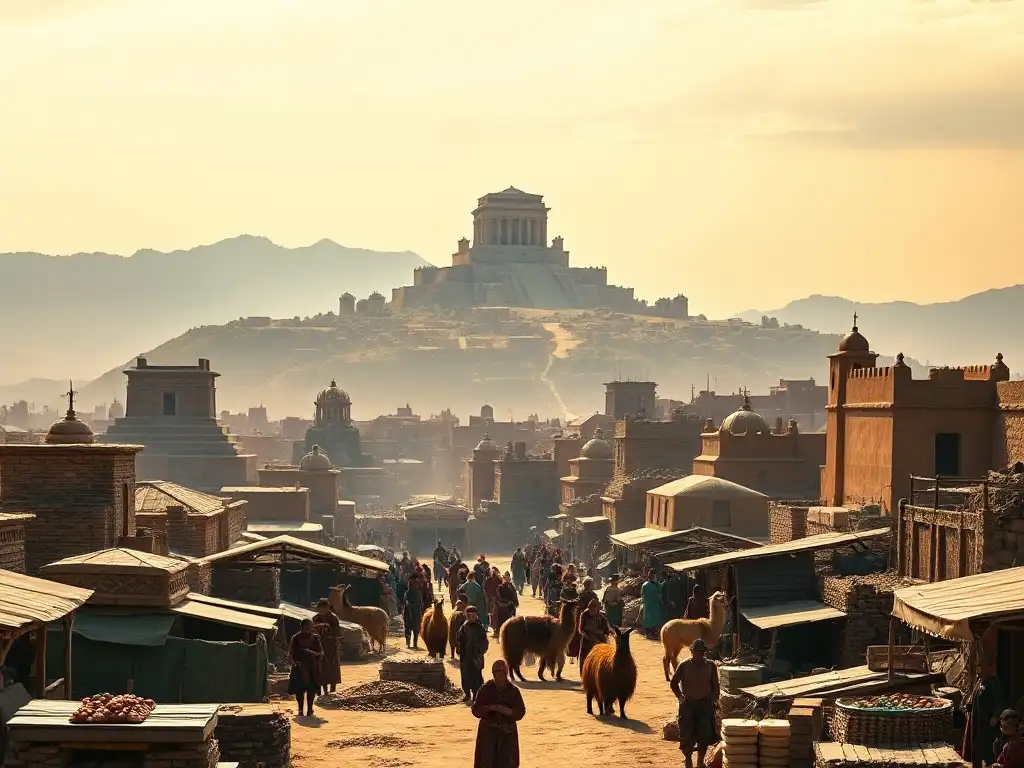
Step into a world lost to time, yet echoing with the grandeur of the Andes! Uncover the secrets of civilizations that thrived amidst breathtaking landscapes, leaving behind a legacy of artistry, ingenuity, and complex social structures. Prepare to be captivated by the intricacies of Inca social classes structure, a system that shaped an empire’s rise and fall. Dare to delve deeper and discover the fascinating hierarchies that defined Andean life—a story waiting to be unveiled.
The Inca Empire, a civilization that flourished in the Andes Mountains of South America from the 13th to the 16th centuries, was characterized by a highly structured and stratified social system. Understanding the Inca social classes structure is crucial to grasping the empire's political power, economic stability, and overall societal functioning.
This article delves into the intricate layers of Inca society, examining the distinct classes and their roles within the vast imperial framework. We will explore how this hierarchical system supported the Inca's remarkable achievements in engineering, agriculture, and governance, and how it ultimately contributed to both the empire's success and its eventual downfall.
From the Sapa Inca at the apex to the commoners at the base, each level played a vital role in maintaining the delicate balance of power and productivity that defined Inca life. This exploration will illuminate the complexities of Inca society and provide a deeper understanding of the "Inca social classes structure" and its significance within the broader context of Andean history.
The Sapa Inca: Divine Ruler and Apex of the Hierarchy
The Sapa Inca stood at the pinnacle of Inca society, considered not merely a ruler but a divine figure, a descendant of the sun god Inti. His authority was absolute, extending to all aspects of life within the empire. The Sapa Inca controlled the vast resources of the empire, directed religious ceremonies, and appointed officials to govern various provinces.
His word was law, and his decisions shaped the lives of millions. Succession was often fraught with political maneuvering and intrigue, with potential heirs vying for the position and power. The Sapa Inca's power was not only political but also spiritual; he served as the intermediary between the human and divine realms, ensuring the continued prosperity and well-being of the empire.
His immense influence permeated every level of society, solidifying his position as the unquestioned head of the Inca social classes structure. The rituals and ceremonies surrounding the Sapa Inca served to reinforce his divine status and maintain social order.
The Royal Family and Nobility: Privileged Elites
Below the Sapa Inca resided the royal family and nobility, comprising close relatives of the emperor and high-ranking officials. These individuals enjoyed significant privileges, including access to the finest resources, land ownership, and exemption from labor obligations. They often held positions of authority within the government and the military, acting as governors, generals, and advisors to the Sapa Inca.
Their influence extended throughout the empire, shaping policies and controlling the distribution of resources. The loyalty and support of this elite class were essential to maintaining the stability and power of the Inca Empire. Their social standing was inherited, creating a hereditary aristocracy that played a crucial role in the Inca social classes structure.
Priests and Religious Officials: Guardians of Spiritual Power
The Inca religion played a central role in the empire's functioning, and its custodians, the priests and religious officials, held considerable power and influence. They were responsible for conducting religious ceremonies, interpreting omens, and advising the Sapa Inca on matters of state. Their knowledge of astronomy, agriculture, and medicine provided them with a unique position of authority within the society.
The Inca religious system was intricately tied to the agricultural cycle and the worship of nature deities. The priests' expertise in these areas made them invaluable advisors, and their influence extended beyond purely religious matters, impacting various aspects of the empire’s administration and daily life. Their social standing within the Inca social classes structure reflected the profound importance of religion in Inca society.
Skilled Craftsmen and Specialists: Contributors to Imperial Wealth
The Inca Empire thrived on the skills and expertise of its artisans and specialists. These individuals, including skilled weavers, metalworkers, potters, and builders, contributed significantly to the empire's wealth and prestige. Their craftsmanship was renowned throughout the Andes, and their products were highly valued, both domestically and for trade. While not part of the elite, their specialized skills were essential to the functioning of the empire and their contributions were vital to the empire's economic prosperity. Their position within the Inca social classes structure was one of respect and importance, reflecting their crucial contributions to the empire's success.
Commoners: The Backbone of Inca Society
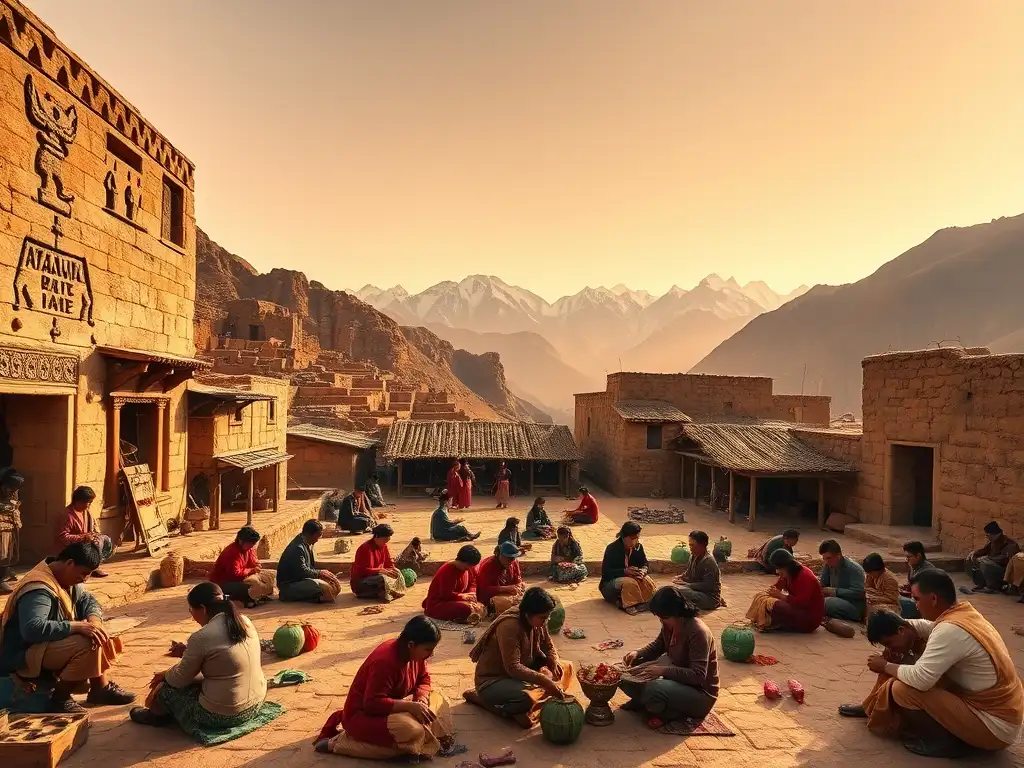
The vast majority of the Inca population comprised commoners, or ayllus. These individuals worked the land, contributing to the empire's agricultural output and providing essential labor for construction projects and public works. They lived in communities and were organized into groups, with reciprocal obligations and responsibilities.
Although they did not enjoy the same privileges as the upper classes, they formed the backbone of Inca society, providing the labor and resources necessary for the empire's functioning. Their collective efforts were essential to the Inca Empire's success, highlighting their crucial role within the Inca social classes structure. The mita system, a form of mandatory labor service, was a key mechanism for organizing and utilizing the commoners' labor for public works.
The Yanaconas constituted a unique social group within the Inca Empire. Unlike the commoners, they were not bound to the ayllu system and instead served as personal servants or laborers for the elite. Their status was often hereditary, passed down through generations. While not as privileged as the nobility, they held a distinct position within the Inca social classes structure, occupying a space between commoners and the elite. Their specialized skills and loyalty made them valuable assets to those who employed them.
Conclusion: A Complex and Dynamic System
The Inca social classes structure was a complex and dynamic system that played a crucial role in the empire's success and longevity. From the divine Sapa Inca to the commoners working the land, each level contributed to the intricate web of power and productivity that defined Inca society. While this hierarchical system ensured order and efficiency, it also contributed to internal tensions and vulnerabilities, ultimately playing a part in the empire's eventual collapse. Further research continues to uncover the nuances of this fascinating social structure and its enduring legacy on Andean civilizations.
- The Sapa Inca: Divine Ruler and Apex of the Hierarchy
- The Royal Family and Nobility: Privileged Elites
- Priests and Religious Officials: Guardians of Spiritual Power
- Skilled Craftsmen and Specialists: Contributors to Imperial Wealth
- Commoners: The Backbone of Inca Society
- Yanaconas: A Unique Social Group
- Conclusion: A Complex and Dynamic System
The Inca social structure, a complex system of stratification, played a crucial role in the empire's organization and success. Understanding the Inca social classes structure is key to comprehending the empire's political, economic, and religious dynamics. This hierarchical system, while rigid, allowed for a degree of social mobility, albeit limited, based on merit and service to the Sapa Inca, the emperor.
The system wasn't static; it evolved and adapted over time, reflecting the empire's expansion and the incorporation of diverse conquered populations. However, at its core, it remained a clearly defined hierarchy with distinct privileges and responsibilities allocated to each level. The Inca social classes structure, therefore, wasn't merely a social construct; it was the very backbone of the Inca state.
The Foundation of Inca Society: A Rigid Structure
The foundation of Inca society rested upon a rigidly defined hierarchical structure. At the apex sat the Sapa Inca, the emperor, considered a divine figure, a descendant of the sun god Inti. His authority was absolute, and his word was law.
Below him were the members of the royal family, the panacas, who held significant power and influence. These individuals were not simply relatives; they held key administrative and religious positions, ensuring the continuation of the Inca lineage and the smooth functioning of the empire. Their wealth and influence were unparalleled, granting them access to the best resources and privileges.
Next in the hierarchy were the kurakas, local chiefs who governed provinces and oversaw the collection of tribute. While subject to the Sapa Inca's authority, they retained considerable power within their regions. They were responsible for managing agricultural production, organizing labor, and ensuring the loyalty of their subjects. Their status, though subordinate to the royal family, was still prestigious and influential within their respective communities. The kurakas were often drawn from the conquered nobility, a strategy employed by the Inca to maintain control and integrate conquered territories into the empire. Their cooperation was essential for the empire's stability.
Below the kurakas were the commoners, the vast majority of the Inca population. These individuals were organized into ayllus, kinship-based communities that worked collectively on agricultural projects and other tasks. Their lives were regulated by the ayllu system, which provided social security and mutual support. While lacking the political power of the elite, commoners were essential to the empire’s functioning, contributing their labor and resources to support the state.
The Inca social stratification system wasn't arbitrary; it served several vital functions. Firstly, it ensured the smooth functioning of the vast empire. The clear hierarchy facilitated efficient administration, resource allocation, and the implementation of imperial policies. The centralized authority of the Sapa Inca, supported by the loyal panacas and the effective governance of the kurakas, allowed the Inca to control a large and diverse population across a geographically extensive territory. The intricate system of social classes facilitated the mobilization of labor for large-scale construction projects like Machu Picchu and the extensive road network.
Secondly, the social structure contributed to the Inca's ability to maintain control and suppress dissent. The rigid hierarchy discouraged rebellion by clearly defining social roles and expectations. The system of tribute and labor obligations kept the commoners occupied and dependent on the state. The integration of conquered elites, transforming them into loyal kurakas, also helped to prevent uprisings and consolidate the Inca's power. This efficient system of control and integration was a major factor in the empire's longevity and expansion.
Finally, the Inca social classes structure also had a significant impact on the economy. The system of tribute, where commoners contributed a portion of their agricultural output and labor to the state, provided the resources necessary to support the imperial administration, fund public works, and maintain a standing army. The control over resources and the allocation of labor ensured the empire's economic stability and its ability to sustain its vast infrastructure and military power.
The Inca social classes structure, therefore, was not just a social system; it was a crucial element in the empire's political, social, and economic success. Understanding its intricacies is essential to fully appreciate the Inca civilization's achievements and its enduring legacy.
The Upper Echelons of Inca Society
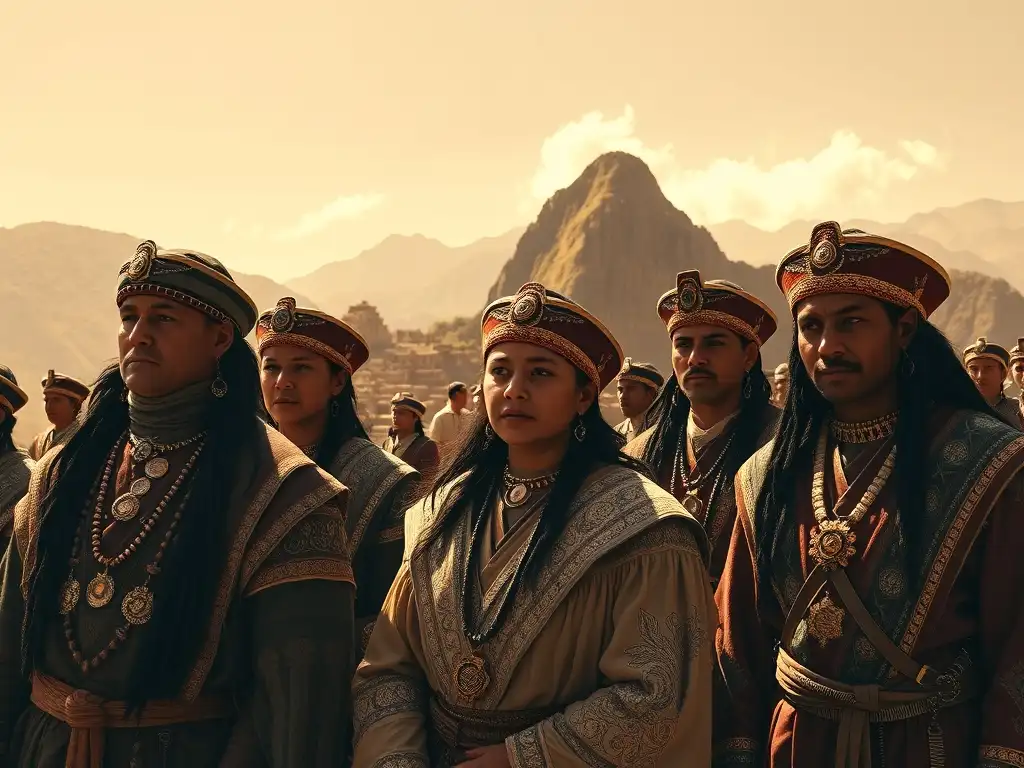
The Inca social structure was meticulously organized, reflecting the empire's highly centralized political system. Understanding the intricate layers of Inca society is crucial to grasping the empire's power and longevity. This section focuses on the elite strata, those who held the most power and influence within the Inca world. The rigid hierarchy ensured stability, but also fueled ambition and competition within the ruling class. The keyword "Inca social classes structure" is central to understanding this complex system.
The apex of the Inca social structure was occupied by the Sapa Inca, the emperor. More than just a political leader, the Sapa Inca was considered a divine figure, a descendant of the sun god Inti. This divine status imbued him with absolute authority, controlling all aspects of Inca life: political, economic, religious, and military. His word was law, and his decisions were rarely, if ever, questioned.
The Sapa Inca's power extended beyond mere governance. He controlled vast resources, including land, labor, and wealth, extracted from the conquered populations. He also held the ultimate religious authority, officiating in major ceremonies and maintaining the intricate relationship between the Inca and their pantheon of gods. His image was carefully cultivated, reinforcing his divine status and maintaining the social order. The Sapa Inca was not simply a ruler; he was the embodiment of Inca power and legitimacy. His death often triggered intense succession struggles, highlighting the critical role of this position in maintaining the Inca social classes structure.
The Royal Family and Inca Nobility: Bloodline and Power
Below the Sapa Inca resided the royal family and the Inca nobility. Membership in this elite group was determined by bloodline, reinforcing the concept of inherited privilege. Close relatives of the Sapa Inca held significant positions in government, military, and religious institutions. These individuals, often referred to as curacas, enjoyed considerable power and influence, acting as governors, commanders, or high priests.
The Inca nobility enjoyed special privileges unavailable to the commoners. They lived in luxury, often residing in lavish palaces and enjoying access to the finest goods and resources. Their status was clearly visible through their attire, jewelry, and the treatment they received from the general population.
This privileged class played a vital role in administering the empire, ensuring the smooth functioning of the vast bureaucratic system. Maintaining the purity of the royal bloodline and the nobility's privileged position was essential to preserving the Inca social classes structure and the stability of the empire. The intricate web of kinship and alliances within the nobility itself often influenced political decisions and shaped the course of the empire.
The Role of Priests and Religious Leaders in the Inca Hierarchy
While not always directly related to the royal bloodline, the amautas (priests and learned men) held considerable power and influence within the Inca social classes structure. They were responsible for interpreting religious beliefs, performing rituals, and advising the Sapa Inca on important matters. Their knowledge of astronomy, agriculture, and medicine made them essential figures in Inca society.
The priests controlled the temples and religious shrines, which served as centers of power and influence. They were involved in all aspects of religious life, from daily prayers to elaborate state ceremonies. Their role extended beyond the purely spiritual realm; they often played a significant role in the empire's administration and governance, providing advice and guidance to the ruling elite.
The respect and reverence afforded to them reflected the importance of religion in Inca life and their position within the complex social hierarchy. The influence of the amautas underscores the intertwining of religious and political power in shaping the Inca social classes structure. Their pronouncements could carry significant weight, influencing decisions on everything from agricultural practices to warfare.
High-ranking military officials occupied a prominent position within the Inca social hierarchy, their status often rivaling, and sometimes surpassing, that of even high-ranking priests. This wasn't solely based on their military achievements, but also on their lineage and loyalty to the Sapa Inca. The Inca army wasn't a standing army in the modern sense; rather, it was a conscripted force, with individuals serving for periods of time, often dictated by agricultural cycles.
However, the apus (military leaders) held positions of considerable power and influence, their authority extending beyond the battlefield. Their social standing was cemented not just by their military prowess, but also through their access to resources, land grants, and the privilege of employing yanacona (state-sponsored laborers) to work their estates.
The most successful military commanders often accumulated significant wealth and prestige, their families enjoying elevated social standing for generations. This hereditary aspect of military rank is crucial in understanding the complexities of Inca social mobility. While merit played a role in advancement, family connections and established lineages provided a distinct advantage in climbing the military ladder. This system ensured a degree of stability and continuity within the Inca military structure, but it also potentially limited opportunities for individuals from less privileged backgrounds to rise through the ranks.
Furthermore, the social status of a military official was closely tied to the specific unit they commanded and the geographical region they operated in. Commanding a larger, more elite unit naturally conferred greater social prestige. Similarly, successful campaigns in strategically important regions often led to increased social standing and rewards. This intricate interplay between military achievements, lineage, and geographical context created a nuanced system of social stratification within the Inca military elite.
The system fostered both fierce competition and a degree of loyalty, contributing to the overall stability and effectiveness of the Inca empire's military power. The influence of these high-ranking officials extended far beyond the battlefield, impacting local governance, resource allocation, and even social customs in the regions under their command. Their power was a vital component of the Inca Empire's expansion and consolidation.
The Common People in Inca Society
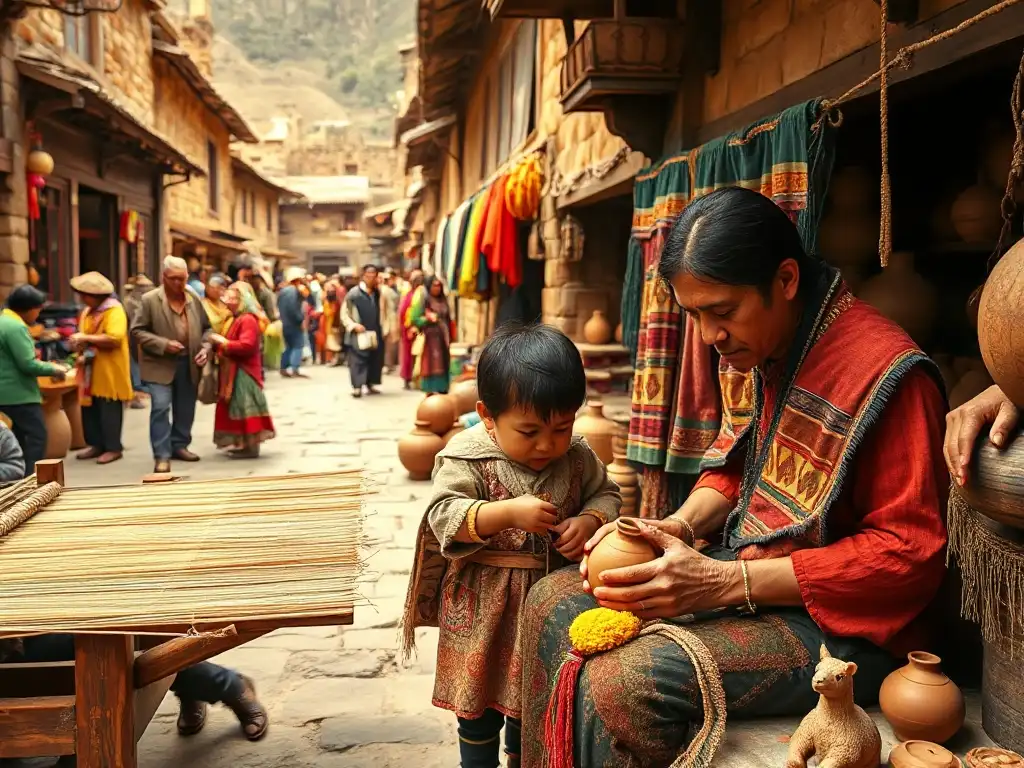
The Inca social structure, while seemingly rigid, possessed a surprising degree of fluidity, particularly for the hatun runa, the commoners who formed the vast majority of the population. Understanding their role is crucial to grasping the Inca Empire's impressive achievements in infrastructure, agriculture, and administration. The Inca social classes structure wasn't solely based on birth; merit and loyalty played significant roles in social mobility, although opportunities were limited compared to the elite.
The concept of ayllu, the kinship-based community, profoundly impacted the lives of the common people, providing social support and regulating access to resources. This system fostered a strong sense of collective identity and responsibility, essential for the empire's stability and effective mobilization of labor. The Inca government’s success in managing this large population through a sophisticated system of social control and economic organization is a testament to their administrative prowess.
The sheer size of the hatun runa population, spread across the vast Andean landscape, presents a considerable challenge for historians attempting to fully reconstruct the intricacies of their daily lives. Further research into local archives and archaeological findings could shed more light on the nuances of their experiences.
The Hatun Runa: The Backbone of the Inca Empire
The hatun runa, meaning "the common people," constituted the base of the Inca social pyramid. They were primarily farmers, responsible for cultivating the land and providing the agricultural surplus that sustained the empire. Their lives were deeply intertwined with the ayllu system, a communal organization based on kinship and reciprocal obligations. Members of an ayllu shared land, resources, and responsibilities, ensuring mutual support and cooperation. While they didn't hold political power, their labor was essential to the empire's functioning.
They were also obligated to participate in the mita system, a form of labor tribute. Despite their status as commoners, the hatun runa were not a homogenous group. Variations existed based on geographical location, access to resources, and specific skills. Some hatun runa might have had more specialized roles within their ayllu, such as herders or artisans, offering a degree of specialization within the broader category of commoners.
This internal diversity within the hatun runa population warrants further investigation to fully understand the range of experiences and social dynamics within this large segment of Inca society. Archaeological discoveries, coupled with detailed analysis of colonial records, continue to provide insights into the daily lives and contributions of the hatun runa. The enduring legacy of Inca agricultural techniques and community-based organization is a testament to their crucial role in the empire's success. The Inca social classes structure, therefore, was not simply a rigid hierarchy, but a complex interplay of social roles and obligations.
The mita system was a cornerstone of the Inca economy and social organization. It was a form of obligatory labor service, requiring able-bodied hatun runa to contribute a certain amount of time to public works projects. These projects ranged from agricultural tasks on state-owned lands to the construction of roads, temples, and irrigation systems. The mita wasn't simply forced labor; it was a crucial aspect of Inca social responsibility. It reinforced the bonds within the ayllu and contributed to the collective well-being.
The system ensured the construction and maintenance of infrastructure essential for the empire's growth and stability. The Inca government carefully managed the mita system, ensuring that it didn't unduly burden individuals or communities. While the duration and intensity of mita obligations varied depending on regional needs and individual circumstances, it was generally understood as a civic duty. However, the mita system also had its drawbacks.
It could sometimes lead to exploitation, particularly during periods of intense construction or in areas far from the hatun runa's homes. The balance between the collective benefits and potential individual hardships of the mita system is a key area of ongoing research in Inca studies. Further investigation into the administrative records and archaeological evidence is crucial for a comprehensive understanding of this intricate and vital aspect of Inca social life. The mita system's effectiveness in mobilizing a vast workforce for large-scale projects remains a remarkable aspect of Inca ingenuity and social engineering.
While the majority of the Inca population were farmers, a significant number of individuals possessed specialized skills and occupied distinct positions within the Inca social classes structure. Artisans, including weavers, potters, metalworkers, and stone masons, held a respected position in society. Their specialized skills contributed to the empire's economic prosperity and cultural richness. These artisans often worked in state-sponsored workshops, receiving provisions and compensation for their work. Their products, ranging from exquisite textiles to intricate metalwork, were often used in religious ceremonies, royal adornment, or traded as luxury goods.
This suggests a degree of social mobility, as skilled artisans likely enjoyed a higher standard of living than the average hatun runa. However, the precise social standing of artisans within the broader Inca social hierarchy requires further investigation. The available evidence suggests a degree of specialization and hierarchy even within artisan communities. Master artisans likely held more prestige and influence than apprentices or less skilled workers.
The Inca state's careful management of these skilled craftspeople showcases the empire's ability to harness specialized expertise for both economic and symbolic purposes. The legacy of Inca artistry continues to fascinate and inspire, a testament to the talent and dedication of these skilled workers. Further research into the organization of artisan workshops and the social status of individual artisans will deepen our understanding of this important segment of Inca society. The intricate details in Inca textiles and metalwork are a tangible manifestation of the sophisticated craftsmanship within the Inca social structure.
The backbone of the Inca Empire's economy and social structure rested firmly on the shoulders of its farmers. These individuals, comprising the vast majority of the population, weren't simply cultivators; they were integral to the empire's survival and prosperity. Their agricultural practices were sophisticated and remarkably efficient, considering the challenging Andean terrain. The Inca's success stemmed not only from their military might but also from their mastery of agriculture, which allowed them to sustain a large and complex society. This mastery involved a complex interplay of social organization, innovative techniques, and a deep understanding of their environment.
The Inca employed a system of ayllu, a form of communal land ownership and labor organization. Within each ayllu, land was distributed among families based on need and the number of individuals capable of working it. This system ensured that everyone had access to land and resources, fostering a sense of community and shared responsibility. This wasn't simply a matter of dividing land equally; the allocation considered factors like soil fertility and accessibility to water sources, reflecting a nuanced understanding of resource management. This meticulous approach minimized waste and maximized agricultural output.
Inca agricultural techniques were far from rudimentary. They employed terracing on steep slopes to create level platforms for cultivation, preventing soil erosion and maximizing usable land. They also developed advanced irrigation systems, channeling water from rivers and streams to irrigate their fields, even in arid regions. These systems often involved intricate networks of canals and aqueducts, showcasing their engineering prowess and commitment to agricultural productivity. The construction and maintenance of these systems were communal efforts, underscoring the collaborative nature of Inca agricultural practices. Evidence of these sophisticated systems can still be seen today, a testament to their enduring impact.
Furthermore, the Inca practiced crop rotation and intercropping, techniques designed to maintain soil fertility and improve crop yields. They cultivated a variety of crops, including potatoes (of which they had thousands of varieties! ), maize, quinoa, beans, and squash, ensuring dietary diversity and resilience against crop failures. This diversification was crucial for food security, minimizing the risk of widespread famine in the event of a poor harvest of a single crop.
The Inca's understanding of crop diversity and soil management demonstrates an advanced knowledge of agricultural science, far surpassing many contemporary societies. Their expertise in these areas is a significant factor in understanding the Inca social classes structure, as their agricultural productivity directly supported the entire empire. The farmers, despite their position in the social hierarchy, held a crucial role in maintaining the empire's stability and strength.
The Inca social structure, while seemingly rigid at the top, possessed a degree of fluidity and complexity within its lower echelons. Understanding the roles and status of these groups is crucial to grasping the complete picture of Inca societal organization and the intricate mechanisms that sustained their vast empire.
The Inca social classes structure, far from being solely defined by hierarchical ranks, also incorporated specialized groups with unique functions and social standing. These groups, while not necessarily forming distinct "classes" in the strictest sense, played vital roles in the Inca economy and social fabric, influencing the overall dynamics of power and influence within the empire.
The Yanaconas: A Class of Servants and Retainers
The yanaconas constituted a significant segment of Inca society, often described as servants or retainers. However, their status was far more nuanced than simple servitude. While they worked for the ayllu (community) or the Inca elite, their position wasn't strictly hereditary. Individuals could become yanaconas through various means, including:
- Conquest: Captives of war often became yanaconas, their labor contributing to the empire's infrastructure and agricultural output.
- Debt: Individuals might become yanaconas to repay debts, working off their obligations.
- Voluntary Service: Some individuals might choose to become yanaconas in exchange for protection or access to resources.
Their duties were varied, ranging from domestic service in the homes of nobles to working in state-controlled workshops or agricultural projects. While not enjoying the same privileges as ayllu members, yanaconas weren't entirely powerless. They possessed a degree of personal freedom and could, in some cases, accumulate property and even achieve a higher social standing.
Their contribution to the Inca economy was immense, and their relatively flexible status allowed for a degree of social mobility within the lower strata of Inca society. The existence of the yanaconas highlights the Inca social classes structure's ability to incorporate and utilize diverse labor sources effectively.
The acllas, or "chosen women," formed a unique group within Inca society. These women were selected from various ayllus for their beauty, intelligence, and potential. They were dedicated to the service of the Inca state and lived in acllahuasis, or convent-like institutions, where they received specialized training in various skills:
- Textile Production: Acllas were renowned for their exceptional weaving skills, producing high-quality textiles for the Inca elite and religious ceremonies.
- Brewing of chicha: They also brewed chicha, the fermented corn beverage crucial to Inca rituals and celebrations.
- Religious Service: Some acllas served in religious capacities, performing rituals and maintaining temples.
Contrary to popular misconceptions, the acllas weren't simply concubines or servants. While some might have been selected for the Inca's harem, the majority dedicated their lives to specialized tasks contributing significantly to the Inca state. Their skills and expertise added immense value to the Inca economy and religious life.
The acllas represent a fascinating facet of Inca social organization, showcasing the Inca's appreciation for female talent and their ability to integrate women into significant roles within the empire's social and economic structure. The Inca social classes structure included this unique class of women who were vital to the empire's success.
The Mitimaes: Colonists and their Role in the Inca Empire
The mitimaes were a crucial element of Inca imperial control and expansion. They were colonists, relocated from their original ayllus to new regions conquered by the Inca. This relocation served multiple purposes:
- Political Control: Resettlement of conquered populations helped to subdue rebellious groups and assert Inca dominance.
- Economic Exploitation: Mitimaes were often tasked with developing new agricultural lands and extracting resources from conquered territories.
- Cultural Assimilation: The resettlement of mitimaes facilitated the spread of Inca culture and language throughout the empire.
The mitimaes weren't slaves, but their lives were heavily regulated by the Inca state. They were expected to contribute to the imperial economy and maintain loyalty to the Inca ruler. Their role demonstrates the Inca's sophisticated strategies for managing conquered territories and integrating them into the broader Inca social classes structure.
The mitimaes system, while potentially disruptive to individual lives, contributed significantly to the empire's consolidation and stability. The successful integration and management of this mobile population was integral to the empire's enduring success, showcasing the intricacies of Inca governance and their approach to imperial expansion. The Inca social classes structure, therefore, was not static but rather a dynamic system adaptable to the challenges of empire building.
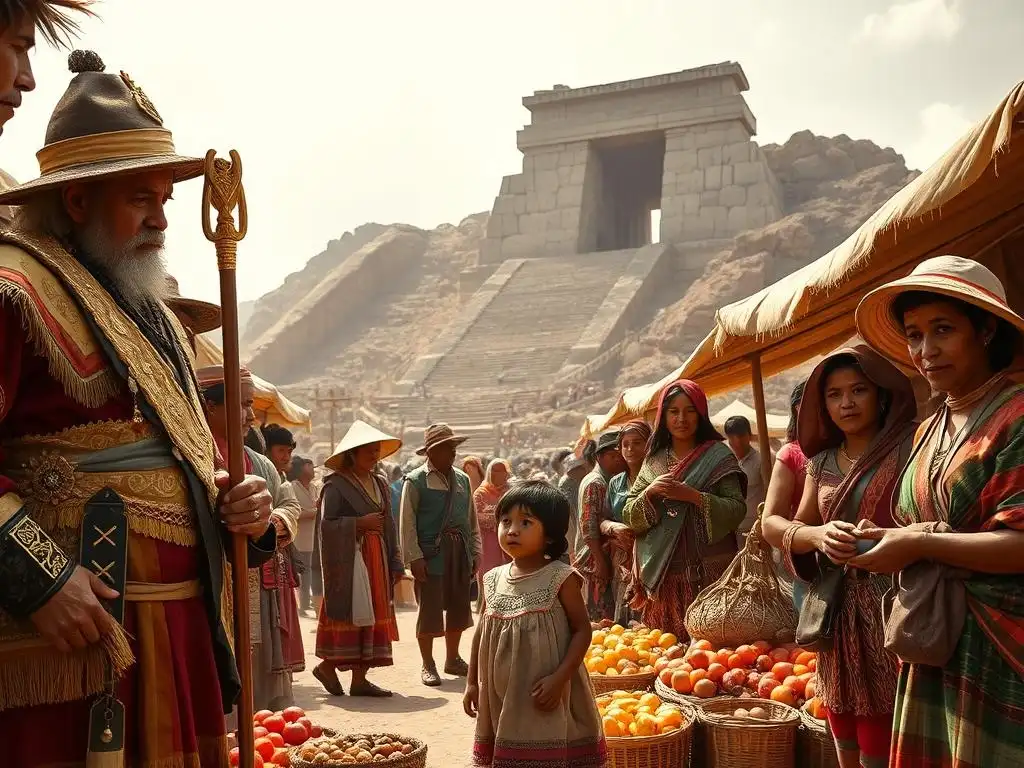
The Inca social structure, while seemingly rigid, did allow for a degree of social mobility, albeit limited and heavily dependent on individual merit and circumstance. The system wasn't entirely static; exceptional achievements in warfare, administration, or religious service could, theoretically, lead to upward movement. However, the reality was far more complex than a simple meritocracy. Birth played a significant, if not determinative, role.
While an individual's capabilities could influence their position within their ayllu (community) and potentially lead to greater responsibilities, leaping across major social strata was exceptionally rare. The Sapa Inca's authority remained paramount, and social mobility was ultimately controlled and constrained by the imperial power structure. This section will explore the challenges faced by those striving for social advancement within the Inca Empire.
Climbing the Inca social ladder was a formidable task. Even demonstrating exceptional talent or skill didn't guarantee promotion. Consider the case of a highly skilled artisan within the yanaconas class (those bound to service). While their expertise might be invaluable, their upward mobility was constrained by their inherited status. They might achieve greater prestige and responsibility within their craft, but becoming a member of the kuraka (local nobility) class was exceptionally unlikely.
Access to resources, education, and elite networks was largely determined by birth, creating a significant barrier to social advancement for those born into lower classes. Furthermore, the Inca emphasis on collective identity and loyalty to the ayllu sometimes stifled individual ambition. The system rewarded community contributions over individual achievement, limiting the opportunities for significant social climbing. The overwhelming majority of individuals remained within the social stratum into which they were born.
The Inca Empire's vast bureaucracy, while offering some avenues for advancement, also reinforced social hierarchies. Appointments to administrative positions often favored individuals from the upper echelons of society, even if equally competent candidates existed in lower classes. This preferential treatment ensured the continued dominance of the elite and further limited social mobility. While the system valued competence, it was often filtered through the lens of lineage and established power structures. The Inca state effectively managed social mobility, ensuring stability but also perpetuating existing inequalities.
Several key factors determined an individual's position within Inca society. As previously mentioned, birth was paramount. Membership in a particular ayllu, and the prestige of that ayllu, significantly influenced an individual's social standing. Those born into powerful ayllus connected to the ruling lineage enjoyed privileged access to resources and opportunities, significantly enhancing their chances of advancement. This inherent advantage often overshadowed individual merit.
Detailed Breakdown of Factors
Beyond lineage, the following factors played a significant role:
- Military Prowess: Success in warfare was a powerful catalyst for social advancement, particularly for commoners. Exceptional warriors could gain recognition and potentially elevate their status. However, even this path was often constrained by existing social structures.
- Religious Standing: Individuals holding significant religious positions, such as *amautas* (wise men) or *palla* (priestesses), enjoyed high social standing. However, access to these positions was often limited to those from privileged backgrounds.
- Administrative Skill: Competence in administration and governance was valued, and individuals demonstrating such skills could rise within the bureaucracy. Yet, even here, connections and lineage often played a crucial role.
- Craft Specialization: Highly skilled artisans, particularly those working with precious metals or textiles, enjoyed a degree of prestige. However, they rarely transcended their inherent social class.
The interplay of these factors created a complex system where social mobility was possible but far from guaranteed. The Inca social structure was less a rigid caste system and more a hierarchical system where social standing was determined by a combination of factors, with birth and lineage playing a dominant role, subtly yet powerfully shaping the possibilities for social advancement and limiting true social fluidity within the Inca Empire. The “Inca social classes structure” was thus a carefully managed system designed to maintain the power of the elite and the stability of the empire.
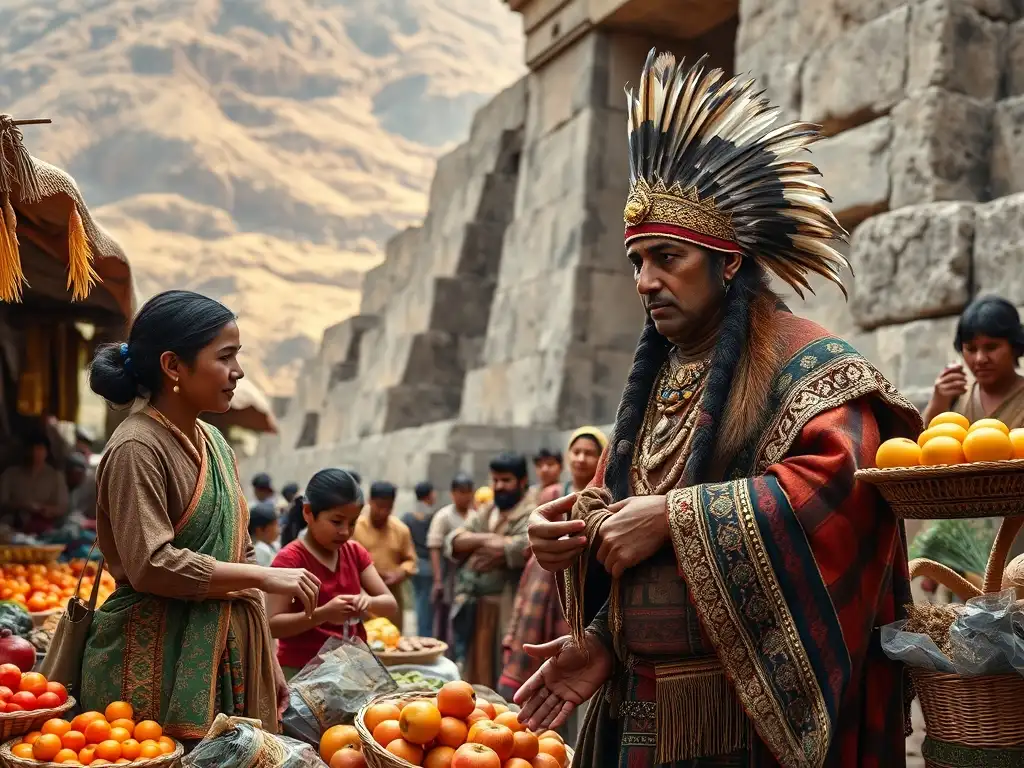
The rigid hierarchical structure of Inca society profoundly impacted the daily lives of its citizens. Every individual's role, responsibilities, and access to resources were predetermined by their social standing, creating a highly organized, yet potentially inflexible, system. This intricate social organization, while contributing to the empire's impressive achievements in infrastructure and administration, also dictated the very fabric of daily existence, from family dynamics to religious practices.
Understanding this impact is crucial to grasping the complexity of Inca civilization and its lasting legacy. The keyword "Inca social classes structure" is central to this understanding, as it highlights the interwoven nature of social standing and daily routines.
Inca family structures were deeply intertwined with the overall social hierarchy. The ayllu, a kinship-based community, formed the bedrock of Inca society. Membership in an ayllu dictated many aspects of an individual's life, including land allocation, labor obligations, and social standing. Within the ayllu, roles were clearly defined based on age, gender, and social class.
Men, particularly those of higher social standing, often held positions of authority within the community or served in the military. Women, while not excluded from significant roles, primarily focused on domestic duties, textile production, and agricultural labor. Children's roles varied with age, starting with assisting in household chores and gradually assuming more responsibilities as they matured.
The social mobility within the ayllu was limited, with most individuals remaining within their established social strata throughout their lives. This rigid structure ensured social stability, but also limited individual advancement opportunities. Detailed records on the precise distribution of roles within different ayllu based on social strata are [specific information pending], but archaeological evidence suggests a high degree of organization and specialization.
Inca customs and traditions were inextricably linked to their social structure. Religious practices, festivals, and even everyday rituals reinforced the hierarchical order. For example, the elaborate ceremonies honoring the Inca emperor served not only as religious observances but also as powerful displays of the emperor's supreme authority and the subjects' unwavering loyalty. Social norms dictated appropriate behavior based on one's social standing.
Respect for elders and authority figures was paramount, and disobedience could lead to severe consequences. The Inca state meticulously regulated various aspects of daily life, from clothing styles and adornments (clearly indicating social status) to marriage practices and inheritance laws. These regulations were designed to maintain social order and reinforce the existing power structure.
The Inca social classes structure also influenced artistic expression, with elite craftsmanship often reserved for items associated with the upper echelons of society. The precise details of many social norms are unfortunately lost to time, but surviving artifacts and accounts from Spanish chroniclers offer valuable glimpses into this complex system. For instance, the use of specific textiles or jewelry indicated social rank, providing clear visual markers of the Inca social classes structure.
The Inca social structure, despite the empire's ultimate collapse, left a lasting impact on the Andean region. While the Spanish conquest dramatically altered the social landscape, elements of the ayllu system and the emphasis on community cooperation persisted in many forms. The Inca's emphasis on collective responsibility and resource management continues to resonate in certain Andean communities today.
The hierarchical structure, though modified, still influences social dynamics in some regions. The legacy of the Inca social classes structure is evident not only in the enduring social organization of certain communities but also in the archaeological remains and the cultural memory of the Andean people. Understanding this legacy requires a nuanced approach, acknowledging both the positive aspects of community cohesion and the potential limitations imposed by a rigid social hierarchy.
Further research into contemporary Andean communities could offer valuable insights into the long-term effects of the Inca social structure, providing a more complete picture of its enduring legacy. The impact of the Inca social classes structure is a complex and multifaceted subject that continues to fascinate and challenge researchers.
The Inca social structure, while seemingly rigid in its hierarchical organization, reveals a surprising degree of complexity upon closer examination. The system wasn't merely a static pyramid; it was a dynamic interplay of reciprocal obligations, social mobility (albeit limited), and adaptation to diverse conquered populations. Understanding the intricate web of ayllus, kinship ties, and specialized roles provides a more nuanced perspective on Inca societal organization than simple class distinctions might suggest.
The Inca social classes structure wasn't solely about power and privilege, but also about maintaining social order and ensuring the efficient functioning of the empire. Further research into specific ayllus and their interactions with the central administration would undoubtedly illuminate further aspects of this fascinating system. The Inca’s masterful integration of conquered peoples, while often achieved through coercion, also involved strategies of incorporation and accommodation, reflecting a sophisticated understanding of social engineering.
This multifaceted approach to governance contributed significantly to the empire's remarkable expansion and longevity. The Inca social classes structure, therefore, wasn't just a tool of control, but also a crucial element of the empire's success.
Several key points emerge from our analysis of the Inca social classes structure:
- The Emperor at the Apex: The Sapa Inca held absolute power, considered a divine figure and the ultimate authority. His family and lineage played a crucial role in maintaining the legitimacy of his rule.
- The Nobility ( Kurakas and Apus): This elite group, comprising both Inca and conquered elites, held significant land and power, acting as administrators and intermediaries between the emperor and the common people. Their influence extended across various aspects of Inca life, from religious ceremonies to economic production.
- The Commoners (Yanaconas and Hatunrunas): The vast majority of the population belonged to this group, organized into ayllus (kinship-based communities). They were responsible for agricultural production, construction projects, and other essential tasks. While their lives were structured by their obligations to the empire, they weren't entirely powerless, possessing certain communal rights and participating in ayllu decision-making processes.
- Specialized Groups: The Inca system also accommodated specialized groups, such as artisans, priests, and soldiers, who held positions of varying prestige and influence depending on their skills and contributions to society. These individuals often enjoyed a higher standard of living compared to commoners.
- Slaves (Yanaconas): While not a large portion of the population, slaves existed within the Inca Empire. Their status was often hereditary, and their labor was crucial for certain tasks. However, the treatment of slaves varied depending on the context.
| Social Class | Description | Role | Status |
|---|---|---|---|
| Sapa Inca | Emperor, considered divine | Supreme ruler, religious leader | Highest |
| Nobility | Inca and conquered elites | Administrators, intermediaries | High |
| Commoners | Majority of the population, organized in ayllus | Agricultural production, construction, etc. | Middle |
| Specialized Groups | Artisans, priests, soldiers | Specific skills and services to the empire | Varied, often higher than commoners |
| Slaves ( Yanaconas) | Individuals in hereditary servitude | Labor in various tasks | Lowest |
The Inca social classes structure was a complex system that evolved over time, adapting to the challenges and opportunities presented by the empire's expansion. Understanding its nuances is crucial for comprehending the Inca civilization's achievements and eventual decline.
The Inca social structure profoundly impacted the course of Andean history, shaping the political, economic, and cultural landscape for centuries after the empire's fall. The legacy of the ayllu system, for instance, continues to resonate in many Andean communities today, influencing their social organization and land tenure practices. The hierarchical structure, while dismantled after the Spanish conquest, left an enduring imprint on power dynamics within Andean societies.
The Inca’s emphasis on centralized control and efficient resource management influenced subsequent administrative systems, even under colonial rule. Furthermore, the Inca's sophisticated infrastructure projects, built by the labor of the commoners, left a lasting physical legacy visible across the Andes even today – a testament to the effectiveness of their social organization in mobilizing resources and manpower. The social stratification, while contributing to the empire's strength and stability, also sowed the seeds of internal tensions and vulnerabilities that ultimately contributed to its downfall.
The complex interplay of social classes and hierarchies remains a key topic of study for understanding the long-term consequences of Inca rule and its impact on the historical development of the Andes. The echoes of this intricate system continue to shape Andean societies, making its study essential for a complete understanding of the region's rich and complex history.
Frequently Asked Questions
The Inca social structure was primarily based on a rigid hierarchical system, with the Sapa Inca at the apex. This system dictated social roles, responsibilities, and access to resources, reflecting a strong belief in the divine right to rule.
While the exact number is debated, the Inca social structure generally consisted of at least three main classes: the royal family and nobility (the elite), the commoners (the majority), and the yanaconas (a distinct group with a specialized status).
What was the role of the Sapa Inca in Inca society?
The Sapa Inca was the supreme ruler, considered a divine figure and the head of the state and religion. He controlled all aspects of life, from land distribution to religious ceremonies, maintaining absolute power.
The mit'a system, a form of mandatory labor, impacted all social classes. While the elite were exempt from strenuous tasks, commoners were required to contribute labor to public works projects or serve in the army, supporting the empire's infrastructure and defense.
The Spanish conquest drastically altered the Inca social structure, replacing the existing hierarchy with a colonial system. The traditional power structures were dismantled, leading to significant social and economic upheaval for the Inca people.
The intricate social hierarchy of the Inca Empire, far from being a relic of the past, offers a powerful lens through which to examine contemporary societal structures and the enduring human need for order and organization. Understanding the complexities of Inca class divisions—from the Sapa Inca at the apex to the commoners at the base—provides crucial insights into the dynamics of power, social mobility, and the very nature of civilization itself. The echoes of their system resonate even today.
The Inca's sophisticated system of ayllu communities and the reciprocal obligations within them, while vastly different from our modern systems, still speaks to the fundamental human desire for community and mutual support. The strength of a nation derives from the integrity of the home.
This quote, though not directly from Inca sources, reflects the underlying principle of their social structure: a strong foundation built on interconnectedness and shared responsibility. The enduring legacy of the Inca's social engineering continues to inspire discussions about equitable resource distribution and the importance of community in building a thriving society.
Consider the implications of the Inca system for your own life. How does your understanding of their hierarchical structure inform your perspective on social inequality and the distribution of power in your own community? What steps can you take to foster a more equitable and interconnected society, drawing inspiration from both the successes and shortcomings of the Inca model? Let the legacy of the Inca Empire challenge you to build a more just and compassionate world, one where the principles of community and mutual support are not just historical relics, but living realities.
**Unveil the Rich Tapestry of Inca Life! **
Thank you for exploring the fascinating world of Inca social structures! You've already delved into the intricate class system and hierarchies that defined their civilization. To further enrich your understanding, consider these suggestions:
- **Delve deeper into Andean history:** Learn more about daily life in the Inca Empire and how its social structure influenced its art, culture, and traditions. For example, consider researching the roles of specific social groups in agricultural practices or religious ceremonies.
- **Share your knowledge:** Discuss your insights with friends or join an online forum dedicated to Andean civilizations to connect with other enthusiasts. Sharing your discoveries can deepen your own understanding and spark lively discussions.
- **Experience the Inca firsthand:** Plan a visit to historical sites in Peru, or explore high-quality documentaries that vividly portray the Inca Empire and its people. Immersive experiences can bring the past to life in a powerful way.
Which aspect of Inca society most captivates you, and how do you believe its legacy continues to shape modern societies?