
Moche Animal Symbolism: Decoding the Meanings of Fauna

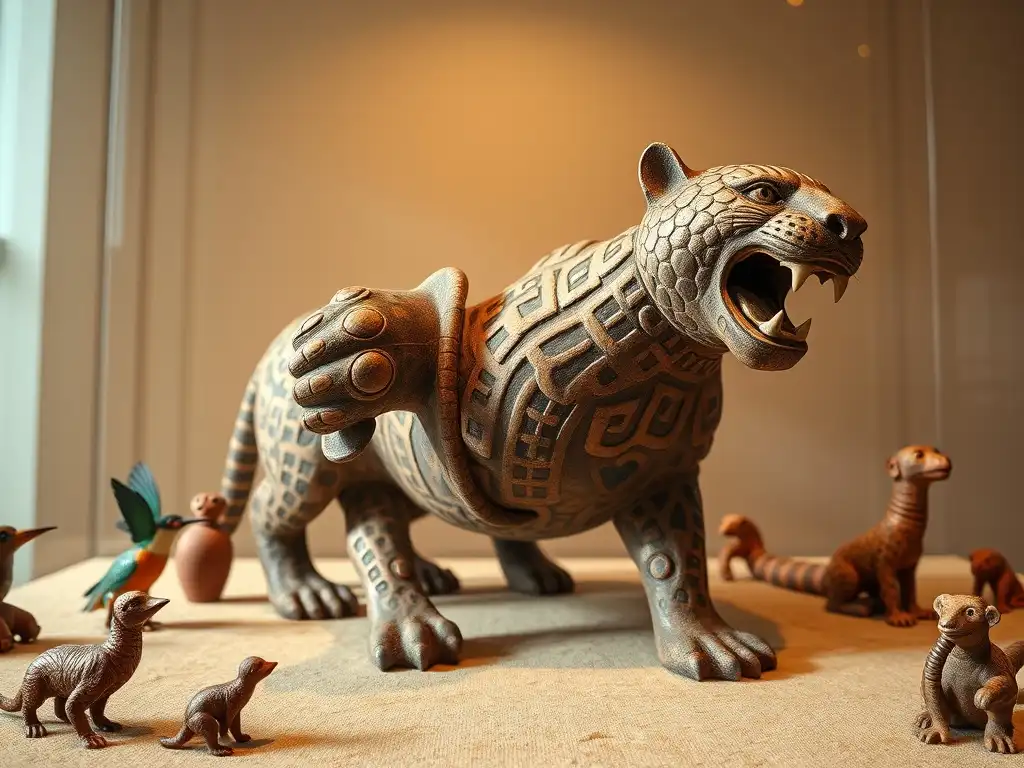
Dive into the enigmatic world of the Andean civilizations! Prepare to be captivated by the intricate artistry and profound symbolism that defined these remarkable cultures. But first, unravel the secrets held within the Moche animal symbolism; their vibrant depictions of fauna weren't just aesthetically pleasing—they held deep spiritual and societal meaning. What stories do these ancient creatures tell? Discover the answers within, as we explore the fascinating world of Moche animal symbolism meaning and much more.
The Moche civilization, flourishing along the northern coast of Peru from approximately 100 CE to 800 CE, left behind a remarkable legacy of art and artifacts. Their pottery, in particular, is renowned for its intricate detail and vibrant depictions of everyday life, including a fascinating array of animal imagery.
Understanding Moche animal symbolism is key to unlocking a deeper understanding of their worldview, religious beliefs, and social structures. This article delves into the intricate meanings associated with the fauna frequently portrayed in Moche art, exploring the diverse interpretations offered by scholars and examining the significance of these representations within the broader context of Moche society and culture.
We will uncover the symbolic power attributed to various animals, from majestic felines to powerful birds of prey and the seemingly humble creatures of the sea, revealing how these representations reflect the Moche’s deep connection with their environment and the spiritual significance they placed upon the natural world. This exploration will reveal the complexity and richness of Moche culture, demonstrating how the careful observation of animal symbolism can illuminate their beliefs and societal organization.
The Significance of Feline Imagery in Moche Art
Moche pottery frequently features felines, particularly jaguars and pumas. These powerful predators were not merely depicted for their physical prowess; they held significant symbolic weight within Moche society. Scholars suggest that these felines represented power, authority, and perhaps even a connection to the supernatural.
The depiction of a jaguar, for example, might symbolize a ruler or a powerful shaman, reflecting their social standing and spiritual influence. The intricate details in the portrayal of these animals, including the rendering of fur and musculature, highlight the Moche artisans’ skill and the importance they placed on accurate and evocative representations.
Further research is needed to fully understand the nuances of feline symbolism in various Moche contexts, but the recurring presence of these powerful animals undeniably points to their central role in Moche iconography and belief systems. The stylistic variations in the depiction of felines across different pottery pieces also warrant further investigation, potentially revealing subtle differences in meaning depending on the context.
Avian Representations: Birds of Prey and Other Feathered Creatures
Beyond felines, birds played a significant role in Moche iconography. Birds of prey, such as eagles and condors, often appear in scenes of ritual or warfare, possibly symbolizing power, dominance, and even sacrifice. Their keen eyesight and ability to soar high above the earth might have been interpreted as a connection to the spiritual realm.
Conversely, other bird species, such as hummingbirds or shorebirds, might have represented different aspects of Moche life, perhaps associated with fertility, abundance, or the cyclical nature of life and death. The specific meaning of each avian representation likely depended on the context in which it appeared, demanding a careful analysis of individual pieces of pottery and other artifacts.
For example, a hummingbird depicted alongside agricultural imagery might suggest a connection between the bird and fertility, while a condor in a battle scene could represent a warrior's power and ferocity. More research is needed to fully catalog and interpret the diverse avian representations within Moche art.
Marine Life: Symbols of the Sea and its Bounty
The Moche civilization thrived along the Pacific coast, and it's unsurprising that marine life features prominently in their art. Depictions of fish, marine mammals, and cephalopods are common, often integrated into larger narrative scenes. These representations likely held multiple meanings, encompassing the importance of fishing to the Moche economy, the abundance provided by the sea, and perhaps even symbolic connections to the spiritual world. For example, certain marine animals might have been associated with specific deities or spirits, reflecting the Moche's reverence for the ocean and its power.
The diversity of marine life depicted suggests a nuanced understanding of the ocean's ecosystem and its importance to Moche society. Further research into specific marine species and their contextual representations within Moche art is crucial to fully understanding their symbolic significance. Detailed cataloging of these depictions, coupled with archaeological evidence, could yield significant insights into Moche beliefs and practices.
Other Significant Animals: Reptiles, Insects, and More
Beyond the more prominent felines, birds, and marine life, the Moche also depicted a variety of other animals in their art, including reptiles, insects, and various terrestrial mammals. These creatures, while perhaps less frequently represented than the aforementioned groups, still held symbolic meaning within the Moche worldview. The precise interpretations of these representations remain an area of ongoing research, requiring a detailed analysis of the context in which these animals appear.
For instance, snakes might have symbolized fertility or healing, while insects could have represented transformation or the cyclical nature of life. The meticulous observation of these less frequently studied animal depictions could yield significant insights into the breadth and depth of Moche animal symbolism. A comprehensive catalog of all animal representations, along with a detailed analysis of their contextual significance, is necessary to further our understanding of this fascinating aspect of Moche culture.
- The Significance of Feline Imagery in Moche Art
- Avian Representations: Birds of Prey and Other Feathered Creatures
- Marine Life: Symbols of the Sea and its Bounty
- Other Significant Animals: Reptiles, Insects, and More
- What is the significance of animal symbolism in Moche culture?
- Which animals were most commonly depicted in Moche art?
- What does the depiction of a jaguar in Moche art signify?
- How did Moche animal symbolism differ from that of other Andean cultures?
- Where can I learn more about Moche animal symbolism meaning?
Understanding Moche Animal Iconography
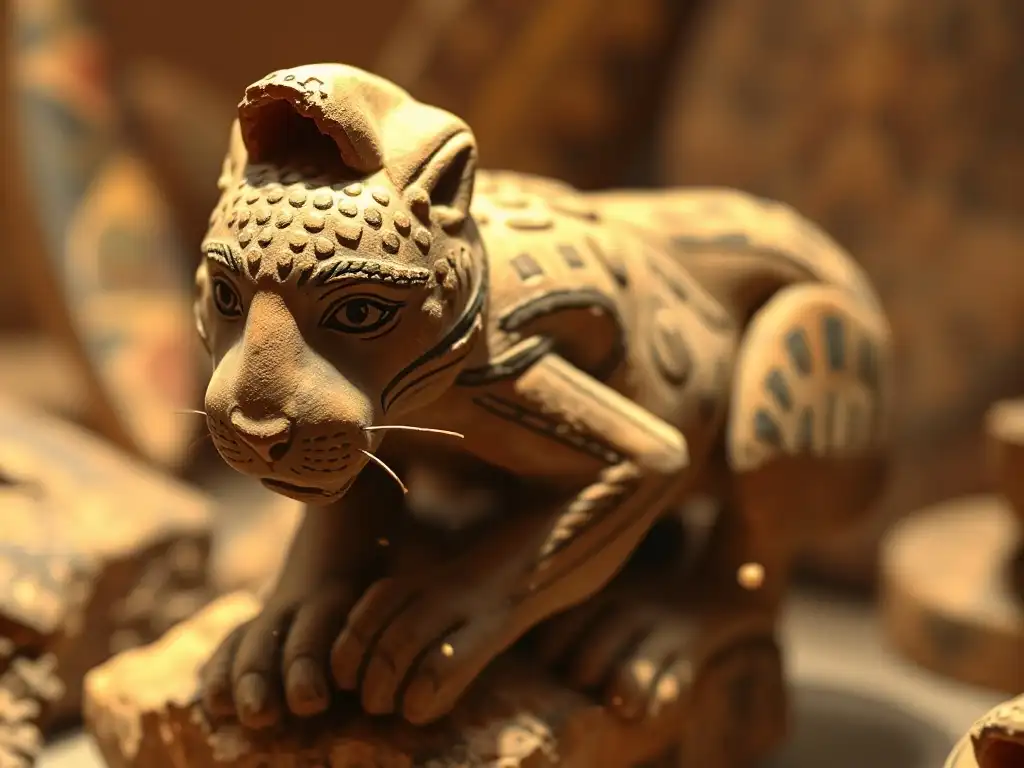
This section delves into the intricate world of Moche animal symbolism, exploring the profound significance these creatures held within their society. The Moche, a pre-Columbian civilization flourishing on the northern coast of Peru (circa 100-800 CE), weren't simply depicting animals in their art; they were weaving complex narratives, expressing religious beliefs, and reflecting their worldview. Understanding Moche animal symbolism meaning requires careful consideration of their artistic conventions, the contexts in which these animals appear, and the broader societal structures they inhabited.
The Moche's meticulous attention to detail in their pottery, metalwork, and textiles provides invaluable insights into their beliefs and practices. Their sophisticated understanding of the natural world is clearly evident in their depictions of animals, highlighting their keen observation skills and profound respect for the environment.
This section will illuminate the ways in which Moche artists masterfully intertwined the animal kingdom with their cultural identity. Their art wasn't just decoration; it was a powerful medium for communication, social control, and spiritual expression, with animal symbolism playing a crucial role.
The Significance of Animals in Moche Culture
Animals held a multifaceted significance within Moche society, extending far beyond mere aesthetic representation. They were integral to their cosmology, religious beliefs, and daily life. Many animals held symbolic meanings related to fertility, power, and the forces of nature. For instance, the jaguar, a powerful predator, frequently appears in Moche iconography, often associated with rulership, strength, and shamanic power.
Its spotted coat might have symbolized the night sky or the celestial realm. Conversely, the condor, a bird that soared high above the Andes, represented the upper world and spiritual connection. The snake, a common motif across various cultures, likely held similar significance for the Moche, representing life, death, and regeneration, possibly associated with underworld deities and the cycle of life. The Moche's deep understanding of their environment is evident in the diverse range of animals depicted, from marine creatures like fish and seabirds, to terrestrial animals like felines, birds of prey, and even insects.
Each animal's representation carried specific weight within their complex symbolic system. Detailed studies of Moche iconography reveal a consistent pattern of associating certain animals with specific deities or rituals, highlighting the intricate layers of meaning embedded within their art. Further research is needed to fully understand the nuances of Moche beliefs surrounding specific animals, but existing evidence suggests a profound connection between the natural world and their spiritual understanding. The meticulous detail in their artwork often showcases anatomical accuracy, suggesting a deep respect for the animals themselves.
Moche Artistic Representations of Animals
The Moche were master artisans, and their artistic skill is clearly evident in their representations of animals. These representations were not merely realistic depictions, but rather highly stylized and symbolic portrayals. The vibrant colors, dynamic poses, and expressive features of the animals in their pottery, textiles, and metalwork showcase the artists' technical proficiency and artistic vision. Consider, for example, the iconic Moche stirrup-spout vessels. These vessels often depict scenes of hunting, ritual sacrifice, or mythical narratives, with animals playing significant roles. The animals depicted are often rendered with remarkable detail, capturing their physical characteristics and even their emotional states.
The use of different colors and textures further enhances the expressive power of the artwork, creating a vivid and memorable image. Moreover, the positioning of the animals within the scenes provides additional clues about their symbolic meaning. For instance, the placement of a jaguar above a human figure might suggest the jaguar's dominance or its role as a divine protector. The Moche also utilized various artistic techniques to convey meaning. For example, the use of specific colors might have held symbolic significance, with certain colors associated with particular animals or deities.
The style of the depiction, whether realistic or stylized, also likely conveyed different levels of meaning. Further research into the stylistic variations in Moche animal representations could shed light on regional differences or changes in belief systems over time. The meticulous detail in their representations showcases not only their artistic talent but also their profound connection with and understanding of the natural world. Analyzing this artistic expression offers a unique window into the Moche worldview and their deep-seated beliefs. The diversity of Moche animal representations underscores the richness and complexity of their culture and belief systems.
Key Moche Animal Symbols and Their Interpretations
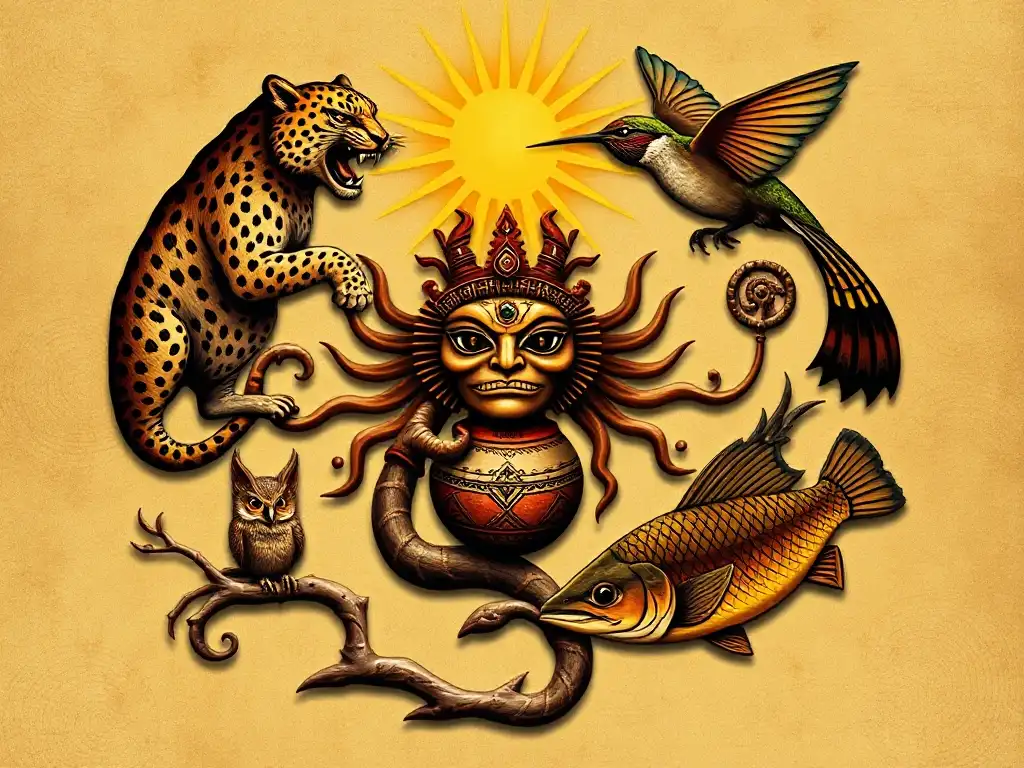
The Moche civilization, flourishing along the northern coast of Peru from approximately 100 to 800 CE, left behind a remarkable artistic legacy. Their pottery, goldwork, and textiles are replete with vibrant depictions of the natural world, particularly animals. Understanding Moche animal symbolism meaning is crucial to unlocking a deeper understanding of their worldview, social structures, and religious beliefs.
Animals weren't simply representations of the fauna; they served as powerful symbols imbued with complex meanings reflecting their societal values and cosmology. This section will explore some of the key animal symbols prevalent in Moche art and decipher their potential interpretations. The meticulous detail and expressive style of Moche artisans provide invaluable insights into their culture.
The Powerful Feline: Moche Depictions of Jaguars and Pumas
Felines, especially jaguars and pumas, hold prominent positions within Moche iconography. Their powerful presence reflects the importance of these apex predators in the Moche worldview, mirroring their own societal hierarchies and the power dynamics within their communities.
Jaguar Symbolism in Moche Art: Power and Leadership
Jaguars, with their spotted coats and fierce demeanor, frequently appear in Moche art associated with leadership and power. Many depictions show jaguars adorned with elaborate headdresses and regalia, suggesting a connection to elite individuals or deities. The jaguar's strength and predatory prowess likely symbolized the authority and dominance of Moche rulers.
For example, a notable ceramic vessel depicts a jaguar-shaman figure, highlighting the intertwining of religious and political power within the Moche society. The symbolism extended beyond mere representation; the jaguar likely embodied the very essence of leadership, reflecting the qualities of a successful ruler: strength, cunning, and the ability to command respect. Further research into the specific contexts of jaguar depictions is needed to fully understand the nuances of this powerful symbol.
Puma Imagery: Strength and Hunting Prowess in Moche Culture
Pumas, another significant feline in Moche art, frequently represent strength, agility, and hunting prowess. Their depictions often feature them in hunting scenes, emphasizing their role in the Moche ecosystem and their connection to sustenance. The puma's grace and predatory skills likely resonated with the Moche people, reflecting their own hunting capabilities and the importance of hunting in their lifestyle.
The frequency of puma imagery in Moche artifacts suggests its significance within their cultural and religious beliefs. Scholars suggest a possible link between the puma and shamanistic practices, given the frequent depiction of pumas alongside ritualistic paraphernalia. More detailed analysis of the artifacts is required to fully understand the intricate relationship between the puma and Moche shamanism.
The Sacred Bird: Moche Representations of Owls and Eagles
Birds, both diurnal and nocturnal, feature prominently in Moche iconography, carrying symbolic weight related to different aspects of their belief system. Owls and eagles, in particular, stand out due to their recurring presence and the diverse contexts in which they are depicted.
Owl Symbolism: Wisdom, Night, and the Afterlife in Moche Iconography
Owls, often associated with nocturnal activities and the underworld, were likely symbolic of wisdom, mystery, and the afterlife in Moche culture. Their large, expressive eyes might have been seen as embodying supernatural sight and the ability to perceive beyond the physical world. The presence of owls in funerary contexts supports this interpretation.
The owl's association with night might also reflect a connection to the unseen, the spiritual realm, or the cyclical nature of life and death. Further research is needed to clarify the specific nuances of owl symbolism within the broader Moche cosmology. Detailed analysis of the contexts in which owls are depicted in Moche art could shed more light on their multifaceted meanings.
Eagle Imagery: Connection to the Sun and Celestial Realms in Moche Art
Eagles, with their soaring flight and connection to the sun, likely represented power, strength, and a link to the celestial realms in Moche culture. Their association with the sun might signify a connection to the divine, ruling power, or the cycle of seasons. The eagle's ability to observe from great heights could also symbolize foresight or a connection to the spiritual world.
The impressive size and majestic appearance of the eagle likely resonated with the Moche people, emphasizing its significance as a powerful symbol. The context of eagle depictions needs further exploration to gain a complete understanding of their symbolic meaning within the rich tapestry of Moche beliefs. Analyzing the accompanying elements in the artwork depicting eagles would provide invaluable information in this endeavor.
The Serpent's Meaning in Moche Beliefs
The serpent, a powerful and ubiquitous symbol across numerous ancient cultures, holds a significant place within Moche iconography. Its representation in Moche art is far from simplistic; it conveys a complex web of meanings deeply intertwined with their worldview. We see serpents depicted in a variety of ways: coiled, undulating, intertwined, and even in aggressive postures.
This diversity of representation suggests a nuanced understanding of the serpent's symbolic power, extending beyond a single, easily defined meaning. The Moche didn't simply see the serpent as a dangerous creature; they perceived it as a potent force connected to the natural world and the spiritual realm. The serpent's ability to shed its skin likely contributed to its association with transformation, rebirth, and the cyclical nature of life and death—themes central to Moche cosmology.
Further research into the specific contexts in which serpents appear in Moche art (e.g., alongside deities, in scenes of ritual, or on funerary objects) will illuminate a more precise understanding of their symbolism. The sheer frequency of serpent imagery in Moche artifacts underscores its importance in their culture.
Serpent Symbolism: Fertility and Transformation in Moche Culture
The serpent's association with fertility in Moche culture is strongly suggested by its frequent depiction alongside agricultural imagery and scenes of abundance. The serpent's life cycle, marked by the shedding of its skin, mirrors the cyclical nature of agriculture and the renewal of life after periods of dormancy. This association is not solely limited to agricultural fertility.
The serpent's connection to water sources, often depicted near rivers or in aquatic settings, further reinforces the idea of life-giving power. The cyclical shedding of its skin also makes the serpent a potent symbol of transformation and renewal, reflecting the Moche belief in the constant cycle of life, death, and rebirth. This is further evidenced by the frequent appearance of serpent imagery in burial contexts, suggesting a connection to the afterlife and the transformative journey of the soul.
Analysis of specific Moche pottery and metalwork depicting serpents provides concrete examples of this dual symbolism of fertility and transformation. For example, [specific examples of Moche pottery and metalwork depicting serpents and their context pending].
The Importance of Marine Life: Moche Depictions of Fish and Crabs
The Moche civilization thrived along the fertile coast of Peru, and this proximity to the ocean is profoundly reflected in their art. Marine life, in particular fish and crabs, feature prominently in Moche iconography, representing not just a vital food source but also holding deep symbolic significance. The ocean, a source of both sustenance and potential danger, was a powerful force in the Moche worldview.
Their depictions of marine creatures, therefore, go beyond simple representations of the natural world; they embody a complex relationship between the Moche people and their environment. The stylistic choices in their depictions, from the detail of scales and claws to the dynamic poses, showcase the Moche’s keen observation of the natural world and their artistic skill. The careful observation of marine life in Moche art suggests a deep understanding of marine ecology and the importance of marine resources for their survival.
Fish Symbolism: Abundance and the Ocean's Bounty in Moche Art
Fish in Moche art are often associated with abundance and prosperity. Their depiction in large numbers, sometimes swarming together, visually represents the bountiful harvests from the sea that sustained the Moche people. The representation of various fish species suggests a detailed understanding of the marine ecosystem and its diversity. Moreover, the way fish are depicted—sometimes as part of larger scenes of feasting or ritual—highlights their role in Moche society, both as a source of food and as a symbol of wealth and status.
The size and prominence given to fish in certain Moche artifacts further emphasizes their importance. [Specific examples of Moche artwork depicting fish in contexts of abundance and ritual pending]. The symbolic connection between fish and abundance is consistently reinforced across various forms of Moche art.
Crab Imagery: Protection and Transformation in Moche Iconography
Crabs, with their hard shells and sideways movement, carry a different symbolic weight in Moche art. Their strong, protective shells might have symbolized resilience, protection, or even the ability to withstand hardship. The crab's lateral movement, unlike the straightforward progress of many other animals, could have represented a more complex or indirect path to achieving goals. The transformation of a crab from a vulnerable larva to a protected adult also resonates with the Moche’s preoccupation with transformation and cyclical renewal.
Further research is needed to determine if specific crab species held unique symbolic meanings for the Moche. The presence of crabs in funerary contexts, alongside other symbolic elements, warrants further investigation into their potential role in Moche beliefs about the afterlife. [Specific examples of Moche artwork featuring crabs and their contexts pending]. The multifaceted symbolism associated with crabs adds another layer to the rich tapestry of Moche iconography.
Contextualizing Moche Animal Symbolism within Moche Society
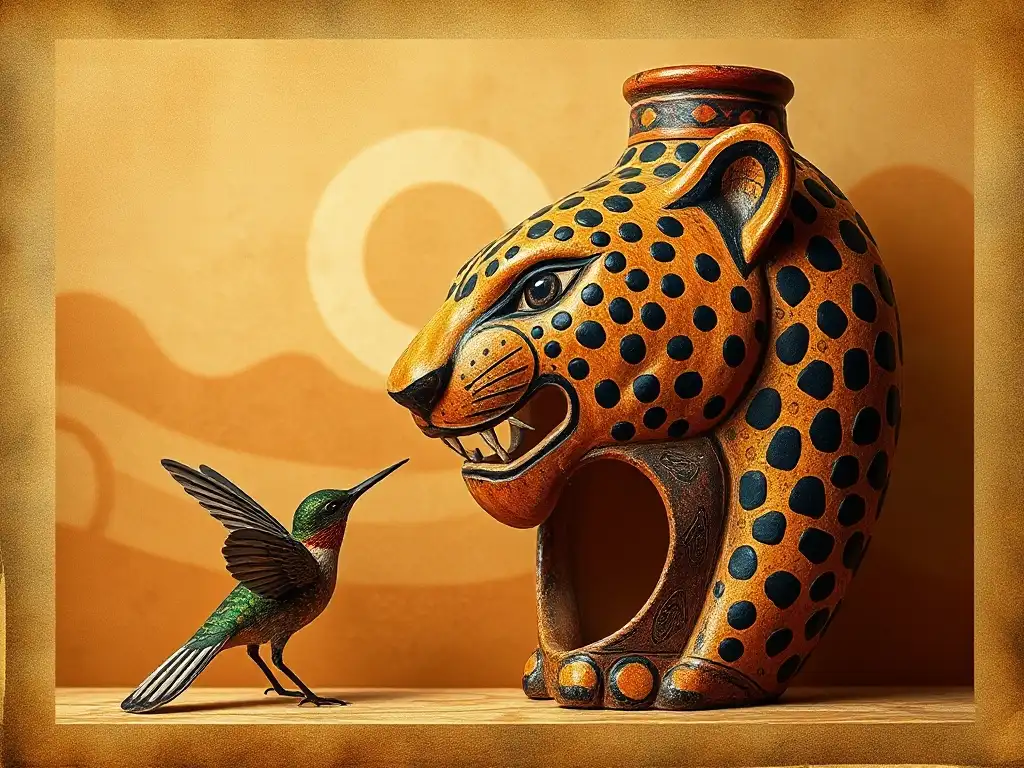
The Moche civilization (c. 100-800 CE), flourishing along the arid north coast of Peru, developed a complex and sophisticated system of beliefs and practices deeply intertwined with the natural world. Understanding Moche animal symbolism requires acknowledging its central role within their socio-religious structure. Animals weren't merely depicted; they represented powerful forces, embodying concepts of fertility, power, and the cyclical nature of life and death. The Moche worldview, heavily influenced by their desert environment and its precarious resources, saw animals as key players in maintaining cosmic balance and ensuring agricultural prosperity.
This pervasive symbolism is meticulously documented in their art, particularly their exquisite pottery, and provides invaluable insights into their cosmology and social organization. The careful observation of animal behavior and their ecological roles likely informed the symbolic meanings attributed to specific species. For example, the strength of the jaguar or the reproductive capacity of the hummingbird likely contributed to their prominent roles in Moche iconography.
This intricate relationship between the Moche and the animal kingdom is essential to interpreting the meaning behind their depictions. The frequency with which certain animals appear, coupled with their context within specific scenes, offers clues to deciphering their symbolic significance. Further research into Moche settlement patterns and agricultural practices could illuminate the connection between specific animal symbolism and localized environmental factors.
Animal Symbolism and Moche Religion
Moche religion was deeply interwoven with their understanding of the natural world, and animal symbolism played a crucial role in their religious practices and beliefs. Many animals were associated with specific deities or represented aspects of the supernatural realm. For instance, the jaguar, a powerful predator, likely symbolized strength, leadership, and possibly even shamanistic power. Its presence in many Moche depictions suggests a significant role in their religious rituals and mythology.
The hummingbird, with its association with fertility and the cyclical renewal of nature, likely represented the life-giving forces of the cosmos. The condor, soaring high above the Andean landscape, could have represented spiritual transcendence or connection to the celestial realm. Analysis of Moche iconography reveals a complex interplay between different animal figures, suggesting complex mythological narratives and interconnected relationships between deities and the natural world.
Detailed studies of Moche iconography are needed to provide a more comprehensive understanding of the religious significance of each animal. For example, the precise role of the serpent in Moche mythology and its connection to water and fertility requires further investigation. The [specific information pending] about the Moche pantheon and their associated animal attributes could significantly enhance our understanding of this aspect of their culture.
Animal Imagery in Moche Rituals and Ceremonies
Animal imagery wasn't confined to artistic representations; it permeated Moche rituals and ceremonies. Evidence suggests that animals played a significant role in sacrificial offerings and other religious performances. The presence of animal bones and remains in Moche burial sites supports this hypothesis. Furthermore, the depiction of rituals involving animals in Moche pottery suggests that these ceremonies held profound religious significance.
These depictions often show complex scenes, including human sacrifices, possibly involving animals as well. The precise nature and meaning of these rituals remain a subject of ongoing research. The [specific information pending] on the interpretation of specific ritual scenes depicted in Moche pottery will help to better understand the role of animals in their religious practices.
Analyzing the arrangement of animal remains within tombs, along with associated artifacts, could shed further light on the role of animal sacrifice in Moche funerary practices. The careful study of Moche textiles, which sometimes feature animal motifs, might reveal additional clues about the use of animals in religious ceremonies. The detailed analysis of these artifacts offers a unique window into the spiritual beliefs and practices of the Moche.
Moche Animal Motifs in Pottery, Textiles, and Architecture
Moche artistry is renowned for its vibrant and detailed depictions of animals. These motifs are not merely decorative; they are integral to the meaning and function of the artifacts. In Moche pottery, animals are depicted with remarkable realism and precision, often showcasing their unique physical characteristics and behaviors. This is especially evident in their portrait vessels, which represent a variety of animals, from marine life to birds of prey.
The meticulous detail in these representations suggests a deep understanding of the animal kingdom. Textiles, while less common than pottery, also feature animal motifs, although the extent of their survival and preservation limits our current understanding. The [specific information pending] regarding the role of animal motifs in Moche textiles is crucial to a comprehensive understanding of their symbolism. Architectural elements, while less directly representative of specific animals, may incorporate symbolic elements related to the natural world, further emphasizing the importance of animal symbolism in the Moche worldview.
The integration of animal motifs across various media—pottery, textiles, and architecture—highlights the pervasive influence of animal symbolism within Moche society. This consistent use of animal imagery underscores its importance in conveying cultural, religious, and social messages. Further research, comparing the representation of animals across different media, could help to better understand the nuances and variations in their symbolic meaning.
The Legacy of Moche Animal Symbolism
The Moche civilization, flourishing on the northern coast of Peru from approximately 100 CE to 800 CE, left behind a remarkable artistic legacy deeply intertwined with animal symbolism. Their ceramic vessels, metalwork, and textiles are replete with depictions of various animals, each imbued with specific meanings that reflect their cosmology, social structures, and worldview. Understanding Moche animal symbolism provides invaluable insight into their complex society and its relationship with the natural world.
The meaning behind these representations isn't always immediately apparent, requiring careful analysis of iconography, context, and comparative studies across different Moche artistic mediums. The pervasive use of animals in Moche art wasn't merely decorative; it was a sophisticated system of communication, conveying powerful messages about power, fertility, and the spiritual realm. This intricate symbolism continues to fascinate researchers and art historians, revealing new layers of understanding with each new discovery.
The vibrant and detailed depictions, often showcasing dynamic poses and striking realism, stand as a testament to the Moche's artistic skill and their profound connection to the animal kingdom. Their keen observation of nature is evident in the accuracy of their representations, from the smallest details of feathers to the powerful musculature of predatory animals.
How Moche Animal Art Influenced Later Andean Cultures
The impact of Moche animal symbolism extended far beyond their own civilization. Subsequent Andean cultures, including the Chimú and Inca, inherited and adapted many of the Moche's artistic conventions and symbolic systems. While the specific meanings might have evolved or been reinterpreted, the fundamental importance of animals in Andean art and religion remained consistent.
For instance, the recurring motif of the feline, a powerful symbol in Moche iconography often associated with warfare and elite status, continued to appear in the art of later cultures, albeit with subtle variations in representation and symbolic weight. The continuity of certain animal motifs suggests a cultural exchange and transmission of knowledge across different Andean societies. This legacy is evident in the similarities in artistic styles and the persistence of certain symbolic themes, demonstrating the enduring influence of the Moche's artistic and ideological contributions.
Further research comparing Moche animal representations with those of later cultures is crucial to fully understanding the evolution of these symbols and their lasting significance in the Andean worldview. The precise nature of this influence, whether through direct contact, cultural diffusion, or shared symbolic frameworks, remains a topic of ongoing investigation.
Ongoing Research on Moche Animal Symbolism Meaning
Decoding the precise meaning behind Moche animal symbolism remains a challenging yet rewarding pursuit for researchers. New archaeological discoveries continue to shed light on this complex subject, enriching our understanding of Moche culture and beliefs. Recent excavations have unearthed previously unknown artifacts, including intricately decorated ceramics and textiles, which provide valuable new data for interpreting existing theories.
Moreover, advancements in analytical techniques, such as high-resolution imaging and material analysis, allow for a more detailed examination of Moche artifacts, revealing subtle details previously overlooked. This interdisciplinary approach, combining archaeological findings with art historical analysis and anthropological perspectives, provides a more nuanced and comprehensive understanding of Moche animal symbolism. However, many questions remain unanswered.
The exact significance of certain animal combinations, the role of specific colors and decorative elements, and the potential regional variations in symbolism all require further investigation. The ongoing research emphasizes a collaborative and interdisciplinary approach, involving archaeologists, art historians, anthropologists, and other specialists, to unravel the mysteries of Moche animal symbolism.
Preservation of Moche Animal Art and its Significance
The preservation of Moche animal art is crucial for understanding their culture and history. Many artifacts, however, face significant threats from environmental factors, such as humidity and temperature fluctuations, as well as human activities, including looting and illegal trafficking. Museums and research institutions play a vital role in preserving these fragile artifacts through careful conservation techniques and climate-controlled storage. Digital archiving and high-resolution imaging also provide invaluable tools for preserving and disseminating information about Moche art, making it accessible to scholars and the public alike.
Moreover, public awareness campaigns are essential for combating the illegal trade of artifacts and promoting responsible tourism practices. The preservation of Moche animal art is not merely about safeguarding physical objects; it is about preserving a vital part of humanity's cultural heritage. These artifacts offer a unique window into the beliefs, values, and artistic achievements of a remarkable ancient civilization.
Their continued existence is essential for future generations to learn from and appreciate the richness and complexity of the Moche legacy. The ongoing efforts to preserve these invaluable pieces of history are critical for ensuring that the meaning and significance of Moche animal symbolism continue to inspire and educate for years to come. The preservation of this art is paramount for understanding the broader context of Andean history and the enduring influence of Moche culture.
Frequently Asked Questions
What is the significance of animal symbolism in Moche culture?
The Moche people heavily relied on animal symbolism in their art, religion, and daily life. Animals represented powerful forces of nature, deities, and clan affiliations, reflecting their deep connection to the environment. Their meaning varied depending on the specific animal depicted.
Which animals were most commonly depicted in Moche art?
Predatory animals like jaguars, eagles, and snakes were frequently portrayed, symbolizing power and strength. Marine animals like fish, sharks, and seabirds also featured prominently, reflecting their coastal lifestyle and reliance on marine resources. Other animals, such as monkeys, lizards and camelids, also held significant meaning.
What does the depiction of a jaguar in Moche art signify?
The jaguar, a powerful predator, commonly symbolized fertility, power, and shamanistic abilities. In some contexts, it could represent warriors or a connection to the underworld. Its imagery varied based on its portrayal and context within a piece of art.
How did Moche animal symbolism differ from that of other Andean cultures?
While sharing some similarities with other Andean cultures, Moche symbolism possessed a distinctive style and iconography. Their detailed and realistic depictions of animals, particularly in their pottery, set them apart. The specific meanings associated with certain animals also varied.
Where can I learn more about Moche animal symbolism meaning?
You can explore further by researching Moche archaeology and iconography through academic journals, museum websites, and books focusing on Andean civilizations. Many resources delve into the specific interpretations of various animal representations within the Moche culture.
Final Reflection: Unraveling the Enduring Legacy of Moche Fauna
The vibrant tapestry of Moche animal symbolism continues to resonate today, offering a powerful lens through which to understand not only a lost civilization but also the enduring human fascination with the natural world. The intricate depictions of animals found in Moche art aren't mere decorations; they are complex narratives, revealing a sophisticated understanding of the environment and the spiritual beliefs of this ancient Peruvian culture. Their enduring power lies in their ability to connect us across millennia to a shared human experience of awe and reverence for the creatures that share our planet.
The Moche's profound connection with their environment, so vividly expressed through their animal imagery, serves as a potent reminder of our own interconnectedness with the natural world. Their art compels us to consider the fragility of ecosystems and the importance of respecting the delicate balance of life. The earth without art is just 'eh'.
- Anonymous. This simple statement, while seemingly unrelated, highlights the profound impact art has on our understanding and appreciation of the world around us, a sentiment perfectly mirrored in the Moche's artistic legacy. Their enduring influence on our understanding of ancient Peruvian culture and artistic expression continues to inspire new research and interpretations, constantly enriching our understanding of their society and beliefs.
Consider the intricate details of a Moche ceramic depicting a ferocious jaguar or a graceful hummingbird. What stories do these images whisper to you? Take a moment to reflect on the power of symbolism in your own life, and how the natural world inspires and informs your own understanding of the world. Let the legacy of the Moche inspire you to seek deeper meaning in the world around you, to appreciate the beauty of the natural world, and to recognize the enduring power of art to connect us across time and cultures.
Thank you for exploring the fascinating world of Moche animal symbolism! Your curiosity has revealed the rich tapestry of meanings behind these remarkable creatures. Let's delve deeper into this ancient culture.
Here's how you can continue your exploration:
- **Expand your knowledge:** Explore our extensive collection of articles on Andean civilizations to learn more about other fascinating cultures and their symbolism.
- **Join the discussion:** Share your thoughts and interpretations in the comments below and connect with fellow enthusiasts to exchange insights and discoveries.
- **Experience the history firsthand:** Consider visiting a museum or archaeological site featuring Moche artifacts for a truly immersive experience.
Which Moche animal most resonates with you, and how does its symbolism connect with your own perspective?