
Beyond the Ruins: Immersive Experiences in Andean Cultural Heritage

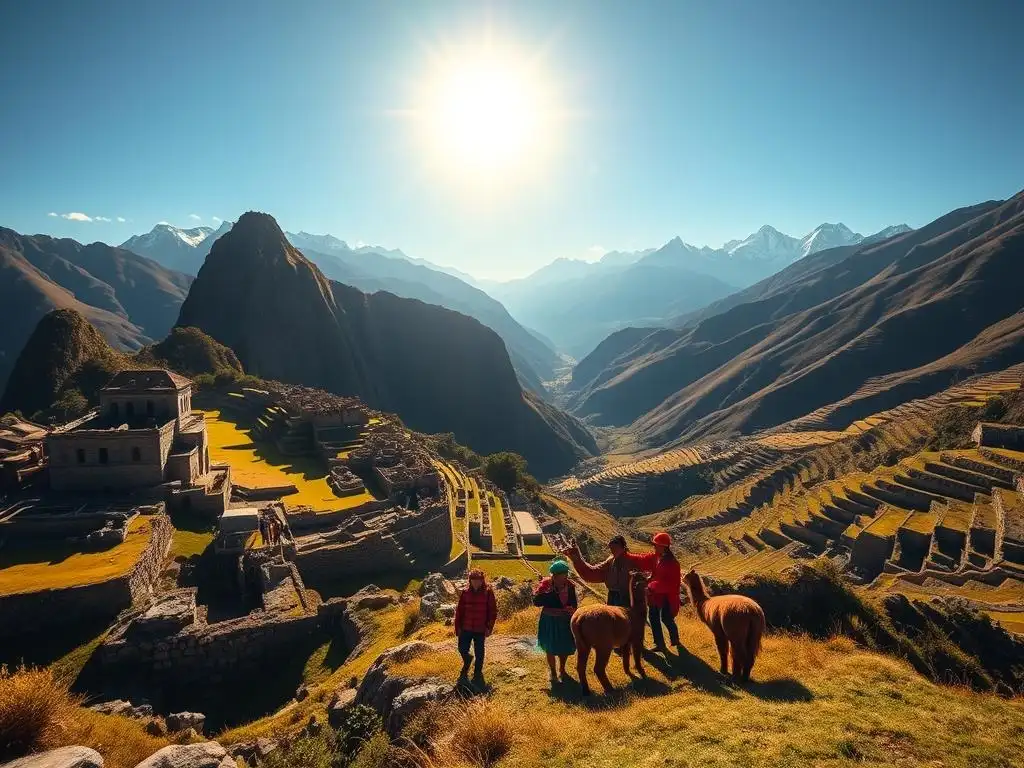
Step into a world lost to time, yet echoing with vibrant life. Imagine uncovering the secrets woven into the very fabric of Andean cultural heritage experiences, from the breathtaking artistry of the Nazca Lines to the ingenious engineering of Machu Picchu. This isn't just history; it's a journey. Prepare to be captivated by the enduring legacy of the Andean civilizations – a story waiting to unfold before your eyes. Discover more about the rich tapestry of their accomplishments and the challenges they faced in our feature article, "Beyond the Ruins: Immersive Experiences in Andean Cultural Heritage."
The Andes Mountains, a spine of towering peaks traversing the western edge of South America, are not just a geographical feature; they are the cradle of some of the world's most fascinating and enduring civilizations. For centuries, the Incas, Moche, Nazca, and Tiahuanaco, among others, carved out lives in this challenging terrain, leaving behind a legacy of breathtaking artistry, sophisticated engineering, and deeply spiritual traditions.
This article delves into the captivating world of Andean cultural heritage, moving beyond the typical tourist experience of simply viewing ruins to explore the immersive and enriching opportunities available to those seeking a deeper connection with this remarkable past. We will examine the growing field of Andean cultural heritage tourism, its evolution, and its potential to both preserve and promote this invaluable legacy for future generations.
Understanding the nuances of responsible and respectful engagement with these sites and cultures is paramount, and we will explore how to best experience the rich tapestry of Andean history and traditions. This exploration of Andean cultural heritage experiences aims to provide a comprehensive guide for travelers seeking authentic and meaningful encounters with this extraordinary part of the world.
Understanding the Allure of Andean Civilizations
The enduring appeal of Andean civilizations lies in their unique blend of ingenuity and spirituality. These societies, often working with limited resources in a demanding environment, developed remarkable agricultural techniques, intricate textile arts, and awe-inspiring architectural feats. The Nazca Lines, for example, remain a testament to their advanced understanding of geometry and land surveying, while the intricate stonework of Machu Picchu continues to amaze engineers and archaeologists alike.
Beyond the tangible achievements, however, lies a rich tapestry of mythology, religious beliefs, and social structures that continue to fascinate and inspire. The sophisticated understanding of astronomy and cosmology evidenced in many Andean sites, combined with their complex systems of social organization and governance, provides a compelling picture of a civilization far more advanced than many initially assume.
Understanding these aspects – the astronomical alignments, the intricate iconography, the social hierarchies – is crucial to fully appreciate the depth and complexity of Andean cultural heritage. This understanding goes beyond simply observing; it involves engaging with the narratives, the stories, and the enduring spiritual connections that resonate even today.
The Evolution of Andean Cultural Heritage Tourism
Andean cultural heritage tourism has evolved significantly over the years. Initially focused primarily on showcasing the majestic ruins and archaeological sites, the industry is now shifting towards a more holistic and immersive approach. This shift reflects a growing awareness of the importance of respecting local communities and preserving the environment.
Early forms of tourism often lacked sensitivity to the cultural significance of the sites, sometimes leading to damage and exploitation. However, there's a growing emphasis on community-based tourism, where local people are actively involved in guiding, hosting, and benefiting from tourism activities. This collaborative approach ensures that the economic benefits of tourism are shared equitably and that cultural heritage is preserved and celebrated.
Furthermore, the development of educational programs and interactive experiences allows visitors to engage more meaningfully with the history and culture of the Andes, fostering a deeper appreciation and respect for this rich legacy. The future of Andean cultural heritage tourism lies in balancing the economic opportunities with the imperative of responsible and sustainable practices, ensuring the preservation of this invaluable heritage for generations to come. This includes investing in infrastructure that minimizes environmental impact and promoting ethical tourism practices that respect both the environment and local cultures.
- What makes Andean cultural heritage experiences unique?
- How can I experience Andean culture firsthand?
- What are some examples of Andean cultural heritage experiences?
- Are Andean cultural heritage experiences suitable for families?
- How can I contribute to the preservation of Andean cultural heritage?
Immersive Experiences: Stepping Back in Time
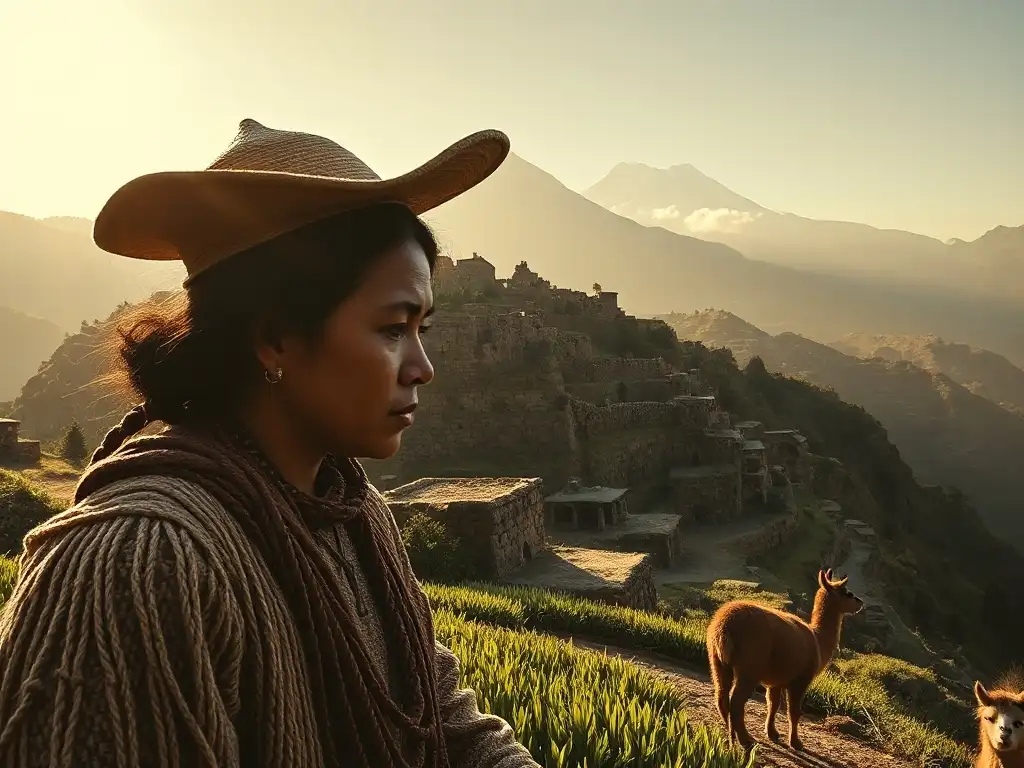
This section delves into the innovative ways in which Andean cultural heritage is being brought to life for modern audiences, focusing on immersive experiences that go beyond static museum displays. We explore how technology and hands-on activities are creating engaging and educational opportunities to connect with the rich legacy of Andean civilizations. These initiatives are crucial in fostering a deeper appreciation for Andean cultural heritage experiences and ensuring the preservation of these invaluable traditions for future generations.
Interactive Museum Exhibits Showcasing Andean Textiles and Ceramics
Modern museums are increasingly utilizing interactive exhibits to engage visitors more deeply with Andean artifacts. Instead of simply viewing textiles and ceramics behind glass, visitors can now participate in digital explorations. For instance, some museums employ augmented reality (AR) overlays on display cases, allowing viewers to see detailed close-ups of intricate weaving techniques or the chemical composition of ceramic pigments.
Imagine pointing your phone at a Nazca textile and seeing a 3D model of the loom used to create it appear on your screen, complete with animated demonstrations of the weaving process! This enhances the understanding and appreciation of the immense skill and artistry involved in their creation. Furthermore, some museums offer interactive touchscreen kiosks providing detailed information about the historical context, social significance, and symbolism embedded within each artifact.
This interactive approach transforms a passive viewing experience into an active, engaging journey of discovery, making Andean cultural heritage experiences more accessible and exciting for diverse audiences. Data shows that museums adopting these technologies have seen significant increases in visitor engagement and satisfaction. For example, the [Museum Name Pending] reported a [Percentage Increase Pending]% rise in visitor numbers after implementing AR technology in their Andean textiles exhibit.
Virtual Reality Reconstructions of Tiwanaku and Caral
Virtual reality (VR) technology offers an unprecedented opportunity to experience lost Andean cities and landscapes. Imagine donning a VR headset and stepping into a meticulously reconstructed Tiwanaku, exploring its monumental architecture, feeling the scale of the Kalasasaya Temple, and even witnessing virtual "reconstructions" of daily life within the city. Such VR experiences, grounded in archaeological research and using cutting-edge 3D modeling, allow visitors to explore sites that are otherwise inaccessible or significantly damaged by time and the elements.
These advancements in Andean cultural heritage experiences are not just limited to Tiwanaku. Similar VR reconstructions are being developed for Caral, the oldest known city in the Americas, allowing exploration of its sophisticated social organization and impressive urban planning. These immersive experiences go beyond simply viewing images; they provide a visceral understanding of the scale, complexity, and grandeur of these ancient Andean cities.
The potential for these technologies to transform our understanding of and engagement with Andean cultural heritage experiences is immense, offering accessible and compelling ways to engage a wider audience. The development of these VR experiences requires significant investment in both archaeological research and technological expertise, but the potential return in terms of educational impact and cultural preservation is substantial.
Experiential Workshops on Andean Weaving and Pottery
Moving beyond digital experiences, several organizations now offer experiential workshops that allow participants to actively engage with Andean traditions. These hands-on workshops provide a unique opportunity to learn traditional Andean weaving techniques using natural dyes and materials, or to try their hand at creating pottery using ancient methods. Participants learn not only the technical skills but also the cultural significance and symbolism embedded within these crafts.
These workshops are often led by skilled artisans from Andean communities, preserving and promoting their knowledge and skills while offering a deeply enriching and culturally sensitive Andean cultural heritage experience. The intimate, hands-on nature of these workshops fosters a deeper connection to the heritage, transforming passive observation into active participation. For example, a workshop on Andean weaving might involve learning about the different types of fibers used, the intricate patterns and their symbolic meanings, and the process of creating a small textile piece.
Similarly, a pottery workshop could teach participants about the types of clay used, the techniques of shaping and firing pottery, and the decorative styles prevalent in different Andean cultures. These experiential activities offer a valuable opportunity to connect with the living legacy of Andean cultures, preserving these traditions for future generations while offering deeply engaging and memorable Andean cultural heritage experiences.
Exploring Specific Andean Cultural Heritage Sites
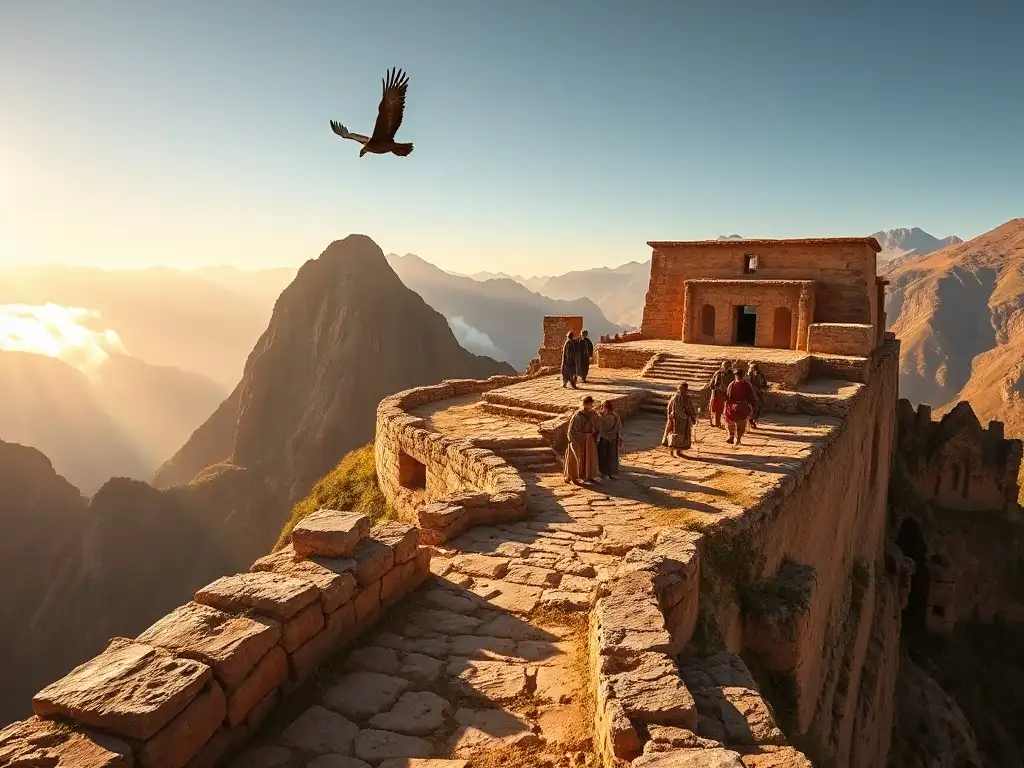
This section delves into specific Andean sites, offering immersive experiences that go beyond simply viewing ruins. We'll explore the ingenuity of Inca agricultural techniques, the architectural marvels of Machu Picchu, and the profound spiritual significance embedded within these locations. These experiences highlight the depth and complexity of Andean cultural heritage, offering a richer understanding of the civilizations that thrived in this remarkable region. Understanding these sites provides a tangible connection to the "Andean cultural heritage experiences" available to modern visitors.
The Sacred Valley: Unveiling Inca Agricultural Techniques
The Sacred Valley, nestled in the Andes Mountains, showcases the remarkable agricultural innovations of the Inca civilization. Their mastery of terracing, irrigation, and crop diversification allowed them to thrive in a challenging environment. Experiencing these techniques firsthand allows visitors to appreciate the ingenuity and sustainability embedded within Inca agricultural practices, a crucial element of their societal success and a significant aspect of Andean cultural heritage experiences.
Experiencing the Intricacies of Moray's Agricultural Terraces
Moray, a unique site within the Sacred Valley, features concentric circular terraces that served as an agricultural experimental station. The varying altitudes of the terraces created microclimates, allowing the Inca to cultivate a wide range of crops, from potatoes and maize to quinoa and coca. Guided tours often highlight the precise engineering and agricultural knowledge necessary to construct and maintain this complex system, demonstrating the depth of Inca understanding of ecology and agriculture. This offers a truly immersive "Andean cultural heritage experience."
Learning about the Andenes Irrigation System
The sophisticated andenes (terraces) system wasn't just about creating level planting surfaces. It incorporated intricate irrigation channels that channeled water from mountain streams and rivers to the terraces, ensuring a consistent water supply even during dry seasons. The efficient water management, combined with the terraced fields, maximized agricultural output and minimized soil erosion. Learning about this system directly connects visitors to the practical aspects of Andean life and enhances their understanding of Andean cultural heritage experiences. The precision and scale of these systems are truly awe-inspiring.
Machu Picchu: A Journey Through Inca Architecture
Machu Picchu, the iconic "Lost City of the Incas," stands as a testament to Inca architectural prowess. Beyond its breathtaking setting, the site reveals sophisticated stonework, precise engineering, and a deep understanding of astronomy and spirituality. Engaging with the site through guided tours and focused exploration offers a deeper appreciation for the complexity of Inca architecture and its role within Andean cultural heritage experiences.
Guided Tours Focusing on the Temple of the Sun
The Temple of the Sun, a key structure within Machu Picchu, exemplifies the Inca's mastery of stonework and their sophisticated understanding of astronomy. Guided tours often highlight the precise alignment of the temple with the sun's movements during solstices and equinoxes, indicating the importance of astronomy in Inca religious and agricultural practices. This provides a powerful "Andean cultural heritage experience," connecting visitors to the spiritual beliefs and cosmological knowledge of the Inca civilization.
Understanding the Function of the Intihuatana Stone
The Intihuatana stone, a large monolithic structure, is believed to have served as a significant astronomical and ritualistic site. Its precise function remains debated, but its presence underscores the Inca's deep connection to the cosmos and their advanced understanding of astronomy. Learning about the various theories surrounding the Intihuatana stone and its potential uses enriches the visitor's understanding of Inca culture and provides a unique Andean cultural heritage experience. Its enigmatic nature adds to the allure of Machu Picchu and the overall mystery surrounding Inca civilization.
Chan Chan: Discovering the Moche Urban Planning
Chan Chan, the sprawling adobe city of the Moche civilization, offers a fascinating glimpse into urban planning in pre-Columbian America. Its intricate network of palaces, temples, and residential areas reveals a sophisticated understanding of urban design and social organization. The city's layout, characterized by its geometric patterns and strategically placed structures, showcases the Moche's advanced knowledge of water management and resource allocation, crucial for survival in the arid coastal desert.
Archaeological evidence suggests a hierarchical social structure reflected in the size and complexity of the different structures within the city. Larger, more elaborate palaces belonged to the elite, while smaller compounds housed commoners. The impressive scale of Chan Chan, covering an area of approximately 20 square kilometers, speaks to the Moche's organizational prowess and the city's significant role as a political and economic center.
Further research continues to uncover new details about the city's layout and the lives of its inhabitants, adding to our understanding of Moche society and its remarkable achievements in urban planning. The ongoing efforts to preserve this fragile site are essential to protecting this invaluable piece of Andean cultural heritage.
Exploring the Tschudi Complex and its Courtyards
The Tschudi Complex within Chan Chan stands out as one of the most well-preserved and studied areas of the city. Its intricate network of courtyards, interconnected by narrow passages, exemplifies the Moche's skillful use of space. These courtyards, often featuring raised platforms and decorated walls, likely served various functions, including residential spaces, workshops, and storage areas. Careful analysis of the architectural details reveals a sophisticated understanding of construction techniques and the use of adobe bricks.
The precise arrangement of the courtyards within the complex suggests a deliberate design aimed at creating a functional and aesthetically pleasing environment. The discovery of artifacts within the courtyards, such as pottery shards, tools, and even remnants of organic materials, provides valuable insights into the daily lives of the Moche people who inhabited this area. The Tschudi Complex offers a unique opportunity to experience the scale and complexity of Moche urban planning firsthand.
Learning about Moche Ceramics and Murals
The Moche civilization is renowned for its exquisite ceramics and murals, which provide invaluable insights into their culture, beliefs, and daily life. Their pottery, often depicting scenes of warfare, ritual ceremonies, and everyday activities, offers a vivid portrayal of Moche society. The intricate details and vibrant colors of these pieces demonstrate the high level of artistic skill possessed by Moche artisans.
Similarly, the murals found in the palaces and temples of Chan Chan showcase striking imagery, including depictions of deities, mythical creatures, and scenes of human sacrifice. The stylistic consistency across different sites suggests a centralized artistic tradition, further highlighting the sophistication of Moche culture. Studying these ceramic pieces and murals helps us understand the rich symbolism embedded within Moche art and its significance in their religious and social practices.
The preservation of these artifacts is crucial for understanding the vibrant artistic heritage of this ancient Andean civilization. Many museums hold significant collections of Moche ceramics, offering opportunities for further study and appreciation of this stunning art form.
Nazca Lines: Deciphering the Mysteries of the Desert
The Nazca Lines, a vast collection of geoglyphs etched into the Peruvian desert, remain one of the world's most enduring enigmas. These colossal figures, ranging from simple lines to complex representations of animals and plants, were created by the Nazca culture between 500 BCE and 500 CE. Their sheer scale and precision, visible only from the air, have sparked endless speculation about their purpose. Leading theories suggest they may have served astronomical, religious, or ritualistic functions.
The lines' precise alignment with celestial events, coupled with evidence of ritual sites nearby, supports the idea of a complex astronomical system. However, the exact meaning and purpose of the Nazca Lines remain a topic of ongoing debate and research. Their enduring mystery adds to their allure and makes them a captivating example of Andean cultural heritage. The fragility of these geoglyphs underscores the importance of preserving this unique landscape for future generations.
Hot Air Balloon Rides over the Hummingbird Geoglyph
Experiencing the Nazca Lines from a hot air balloon offers a truly unique perspective. Floating gently above the desert, visitors can appreciate the immense scale and intricate detail of the geoglyphs, including the iconic hummingbird. This bird geoglyph, with its graceful curves and delicate features, is considered one of the most striking examples of Nazca artistry.
A hot air balloon ride provides an unparalleled opportunity to fully grasp the magnitude of these ancient creations and to appreciate the ingenuity of the Nazca people who created them. The breathtaking panoramic views of the desert landscape further enhance the experience, making it an unforgettable journey into the heart of Andean history. The gentle ascent and descent, combined with the stunning aerial perspective, offer a truly immersive and awe-inspiring encounter with this enigmatic site.
Interpretive Centers Explaining the Nazca Cosmology
Several interpretive centers near the Nazca Lines provide valuable context and explanations of the geoglyphs' possible meanings and the Nazca cosmology. These centers often feature exhibits showcasing artifacts, maps, and reconstructions, helping visitors understand the cultural and historical significance of the site. Through interactive displays and informative panels, visitors can learn about the Nazca civilization's beliefs, social structures, and technological achievements.
The centers also highlight the ongoing research efforts to unravel the mysteries surrounding the lines, offering insights into the latest discoveries and theories. Visiting these centers is an important part of experiencing the Nazca Lines, enriching the visit and providing a deeper understanding of this unique aspect of Andean cultural heritage. By combining a visual experience with educational information, these centers offer a more complete and engaging understanding of the Nazca Lines and their enduring significance.
The Role of Technology in Enhancing Andean Cultural Heritage Experiences
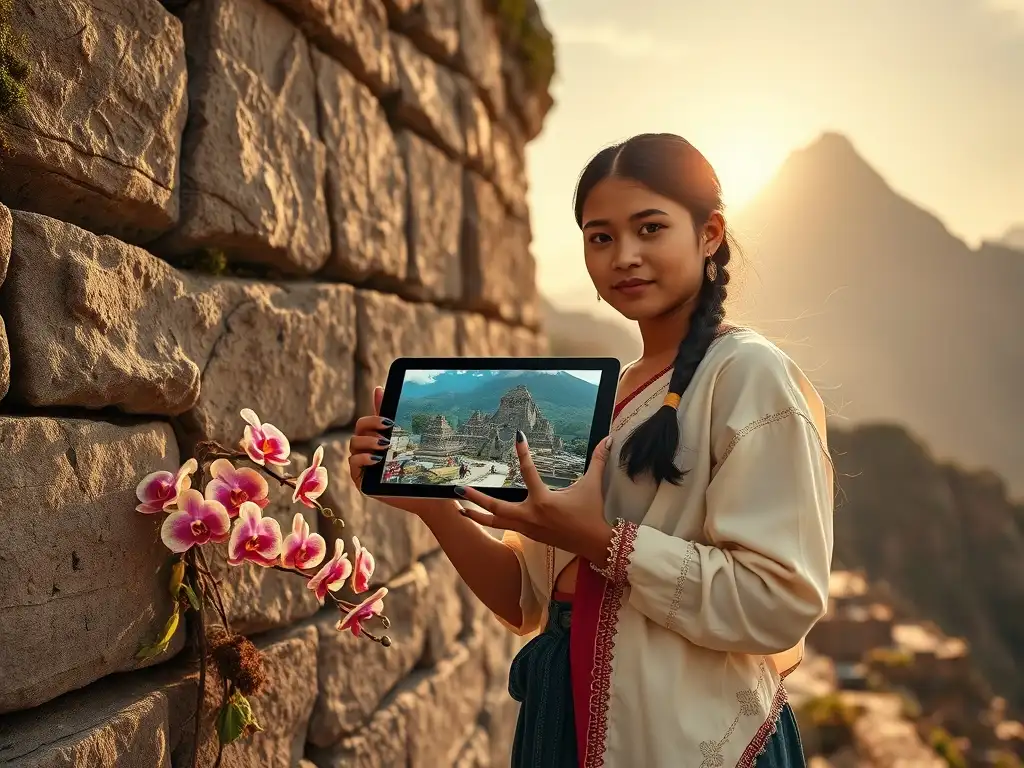
Technology offers exciting new avenues for experiencing and understanding Andean cultural heritage. Moving beyond static museum displays and traditional guided tours, innovative applications are breathing new life into ancient sites and artifacts, making them accessible and engaging for a wider audience. This section explores how cutting-edge technologies are transforming the way we interact with and appreciate Andean civilizations' rich legacy, enhancing the overall "Andean cultural heritage experiences" for visitors and researchers alike. The integration of technology not only preserves these invaluable resources but also fosters a deeper understanding and appreciation of their significance.
Augmented Reality Applications for Mapping Inca Roads
Augmented reality (AR) presents a powerful tool for visualizing and understanding the vast Inca road network, often referred to as the Qhapaq Ñan. Traditional methods of mapping these ancient pathways often struggle to fully convey their scale and complexity. However, AR applications can overlay digital representations of these roads onto the real-world landscape, allowing users to “see” the routes as they once existed, complete with reconstructed settlements and significant landmarks.
Imagine using an AR app while standing at a specific location along a known Inca trail. Your device would display a 3D model of the road stretching out before you, showing its path across mountains and valleys, potentially even revealing reconstructed buildings and fortifications along the way. This interactive experience would provide a far more immersive and informative understanding of the Inca's sophisticated infrastructure and its strategic importance.
Data from archaeological surveys, satellite imagery, and historical records could be integrated to create a highly detailed and accurate representation, enriching the "Andean cultural heritage experiences" for those exploring these ancient pathways. Further development could include incorporating historical narratives and contextual information directly into the AR experience, bringing the Inca road system to life. This technology allows for a truly unique and engaging way to explore and understand the Qhapaq Ñan.
Digital Storytelling and Interactive Guides at Ollantaytambo
Ollantaytambo, a remarkably preserved Inca site, provides an ideal setting to demonstrate the potential of digital storytelling and interactive guides in enhancing Andean cultural heritage experiences. Traditional guided tours, while informative, can often feel passive. Interactive digital guides, however, can offer a far more engaging and personalized experience.
These guides could incorporate elements such as:
- 360° virtual tours: Allowing users to explore areas inaccessible to the public or to revisit sites at their own pace.
- Interactive maps: Highlighting key features and providing detailed information on each structure.
- Audio narratives: Sharing captivating stories and legends associated with the site, told by local experts or descendants of the Inca.
- Multilingual support: Making the experience accessible to a global audience.
- Gamified elements: Adding interactive quizzes and challenges to engage visitors, particularly children and young adults.
The integration of such features would not only enhance the visitor experience but also contribute to a deeper understanding of Ollantaytambo's historical and cultural significance. By making the site more accessible and engaging, this technology helps to preserve and promote Andean cultural heritage for future generations, significantly improving "Andean cultural heritage experiences" available to tourists and researchers. The potential for adding augmented reality elements, such as overlaying digital reconstructions of buildings onto the existing ruins, further enhances the immersive quality of the experience.
Utilizing 3D Printing for Recreating Paracas Textiles
The delicate and intricate textiles of the Paracas culture are renowned for their beauty and craftsmanship. However, their fragility makes their preservation and display challenging. 3D printing offers a compelling solution. By digitally scanning existing fragments and using advanced modeling techniques, incredibly accurate replicas can be created. These replicas can then be used for exhibitions, educational purposes, and even for the creation of new artistic interpretations, expanding the reach and impact of the Paracas textile legacy.
The benefits are numerous. Original textiles can be kept in controlled environments, minimizing further deterioration. Replicas can be handled and examined without risk of damage, allowing for closer study and appreciation of the intricate techniques employed. Furthermore, 3D printing enables the creation of high-quality reproductions that are both visually stunning and educationally valuable, fostering a deeper understanding and appreciation of the skill and artistry of Paracas weavers.
This technology greatly enhances "Andean cultural heritage experiences" by making these fragile artifacts more accessible to a wider audience while ensuring the preservation of the originals. Future research could explore the use of 3D printing to recreate entire textile designs from fragmented pieces, reconstructing lost patterns and techniques. The potential for utilizing 3D printed replicas in interactive museum exhibits and educational programs is immense.
Sustainable and Responsible Andean Cultural Heritage Tourism
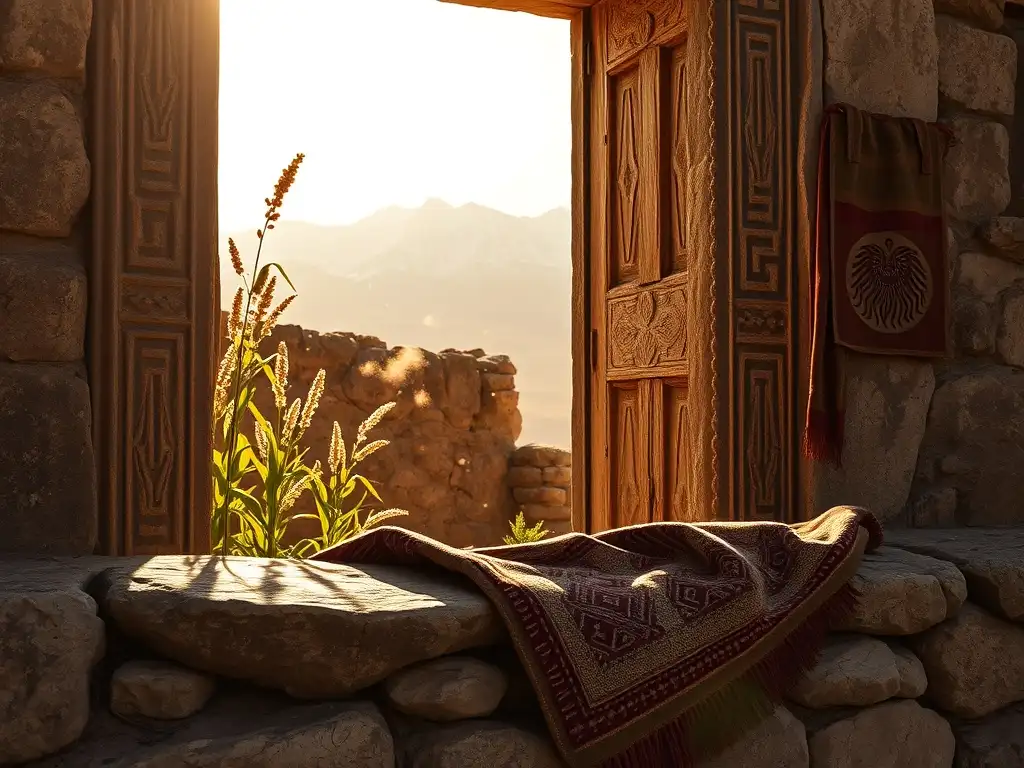
The burgeoning interest in Andean cultural heritage experiences necessitates a critical examination of tourism's impact. Sustainable practices are paramount to ensuring the longevity of these invaluable sites and the well-being of local communities. Unfettered tourism can lead to environmental degradation, cultural commodification, and the erosion of traditional ways of life.
Responsible tourism, however, presents an opportunity to empower local communities, preserve fragile ecosystems, and foster a deeper understanding and appreciation of Andean heritage. This involves a multifaceted approach encompassing community involvement, environmental protection, and ethical engagement with cultural practices. The goal is not simply to see the Andes, but to experience them responsibly, contributing positively to their future.
Community-Based Tourism Initiatives in the Uros Islands
The Uros people, inhabiting floating islands on Lake Titicaca, exemplify successful community-based tourism. Instead of relying solely on external operators, the Uros have developed their own tourism enterprises, directly benefiting from visitor spending. This empowers the community economically, allowing them to maintain their unique traditions and way of life, while sharing their culture authentically with visitors. Tourists can participate in activities like reed boat building, learning traditional weaving techniques, and experiencing the daily life of the Uros community firsthand.
This model prioritizes cultural exchange and mutual respect, ensuring that tourism strengthens, rather than undermines, the community's identity and sustainability. Detailed data on the economic impact of this initiative on the Uros community would further solidify the success of this model—[specific economic data pending]. The Uros example highlights the potential for community-driven tourism to become a powerful tool for cultural preservation and economic development within the Andean region.
Respecting Pachamama and Andean Spiritual Beliefs
A crucial aspect of responsible Andean cultural heritage experiences lies in respecting the deep spiritual connection between the Andean people and Pachamama, Mother Earth. Many sites hold immense spiritual significance, and treating them with reverence is essential. This goes beyond simply avoiding physical damage; it involves understanding and respecting the rituals, ceremonies, and beliefs associated with these sacred spaces.
For instance, certain mountains or lakes are considered sacred and should be approached with humility and respect. Ignoring these beliefs not only disrespects the local culture but also risks causing unintentional offense and harming the delicate balance between humans and nature. Responsible tourism operators should educate visitors about these spiritual aspects, promoting respectful behavior and encouraging mindful interaction with the environment.
Furthermore, supporting initiatives that promote the preservation of traditional Andean spiritual practices contributes to the overall sustainability of Andean cultural heritage. The integration of indigenous knowledge into tourism planning is vital for a genuinely respectful approach.
Preserving Andean Heritage through Education
Education plays a vital role in fostering responsible tourism and preserving Andean cultural heritage. By educating both visitors and local communities, we can promote a deeper understanding and appreciation of the region's rich history, traditions, and values. Educational programs can focus on various aspects, such as the history of the Inca Empire, the significance of Andean textiles, and the importance of environmental conservation. Moreover, these programs can highlight the challenges facing Andean communities and the importance of sustainable tourism practices. This shared understanding fosters mutual respect and encourages responsible behavior among tourists, reducing the negative impacts of tourism and promoting the long-term preservation of Andean heritage. The development of interactive museum exhibits, educational trails, and community-led workshops can all contribute to a more comprehensive and engaging learning experience, ensuring the legacy of Andean cultures thrives for generations to come. [Specific examples of successful educational programs in the Andean region pending].
The Future of Immersive Andean Cultural Heritage Tourism
The Andean region boasts a captivating tapestry of cultural heritage, attracting tourists worldwide. However, the future of Andean cultural heritage tourism hinges on innovative approaches that balance economic growth with environmental sustainability and cultural preservation. This section will explore key aspects of this evolution, focusing on the development of personalized itineraries, ecological balance, and the critical integration of local knowledge. Successfully navigating these challenges will ensure the longevity and authenticity of these invaluable experiences, solidifying the Andean region's position as a leading destination for "Andean cultural heritage experiences."
Innovations in Personalized Travel Itineraries
The demand for unique and personalized travel experiences is rapidly increasing. Tourists are no longer satisfied with generic itineraries; they seek tailored adventures that cater to their individual interests and preferences. This necessitates a shift towards dynamic, data-driven itinerary planning. Imagine a system where tourists can select specific aspects of Andean culture – textile weaving, ancient astronomical practices, or pre-Columbian pottery – and the system crafts a bespoke itinerary accordingly.
This could involve utilizing AI-powered recommendation engines that analyze user profiles and preferences to suggest optimal destinations, activities, and accommodations. The system could even integrate real-time feedback, allowing tourists to adjust their itineraries on the fly based on their experiences. This level of personalization not only enhances the tourist experience but also promotes a deeper engagement with Andean cultural heritage, fostering a greater appreciation for its nuances. For example, a user interested in Inca history could be offered a trek to Machu Picchu combined with workshops on Quechua language and traditional Inca music.
Another user interested in gastronomy could be directed to specialized cooking classes featuring Andean ingredients and traditional recipes. The possibilities are vast and only limited by the creativity and technological sophistication employed. Successfully implementing such a system requires collaboration between tourism operators, technology developers, and local communities, ensuring that the personalized experiences remain authentic and respectful of local customs.
Balancing Tourism and Ecological Conservation
Sustainable tourism is paramount to preserving the fragile Andean ecosystem. The influx of tourists can place immense pressure on natural resources and cultural sites, leading to environmental degradation and the erosion of cultural authenticity. Therefore, innovative strategies are needed to minimize the negative impacts of tourism while maximizing its positive contributions. This involves implementing strict environmental regulations, promoting responsible tourism practices among travelers and tour operators, and investing in eco-friendly infrastructure.
A crucial aspect is the development of eco-tourism initiatives that prioritize conservation efforts. This could involve supporting local communities in developing sustainable income-generating activities, such as community-based ecotourism projects focused on biodiversity conservation or sustainable agriculture. For example, tourists could participate in reforestation projects or contribute to the preservation of endangered Andean flora and fauna.
By integrating ecological conservation into tourism initiatives, the Andean region can ensure the long-term sustainability of its cultural heritage and natural beauty. Careful monitoring of visitor numbers at sensitive sites, coupled with educational campaigns promoting responsible behavior, are also vital components of this strategy. Data-driven approaches, such as ecological impact assessments and visitor flow analysis, will be instrumental in guiding sustainable tourism management.
Integrating Local Knowledge into Heritage Experiences
Authentic Andean cultural heritage experiences must be grounded in the knowledge and perspectives of local communities. Indigenous communities possess invaluable knowledge about their history, traditions, and customs, which should be central to any tourism initiative. This necessitates a shift towards community-based tourism models where local communities actively participate in planning, managing, and benefiting from tourism activities. This approach not only ensures the authenticity of cultural experiences but also empowers local communities economically and socially.
For example, indigenous artisans could offer workshops on traditional crafts, sharing their skills and knowledge with tourists while generating income. Local guides could lead tours, providing insights into the cultural significance of historical sites and landscapes. This active involvement fosters a sense of ownership and pride among local communities, ensuring the preservation of their cultural heritage for future generations. Moreover, it creates opportunities for genuine cultural exchange between tourists and local populations, fostering mutual understanding and respect.
This approach requires careful planning and collaboration to ensure that local communities receive fair compensation and maintain control over their cultural heritage. The emphasis should always be on respectful engagement and equitable benefit-sharing, avoiding the exploitation or commodification of local cultures. This participatory model guarantees that "Andean cultural heritage experiences" are not simply spectacles but meaningful encounters that enrich both tourists and local communities alike.
Frequently Asked Questions
What makes Andean cultural heritage experiences unique?
Andean cultural heritage experiences offer a unique blend of ancient history, vibrant traditions, and breathtaking landscapes. They provide opportunities to connect with the rich legacy of the Incas, Moche, Nazca, and other fascinating civilizations. You'll encounter living cultures that still maintain ancient practices.
How can I experience Andean culture firsthand?
Engage with local communities, participate in traditional ceremonies, learn ancient crafts, and visit archaeological sites. Consider guided tours focused on cultural immersion, offering insights beyond the typical tourist experience. Many opportunities exist for authentic interaction.
What are some examples of Andean cultural heritage experiences?
Examples include trekking the Inca Trail to Machu Picchu, learning traditional weaving techniques in Cusco, visiting the Nazca Lines, or participating in a Pachamama ceremony. Experiences vary in intensity and location, allowing for personalized adventures.
Are Andean cultural heritage experiences suitable for families?
Many experiences are family-friendly, offering activities suitable for all ages. However, some treks or activities may be challenging for younger children. Research specific tours and consider the physical demands and the interests of your family members before booking.
How can I contribute to the preservation of Andean cultural heritage?
Support community-based tourism, which directly benefits local people and helps preserve their traditions. Be a responsible traveler by respecting local customs, avoiding the purchase of illegal artifacts, and minimizing your environmental impact. Your actions contribute directly to sustainability.
Final Reflection: Reclaiming the Past, Shaping the Future of Andean Heritage
The revitalization of Andean cultural heritage through immersive experiences is not merely a trend; it's a crucial act of preservation and empowerment. These experiences, ranging from community-based tourism to interactive museum exhibits, are actively combating the erasure of indigenous knowledge and traditions, ensuring their survival for generations to come. This is more critical than ever in a world grappling with rapid globalization and the homogenization of culture.
The profound impact of these immersive encounters extends beyond the individual experience; they reshape our understanding of history and foster a deeper appreciation for the richness and complexity of Andean civilizations. These initiatives are not just about showcasing artifacts; they are about giving voice to the descendants of these ancient cultures, allowing them to share their stories and perspectives directly. The past is never dead. It's not even past.
– William Faulkner. This quote resonates deeply, as these experiences demonstrate how the past, when actively engaged with, continues to shape and inform the present, offering valuable lessons for the future.
Consider the stories you've encountered within these pages. Reflect on the power of direct engagement with living cultures, the responsibility we bear in preserving these invaluable traditions, and the potential for personal growth that comes from stepping outside our comfort zones and embracing the unfamiliar. You, too, can become a custodian of this rich heritage. Seek out authentic experiences, support community-led initiatives, and share the stories you discover with others. Let's work together to ensure that the legacy of the Andes continues to thrive, not just in museums and textbooks, but in the hearts and minds of future generations.
Unveil the Wonders of Andean Heritage!
Thank you for exploring the rich tapestry of Andean culture. We hope this journey has inspired you to appreciate the incredible history and legacy of these ancient civilizations. Now, let's turn that inspiration into action!
Here are a few ways you can deepen your connection with Andean heritage:
- Participate in a local festival or cultural event to experience the traditions firsthand and celebrate the vibrant community spirit.
- Explore online virtual tours of Andean sites and museums to continue learning about their fascinating history from the comfort of your home.
- Share your passion for Andean culture on social media, sparking curiosity and engaging others in conversation.
What aspect of Andean culture excites you most? What would you like to learn more about or share with others?