
Unveiling the Ancient Andean Highways: Secrets of the PreIncan Trade Networks

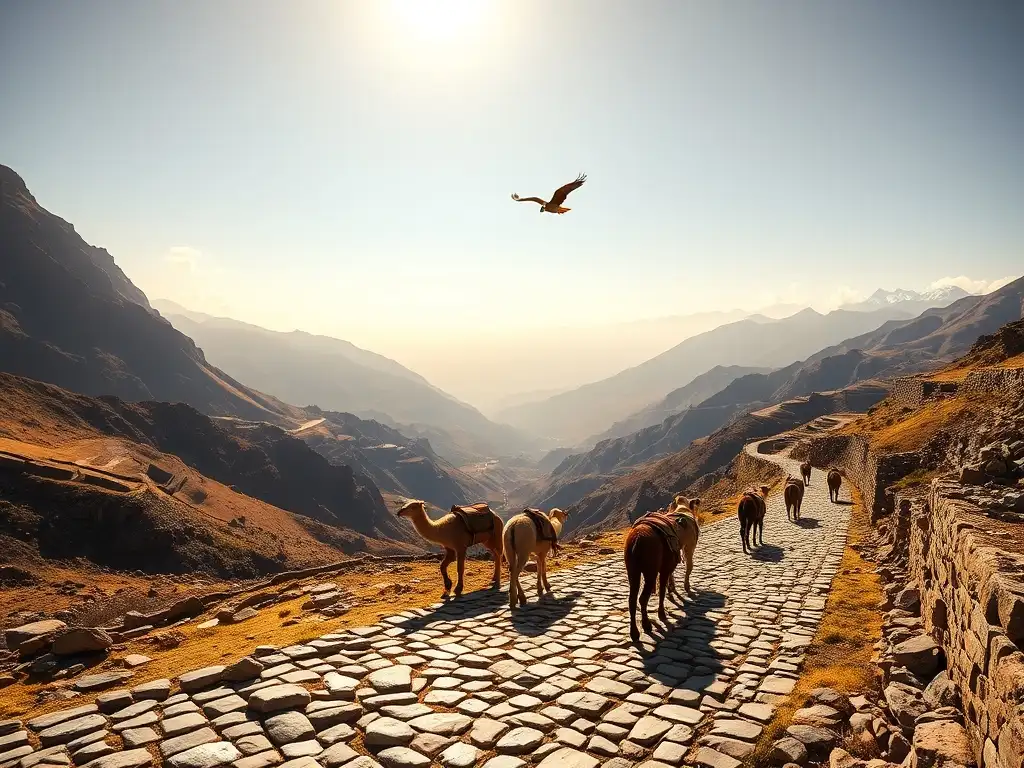
Step into a world lost to time, where towering mountain ranges concealed a network of bustling trade routes. Imagine the vibrant tapestry of the ancient Andes, long before the Inca Empire rose to power. This is the story of the PreInca trade routes, a hidden history of ingenious engineering and cultural exchange that shaped the destinies of civilizations like the Moche, Nazca, and Tiahuanaco. Discover the secrets these ancient Andean highways hold – a journey through time awaits.
The towering Andes Mountains, a seemingly impassable barrier, became a conduit for vibrant trade networks long before the Inca Empire rose to prominence. This article delves into the fascinating world of Pre-Inca trade routes in the Andes, exploring the ingenious systems, valuable commodities, and far-reaching connections that shaped the social, economic, and cultural landscape of these ancient civilizations.
We will uncover the secrets of these ancient highways, revealing how these sophisticated networks facilitated the exchange of goods, ideas, and technologies across vast distances, contributing significantly to the development and complexity of Andean societies. Understanding these Pre-Inca trade routes provides crucial insight into the ingenuity and resilience of the people who inhabited this challenging yet rewarding environment, and sheds light on the foundations upon which the later Inca empire would be built.
The keyword "Pre-Inca trade routes Andes" will be explored throughout this article, revealing the intricate details of this captivating historical period.
The Challenging Terrain and Ingenious Solutions
The Andes Mountains present a formidable challenge to any form of transportation. Steep slopes, treacherous cliffs, and unpredictable weather conditions would seem to hinder any significant trade. Yet, the Pre-Inca peoples devised remarkable solutions.
They carved intricate pathways along mountain slopes, utilizing existing natural features like valleys and riverbeds whenever possible. These weren't simply trails; they were carefully planned and maintained routes, some of which were remarkably well-engineered. Evidence suggests the use of sophisticated techniques like terracing and retaining walls to stabilize the paths and prevent erosion.
The construction of these routes, often at high altitudes, represents a significant feat of engineering and a testament to the organizational capabilities of these societies. Furthermore, the adaptation of different modes of transport, including pack animals like llamas and alpacas, as well as human porters, allowed for the efficient movement of goods across diverse landscapes. The sheer scale and complexity of these systems highlight the importance of trade to these ancient cultures.
Key Commodities Traded Across the Andes
The goods exchanged along these Pre-Inca trade routes were incredibly diverse, reflecting the varied environments and specialized production of different Andean communities. High-altitude regions yielded valuable resources like llama wool, prized for its warmth and softness, and precious metals such as gold and silver, which held both economic and symbolic significance. Coastal areas contributed fish, shellfish, and salt, essential commodities in the Andean diet. Agricultural products such as maize, potatoes, and coca leaves, vital for sustenance and ritual purposes, were also central to the trade networks.
The exchange of these goods wasn't simply a matter of economic transactions; it facilitated cultural exchange and the spread of agricultural techniques and technologies. Detailed archaeological findings reveal the vast extent of this exchange, evidenced by the presence of exotic goods in sites far from their points of origin. For example, [specific examples of traded goods and their distribution pending].
The Pre-Inca trade routes were not simply economic arteries; they were also crucial to the social and political organization of Andean societies. The control and management of these routes often conferred significant power and influence. Communities located along strategically important sections of the trade routes could exert control over the flow of goods, potentially accumulating wealth and political capital. This control could lead to the emergence of powerful regional centers and the formation of alliances between different communities.
The trade networks fostered the development of complex social hierarchies and facilitated the spread of religious beliefs and cultural practices. The exchange of goods often coincided with the exchange of ideas and ideologies, contributing to the cultural dynamism of the region. This interconnectedness laid the groundwork for the later development of larger, more centralized empires like the Inca.
The influence of trade on power structures is a key element in understanding the political landscape of the Pre-Inca Andes. Further research is needed to fully understand the intricate relationship between trade and political power. Perhaps future discoveries will reveal more about [specific examples of political influence through trade routes pending].
Technological Innovations Facilitating Trade
The successful operation of the Pre-Inca trade networks relied on significant technological innovations. Beyond the impressive road construction, sophisticated record-keeping systems were likely employed to manage the movement of goods and track transactions. The development of specialized storage facilities, such as warehouses and granaries, ensured the preservation of perishable goods and facilitated efficient distribution. The use of pack animals, like llamas and alpacas, required specialized techniques for handling and training, showcasing the advanced animal husbandry practices of the time.
The development of specialized containers and packaging methods also contributed to the efficient and safe transport of goods across challenging terrains. The combination of these technological advancements fostered a level of logistical efficiency that was crucial for the success of these extensive trade networks. Evidence suggests that [specific examples of technological innovations in Pre-Inca trade pending]. Further investigation is needed to fully understand the scope of these technological advancements.
- The Challenging Terrain and Ingenious Solutions
- Key Commodities Traded Across the Andes
- The Social and Political Implications of Trade Networks
- Technological Innovations Facilitating Trade
- What were the main goods traded along PreInca trade routes in the Andes?
- How did the geography of the Andes impact PreInca trade routes?
- Which PreInca cultures were most involved in these extensive trade networks?
- What evidence exists to support our understanding of PreInca trade routes?
- How did PreInca trade routes contribute to the rise of the Inca Empire?
The Importance of Pre-Inca Trade in the Andes

The Andes Mountains, a formidable geographical barrier, paradoxically fostered a complex network of interconnected societies long before the Inca Empire rose to prominence. Understanding the Pre-Inca trade routes Andes requires acknowledging the crucial role trade played in shaping these societies. Far from isolated entities, Pre-Inca communities engaged in extensive exchange, influencing their economic structures, social hierarchies, and cultural development.
This intricate web of commercial interaction facilitated the flow of goods, ideas, and technologies across vast distances, leaving an indelible mark on Andean history. The sheer scale and sophistication of these pre-Inca trade networks challenge the traditional narrative of isolated Andean communities, revealing a dynamic and interconnected world. The evidence suggests a level of organization and planning that was far more advanced than previously thought, demanding a reassessment of our understanding of Andean societal development.
Understanding Early Andean Economic Systems
Pre-Inca Andean economic systems were far from simple bartering arrangements. While direct exchange certainly occurred, evidence suggests a more complex system involving specialized production, redistribution networks, and even forms of early credit. Agricultural surpluses, particularly in fertile valleys, fueled trade.
Communities specialized in producing certain goods – textiles from the highlands, ceramics from coastal regions, or specific minerals from mountainous areas. This specialization fostered interdependence, necessitating trade to acquire needed resources. Archaeological finds reveal the presence of standardized weights and measures, suggesting a degree of economic sophistication well beyond basic bartering.
For example, the discovery of meticulously crafted weights in various sites along known trade routes indicates a system designed to facilitate fair and efficient transactions. Further research is needed to fully understand the intricacies of these early Andean economic systems, but the available evidence clearly points towards a complex and well-organized network. The emergence of elite classes, often associated with control over resources and trade routes, further underscores the importance of economic activity in shaping Andean societies.
The Role of Trade in Pre-Inca Society
Trade in the Pre-Inca Andes wasn't merely an economic activity; it was deeply embedded in the social fabric of these societies. The exchange of goods often involved ritual and symbolic practices, reinforcing social bonds and political alliances between different communities. The movement of goods along the Pre-Inca trade routes Andes wasn't just about material gain; it was also about the circulation of ideas, religious beliefs, and artistic styles.
This cultural exchange resulted in a remarkable degree of interconnectedness, reflected in the similarities in artistic motifs, religious practices, and technological innovations found across geographically disparate regions. Consider, for instance, the widespread use of specific pottery styles or the diffusion of agricultural techniques. These patterns demonstrate the powerful role trade played in shaping the cultural landscape of the Andes.
Moreover, the control of trade routes often conferred significant political power, enabling certain groups to exert influence and dominance over neighboring communities. The development of sophisticated infrastructure, such as roads and bridges, further highlights the importance of trade in the Pre-Inca world, demonstrating a level of societal organization and planning that was crucial to the success of these far-reaching trade networks. The study of Pre-Inca trade routes provides valuable insights into the complex interplay between economics, politics, and culture in the formation of Andean civilizations.
Mapping the Major Pre-Inca Trade Routes
This section delves into the intricate network of Pre-Inca trade routes that crisscrossed the Andes Mountains, facilitating the exchange of goods and ideas long before the Inca Empire rose to prominence. Understanding these routes is crucial to comprehending the economic and social structures of these fascinating ancient societies. The efficient movement of goods was essential for the survival and prosperity of these diverse Andean cultures, shaping their development and leaving a lasting legacy.
Analyzing these Pre-Inca trade routes in the Andes provides invaluable insights into the ingenuity and organizational capabilities of these civilizations. The keyword "PreInca trade routes Andes" is central to this exploration.
Coastal Trade Networks in the Andes
The coastal regions of the Andes offered unique resources, including fish, shellfish, cotton, and salt. These valuable commodities fueled extensive trade networks that connected settlements along the Pacific coast. Evidence suggests that boats, possibly rafts or balsa wood vessels, were used to navigate the coastline, transporting goods over significant distances. The Moche civilization, renowned for its sophisticated irrigation systems and metalworking, actively participated in this coastal trade.
Their mastery of navigation and their production of high-demand goods, such as intricately crafted ceramics and metal artifacts, propelled their economic influence. Archaeological findings, including coastal settlements and shipwrecks, continue to shed light on the extent and complexity of this maritime trade. The trade wasn't limited to just the coast; interconnections with highland communities ensured a vital exchange of goods and resources. This coastal trade played a significant role in the overall Andean economic system, enriching the lives of many communities.
Highland Trade Routes and their Significance
The challenging terrain of the Andes highlands presented significant obstacles to trade. However, ingenious solutions were developed to overcome these difficulties. Pre-Inca populations constructed impressive networks of trails and pathways, often traversing steep slopes and traversing treacherous mountain passes. Llamas and alpacas, crucial for Andean economies, served as pack animals, carrying goods across these routes. The exchange of goods in the highlands was not solely a matter of economics.
It also played a pivotal role in establishing social and political alliances between different communities. The control of these trade routes often translated into political power and influence. Significant highland trade routes facilitated the exchange of vital resources like obsidian, used for tools and weapons, and precious metals, highly valued for their cultural and economic significance. The movement of these goods strengthened inter-community relationships and fostered cultural exchange, enriching the diverse tapestry of Andean life.
Connecting Diverse Andean Regions Through Trade
The Pre-Inca trade networks weren't isolated systems; they connected diverse Andean regions, forming a complex web of economic interdependence. Goods flowed between the coast and the highlands, facilitating the exchange of crucial resources. Coastal communities traded fish, salt, and cotton for highland products like potatoes, maize, and textiles.
This integrated trade system demonstrates a high level of organizational skill and sophisticated logistical planning. The exchange of goods wasn't merely a simple bartering system; it involved complex trade networks and systems of reciprocity, strengthening social and political ties between different groups. The distribution of resources and the control of trade routes significantly impacted the power dynamics within the Andean region.
This integrated system fostered cultural exchange and technological innovation, contributing to the overall development and prosperity of the numerous Andean civilizations that thrived before the Inca. The study of these Pre-Inca trade routes continues to deepen our understanding of the remarkable achievements of these ancient Andean societies. The ingenuity in overcoming geographical challenges and creating such an extensive trade network is a testament to their remarkable adaptability and organizational capabilities.
Key Goods Traded Along Pre-Inca Routes
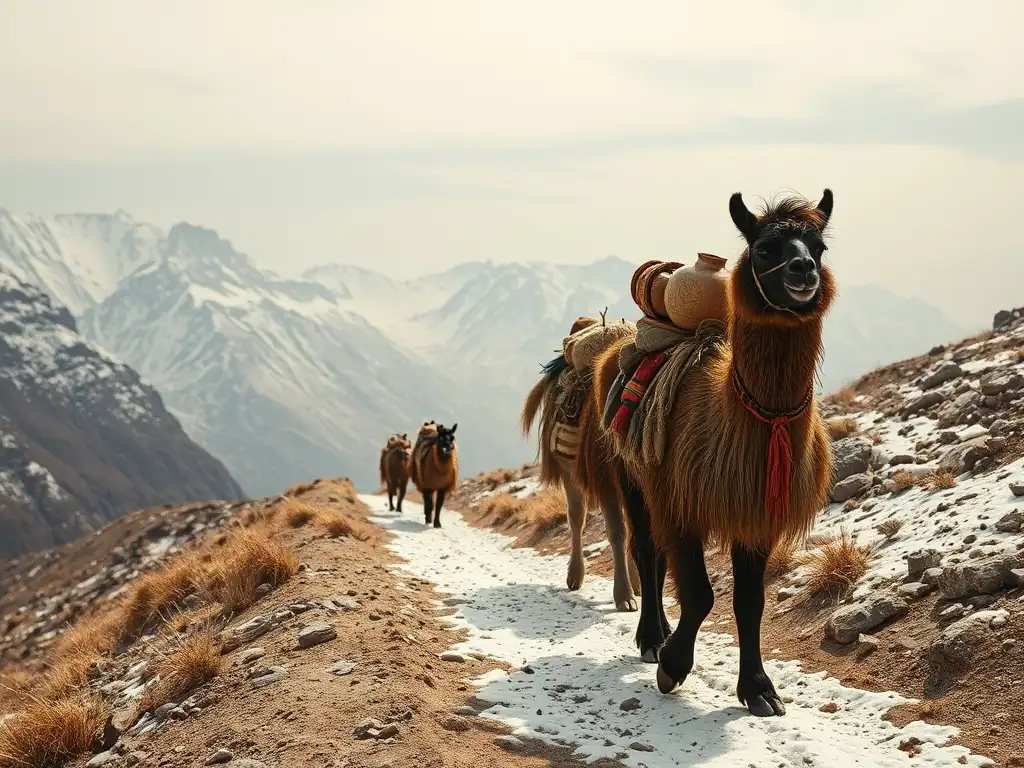
The vibrant tapestry of Pre-Inca Andean societies was intricately woven together by extensive trade networks. These routes, carved into the challenging Andean terrain, facilitated the exchange of a diverse range of goods, shaping the economic and social landscape of the region. Understanding the types of goods traded reveals crucial insights into the sophistication and interconnectedness of these pre-Columbian cultures.
The successful navigation of these challenging "PreInca trade routes Andes" speaks volumes about their organizational prowess and engineering skills. Analyzing these trade networks allows us to piece together a more complete picture of the cultural interactions and economic strategies employed by these remarkable civilizations.
The Exchange of Agricultural Products
The Andean highlands and coastal regions boasted diverse microclimates, leading to a rich variety of agricultural products. This agricultural bounty fueled a significant portion of the Pre-Inca trade. The exchange of these resources was not merely a matter of economic gain; it represented a vital component of cultural exchange and social stability. The sheer volume of agricultural goods transported across the challenging terrain underscores the importance of these trade routes in supporting population centers and maintaining social order.
The Circulation of Potatoes, Quinoa, and Corn
Potatoes, quinoa, and corn formed the cornerstone of the Andean diet and were thus highly valued trade commodities. Different regions specialized in the cultivation of specific crops, creating a system of reciprocal exchange. For instance, the high-altitude regions specialized in quinoa and potatoes, while lower elevations were more suited to corn cultivation. This specialization led to complex trade networks, with goods moving from the high Andes to the coastal regions and vice-versa.
The efficient movement of these staples, along the established PreInca trade routes Andes, was crucial for sustaining large populations and supporting the development of urban centers. Archaeological evidence, such as storage facilities found at various sites along these routes, supports the scale of this agricultural trade. The sheer quantity of these food crops moved highlights the logistical capabilities of Pre-Inca societies.
The presence of specific varieties of potatoes, quinoa, and corn in different archaeological locations provides further evidence of the extensive trade networks that connected these diverse regions. Further research is needed to fully quantify the volume of trade in these staple crops, but the available evidence clearly points to a robust and sophisticated system.
Trade in Minerals and Precious Metals
Beyond agricultural products, the Pre-Inca trade networks also facilitated the exchange of minerals and precious metals. These resources held both economic and symbolic value, influencing political power structures and fueling artistic expression. The control and distribution of these valuable materials played a key role in defining the social hierarchies and political landscapes of the time. The "PreInca trade routes Andes" weren't just pathways for food; they were conduits for wealth and power.
Copper, Gold, and Silver in Pre-Inca Economies
Copper, gold, and silver were particularly significant. Copper, essential for toolmaking, was widely traded, connecting regions with different levels of metallurgical expertise. Gold and silver, prized for their aesthetic and symbolic value, were used in elaborate ornaments, religious objects, and prestigious artifacts. The presence of these metals in archaeological sites far from their sources of extraction is strong evidence of the extensive reach of these trade networks. The intricate craftsmanship evident in many gold and silver artifacts indicates a high degree of specialized skill and a complex system of exchange.
The distribution of these metals wasn't random. Analysis of metal composition and stylistic characteristics allows archaeologists to trace the flow of materials and identify specific workshops and production centers. This information provides crucial insights into the economic organization and social structures of Pre-Inca societies. Further research into the precise quantities and trade routes of these metals would refine our understanding of their role in the Pre-Inca economy and social hierarchy. The intricate network of "PreInca trade routes Andes" facilitated the flow of these valuable resources, shaping the economic and political dynamics of the region.
The Significance of Textiles and Craft Goods in Andean Trade
Textiles formed a cornerstone of Pre-Inca Andean trade, representing not just practical necessities but also significant cultural and symbolic value. The intricate weaving techniques, utilizing diverse materials like alpaca and llama wool, cotton, and even vicuña fiber (a luxury good), created textiles of unparalleled quality and artistry. These weren't simply clothing; they were status symbols, often incorporating elaborate designs and colors that reflected social standing and regional identity.
The vibrant hues, achieved through natural dyes derived from plants and minerals, further enhanced their prestige. Trade routes facilitated the exchange of these specialized textiles across vast distances, connecting different Andean communities and fostering cultural interaction. For example, the distinctive styles of coastal textiles, often featuring marine motifs, were highly sought after in the highlands, while highland textiles, known for their intricate designs and use of alpaca wool, were valued in coastal regions.
This exchange wasn't simply a commercial transaction; it was a vital mechanism for disseminating artistic styles and reinforcing social connections across the Andean landscape. The craftsmanship involved in textile production was highly specialized, with certain communities renowned for particular techniques or designs, further driving inter-regional trade.
Beyond textiles, a wide array of craft goods fueled Pre-Inca trade networks. Ceramics, renowned for their diverse forms and artistic styles, were another major commodity. From simple utilitarian pottery to elaborate ceremonial vessels, these artifacts served both practical and ritualistic purposes. The Moche culture, for instance, is famous for its intricately decorated pottery depicting scenes of daily life, mythology, and warfare.
These pieces were highly prized and traded extensively throughout the Andes, reflecting the cultural influence of the Moche civilization. Similarly, the Nazca's mastery of ceramic painting, characterized by its unique style and vibrant colors, contributed significantly to the trade in craft goods. These ceramics were not only functional but also served as important status symbols, with elaborate designs indicating the wealth and status of their owners. The trade in ceramics also facilitated the spread of artistic styles and cultural ideas across different Andean regions.
Metalwork, particularly in gold, silver, and copper, held immense symbolic and economic value. While the precise methods of extraction and processing remain areas of ongoing research, evidence suggests sophisticated techniques were employed, resulting in intricate ornaments, tools, and ceremonial objects. These precious metals were not evenly distributed throughout the Andes, creating a strong incentive for trade. For example, coastal regions may have had access to specific copper ores, while highland communities possessed access to different metals.
The exchange of these metals, often fashioned into prestigious artifacts, helped solidify power structures and reinforce social hierarchies within Andean societies. The value of these metal goods further demonstrates the sophistication and scale of Pre-Inca trade networks. The demand for these luxury items fuelled the expansion of trade routes, connecting distant communities and fostering economic interdependence.
Pre-Inca Transportation and Logistics
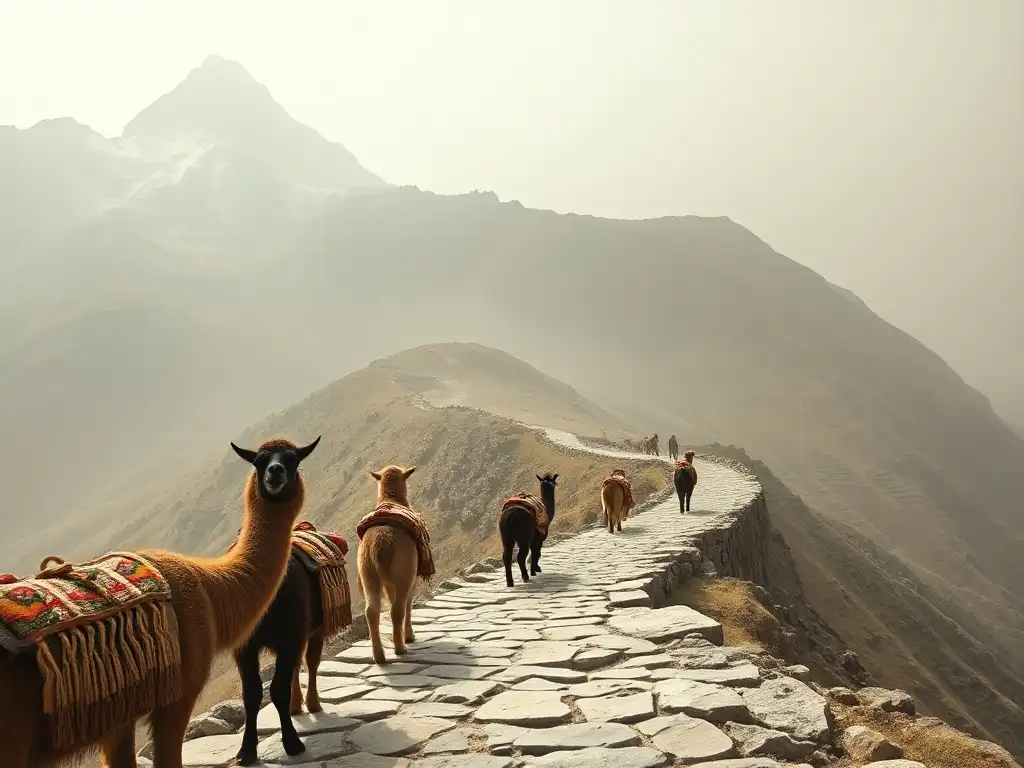
This section delves into the logistical intricacies of pre-Inca trade in the Andes, focusing on the methods of transportation and the remarkable infrastructure that supported the movement of goods across challenging terrains. Understanding these systems is crucial to appreciating the scale and sophistication of pre-Inca economic activity, a vital aspect of understanding the "PreInca trade routes Andes." The efficient movement of goods wasn't simply a matter of chance; it was the result of careful planning, ingenious engineering, and the adaptation to the unique Andean environment.
The Use of Llamas and Pack Animals
Llamas, along with alpacas to a lesser extent, were the workhorses of the Andean trade networks. Their ability to navigate steep, mountainous paths, coupled with their relatively high carrying capacity, made them indispensable. A single llama could carry up to 25% of its body weight—a significant amount considering the terrain. However, the use of llamas wasn't without its limitations.
Their carrying capacity, while impressive, was still relatively small compared to modern methods. Furthermore, the speed of travel was significantly slower than what we are accustomed to today. This necessitated the development of strategically located resting places and waystations along the trade routes, where the animals could rest and be fed.
The organization and management of these llama caravans required sophisticated logistical planning, demonstrating a complex understanding of resource management and animal husbandry. Evidence suggests that specialized herders and handlers were integral to this process, moving in groups to ensure the safe and efficient transport of goods. The impact of llama herding on the Andean environment, however, is a topic that requires further research, particularly concerning grazing patterns and potential overgrazing in specific regions.
Engineering Challenges in Pre-Inca Roads
The construction of pre-Inca roads presented considerable engineering challenges. The Andes' rugged terrain, characterized by towering mountains, deep canyons, and unpredictable weather, demanded innovative solutions. While not paved highways in the modern sense, the pre-Inca pathways were meticulously planned and constructed. Archaeological evidence reveals a sophisticated understanding of surveying and pathfinding.
The routes often followed natural contours, minimizing the need for extensive earthworks, although some sections involved considerable cuts and fills to create a passable track. The use of stone paving was common in certain areas, particularly where erosion was a significant concern. These pathways were not simply routes; they were an integral part of the Andean landscape, reflecting a deep connection between the people and their environment.
The construction itself involved a significant mobilization of labor, reflecting the importance of trade to the Andean societies. Further research is needed to fully understand the techniques employed and the organization of the workforce involved in the construction and maintenance of these remarkable paths. This includes a deeper examination of the tools and materials used, and a better understanding of the social structures that facilitated such large-scale projects.
Storage and Distribution of Goods Along Trade Routes
Efficient storage and distribution were as crucial as transportation itself in the pre-Inca trade network. The perishable nature of many goods, such as agricultural products, necessitated the construction of storage facilities along the trade routes. These ranged from simple caches carved into rock faces to more elaborate structures, such as granaries and warehouses, built from stone and other locally available materials. The location of these storage facilities was strategic, often situated near water sources and in relatively sheltered areas.
The management of these storage facilities required a complex system of record-keeping and inventory control, although the exact methods remain largely unknown. The distribution of goods involved a network of intermediaries, likely including traders, merchants, and local communities. The exchange of goods was not always a simple matter of direct trade; it involved complex systems of barter, tribute, and redistribution. This sophisticated network ensured that goods reached their destinations, even across vast distances and challenging terrains.
Further investigation into the organization and management of these storage facilities and distribution networks is needed to fully understand the intricate systems that supported pre-Inca trade in the Andes. This will help us better grasp the economic power and social complexity of these early Andean civilizations. The study of artifacts found within these storage sites, along with further analysis of the sites themselves, would greatly enhance our knowledge of the "PreInca trade routes Andes".
The Impact of Pre-Inca Trade on Andean Culture
The flourishing Pre-Inca trade routes of the Andes profoundly shaped the cultural landscape of the region, leaving an indelible mark on its societies long before the Inca Empire's rise. Understanding the impact of this extensive network requires examining its multifaceted influence on the diffusion of ideas and technologies, the fostering of cultural exchange and regional development, and the subsequent impact on art, religion, and social structures. The keyword "PreInca trade routes Andes" encapsulates the core of this significant historical phenomenon, highlighting the intricate web of connections that defined Andean life for centuries.
The Diffusion of Ideas and Technologies
Pre-Inca trade wasn't simply an exchange of goods; it was a conduit for the dissemination of knowledge and technological advancements. The movement of artisans, specialists, and even entire communities along these established routes facilitated the spread of agricultural techniques, such as the cultivation of new crops like potatoes and maize adapted to diverse Andean altitudes.
Similarly, advancements in textile production, pottery making, and metallurgy were shared across vast distances, leading to regional variations but also a shared cultural heritage. For example, the sophisticated irrigation systems developed in one region might be adapted and improved upon in another, showcasing the dynamic interplay between innovation and exchange.
This process of technological diffusion significantly enhanced the resilience and adaptability of Andean societies, enabling them to thrive in diverse and challenging environments. The spread of these techniques wasn't a passive process; it involved active learning, adaptation, and innovation, underscoring the ingenuity of the Andean peoples.
Cultural Exchange and Regional Development
The extensive Pre-Inca trade networks fostered significant cultural exchange and regional development across the Andes. The movement of people and goods led to the blending of traditions, beliefs, and artistic styles. This wasn't a uniform process; instead, it resulted in a rich tapestry of regional variations within a broader Andean cultural framework. For instance, the distinctive pottery styles of the Moche culture in the north influenced those of later cultures further south, demonstrating the long-term effects of this cultural diffusion.
This exchange wasn't limited to material culture; religious beliefs and practices were also shared, leading to the syncretism of different deities and rituals. The integration of regional economies through trade also promoted specialization and economic growth, leading to the development of vibrant urban centers and complex social structures. The prosperity generated by trade further fueled cultural innovation and artistic expression, creating a dynamic and evolving cultural landscape.
The impact of Pre-Inca trade on Andean art, religion, and social structures is undeniable. The exchange of materials, such as precious metals, exotic feathers, and vibrant dyes, directly influenced artistic production. The availability of these resources allowed artisans to create increasingly sophisticated and elaborate objects, reflecting the wealth and power of the societies involved in trade.
Similarly, the movement of religious ideas and practices led to the development of complex pantheons and ritual practices that blended elements from different regions. The shared religious beliefs and practices facilitated social cohesion and fostered a sense of shared identity across the Andes, despite regional differences. Furthermore, the economic power generated by trade influenced social hierarchies and political structures.
Control over trade routes and access to valuable resources often translated into political dominance, shaping the power dynamics within Andean societies. The intricate relationship between trade, religion, and social stratification is a crucial aspect in understanding the development of Andean civilizations before the Inca. Analyzing the distribution of artifacts and the stylistic variations across different regions provides valuable insights into this complex interplay.
Pre-Inca Trade Networks and the Rise of the Inca

The rise of the Inca Empire in the 15th century wasn't a sudden phenomenon; it was built upon a foundation of pre-existing trade networks that spanned the Andes Mountains for centuries. Understanding these pre-Inca trade routes is crucial to grasping the Inca's rapid expansion and sophisticated administrative systems. These routes, carved into the challenging Andean terrain, facilitated the exchange of not only goods but also ideas, technologies, and cultural practices, creating a vibrant tapestry of interconnected societies long before the Inca arrived on the scene.
The intricate web of these pre-Inca trade routes, often following natural pathways like river valleys and mountain passes, served as the backbone of Andean economies for millennia. Analyzing the location and characteristics of these routes reveals much about the political and economic power structures of the various pre-Inca cultures, including the Moche, Nazca, and Tiahuanaco. The sheer scale and complexity of these systems demonstrate remarkable organizational and engineering skills, laying the groundwork for the Inca's later achievements in infrastructure development.
This intricate network of exchange significantly influenced the trajectory of Andean civilization, demonstrating a level of interconnectedness often overlooked in discussions focused solely on the Inca. The diversity of goods traded – from textiles and ceramics to precious metals and food staples – reflects the rich agricultural and craft traditions of the various Andean regions, highlighting the economic interdependence of these societies.
How Pre-Inca Trade Routes Shaped the Inca Empire
The Inca Empire inherited a sophisticated system of trade routes, a legacy that significantly facilitated their expansion and consolidation of power. The pre-existing infrastructure, already adapted to the challenging Andean geography, provided a ready-made framework for the Inca’s own ambitious road-building projects. Rather than starting from scratch, the Inca strategically adapted and improved upon existing pathways, integrating them into their vast Qhapaq Ñan (Andean Road System).
This efficient use of pre-existing infrastructure allowed the Inca to quickly establish control over a vast territory, efficiently moving troops, administering their empire, and managing the flow of goods. The Inca's success wasn't solely due to military might; it was also a product of their shrewd management of existing trade routes. By controlling these vital arteries of commerce, the Inca exerted economic and political influence over a vast and diverse population.
Analysis of Inca administrative records, where available, shows evidence of the Inca's systematic integration of pre-existing trade routes into their imperial system, demonstrating a clear understanding of their strategic importance. The Inca's expansion, therefore, was not merely a conquest but also a process of strategic integration of pre-existing socio-economic structures. The efficient movement of resources along these established routes allowed for the centralized administration and control characteristic of the Inca state.
The Inca’s Adaptation of Existing Trade Infrastructure
The Inca's contribution to the Andean road system wasn't simply about building new roads. They masterfully adapted and expanded upon the existing network of pre-Inca trade routes, integrating them into a unified and highly efficient system. This involved improving existing pathways, constructing bridges, and establishing strategically located tambos (roadside inns) for travelers and messengers.
The Inca standardized road construction techniques, ensuring consistency and efficiency across their vast empire. While the Inca certainly built new sections of roads, their approach was primarily one of consolidation and improvement of existing infrastructure, a testament to the already advanced state of Andean road networks. Archaeological evidence, such as the remains of bridges and tambos, clearly demonstrates the Inca's integration of pre-existing pathways into their grand design.
Their focus on standardization and maintenance ensured the long-term viability of the trade routes, further enhancing the empire's economic and political stability. This intelligent adaptation of existing infrastructure highlights the Inca's practical approach to governance and their understanding of the importance of maintaining existing trade networks for the well-being of their empire. They understood that efficient trade was essential for the prosperity and stability of their vast realm.
The Legacy of Pre-Inca Trade in the Andean World
The legacy of pre-Inca trade routes extends far beyond the Inca Empire. These routes represent centuries of cultural exchange and economic interdependence amongst various Andean societies. The impact of these networks is still felt today, shaping the economic geography and cultural landscape of the Andes.
Many modern roads and pathways still follow the ancient routes, a testament to their strategic importance and enduring relevance. The pre-Inca trade routes not only facilitated the exchange of goods but also fostered the spread of ideas, technologies, and cultural practices, contributing to the rich diversity of Andean cultures. Even after the Spanish conquest, remnants of these ancient pathways continued to be used, showcasing their enduring importance in the region's development.
The study of these ancient trade routes provides invaluable insights into the complex history of the Andes, highlighting the interconnectedness of its diverse populations and the enduring impact of pre-Inca societies on the region's cultural and economic development. Understanding this legacy is key to appreciating the full complexity of Andean history and the enduring influence of its pre-Columbian past. The enduring impact of these routes underscores the importance of studying pre-Inca societies for a complete understanding of the Andean world.
Archaeological Discoveries and Evidence of Pre-Inca Trade

This section delves into the compelling archaeological evidence that illuminates the sophisticated Pre-Inca trade networks across the Andes. Understanding these routes requires examining the physical remains left behind by these ancient cultures, revealing not only the extent of their reach but also the nature of the goods exchanged and the social structures that facilitated this vital economic activity. The sheer scale of these operations challenges previous assumptions about the capabilities and organization of Pre-Inca societies.
Analysis of these discoveries provides crucial insights into the complexities of Andean economic history, painting a much richer picture of the cultural exchange and interconnectedness that characterized the region before the Inca Empire. The term "PreInca trade routes Andes" itself highlights the geographical scope and the historical period we are exploring.
Excavating Ancient Andean Trading Sites
Excavations at numerous sites across the Andes Mountains have unearthed compelling evidence of extensive Pre-Inca trade routes. Archaeologists have uncovered settlements strategically positioned along major pathways, often situated near natural resources or at points of intersection between different ecological zones. These settlements frequently exhibit architectural features indicative of specialized functions related to trade, such as large storage facilities, workshops for crafting trade goods, and structures that might have served as inns or resting places for traveling merchants.
For instance, the discovery of standardized weights and measures at several sites suggests a degree of economic regulation and standardization that facilitated long-distance trade. The careful stratification of these sites, using techniques like radiocarbon dating and ceramic analysis, allows researchers to meticulously reconstruct the chronology of occupation and the evolution of trade activities over time.
This meticulous work is crucial in understanding the growth and development of these vital networks. Further research is needed to fully understand [specific details of settlements in specific valleys pending].
Artifacts Revealing Trade Patterns
The artifacts recovered from these sites offer invaluable insights into the types of goods traded and the networks that connected different Andean communities. The presence of exotic materials, such as obsidian from specific volcanic sources hundreds of kilometers away, or distinctive pottery styles from distant regions, clearly demonstrates the extensive reach of these trade networks. Analysis of these artifacts often reveals intricate patterns of exchange, showing the flow of goods across mountain ranges and diverse ecological zones.
For example, the discovery of coastal shellfish remains in highland settlements and highland agricultural products in coastal sites provides tangible evidence of reciprocal exchange between different ecological zones. Moreover, the presence of luxury goods, such as finely crafted textiles, gold ornaments, and specialized tools, points to the existence of elite networks and the role of prestige goods in shaping social hierarchies.
The diversity of artifacts recovered underscores the vibrant and complex nature of Pre-Inca trade, far exceeding simplistic notions of bartering. Below is a table summarizing some key artifacts and their implications:
| Artifact Type | Origin Region | Found in Region | Implication |
|---|---|---|---|
| Obsidian tools | Andean highlands | Coastal regions | Extensive highland-coastal trade networks |
| Coastal shellfish | Coastal regions | Highland settlements | Reciprocal exchange between ecological zones |
| Fine textiles | Highland valleys | Coastal and highland | Elite networks and prestige goods exchange |
| Spondylus shells | Coastal Ecuador | Throughout the Andes | Long-distance trade and symbolic significance |
The Tiwanaku Site and its Trade Significance
The Tiwanaku civilization (c. 500-1000 CE) stands out as a powerful example of a Pre-Inca society that heavily relied on and significantly shaped Andean trade routes. Located on the shores of Lake Titicaca, Tiwanaku’s strategic location facilitated its control over crucial trade routes that connected the highlands and lowlands. Archaeological evidence points to Tiwanaku's mastery in organizing and managing these networks, utilizing its powerful political and economic influence to control the flow of goods.
The widespread distribution of Tiwanaku-style ceramics and other artifacts across a vast area demonstrates the extent of their trade influence. The city’s impressive monumental architecture, including its famous Gate of the Sun, likely served both religious and economic purposes, potentially functioning as a focal point for trade activities and reinforcing Tiwanaku's authority. The organization and scale of Tiwanaku's trade network highlight the sophisticated level of socio-political organization necessary for managing such extensive economic activities.
The impact of Tiwanaku’s trade reach is still being uncovered, with ongoing research revealing new details about the complexity and sophistication of their economic system and its influence on the development of subsequent Andean societies. Further investigation into [specific details of Tiwanaku trade networks pending] is crucial to a complete understanding of their influence on the broader Andean region.
Conclusion: The Enduring Legacy of Pre-Inca Trade Routes in the Andes
The intricate network of Pre-Inca trade routes carved across the challenging Andean terrain stands as a testament to the ingenuity and organizational prowess of these ancient civilizations. These weren't simply paths; they were arteries of cultural exchange, economic growth, and political power, shaping the very fabric of Andean societies for centuries. The enduring legacy of these routes is not merely historical; it continues to resonate in the contemporary landscape, influencing settlement patterns, agricultural practices, and even the modern infrastructure of the Andes.
Understanding these routes provides crucial insights into the complex interplay between geography, society, and economic development in the pre-Columbian Andes. The sheer scale of these networks, their resilience over time, and the sophisticated systems of exchange they supported challenge simplistic notions of isolated Andean communities.
Instead, they reveal a dynamic and interconnected world, far more complex than previously imagined. The impact of Pre-Inca trade on the later Inca Empire is undeniable, demonstrating the continuity and evolution of Andean economic strategies across millennia.
Reflecting on the Sophistication of Pre-Inca Economies
The complexity of Pre-Inca trade routes reveals a level of economic sophistication often overlooked in discussions of ancient Andean societies. The efficient movement of goods across vast distances, encompassing diverse ecological zones and challenging terrain, required advanced logistical planning and robust administrative structures. This wasn't simply a matter of bartering goods; it involved intricate systems of resource management, specialized labor, and potentially even early forms of credit or debt systems.
Evidence suggests the existence of specialized trading classes or groups, dedicated to the transportation and exchange of goods. Furthermore, the standardization of certain goods, like pottery styles or textile designs, hints at the existence of widespread trade networks that facilitated cultural exchange and the dissemination of ideas. Analyzing the types and quantities of goods transported along these routes offers valuable insights into the economic specializations of different Andean communities and the dynamics of inter-regional exchange.
For instance, the presence of coastal shellfish in highland sites provides clear evidence of extensive long-distance trade. This intricate web of exchange fostered economic interdependence and contributed to the overall prosperity and resilience of Andean societies. The efficient management of these trade networks helped ensure the availability of essential resources, boosting both local and regional economies.
The Importance of Studying Andean Trade History
The study of Pre-Inca trade routes is not simply an exercise in historical reconstruction; it holds significant implications for our understanding of broader economic and social processes. By analyzing the material remains of trade – ceramics, textiles, metals, and other artifacts – we gain valuable insights into the social organization, technological advancements, and cultural interactions of these ancient civilizations. Furthermore, understanding the historical context of Andean trade is crucial for interpreting contemporary economic and social issues in the region.
The legacy of Pre-Inca trade routes continues to shape land use, infrastructure development, and community relations in the Andes. Studying these routes helps us appreciate the long-term sustainability of these ancient societies and understand the challenges and opportunities they faced in managing their resources and interactions.
The lessons learned from analyzing the successes and failures of Pre-Inca trade systems can inform contemporary approaches to sustainable development and resource management in the Andes and beyond. Moreover, understanding the complexities of Pre-Inca trade networks helps to challenge Eurocentric narratives of economic development, highlighting the sophistication and ingenuity of Andean societies.
Future Research on Ancient Andean Trade Networks
Further research on Pre-Inca trade routes in the Andes requires a multidisciplinary approach, integrating archaeological fieldwork, ethnographic studies, and advanced analytical techniques. High-resolution satellite imagery and GIS mapping can help identify previously unknown routes and settlements. Advanced chemical analysis of artifacts can provide insights into the origins of traded goods and the extent of inter-regional exchange.
Ethnohistorical research, incorporating indigenous knowledge and oral traditions, can supplement archaeological data and offer alternative perspectives on the social and economic dynamics of trade. Specifically, more research is needed to understand the role of women in Pre-Inca trade, the impact of climate change on trade routes, and the potential connections between trade networks and the development of political power.
The application of cutting-edge technologies, such as LiDAR and ground-penetrating radar, promises to unveil further hidden aspects of these ancient highways, enriching our understanding of these remarkable achievements of pre-Columbian Andean civilizations. The potential for new discoveries and interpretations remains significant, promising to further illuminate the rich tapestry of Pre-Inca trade in the Andes.
Frequently Asked Questions
What were the main goods traded along PreInca trade routes in the Andes?
The PreInca trade routes facilitated the exchange of a wide variety of goods. These included textiles, ceramics, metals, foodstuffs, and luxury items like feathers and shells, often moving across vast distances.
How did the geography of the Andes impact PreInca trade routes?
The Andean geography, characterized by high mountains and challenging terrain, significantly shaped the trade routes. Routes often followed river valleys and mountain passes, adapting to the complex landscape.
Which PreInca cultures were most involved in these extensive trade networks?
Many cultures participated, including the Moche, Nazca, Wari, and Tiahuanaco. These groups established extensive networks connecting diverse regions of the Andes, fostering cultural exchange and economic growth.
What evidence exists to support our understanding of PreInca trade routes?
Archaeological evidence, such as trade goods found far from their origin and similar artistic styles across different regions, strongly supports the existence of extensive trade networks. Analysis of ceramics and textiles also provides crucial insights.
How did PreInca trade routes contribute to the rise of the Inca Empire?
The pre-existing infrastructure and established trade routes laid the groundwork for the Inca Empire. The Inca inherited and expanded upon these networks, facilitating their rapid expansion and control over a vast territory.
Final Reflection: Echoes of the Inca Roads: A Legacy of Connection
The intricate network of Pre-Inca trade routes across the Andes Mountains remains a testament to human ingenuity and resilience, a legacy that continues to shape our understanding of ancient civilizations and the enduring power of interconnectedness. These ancient pathways, carved into treacherous terrain, weren't merely trade routes; they were arteries of cultural exchange, technological innovation, and social cohesion, laying the groundwork for the later Inca Empire and influencing the very fabric of Andean society. Their echoes resonate even today.
The enduring impact of these Pre-Inca trade routes is profound, shaping not only our understanding of the past but also our appreciation for the challenges and triumphs of human endeavor. These routes fostered a remarkable level of integration across diverse Andean communities, facilitating the exchange of not only goods but also ideas, beliefs, and artistic styles. As the anthropologist, John Murra, eloquently stated: The vertical archipelago...was a system of ecological niches, each with its own specialized products, which were exchanged through a complex network of reciprocal obligations.
This quote perfectly encapsulates the sophisticated system of resource management and social interaction that these ancient highways supported.
Consider the ingenuity and collaborative spirit required to construct and maintain these pathways across such challenging terrain. Reflect on the cultural exchange that flourished along them, the innovations in engineering and transportation that they spurred. You, too, are part of a network, a web of connections that shapes your life and influences your world. Embrace the lessons of these ancient Andean highways: the power of collaboration, the importance of resourcefulness, and the enduring legacy of human connection. Let their story inspire you to build your own bridges, to forge your own paths towards understanding and collaboration.
Embark on Your Journey Through Ancient Pathways!
Thank you for exploring the intricate world of the ancient Andean highways with us! You've uncovered fascinating insights into the pre-Incan trade networks that shaped entire civilizations. Now, let's delve deeper into this rich heritage.
Here are some ways to continue your exploration:
- **Join a local archaeology group** to actively participate in the discovery and understanding of Andean history and connect with fellow enthusiasts.
- **Share your knowledge! ** Post your thoughts and favorite facts about the ancient highways on social media, using the hashtag #AndeanSecrets to connect with a wider community.
- **Plan a trip** to a historical site along the ancient trade routes to experience these remarkable structures firsthand.
What aspect of the ancient Andean civilizations most captivates you, and how will you further explore it?