
The Echo Chamber: How Oral Tradition Influenced Andean Worldviews

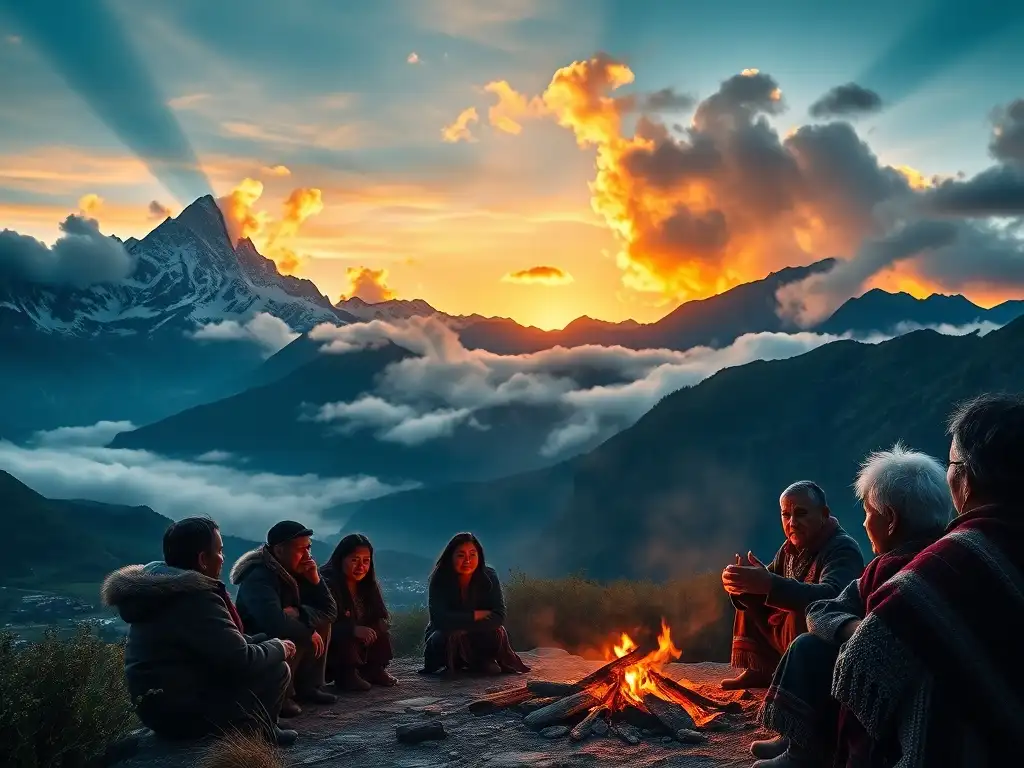
Uncover the secrets whispered across millennia. Journey into the heart of the Andes, where towering mountains held not just breathtaking landscapes, but a vibrant tapestry of ancient civilizations. From the Incas to the Nazca, their legacies resonate even today, profoundly shaped by the powerful currents of Andean oral tradition influence. Discover how these spoken narratives sculpted their worldviews, leaving an echo that reverberates through their art, technology, and enduring cultural identity. Prepare to be captivated by a story far older, and far more intricate, than you ever imagined.
- The Echo Chamber: How Oral Tradition Shaped Andean Worldviews
- Andean Oral Tradition Influence on Cultural Transmission
- The Impact of Oral Tradition on Andean Cosmologies
- Andean Oral Tradition and the Construction of Identity
- Challenges and Transformations of Andean Oral Tradition
- Andean Languages and the Preservation of Oral Traditions
- Frequently Asked Questions
- Final Reflection: The Enduring Resonance of Andean Voices
- Unveil the Power of Oral Tradition!
The Echo Chamber: How Oral Tradition Shaped Andean Worldviews
The Andes Mountains, a spine of towering peaks stretching along the western edge of South America, cradle a rich tapestry of ancient civilizations. For millennia, these cultures—including the Inca, Moche, Nazca, and Tiahuanaco—flourished and developed unique worldviews, largely shaped by a powerful force: oral tradition.
This article delves into the profound influence of spoken word on Andean societies, exploring how the transmission of knowledge, beliefs, and history through generations impacted their understanding of the world, their social structures, and their artistic expressions. We will examine the significance of oral history, the role of storytellers, and the lasting impact of this tradition on the Andean worldview, ultimately highlighting the crucial role of Andean oral tradition influence on their cultural identity.
Understanding this intricate system of knowledge transfer is key to appreciating the complexity and resilience of Andean civilizations. The absence of widespread written records before the Spanish conquest only underscores the dominance and enduring power of oral tradition in shaping these cultures.
Understanding the Power of Spoken Word in the Andes
The Andean oral tradition wasn't simply a method of storytelling; it was the very foundation of their social and spiritual fabric. Information wasn't passively received but actively participated in, shaped by the community's collective memory and interpretation. This dynamic process ensured the continuous evolution and adaptation of narratives, reflecting the changing needs and circumstances of each generation.
Consider the intricate details of Andean cosmology, for example: the intricate relationships between the celestial bodies, the earth, and humanity. These complex beliefs, passed down through generations of storytellers and ritual practitioners, were instrumental in shaping their agricultural practices, social hierarchies, and understanding of the natural world. The spoken word was not just a means of communication; it was a powerful tool for shaping reality, encoding cultural values, and transmitting crucial knowledge about everything from agricultural techniques to medicinal plants.
The precision and detail embedded within these oral histories demonstrate a sophisticated understanding of memory and information transfer. Think of the mnemonic devices and poetic structures employed to ensure accuracy and memorability – a testament to the importance placed on preserving this knowledge. The power of the spoken word extended beyond simple information dissemination; it was a vital element in maintaining social cohesion and cultural identity.
The Significance of Oral History in Andean Societies
Oral history in the Andes served as a living archive, preserving not just factual accounts but also the emotional and spiritual dimensions of their history. This wasn't a static record but a dynamic process, with narratives constantly being reinterpreted and adapted to the context of the moment. For instance, myths and legends about powerful ancestors or divine beings weren't merely entertaining stories; they served as powerful tools for social control, reinforcing social norms and legitimizing political authority. The cyclical nature of Andean agriculture, deeply intertwined with their understanding of the cosmos, was also reflected and reinforced through oral traditions.
Stories about the harvest cycle, the importance of reciprocity with nature, and the consequences of ignoring the rhythms of the natural world were passed down through generations, shaping their relationship with the environment and ensuring sustainable practices. Furthermore, the intricate systems of kinship and social organization were largely maintained and understood through oral tradition. Genealogies, clan histories, and rules of conduct were all transmitted verbally, underscoring the importance of memory and collective identity in Andean societies.
The absence of written records made oral tradition not just a cultural practice, but a necessity for the survival and continuity of these civilizations. The intricate weaving of history, mythology, and practical knowledge within these oral narratives highlights the multifaceted nature of this crucial cultural element. The loss of these traditions due to colonialism represents a significant blow to our understanding of Andean cultures and their extraordinary achievements.
Andean Oral Tradition Influence on Cultural Transmission
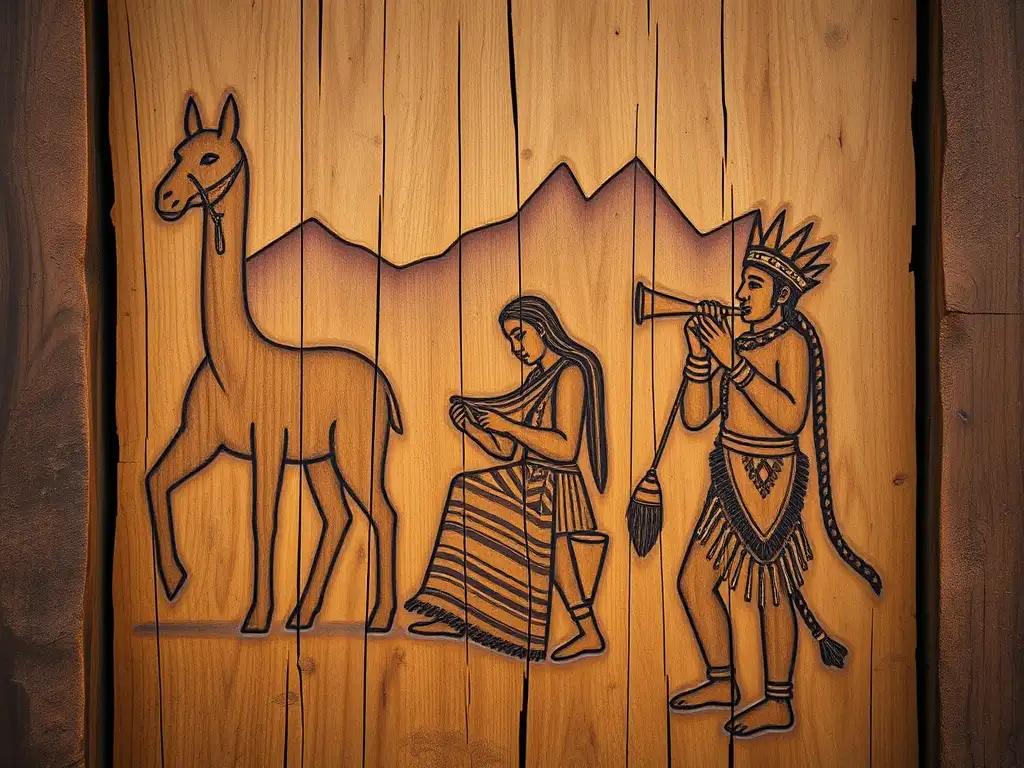
The Andean region, encompassing a vast and diverse landscape, lacked widespread writing systems for much of its history. This absence, however, didn't hinder the flourishing of complex societies. Instead, it fostered a sophisticated system of oral tradition that served as the primary vehicle for cultural transmission, shaping Andean worldviews and ensuring the continuity of knowledge across generations. The influence of Andean oral tradition extended far beyond mere storytelling; it formed the bedrock of Andean social structures, religious beliefs, and historical memory.
This section will explore how the intricate tapestry of spoken word preserved and perpetuated Andean culture. Understanding this influence is key to appreciating the nuances of Andean civilizations and their lasting legacies. The power of the spoken word in this context cannot be overstated; it was the lifeblood of their societies.
Preserving History Through Narratives and Storytelling
Narratives and storytelling were not simply forms of entertainment in Andean societies; they were vital tools for preserving and transmitting historical knowledge. Complex genealogical accounts, meticulously passed down through generations, documented lineages and established social hierarchies. These narratives weren't just lists of names and dates; they were rich tapestries woven with stories of heroic ancestors, significant events, and the origins of clans and communities.
For example, the Inca kept detailed records of their emperors' reigns, achievements, and relationships through quipus (knotted strings) and oral accounts, ensuring a continuous historical narrative. The accuracy and detail of these oral histories are remarkable, showcasing the effectiveness of this method of record-keeping. Furthermore, the stories themselves often incorporated mnemonic devices, such as songs, poems, and repetitive phrases, to aid memorization and accurate transmission.
This meticulous approach to oral history ensured that crucial information, including agricultural practices, medicinal knowledge, and social customs, was reliably passed on. The impact of this oral history on the Andean worldview cannot be underestimated; it cemented their collective identity and provided a framework for understanding their place in the world.
The Role of Andean Myths and Legends in Shaping Beliefs
Andean myths and legends played a crucial role in shaping the religious and spiritual beliefs of the region's diverse communities. These narratives explained the origins of the world, the natural phenomena, and the relationships between humans and the supernatural. For instance, the creation myths of different Andean groups often featured powerful deities interacting with the landscape, creating mountains, rivers, and animals.
These stories not only provided explanations for the world around them but also established moral codes and social norms. The legends often served as cautionary tales, warning against transgressions and reinforcing societal values. Moreover, myths and legends also provided a framework for understanding the cyclical nature of time and the importance of maintaining balance within the ecosystem.
The detailed descriptions of deities, rituals, and cosmology found in these narratives reveal a sophisticated religious worldview, intricately interwoven with their understanding of the natural world. The consistent retelling of these myths and legends ensured the preservation of religious practices and the continuity of spiritual beliefs across generations. The influence of these stories extended into daily life, shaping social interactions, agricultural practices, and even political structures.
Andean oral tradition was instrumental in maintaining the complex social structures that characterized these societies. The transmission of laws, customs, and codes of conduct through storytelling ensured social cohesion and order. These narratives often highlighted the importance of community, reciprocity, and respect for elders. For example, many Andean communities had elaborate systems of communal labor ( ayni and mita) which were regulated and reinforced through oral tradition.
The stories surrounding these systems emphasized the importance of collective effort and mutual support, shaping social interactions and fostering cooperation. Furthermore, oral tradition played a key role in conflict resolution. Traditional narratives often contained legal precedents and established procedures for addressing disputes, ensuring a sense of justice and fairness within the community. The power dynamics within Andean societies were also reflected and reinforced through oral tradition.
The stories of powerful rulers and their achievements served to legitimize their authority and maintain social hierarchies. The consistent retelling of these narratives ensured the continuity of social structures and the preservation of social order across generations. This demonstrates the profound and pervasive influence of oral tradition on all facets of Andean life. The intricate relationship between oral tradition and social structure is a testament to the power of storytelling in shaping and sustaining complex societies.
The Impact of Oral Tradition on Andean Cosmologies
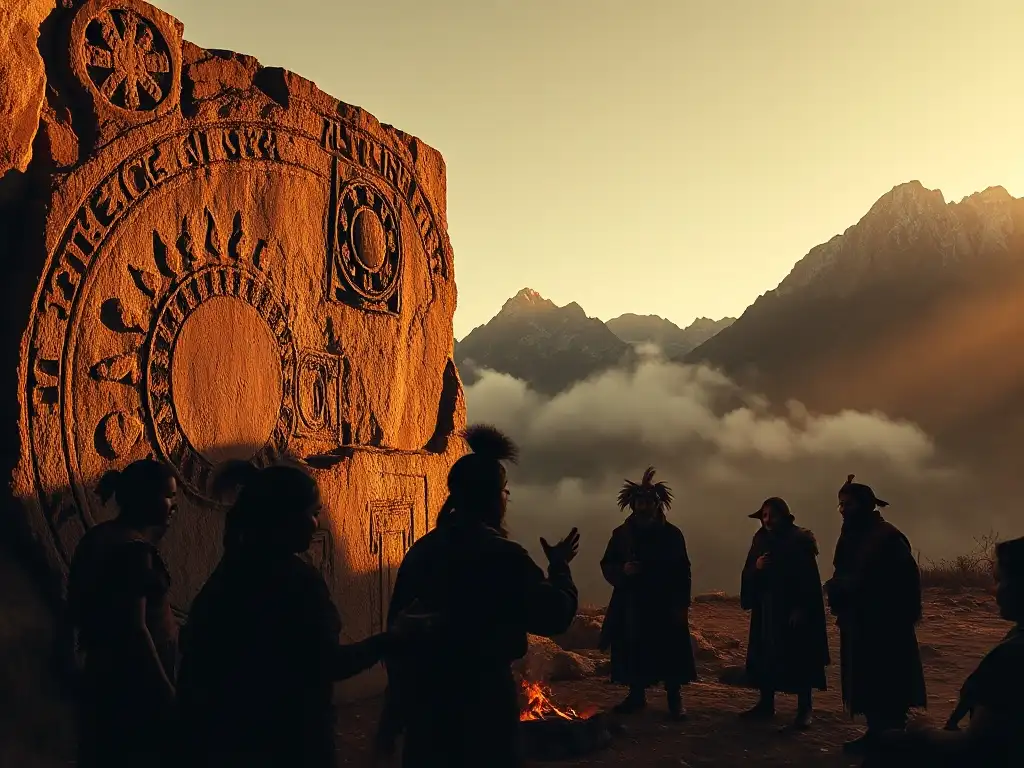
The Andean worldview, a complex tapestry woven from intricate spiritual beliefs, astronomical observations, and a deep connection to the natural world, was profoundly shaped by oral tradition. Unlike societies that relied heavily on written records, Andean cultures passed down their knowledge, beliefs, and history through generations via meticulously crafted narratives, songs, and ritual performances.
This oral transmission ensured the continuity of their unique cosmologies, fostering a strong sense of collective identity and cultural preservation. The absence of a widespread writing system didn't hinder the complexity or depth of their understanding; instead, it fostered a vibrant and dynamic system of knowledge transfer, adaptable and responsive to the changing circumstances of each community.
The influence of Andean oral tradition on their cosmologies is undeniable, shaping their understanding of the universe, their place within it, and their relationship with the divine. This section explores this influence in detail, demonstrating the vital role of oral traditions in shaping Andean identities and beliefs.
Oral Transmission of Andean Worldviews and Spiritual Concepts
Andean spiritual concepts, often intertwined with their understanding of the natural world, were primarily disseminated through oral tradition. Shamans, storytellers, and elders played crucial roles in preserving and transmitting these complex beliefs. Narratives detailing the creation of the world, the origins of different clans, and the exploits of mythical heroes served not only as entertaining stories but as fundamental tools for understanding their place within the cosmos. For instance, the Ayar brothers legend, a common narrative amongst various Andean groups, recounts the founding of Cusco and the establishment of Inca rule.
This story wasn't simply a historical account; it provided a framework for understanding Inca legitimacy and social hierarchy. Similarly, intricate myths about deities like Viracocha and Pachamama, the earth mother, were transmitted orally, shaping religious practices and influencing daily life. These narratives weren't static; they were constantly reinterpreted and adapted by different communities, reflecting the dynamic nature of Andean spirituality and the ongoing dialogue between the past and the present.
The fluidity of oral tradition allowed for adaptation and evolution, ensuring the continued relevance of these spiritual concepts across generations. Detailed accounts of these narratives, unfortunately, often vary depending on the community and storyteller, making a comprehensive compilation a challenging task. [Specific information pending: Detailed comparative analysis of variations in key Andean creation myths].
The Connection Between Storytelling and Andean Rituals
Andean rituals were deeply intertwined with oral traditions. Many ceremonies involved the recitation of specific chants, prayers, and narratives, each carrying symbolic meaning and reinforcing community bonds. The performance of these oral traditions wasn't merely a passive act of listening; it was an active participation in the perpetuation of cultural memory and the reinforcement of social structures. Consider the Capacocha rituals, where children were sacrificed to appease the gods.
These events were accompanied by elaborate ceremonies including songs, prayers, and narratives that justified and contextualized the sacrifice within the Andean cosmological framework. The oral components weren't simply add-ons; they were integral to the ritual’s effectiveness and meaning. Furthermore, the very act of storytelling often served as a ritual in itself, creating a sacred space where the community could connect with their ancestors and reaffirm their shared identity.
The dynamic interplay between oral performance and ritual underscores the multifaceted role of oral tradition in shaping Andean society and its beliefs. The loss of these oral traditions represents a significant loss of cultural heritage, hindering our understanding of the intricacies of Andean religious practices. [Specific information pending: Detailed analysis of the role of specific chants and prayers in different Andean rituals].
Oral Tradition and the Understanding of Nature in the Andes
The Andean relationship with nature was profoundly influenced by oral tradition. Stories and songs detailing the interaction between humans and the natural world instilled a deep respect for the environment and a profound understanding of its interconnectedness. Narratives about the spirits inhabiting mountains, rivers, and other natural features instilled a sense of reverence and caution, shaping sustainable practices.
These weren't simply fables; they reflected a sophisticated ecological knowledge passed down through generations, informing agricultural practices, resource management, and even conflict resolution. For example, stories about the Apus, mountain spirits, guided the Andean people in their agricultural practices, highlighting the importance of respecting the delicate balance of the ecosystem. Similarly, narratives about the power of the Pachamama, the earth mother, emphasized the interconnectedness of all living beings and the need for sustainable practices to ensure the well-being of the community and the environment.
This intimate understanding of the natural world, deeply embedded within oral tradition, shaped a unique Andean approach to environmental stewardship, providing valuable lessons for contemporary ecological concerns. The continued study and preservation of these oral traditions are crucial to understanding sustainable practices and their long-term implications. [Specific information pending: Examples of specific Andean agricultural techniques informed by oral traditions].
Andean Oral Tradition and the Construction of Identity
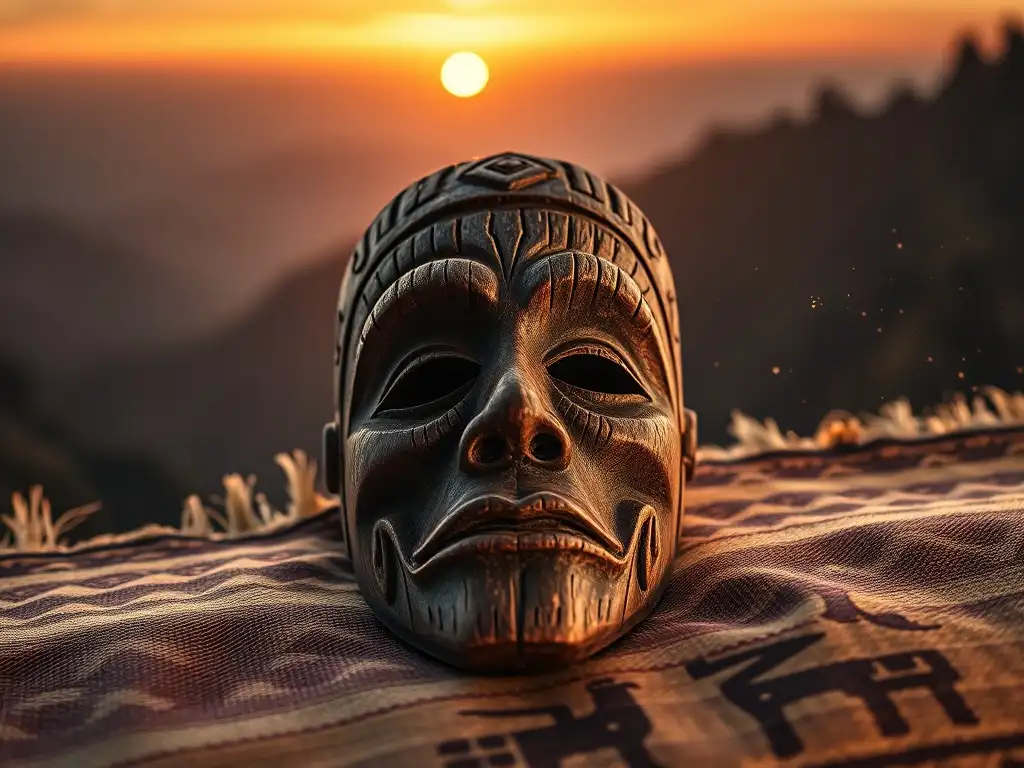
The Andean oral tradition wasn't merely a method of storytelling; it was the very bedrock upon which Andean societies built their identities. Across diverse cultures – from the Incas to the smaller, less documented groups – shared narratives forged a sense of belonging and collective memory, defining who they were and where they came from. This wasn't a passive process; active participation in the retelling and interpretation of these stories was crucial for individual and group identity formation.
The constant re-evaluation and adaptation of these narratives to reflect changing circumstances also shaped the evolving identity of the community. The influence of Andean oral tradition on identity is a powerful example of how culture is dynamically created and maintained across generations.
How Ancestral Stories Defined Community Identity
Ancestral stories, passed down through generations, served as powerful tools in defining community identity within Andean societies. These weren't simply tales of the past; they were living narratives that explained the origins of the community, its relationship to the land, and its place within the wider cosmos. For example, many groups traced their lineage back to specific mythical figures or animals, creating a powerful sense of shared ancestry and kinship.
These origin myths also often incorporated explanations for natural phenomena, geographical features, and social customs, solidifying a cohesive worldview. The repetition of these stories during important ceremonies and rituals further reinforced their significance and their role in establishing a collective identity.
The consistent reinforcement of these shared narratives ensured that the cultural memory remained vibrant and relevant even across vast stretches of time. The power of these stories is evident in the continuity of certain Andean traditions, even in the face of significant societal changes.
The Role of Oral Tradition in Maintaining Cultural Continuity
The Andean oral tradition played a pivotal role in maintaining cultural continuity across generations. In the absence of widespread written records, oral narratives served as the primary means of transmitting knowledge, skills, beliefs, and values. This included practical knowledge like agricultural techniques, medicinal practices, and construction methods, as well as more abstract concepts related to spirituality, cosmology, and social organization.
The meticulous transmission of this knowledge ensured that crucial aspects of Andean culture survived, adapting and evolving over time. Think of the intricate details of Inca quipus (knotted-cord record-keeping system) – while the precise meanings are still debated, the very existence of this complex system demonstrates the sophisticated methods employed to maintain and transmit information orally. The continuous retelling of these stories, often with embellishments and adaptations, was vital to its preservation.
This dynamic process ensured that the tradition remained relevant and meaningful to each new generation, adapting to the changing social and environmental contexts. The survival of many aspects of Andean culture is a testament to the resilience and effectiveness of this oral transmission system.
The Influence of Oral Narratives on Andean Art and Expressions
Andean oral narratives profoundly influenced the artistic expressions of the region. Myths, legends, and historical accounts were frequently depicted in textiles, pottery, and stone carvings. The vibrant imagery found in Moche pottery, for instance, often illustrates scenes from their oral tradition – battles, rituals, and mythological figures.
Similarly, Nazca lines, though their exact purpose is still debated, may reflect cosmological beliefs transmitted through oral narratives. These artistic representations served as visual aids, reinforcing the stories and making them accessible to a wider audience. The intricate designs woven into Andean textiles often depict narrative sequences, telling stories through symbolic imagery.
The creation and preservation of these artistic expressions reinforced the power of the oral tradition, embedding it within the material culture of the Andes. This interconnectedness between oral narratives and artistic expression demonstrates the profound influence of the oral tradition on the cultural landscape of the region. The enduring presence of these artistic artifacts is a testament to the lasting impact of these stories.
Challenges and Transformations of Andean Oral Tradition
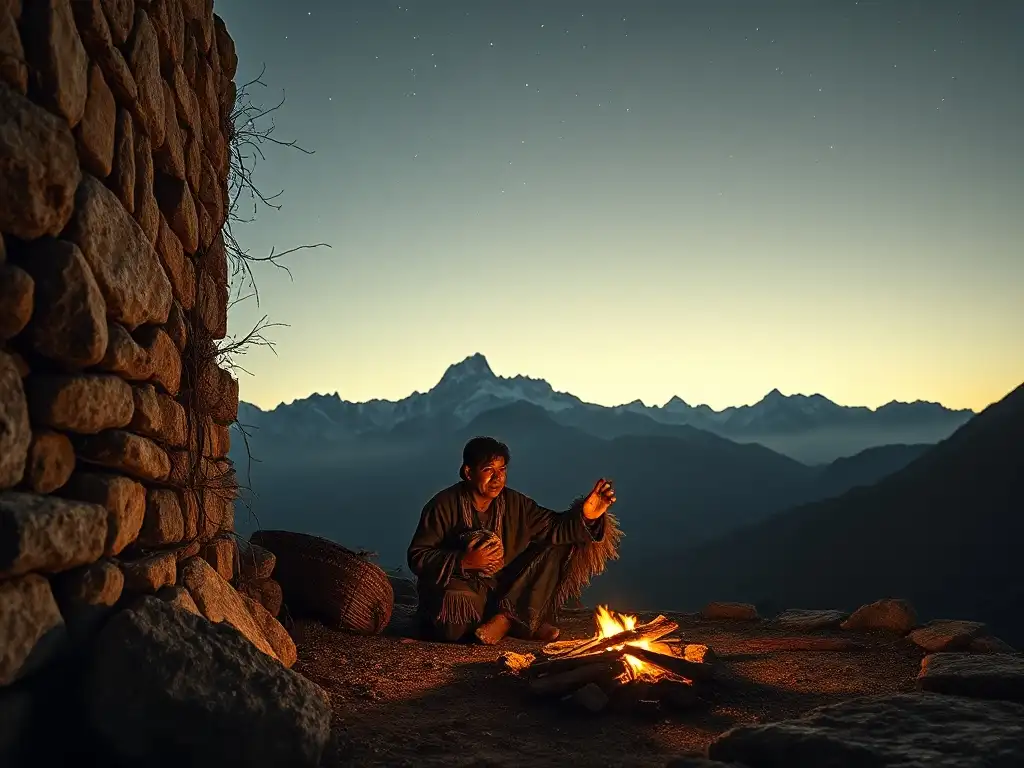
The Andean oral tradition, a vibrant tapestry woven from millennia of storytelling, wasn't immune to the sweeping changes that reshaped the continent. Its resilience, however, is a testament to its inherent power and the deep cultural significance it held—and continues to hold—for Andean communities. Understanding the challenges faced by this tradition is crucial to appreciating its enduring legacy and the ongoing efforts to preserve it.
The influence of Andean oral tradition on the worldview of its people is undeniable, but its path has been far from smooth. The transmission of knowledge, beliefs, and history through spoken word faced numerous obstacles, leading to transformations that continue to shape its current form. Analyzing these challenges reveals the complex interplay between tradition and change in the Andean world.
The Impact of Colonialism on Andean Storytelling
The arrival of the Spanish in the 16th century marked a profound turning point. Colonialism systematically sought to suppress indigenous languages and cultural practices, including oral traditions. The imposition of Spanish as the dominant language led to the gradual erosion of Quechua, Aymara, and other native tongues, the very vehicles through which Andean stories were passed down.
Many narratives were lost or deliberately destroyed, deemed heretical or subversive by the colonizers. The suppression wasn't merely linguistic; it was a systematic attempt to erase indigenous identities and worldviews. This resulted in a significant loss of knowledge, particularly regarding pre-Columbian history, cosmology, and social structures.
The impact wasn't solely destructive, however. Indigenous communities adapted, often subtly incorporating elements of the dominant culture into their storytelling. This resulted in hybrid forms of expression, blending pre-Columbian narratives with Christian themes or Spanish vocabulary. This adaptation, while a survival mechanism, also reflects the enduring resilience of Andean oral traditions.
The stories, though altered, continued to be told, carrying within them fragments of the past and a quiet resistance against colonial erasure. The subtle integration of indigenous beliefs within seemingly Christian narratives demonstrates a complex strategy of cultural preservation. For instance, [specific examples of syncretism in Andean storytelling pending].
Resurgence and Preservation of Andean Oral Traditions
Despite the significant challenges posed by colonialism and modernization, Andean oral traditions have shown remarkable resilience. In recent decades, there's been a growing movement to revitalize and preserve these invaluable cultural assets. This resurgence is fueled by a renewed sense of indigenous identity and a recognition of the importance of oral traditions in shaping community cohesion and cultural continuity. Efforts to document and archive these stories, often involving collaborations between indigenous communities and academics, are gaining momentum.
This revitalization isn't merely about preserving the past; it's about ensuring the continuity of cultural transmission for future generations. Community-based initiatives play a crucial role, with elders sharing their knowledge with younger generations, ensuring the survival of their unique narratives and worldviews. The use of modern technology, such as audio and video recordings, facilitates the documentation and dissemination of these stories on a wider scale.
The use of these technologies, combined with traditional methods, allows for a more accessible and comprehensive preservation of the Andean oral tradition. Furthermore, the integration of oral traditions into educational curricula is gradually gaining traction, further contributing to their preservation and transmission.
The Future of Oral Transmission in Modern Andean Societies
The future of Andean oral traditions hinges on several key factors. The continued support for indigenous language revitalization programs is paramount. Promoting bilingual education, where Quechua, Aymara, and other indigenous languages are taught alongside Spanish, is essential for ensuring the linguistic survival of these traditions. Furthermore, fostering greater awareness and appreciation for the richness and diversity of Andean oral traditions within broader society is crucial. This includes promoting access to these narratives through various media platforms and integrating them into cultural events and festivals.
The challenge lies in balancing the preservation of traditional storytelling methods with the integration of modern technologies. While digital archiving offers significant advantages in terms of accessibility and preservation, it's crucial to avoid a purely technological approach that might diminish the social and experiential aspects of oral transmission. The emphasis should be on empowering indigenous communities to control and manage the documentation and dissemination of their own stories.
The future of Andean oral tradition depends on a collaborative effort that respects both the tradition and the need for adaptation in a rapidly changing world. The successful navigation of this path will ensure that the echoes of Andean voices continue to resonate for generations to come. The careful blending of ancient wisdom and modern tools will determine the continued flourishing of this invaluable cultural heritage.
Andean Languages and the Preservation of Oral Traditions
The Andean oral tradition influence is profoundly intertwined with the diverse languages spoken across the Andes. For centuries, before the widespread adoption of writing systems, these languages served as the sole repositories of knowledge, history, mythology, and social structures. The intricate narratives, songs, and rituals transmitted orally were not simply entertainment; they were the very foundation of Andean societies.
Their loss would represent an irreparable damage to the cultural heritage of the region. The relationship between language and memory is particularly strong in oral cultures, where the linguistic structures themselves often encode deep cultural meanings and historical events. For example, the Quechua language, with its rich vocabulary and nuanced grammar, allows for the expression of complex cosmological concepts and historical accounts impossible to convey in a simpler system.
The survival of Quechua dialects, alongside Aymara, and other smaller languages, is therefore crucial to understanding the full depth and complexity of Andean oral traditions. The subtle variations in vocabulary and storytelling techniques across different linguistic groups highlight the richness and diversity of Andean worldviews.
The Link Between Language and Cultural Memory in the Andes
The Andean oral tradition's survival depends intrinsically on the continued use of indigenous languages. These languages aren't merely vehicles for communication; they are living embodiments of cultural memory. The very sounds, rhythms, and grammatical structures of Quechua, Aymara, and other Andean languages shape the way knowledge is organized and passed down through generations.
Consider, for instance, the use of mnemonic devices embedded within the linguistic structure – specific word order, rhyming patterns, or repetitive phrases – employed to aid memorization and transmission of lengthy narratives, genealogies, and historical accounts. These linguistic tools are not simply stylistic choices; they are essential to the preservation and accurate transmission of oral traditions.
The loss of a language, therefore, means not just a loss of communication but a loss of a unique and irreplaceable system for encoding and preserving cultural knowledge. The intricate relationship between language and cultural memory underscores the urgent need to support language revitalization efforts across the Andes.
Linguistic Diversity and the Richness of Andean Oral Histories
The linguistic diversity of the Andes is a direct reflection of the incredible variety in Andean oral histories. Each language holds a unique collection of stories, songs, and myths, often reflecting the specific environmental, social, and political experiences of the communities that speak them. This diversity isn't simply a matter of different words for the same concepts; it represents fundamentally different ways of understanding the world.
For example, the cosmologies expressed in Quechua narratives often differ significantly from those found in Aymara traditions, reflecting distinct relationships between humans and their environment. The study of these diverse linguistic expressions reveals a far richer and more nuanced understanding of Andean history and worldviews than could ever be obtained from a single perspective.
Preserving this linguistic diversity is, therefore, essential for a complete appreciation of the Andean oral tradition's richness and complexity. The ongoing documentation and analysis of these diverse oral histories are vital to understanding the full scope of Andean cultural heritage.
Supporting the Revitalization of Indigenous Andean Languages
The revitalization of indigenous Andean languages is not merely an academic pursuit; it is a critical step in ensuring the survival of Andean oral traditions. Active measures are needed to support language learning and transmission across generations. This includes initiatives such as bilingual education programs, the creation of language learning resources, and the promotion of the use of indigenous languages in public life. 1 Furthermore, investing in the documentation and archiving of oral histories told in indigenous languages is crucial to preserving this invaluable cultural heritage. This can involve working with community elders and storytellers to record and transcribe their narratives, songs, and rituals. The digital archiving of these materials can ensure broader access and accessibility for future generations. Finally, supporting community-based initiatives that promote the use of indigenous languages in everyday life is vital. This includes encouraging the use of indigenous languages in media, arts, and cultural events. The future of the Andean oral tradition is inextricably linked to the continued vitality of Andean languages. We must act decisively to ensure their survival.
1 Further research is needed to identify specific successful initiatives and quantify their impact.
Frequently Asked Questions
What role did oral tradition play in Andean societies?
Oral tradition was paramount in Andean societies. It served as the primary means of transmitting knowledge, history, beliefs, and values across generations, shaping their worldviews and social structures. It was integral to their identity.
How did oral narratives shape Andean cosmology?
Andean cosmology, with its complex understanding of the relationship between humans and the supernatural, was largely shaped by oral narratives. Myths and legends explained the origins of the world, the actions of gods, and the meaning of life, influencing their spiritual practices.
What forms did Andean oral tradition take?
Andean oral tradition manifested in various forms, including myths, legends, songs, poems, and storytelling. These were often performed during rituals, ceremonies, and everyday social gatherings, ensuring their preservation and transmission.
How did oral tradition impact Andean artistic expression?
Oral traditions significantly impacted Andean art. Motifs, symbols, and narratives from oral sources frequently appeared in textiles, ceramics, and other art forms, reflecting and reinforcing their cultural beliefs and values.
How did the Spanish conquest affect Andean oral traditions?
The Spanish conquest had a devastating impact on Andean oral traditions. While some elements survived, the suppression of indigenous languages and cultures led to the loss of much valuable knowledge and cultural heritage. Efforts to revitalize these traditions continue today.
Final Reflection: The Enduring Resonance of Andean Voices
The power of oral tradition in shaping Andean worldviews remains profoundly relevant today, a testament to the enduring strength of cultural memory and its impact on shaping identity and understanding. While seemingly relegated to the past, the intricate narratives, songs, and rituals passed down through generations continue to inform contemporary Andean societies, influencing their social structures, environmental stewardship, and artistic expressions. The echoes of these ancient voices resonate powerfully in the present.
The article explored how the intricate web of Andean oral tradition fostered a deep connection to the land, a cyclical understanding of time, and a complex cosmology that continues to shape Andean perspectives on life, death, and the cosmos. The past is never dead. It's not even past.
– William Faulkner. This quote perfectly encapsulates the enduring relevance of Andean oral traditions; their influence is not confined to history books but actively shapes the present, influencing everything from indigenous rights movements to contemporary artistic expressions. The stories, songs, and knowledge passed down through generations are not simply relics of the past, but living, breathing elements of a vibrant culture.
Consider the profound impact of these stories on your own life. How do the narratives you've inherited, whether familial or cultural, shape your worldview? I urge you to actively seek out and engage with the rich tapestry of oral traditions from different cultures, recognizing the power of storytelling to connect us across time and space. By understanding and appreciating these diverse voices, we can foster a more empathetic and interconnected world, one where the echoes of the past illuminate the path towards a more just and sustainable future.
Unveil the Power of Oral Tradition!
Thank you for exploring the fascinating influence of oral tradition on Andean worldviews. By delving into this rich cultural heritage, you've gained valuable insight into how storytelling shapes beliefs and identities. Now, let's work together to celebrate and preserve this unique legacy.
Consider these actions:
- **Engage your community:** Organize a storytelling event focused on Andean traditions. Invite local storytellers, or share your own family stories and experiences.
- **Share your insights:** Discuss this article on social media to inspire others to appreciate the role of oral history in their own cultures.
- **Document and preserve:** Record and transcribe your family stories or oral traditions, and share them to contribute to a richer understanding of our collective cultural heritage.
What stories from your own life or culture resonate with the themes we've discussed? Let's begin a conversation!