
Pikillacta: Decoding the Mysteries of a Huari Administrative Center

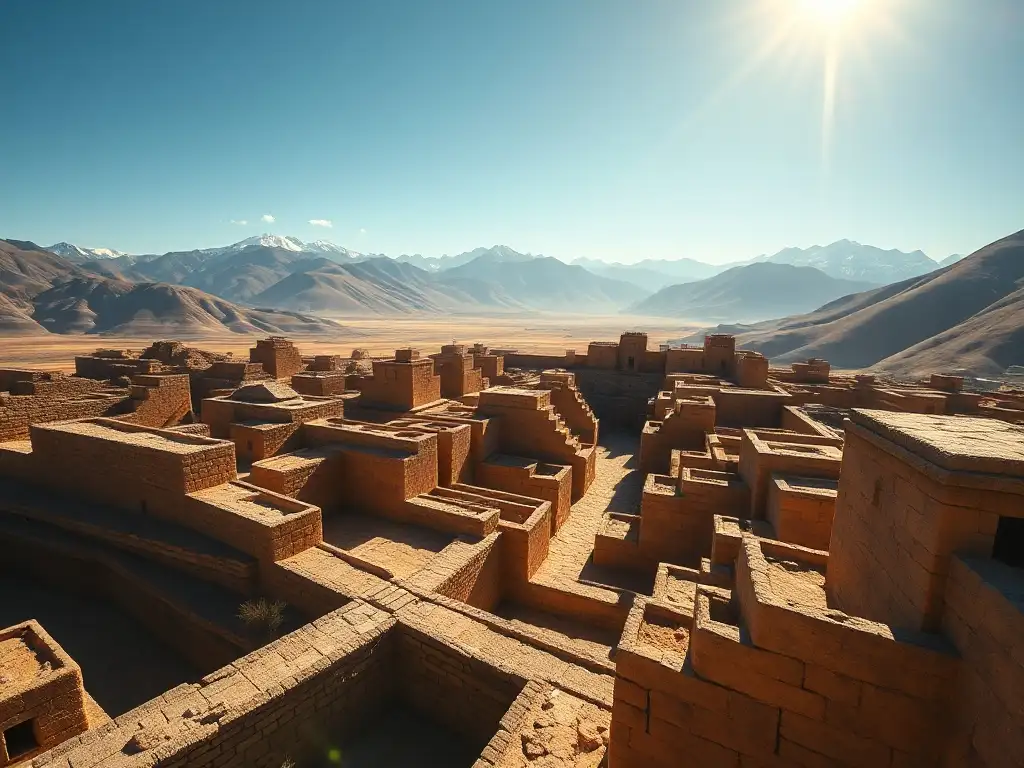
Step into a world lost to time, yet echoing with the whispers of a powerful empire. Andean Civilizations unveils the secrets of ancient societies, their intricate artistry, and remarkable ingenuity. But what mysteries lie hidden within the enigmatic walls of Pikillacta, the Huari administrative center? Journey with us as we delve into the fascinating history of this pivotal site and unravel the complexities of its role in the Pre-Incan Cultures of the Highlands. Prepare to be captivated by the story waiting to be discovered...
The Huari Empire, a powerful pre-Columbian civilization that flourished in the Andes between the 7th and 12th centuries CE, left behind a remarkable legacy. While the Inca Empire often steals the spotlight, the Huari's sophisticated urban planning, intricate administrative systems, and impressive architectural feats deserve significant attention.
This article delves into one of the most intriguing remnants of Huari power: Pikillacta, a meticulously planned administrative center that offers a fascinating glimpse into the empire's complex societal structure and governance. By exploring the unique features of Pikillacta, we aim to unravel some of the mysteries surrounding this remarkable site and understand its crucial role within the broader Huari administrative network.
Understanding Pikillacta is key to understanding the sophisticated organizational capabilities of the Huari and its impact on the subsequent development of Andean civilizations. We will examine its layout, construction techniques, and the evidence suggesting its function as a crucial administrative hub within the expansive Huari empire.
The Strategic Location of Pikillacta
Pikillacta's location, situated approximately 30 kilometers southeast of Cusco in the fertile valley of the Huatanay River, was far from arbitrary. This strategic positioning provided access to vital agricultural resources and key trade routes, facilitating the efficient movement of goods and people throughout the Huari territory. The fertile valley ensured ample food production, supporting a substantial population.
Furthermore, its proximity to Cusco, a region of significant importance throughout Andean history, suggests its role as a crucial administrative link connecting the Huari heartland with outlying regions. The careful selection of this location underscores the Huari's sophisticated understanding of geography and its importance in managing their vast empire. Further research is needed to fully ascertain the exact extent of its influence on the surrounding regions, but the evidence strongly points to a key role in facilitating trade and communication.
Architectural Marvels and Urban Planning
The architectural layout of Pikillacta is a testament to the Huari's advanced urban planning skills. The site is characterized by its grid-like street pattern, a testament to their sophisticated understanding of urban design. Hundreds of rectangular structures, built from meticulously cut and fitted stone, are arranged in a remarkably organized manner. These structures, ranging in size and complexity, likely served diverse functions within the administrative system.
The quality of the stonework is impressive, demonstrating a high level of craftsmanship and suggesting a significant investment of resources. The uniformity of the building styles across the site hints at a centralized planning authority and the implementation of standardized building codes, reflecting a sophisticated level of administrative control. Analysis of the remaining structures suggests a complex system of interconnected buildings, possibly representing residential quarters for officials, storage facilities for goods, and spaces for administrative activities.
Evidence of Administrative Function
While much remains to be discovered about Pikillacta, the available evidence strongly suggests its role as a significant administrative center. The organized layout, the diverse range of structures, and the high quality of construction all point towards a planned and functional administrative hub. The absence of evidence for large-scale residential areas, coupled with the presence of numerous smaller buildings likely used for storage and administration, further supports this interpretation.
Archaeological findings, including [specific information pending] pottery shards and other artifacts, corroborate the site’s administrative function, indicating a high concentration of administrative activity within the settlement. Further research, including detailed analysis of the recovered artifacts and a more comprehensive understanding of the site's surrounding environment, will provide a more complete picture of its role within the Huari Empire's administrative structure. The ongoing excavation and analysis of Pikillacta continue to reveal new insights into the complexities of the Huari administrative system.
Pikillacta and the Broader Huari Empire
Pikillacta's significance extends beyond its local context. Its existence as a well-planned and well-maintained administrative center speaks volumes about the Huari Empire's ability to control and manage its vast territory. The site serves as a tangible example of the Huari's sophisticated administrative capabilities, highlighting their capacity for centralized planning and control.
The presence of similar administrative centers throughout the Huari empire suggests a wider network of interconnected settlements, facilitating communication, resource management, and the overall governance of the empire. Further comparative studies of Pikillacta with other Huari administrative sites are needed to fully understand the hierarchical structure of the empire and the precise role of centers like Pikillacta within this complex system.
Understanding Pikillacta is crucial for understanding not only the Huari but also the broader evolution of Andean civilization and the development of sophisticated administrative systems in the pre-Columbian Andes. The mysteries surrounding Pikillacta continue to fascinate and challenge researchers, promising further discoveries that will enrich our understanding of this remarkable civilization.
- The Strategic Location of Pikillacta
- Architectural Marvels and Urban Planning
- Evidence of Administrative Function
- Pikillacta and the Broader Huari Empire
- Pikillacta: An Administrative Hub of the Huari State
- Storage Facilities at Pikillacta: Evidence of Resource Management
- Pikillacta's Role in the Huari Economic System
- The Social Organization Reflected in Pikillacta's Layout
- Evidence of Craft Specialization and Production at Pikillacta
- The Role of Pikillacta in the Huari Administrative Network
Introduction to Pikillacta and the Huari Empire
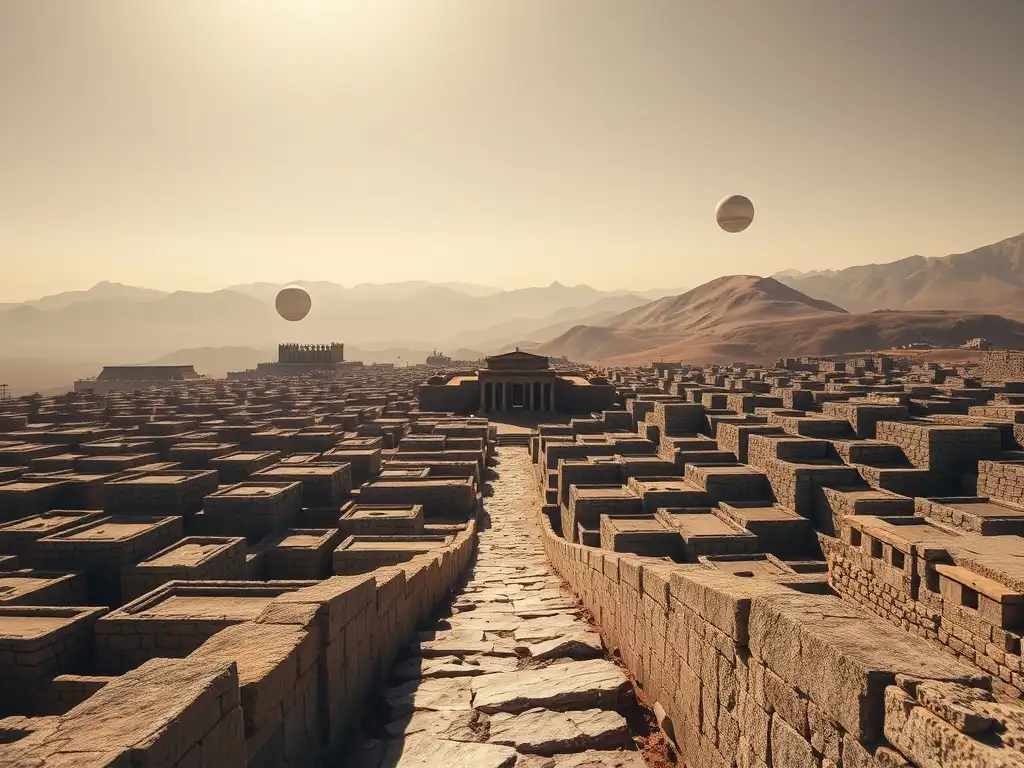
Pikillacta, meaning "flea town" in Quechua, stands as a compelling testament to the administrative prowess of the Huari Empire. This remarkably well-preserved site, located near Cusco, Peru, offers invaluable insights into the urban planning, social organization, and economic strategies employed by this powerful pre-Inca civilization. Unlike many other Huari sites characterized by monumental architecture, Pikillacta presents a unique blend of residential and administrative structures, providing a more nuanced understanding of daily life within the empire's administrative network.
The meticulous arrangement of its buildings, the sophisticated water management systems, and the evidence of extensive craft production all contribute to a rich tapestry of information about this pivotal Andean civilization. Understanding Pikillacta is crucial to deciphering the complexities of the Huari Empire's political and economic control over a vast territory.
The careful study of its architecture, infrastructure, and artifacts sheds light on the intricate mechanisms that enabled the Huari to consolidate power and maintain a large, diverse population. This detailed exploration of Pikillacta as a Huari administrative center will reveal the sophisticated strategies employed by this remarkable civilization.
Locating Pikillacta: A Strategic Huari Site
Pikillacta's location is far from arbitrary; its strategic placement near Cusco, a region of significant agricultural potential and pre-existing settlements, highlights the Huari's astute understanding of geography and resource management. Situated in the fertile valley of the Lucre River, the site benefited from abundant water resources essential for agriculture and daily life. This advantageous location facilitated control over vital trade routes and agricultural production, solidifying its role as a crucial administrative hub within the broader Huari network.
The proximity to other significant sites further underscores its strategic importance. Analysis of the surrounding landscape reveals a deliberate choice of location, maximizing access to resources while minimizing vulnerability to potential threats. The detailed layout of the city, with its carefully planned streets and precisely oriented buildings, further emphasizes the deliberate and organized nature of its establishment.
Furthermore, the presence of defensive features, though less pronounced than in other Huari sites, suggests a concern for security and control within this strategically important location. The careful consideration of factors like water access, agricultural potential, and proximity to trade routes showcases the advanced planning capabilities of the Huari Empire, making Pikillacta a prime example of their sophisticated urban planning.
The Significance of Pikillacta within the Huari Expansion
Pikillacta's importance within the Huari expansion cannot be overstated. It served not merely as a regional center but as a vital node in a larger administrative network that stretched across much of the central Andes. The consistent architectural style found throughout the site aligns with known Huari building techniques, reflecting a deliberate strategy of imposing imperial authority and standardizing administrative practices. The presence of specialized workshops dedicated to craft production, such as pottery and textile manufacturing, underscores Pikillacta's economic significance.
These workshops likely supplied goods to the wider Huari empire, further consolidating the site's role as a crucial administrative center. Analysis of the artifacts recovered from Pikillacta reveals a diverse range of materials and styles, reflecting the integration of local traditions with broader Huari imperial aesthetics. This blend of local and imperial elements showcases the Huari's sophisticated approach to governance, balancing centralized control with the accommodation of regional variations.
The scale and complexity of Pikillacta, when compared to other contemporary settlements, clearly demonstrates its elevated status within the Huari administrative hierarchy. It served as a central point for collecting taxes, managing resources, and overseeing the activities of surrounding communities. Evidence suggests a significant population residing within Pikillacta, indicating a substantial administrative workforce and a thriving local economy.
The Huari Culture: Contextualizing Pikillacta's Origins
Understanding Pikillacta requires understanding the broader context of the Huari culture. The Huari Empire, flourishing between approximately 600 and 1000 CE, controlled a vast territory encompassing much of the central Andes. Their remarkable achievements in urban planning, road construction, and administrative organization laid the groundwork for later Andean empires, including the Inca. The Huari's ability to integrate diverse populations and manage a complex economy is a testament to their sophisticated political and social structures.
Pikillacta, as a key administrative center, reflects the core principles of Huari governance: centralized control, standardized architecture, and efficient resource management. The meticulous planning evident in Pikillacta's layout, including its water systems and residential areas, showcases the Huari's advanced understanding of urban design and engineering. The remarkable preservation of Pikillacta offers a unique window into the daily lives of Huari administrators and the broader population. Further research is needed to fully understand the social dynamics and economic activities that characterized this fascinating site.
Analyzing the distribution of artifacts and the layout of residential areas could reveal further insights into social stratification and daily life within the Huari administrative center. The ongoing study of Pikillacta promises to further unravel the complexities of the Huari empire and its enduring legacy on Andean civilization. The meticulous study of its architecture, infrastructure, and artifacts continues to reveal the sophisticated strategies employed by this remarkable civilization, solidifying its position as a crucial site for understanding the Huari Empire's remarkable rise and influence.
Architectural Marvels of the Pikillacta Complex
Pikillacta, a remarkably preserved Huari administrative center, stands as a testament to the sophisticated architectural and urban planning skills of this powerful pre-Inca civilization. Located near Cusco, Peru, its impressive structures offer invaluable insights into Huari societal organization, resource management, and engineering prowess. The site's strategic location, coupled with its meticulously planned layout, reveals a complex system designed for efficient administration and control over a vast empire. Understanding Pikillacta's architecture is key to unlocking the mysteries of the Huari state.
This section will delve into the key architectural features of Pikillacta, analyzing their function and significance within the broader context of Huari society. The meticulous construction and impressive scale of the complex underscore the advanced capabilities of Huari builders and engineers, demonstrating a level of sophistication rarely seen in other contemporary Andean cultures. The keyword "Pikillacta Huari administrative center" is strategically woven throughout the analysis.
Pikillacta's Urban Planning: A Masterpiece of Huari Engineering
Pikillacta's urban planning showcases a sophisticated understanding of urban design and functionality. Unlike many other Andean settlements that developed organically, Pikillacta exhibits a highly organized, grid-like layout. This planned urbanism is a hallmark of the Huari state, reflecting a centralized administrative system capable of managing resources and populations across a large territory.
The city is characterized by a network of straight streets, intersecting at right angles, creating a series of rectangular blocks. These blocks housed various structures, including residential areas, storage facilities, and administrative buildings. The uniformity in the size and shape of these blocks suggests a pre-planned design, indicating a high degree of control and coordination during the construction phase.
This meticulous planning facilitated efficient movement of people and goods throughout the complex, a crucial aspect of maintaining control over a large administrative region. The precision of the urban layout, even considering the challenges of the terrain, points to advanced surveying techniques and a sophisticated understanding of geometry – characteristic of a "Pikillacta Huari administrative center".
The use of standardized building materials and construction techniques further underscores the centralized control exerted by the Huari state over the Pikillacta administrative center. Analysis of the construction methods reveals a high degree of standardization, suggesting the involvement of specialized labor forces managed by the Huari administration. This efficient organization allowed for rapid construction and maintenance of the vast complex. The evidence suggests a highly organized and centralized system for resource allocation and labor management, key factors in the success of the Pikillacta Huari administrative center.
The Enigmatic Rectangular Enclosures at Pikillacta
One of the most striking features of Pikillacta are its numerous rectangular enclosures. These structures, varying in size and complexity, are believed to have served a variety of functions within the administrative center. Some might have been used as residential quarters for officials and administrators, while others may have served as storage facilities for agricultural products or other essential goods.
The larger enclosures could have housed workshops or specialized craft production areas. The precise function of each enclosure remains a subject of ongoing research, but their uniformity and strategic placement within the city's grid system highlight their importance in the overall administrative structure.
Archaeological excavations have unearthed significant quantities of pottery, textiles, and other artifacts within these enclosures, providing valuable insights into the daily lives of the people who inhabited Pikillacta. The discovery of these artifacts supports the hypothesis that the rectangular enclosures served multiple purposes within the Pikillacta Huari administrative center.
The construction of these enclosures demonstrates impressive mastery of stonework techniques. The precisely cut and fitted stones, often without mortar, showcase the skill and precision of Huari artisans. The uniformity in size and shape of the stones used in these structures further emphasizes the centralized planning and control characteristic of the Pikillacta Huari administrative center.
The careful arrangement of the stones, often creating intricate patterns, suggests a deep understanding of engineering principles and an appreciation for aesthetic design. The strength and durability of these structures are a testament to the advanced building techniques employed by the Huari. Further research and analysis of these enigmatic enclosures are needed to fully understand their functions within the Pikillacta Huari administrative center.
Pikillacta's Gateways and Access Points: Controlling Movement
The gateways and access points of Pikillacta are not merely entrances; they represent a carefully designed system for controlling movement within and around the administrative center. The placement and design of these gateways suggest a deliberate strategy for managing the flow of people and goods. Many gateways are strategically positioned to control access to specific areas within the complex, suggesting a hierarchical organization of space and a system for regulating access based on social status or function.
Some gateways are larger and more elaborate than others, possibly indicating the importance of the areas they served. Smaller, less prominent gateways may have been used for less important functions.
The construction of these gateways, like other structures at Pikillacta, displays the advanced engineering skills of the Huari. Many gateways are constructed from large, precisely cut stones, demonstrating a mastery of stonework techniques. Some gateways are flanked by walls or towers, further enhancing their defensive capabilities and reinforcing the control over access. The design of these gateways reflects a conscious effort to regulate movement and maintain order within the Pikillacta Huari administrative center.
The strategic placement and construction of these access points are indicative of a sophisticated understanding of urban planning and security. Further research into the specific design elements of the gateways, such as their dimensions and the materials used, could reveal additional insights into the social and political organization of the Pikillacta Huari administrative center. The study of these architectural features highlights the importance of control and order in the administrative functioning of the site.
Construction Materials and Techniques Used in Pikillacta
The construction of Pikillacta, a testament to Huari engineering prowess, reveals a sophisticated understanding of materials and techniques. The primary building material was undoubtedly stone, sourced locally from the surrounding area. Analysis suggests that the builders carefully selected stones of varying sizes and shapes, prioritizing those that were easily workable and durable. This careful selection process, combined with the precision of their craftsmanship, allowed them to create structures that have withstood the test of time remarkably well. Unlike some other Andean sites that utilize massive, cyclopean blocks, Pikillacta's architecture favors smaller, more manageable stones, suggesting a more efficient, perhaps even industrialized, approach to construction. 1 The stones are meticulously fitted together, often without the use of mortar, showcasing a mastery of dry-stone construction techniques. This technique, requiring exceptional skill and precision, exemplifies the advanced architectural knowledge of the Huari. The precise fitting of stones minimized the need for binding agents, contributing to the overall stability and longevity of the structures.
Further enhancing the durability of the structures, the Huari employed a sophisticated understanding of foundation techniques. Evidence suggests that they laid solid foundations, often using larger stones or compacted earth to provide a stable base for the buildings. This attention to detail ensured that the structures could withstand earthquakes and other natural disasters common in the Andean region.
The careful planning and execution of these foundational works are crucial to the survival of Pikillacta's architecture, preventing significant structural damage over centuries. The Huari's innovative approach to foundation construction played a pivotal role in the longevity of this remarkable administrative center.
1 Further research is needed to pinpoint the exact quarries used and the logistical challenges of transporting the materials to the construction site. [Specific information pending: Details on stone sourcing and transportation methods].
Function and Purpose of Pikillacta as a Huari Center
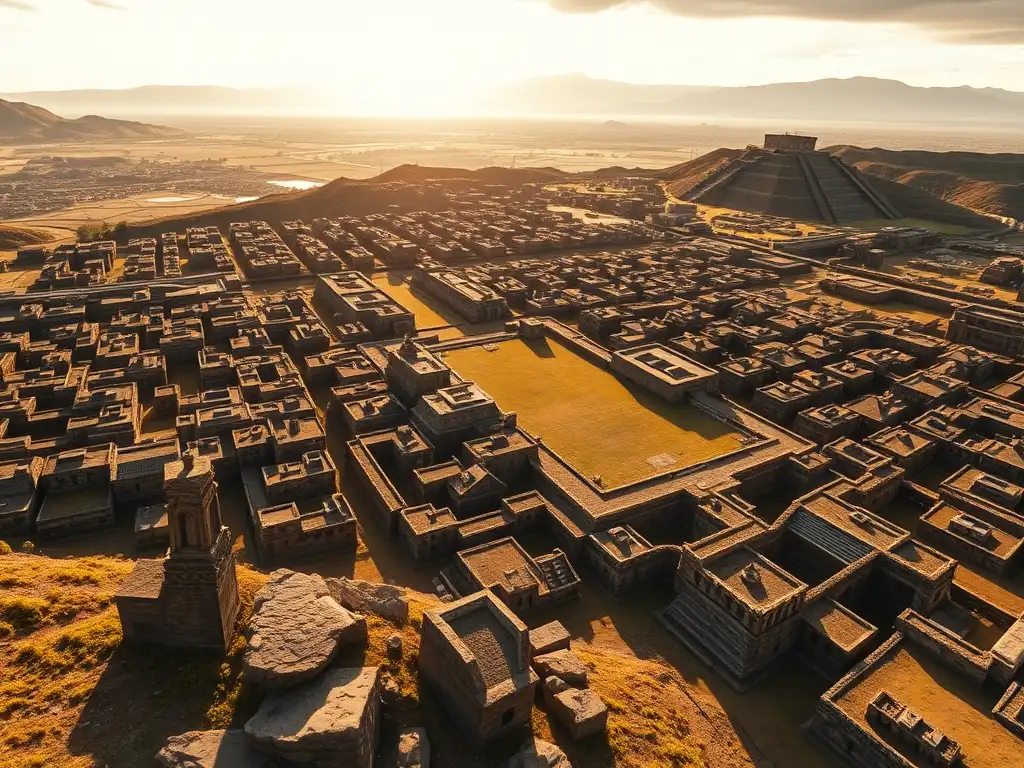
Pikillacta, a remarkably preserved archaeological site located near Cusco, Peru, stands as a testament to the sophisticated administrative capabilities of the Huari Empire (c. 600-1000 CE). While its exact function remains a subject of ongoing research and debate among archaeologists, the prevailing consensus points to Pikillacta serving as a crucial administrative center within the vast Huari state. This wasn't simply a ceremonial site or a residential area; rather, its layout, architecture, and associated artifacts strongly suggest a complex interplay of administrative, economic, and potentially military functions.
Understanding Pikillacta's role provides invaluable insights into the Huari's organizational prowess and their ability to manage a far-flung empire. The sheer scale of the site, encompassing numerous residential structures, storage facilities, and public spaces, underscores its significance within the Huari administrative network.
The careful planning evident in its layout, with clearly defined zones and a hierarchical arrangement of buildings, speaks volumes about the Huari's advanced urban planning capabilities. This meticulous organization was vital for efficient governance across their expansive territory.
Pikillacta: An Administrative Hub of the Huari State
The architectural features of Pikillacta strongly support its identification as a pivotal administrative center. The presence of numerous rectangular structures, uniformly sized and arranged in a grid pattern, suggests a deliberate design intended to house various administrative offices and bureaus. These buildings were not designed for residential purposes; their lack of domestic features like hearths or cooking areas distinguishes them from typical Huari dwellings.
Furthermore, the discovery of artifacts such as finely crafted ceramics, metalwork, and sophisticated tools within these structures reinforces their administrative function. These objects were likely used by Huari officials and scribes involved in record-keeping, taxation, and the distribution of resources. The uniformity of the buildings also points towards a centralized administrative system, capable of imposing standardized practices across different regions of the empire.
This suggests a high degree of control and coordination from the Huari capital, effectively managing the diverse populations and resources under their dominion. The strategic location of Pikillacta, near major communication routes and agricultural zones, further emphasizes its importance as a central hub for administrative control.
Storage Facilities at Pikillacta: Evidence of Resource Management
A significant aspect of Pikillacta's function was its role in resource management. The site boasts numerous large storage structures, typically characterized by their substantial size and thick walls. These structures, often built of carefully cut and fitted stone, likely served as repositories for agricultural surpluses, textiles, and other vital goods.
This centralized storage system allowed the Huari to effectively manage and redistribute resources throughout their empire, ensuring the stability and resilience of their state. The sheer volume of storage capacity at Pikillacta points to the scale of the Huari's economic activity and their ability to efficiently collect and allocate resources from a wide geographical area. The presence of these facilities highlights the Huari's sophisticated understanding of logistics and their capacity to maintain control over the flow of goods and commodities.
Analyzing the contents of these storage facilities, where possible, is crucial for understanding the nature and extent of the Huari economic system. The precise types of goods stored, their quantity, and their origin can provide valuable clues about trade networks, agricultural practices, and the overall economic organization of the Huari state. Further research is needed to fully understand the intricacies of the storage system at Pikillacta.
Pikillacta's Role in the Huari Economic System
Pikillacta's role within the broader Huari economic system is multifaceted. The site functioned not only as a center for resource storage but also as a point of redistribution and possibly even production. The presence of workshops and specialized craft areas within the site suggests that some goods may have been produced locally, contributing to the overall economic activity of the region.
This integrated approach to resource management—from storage and redistribution to local production—demonstrates a high degree of economic sophistication for its time. The presence of specialized artisans within the complex further highlights the Huari's ability to mobilize labor and expertise across their empire. This network of skilled artisans, producing goods for both local consumption and distribution throughout the empire, contributed significantly to the Huari's economic strength and stability.
The impact of Pikillacta on the regional economy is undeniable, showcasing a carefully orchestrated system designed to maximize efficiency and control over resources. The exact nature of the economic interactions between Pikillacta and other Huari centers remains an area of ongoing research, requiring further analysis of archaeological data and a deeper understanding of the Huari's economic policies. The evidence suggests a complex and well-organized system, indicative of a powerful and centralized state capable of managing its resources with remarkable efficiency.
Pikillacta's meticulously planned layout offers compelling insights into the social organization of the Huari Empire. The arrangement of buildings, their sizes, and the distribution of resources strongly suggest a hierarchical structure. The presence of large, well-constructed structures, likely reserved for elite members of society, stands in stark contrast to the smaller, simpler dwellings that were probably inhabited by commoners or those in lower social strata. This spatial differentiation mirrors the hierarchical social structures observed in other Huari administrative centers and provides tangible evidence of a stratified society. The careful planning and execution of the city's design underscore the centralized power and control wielded by the Huari elite, who likely dictated the allocation of resources and living spaces based on social standing.
Analysis of the architectural features further supports this interpretation. For example, the presence of elaborate decorative elements, such as intricate stone carvings or specialized construction techniques, in certain buildings further strengthens the argument for a hierarchical society. These features were likely reserved for the elite, reinforcing their social status and power within the Huari administrative system. Further research into the distribution of artifacts within the site could provide additional evidence to support this interpretation of social organization.
Archaeological evidence of specialized crafts or access to luxury goods within specific areas could further clarify the social stratification reflected in Pikillacta's layout. The study of human remains found within the site, if available, could also contribute to a more complete understanding of social hierarchy and the daily lives of different social groups within Pikillacta. The careful study of the spatial organization of Pikillacta therefore offers a unique window into the complex social dynamics of the Huari Empire. The city’s layout is not simply a functional design; it is a physical manifestation of the power structures and social inequalities that characterized Huari society.
Evidence of Craft Specialization and Production at Pikillacta
The presence of numerous workshops and specialized areas within Pikillacta strongly suggests a high degree of craft specialization and production. Archaeological findings reveal evidence of pottery production, textile weaving, and metalworking, indicating a sophisticated division of labor within the Huari administrative center. The scale of these workshops suggests that the production was not solely for local consumption but also for distribution throughout the Huari Empire. This centralized production system likely played a vital role in the empire's economic and political control, facilitating the movement of goods and resources across vast distances.
The standardization of pottery styles and techniques found across the Huari territory further supports the idea of centralized production and distribution from centers like Pikillacta. Furthermore, the presence of specialized storage facilities within the complex suggests a system for managing and distributing the finished goods. The size and layout of these storage areas indicate a significant volume of goods that were likely produced, stored, and then transported to other parts of the Huari empire. The organization of these production facilities reflects the efficient and well-managed administrative capabilities of the Huari state.
The expertise and skill involved in the production of these goods further highlight the advanced technological capabilities of the Huari people. Future research, particularly detailed analysis of the materials and techniques used in these workshops, could reveal even more about the sophistication of Huari craftsmanship and the organization of their production systems. The study of these specialized areas within Pikillacta provides crucial insights into the economic organization and the administrative capabilities of the Huari Empire, highlighting the importance of Pikillacta as a key center for production and distribution.
The Role of Pikillacta in the Huari Administrative Network
Pikillacta's strategic location within the Huari Empire played a crucial role in its function as an administrative center. Situated along important trade routes and in close proximity to agricultural lands, it served as a vital hub for resource management and distribution. Its layout, with its clearly defined residential and administrative sections, suggests a deliberate plan to optimize control over the surrounding area. The size and complexity of Pikillacta, compared to other smaller settlements in the region, indicates its significance within the broader Huari network.
Analysis of the architectural styles and building materials used in Pikillacta shows similarities to other administrative centers within the Huari Empire, suggesting a consistent administrative approach across the realm. This consistency points towards a highly organized and centrally controlled administrative system. The presence of extensive irrigation systems in the vicinity of Pikillacta further emphasizes its importance in managing agricultural resources. These sophisticated systems suggest a highly organized approach to food production and distribution, ensuring the sustenance of the population within and around the administrative center.
Moreover, the presence of defensive features in the design of Pikillacta hints at its importance in maintaining control and order within the Huari territory. This strategic location and its sophisticated infrastructure indicate Pikillacta's key role in the Huari's administrative network, as a central point for resource management, population control, and the enforcement of imperial authority. Further research into the connections between Pikillacta and other Huari sites could provide additional insights into the dynamics of the empire's administrative network. The study of Pikillacta therefore provides invaluable evidence for understanding the sophisticated administrative strategies employed by the Huari Empire in managing its vast and diverse territories.
Decoding the Artifacts and Material Culture of Pikillacta
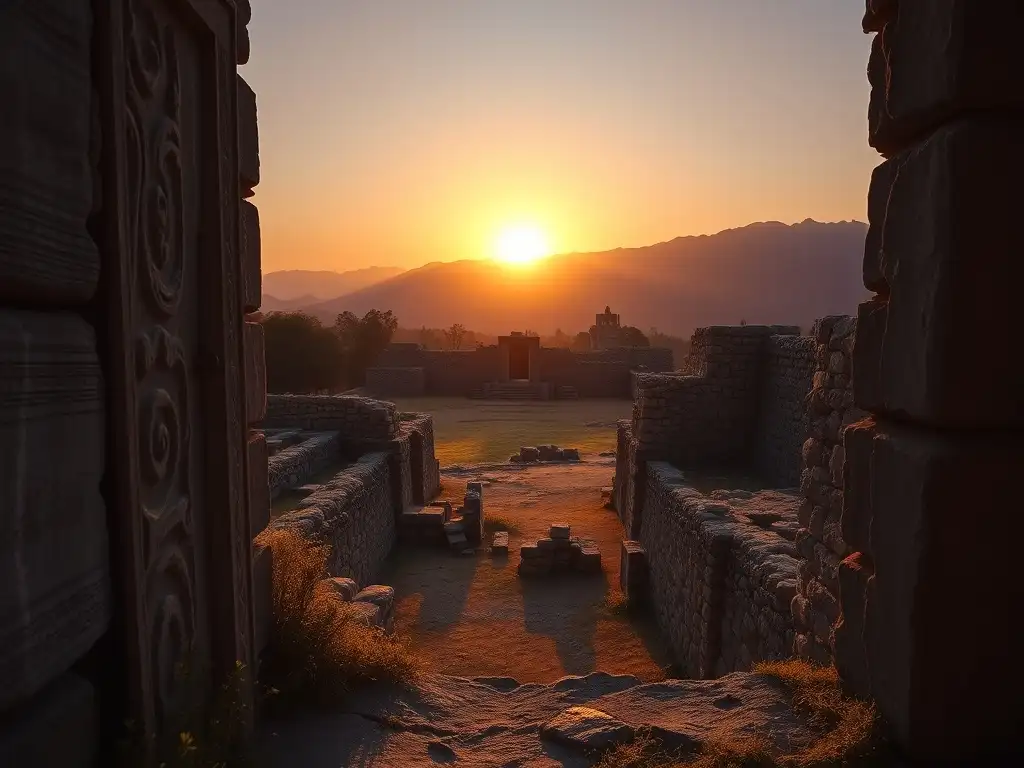
The archaeological remains at Pikillacta offer a wealth of information about the Huari administrative center, extending far beyond the impressive architectural layout. The artifacts unearthed provide crucial insights into the daily lives, social structures, and technological capabilities of the Huari people who inhabited this significant settlement. Analyzing these materials allows us to reconstruct a more complete picture of the Pikillacta's role within the broader Huari empire and understand the sophisticated mechanisms that underpinned its functioning as an administrative hub.
Careful study of the ceramics, obsidian tools, and textile remnants found at Pikillacta reveals a complex society with specialized craftspeople and a strong regional integration. The abundance and diversity of these artifacts underline the importance of Pikillacta within the Huari administrative network, highlighting its strategic position and economic power. This section focuses on the material culture recovered from Pikillacta, providing a detailed analysis of key artifacts and their implications.
Ceramics from Pikillacta: Insights into Huari Pottery
Ceramic analysis from Pikillacta provides compelling evidence of Huari cultural influence and the standardization of production techniques across the empire. The pottery found at the site exhibits characteristic Huari styles, including fine-grained wares with intricate designs and a preference for specific shapes and forms. Many pieces feature geometric patterns, stylized animals, and anthropomorphic figures, reflecting the broader artistic conventions of the Huari period.
The presence of both high-quality and mass-produced ceramics suggests a hierarchical social structure, with elite members using finer wares while commoners used more utilitarian pottery. This observation is supported by the discovery of workshops within the site, suggesting on-site production and potentially specialized artisan groups. Further analysis of the clay composition and tempering materials could reveal the sources of raw materials and potentially trace trade networks connecting Pikillacta to other Huari centers.
Detailed chemical analysis of pigments used in decoration could also illuminate the trade routes and the distribution of resources across the empire. The sheer volume of pottery recovered indicates a large and thriving population, consistent with the administrative center's role in managing a significant portion of the Huari territory. The stylistic consistency of the pottery also reinforces the idea of a centralized administration capable of enforcing cultural uniformity across vast distances.
Obsidian and Stone Tools Found at the Pikillacta Site
The discovery of obsidian and other stone tools at Pikillacta offers valuable insights into the technology and daily life of the Huari inhabitants. Obsidian, a volcanic glass prized for its sharp edges, was likely imported from distant sources, reflecting the extensive trade networks that connected the Huari empire. Analysis of the obsidian's chemical composition could help pinpoint the specific sources of this material and map the trade routes used to transport it to Pikillacta.
The types of tools found at the site—including knives, scrapers, and projectile points—suggest a range of activities, from agricultural tasks to hunting and warfare. The presence of finely crafted tools alongside more utilitarian ones indicates a degree of specialization within the workforce. The quality and variety of these tools suggest a sophisticated level of craftsmanship and technological proficiency.
Further analysis might reveal the specific techniques employed in the creation of these tools and shed light on the organization of labor within the Huari administrative system. The distribution of these tools across different areas of the site could also provide information on specialized workshops or residential areas. The presence of broken or discarded tools might indicate the location of tool-making workshops within Pikillacta itself.
Evidence of Textile Production and Craftsmanship at Pikillacta
Textile fragments discovered at Pikillacta provide further evidence of the advanced craftsmanship and sophisticated social organization of the Huari people. The recovered textiles showcase a range of techniques, including spinning, weaving, and dyeing, demonstrating a high level of skill and artistry. The presence of various textile types, from fine garments to coarser fabrics used for daily wear, suggests a stratified society with varying levels of access to resources and specialized labor.
Analysis of the fibers used in the textiles—such as alpaca, llama, and cotton—could provide insights into the economic organization of the Huari empire and the trade networks that connected different regions. The dyes used to color the textiles, often derived from natural sources, could also provide clues about the availability of resources and the exchange of goods within the empire. The intricate designs and patterns found on some of the textiles suggest a complex symbolic system and a highly developed aesthetic sensibility.
Further research into the textile fragments could reveal the specific techniques employed in their creation and their potential symbolic significance within Huari society. The discovery of spindle whorls and other weaving tools adds further credence to the theory of on-site textile production within the Pikillacta administrative center. The variety of textile types suggests a complex production system, potentially involving specialized workshops and a significant workforce.
The Presence of Foreign Goods at Pikillacta: Trade Networks
The discovery of foreign goods within the meticulously planned urban layout of Pikillacta offers compelling evidence of extensive trade networks connecting the Huari Empire to distant regions. These imported items weren't merely luxury goods for the elite; their presence suggests a sophisticated system of resource management and economic integration across vast distances, solidifying Huari's power and influence. Archaeological excavations have unearthed ceramics, textiles, and metalwork distinctly different in style and material from those typically associated with the Huari heartland.
For example, the presence of coastal Ecuadorian ceramics, identifiable by their characteristic painted designs and clay composition, indicates a robust maritime trade route connecting the Andean highlands with the Pacific coast. These weren't isolated instances; the consistent discovery of such artifacts across multiple sites within Pikillacta points to a sustained and organized exchange.
The nature of these trade networks was likely multifaceted. While some exchanges might have involved direct trade between Huari and other groups, the presence of intermediary agents or tribute systems cannot be discounted. The sheer volume and variety of imported goods suggest a well-established system that extended beyond simple bartering.
Further research is needed to fully understand the economic mechanisms that facilitated this extensive trade, and the role Pikillacta played as a central hub in this system. Understanding the dynamics of these trade networks is crucial to comprehending the economic strength and political influence of the Huari Empire and its administrative center at Pikillacta. The careful analysis of the provenance of these foreign goods, using techniques such as petrographic analysis of ceramics and isotopic analysis of metals, will be essential in tracing these trade routes and identifying the specific partners involved in this intricate web of exchange.
This detailed analysis will paint a vivid picture of the Huari's economic reach and its integration into the broader Andean world. The meticulous organization of Pikillacta itself may reflect the need to manage and distribute these resources effectively across the empire.
Pikillacta and its Relationship with the Huari Heartland
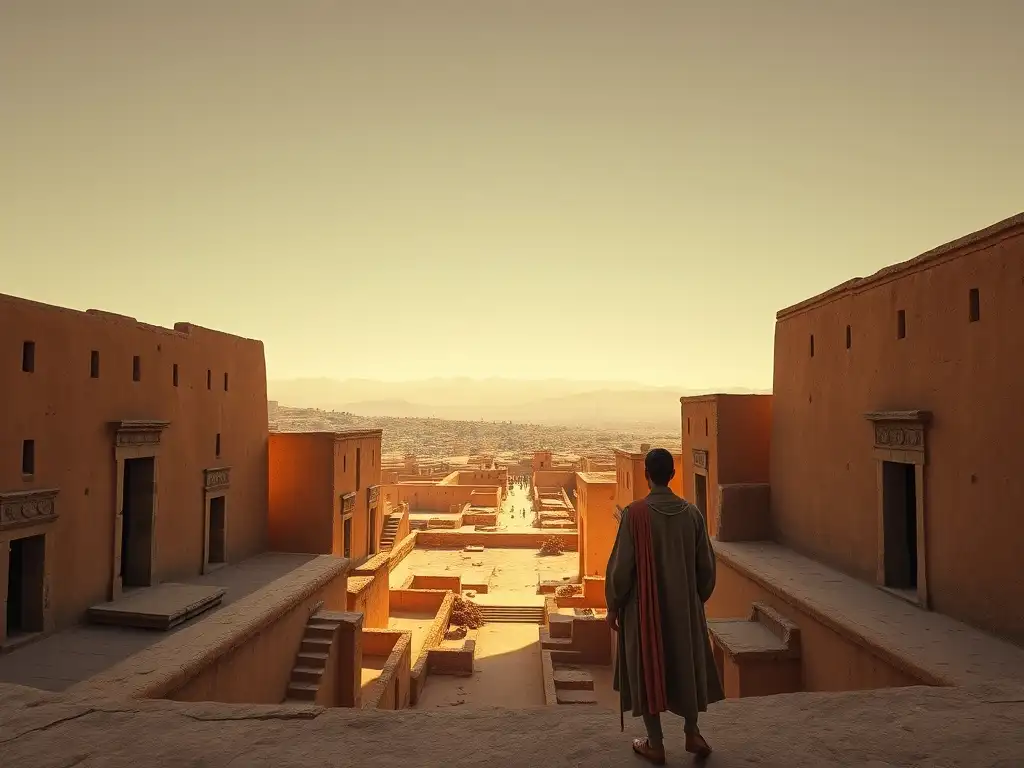
Pikillacta, a remarkably well-preserved Huari administrative center, presents a fascinating case study in understanding the organization and reach of this powerful pre-Inca civilization. Its strategic location and architectural features reveal much about its role within the broader Huari empire, particularly its connection to the Huari heartland and its function as a vital node in a sophisticated administrative network. Analyzing Pikillacta's relationship with the Huari capital and other regional centers allows us to reconstruct a more nuanced picture of Huari political and economic strategies.
The meticulous planning evident in Pikillacta's layout, the quality of its construction, and the presence of specialized facilities suggest a significant investment by the Huari elite, highlighting its importance within the empire. Further research, including detailed analysis of artifacts recovered from the site, is crucial to fully unlock the secrets of this intriguing administrative center and its contribution to the overall understanding of the Huari civilization.
Pikillacta's Connection to the Huari Capital: Viñaque
The precise nature of Pikillacta's relationship with Viñaque, the presumed Huari capital, remains a subject of ongoing scholarly debate. However, several lines of evidence suggest a strong connection. The architectural style of Pikillacta exhibits clear similarities to structures found in Viñaque, indicating a shared building tradition and possibly direct involvement of Huari master builders in Pikillacta's construction.
Furthermore, the sophisticated infrastructure of Pikillacta, including its extensive water management system and carefully planned layout, mirrors the complexity observed in Viñaque, suggesting a similar level of planning and resource allocation. The presence of high-quality ceramics and other artifacts at Pikillacta that are also found in Viñaque further strengthens the link, indicating a flow of goods and potentially people between the two sites.
This suggests that Pikillacta wasn't just a peripheral settlement, but a strategically important location directly connected to the Huari power center. Further investigation into the types and quantities of artifacts could reveal more about the nature of this exchange.
Understanding the Huari Expansion and Pikillacta's Strategic Role
Pikillacta's role as a Huari administrative center is inextricably linked to the broader context of Huari expansion and imperial control. Its location, situated along important trade routes and in a fertile agricultural region, allowed the Huari to effectively manage and exploit the resources of the surrounding area. The site's impressive size and the presence of numerous residential units, storage facilities, and administrative buildings suggest a significant population and a robust local economy under Huari control.
The uniformity of architectural styles across the Huari empire, including Pikillacta, indicates a deliberate effort to standardize administrative practices and assert imperial authority. This standardization, combined with Pikillacta's strategic location, points towards a deliberate strategy of consolidating power and managing resources across a vast territory.
The presence of specialized workshops or artisan quarters within Pikillacta could also be further investigated to understand the nature of local production and its integration into the wider Huari economy. Further research into the site's agricultural practices would also enrich our understanding of its economic significance.
Pikillacta as a Regional Center within the Huari Network
Pikillacta wasn't an isolated entity; rather, it functioned as a crucial regional center within a larger network of Huari administrative sites. Its strategic placement facilitated control over a significant area, enabling efficient resource management and the collection of tribute. The presence of similar architectural features and administrative structures in other regional centers across the Huari empire suggests a standardized approach to governance and resource control.
This network of interconnected administrative centers allowed the Huari to effectively govern a vast and diverse territory, facilitating communication, trade, and the flow of resources. Further research comparing Pikillacta to other Huari administrative centers could reveal more about the hierarchical structure of the empire and the specific functions of different sites within the network. Analyzing the types and quantities of goods found at Pikillacta, in comparison with other sites, could reveal patterns of trade and resource distribution within the Huari empire.
The study of Pikillacta, therefore, provides invaluable insights into the sophisticated administrative strategies employed by the Huari to manage their extensive empire. Understanding its role within this broader context is key to comprehending the success and eventual decline of this remarkable civilization. More research into the social stratification within Pikillacta itself, evidenced perhaps by variations in housing quality, would provide a deeper understanding of the social dynamics of this important Huari administrative center.
Pikillacta and the Decline of the Huari Empire
Pikillacta, a remarkably well-preserved Huari administrative center, offers invaluable insights into the organization and eventual decline of this powerful Andean empire. Its strategic location, sophisticated infrastructure, and unique architectural style reflect the Huari's advanced societal structure and engineering capabilities. However, the city's abandonment remains a subject of ongoing research and debate, prompting several compelling theories regarding the factors contributing to the Huari's downfall and Pikillacta's eventual desertion.
The city's story is inextricably linked to the broader narrative of the Huari Empire's collapse, a complex process involving internal strife, external pressures, and possibly, environmental changes. Analyzing Pikillacta's remains allows us to piece together fragments of this complex historical puzzle, providing a more nuanced understanding of the Pikillacta Huari administrative center and its place within the larger Andean context.
The meticulous planning evident in its layout—the precise arrangement of residential quarters, administrative buildings, and storage facilities—suggests a highly centralized and efficient system of governance. Understanding this system is key to understanding the later fragmentation of the empire.
Possible Reasons for the Abandonment of Pikillacta
Several hypotheses attempt to explain the abandonment of Pikillacta. One prominent theory points to internal conflicts and power struggles within the Huari elite. The vast scale of Pikillacta suggests a considerable investment of resources, manpower, and political capital. Its sudden abandonment could indicate a shift in political power, perhaps a rebellion or a succession crisis that disrupted the empire's administrative structure. Evidence of destruction or signs of violent conflict within the city itself might support this hypothesis, though further research is needed to definitively confirm this. [Specific information pending on evidence of violent conflict within Pikillacta].
Another significant factor might have been environmental pressures. Climate change, droughts, or other ecological disruptions could have severely impacted agricultural production, leading to widespread famine and social unrest. The Huari relied heavily on agriculture, and any disruption to this system would have had catastrophic consequences for the empire's stability. Analysis of paleoclimatic data from the region could provide crucial insights into this possibility. [Specific paleoclimatic data pending].
Finally, external pressures from rival groups cannot be discounted. While the Huari were a formidable power, they faced challenges from other Andean societies vying for control of resources and territory. Military defeats or sustained pressure from external enemies could have weakened the empire, leading to the decentralization of power and the eventual abandonment of strategic locations like Pikillacta. Further archaeological investigations might reveal evidence of warfare or defensive fortifications around Pikillacta, potentially supporting this theory. [Specific information pending on evidence of warfare or defensive structures].
The Legacy of Pikillacta after the Fall of the Huari State
Following the decline of the Huari Empire, Pikillacta was seemingly abandoned. However, its legacy extended beyond its period of active use. The impressive architectural achievements and sophisticated urban planning of Pikillacta likely influenced subsequent Andean cultures. While the city itself was no longer a functioning administrative center, its physical presence remained a tangible reminder of a powerful preceding empire.
The very stones of Pikillacta might have been reused in later constructions, or its layout may have served as a model for future settlements. The impact of the Pikillacta Huari administrative center on later societies remains a subject of study, requiring further investigation. Did the knowledge of its sophisticated water management systems, for instance, influence later Inca engineering projects? This is a question that needs to be explored through detailed comparative studies of architectural styles and technologies.
Pikillacta's Influence on Later Andean Cultures
The impact of Pikillacta on subsequent Andean cultures is a complex and fascinating area of study. While the city was abandoned after the Huari decline, its architectural style, urban planning principles, and even its very stones may have influenced later Andean societies. For example, the use of certain construction techniques or materials in later settlements could be traced back to Huari precedents established at Pikillacta.
The city's strategic location and its sophisticated infrastructure might have served as a model for later settlements, although this requires careful analysis of the evidence. Analyzing the similarities and differences between Pikillacta's design and those of later settlements could reveal valuable insights into the transmission of knowledge and cultural practices across generations. Furthermore, the presence of Pikillacta as a physical monument, even in its ruined state, may have held symbolic significance for later Andean peoples, influencing their worldview and shaping their understanding of history.
Detailed comparative analysis of archaeological finds, inscriptions, and even oral traditions could help to uncover the depth of Pikillacta's influence on subsequent cultures, offering a more complete picture of its enduring legacy. The study of Pikillacta is not just a study of the past; it is a key to understanding the long-term development of Andean civilizations.
Current Research and Preservation Efforts at Pikillacta
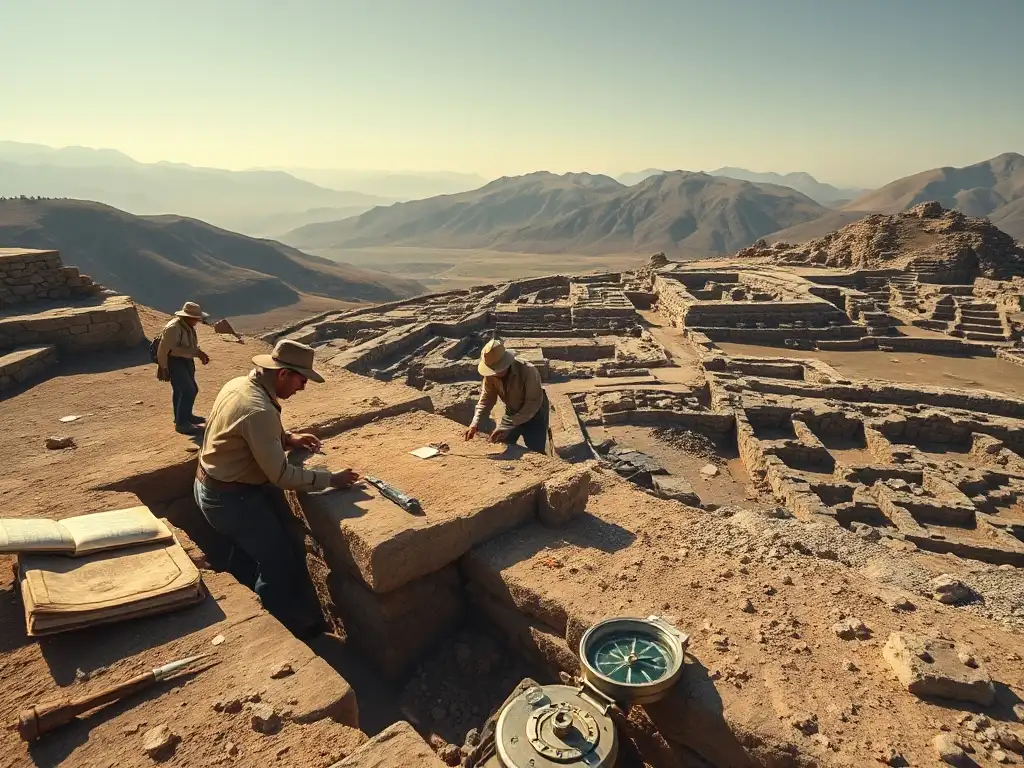
The ongoing study of Pikillacta, a crucial Huari administrative center, is a testament to the enduring fascination with this remarkable archaeological site. Researchers continue to unravel the complexities of Huari society and its sophisticated administrative systems through meticulous excavation and analysis. The site's importance as a key example of Pikillacta Huari administrative center organization continues to drive significant research efforts. Understanding the layout, the building techniques, and the daily lives of its inhabitants remains a central focus.
Ongoing Archaeological Investigations at Pikillacta
Current archaeological investigations at Pikillacta are multifaceted, employing a range of techniques to glean information from both the built environment and the artifacts recovered. Geophysical surveys, for instance, help researchers identify previously unknown structures buried beneath the surface, expanding our understanding of the site's overall layout and extent. Careful excavation of selected areas provides detailed information about building construction, revealing the sophisticated techniques employed by Huari artisans.
Analysis of recovered artifacts, including pottery, textiles, and tools, provides crucial insights into the daily lives of Pikillacta's inhabitants, their economic activities, and their social organization. Detailed stratigraphic analysis offers a chronological framework, allowing researchers to reconstruct the history of the site's occupation and development.
This meticulous approach provides valuable data for reconstructing the site's layout and understanding the function of specific buildings within the broader administrative context of the Pikillacta Huari administrative center. The integration of these diverse methodologies is crucial to achieve a comprehensive understanding of this important site.
Challenges in Preserving the Pikillacta Archaeological Site
Preserving Pikillacta presents significant challenges. The site's exposure to the elements, including harsh sun, wind, and rain, leads to gradual deterioration of the structures. Furthermore, looting and vandalism pose a constant threat, jeopardizing the integrity of the archaeological record. The increasing pressure from tourism also necessitates careful management to prevent damage to the fragile structures and artifacts. Balancing the need for public access with the preservation of the site requires careful planning and implementation of strategies to minimize the impact of visitors.
The development of sustainable tourism practices is crucial for the long-term preservation of Pikillacta. Another challenge relates to the funding needed for ongoing conservation and research. Securing adequate funding to support these crucial efforts is essential for ensuring the long-term protection and study of this invaluable Pikillacta Huari administrative center. The lack of sufficient resources often hampers progress and puts the site's preservation at risk.
Future Directions in the Study of Pikillacta and the Huari
Future research on Pikillacta should focus on several key areas. Further investigation into the site's administrative functions is crucial, aiming to better understand the role of Pikillacta within the broader Huari empire. This includes a deeper exploration of the relationship between Pikillacta and other Huari centers, examining trade networks, communication systems, and the flow of resources.
Advanced techniques like 3D modeling and virtual reality could enhance the study and preservation of the site, allowing for detailed documentation and virtual tours while minimizing the impact of physical visitation. Interdisciplinary collaborations involving archaeologists, historians, anthropologists, and other specialists are necessary to provide a holistic understanding of Pikillacta and its significance within the context of the Huari civilization. Finally, community engagement is essential, ensuring that local populations are involved in the preservation and interpretation of their cultural heritage.
By fostering a sense of ownership and pride in Pikillacta, we can ensure its long-term protection and celebrate its significance as a remarkable example of a Pikillacta Huari administrative center. This collaborative approach is paramount for the future of research and preservation at Pikillacta.
Conclusion: Pikillacta's Enduring Importance
Pikillacta, the remarkably preserved Huari administrative center, offers a unique window into the sophisticated political and economic organization of this powerful Andean civilization. Its strategic location, impressive architecture, and the wealth of artifacts unearthed within its walls continue to fascinate archaeologists and historians alike. Understanding Pikillacta is not merely about deciphering the past; it's about gaining crucial insights into the complex dynamics that shaped the Andean region for centuries.
The meticulous planning evident in its layout, the advanced water management systems, and the evidence of specialized crafts and trade all point to a highly organized and centralized state. The very existence of Pikillacta as a Huari administrative center challenges previous assumptions about the nature of Huari control and provides a more nuanced understanding of their imperial strategies. Further research and analysis are undoubtedly needed to fully unlock its secrets, but the legacy of Pikillacta remains profoundly significant.
Pikillacta: A Key to Understanding the Huari Civilization
The study of Pikillacta is pivotal to comprehending the Huari civilization's expansion and control over a vast territory. The site's meticulously planned layout, including its residential areas, administrative buildings, and storage facilities, reveals a sophisticated urban planning system far exceeding that of many contemporary societies. The presence of specialized workshops dedicated to pottery, textiles, and metallurgy suggests a highly organized economy, where production was likely centralized and controlled by the Huari elite.
Analysis of the architectural styles and building materials used at Pikillacta also offers valuable information about Huari construction techniques and the availability of resources within their empire. This evidence supports the theory of a powerful, centralized state capable of mobilizing significant human and material resources to achieve its administrative and economic goals.
Moreover, the evidence of long-distance trade found at Pikillacta, including exotic materials from distant regions, underscores the Huari's extensive network of connections and their ability to integrate diverse populations into their empire. The meticulous organization visible in the Pikillacta Huari administrative center is a testament to the Huari's sophisticated governance.
The Significance of Pikillacta for Andean Archaeology
Pikillacta's significance extends beyond the realm of Huari studies. It serves as a crucial case study for understanding the broader dynamics of state formation and imperial expansion in the Andes. Its preservation offers an unparalleled opportunity to examine the material culture of a complex Andean society, providing archaeologists with invaluable data on a wide range of topics, including settlement patterns, social organization, and technological advancements.
The site's relatively well-preserved structures allow for detailed architectural analysis, revealing insights into construction techniques, building materials, and the overall urban design. Furthermore, the ongoing excavations at Pikillacta continue to yield new discoveries, constantly refining our understanding of the Huari civilization and its place within the broader context of Andean prehistory.
The ongoing research at Pikillacta, a significant Huari administrative center, continues to shape the narratives of Andean archaeology. Careful analysis of the site's layout, artifacts, and environmental context is continually providing new and important information.
Final Reflections on the Legacy of Pikillacta
Pikillacta stands as a powerful testament to the ingenuity and organizational prowess of the Huari civilization. Its enduring legacy lies not only in its impressive physical remains but also in the profound insights it offers into the complexities of Andean history. The site's ongoing study continues to challenge existing narratives, prompting new questions and enriching our understanding of the Huari's rise to power, their administrative strategies, and their lasting impact on the Andean world. The detailed analysis of the Pikillacta Huari administrative center offers a unique opportunity to understand the dynamics of a powerful Andean civilization, and its importance will continue to resonate within the field of Andean archaeology for years to come. The meticulous planning, sophisticated infrastructure, and evidence of centralized control all contribute to Pikillacta's enduring significance as a key to understanding this pivotal period in Andean history. 🗺️
Frequently Asked Questions
What is Pikillacta?
Pikillacta is a remarkably well-preserved Huari administrative center, located near Cusco, Peru. It showcases the impressive urban planning and architectural skills of the Huari civilization. It's a crucial site for understanding their empire's organization.
Why is Pikillacta significant?
Pikillacta's significance lies in its role as a key administrative center within the vast Huari Empire. Its layout reveals much about Huari social structure, economy, and governance. It offers valuable insights into the empire's control over its vast territory.
What kind of structures are found at Pikillacta?
Pikillacta features numerous residential and administrative buildings, arranged in a grid pattern. These structures include storage facilities, workshops, and possibly barracks, indicating a complex and organized society. Many buildings are made of finely-cut stone.
How did the Huari people use Pikillacta?
Scholars believe Pikillacta served as a regional administrative hub, controlling resources and populations in the Cusco area. It may have also housed officials, artisans, and soldiers, ensuring the smooth functioning of the Huari empire. Its strategic location further supports this theory.
How can I learn more about Pikillacta?
You can find more information through archaeological publications and academic journals focusing on the Huari culture. Visiting the site itself offers an unparalleled experience, allowing you to witness the impressive architecture firsthand. Many museums also have relevant exhibits.
Final Reflection: The Enduring Legacy of Pikillacta
The meticulous planning and sophisticated infrastructure of Pikillacta, a testament to the Huari's administrative prowess, continues to resonate today, offering invaluable insights into urban planning and societal organization in pre-Columbian South America. Its remarkably preserved structures stand as a powerful reminder of a civilization that mastered complex logistical challenges and created a highly organized society centuries before the arrival of Europeans. The echoes of their achievements still reverberate through the Andes.
The enduring mystery of Pikillacta, its purpose and its ultimate fate, compels us to consider the fragility of even the most advanced civilizations. The meticulous detail in its construction, the evidence of a highly structured society, and the sudden abandonment of the site all contribute to a compelling narrative. The past is never dead. It's not even past.
– William Faulkner. This quote perfectly encapsulates the ongoing relevance of Pikillacta; its story is not simply a historical account, but a living testament to the cyclical nature of empires and the enduring power of human ingenuity and societal structures.
Consider the lessons Pikillacta offers us. How can we learn from the successes and failures of past civilizations to build more sustainable and equitable societies today? Take a moment to reflect on the intricate planning and organization that went into creating this remarkable site. Let the enduring legacy of Pikillacta inspire you to appreciate the complexities of human history and to strive for a future where societal progress is built upon a foundation of thoughtful planning and sustainable practices. The stones of Pikillacta whisper stories of the past; let us listen carefully and learn from their wisdom.
Unveil the Secrets of Pikillacta Today!
Thank you for exploring the fascinating world of Pikillacta with us! We hope you've gained valuable insights into this remarkable Huari site and its rich history. Let's delve deeper into this ancient civilization.
Here are some ways to further your understanding and appreciation of Pikillacta:
- Visit Pikillacta: A trip to experience the site firsthand is highly recommended. Witness its majesty and immerse yourself in its history.
- Join Our Community: Connect with fellow history enthusiasts on our forum. Share your thoughts, ask questions, and learn from others' experiences. It's a great way to expand your knowledge and engage in stimulating discussions.
- Explore Related Topics: Discover more about Andean civilizations through our extensive collection of articles. Expand your knowledge and deepen your appreciation for this remarkable region's history and culture.
What aspect of Pikillacta's history captivated you the most, and how will you continue to explore this intriguing site and its significance?