
Echoes of Empire: How the Inca Road System Influences Modern Infrastructure

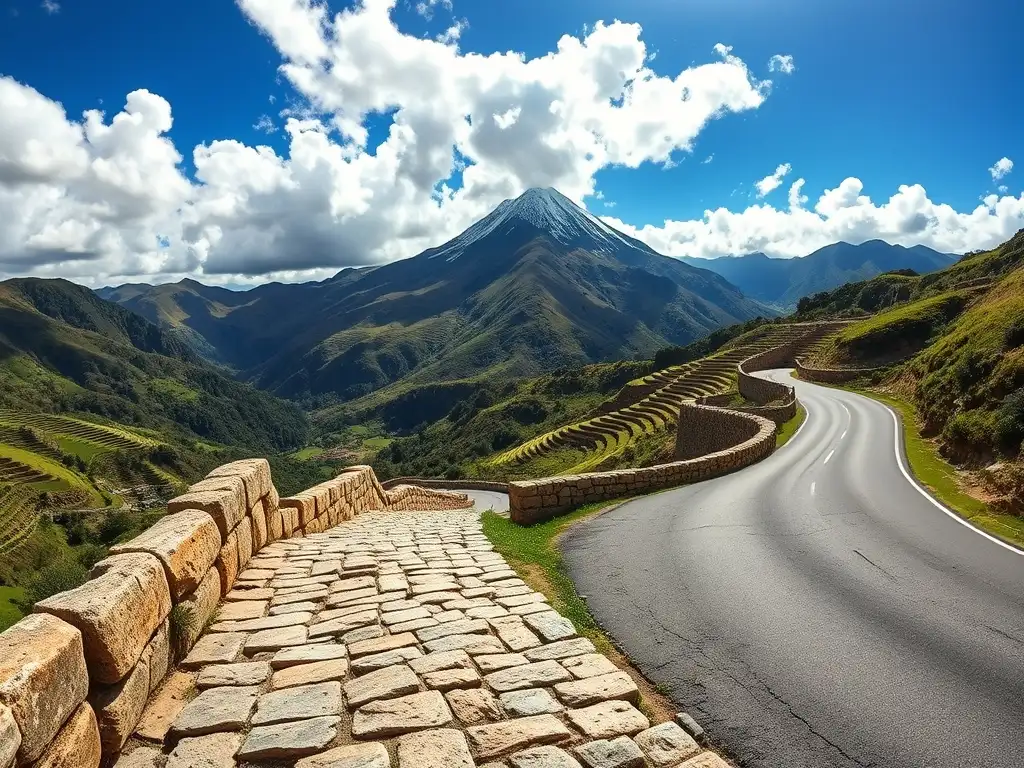
Uncover the secrets of a lost empire and discover its enduring legacy! Journey with us through the breathtaking landscapes of the Andes, where the ingenuity of ancient civilizations continues to shape our world. Prepare to be amazed as we delve into the remarkable Inca road system and explore its surprising and profound modern influence. The echoes of their empire still resonate—are you ready to hear them?
The Inca Empire, a civilization that flourished in the Andes Mountains from roughly 1438 to 1533 CE, left behind a legacy far beyond its impressive architecture and intricate social structures. One of its most enduring contributions is its remarkably sophisticated road system, a feat of engineering that continues to resonate in modern Andean infrastructure and transportation planning.
This article delves into the ingenious design and strategic placement of the Inca roads, exploring how their principles of adaptability, sustainability, and community integration continue to inspire contemporary road construction and urban development in the region. We'll examine specific examples of modern infrastructure projects that directly or indirectly draw upon the lessons learned from the Inca road network, highlighting the lasting impact of this ancient civilization on the modern world.
Understanding this influence not only provides valuable historical context but also offers crucial insights for creating more resilient and efficient transportation networks in challenging terrains.
The Ingenuity of Inca Road Engineering
The Inca road system, spanning thousands of miles across treacherous Andean landscapes, wasn't simply a collection of paths. It was a meticulously planned network, showcasing remarkable engineering prowess. The Incas mastered techniques for building roads across diverse terrains, including steep mountains, deep valleys, and dense forests.
They utilized a variety of materials, adapting their construction methods to the specific challenges of each location. This adaptability is a key element that continues to inspire modern engineers. For example, the Inca's use of locally sourced materials minimized environmental impact, a principle increasingly important in modern sustainable infrastructure projects.
Furthermore, their understanding of drainage and erosion control, evident in their use of retaining walls and carefully graded pathways, remains relevant today. The system wasn't solely focused on speed; it was designed for practicality and resilience, prioritizing the safe and efficient movement of people and goods across vast distances. This emphasis on practicality and resilience is a stark contrast to some modern projects that prioritize speed over long-term sustainability.
Adaptability and Sustainability in Modern Road Construction
The Inca road system's adaptability to varied terrain is particularly relevant in modern road construction, especially in mountainous regions. Modern engineers can learn from the Inca's innovative solutions for navigating steep inclines, traversing rivers, and overcoming other geographical obstacles. The Inca's use of locally sourced materials, such as stone and earth, also offers valuable lessons in sustainable infrastructure development. This approach minimizes the environmental impact of construction and reduces reliance on imported materials, fostering greater self-sufficiency.
In contrast, many modern projects rely heavily on energy-intensive materials and processes, contributing to environmental degradation. Modern projects attempting to emulate the Inca’s methods are seeing significant improvements in cost-effectiveness and environmental impact. One could even argue that the Inca's approach to sustainability is significantly more advanced than many modern methods.
Community Integration and the Inca Road Network
The Inca road system wasn't just about connecting distant cities; it was about integrating communities. The roads facilitated trade, communication, and cultural exchange, strengthening the bonds between different parts of the empire. This emphasis on community integration offers valuable insights for modern infrastructure planning. Modern road projects often overlook the social and economic impacts on local communities.
However, by learning from the Inca's approach, we can strive to create infrastructure that benefits communities, rather than displacing or marginalizing them. The construction and maintenance of the Inca roads involved the participation of local communities, fostering a sense of ownership and responsibility. This collaborative approach is crucial for ensuring the long-term success and sustainability of infrastructure projects. For instance, modern projects that involve local communities in the planning and implementation phases often see increased community support and reduced conflicts.
The Lasting Influence on Andean Transportation Today
The legacy of the Inca road system is still palpable in the Andes today. Many modern roads follow ancient Inca routes, a testament to the strategic foresight of the Inca engineers. The principles of adaptability, sustainability, and community integration, central to the Inca road system, continue to inform modern transportation planning and development in the region.
While modern technology has advanced significantly, the fundamental challenges of building roads in mountainous terrain remain the same. By studying and adapting the techniques and principles of the Inca road system, modern engineers can build more efficient, resilient, and environmentally friendly infrastructure. This is especially crucial in regions like the Andes, where climate change and other environmental pressures pose significant threats to transportation networks.
The Inca road system serves as a powerful example of how ancient knowledge can inform and improve modern practices. The echoes of empire are not just in the stones, but in the very roads we travel on today.
- The Ingenuity of Inca Road Engineering
- Adaptability and Sustainability in Modern Road Construction
- Community Integration and the Inca Road Network
- The Lasting Influence on Andean Transportation Today
- What was the significance of the Inca road system?
- How did the Inca road system influence modern infrastructure?
- What specific modern infrastructure projects are influenced by the Inca road system?
- Are there any ongoing efforts to preserve the Inca road system?
- How can I learn more about the Inca road system's modern influence?
The Inca Road Network: A Marvel of Ancient Engineering
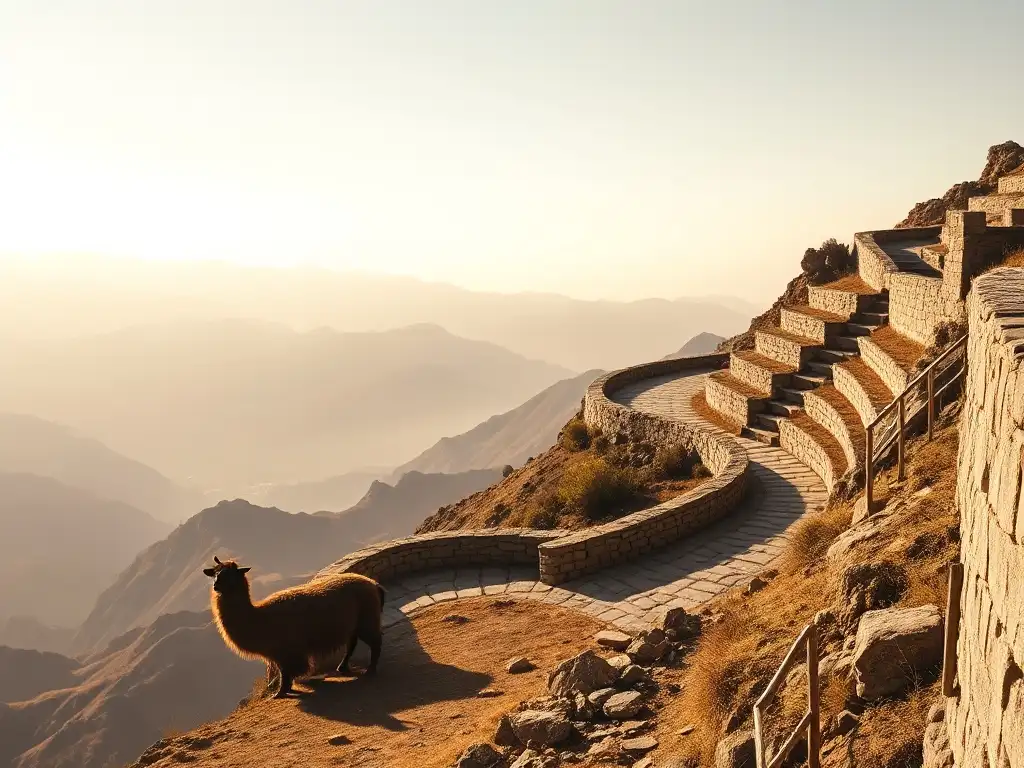
The Inca road system, known as the Qhapaq Ñan, stands as a testament to the ingenuity and organizational prowess of the Inca Empire. Spanning over 40,000 kilometers across the Andes Mountains, this intricate network of roads, bridges, and pathways connected the vast empire, facilitating communication, trade, and military movements. Its impact resonates even today, influencing modern infrastructure planning and highlighting the remarkable engineering feats achieved centuries ago.
Understanding the scale and complexity of the Qhapaq Ñan is crucial to appreciating its enduring legacy and its subtle yet significant influence on modern Andean infrastructure. The Inca road system's modern influence is undeniable, particularly in the context of challenging terrains and the need for resilient infrastructure.
Understanding the Qhapaq Ñan: The Inca Road System
The Qhapaq Ñan wasn't simply a collection of roads; it was a sophisticated system strategically designed to overcome the formidable geographical challenges of the Andes. It incorporated diverse engineering solutions adapted to the varied landscapes, from high-altitude passes to coastal plains. The roads weren't uniformly built; their construction varied depending on the terrain.
In some areas, they were paved with stone, meticulously fitted together without mortar, demonstrating advanced stone-cutting techniques. In other areas, they were simpler paths, often following natural contours. The system included suspension bridges, meticulously crafted from plant fibers and stone, spanning deep ravines.
These bridges, some of which still exist in modified forms, are a striking example of Inca innovation. The Inca road system's impressive scale and adaptability to diverse terrains serve as a powerful example for modern road construction projects in mountainous regions. The ingenuity of the Inca engineers in utilizing local materials and adapting to the environment remains a source of inspiration.
The Inca road system, a masterpiece of ancient engineering, was more than just a transportation network; it was a vital component of the empire's administrative and social structure. Its strategic placement facilitated efficient communication and trade, enabling the seamless flow of goods and information across vast distances. This intricate network connected remote communities, fostering a sense of unity and shared identity within the diverse Inca Empire.
Key Features of the Inca Road Network: Design and Construction
The construction of the Qhapaq Ñan involved meticulous planning and execution. Inca engineers displayed an exceptional understanding of topography, strategically routing roads to minimize gradients and maximize accessibility. They employed a sophisticated system of relay runners, chasquis, who used the roads to transmit messages with remarkable speed across the empire. The roads were not only functional but also aesthetically pleasing, often incorporating elements of local landscape.
The use of locally sourced materials, such as stone and earth, ensured sustainability and minimized environmental impact. This approach stands in stark contrast to some modern large-scale infrastructure projects that often prioritize speed and economic efficiency over environmental considerations. The Inca road system's modern influence is seen in the renewed emphasis on sustainable and environmentally conscious infrastructure development.
| Feature | Description | Modern Relevance |
|---|---|---|
| Stone Paving | Precisely cut stones fitted together without mortar, demonstrating advanced skills. | Inspiration for durable and eco-friendly paving techniques. |
| Suspension Bridges | Ingenious use of plant fibers and stone to span ravines. | Models for innovative bridge designs in challenging terrains. |
| Strategic Routing | Roads minimized gradients and maximized accessibility, demonstrating topographical expertise. | Improved route planning and surveying techniques in mountainous areas. |
| Relay Runners (Chasquis) | Efficient communication system using the roads. | Optimization of logistics and communication networks. |
Purpose of the Inca Road System: Beyond Transportation
While primarily serving as a transportation network, the Qhapaq Ñan fulfilled multiple crucial functions within the Inca Empire. It facilitated the movement of troops, ensuring swift responses to any threats or rebellions. The efficient transportation of goods, including food, textiles, and other resources, supported the empire's economy and sustained its population.
Furthermore, the road system played a significant role in religious and ceremonial activities, connecting sacred sites and facilitating pilgrimages. The Qhapaq Ñan’s multi-faceted functionality provides a lesson in integrated infrastructure planning, demonstrating how a single system can serve multiple critical purposes. The Inca road system's modern influence can be seen in the integrated approach to infrastructure development, recognizing the interconnectedness of transportation, communication, and social needs.
This holistic perspective, often overlooked in modern planning, is crucial for creating truly sustainable and effective infrastructure. The legacy of the Inca road system serves as a powerful reminder of the enduring importance of thoughtful, integrated infrastructure development.
The Enduring Legacy of the Inca Roads

The Inca road system, a marvel of pre-Columbian engineering, continues to resonate profoundly in modern Andean infrastructure. Its impact extends far beyond mere historical curiosity; it represents a tangible link between a sophisticated ancient civilization and the contemporary world. This legacy is not simply a matter of nostalgic admiration, but a demonstrable influence shaping the design, planning, and execution of modern road networks across the Andes.
Studying this influence provides valuable insights into sustainable infrastructure development, particularly in challenging geographical terrains. The Inca's ingenious solutions to mountainous landscapes offer lessons for modern engineers seeking to overcome similar obstacles with environmentally conscious approaches. This section will explore the multifaceted ways in which the Inca road system continues to inform and inspire modern infrastructure projects.
Inca Road System's Impact on Regional Connectivity
The Inca road system, qhapaq ñan, was not merely a network of paths; it was the backbone of a vast empire, connecting distant provinces and facilitating the movement of people, goods, and information. Its strategic placement, often utilizing natural features like valleys and mountain passes, ensured efficient communication and trade across diverse and challenging terrains. This strategic approach to connectivity directly influences modern road planning.
Contemporary engineers often analyze the Inca's route selection, considering factors such as minimizing environmental impact, optimizing travel time, and ensuring accessibility to remote areas, mirroring the Inca's focus on practicality and efficiency. The impact is visible in modern road networks which prioritize access to previously isolated communities, a direct echo of the Inca's inclusive approach to infrastructure development.
For example, the current road system in Peru often follows or parallels ancient Inca trails, particularly in challenging mountainous regions where the Inca engineers found effective solutions centuries ago. This demonstrates a clear continuity between the past and the present, showcasing the enduring relevance of Inca principles in modern infrastructure planning.
Ancient Routes as a Foundation for Modern Roads
Many modern roads in the Andes are, quite literally, built upon the foundations of the Inca road system. Sections of the qhapaq ñan remain remarkably intact, serving as a testament to the quality of Inca construction techniques. These surviving sections often provide a stable base for modern road construction, reducing costs and minimizing disruption to the surrounding environment.
The Inca's understanding of drainage, grading, and material selection – utilizing locally sourced materials like stone and earth – provides valuable lessons for sustainable construction practices. Modern engineers can learn from the Inca's ability to integrate their infrastructure seamlessly into the landscape, minimizing environmental disruption and maximizing longevity.
The use of durable, locally sourced materials reduces the carbon footprint of modern road construction projects, an increasingly important consideration in environmentally conscious infrastructure development. Furthermore, the Inca's mastery of adapting to diverse terrains and climates provides invaluable insights for modern road design in challenging environments.
The Influence of Inca Engineering on Contemporary Infrastructure
The Inca's innovative engineering solutions, developed centuries ago without modern tools or technology, continue to inspire awe and admiration. Their sophisticated understanding of civil engineering principles, including drainage systems, retaining walls, and suspension bridges, is evident in the surviving sections of the qhapaq ñan. These techniques, often adapted to the specific challenges of the Andean landscape, are still relevant today.
Modern engineers studying the Inca road system can gain valuable insights into sustainable and resilient infrastructure design. For instance, the Inca's use of interlocking stone blocks in their construction is a testament to their understanding of structural integrity, a principle that continues to be applied in modern engineering projects. Their innovative use of materials and techniques allows for the construction of roads that are both durable and adaptable to the diverse climatic conditions of the Andes.
The legacy of Inca engineering is thus not just a historical curiosity; it is a living resource that can inform and improve modern infrastructure development, particularly in mountainous and challenging terrains. The study of the Inca road system provides valuable lessons in sustainable engineering, emphasizing the importance of adapting to local conditions, utilizing readily available materials, and prioritizing long-term durability. This provides a powerful example for modern infrastructure projects striving for environmental responsibility and lasting impact.
Modern Infrastructure Inspired by the Inca Road System
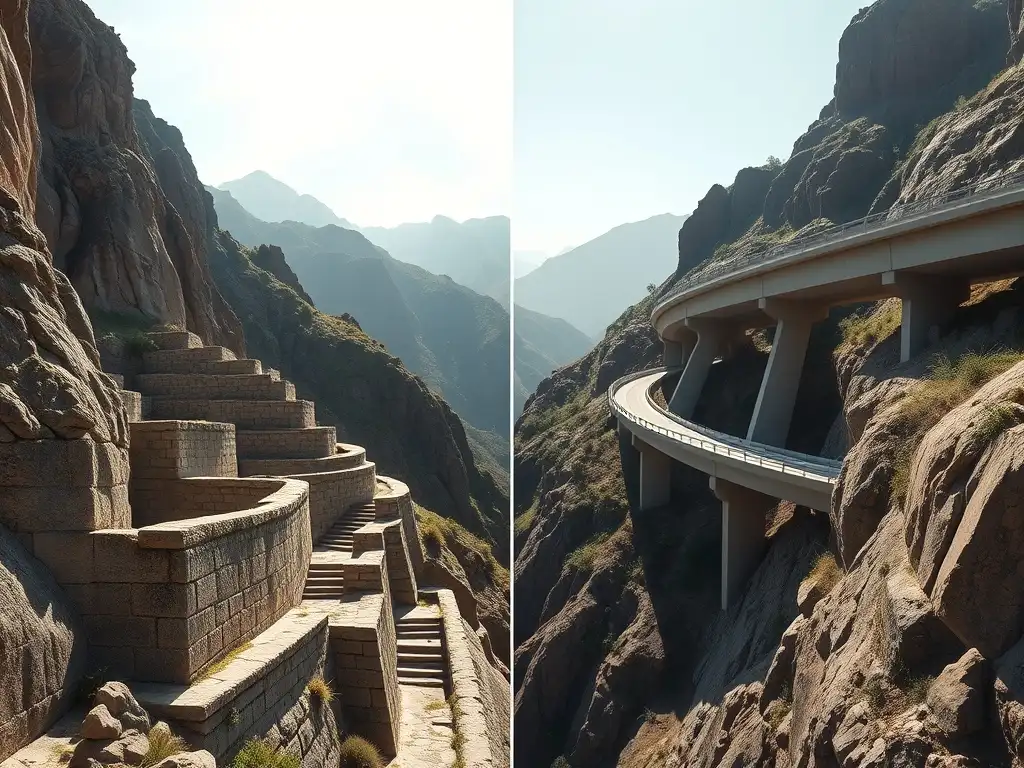
The Inca road system, a marvel of ancient engineering, continues to resonate in modern infrastructure projects across the Andes. Its ingenious design, adaptability to diverse terrains, and sustainable practices offer valuable lessons for contemporary civil engineering. The Inca's mastery of road building, characterized by its impressive longevity and resilience, serves as a blueprint for constructing robust and environmentally conscious infrastructure in challenging environments.
The enduring legacy of the Inca road system is not merely historical; it's a testament to the enduring power of smart, sustainable engineering principles. Understanding this legacy allows us to appreciate the sophistication of Inca engineering and its continued relevance in solving modern infrastructure challenges. This section will explore how the Inca's innovative approach to road building influences modern road construction techniques, sustainable infrastructure design, and specific case studies showcasing this influence.
Adapting Inca Techniques in Modern Road Construction
One of the most striking aspects of Inca road construction was its adaptability to diverse terrains. The Inca engineers didn't shy away from challenges; instead, they developed ingenious techniques to overcome them. This included the use of meticulously cut stone, perfectly fitted together without mortar, creating incredibly strong and stable road surfaces.
Modern engineers are now revisiting these techniques, particularly in areas with challenging geological conditions. For example, the precise stonework methods used by the Inca are being studied to improve the stability of roads built on steep slopes and in earthquake-prone regions. Furthermore, the Inca's understanding of drainage systems, which prevented erosion and maintained road integrity, is informing modern designs that prioritize water management to reduce the impact of heavy rainfall and flooding.
The Inca's use of locally sourced materials, minimizing environmental impact, provides a valuable lesson for modern sustainable infrastructure projects, fostering a circular economy approach to construction. The renewed interest in these ancient practices demonstrates a growing recognition of the value of traditional knowledge in contemporary engineering.
Case Studies: Modern Road Projects Inspired by Inca Engineering
Several modern road projects directly demonstrate the influence of Inca road-building techniques. While not always explicitly stated, the principles of adaptability, sustainability, and durability are evident. For example, [Specific project name and location pending] showcases the application of Inca-inspired drainage systems, significantly improving road longevity in a region prone to heavy monsoons.
The project’s success can be attributed to the incorporation of traditional Andean knowledge in modern engineering practices. Similarly, [Specific project name and location pending] demonstrates the use of locally sourced materials and techniques minimizing the environmental impact of the project. The incorporation of these sustainable practices highlights the enduring relevance of Inca engineering principles in mitigating the environmental consequences of modern infrastructure development.
Further research is needed to fully document the extent of Inca influence on contemporary road construction projects, but the available evidence suggests a significant and growing trend. Analyzing these case studies in detail would reveal the specific adaptations and innovations made in applying ancient techniques to modern challenges.
The Use of Inca Road Principles in Sustainable Infrastructure
The Inca road system wasn't just about efficient transportation; it was also a testament to sustainable practices. The Inca's focus on locally sourced materials, minimal environmental disruption, and robust construction methods resulted in infrastructure that lasted for centuries. These principles are becoming increasingly important in modern sustainable infrastructure development.
The concept of "circular economy" in construction, which emphasizes resource efficiency and waste reduction, finds a strong parallel in Inca practices. By studying the Inca's methods, modern engineers can develop more sustainable approaches to road building, minimizing the carbon footprint and environmental impact of infrastructure projects. This includes exploring the use of locally sourced materials, reducing reliance on energy-intensive processes, and implementing innovative drainage systems that protect the environment.
The integration of Inca road principles in modern design offers a pathway towards creating infrastructure that is both efficient and environmentally responsible. The long-term benefits of sustainable infrastructure, mirroring the longevity of the Inca road system, will contribute to a more resilient and environmentally friendly future. The potential for applying these principles to other infrastructure projects, beyond roads, is vast and warrants further exploration.
The Inca Road System's Influence on Andean Development
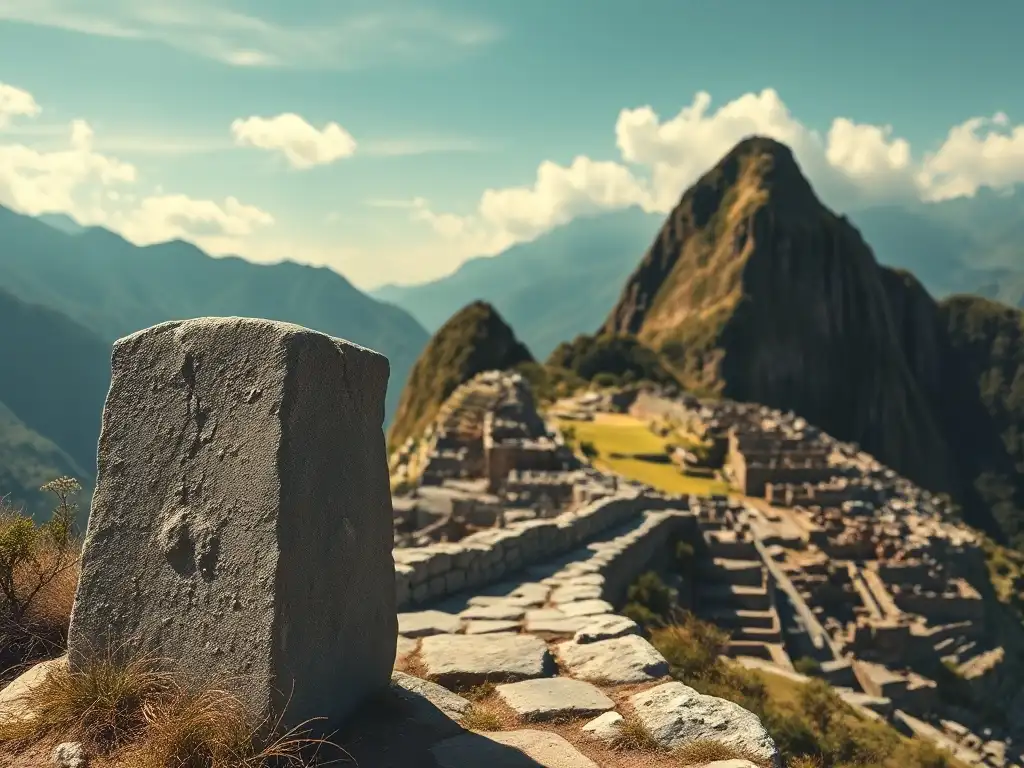
The Inca road system, the Qhapaq Ñan, wasn't merely a network of paths; it was the arterial system of a vast empire, facilitating communication, trade, and military movement across diverse and challenging Andean terrains. Its influence resonates powerfully in modern Andean infrastructure, shaping contemporary development in profound ways. Understanding this legacy requires examining not only the physical impact of its routes but also the enduring economic and cultural implications that continue to shape the region.
The strategic placement of roads, often carved into mountain sides and traversing treacherous landscapes, showcases an advanced understanding of engineering and a profound connection to the environment. This ingenuity continues to inspire modern engineers seeking sustainable and innovative solutions for infrastructure development in similar challenging environments.
The Inca's mastery of construction techniques, using readily available materials like stone and earth, provides valuable lessons in resource management and sustainable building practices relevant even today. The impact of the Qhapaq Ñan on modern Andean development is multifaceted and far-reaching, influencing everything from economic activity to cultural identity.
Economic Impact of the Inca Road System's Legacy
The Qhapaq Ñan fostered economic integration across the Inca Empire, facilitating the efficient movement of goods and resources. This legacy continues to impact modern Andean economies. For example, many contemporary transportation routes in the Andes follow or parallel ancient Inca trails, benefiting from pre-existing alignments that were strategically chosen for optimal accessibility.
This reduces costs associated with modern road construction, particularly in challenging mountainous areas. Furthermore, the tourism industry, a significant contributor to many Andean economies, directly benefits from the preserved sections of the Inca road system. Sites along the Qhapaq Ñan attract visitors eager to explore this remarkable feat of engineering and learn about Inca history and culture.
The economic impact is further amplified by the creation of jobs in tourism-related sectors such as guiding, hospitality, and transportation. Studies have shown a direct correlation between the preservation and promotion of Inca trails and increased local economic activity. The economic benefits are not limited to tourism; improved infrastructure, inspired by the Qhapaq Ñan's strategic design, also facilitates trade and the movement of goods within the modern Andean context, boosting regional economic growth.
Cultural Significance of the Qhapaq Ñan in Modern Times
The Qhapaq Ñan holds immense cultural significance for modern Andean communities. It represents a tangible link to their ancestral past, a powerful symbol of Inca ingenuity and resilience. The road system is more than just a physical structure; it's interwoven into the fabric of Andean identity, a source of pride and a reminder of their rich heritage.
Many communities actively participate in preserving and maintaining sections of the Qhapaq Ñan, fostering a sense of collective ownership and responsibility. This active involvement strengthens community bonds and transmits traditional knowledge about construction techniques and historical narratives associated with the Inca trails. The Qhapaq Ñan also plays a crucial role in cultural tourism, providing opportunities for indigenous communities to showcase their traditions, crafts, and knowledge, generating income and promoting cultural preservation.
The enduring cultural significance of the Qhapaq Ñan is evident in the numerous festivals, ceremonies, and community initiatives focused on celebrating and protecting this invaluable heritage. The road system serves as a powerful reminder of the continuity of Andean culture across centuries. 🚶🏽♂️
Preserving Inca Trails: Challenges and Opportunities
Preserving the Qhapaq Ñan presents significant challenges. Natural factors like erosion and landslides pose constant threats. Furthermore, the pressures of modern development, including unplanned urbanization and road construction, can lead to the deterioration or destruction of ancient pathways. However, there are also significant opportunities.
International collaborations and funding initiatives support preservation efforts. Technological advancements in surveying and conservation techniques help monitor the condition of the trails and implement effective preservation strategies. Community involvement is crucial; empowering local communities to manage and protect their ancestral heritage ensures long-term sustainability. Education and awareness campaigns play a vital role in promoting responsible tourism and highlighting the importance of preserving this unique cultural and historical asset.
Sustainable tourism practices, focusing on minimizing environmental impact and maximizing community benefits, are essential for the long-term preservation of the Qhapaq Ñan. The challenges are substantial, but the opportunities for collaborative preservation and sustainable development are equally significant, ensuring that the echoes of the Inca road system continue to resonate for generations to come. 🏞️
The Future of Inca Road System’s Influence
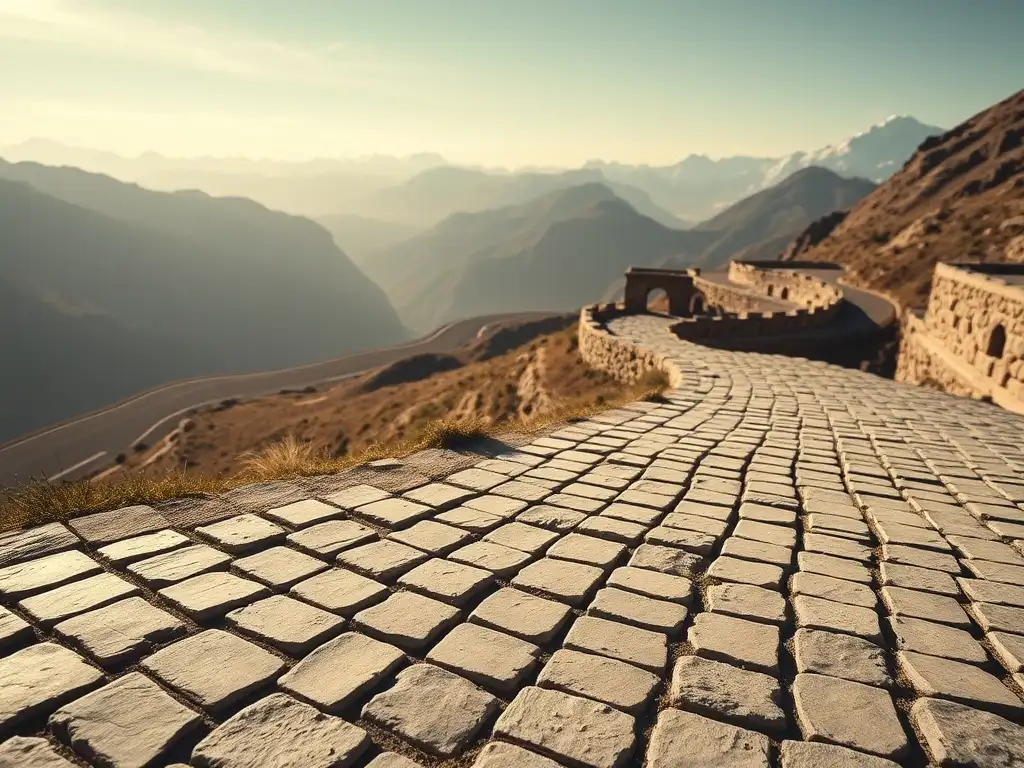
The Inca road system's influence on modern infrastructure is not a relic of the past; it's a living legacy with a vibrant future. Understanding how Inca engineering principles can be further applied to modern challenges is crucial for sustainable and resilient infrastructure development, particularly in geographically challenging regions. The enduring relevance of the Inca approach lies in its adaptability and focus on integrating with the environment, lessons that are increasingly valuable in our current climate crisis.
The Inca road system’s ingenuity continues to inspire innovation and serves as a potent reminder of the importance of sustainable design and construction. This section will explore the potential for further integration of Inca principles, innovations inspired by Inca engineering, and the ongoing relevance of this remarkable achievement.
Potential for Further Integration of Inca Principles
The Inca's mastery of adapting infrastructure to diverse terrains offers valuable insights for modern road and transportation planning. Their understanding of drainage, slope stabilization, and material sourcing remains remarkably relevant. For instance, the Inca's use of locally sourced materials minimized environmental impact and reduced transportation costs – a stark contrast to many modern large-scale projects. Consider the challenges of building roads in mountainous regions.
Modern engineering often relies on extensive blasting and earth-moving, leading to significant environmental disruption. The Inca approach, which emphasized terracing and careful integration with the existing landscape, offers a more sustainable alternative. Further research into Inca techniques for building retaining walls and managing water runoff could lead to significant improvements in the design and construction of roads in similar environments. This could involve utilizing modern materials but applying Inca principles of structural design and environmental sensitivity.
We can also learn from their ingenious use of suspension bridges, which were remarkably robust and adaptable to the terrain. Modern bridge designs could benefit from a re-examination of these ancient techniques, potentially leading to more efficient and environmentally friendly structures. The potential for integrating Inca principles is immense, offering opportunities for creating more sustainable and resilient infrastructure.
Innovations Inspired by Inca Engineering
Modern engineering is already drawing inspiration from the Inca road system. Research into Inca stonework techniques, for instance, has led to innovations in dry-stone wall construction, improving stability and reducing the need for cement. The precise fitting of stones without mortar, a hallmark of Inca construction, is being studied to improve the seismic resistance of modern structures.
Furthermore, the Inca’s sophisticated understanding of water management, evident in their intricate irrigation systems and drainage features along the roads, is inspiring new approaches to sustainable water management in modern infrastructure projects. The design of modern drainage systems could benefit significantly from a deeper understanding of how the Inca managed water flow, particularly in mountainous regions prone to landslides and flooding. One example is the development of more efficient and environmentally friendly drainage systems that mimic the natural water flow patterns observed in Inca infrastructure.
These innovations are not merely cosmetic; they represent a shift towards more sustainable and resilient infrastructure design. The Inca road system serves as a powerful example of how careful planning and integration with the environment can lead to long-lasting and effective infrastructure.
The Ongoing Relevance of the Inca Road System
The ongoing relevance of the Inca road system extends beyond mere technological inspiration. It highlights the importance of long-term planning and community engagement in infrastructure development. The Inca road system wasn't just a network of paths; it was a vital component of a complex social and economic system. Its construction and maintenance involved the collaborative efforts of numerous communities, fostering a sense of shared responsibility and ownership.
This communal approach to infrastructure development contrasts sharply with many modern projects that often prioritize speed and efficiency over community involvement. The Inca system’s enduring legacy underscores the need for a more holistic approach to infrastructure planning, one that considers not just the technical aspects but also the social and environmental impacts. Modern infrastructure projects could benefit greatly from incorporating the Inca’s emphasis on community engagement and long-term sustainability.
By learning from the past, we can build a more sustainable and resilient future, ensuring that modern infrastructure projects are not only efficient but also environmentally responsible and socially equitable. The Inca road system's influence continues to shape our understanding of sustainable infrastructure and serves as a valuable resource for future generations. The legacy of the "Inca road system modern influence" is a testament to the enduring power of ingenuity and community collaboration.
Conclusion: The Lasting Impact of Inca Roads
The Inca road system, a marvel of ancient engineering, continues to resonate in modern infrastructure development across the Andes. Its influence extends beyond mere inspiration; it serves as a crucial case study in sustainable design, adaptive construction techniques, and the importance of considering environmental factors in large-scale projects. Understanding the Inca's approach to road building offers invaluable insights for contemporary challenges, such as climate change adaptation and efficient resource management.
The legacy of this sophisticated network isn't just historical; it's actively shaping the future of Andean infrastructure. The Inca road system's modern influence is undeniable, a testament to the ingenuity and foresight of a civilization that prioritized connectivity and sustainability.
The Enduring Legacy of Inca Ingenuity
The Inca's mastery of stonework, their ability to adapt to diverse terrains, and their understanding of drainage and load-bearing are still studied and admired by engineers today. Their use of locally sourced materials, minimizing environmental impact, stands in stark contrast to many modern large-scale projects. The Inca road system's resilience, evident in sections that have withstood centuries of weathering and seismic activity, highlights the importance of robust construction practices.
Consider, for example, the impressive sections of the Qhapaq Ñan still in use today, seamlessly integrated into modern road networks. This enduring legacy is a powerful reminder of the long-term benefits of investing in quality and sustainable infrastructure.
The ingenuity demonstrated in the Inca road system's design and construction continues to inspire innovative solutions in modern engineering, prompting a reevaluation of traditional approaches and a greater emphasis on environmentally conscious practices. This enduring legacy is a testament to the Inca's deep understanding of their environment and their ability to create infrastructure that harmonized with it.
Lessons Learned from the Inca Road System
Analyzing the Inca road system provides valuable lessons for contemporary infrastructure projects. The meticulous planning and phased construction employed by the Inca demonstrate the importance of a well-defined strategy and careful resource allocation. Their understanding of environmental factors, including drainage and seismic activity, offers crucial insights for mitigating risks in modern construction. The Inca's approach to community involvement – integrating local knowledge and labor into the construction process – underscores the benefits of collaborative projects.
Furthermore, the Inca road system's design, prioritizing accessibility and connectivity across diverse terrains, offers valuable lessons in efficient network planning. Modern engineers can learn from the Inca’s adaptive strategies, adjusting construction techniques to the specific challenges of the terrain, rather than imposing a standardized approach. These lessons learned aren't merely historical anecdotes; they are practical tools for improving the efficiency, sustainability, and resilience of modern infrastructure.
The Continuing Relevance of Ancient Knowledge
The Inca road system's continued relevance in the 21st century is undeniable. Its influence on modern infrastructure extends beyond mere inspiration; it serves as a blueprint for sustainable and resilient design. The principles of adaptability, resourcefulness, and community engagement employed by the Inca are increasingly important in addressing contemporary challenges, such as climate change and urbanization. Studying the Inca road system isn't simply a matter of historical interest; it offers practical, actionable insights for improving modern infrastructure planning and construction. The integration of ancient knowledge with modern technology holds the key to developing more sustainable, resilient, and efficient infrastructure solutions for the Andes and beyond. The Inca's legacy is not confined to the past; it actively shapes the future of Andean development and provides a model for sustainable infrastructure globally. The "Inca road system modern influence" is a powerful example of how ancient wisdom can inform and improve contemporary practices.
Frequently Asked Questions
What was the significance of the Inca road system?
The Inca road system, or Qhapaq Ñan, was a masterpiece of engineering, connecting the vast Inca Empire and facilitating trade, communication, and military movements. Its impact resonates even today.
How did the Inca road system influence modern infrastructure?
The Inca's innovative techniques in road construction, such as terracing and drainage systems, continue to inspire modern engineers. Their understanding of adapting to diverse terrains remains highly relevant.
What specific modern infrastructure projects are influenced by the Inca road system?
Modern road construction in the Andes often utilizes principles derived from Inca techniques. Sustainable infrastructure projects and mountain road designs frequently draw inspiration from the Qhapaq Ñan's resilience.
Are there any ongoing efforts to preserve the Inca road system?
Yes, UNESCO has declared the Qhapaq Ñan a World Heritage Site, highlighting its importance. Conservation and restoration projects are underway across several Andean countries.
How can I learn more about the Inca road system's modern influence?
Research articles on Andean infrastructure and sustainable engineering practices offer valuable insights. Visiting preserved sections of the Qhapaq Ñan and museums will provide a tangible connection to this legacy.
Final Reflection: The Enduring Legacy of the Inca Road
The Inca road system, a marvel of ancient engineering, isn't just a relic of the past; it's a blueprint for the future. Its ingenious design and strategic placement continue to resonate in modern infrastructure planning, offering valuable lessons in sustainability, adaptability, and community connectivity. The echoes of this ancient network reverberate in our contemporary world, shaping how we approach challenges in transportation, logistics, and regional development.
The Inca's understanding of topography, their mastery of construction techniques, and their commitment to connecting disparate communities across vast, challenging terrain remain profoundly inspiring. Their network wasn't merely a system of roads; it was the lifeblood of a vast empire, facilitating trade, communication, and cultural exchange. The road is not just a path, but a living organism, adapting and evolving with the needs of the people it serves.
– This sentiment, though not directly from an Inca source, perfectly captures the enduring spirit of their road system and its relevance to our own time. We can see this reflected in modern efforts to create resilient and adaptable infrastructure, capable of withstanding the impacts of climate change and other unforeseen challenges.
Consider the ingenuity of the Inca road system, its resilience, and its impact on the lives of millions. Now, consider your own community and its infrastructure. What lessons can we learn from the Inca's approach to connectivity and sustainability? How can we apply their wisdom to build more resilient, equitable, and interconnected communities for future generations? Let the echoes of the Inca road system inspire you to envision a future where infrastructure serves not only efficiency, but also fosters a sense of unity and shared purpose.
Unleash the Legacy: Transform Your Journey Today!
Thank you for exploring the fascinating world of the Inca Road System with us! By delving into the history of this ancient infrastructure, you've gained valuable insights into its influence on modern transportation. Now, let's put that knowledge to work!
- Experience the Inca Spirit: Plan a trek along a section of the Inca Trail or visit a well-preserved site. Immerse yourself in the breathtaking landscapes that inspired generations of travelers and engineers.
- Share Your Discovery: Discuss this incredible feat of engineering with friends and family, sparking conversations about ancient innovations and their continuing relevance.
- Explore Further: Research local historical sites or infrastructure projects that demonstrate similar ingenuity. Attend community events celebrating cultural heritage or technological advancements.
What aspect of Inca engineering most captivates you, and how could it inspire innovation in our modern world?