
The Preservation of Heritage: Protecting the Legacy of PreIncan Cultures

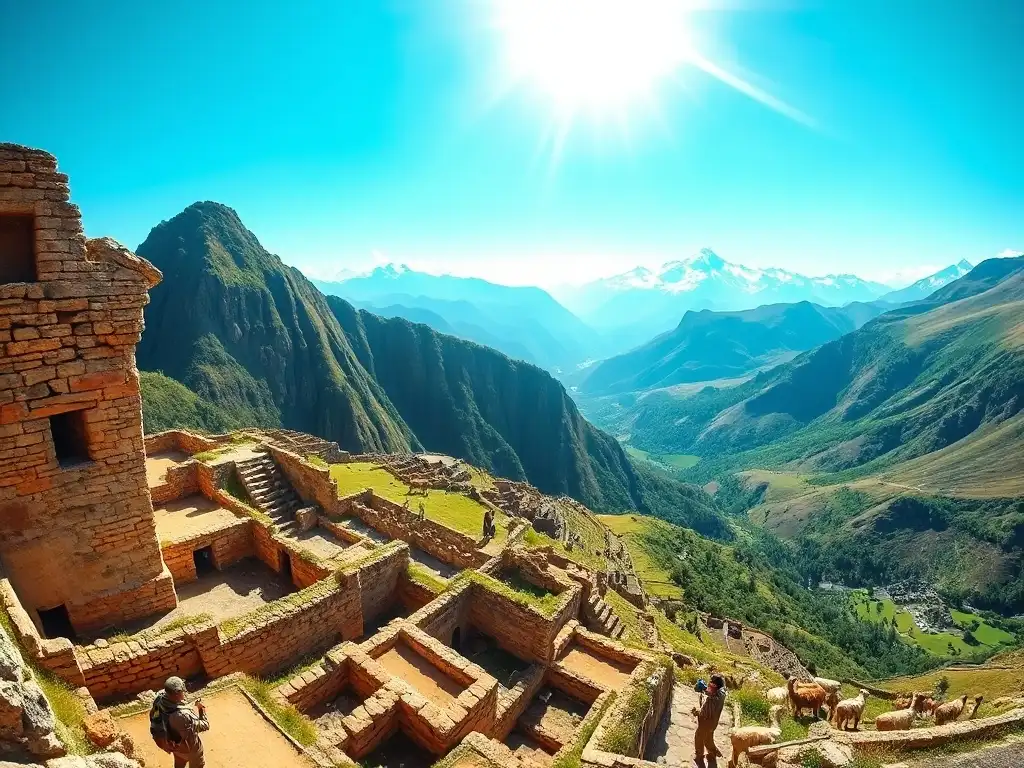
Dive into a world lost to time, yet echoing with vibrant life. Andean Civilizations unveils the captivating story of ancient empires, from the intricate artistry of the Nazca to the monumental structures of Tiahuanaco. But what secrets lie hidden beneath the surface? This journey begins with PreIncan cultural preservation, a critical endeavor to safeguard the legacy of these remarkable societies. Uncover the challenges and triumphs in protecting this invaluable heritage – a story as complex and fascinating as the civilizations themselves. Explore further to witness the enduring power of Andean cultures.
The Andes Mountains, a spine of towering peaks running down the western coast of South America, are home to a rich tapestry of ancient civilizations that predate the Inca Empire. For centuries, these pre-Incan cultures—including the Moche, Nazca, Tiahuanaco, and many others—flourished, leaving behind an extraordinary legacy of intricate textiles, monumental architecture, and sophisticated agricultural techniques. Understanding and preserving this heritage is not merely an academic pursuit; it's a crucial endeavor that safeguards our collective past and provides invaluable insights into human ingenuity and resilience.
This article delves into the challenges and successes of pre-Incan cultural preservation, highlighting the importance of these efforts and exploring the multifaceted approaches employed to protect this invaluable legacy for future generations. We will examine the threats facing these fragile sites and the innovative strategies being implemented to ensure their long-term survival, contributing to a deeper understanding of the keyword "PreIncan cultural preservation".
Understanding the Importance of PreIncan Cultural Preservation
Pre-Incan cultural preservation is paramount for several reasons. Firstly, these sites are irreplaceable sources of information about the past. They offer tangible evidence of complex social structures, religious beliefs, technological advancements, and artistic expressions that significantly shaped the history of the Andes. The intricate ceramics of the Moche, for example, provide vivid depictions of their daily life, religious rituals, and warfare, offering unparalleled insights into their society.
Similarly, the Nazca Lines, a vast network of geoglyphs etched into the desert floor, continue to puzzle and fascinate researchers, prompting ongoing investigation into their purpose and creation. The preservation of these sites allows us to continue learning from these cultures, enriching our understanding of human history and cultural diversity. Furthermore, preserving this heritage contributes to the cultural identity and pride of modern Andean communities, connecting them to their ancestors and fostering a sense of continuity.
The protection of these sites also contributes to sustainable tourism, creating economic opportunities for local communities while simultaneously safeguarding their heritage. Finally, the scientific knowledge gleaned from these sites can contribute to a better understanding of environmental changes and their impact on past societies, providing valuable data for addressing current ecological challenges. The loss of these sites represents an irretrievable loss of knowledge and cultural heritage.
The Fragile Nature of PreIncan Archaeological Sites
Pre-Incan archaeological sites face a multitude of threats, many stemming from both natural and human activities. The harsh Andean climate, characterized by extreme temperature fluctuations, intense solar radiation, and frequent rainfall, contributes significantly to the deterioration of artifacts and structures. Erosion, both wind and water erosion, constantly chips away at fragile structures, while earthquakes pose a significant threat to the stability of already weakened sites. Human activities, however, often pose an even greater threat.
Illegal looting and the illicit trade of artifacts represent a major challenge, causing irreparable damage to sites and depriving researchers of invaluable contextual information. Unsustainable tourism practices, such as inappropriate touching of artifacts or the trampling of delicate surfaces, can also accelerate deterioration. Furthermore, the encroachment of urban development and agricultural expansion often leads to the destruction or degradation of archaeological sites, as land is cleared for new constructions or farming.
Finally, the lack of adequate resources and funding for preservation efforts often hinders effective protection, leaving many vulnerable sites at risk. The preservation of these sites requires a multi-pronged approach that addresses both the natural and human-induced threats they face. This includes implementing stricter regulations against looting, promoting sustainable tourism practices, and securing adequate funding for preservation and restoration projects.
- Understanding the Importance of PreIncan Cultural Preservation
- The Fragile Nature of PreIncan Archaeological Sites
Threats to PreIncan Heritage Sites
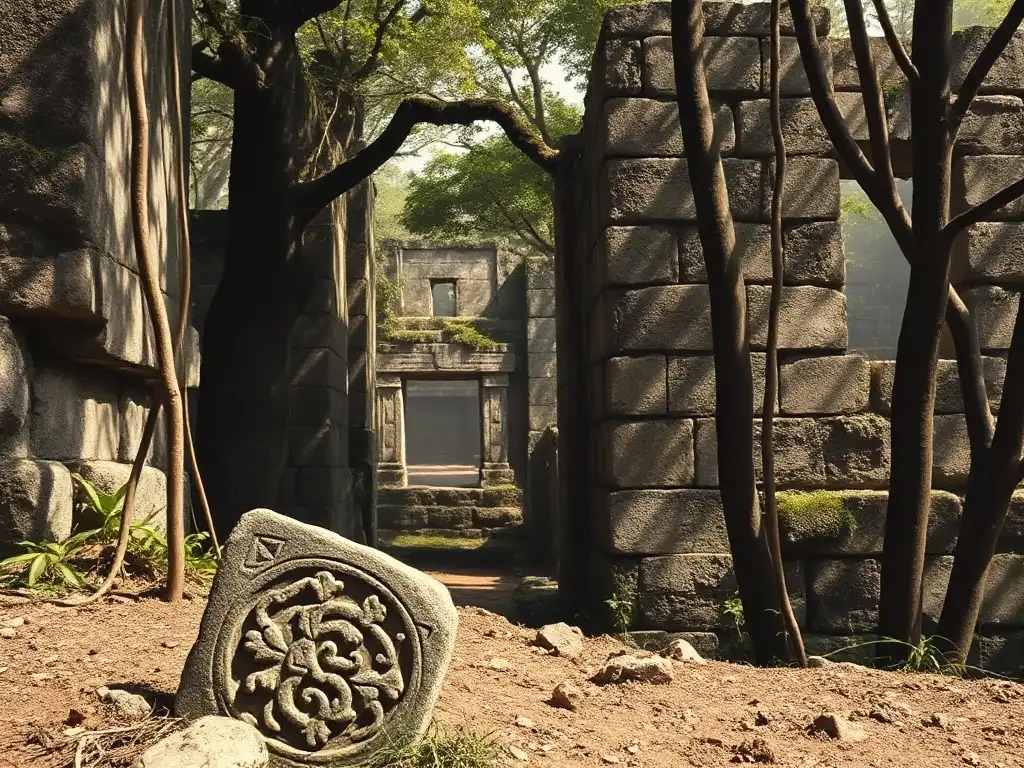
The preservation of PreIncan cultural heritage faces numerous challenges, demanding a multifaceted approach to ensure the longevity of these invaluable sites and artifacts. Understanding these threats is the first step towards effective conservation strategies. The threats can be broadly categorized into natural and anthropogenic factors, each posing significant risks to the fragile remnants of these ancient Andean civilizations. Effective PreIncan cultural preservation requires a deep understanding of both categories and their complex interplay.
Natural Threats to Ancient Andean Sites
Natural forces relentlessly erode and degrade PreIncan sites. The harsh Andean climate, characterized by intense sun, freezing temperatures, and fluctuating rainfall, significantly contributes to the deterioration of ancient structures. For instance, the constant freeze-thaw cycles in high-altitude regions cause physical fracturing of stone walls and ceramic artifacts. This process, exacerbated by the lack of vegetation cover in many areas, accelerates the decay of already vulnerable materials.
Furthermore, seismic activity remains a constant threat. Earthquakes, common throughout the Andes, can cause catastrophic damage to archaeological sites, collapsing structures and scattering artifacts. The vulnerability of these sites is further heightened by the often precarious locations chosen by ancient civilizations, sometimes on steep slopes or near fault lines. The impact of natural disasters is often compounded by the difficulty of accessing remote sites for timely repairs and preventative measures. This makes swift intervention following a seismic event crucial for PreIncan cultural preservation efforts.
Rainfall and erosion also play significant roles. Heavy rainfall can lead to landslides, washing away topsoil and exposing delicate artifacts. Prolonged periods of drought, conversely, can lead to desiccation and cracking of materials. The delicate balance between these factors is crucial for the long-term survival of these sites. Studies show [specific information pending] on the rate of erosion at specific PreIncan sites across different climatic zones. Understanding these variations is key to developing targeted conservation strategies.
Anthropogenic Threats and Human Impact on PreIncan Heritage
Beyond natural forces, human activity poses a critical threat to PreIncan heritage. Unsustainable agricultural practices, such as improper irrigation or deforestation, contribute to soil erosion and destabilize slopes near archaeological sites. The construction of infrastructure, including roads and buildings, often encroaches upon these sites, leading to direct damage and disruption of the archaeological context. Furthermore, the expansion of urban areas places increasing pressure on these vulnerable locations.
Pollution also plays a significant role. Air pollution from nearby cities and industrial activities can accelerate the deterioration of stone and other materials. Similarly, water pollution can damage artifacts and contaminate surrounding soils. Even seemingly minor activities like tourism, if not carefully managed, can lead to significant wear and tear on sites through foot traffic and accidental damage. For example, [specific example of damage from tourism at a PreIncan site pending]. Sustainable tourism practices are therefore essential for PreIncan cultural preservation. The implementation of strict regulations and visitor management plans is crucial to mitigate this impact.
Looting and Illegal Trafficking of PreIncan Artifacts
The illegal looting of artifacts and their subsequent trafficking in the global art market represent one of the most serious threats to PreIncan cultural heritage. Looters often cause irreparable damage to archaeological sites in their search for valuable objects, destroying invaluable contextual information and leaving sites vulnerable to further deterioration. This illicit activity deprives future generations of the opportunity to study and learn from these unique cultural treasures.
The scale of this problem is significant, with a thriving black market driving the demand for PreIncan artifacts. The ease with which these objects can be transported across borders and sold anonymously makes it difficult to combat this illicit trade. International cooperation and stringent regulations are crucial to disrupt these networks and prevent the further loss of irreplaceable cultural heritage. Effective PreIncan cultural preservation requires not only protecting sites but also combating the illegal trade in artifacts.
Increased enforcement, stricter penalties, and public awareness campaigns are essential tools in this fight. The development of [specific information pending on international cooperation initiatives] is crucial for tackling this global challenge. The fight against looting and trafficking is paramount for the long-term survival of PreIncan cultural heritage.
Strategies for PreIncan Cultural Heritage Conservation
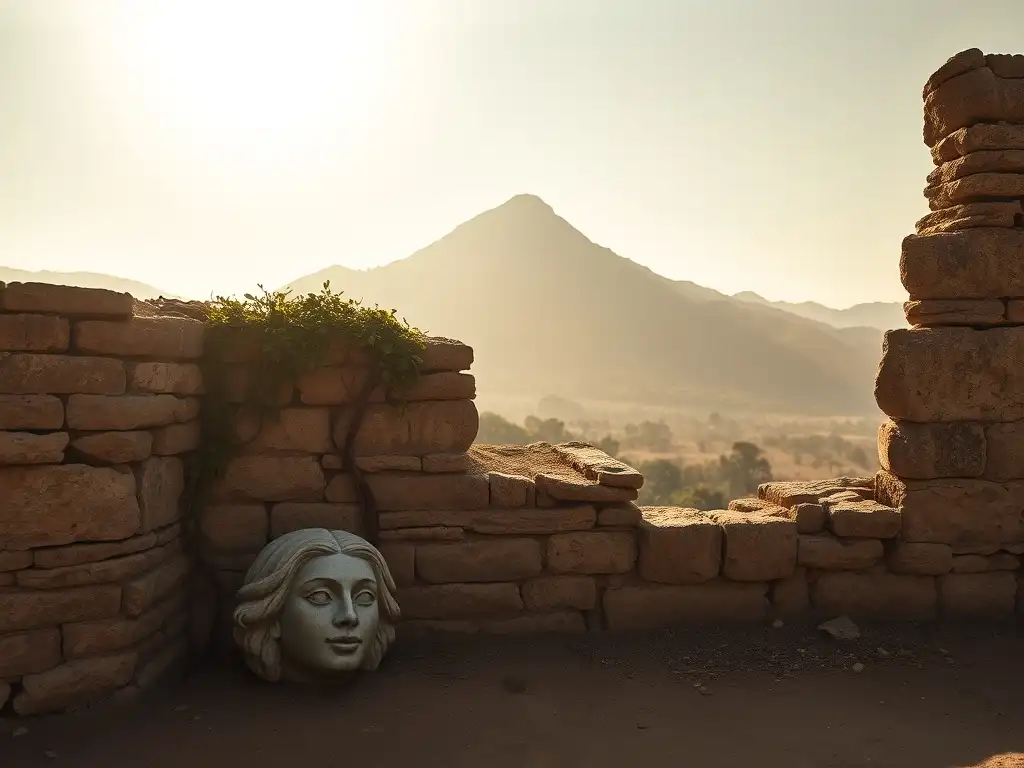
This section delves into the multifaceted strategies crucial for the effective preservation of PreIncan cultural heritage. The delicate balance between safeguarding these irreplaceable sites and fostering understanding necessitates a multi-pronged approach, encompassing scientific research, community engagement, and sustainable tourism initiatives. The goal is not merely to protect physical artifacts, but to ensure the enduring legacy of these remarkable cultures for future generations. Effective PreIncan cultural preservation requires a holistic strategy.
Archaeological Research and Documentation
Thorough archaeological research and meticulous documentation are fundamental cornerstones of PreIncan cultural preservation. This involves not only excavating sites and analyzing artifacts but also employing advanced technologies for non-invasive investigation. For example, ground-penetrating radar (GPR) can reveal subsurface structures without causing damage, significantly improving our understanding of site layouts and potential hidden features.
Detailed mapping, using GIS technology, allows for precise spatial analysis of settlements, agricultural terraces, and other landscape features, providing crucial context for understanding ancient Andean societies. Moreover, careful cataloging and digital archiving of artifacts, including high-resolution photography and 3D modeling, create accessible records for future researchers and educational purposes. The meticulous recording of findings, including detailed descriptions, precise locations, and stratigraphic contexts, is paramount for the accurate interpretation of past societies.
This commitment to robust documentation is essential for preserving the knowledge gained from archaeological research, ensuring its long-term accessibility and minimizing the risks associated with loss or damage to primary data. Furthermore, the application of scientific dating techniques, such as radiocarbon dating, provides a chronological framework, allowing for a more nuanced understanding of cultural evolution and interactions across different PreIncan societies. Without this comprehensive approach, the value of archaeological discoveries would be significantly diminished.
Community Involvement in Heritage Protection
Successful PreIncan cultural preservation requires the active participation of local communities. These communities are often the traditional custodians of knowledge and practices related to their ancestors' heritage. Their involvement is not simply desirable, but essential for the long-term success of any conservation effort. For instance, establishing community-based museums allows local people to actively participate in the preservation and interpretation of their heritage, fostering a sense of ownership and pride.
Moreover, training programs in archaeological techniques and heritage management can empower community members to actively participate in the protection of their cultural legacy. This includes skills in site monitoring, artifact conservation, and tourism management. Involving communities in decision-making processes related to heritage management is also crucial, ensuring that their perspectives and concerns are considered. This collaborative approach helps to build trust and fosters a sense of shared responsibility for the preservation of PreIncan heritage.
Furthermore, the support of local artisans can help to revive traditional crafts and skills, generating economic opportunities while simultaneously safeguarding traditional knowledge and techniques. This participatory approach is far more sustainable and effective than top-down, externally driven conservation initiatives. The creation of community-based tourism enterprises, managed and operated by local residents, also provides economic benefits and directly links heritage preservation to the well-being of the community.
Sustainable Tourism and Cultural Preservation
Sustainable tourism presents a unique opportunity to balance the economic benefits of heritage sites with their preservation. However, uncontrolled tourism can lead to significant damage to fragile archaeological sites and cultural landscapes. Therefore, implementing carefully managed tourism strategies is essential for PreIncan cultural preservation. This includes limiting visitor numbers, establishing designated pathways, and providing educational materials to raise awareness among tourists about the importance of responsible behavior.
Investing in infrastructure, such as visitor centers and interpretation panels, can enhance the visitor experience while minimizing environmental impact. The creation of well-maintained trails and facilities helps to direct visitor traffic away from sensitive areas, minimizing disturbance to the site. Furthermore, promoting responsible tourism practices among tour operators and guides is crucial. This can include training programs emphasizing environmental stewardship and the importance of respecting cultural sensitivities.
By carefully managing tourism, we can ensure that these sites remain accessible to future generations while simultaneously protecting their integrity. The economic benefits generated through responsible tourism can then be reinvested in further conservation efforts, creating a virtuous cycle that contributes to the long-term preservation of PreIncan heritage. Careful planning and regulation are essential to ensure that the positive impacts of tourism outweigh the potential negative consequences.
Technological Advances in PreIncan Site Preservation
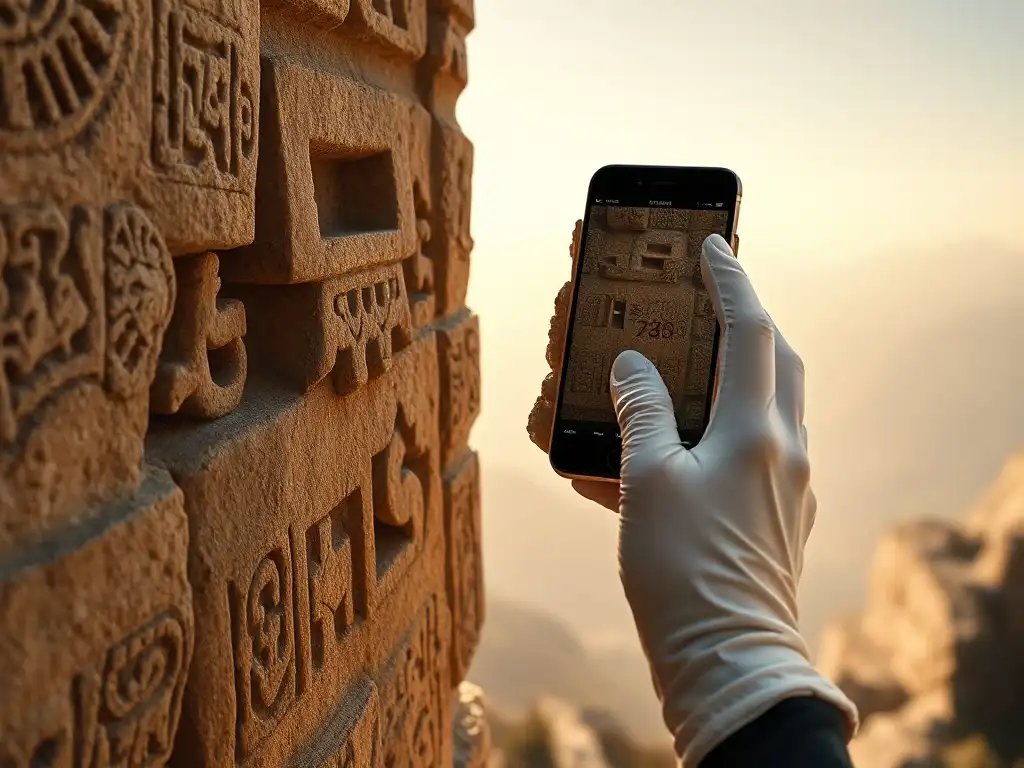
The preservation of PreIncan cultural heritage is significantly aided by modern technology, offering innovative solutions to the challenges of protecting these fragile and invaluable sites. Advances in remote sensing, digital reconstruction, and materials science are revolutionizing how we approach the conservation and understanding of these ancient legacies. Effective PreIncan cultural preservation requires a multi-faceted approach, leveraging these technological tools to ensure the long-term safeguarding of our shared past. The following sections detail some key technological advancements currently being applied.
Remote Sensing and Mapping of Archaeological Sites
Remote sensing technologies offer a non-invasive way to survey and map archaeological sites, minimizing disruption to the delicate environment. Techniques such as LiDAR (Light Detection and Ranging), aerial photography, and satellite imagery provide high-resolution data that reveals subsurface features and helps archaeologists understand the spatial organization of PreIncan settlements. For instance, LiDAR scans have revealed previously unknown agricultural terraces and irrigation systems in the Nazca region, providing crucial insights into their sophisticated water management strategies.
This technology allows for the creation of detailed 3D models of sites, facilitating comprehensive site planning and management for preservation efforts. Analyzing this data helps identify areas at risk of erosion or looting, allowing for proactive intervention and improved site protection strategies. The use of Geographic Information Systems (GIS) further enhances the analysis and visualization of this data, enabling researchers to map the distribution of artifacts, settlements, and environmental factors, contributing significantly to the understanding and preservation of PreIncan cultural landscapes.
The detailed mapping generated through remote sensing is invaluable for creating comprehensive preservation plans, guiding future excavations, and monitoring the condition of the sites over time. This meticulous approach to data acquisition is paramount for effective PreIncan cultural preservation.
Digital Reconstruction and Virtual Heritage
Digital reconstruction offers a powerful tool for preserving and disseminating knowledge about PreIncan sites. Using data from archaeological excavations, remote sensing, and other sources, researchers can create detailed 3D models of structures, artifacts, and entire landscapes. These digital models allow for virtual exploration of sites that are inaccessible or too fragile for physical visitation.
Furthermore, the digital preservation of these sites ensures the continuity of knowledge even if the physical remains are damaged or lost. For example, virtual reconstructions of Moche pyramids allow researchers and the public to "walk" through these structures, experiencing their scale and complexity. This approach is crucial for education and public engagement, fostering a deeper appreciation for PreIncan cultures and promoting their preservation.
The creation of virtual museums and interactive exhibits further expands access to this valuable heritage, ensuring the legacy of PreIncan civilizations continues to inspire and educate generations to come. This digital approach is especially valuable for PreIncan cultural preservation in regions where sites are threatened by environmental factors or human activity.
Innovative Conservation Techniques for Ancient Materials
The preservation of ancient materials presents unique challenges. PreIncan artifacts are often made from organic materials like textiles, wood, and bone, which are susceptible to degradation. Innovative conservation techniques are crucial for extending the lifespan of these delicate objects.
Researchers are constantly developing new methods using materials science and chemistry to stabilize and protect these artifacts. For example, the use of specialized resins and coatings helps to protect against environmental factors such as humidity and temperature fluctuations. Moreover, advanced imaging techniques, like X-ray fluorescence (XRF) and Raman spectroscopy, allow for non-destructive analysis of materials, providing insights into their composition and degradation processes.
This knowledge is essential for tailoring conservation treatments to the specific needs of each artifact. The development and implementation of these innovative conservation techniques are crucial for ensuring the long-term preservation of PreIncan cultural heritage, allowing future generations to appreciate and learn from these remarkable achievements. The ongoing research into new materials and methods is critical for the effective and sustainable preservation of these irreplaceable artifacts, a key element in PreIncan cultural preservation.
Specific Case Studies in PreIncan Heritage Preservation
This section delves into specific examples of PreIncan cultural preservation efforts, showcasing the diverse challenges and innovative solutions employed across different sites. Understanding these case studies provides valuable insights into the complexities of safeguarding this fragile heritage for future generations. The effective management of these sites is crucial for the long-term preservation of PreIncan cultural heritage and the promotion of sustainable tourism.
These examples highlight the importance of a multi-faceted approach, encompassing scientific research, community engagement, and responsible tourism strategies. The success of these initiatives hinges on a collaborative effort between governments, local communities, and international organizations. We will examine how different approaches are tailored to the unique challenges presented by each site.
Chan Chan: Preservation Efforts in the Face of Erosion
Chan Chan, the largest pre-Columbian city in the Americas, located near Trujillo, Peru, presents a significant challenge for PreIncan cultural preservation. Built by the Chimú civilization, its adobe structures are incredibly vulnerable to erosion caused by both natural factors (wind, rain) and human activity. The fragility of the adobe material necessitates a delicate balance between preservation and accessibility.
The ongoing preservation efforts at Chan Chan involve several key strategies:
- Structural Consolidation: This involves carefully reinforcing weakened sections of the walls using techniques that minimize visual impact and ensure structural integrity. Engineers and archaeologists work together to develop solutions that are both effective and respectful of the site's historical authenticity. This includes the careful application of consolidants and the stabilization of vulnerable areas.
- Erosion Control: Measures to mitigate erosion include carefully managing water runoff, planting vegetation to stabilize the soil, and implementing controlled access to limit foot traffic in sensitive areas. Sustainable landscaping techniques are employed to minimize further damage.
- Monitoring and Research: Continuous monitoring of the site’s condition is crucial. Advanced technologies, including remote sensing and ground-penetrating radar, are used to assess the structural integrity of the walls and identify areas requiring immediate attention. Ongoing research helps to understand the decay processes and inform future preservation strategies. This continuous assessment is vital for proactive intervention.
The preservation of Chan Chan is an ongoing process, demanding significant resources and expertise. Its success depends on a long-term commitment to research, conservation, and responsible management. Effective PreIncan cultural preservation in this context requires constant adaptation and innovation.
Machu Picchu: Balancing Tourism and Site Conservation
Machu Picchu, a UNESCO World Heritage site and iconic symbol of Inca civilization, faces a unique set of preservation challenges. While not strictly PreIncan, its proximity to other PreIncan sites and its shared architectural styles make its preservation relevant to this discussion. The immense popularity of Machu Picchu as a tourist destination necessitates a delicate balance between allowing access for visitors and protecting the site’s integrity. The sheer number of tourists visiting annually puts significant strain on the infrastructure and the environment surrounding the site.
The strategies employed to manage tourism and conserve Machu Picchu include:
- Limited Access: Strict regulations on the number of visitors allowed per day and the implementation of timed entry systems help to control the flow of tourists and minimize damage. This limits the impact of foot traffic and prevents overcrowding.
- Infrastructure Development: Careful planning of infrastructure development, including improved trails and visitor centers, helps to channel tourist traffic and minimize environmental impact. This includes the development of alternative routes to reduce the pressure on the main trails.
- Environmental Monitoring: Continuous monitoring of the environment, including water quality and vegetation, helps to identify potential threats and implement mitigation strategies. This ensures the sustainability of the site's ecosystem.
- Community Involvement: Engaging the local community in the preservation efforts helps to foster a sense of ownership and responsibility for the site's protection. This community involvement is essential for long-term sustainability.
The preservation of Machu Picchu is a continuous balancing act, requiring innovative solutions to manage the influx of tourists while safeguarding the site's historical and environmental value. PreIncan cultural preservation in this context is deeply intertwined with sustainable tourism practices.
Caral: Community-Based Preservation and Education
Caral, located in the Supe Valley of Peru, is one of the oldest known urban centers in the Americas. Its preservation presents unique challenges due to the site's age and the need to engage the surrounding community in its protection. The preservation strategy emphasizes community involvement and education as key components.
The successful preservation of Caral demonstrates the effectiveness of:
- Community Participation: Local communities are actively involved in the site's management and preservation, fostering a sense of ownership and responsibility. This participatory approach ensures the long-term sustainability of the preservation efforts.
- Educational Initiatives: Extensive educational programs aimed at raising awareness about the site's significance and the importance of its preservation are implemented within the community and for visitors. This educational component is crucial for the long-term success of the project.
- Sustainable Development: Efforts are made to promote sustainable development in the surrounding areas to reduce pressure on the site and ensure the long-term well-being of the community. This integrates preservation with economic development.
The Caral case study highlights the importance of integrating community participation and education into PreIncan cultural preservation strategies. This approach not only ensures the protection of the site but also empowers local communities and fosters a sense of pride in their cultural heritage. This holistic approach is a model for successful PreIncan cultural preservation.
The Role of Education in Protecting PreIncan Heritage
Education plays a pivotal role in the ongoing efforts for PreIncan cultural preservation. Without a deep understanding and appreciation for these ancient societies, their fragile legacy is at risk of being lost or irrevocably damaged. Effective educational strategies are crucial not only for raising awareness but also for fostering a sense of responsibility towards protecting these invaluable cultural sites and artifacts. This section explores the multifaceted role of education in safeguarding PreIncan heritage for future generations.
Raising Awareness About the Importance of PreIncan Cultures
Raising awareness begins with accessible and engaging educational materials. Museums, schools, and community centers must actively promote PreIncan history and culture through interactive exhibits, documentaries, and educational programs. These materials should move beyond simple descriptions and delve into the complexities of PreIncan societies, showcasing their sophisticated advancements in agriculture, engineering, and astronomy.
For example, highlighting the intricate Nazca Lines and explaining the potential astronomical significance can captivate audiences and demonstrate the intellectual sophistication of these cultures. Furthermore, incorporating diverse perspectives—including those of indigenous communities—ensures a more holistic and accurate representation of PreIncan heritage. The use of digital technologies, such as virtual reality tours of archaeological sites, can further enhance engagement and accessibility, particularly for younger audiences.
The goal is to transform PreIncan cultural preservation from a niche interest into a matter of widespread public concern. 📊 Data on museum visitor numbers and educational program participation would further demonstrate the effectiveness of these initiatives. [Specific data pending on museum visitor numbers and educational program participation].
Educating Future Generations on Heritage Preservation
Beyond raising awareness, education must equip future generations with the knowledge and skills necessary to actively participate in PreIncan cultural preservation. This includes incorporating PreIncan history and archaeology into school curricula at all levels, from primary school to university. The curriculum should not only focus on historical facts but also on the ethical considerations surrounding the preservation of cultural heritage.
Students should learn about the destructive impact of looting, illegal trafficking, and unsustainable tourism. Moreover, practical training in archaeological techniques, conservation methods, and sustainable tourism practices should be included to empower the next generation of heritage protectors. The integration of indigenous knowledge systems and perspectives into educational programs is crucial, ensuring that preservation efforts are informed by the wisdom and traditions of the descendants of these ancient cultures.
This collaborative approach ensures that the preservation of PreIncan heritage is not merely an academic exercise but a process of cultural revitalization and empowerment. The development of specialized training programs for archaeologists and museum professionals further strengthens this approach.
Collaborative Efforts Between Institutions and Communities
Successful PreIncan cultural preservation requires strong collaboration between academic institutions, government agencies, and local communities. Universities and research institutions can provide expertise in archaeology, conservation, and cultural management. Government agencies play a crucial role in developing and enforcing legislation to protect archaeological sites and artifacts. However, the most effective strategies involve working directly with indigenous communities, who possess invaluable traditional knowledge and a deep connection to their ancestral heritage.
These communities should be active participants in all stages of the preservation process, from planning and implementation to monitoring and evaluation. This approach not only ensures that preservation efforts are culturally sensitive and respectful but also empowers communities to become stewards of their own heritage. The establishment of community-based museums and cultural centers can further enhance this collaboration, creating spaces where local communities can share their knowledge and traditions with a wider audience.
The success of this collaborative model hinges on open communication, mutual respect, and a shared commitment to the long-term preservation of PreIncan cultural heritage. A strong emphasis on shared benefits and equitable participation is key to ensuring the sustainability of these collaborative efforts. 🤝
Future Perspectives and Challenges in PreIncan Cultural Preservation
The preservation of PreIncan cultural heritage is an ongoing and evolving process, demanding a multifaceted approach to ensure its long-term survival. Success hinges on a delicate balance between respecting the past and adapting to the realities of the present and future. This section explores key challenges and potential avenues for progress in safeguarding this invaluable legacy for generations to come. Effective PreIncan cultural preservation requires not only dedicated action but also a forward-looking strategy.
The Need for Continued Research and Funding
Sustained research is the cornerstone of effective PreIncan cultural preservation. Without a thorough understanding of the materials, techniques, and environmental factors affecting these sites, conservation efforts remain reactive rather than proactive. This necessitates significant and consistent funding, not just for archaeological digs and artifact analysis, but also for the development of advanced preservation techniques tailored to the specific challenges posed by the Andean environment. For example, research into the impact of specific soil compositions on adobe structures could lead to the development of targeted conservation strategies, preventing further deterioration.
Currently, funding for such specialized research is often insufficient, hindering progress in understanding and addressing the unique degradation processes affecting PreIncan sites. A robust, long-term funding model, perhaps incorporating public-private partnerships and international collaborations, is crucial to bridge this gap. This includes not only financial resources but also the allocation of skilled personnel and technological resources.
The lack of trained specialists in Andean archaeology and conservation is a major limiting factor. Investing in education and training programs will be essential to build the capacity needed for effective long-term preservation. Without a commitment to continued research and adequate funding, the risk of irreversible loss of invaluable cultural heritage is significantly increased.
Adapting to Climate Change and Its Impact on Heritage
Climate change poses a significant and escalating threat to PreIncan sites. Increased frequency and intensity of extreme weather events, such as floods, landslides, and droughts, are already causing damage to fragile archaeological remains. The melting of glaciers in the Andes also presents a serious risk, as glacial meltwater can destabilize slopes and damage sites located in high-altitude regions. Moreover, changes in temperature and humidity can accelerate the deterioration of organic materials and accelerate erosion processes.
To mitigate these risks, proactive measures are essential. This includes developing predictive models to assess vulnerability to climate change impacts, implementing early warning systems to detect potential threats, and developing climate-resilient conservation strategies. For instance, the development of innovative materials and techniques to protect sites from water damage and erosion is a critical area of research. Furthermore, community engagement is crucial.
Local communities often possess invaluable traditional ecological knowledge that can inform effective adaptation strategies. Integrating this knowledge with scientific expertise can lead to more effective and sustainable preservation efforts. Ignoring the impact of climate change on PreIncan cultural heritage would lead to the accelerated loss of irreplaceable information about past civilizations and their relationship with their environment.
Balancing Development and Cultural Preservation
The challenge of balancing economic development with the preservation of PreIncan cultural heritage is a recurring theme. Infrastructure projects, agricultural expansion, and tourism development all have the potential to negatively impact archaeological sites. Careful planning and responsible management are crucial to minimize these impacts. This requires the implementation of stringent environmental impact assessments for all development projects that might affect PreIncan sites.
Furthermore, sustainable tourism practices are essential. Tourism can be a valuable source of revenue for local communities and can raise awareness about PreIncan heritage, but uncontrolled tourism can cause significant damage to sites. Implementing visitor management plans, providing adequate infrastructure, and educating tourists about responsible behavior are crucial to mitigate the negative impacts of tourism. Moreover, engaging local communities in the preservation process is essential.
By involving communities in the planning and management of heritage sites, a sense of ownership and responsibility can be fostered, leading to more effective and sustainable preservation efforts. A collaborative approach, involving government agencies, researchers, local communities, and the private sector, is crucial to ensure that development does not come at the expense of PreIncan cultural heritage. The long-term sustainability of PreIncan cultural preservation depends on finding a balance between progress and the protection of our shared past. Ignoring this delicate balance risks losing not only invaluable archaeological sites but also the opportunity to use this heritage to enhance the lives and livelihoods of present-day communities.
Frequently Asked Questions
What is the significance of PreIncan cultural preservation?
PreIncan cultural preservation is crucial for understanding the complex history of the Andes. It safeguards ancient knowledge, traditions, and artifacts, enriching our understanding of human development and cultural diversity. Protecting these sites also helps us learn about sustainable practices from the past.
How are PreIncan sites threatened?
PreIncan sites face threats from looting, environmental damage, and urban development. Climate change, tourism, and lack of funding also contribute to their deterioration. Illegal excavation removes artifacts from their context, destroying valuable information.
What are some examples of PreIncan cultural preservation efforts?
Many organizations work to preserve PreIncan heritage. This includes archaeological research, site restoration, and community engagement projects. Museums play a vital role in safeguarding artifacts and educating the public.
How can I help in PreIncan cultural preservation?
You can support responsible tourism, donate to organizations dedicated to preservation, and advocate for stronger legal protections. Educating yourself and others about the importance of these cultures is also key. Even small actions can make a difference.
What are some of the key challenges in PreIncan cultural preservation?
Key challenges include limited funding, lack of awareness, and the complex political landscape in many Andean regions. Balancing the needs of local communities with preservation efforts is crucial. Balancing development with conservation is another ongoing challenge.
Final Reflection: Echoes of the Past, Architects of the Future
The urgent need to preserve PreIncan cultural heritage is not merely an academic pursuit; it is a vital act of safeguarding humanity's collective memory. The intricate artistry, sophisticated engineering, and profound spiritual beliefs embedded within these ancient cultures offer invaluable insights into our shared past and provide a crucial framework for understanding our present. Ignoring their preservation is to risk losing a vital thread in the tapestry of human civilization.
The enduring legacy of PreIncan cultures continues to resonate, shaping our understanding of societal structures, artistic expression, and environmental stewardship. Their innovative agricultural techniques, complex social hierarchies, and breathtaking architectural achievements serve as a powerful testament to human ingenuity and resilience. The past is never dead. It's not even past.
– William Faulkner. This quote rings profoundly true when considering the ongoing influence of PreIncan societies on contemporary Andean communities and their ongoing efforts to reclaim and celebrate their ancestral heritage. Their stories, passed down through generations, deserve to be heard and understood by the world.
Consider the impact of these ancient cultures on your own life. Perhaps you've been moved by the artistry of their textiles, inspired by their resilience in the face of adversity, or intrigued by the mysteries surrounding their advanced astronomical knowledge. Now, consider what you can do to contribute to their preservation.
Support organizations dedicated to archaeological research and cultural preservation, advocate for responsible tourism practices, and educate yourself and others about the richness and importance of PreIncan heritage. Let the echoes of the past inspire you to become an architect of a future where these invaluable legacies are not only protected but celebrated and understood for generations to come.
Embrace and Elevate Our Heritage Today!
Thank you for joining us in exploring the rich legacy of Pre-Incan cultures. Your passion for preserving our shared heritage is invaluable, and now is the time to take concrete steps to protect these ancient traditions. Let's turn our knowledge into action!
Here are some ways you can make a difference:
- **Engage with your local community** by organizing events or workshops that celebrate ancient traditions. For example, you could host a storytelling evening featuring traditional narratives or a craft workshop teaching ancestral techniques.
- Share this information on social media to **inspire others** to join the preservation movement. Use the hashtag #PreserveHeritage to connect with a wider audience and amplify your message.
- Consider volunteering your time or donating to organizations dedicated to **protecting archaeological sites** and supporting indigenous communities. Many such groups rely on the generosity and dedication of volunteers to continue their important work.
What will you do today to help safeguard our precious heritage for future generations? Even small actions can have a significant impact.