
Nazca Daily Life: A Glimpse into Homes, Families, and Community

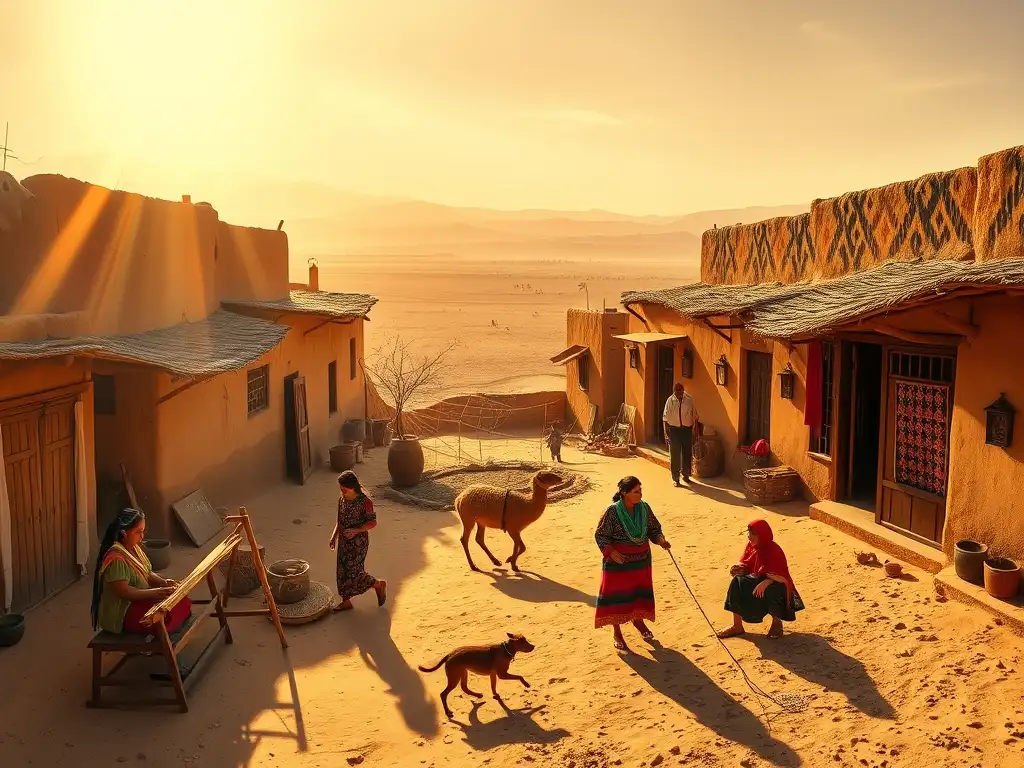
Step into a world lost to time, yet echoing with vibrant life. Imagine the sun rising over the Nazca desert, revealing a civilization that thrived amidst seemingly impossible conditions. This is more than just history; it's a journey into the heart of Andean ingenuity. Uncover the secrets of Nazca daily life practices, from their intricate homes to their complex social structures – a glimpse into a society that continues to fascinate and inspire. Prepare to be amazed by what you discover.
The Nazca civilization, flourishing along Peru's southern coast from approximately 100 BCE to 800 CE, left behind a legacy far beyond their iconic geoglyphs. Understanding Nazca daily life practices offers a fascinating window into their complex social structures, ingenious agricultural techniques, and vibrant cultural expressions. This exploration delves into the intricacies of their domestic lives, family units, and community interactions, revealing a sophisticated society far removed from the simplistic portrayals often presented.
We'll examine their home construction, family dynamics, social hierarchies, and the communal aspects that shaped their daily routines, offering a comprehensive understanding of how they lived and interacted within their environment. This deep dive into "Nazca daily life practices" will uncover the rich tapestry of their everyday existence, highlighting the ingenuity and resilience of this remarkable civilization.
Nazca Homes: Architecture and Design
Nazca homes were predominantly constructed from adobe bricks—sun-dried mud bricks—a readily available material in the arid coastal region. The architecture varied depending on social standing, with larger, more elaborate structures indicating higher status. Evidence suggests that homes ranged from simple single-room dwellings to more complex multi-room compounds, often arranged around courtyards. These courtyards likely served as central gathering spaces for family and social activities.
Details on Adobe Construction
The process of creating adobe bricks involved carefully mixing mud with organic materials like straw or dung to enhance strength and durability. These bricks were then carefully shaped and left to dry in the sun before being used in construction. The walls were often plastered and sometimes painted, adding a decorative element to the homes. Roofing materials varied, possibly including reeds, wood, or even more adobe bricks, depending on the resources available.
Many homes also incorporated storage areas for food and other essential supplies, reflecting the importance of resource management in their arid environment. Archaeological findings indicate the use of sophisticated storage techniques to preserve food and other goods, showcasing their practical understanding of preservation methods.
While detailed information about Nazca family structures remains limited, evidence suggests a patriarchal society with clearly defined gender roles. Men likely played a dominant role in economic activities, such as agriculture and trade, while women were responsible for household tasks, including food preparation and textile production.
Textile Production and Social Status
The intricate textiles found in Nazca gravesites suggest a high level of skill and artistry among women. The complexity and quality of these textiles may have been used to denote social status or family lineage within the community. Further research is needed to fully understand the significance of textile production within Nazca society.
Archaeological evidence reveals the presence of extended family units living together in larger compounds, suggesting a strong emphasis on kinship and familial support. The size and complexity of these compounds may have indicated the social status and wealth of the family.
Nazca society was not solely comprised of isolated family units; evidence points to a structured community life with shared resources and social interactions. The presence of communal structures, such as ceremonial centers and public spaces, suggests regular gatherings and community-based activities.
Ceremonial Centers and Public Spaces
These communal spaces may have served various purposes, including religious ceremonies, public markets, and social events. The design and layout of these structures could provide valuable insights into the social organization and power dynamics within Nazca society. Further investigation into the function of these spaces is needed to fully understand their role in community life.
The intricate irrigation systems, essential for their agriculture, required collaborative effort and community management, highlighting the importance of cooperation and shared resources for their survival. This collaborative spirit likely extended beyond agriculture into other aspects of daily life, shaping their social interactions and community cohesion. The Nazca's ingenuity in water management is a testament to their ability to work together to overcome environmental challenges.
Religious Practices and Daily Life
Religious beliefs were deeply intertwined with daily life in Nazca society. Evidence suggests the presence of various deities and rituals, possibly related to agriculture, fertility, and ancestor veneration. These religious practices likely influenced various aspects of daily life, from agricultural cycles to social interactions.
Evidence of Religious Practices
The discovery of ceremonial objects, such as pottery and textiles with religious motifs, provides valuable clues about their religious beliefs and practices. These artifacts often depict deities, mythical creatures, and scenes that may represent religious rituals or ceremonies. Further analysis of these artifacts is needed to fully understand the role of religion in Nazca daily life.
The construction of elaborate tombs and burial practices also reflect the importance of ancestor veneration and the continuity of cultural traditions. The careful preparation of grave goods, often including personal items and offerings, suggests a belief in an afterlife and the continued importance of family and community connections beyond death.
- Nazca Homes: Architecture and Design
- Family Structures and Social Roles
- Community Life and Social Interactions
- Religious Practices and Daily Life
Understanding Nazca Daily Life Practices
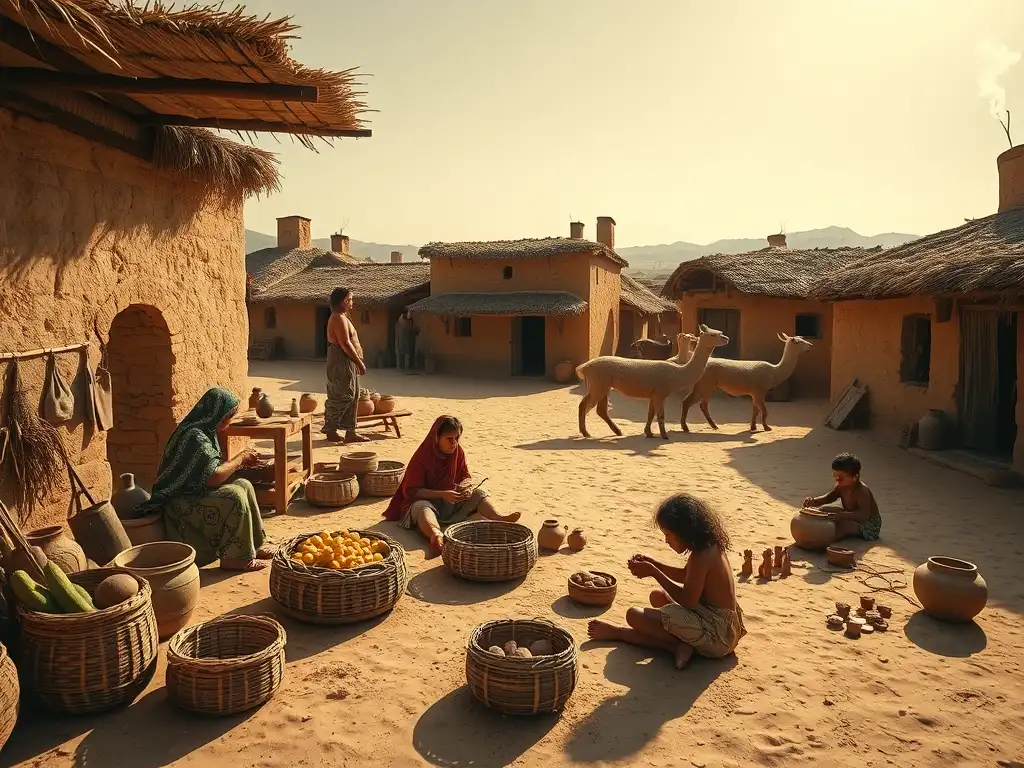
This section delves into the daily routines and societal structures of the Nazca people, offering a glimpse into their fascinating civilization. Understanding their daily lives provides crucial insights into their societal organization, agricultural practices, and overall worldview. Analyzing their "Nazca daily life practices" reveals a complex society with sophisticated systems of social interaction and resource management.
Introduction to Daily Routines in Nazca Society
The daily life of a Nazca individual varied significantly based on social standing and geographical location. However, certain common threads weave through the tapestry of their existence. Archaeological evidence suggests a structured day, likely dictated by the agricultural cycle. The sun, a vital element in their cosmology, dictated the rhythm of their lives.
Sunrise likely began with prayer and offerings to the deities, followed by the essential tasks of tending to crops and livestock. Irrigation systems, a marvel of Nazca engineering, required constant maintenance and repair, a collective effort demanding cooperation and coordination. Evidence from excavated settlements suggests that many Nazca people lived in small, relatively simple homes made of adobe brick and thatch. These homes, often clustered together, reflect a strong sense of community.
The midday sun would have brought a period of reduced activity, possibly a time for rest and family meals. The afternoon was likely dedicated to weaving, pottery making, or other craft activities. The evening brought more communal activities, perhaps storytelling, music, or religious ceremonies. The night sky, filled with constellations significant to their beliefs, likely inspired awe and further religious practices before sleep.
We can infer from the complexity of their geoglyphs and their sophisticated irrigation systems that the Nazca people valued planning and organization in their daily routines. The careful cultivation of their crops and the meticulous construction of their aqueducts point to a society that understood the importance of both individual effort and communal cooperation. Further research into daily life practices, particularly through advanced archaeological techniques, could help illuminate these routines even further. The discovery of more complete settlements and the analysis of organic materials could provide a more complete picture of their diet and daily activities.
The Importance of Community in Nazca Life
Community was paramount in Nazca society. Their survival depended on collaborative efforts in agriculture, construction, and defense. The intricate network of canals and aqueducts, for example, required a significant level of social organization and cooperation. The construction of these irrigation systems needed coordinated labor, resource allocation, and maintenance—a testament to their strong community bonds.
Evidence suggests a hierarchical social structure, but even those in higher positions relied on the collective efforts of the community. Large-scale public works projects, like the geoglyphs, suggest a highly organized society capable of mobilizing significant manpower and resources. This mobilization points to a strong sense of shared purpose and collective identity. The very existence of the Nazca civilization is a testament to the effectiveness of their community-based systems.
Furthermore, the close proximity of dwellings in excavated settlements suggests a strong sense of social interaction and mutual support. Religious ceremonies and festivals would have further cemented these bonds, creating a cohesive society where individuals felt connected to a larger group. The sharing of resources and mutual assistance would have been crucial for navigating the challenges of the arid Nazca landscape.
The strength of their communal bonds, therefore, was not simply a social construct but a vital factor in their survival and prosperity. Analyzing the distribution of artifacts within settlements could provide more detailed information about the nature of social interactions and community structures within Nazca society. 👑
Nazca Homes and Architecture
This section delves into the fascinating world of Nazca domestic architecture, providing insights into the construction techniques, layout, and materials used in creating their dwellings. Understanding Nazca homes offers a crucial window into their daily life practices and societal structures. The ingenuity and resourcefulness evident in their building methods reflect their deep connection to the arid coastal environment.
Construction Techniques of Nazca Dwellings
Nazca dwellings, unlike the monumental structures for which they are famously known (like the Nazca Lines), were generally modest in size. However, their construction reveals a sophisticated understanding of engineering principles adapted to the challenging desert landscape. Evidence suggests that the most common technique involved the use of adobe bricks, sun-dried clay blocks molded into rectangular shapes.
These bricks were carefully laid in courses, creating walls of varying thicknesses depending on the intended purpose of the room or structure. Some walls show evidence of plastering, both internally and externally, suggesting an effort to create a smoother, more durable surface and potentially improve insulation.
The construction process likely involved a significant community effort. While the exact division of labor is unknown, it's plausible that specialized builders existed within Nazca society, collaborating with families to construct their homes. Archaeological findings hint at the use of simple tools like wooden mallets and possibly rudimentary levers to aid in the building process.
The precision in the bricklaying and the overall structural integrity of surviving remnants point to a high level of skill and planning. Further research is needed to fully understand the specific techniques employed, such as the use of foundations or binding agents within the adobe construction. [Specific information pending on the use of binding agents in Nazca adobe construction].
Layout and Functionality of Nazca Houses
Nazca houses were typically rectangular, single-story structures. The size varied considerably, reflecting differences in family size and social status. Smaller dwellings might consist of a single room, serving as a living space, kitchen, and sleeping area. Larger compounds, however, exhibited a more complex layout. These often included multiple rooms arranged around a central courtyard. This courtyard likely served as a communal space for daily activities, as well as a place for storage of tools and materials.
The internal layout often featured specialized areas. For example, evidence suggests the presence of storage rooms for food and textiles. The location of hearths or cooking areas within the houses varied, but they were typically positioned to maximize ventilation and minimize the risk of fire hazards.
Many dwellings also incorporated small alcoves or niches, which may have been used for storing smaller items or religious artifacts. The absence of elaborate decorative elements in most homes suggests a focus on practicality and functionality over ostentation, although some wealthier homes may have exhibited more refined architecture and ornamentation. [Further research is needed to determine the social stratification reflected in house size and layout].
Materials Used in Nazca Home Building
The most prevalent material in Nazca home construction was, as mentioned previously, adobe brick. The clay used was sourced locally, reflecting the adaptation of building materials to the immediate environment. The quality of the adobe varied depending on the clay's composition and the sun-drying process. The presence of straw or other organic materials mixed into the clay may have improved the brick's durability and reduced cracking.
Beyond adobe bricks, other materials were incorporated to create functional and aesthetically pleasing homes. Reed mats and textiles were used for roofing and flooring, offering insulation and creating a comfortable living space. Wood, though scarce in the desert environment, was likely used for supporting beams and door frames, where available. Stone was employed for foundations in some cases, and possibly for decorative elements in the more affluent homes.
The careful selection and combination of these materials reveals a deep understanding of the properties of each and their suitability for the harsh desert climate. The use of readily available resources highlights the sustainability of Nazca building practices. Further analysis of the chemical composition of the adobe bricks could reveal more about the specific techniques used and the sourcing of materials. ☀️
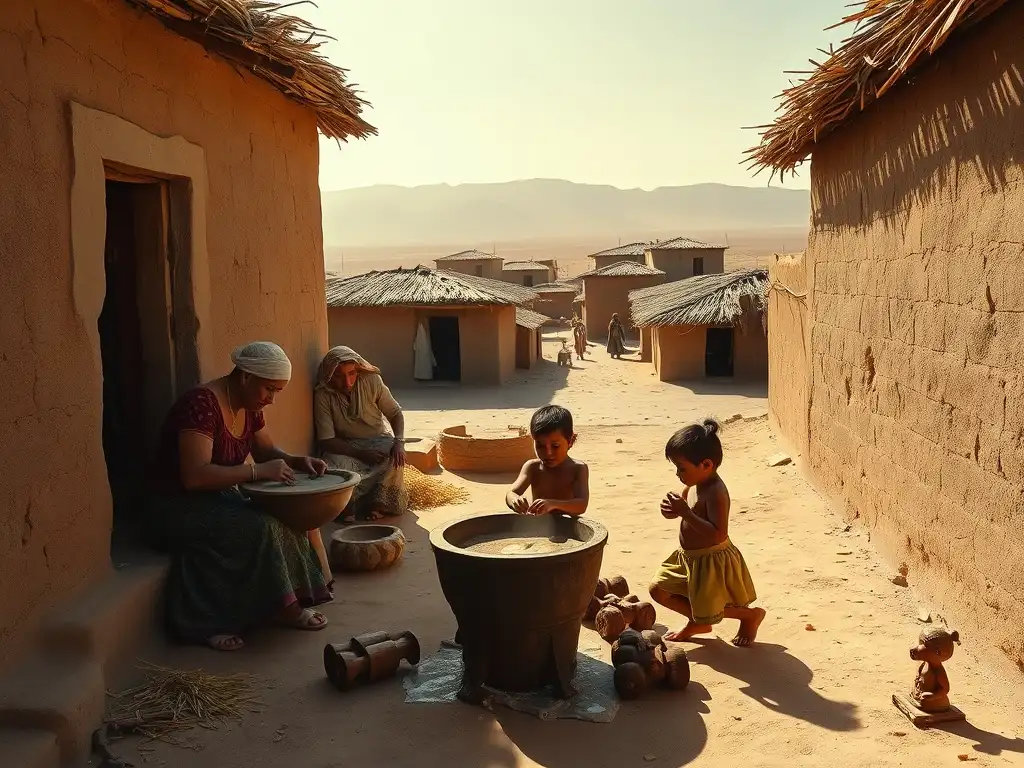
The Nazca daily life practices revolved heavily around family structures, which were the bedrock of their society. While detailed records are scarce, archaeological evidence and interpretations of their art offer glimpses into their family dynamics and social roles. Understanding these aspects is crucial to grasping the complexities of Nazca culture and its remarkable achievements.
Evidence suggests a largely patriarchal society, but the role of women was far from insignificant, contributing significantly to the economic and social fabric of Nazca communities. The family unit, encompassing several generations, likely lived in close proximity, fostering strong kinship ties and collaborative efforts in agriculture and other essential activities. This close-knit family structure provided a crucial support system and ensured the continuation of traditional knowledge and practices across generations, shaping Nazca daily life practices profoundly.
The Role of Women in Nazca Society
Contrary to some assumptions about ancient Andean societies, women in Nazca culture held significant roles, extending beyond domestic duties. Textile production was a predominantly female activity, with intricate weaving techniques creating textiles used for clothing, ceremonial purposes, and trade. Archaeological finds reveal beautifully crafted textiles, indicative of advanced skills and artistic expression.
These textiles weren't merely functional; they were often adorned with elaborate designs reflecting cosmological beliefs and social status, highlighting the women's crucial role in maintaining cultural identity. Furthermore, women likely participated in agricultural activities, contributing to food production and economic stability. While the exact extent of their involvement in political or religious leadership remains debated, their contributions to the daily life practices and overall well-being of the Nazca community were undeniably substantial.
Analysis of skeletal remains also suggests that women enjoyed relatively good nutrition, indicating a relatively high social standing compared to other pre-Columbian societies. The intricate designs of their textiles are also indicative of a high degree of status and social importance within the community.
Men's Responsibilities and Activities
Men in Nazca society primarily held responsibility for activities requiring physical strength and skill, such as hunting, fishing, and large-scale agricultural tasks. Evidence suggests a specialized division of labor, with men likely managing irrigation systems and engaging in the construction of monumental structures, such as the famous Nazca Lines. They also played a significant role in warfare and defense, protecting the community and its resources.
This division of labor wasn't necessarily rigid, with some overlap between male and female activities, particularly in agriculture. However, the overall societal structure points to a patriarchal system, with men typically occupying positions of leadership within the community and religious ceremonies.
The construction of the elaborate aqueducts and irrigation systems demonstrates the men’s engineering prowess and their crucial role in ensuring the productivity of Nazca agriculture, a cornerstone of their daily life practices. Their role in hunting and fishing further diversified food sources, contributing to the sustenance and survival of the community.
Children's Upbringing and Education in Nazca Culture
The upbringing of children in Nazca society was likely a shared responsibility, with both parents and extended family members participating in their education and development. Children were likely involved in age-appropriate tasks from a young age, learning practical skills essential for their survival and contribution to the community. Girls would assist in domestic chores and textile production, while boys would learn agricultural techniques, hunting, and other male-dominated activities.
This hands-on approach ensured the transmission of traditional knowledge and skills across generations. Evidence from burial sites suggests that children were often adorned with intricate jewelry and clothing, indicating their importance within the family and community.
Furthermore, the level of craftsmanship displayed in children's artifacts suggests that they received some form of formal or informal education in the arts and crafts of their culture, shaping their daily life practices from an early age. While formal schooling as we understand it might not have existed, the apprenticeship model through family and community participation was integral to the transmission of Nazca culture and its unique daily life practices.
Food and Diet in Nazca Daily Life
The Nazca people, renowned for their intricate geoglyphs and sophisticated irrigation systems, sustained themselves through a diet heavily reliant on the agricultural bounty of the coastal deserts. Understanding their "Nazca daily life practices" reveals a society deeply connected to its environment, with food playing a crucial role not only in sustenance but also in social and religious life. Analyzing their dietary habits provides a fascinating window into their daily lives and cultural values.
Main Agricultural Products Consumed by the Nazca
The arid climate of the Nazca region presented unique challenges, but the ingenuity of the Nazca people is evident in their extensive canal systems that allowed for successful cultivation. Their diet primarily consisted of crops adapted to the desert environment. Cotton, a staple crop, provided fiber for textiles, a cornerstone of Nazca society. However, the dietary backbone was formed by:
- Maize (corn): Various types of maize were cultivated, providing carbohydrates and a significant portion of their caloric intake. Archaeological evidence shows diverse maize varieties, suggesting adaptation to different microclimates and sophisticated agricultural techniques. Different colors and sizes of maize kernels have been found in excavated sites, hinting at a diversified diet.
- Beans: Beans, another crucial element of the Nazca diet, provided essential proteins and nutrients. Multiple bean varieties were likely cultivated, complementing the maize in providing a balanced nutritional intake.
- Squash: Different types of squash, varying in size and flavor, supplemented the diet, offering vitamins and minerals.
- Lucuma: This native fruit, known for its sweet taste and creamy texture, was likely a popular addition to the Nazca diet. Its presence in archaeological sites suggests its importance in their food culture.
- Other crops: Evidence suggests the cultivation of other crops like chili peppers, peanuts, and possibly tubers, further diversifying their food sources and contributing to a varied diet. The exact proportions of each crop in the Nazca diet are still under investigation, but the evidence points to a sophisticated understanding of agriculture and resource management. Further research is needed to fully quantify the precise contribution of each agricultural product.
Food Preparation and Cooking Methods
While the precise methods remain partially unknown, archaeological findings provide clues to Nazca food preparation and cooking techniques. The absence of widespread metal tools suggests that grinding and processing of grains and other foods were predominantly done using stone mortars and pestles. Evidence suggests the use of clay ovens for cooking, similar to those used by other Andean cultures. These ovens likely allowed for the preparation of stews, roasted meats, and baked goods.
The presence of large quantities of pottery shards indicates the importance of ceramic vessels in food storage and serving. The designs and shapes of these vessels suggest different uses, ranging from storage jars to serving bowls and cooking pots. The variety of pottery styles also hints at possible regional variations in cooking practices and dietary preferences. Analysis of residues on pottery shards is ongoing, and will hopefully reveal more detailed information about cooking methods and ingredients.
The absence of large-scale animal husbandry suggests that meat consumption was likely limited, possibly supplemented by occasional hunting or gathering of wild animals. Fish, however, may have played a more significant role in the diet of coastal Nazca communities.
Significance of Food in Nazca Culture and Rituals
Food held a significant place in Nazca society, extending beyond mere sustenance. Archaeological evidence suggests that food played a central role in religious ceremonies and rituals. The discovery of offerings of food and drink in tombs and ceremonial sites indicates their importance in the afterlife and in maintaining social order.
Moreover, the intricate designs on Nazca pottery often depict food items, suggesting their symbolic significance. These depictions could represent abundance, fertility, or even specific deities associated with agriculture. Further research is needed to fully decipher the symbolic meanings embedded in these artistic representations.
The detailed study of these artifacts, combined with further analysis of burial sites and other archaeological contexts, should help us understand the full extent of food's symbolic role in Nazca culture and daily life. The interplay between the practical and the symbolic aspects of food offers a rich lens through which to understand the complexities of Nazca society. The study of Nazca daily life practices, therefore, requires a holistic approach, integrating archaeological, botanical, and anthropological data.
Nazca Craftsmanship and Artisanal Activities
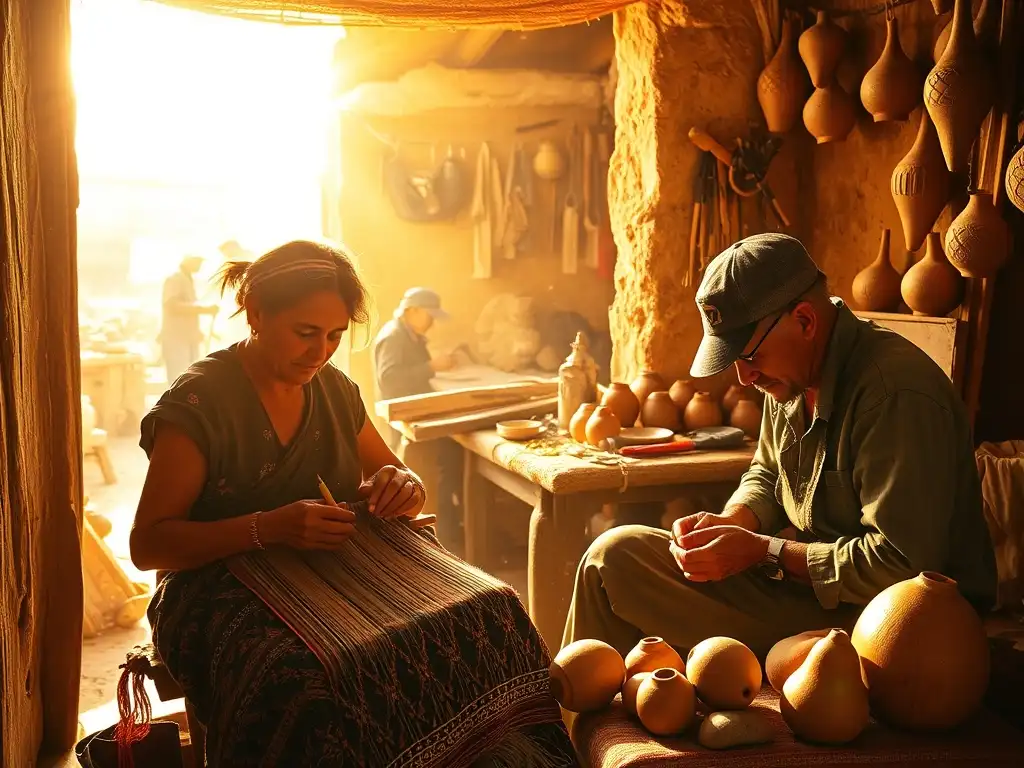
The Nazca people were renowned for their sophisticated craftsmanship, evident in the intricate artistry applied to everyday objects as well as ceremonial items. Their skills in pottery, textile production, and metalworking significantly shaped their daily lives, reflecting their social structures, beliefs, and interactions with the environment. Understanding these artisanal activities provides invaluable insight into the complexities of Nazca daily life practices.
Pottery Making and its Role in Daily Life
Pottery was integral to Nazca daily life, serving a multitude of functions beyond simple containers. The creation of pottery involved a complex process, starting with the selection and preparation of clay. Nazca artisans expertly manipulated the clay, employing various techniques to create a wide array of vessels—from simple bowls and jars for storage and cooking to elaborate, intricately decorated pieces for ritual purposes.
The iconic Nazca polychrome pottery, famous for its vibrant colors and detailed depictions of humans, animals, and mythical creatures, demonstrates a high level of skill and artistic sophistication. These painted vessels weren't merely functional; they were often used in rituals, ceremonies, and possibly as grave goods, reflecting the spiritual beliefs and social hierarchy of the Nazca society. The production of pottery likely involved specialized workshops or individual artisans, contributing to the economic and social fabric of the community.
Analysis of pottery shards from various Nazca sites reveals variations in styles and techniques across different regions, suggesting potential regional specialization or even the existence of distinct pottery-making traditions within the Nazca culture. Further research into the chemical composition of the pigments used in Nazca pottery could shed more light on their sourcing and trade networks.
Textile Production and Weaving Techniques
Textile production was another crucial aspect of Nazca daily life practices. Evidence suggests that cotton and camelid fibers (such as llama and alpaca wool) were the primary materials used. The Nazca developed advanced weaving techniques, creating textiles of exceptional quality and intricate designs.
These textiles served a variety of purposes, including clothing, blankets, bags, and ritual objects. The complexity of the weaving patterns, the use of multiple colors, and the incorporation of different fiber types demonstrate a high level of skill and knowledge of textile production. Some of the most impressive examples of Nazca textiles are the finely woven mantles and tunics, often adorned with geometric patterns, stylized figures, and depictions of animals and plants.
The production of textiles likely involved a division of labor, with women playing a significant role in the spinning, weaving, and dyeing processes. Analysis of textile fragments reveals the use of natural dyes derived from plants and minerals, highlighting the Nazca's knowledge of local flora and their ability to extract and utilize natural pigments. Further study into the specific types of looms used by Nazca weavers would provide further detail on their technological advancements.
Metalworking and Jewelry Craftsmanship
While not as prevalent as pottery and textiles, metalworking played a significant role in the social and religious life of the Nazca. They skillfully worked with gold, silver, and copper, creating a variety of ornaments and objects, primarily for ceremonial and elite use. The techniques employed included hammering, casting, and soldering, showcasing their sophisticated metallurgical knowledge.
Nazca metalwork is characterized by its delicate designs and the use of intricate techniques like repoussé (hammering from the back to create raised designs) and filigree (creating intricate patterns from fine wires). Gold and silver objects, such as ear ornaments, necklaces, and small figurines, were often associated with high-status individuals and likely served as symbols of power and prestige. Copper objects, on the other hand, were more commonly used in everyday life, possibly as tools or components of larger ceremonial items.
The limited availability of metal ores and the specialized skills required for metalworking suggest that metalworkers held a privileged position within Nazca society. Further research into the sources of the metals used by the Nazca and the distribution of their metalwork artifacts could provide further insights into their trade networks and social organization. The study of Nazca metalwork offers a unique perspective on their technological capabilities and artistic expression, adding another layer to our understanding of their daily life practices.
The Nazca people, despite their impressive engineering feats like the Nazca Lines, were deeply rooted in their communities. Daily life wasn't solely about agriculture; social interactions and shared experiences played a significant role in their society. Understanding their community activities sheds light on their social structures, beliefs, and values, offering a richer understanding of Nazca daily life practices.
Evidence suggests a complex web of interactions, ranging from large-scale religious ceremonies to smaller, more intimate gatherings focused on entertainment and social bonding. Analyzing these activities reveals a society that valued both spiritual connection and communal harmony. The level of organization and planning implied by some events points to a sophisticated social hierarchy and a strong sense of shared identity.
Religious Ceremonies and Ritual Practices
Religious ceremonies were central to Nazca daily life practices. Evidence from archaeological sites reveals elaborate rituals involving offerings, sacrifices, and processions. These weren't merely infrequent events; rather, they were integrated into the fabric of daily life, shaping social interactions and reinforcing community bonds. Specific rituals varied depending on the time of year and the agricultural cycle.
For example, ceremonies associated with the harvest likely involved communal feasting and thanksgiving to ensure future abundance. The discovery of numerous burial sites containing elaborate grave goods suggests beliefs about the afterlife and the importance of maintaining connections with ancestors. The use of hallucinogenic substances, such as San Pedro cactus, in certain ceremonies, further highlights the spiritual dimension of Nazca life and its impact on social cohesion.
These practices weren't solely the domain of priests or elites; participation likely involved the broader community, fostering a sense of shared purpose and belief. The exact nature of many ceremonies remains debated, as archaeological interpretations are often limited, but the pervasive influence of religion on daily life is undeniable.
Further research could clarify the specific roles played by different members of the community in these important events, providing a more nuanced understanding of their social structure. The careful study of artifacts found within ceremonial contexts is crucial for deciphering the symbolism and meaning behind these rituals.
Beyond religious ceremonies, social events and celebrations played a vital role in Nazca daily life practices. These gatherings provided opportunities for socializing, strengthening community ties, and celebrating significant life events. Evidence suggests the existence of festivals and celebrations marking important agricultural milestones, such as planting and harvesting seasons. These occasions likely involved music, dance, and communal feasts, creating a vibrant social atmosphere. The presence of elaborate textiles and pottery in many archaeological contexts hints at the importance of artistic expression in these social events.
Furthermore, celebrations surrounding births, marriages, and deaths likely provided opportunities for reinforcing social bonds and reaffirming community values. While the specific customs surrounding these events are not fully understood, the elaborate nature of Nazca burial practices suggests that death was a significant social event, involving elaborate rituals and communal mourning. The degree of craftsmanship evident in the textiles and pottery associated with burials further underlines the importance placed on these ceremonies.
Limited data currently exists on celebrations surrounding births and marriages, highlighting an area where further archaeological investigation could yield valuable insights into Nazca social customs. The study of these events can help us understand the importance of family and kinship networks within Nazca society.
Games and Entertainment in Nazca Society
Games and entertainment were an integral part of Nazca daily life practices, providing opportunities for recreation and social interaction. While the precise nature of their games and entertainment remains largely unknown, evidence suggests the existence of various forms of amusement. The discovery of game pieces and playing boards at some archaeological sites points to the presence of board games, possibly similar to those found in other ancient Andean cultures. These games likely served as social activities, fostering camaraderie and competition within the community.
Additionally, musical instruments, such as flutes and drums, have been found in Nazca tombs, indicating the importance of music and dance in their entertainment. These activities may have been incorporated into larger social gatherings, such as festivals and religious ceremonies, or enjoyed independently as forms of recreation. The artistic skill displayed in the creation of these instruments points towards a sophisticated understanding of music and its importance in daily life.
Unfortunately, a comprehensive picture of Nazca games and entertainment is still lacking due to limited archaeological evidence. Future research focused on the identification and analysis of additional artifacts could shed more light on this aspect of Nazca culture and its role in their daily lives. The study of iconography on pottery and textiles might also offer clues into the types of games and recreational activities that were common among the Nazca people.
Water Management and Its Impact on Nazca Daily Life
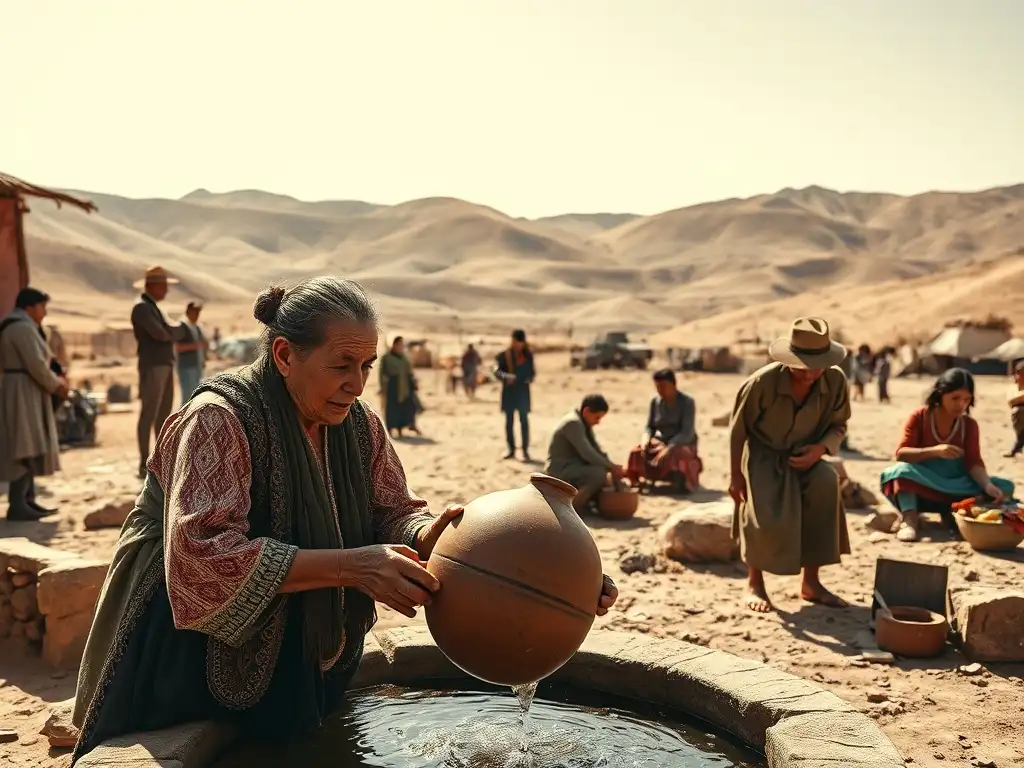
The survival and prosperity of the Nazca civilization, renowned for its enigmatic geoglyphs, were inextricably linked to its ingenious water management systems. Living in one of the most arid regions of the world, the Nazca people developed sophisticated techniques to harness scarce water resources, shaping their daily life practices in profound ways. Understanding their water management strategies is key to appreciating the complexity and resilience of Nazca society.
This section explores the crucial role of water in their daily lives, from agricultural practices to domestic use and the overall impact on their survival. The keyword "Nazca daily life practices" is central to this analysis, highlighting the intimate connection between water availability and the daily routines of the Nazca people.
Nazca Ingenious Aqueducts and Water Systems
The Nazca's mastery of water management is best exemplified by their remarkable subterranean aqueducts, known as puquios. These intricate systems, constructed over centuries, channeled water from underground sources to surface canals. The puquios weren't simply channels; they were marvels of engineering.
They involved the careful selection of porous volcanic rock formations, strategically placed shafts to access groundwater, and ingenious ventilation systems to maintain water flow. The construction was a collaborative effort, requiring extensive knowledge of hydrology and sophisticated organizational skills. Archaeological evidence suggests that the puquios were regularly maintained and repaired, demonstrating the long-term commitment of the Nazca to this vital infrastructure.
The efficiency of these systems allowed for a relatively stable water supply, even during periods of prolonged drought. The construction and maintenance of these puquios undoubtedly shaped Nazca daily life practices, requiring collective labor, specialized skills, and a sophisticated social organization dedicated to water resource management. This intricate network wasn't just a technological achievement; it was a cornerstone of their social structure.
Water Use for Agriculture and Domestic Purposes
Water, procured through the puquios and other water harvesting techniques, was fundamental to both agriculture and daily domestic life in Nazca. Agriculture, the backbone of the Nazca economy, relied heavily on irrigation. Canals branching from the puquios carried water to fields where cotton, maize, beans, squash, and other crops were cultivated.
The precise distribution of water was crucial, and evidence suggests that the Nazca employed sophisticated techniques to manage water flow and ensure equitable access. Domestic use of water included drinking, cooking, and cleaning. While the exact details of their daily routines remain partially obscured by time, it is evident that access to clean water played a vital role in their hygiene and health.
The scarcity of water meant that its use was carefully managed, reflecting the importance placed on conservation and responsible resource utilization within their daily life practices. The integration of water management into their agricultural and domestic spheres underscores the centrality of this resource to Nazca society.
The Importance of Water for Nazca Survival
The Nazca civilization's ability to thrive in an extremely arid environment is a testament to their innovative water management strategies. The puquios and other water harvesting techniques weren't merely technological achievements; they were essential for survival. The availability of water determined the size and prosperity of settlements, influenced agricultural production, and impacted the social structure.
Periods of drought, evidenced in the archaeological record, likely led to societal adjustments, emphasizing the importance of collective action and resource management. The Nazca’s success in adapting to their harsh environment underscores their ingenuity and resilience. Their sophisticated water management systems, deeply integrated into their daily life practices, were crucial to their long-term sustainability.
The Nazca legacy serves as a powerful reminder of the crucial role of water in shaping human civilizations and the importance of sustainable resource management. Their story highlights the intricate relationship between technology, social organization, and environmental adaptation in defining a culture's daily life practices.
Trade and Economic Activities
The Nazca's sophisticated irrigation systems and agricultural prowess weren't solely for subsistence. A robust trade network fueled their society, enriching their daily life practices and connecting them to wider Andean networks. Understanding their economic activities provides crucial insight into the complexity of Nazca daily life and their societal structure. Analysis of archaeological finds, particularly grave goods and settlements, reveals a dynamic exchange system that went beyond mere bartering.
Exchange Networks and Barter Systems
The Nazca didn't possess a formalized monetary system like later Andean civilizations. Instead, a complex system of exchange networks and barter systems underpinned their economy. Evidence suggests that goods and services were exchanged directly between individuals and communities. This exchange wasn't random; it was structured by social ties, kinship obligations, and reciprocal relationships.
For example, a skilled artisan might trade pottery for agricultural produce from a farmer, creating a mutually beneficial arrangement. The prevalence of specialized crafts, such as textiles and pottery, points to a degree of economic specialization and the necessity for such exchange systems. Archaeological surveys of Nazca settlements show a clustering of different craft workshops, suggesting localized specialization and subsequent inter-community trade. Further research is needed to fully understand the social mechanisms governing these exchanges, including the role of social status and political influence in facilitating or controlling trade.
Products Traded Within the Nazca Region
The Nazca region boasted a diverse range of resources, leading to internal trade within the culture. Agricultural products formed a significant part of this internal trade. Cotton, highly prized for its quality, was likely a major traded commodity, exchanged for other goods like ceramics, metalwork, or specialized tools. The abundance of cotton also facilitated the thriving textile industry, with textiles themselves becoming important trade items. Different agricultural zones within the Nazca region produced varying crops, contributing to the need for internal trade. For instance, areas with access to water resources might have specialized in the cultivation of certain crops, creating a demand for these products in drier regions. This internal trade network reinforced the interconnectedness of Nazca communities and fostered economic interdependence. Analysis of isotopic ratios in human remains could provide further insight into the dietary diversity stemming from this internal exchange, but such data is still pending further investigation.
External Trade and Connections with Other Cultures
While the Nazca primarily traded within their region, evidence suggests connections with other Andean cultures. The presence of exotic materials in Nazca tombs and settlements indicates external trade networks. For instance, the discovery of obsidian tools, originating from distant volcanic sources, suggests a long-distance exchange system. Similarly, certain types of shell ornaments and pigments, not found locally, point to trade relationships extending beyond the Nazca heartland.
The nature and extent of these external trade connections remains a subject of ongoing research. However, existing data suggests a complex network of exchange involving both direct contact and intermediary trading partners. The exact mechanisms of these long-distance trades are still debated, with possibilities ranging from direct exchange to more indirect systems involving multiple communities. Further research, including detailed analysis of trade routes and the identification of intermediary settlements, is crucial to fully map the extent of Nazca external trade and its influence on their daily life practices.
The discovery of new archaeological sites and advanced dating techniques may shed light on the temporal dynamics of these connections. The identification of specific trade goods and their geographic origins will further refine our understanding of the Nazca’s place within the larger Andean trade network. 🗺️
Clothing and Personal Adornment
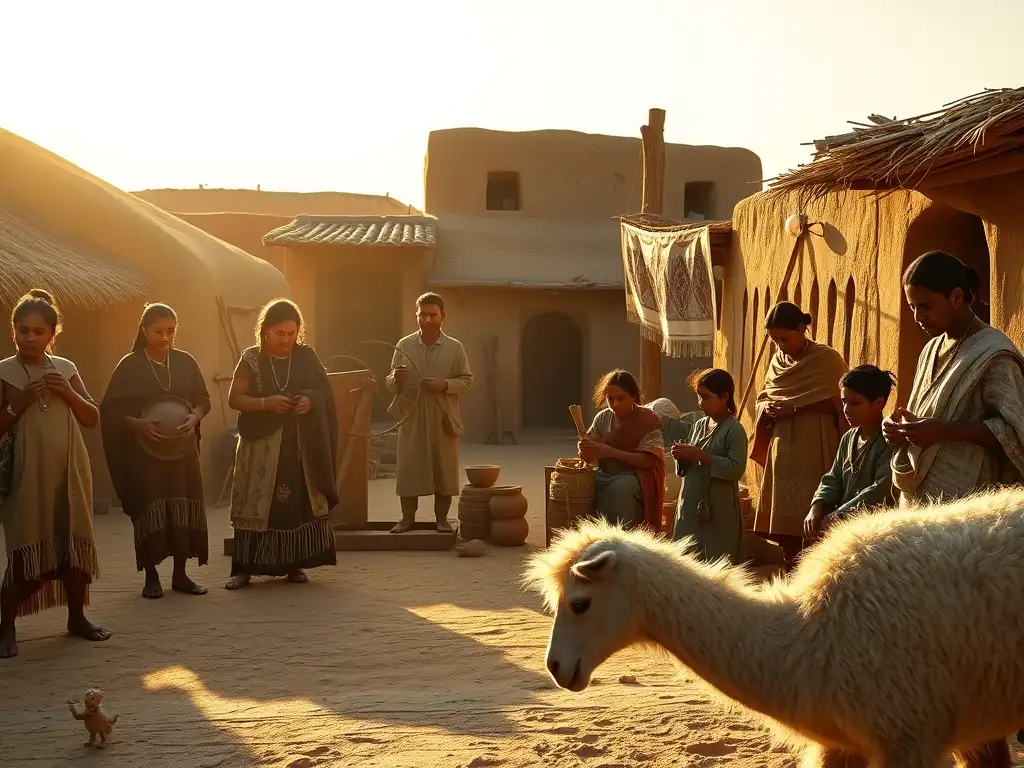
The Nazca people, renowned for their intricate geoglyphs and sophisticated irrigation systems, also possessed a distinct and vibrant culture reflected in their daily attire and personal adornment. Understanding their clothing and decorative practices offers valuable insight into their social structures, beliefs, and artistic sensibilities. Analyzing surviving textiles and archaeological finds reveals a complex system of clothing and adornment that varied based on social status, gender, and occasion. The study of "Nazca daily life practices" necessitates a close examination of these aspects.
Types of Garments and Clothing Materials
Nazca garments, primarily constructed from cotton and camelid fibers (alpaca and llama), showcased remarkable weaving techniques. The most common garments included tunics ( uncu) often reaching the knees or ankles, and mantles ( lliclla)—rectangular cloths draped over the shoulders. Evidence suggests the use of both simple and complex weaving patterns, with intricate designs incorporated into many garments. These patterns frequently featured geometric motifs, stylized animals (especially birds and felines), and anthropomorphic figures—all reflecting the artistic tendencies seen in Nazca pottery and textiles.
The quality and type of fiber used often indicated social standing. Fine, soft cotton, for instance, was likely reserved for the elite, while coarser fabrics were used by the common population. The use of dyed yarns in a variety of colors added to the visual richness of Nazca clothing. Natural dyes derived from plants and minerals were employed, resulting in a vibrant palette of colors—reds, yellows, browns, and blues—that often contrasted beautifully within a single garment. Further research is needed to fully understand the techniques used in the preparation and application of these dyes.
The meticulous craftsmanship evident in surviving fragments suggests a high level of skill and specialization within Nazca society. The creation of these garments was likely a collaborative effort, involving both men and women contributing to different stages of production, from fiber preparation to weaving and finishing.
Jewelry and Personal Decorations
Beyond clothing, personal adornment played a crucial role in expressing social identity and status within Nazca society. A variety of jewelry and decorative items have been recovered from Nazca tombs and settlements, providing a glimpse into their aesthetic preferences and beliefs.
Common forms of jewelry included necklaces, earrings, and headdresses. These were often crafted from materials such as precious metals (gold, silver), shells, beads (made from various materials like seeds, stones, and bone), and feathers. The intricate designs and careful craftsmanship evident in these artifacts highlight the artistic skill and sophistication of Nazca artisans. Many pieces featured elaborate designs, showcasing symbolic representations of animals, plants, and supernatural beings.
Spondylus shells, sourced from the coast, held particular significance, indicating potential trade networks and the importance of coastal resources in Nazca society. The use of feathers, particularly those of brightly colored birds, also suggests access to resources from varied ecological zones and possibly connections with other Andean cultures. The distribution and types of jewelry found in different contexts help to understand the social stratification within the Nazca population; elaborate jewelry was more frequently found in elite burials.
Significance of Clothing and Personal Adornment in Nazca Society
Clothing and personal adornment in Nazca society served multiple functions beyond mere protection from the elements. They were powerful visual symbols of social status, gender, and ritual participation. The complexity of the textiles and jewelry suggests a strong connection between clothing and religious beliefs. Certain patterns and motifs likely held symbolic meanings related to fertility, ancestor veneration, and other aspects of Nazca cosmology.
The careful preparation and arrangement of clothing and jewelry in burials emphasizes their importance in the afterlife. The inclusion of specific items in particular graves suggests that clothing and adornment played a critical role in defining social status even in death. Furthermore, the styles and materials used in clothing and adornment likely changed over time, reflecting shifts in social structures and cultural practices.
Further analysis of Nazca textiles and artifacts is needed to fully unravel the complex relationship between clothing and other aspects of Nazca daily life practices and their social organization. The study of "Nazca daily life practices" offers a rich and multifaceted understanding of this remarkable Andean civilization.
Conclusion: Reflecting on Nazca Daily Life
A Summary of Key Aspects of Nazca Daily Practices
The study of Nazca daily life practices reveals a complex and fascinating society, far removed from simplistic portrayals. Their agricultural prowess, evident in their sophisticated irrigation systems and diverse crops, formed the backbone of their economy and social structure. This agricultural success wasn't merely a matter of technique; it was deeply intertwined with their religious beliefs, reflected in their intricate iconography and ceremonial practices. Evidence suggests a hierarchical society, with specialized labor divisions and potentially a powerful elite class.
However, the extent of social stratification and the nature of social mobility within Nazca society requires further research. We know they built impressive structures, from the iconic geoglyphs to their sophisticated settlements. These weren't just functional; they served social and religious purposes, indicating a society deeply connected to its environment and cosmology. The careful analysis of their burial practices, artifacts, and settlements provides valuable insights into their beliefs, values, and social dynamics.
Further research into their textile production and the analysis of organic remains from their settlements could shed more light on aspects of their daily lives, such as diet and social interactions. Understanding Nazca daily life practices is key to understanding the broader context of their civilization and its lasting influence. The intricate interplay between their agriculture, social organization, and religious beliefs paints a vivid picture of a dynamic and sophisticated Andean society.
The Legacy of Nazca Daily Life in Andean History
The insights gleaned from studying Nazca daily life practices offer a crucial lens through which to understand the trajectory of Andean civilizations. Their mastery of irrigation techniques, for instance, laid the groundwork for future agricultural advancements in the region. The complex social structures and religious beliefs of the Nazca people likely influenced subsequent Andean societies, contributing to the development of elaborate ceremonial practices and hierarchical organizations. The enduring legacy of Nazca artistic expression, particularly in their pottery and textiles, continues to inspire and inform our understanding of Andean art.
Their innovative techniques in textile production, for example, showcase a high level of technological skill and aesthetic sensibility that had a lasting impact on subsequent textile traditions. Furthermore, the Nazca's sophisticated understanding of their environment and their ability to adapt to its challenges provided a model for future Andean communities. Their careful management of water resources, for instance, represents a remarkable feat of engineering and resource management that has relevance even today.
By analyzing the continuity and change in various practices across different Andean societies, researchers can better trace the evolution of Andean culture and highlight the significant contributions of the Nazca civilization to the broader Andean historical narrative. The impact of Nazca daily life practices on subsequent Andean civilizations is a complex and multifaceted area requiring further investigation; however, their influence is undeniable and continues to shape our understanding of Andean history. The Nazca's ingenuity and adaptability serve as a testament to the resilience and creativity of Andean peoples and their enduring impact on the region's cultural heritage.
Frequently Asked Questions
What were Nazca homes like?
Nazca homes were typically simple structures made of adobe bricks and reeds, often featuring one or two rooms. They were built to withstand the arid climate of the region.
How did Nazca families organize themselves?
Family structures were likely patriarchal, with extended families living together. Agriculture and textile production were crucial to family life.
What were some common Nazca daily activities?
Daily life revolved around farming, weaving, pottery making, and religious rituals. Irrigation systems were essential for their agricultural success.
What role did religion play in Nazca daily life?
Religion played a significant role, influencing many aspects of daily life. Ceremonies and rituals were frequently performed, often related to agriculture and ancestor veneration.
How did the Nazca community interact?
The Nazca people were highly organized, with evidence suggesting complex social structures and trade networks. Shared resources and collective labor were likely important for community cohesion.
Final Reflection: Echoes of the Nazca: A Legacy Woven into the Sands of Time
The intricate artistry of the Nazca Lines continues to captivate the world, but the daily lives of the people who created them remain a compelling mystery, a puzzle pieced together from fragments of pottery, textiles, and the very landscape they inhabited. Understanding their daily practices—their homes, families, and community structures—offers a profound connection to a civilization that thrived centuries ago, reminding us of the enduring human spirit and the cyclical nature of societal development.
The ingenuity and resilience of the Nazca people, evident in their sophisticated irrigation systems and intricate social organization, resonate deeply with contemporary concerns about sustainability and community building. Their ability to thrive in a seemingly harsh environment serves as a powerful testament to human adaptability. The past is never dead. It's not even past.
– William Faulkner. This quote perfectly encapsulates the enduring relevance of studying the Nazca, as their legacy continues to inform our understanding of human civilization and its capacity for innovation and survival. Their story is not just a historical account; it's a living narrative that speaks to our shared human experience.
Consider, for a moment, the challenges faced by the Nazca and how their solutions might inform our own approaches to resource management, social cohesion, and artistic expression. What can we learn from their intricate social structures, their innovative agricultural techniques, and their breathtaking artistic achievements?
Let the echoes of the Nazca inspire you to explore your own community, to appreciate the ingenuity of past civilizations, and to build a future rooted in both innovation and sustainability. Their story is a testament to the power of human resilience and the enduring legacy of a culture that continues to fascinate and inspire.
Embrace the Spirit of the Nazca: Connect and Discover!
Thank you for exploring the fascinating world of Nazca daily life with us! We hope you were inspired by their homes, family structures, and community traditions. To further enrich your understanding, consider these suggestions:
- Delve Deeper: Expand your knowledge of Nazca civilization by visiting local museums or exploring reputable online resources.
- Share Your Insights: Discuss this captivating culture with friends, family, or online communities. Use your newfound knowledge to spark conversations about the universality of strong family and community bonds.
- Get Creative: Create a Nazca-inspired artwork or meal, and share your creation with us!
What aspect of Nazca life resonated most with you, and how can you incorporate their emphasis on community into your own life?