
The Power of Prophecy: Divination and Fate in Inca Mythology


Dive into the enigmatic world of the Andes, where towering mountains held secrets whispered only to the ancients. For centuries, the Inca Empire thrived, leaving behind a legacy of breathtaking artistry and intricate societal structures. But what fueled their power?
Uncover the fascinating world of Inca prophecy divination methods, a practice shrouded in mystery and steeped in the very fabric of Inca life. Were these methods mere superstition, or did they hold the key to their empire's enduring success? Discover the answers and more within, as we unravel the threads of prophecy and fate in this captivating journey through Inca mythology.
The Inca Empire, a civilization that flourished in the Andes Mountains for centuries, left behind a rich tapestry of traditions, beliefs, and practices. Beyond their impressive architectural feats and sophisticated agricultural techniques, the Incas held a deep-seated belief in the power of prophecy and divination.
This article delves into the fascinating world of Inca mythology, exploring their methods of predicting the future and understanding how these practices shaped their society and worldview. We'll examine the intricate relationship between fate, destiny, and the spiritual realm as perceived by the Inca people, revealing how divination played a crucial role in decision-making, from everyday life to matters of state.
Understanding Inca prophecy and divination methods offers invaluable insight into the complexities of their culture and the profound influence of the supernatural on their lives. This exploration will uncover the intricate web of beliefs that guided the Inca civilization and its leaders, illuminating a captivating aspect of their rich legacy.
Understanding Inca Beliefs about Destiny and the Future
Inca cosmology envisioned a universe structured around a complex interplay of forces, both earthly and celestial. They believed that kaypacha, the earthly world, was intricately connected to hanan pacha, the upper world of the gods, and ukhu pacha, the underworld. This interconnectedness meant that events in the earthly realm were often interpreted as reflections of, or influenced by, the actions and intentions of the divine.
The Inca believed that the future was not entirely predetermined, but rather a tapestry woven from threads of fate and free will. While some events were considered inevitable, the Inca believed they could influence the course of their lives and the destiny of their empire through various rituals, offerings, and, importantly, through divination. This wasn't simply about fortune-telling; it was a vital tool for navigating the uncertainties of life and maintaining a harmonious relationship with the supernatural world.
The Inca worldview emphasized balance and order ( ayni ), and divination served as a means of ensuring this balance was maintained, both individually and collectively. Failure to heed the pronouncements of the diviners could be seen as disrupting this delicate equilibrium, potentially leading to negative consequences.
The Role of Divination in Inca Society
Divination was not a practice relegated to isolated individuals; it permeated Inca society at all levels. From the emperor to the commoner, people sought guidance from diviners on a wide range of matters. These practitioners, often individuals with specialized knowledge and abilities, employed a variety of methods to interpret the will of the gods and predict the future. These methods included:
- Llama entrails: Examining the organs of sacrificed llamas was a common practice. The color, shape, and condition of the internal organs were carefully studied for clues about the future. [Specific details regarding the interpretation of llama entrails pending]
- Coca leaf reading: The coca leaf, a sacred plant, was used in divination rituals. The way the leaves fell or were arranged was interpreted to provide insights into upcoming events. [Specific details regarding the interpretation and patterns of coca leaf reading pending]
- Observation of natural phenomena: Natural events like earthquakes, eclipses, and unusual weather patterns were often interpreted as divine messages or omens. These observations were carefully recorded and analyzed by priests and other officials. [Specific details regarding specific phenomena and their interpretation pending]
- Dreams: Dreams were considered significant sources of prophetic knowledge. The Inca believed that the gods communicated with them through dreams, offering guidance and warnings. [Specific details about dream interpretation and its importance pending]
The information gleaned from these divination practices influenced important decisions across Inca society. Agricultural cycles, military campaigns, building projects, and even the emperor's own actions were often guided by the pronouncements of diviners. The accuracy and reliability of the predictions, from the Inca perspective, were paramount to the well-being of the empire and its people.
The integration of divination into the fabric of Inca life underscores its significance as a powerful force in shaping their beliefs and actions. The legacy of Inca divination continues to fascinate and intrigue, offering a window into a world where the supernatural played a vital role in everyday life.
Inca Prophecy Divination Methods: Unveiling the Future
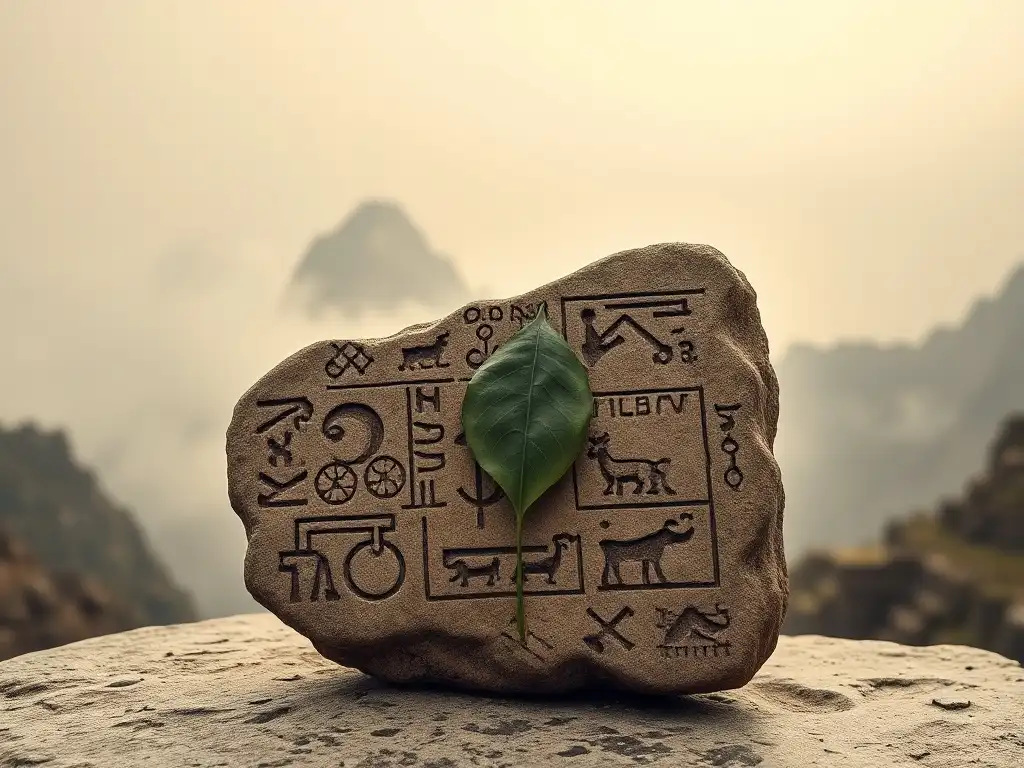
The Inca civilization, renowned for its sophisticated engineering and intricate social structures, also possessed a deeply ingrained belief in the power of prophecy and divination. Understanding the future was crucial for decision-making at all levels of Inca society, from the emperor's strategic planning to an individual's daily life. This reliance on predicting the future shaped their worldview and influenced their rituals, ceremonies, and even their agricultural practices.
This section delves into some of the key Inca prophecy divination methods, exploring their significance within the broader context of Inca cosmology and belief systems. The methods employed were diverse, drawing upon natural phenomena, animal behavior, dreams, and even the careful interpretation of coca leaves.
Understanding these practices provides valuable insight into the Inca mindset and their unique relationship with the spiritual world. Keywords like Inca prophecy, Inca divination, divination methods, and Inca spiritual practices are essential for understanding this complex aspect of their culture.
Coca Leaf Divination: Reading the Signs
Coca leaves ( Erythroxylum coca) held immense cultural and religious significance for the Inca. Beyond their stimulating properties, they served as a vital tool for divination. The process, often performed by a yachaq (a shaman or priest), involved carefully spreading a small handful of coca leaves on a flat surface. The arrangement and orientation of the leaves, along with their individual characteristics (like the presence of holes or unusual shapes), were interpreted to reveal messages from the gods or spirits.
Specific patterns were associated with different outcomes, predicting everything from the success of a harvest to the outcome of a military campaign. The interpretation was highly nuanced, requiring years of training and experience. The yachaq’s expertise was highly valued, and their pronouncements carried significant weight within the community.
The accuracy of coca leaf divination was, of course, subjective, but its enduring place in Inca culture underscores its importance as a system of understanding the unknown. The use of coca leaves in divination reflects a deep connection between the Inca people and the natural world, viewing nature as a source of both sustenance and spiritual insight. This method of Inca divination highlights the intricate relationship between spiritual belief and daily life.
The Significance of Animal Omens in Inca Prophecy
Animals played a crucial role in Inca prophecy, their behaviors interpreted as powerful indicators of future events. The appearance of certain birds, the actions of specific animals, even unusual weather patterns affecting animal life – all were considered significant omens. For example, the flight path of a condor could foretell the success or failure of a military expedition, while the unusual behavior of a llama might indicate impending misfortune for a family.
These interpretations weren't arbitrary; they were based on a complex system of symbolic associations developed over generations. The Inca worldview saw the animal kingdom as deeply interconnected with the human realm, and therefore, sensitive to the flow of cosmic energies that influenced destiny. This belief system emphasized careful observation of the natural world as a critical means of understanding the will of the gods and preparing for the future.
Specific animals held particular symbolic meanings. For instance, the puma, representing strength and power, might signify a successful military campaign, while a snake might indicate deception or danger. The Inca prophecy divination methods involving animal omens demonstrate the profound respect the Inca held for the natural world and its capacity to reveal hidden truths.
Divination Through Dreams and Visions
Dreams and visions held a prominent place in Inca divination. These were not considered mere fantasies but rather powerful messages from the spirit world, providing insights into the future and guidance for the present. The interpretation of dreams was often the responsibility of the yachaq, who possessed specialized knowledge of dream symbolism. Certain recurring dreams or exceptionally vivid ones were seen as particularly significant, demanding careful attention and interpretation.
The Inca believed that the gods communicated with individuals through their dreams, often revealing impending events or offering advice on crucial decisions. The content of these dreams, alongside the emotional impact they had on the dreamer, all contributed to their interpretation. The process of Inca prophecy through dreams and visions highlights the importance of the individual's subjective experience within the broader context of Inca spirituality.
The ability to interpret these spiritual messages was a crucial skill, providing those who possessed it with considerable influence and authority. The study of dreams as a form of divination methods in Inca culture sheds light on their understanding of the subconscious and its connection to the spiritual realm. This method underscores the deep-seated belief in a world beyond the tangible, a realm accessible through the enigmatic language of dreams and visions.
The Importance of Astronomical Observations in Inca Predictions
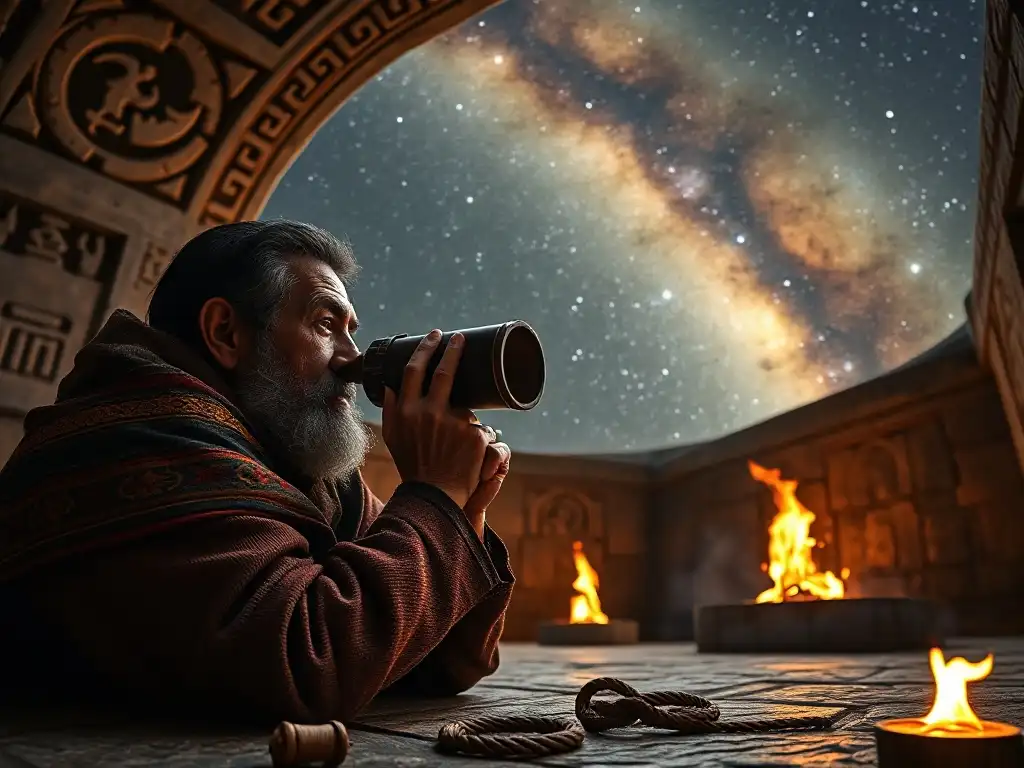
The Inca civilization, renowned for its sophisticated understanding of the natural world, deeply integrated astronomical observations into their system of divination and prophecy. Their predictions weren't arbitrary guesses; instead, they were meticulously based on careful and long-term monitoring of celestial events. The Inca amautas (wise men and scholars) were skilled astronomers, charting the movements of the sun, moon, stars, and planets with remarkable accuracy. This wasn't simply an academic pursuit; the positions and patterns of these celestial bodies were believed to directly influence earthly events, providing crucial insights into the future.
The precise methods employed by the amautas remain partially shrouded in mystery, lost to the passage of time and the destruction of many Inca records. However, archaeological evidence, such as the precise alignment of many Inca structures with significant astronomical events (like solstices and equinoxes), reveals the importance placed on these observations.
For example, the orientation of Machu Picchu and other significant sites suggests a deep understanding of the sun's path throughout the year, allowing for accurate predictions related to agricultural cycles and potential natural disasters. These predictions were vital for Inca society, heavily reliant on successful harvests and the ability to adapt to the challenging Andean environment.
The Inca calendar, intricately linked to astronomical observations, played a pivotal role in predicting auspicious times for planting, harvesting, and even military campaigns. By observing the constellations and their movements, the amautas could predict periods of abundance or scarcity, influencing crucial decisions about resource allocation and societal planning. The appearance of certain comets or unusual celestial phenomena were interpreted as omens, often influencing the decisions of the Sapa Inca, the emperor, and his advisors.
These weren't mere superstitions; they were integral to the Inca worldview, providing a framework for understanding and navigating the uncertainties of life. The accuracy of these predictions, though difficult to fully assess today, undoubtedly contributed to the stability and longevity of the Inca Empire. The integration of astronomy and prophecy highlights the sophisticated intellectual capacity of Inca society and their deep connection to the cosmos.
Llama Bone Divination (Huaca)
Llama bone divination, known as huaca, was a prominent method of Inca prophecy. This practice wasn't limited to the elite; it was employed across various social strata, suggesting its widespread significance in Inca society. The process involved carefully examining the cracks and patterns formed when a llama bone was heated and then quickly cooled. These patterns, interpreted by experienced practitioners, were believed to reveal insights into the future, providing answers to questions about health, harvests, and even matters of war and peace.
The interpretation of the huaca wasn't a simple, standardized process. The meaning of the cracks and fissures depended on numerous factors, including the specific type of llama bone used, the exact method of heating and cooling, and the context of the question being asked. Experienced diviners possessed a deep knowledge of the symbolic language of the cracks, able to discern subtle differences in patterns and their implications. The process involved a significant degree of intuition and skill, cultivated through years of practice and mentorship.
While specific examples of huaca interpretations are scarce in the historical record, accounts from Spanish chroniclers suggest that the practice was highly respected and played a vital role in decision-making at both individual and community levels. The importance placed on this method of divination underscores the Inca belief in the interconnectedness of the natural world and the spiritual realm.
The llama, a central animal in Inca culture, held symbolic significance, and its bone was considered a powerful medium for communicating with the supernatural. The use of huaca represents a unique and fascinating aspect of Inca prophecy and divination, offering a glimpse into their sophisticated understanding of symbolism and their intricate relationship with the animal kingdom.
Reading the Coca Leaves (Coca Leaf Divination)
Coca leaf divination, another significant method of Inca prophecy, involved interpreting the arrangement and patterns of coca leaves. Coca leaves held immense cultural and spiritual significance for the Inca, far exceeding their medicinal and stimulant properties. They were seen as a sacred plant, capable of facilitating communication with the supernatural world and providing guidance in times of uncertainty.
The process typically involved a paqo (a shaman or priest) carefully selecting a small handful of coca leaves and arranging them in a specific pattern. The arrangement of these leaves, their individual characteristics (such as their size, color, and condition), and the way they fell, all contributed to the interpretation. The paqo would then interpret the patterns, often drawing on a vast repertoire of symbolic meanings associated with different leaf arrangements and characteristics.
Unlike llama bone divination, which focused on the physical interpretation of cracks, coca leaf divination was more nuanced, drawing upon a deeper understanding of symbolic language and the spiritual significance of the coca plant itself. The interpretation involved a combination of observation, intuition, and knowledge of the complex symbolic system associated with the coca leaves. This method was often used to answer questions about a wide range of concerns, from personal matters to questions of state policy.
The use of coca leaf divination highlights the importance of ritual and symbolism in Inca prophecy and the role of specialized practitioners in interpreting the messages from the spiritual world. Its widespread use across Inca society underscores its significance in daily life and decision-making.
Inca Priests and the Interpretation of Prophecies
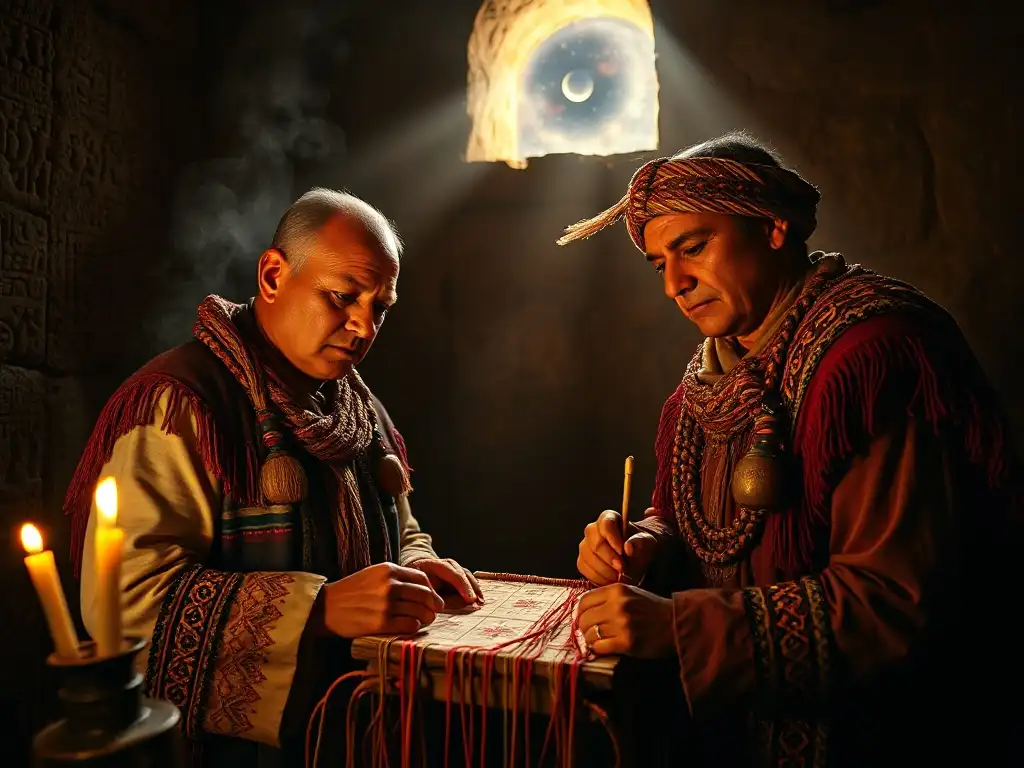
The Inca worldview was deeply intertwined with the belief in prophecy and the ability to foresee the future. This wasn't a haphazard practice; it was a highly structured system overseen by specialized priests, whose interpretations held immense power and influence within the empire. Understanding Inca prophecy requires understanding the role of these religious figures, particularly the yachaq.
The accuracy and interpretation of prophecies significantly impacted decisions ranging from agricultural practices to military campaigns and even the succession of the Sapa Inca himself. The weight placed upon these predictions underscores the profound influence of divination on Inca society and its governance. The very fabric of Inca life was woven with threads of prophecy, shaping its trajectory and influencing its development.
The Role of the Yachaq in Inca Divination Rituals
The yachaq, meaning "wise one" or "healer," were not simply priests; they were highly trained experts in divination and religious practices. Their role extended far beyond simply interpreting signs; they were responsible for conducting complex rituals, utilizing various methods to access the divine will. These rituals often involved coca leaf reading ( tapu), llama sacrifice, and the observation of natural phenomena. The yachaq acted as intermediaries between the human and spiritual realms, translating the cryptic messages of the gods into actionable insights for the Inca leadership.
Their expertise was highly valued, and their pronouncements carried significant weight in shaping Inca policy and actions. The training of a yachaq was rigorous, involving years of apprenticeship and the mastery of intricate religious knowledge and practices. Their authority stemmed not just from their religious office but also from their demonstrable abilities in interpreting prophecies accurately and effectively.
The success of their predictions often solidified their position and influence within the Inca court. For example, a correctly predicted harvest could bolster their reputation, while a failed prophecy might result in a diminished role. This system of accountability meant that the yachaq were under constant scrutiny.
The Interpretation of Omens and Signs by Inca Priests
Inca priests didn't rely solely on elaborate rituals; they were keen observers of the natural world. Omens and signs were everywhere – in the flight of birds, the patterns of stars, the behavior of llamas, and even in the tremors of the earth. The interpretation of these signs formed a significant part of Inca divination. For instance, a specific type of bird's flight might foretell victory in battle, while an unusual celestial event could signify a coming drought.
These interpretations weren't arbitrary; they were based on a vast body of accumulated knowledge passed down through generations of priests. This knowledge was often encoded in intricate mnemonic systems and oral traditions, meticulously preserved and transmitted to ensure the continuity of their prophetic practices. The priests carefully recorded significant omens, creating a detailed historical record that informed their future interpretations.
They understood that the meaning of a sign could vary depending on the context and other accompanying signs, requiring careful consideration and nuanced understanding. The system was complex and layered, demanding not only keen observation skills but also a deep understanding of Inca cosmology and mythology. Furthermore, the interpretation of signs wasn't solely the domain of the yachaq; other priests and even individuals with a strong connection to the spiritual world could offer their insights, though their interpretations were generally subordinate to those of the highly trained yachaq.
The Inca Prophecy and the Understanding of Time
Inca prophecy wasn't simply about predicting the future; it was intrinsically linked to their understanding of time and cyclical patterns. The Incas perceived time as a continuous flow, with recurring cycles of growth and decay mirroring the natural world. Prophecies were often framed within this cyclical understanding, predicting events that would unfold within specific timeframes, often linked to agricultural seasons or celestial events. This cyclical view of time influenced how prophecies were understood and interpreted.
A prophecy might not predict a single event but a recurring pattern, or a series of events unfolding over a period of time. This long-term perspective shaped Inca planning and decision-making, allowing them to anticipate and prepare for both favorable and unfavorable conditions. The Inca calendar, a sophisticated system of tracking time, played a crucial role in this context.
The priests used their knowledge of the calendar to align prophecies with specific dates and seasons, increasing the precision and relevance of their predictions. This intricate interplay between prophecy, time, and the calendar demonstrates the sophistication of Inca religious practices and their deep connection to the natural world. The cyclical nature of their worldview provided a framework for understanding the complexities of prophecy and its impact on Inca society.
Examples of Inca Prophecies and their Impact
The Inca civilization, renowned for its sophisticated engineering and intricate social structures, also held a deep-seated belief in the power of prophecy and divination. These weren't simply idle superstitions; prophecies significantly influenced Inca political decisions, military strategies, and even the daily lives of its citizens. The methods employed to divine the future varied, ranging from interpreting the flight of birds and the patterns of coca leaves to consulting oracles and interpreting dreams.
The impact of these prophecies, however, was consistently profound, shaping the course of the empire's history. This section will explore several key examples, highlighting their influence and demonstrating the importance of divination in the Inca worldview. Understanding Inca prophecy divination methods reveals a crucial aspect of their culture and provides insight into their decision-making processes.
The Prophecy of the Return of the Inca God Viracocha
One of the most significant prophecies in Inca mythology centers around the return of Viracocha, the creator god. Viracocha, depicted as a powerful, bearded figure, was believed to have created the world and its inhabitants. According to various accounts, prophecies foretold his eventual return to judge the living and restore order to the cosmos. These prophecies weren't simply passive predictions; they fueled a powerful religious fervor and influenced the actions of Inca rulers.
The expectation of Viracocha's return instilled a sense of responsibility and urgency within the Inca leadership. Rulers strived to maintain order and justice, believing that their actions would be judged upon his arrival. This belief system fostered a society that prioritized ethical conduct and social harmony.
The specific details of the prophecies varied across different regions and communities, but the core message—the imminent return of a powerful deity to assess the conduct of humanity—remained consistent. This expectation acted as a powerful moral compass, shaping the ethical framework of the Inca empire. The fear of divine judgment was a potent force in maintaining social order and preventing widespread chaos.
The Prophecy of the Arrival of the Spanish Conquistadors and the Fall of the Empire
While the Inca believed in the power of their own prophecies, they were seemingly unable to accurately predict the arrival of the Spanish conquistadors. Several interpretations exist regarding this failure. Some scholars suggest that existing prophecies were misinterpreted, while others posit that the Inca worldview simply couldn't comprehend the scale and nature of the impending conquest. The arrival of the Spanish, with their unfamiliar weaponry and devastating diseases, certainly defied traditional Inca understandings of the world order.
Despite the lack of clear prophetic warnings about the Spanish, some historians argue that certain ominous signs and events were interpreted as portents of future calamity. These may have included unusual natural phenomena, widespread illness, or even social unrest within the empire. However, these interpretations were likely insufficient to prepare the Inca for the scale of the devastation that would follow.
The inability to accurately predict the arrival of the Spanish underscores the limitations of even the most sophisticated divination systems in the face of unforeseen and fundamentally transformative events. The fall of the Inca empire serves as a stark reminder that even deeply ingrained beliefs and prophecies can be challenged by external forces beyond human comprehension.
The Influence of Prophecies on Inca Political Decisions
Inca prophecy divination methods were not simply confined to religious rituals; they deeply permeated the political landscape. Rulers regularly consulted oracles and diviners to guide their decisions on matters of state. Military campaigns, infrastructure projects, and even the selection of successors were often influenced by prophetic pronouncements.
| Decision Area | Example of Prophetic Influence | Outcome |
|---|---|---|
| Military Campaigns | A favorable omen from coca leaves might have spurred an attack. | Successful conquest or strategic retreat based on the interpretation. |
| Infrastructure Projects | A negative prophecy might have led to the abandonment of a project. | Resource allocation shifts to alternative endeavors. |
| Succession to the Sapa Inca | Prophecies influenced the selection of the next emperor. | Smooth transition or potential power struggles depending on interpretation. |
This table highlights the pervasive influence of prophecies on key political decisions. The interpretation of these prophecies, however, was often subject to the biases and power dynamics within the Inca court. This means that prophecies could be used to justify pre-existing political agendas or to legitimize the actions of specific individuals.
The intricate interplay between prophecy, politics, and power dynamics remains a complex and fascinating area of study for scholars of Inca civilization. Understanding this dynamic offers valuable insights into the functioning of the Inca state and its intricate system of governance. The use of Inca prophecy divination methods in political decision-making demonstrates the deep integration of religious beliefs into the practical realities of governing a vast and complex empire.
The Legacy of Inca Divination in Andean Culture
The Inca Empire, renowned for its sophisticated engineering and intricate social structures, also possessed a deeply ingrained belief in divination and prophecy. These practices, far from being mere superstition, were integral to the Inca worldview, influencing decision-making at all levels of society, from the emperor's pronouncements to the daily lives of ordinary citizens. Understanding Inca divination provides crucial insight into their cosmology, social organization, and relationship with the natural world.
The legacy of these methods continues to resonate in contemporary Andean cultures, showcasing the enduring power of these ancient practices. The persistence of these traditions highlights the profound impact Inca beliefs had and continue to have on the region's cultural identity. Keywords like Inca prophecy, divination methods, and Andean spiritual practices are essential in understanding this rich history.
The Continuity of Divination Practices in Contemporary Andean Communities
Inca divination techniques, while adapted and transformed over time, haven't entirely disappeared. Many Andean communities still utilize methods echoing ancient practices. For instance, the use of coca leaves for taqui, a form of divination involving interpreting the arrangement of coca leaves, remains prevalent.
This practice, while possibly predating the Inca, was certainly integrated into and influenced by Inca beliefs. Similarly, the interpretation of natural phenomena, such as animal behavior or unusual weather patterns, continues to inform decisions and guide actions in several communities. This cultural continuity demonstrates the deep-seated nature of Andean beliefs in the power of prophecy and the ongoing relevance of Inca traditions.
The persistence of coca leaf divination, for example, shows the tenacious hold these ancient Inca prophecy divination methods have on the region's cultural identity. The subtle variations in practice across different communities demonstrate the adaptive nature of these traditions, but the underlying principles remain remarkably consistent. Studies on contemporary Andean spiritual practices reveal a complex interplay between ancient Inca beliefs and modern interpretations.
The Influence of Inca Prophecy on Andean Folklore
Inca prophecy significantly shaped Andean folklore, becoming woven into the very fabric of their myths and legends. Many stories feature oracles, prophets, and supernatural beings who foretell the future, often impacting the course of events within the narrative. These tales, passed down through generations, serve to reinforce the importance of divination and prophecy within the Andean worldview.
The narratives often highlight the consequences of ignoring or misinterpreting prophetic signs, underscoring the gravity placed on these practices by the Inca. For example, legends surrounding the founding of Cusco often incorporate elements of prophecy and divine intervention, solidifying the city's mythical significance and the power attributed to divination. Analysis of Andean folklore reveals a recurring motif: the intertwining of the natural and supernatural worlds, where prophecy acts as a bridge between them.
The influence of Inca prophecy is not merely thematic; it is structural, shaping the very narratives that define Andean cultural identity. The continued telling and retelling of these stories ensures the legacy of Inca prophecy divination methods remains a vital part of the Andean cultural heritage.
Inca Divination and its Relevance in Modern Times
While the Inca Empire is long gone, the legacy of their divination practices remains surprisingly relevant in modern times. The enduring belief in the power of prophecy and the interpretation of signs continues to influence decision-making in various aspects of Andean life. Furthermore, the study of Inca divination provides valuable insights into the complexities of ancient Andean societies and their sophisticated understanding of the world.
Academic research continues to uncover new facets of Inca divination techniques, offering a more nuanced appreciation of their cultural significance. The ongoing interest in Inca prophecy and divination methods highlights their enduring appeal and their relevance in understanding the cultural heritage of the Andes. This renewed interest reflects a broader global fascination with ancient cultures and their spiritual practices.
The importance of understanding these practices extends beyond mere historical interest; it offers crucial insights into the enduring beliefs and values that shape contemporary Andean communities. Furthermore, the study of Inca prophecy divination methods contributes to a broader understanding of the development of divination practices across different cultures and historical periods.
Frequently Asked Questions
What divination methods did the Inca use?
The Inca employed various methods, including interpreting dreams, observing natural phenomena like the flight of birds or the movements of stars, and using objects like coca leaves for divination. These practices were integral to their culture.
How important was prophecy in Inca society?
Prophecy held significant importance, influencing decisions from agricultural planning to military campaigns. It was believed that the gods communicated their will through various prophetic means.
Did the Inca have specialized individuals for divination?
Yes, priests and other religious figures played a key role in interpreting prophecies and communicating divine messages to the Inca rulers and the wider population. Their insights were highly valued.
What role did coca leaves play in Inca divination?
Coca leaves were used in divination rituals, with their arrangement and interpretation revealing messages from the gods about the future. This practice was widespread and deeply ingrained in their beliefs.
How accurate were Inca prophecy and divination methods believed to be?
The Inca believed their divination methods were highly accurate and reliable, providing guidance for navigating daily life and making critical decisions about the future of their society and empire. Accuracy was a matter of faith.
Final Reflection: Weaving the Threads of Destiny: Inca Prophecy and Us
The intricate tapestry of Inca prophecy, woven from threads of divination and fate, remains remarkably relevant today. Our fascination with predicting the future, understanding our place in the cosmos, and seeking guidance through uncertainty continues to resonate deeply, mirroring the Inca's profound engagement with these themes. The enduring power of these ancient practices challenges us to reconsider our own relationship with chance and destiny.
The Inca's sophisticated divination methods, from interpreting the flight of birds to reading coca leaves, weren't simply about predicting the future; they were about understanding the present and shaping the future. They highlight the inherent human need to make sense of a complex world, to find meaning and purpose amidst chaos. The future is not something we enter. The future is something we create.
This sentiment, though modern, echoes the proactive approach the Inca took towards their destiny, demonstrating that divination was not passive acceptance, but a tool for informed action.
Consider the ways in which you navigate uncertainty in your own life. Do you seek guidance, whether through intuition, logic, or other means? Embrace the Inca legacy of proactive engagement with the unknown. Reflect on how you can utilize your own "divination" – your intuition, your knowledge, your experiences – to shape your future, not merely predict it. Let the wisdom of the Inca inspire you to weave your own destiny, thread by thread, with intention and purpose.
**Unlock the Mysteries: Embrace the Power of Prophecy**
Thank you for exploring the fascinating world of Inca mythology with us! You've discovered how prophecy and divination played a significant role in shaping destinies. Now, let's apply that knowledge to your own life.
Here are some ways to further connect with the power of prophecy and explore this rich cultural heritage:
- **Deepen Your Understanding:** Research divination practices in various Andean cultures. Learn how these ancient techniques can inform and inspire your decision-making.
- **Share Your Insights:** Discuss Inca mythology with friends or join online communities dedicated to the subject. Your perspectives could spark engaging conversations.
- **Reflect on Your Journey:** Consider keeping a journal to record your thoughts on fate and free will. How do these concepts influence your daily choices?
Which aspect of prophecy resonates most with you, and how do you believe it will shape your understanding of your own destiny?