
The Enduring Mystery of the Andes: Modern Approaches to Unsolved Questions

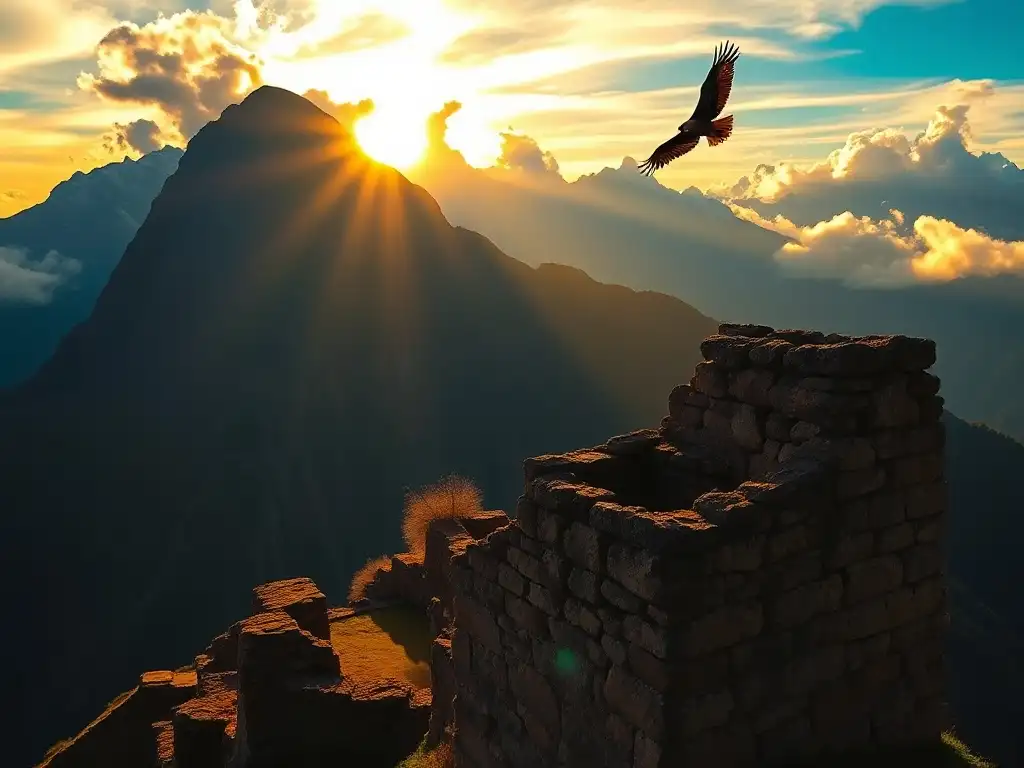
Step into a world lost in time, yet echoing with unanswered questions. Ancient Andean civilization mysteries still captivate and confound us, hinting at a level of sophistication beyond our current understanding. Prepare to unravel the secrets of the Incas, Moche, Nazca, and Tiahuanaco, as we delve into the remarkable achievements and enduring enigmas of these fascinating Andean cultures. Discover how modern research is shedding new light on their extraordinary legacy – a journey that will leave you questioning everything you thought you knew.
The Andes Mountains, a spine of rock and ice stretching along the western edge of South America, are home to some of the most enduring mysteries of the ancient world. For centuries, scholars have grappled with the enigmatic legacies of civilizations like the Inca, Moche, Nazca, and Tiahuanaco, their sophisticated societies leaving behind a breathtaking array of artifacts and monumental structures that continue to defy easy explanation.
This article delves into the fascinating world of Ancient Andean civilization mysteries, exploring how modern scientific techniques and interdisciplinary approaches are shedding new light on these long-standing puzzles, challenging previous assumptions and rewriting our understanding of these remarkable cultures. We will explore the cutting-edge research that is revolutionizing our understanding of Andean history, moving beyond traditional interpretations and embracing a more nuanced and comprehensive perspective.
From deciphering ancient scripts to analyzing complex agricultural practices, the quest to unlock the secrets of the Andes is a vibrant and ever-evolving field of study, constantly pushing the boundaries of our knowledge.
Deciphering the Enigma of Andean Writing Systems
The lack of a widely understood writing system for many Andean civilizations presents a significant hurdle in understanding their history and societal structures. While the Inca quipus (complex knotted cords) are believed to have served as a form of record-keeping, their precise meaning remains largely a mystery.
Modern research employs a variety of techniques, including statistical analysis of knot patterns and comparisons with other contemporaneous Andean artifacts, to attempt to decipher their encoded information. Furthermore, the study of other potential writing systems, such as those found in the Moche culture, is ongoing, with researchers utilizing advanced imaging techniques and comparative linguistics to identify potential patterns and symbols.
The potential breakthroughs in this area could dramatically reshape our understanding of Andean social organization, governance, and belief systems. The complexity of the task is immense, but the potential rewards – a deeper understanding of these civilizations' thought processes and societal structures – are equally immense.
Unveiling the Secrets of Andean Agriculture
The Andes’ challenging terrain presented significant agricultural challenges. Yet, Andean civilizations developed incredibly sophisticated agricultural techniques, including terracing, irrigation systems, and the cultivation of diverse crops adapted to varying altitudes. Modern research is increasingly focusing on the ingenuity of these methods. Studies using Geographic Information Systems (GIS) are mapping ancient agricultural landscapes, revealing the scale and complexity of these systems.
Isotopic analysis of ancient plant remains provides insights into dietary habits and agricultural practices, highlighting the resourcefulness and adaptability of these societies. Understanding these techniques is not only crucial for appreciating their ingenuity but also offers valuable lessons for modern sustainable agriculture in challenging environments. The sophistication of these systems surpasses many contemporary understandings of ancient agricultural practices, indicating a deep understanding of ecology and engineering.
Exploring the Astronomical Alignments of Andean Structures
Many Andean structures, from monumental sites like Machu Picchu to smaller ceremonial centers, exhibit remarkable astronomical alignments. Modern archaeoastronomy utilizes sophisticated astronomical software and precise surveying techniques to analyze these alignments, revealing a deep understanding of celestial cycles and their significance in Andean cosmology. These alignments suggest a sophisticated understanding of astronomy, potentially linked to agricultural cycles, religious practices, and the organization of societal events.
By combining astronomical data with archaeological evidence, researchers are building a more complete picture of the Andean worldview and the role of the cosmos in shaping their societies. The precision of these alignments is astonishing, demonstrating an advanced level of observational skills and mathematical knowledge.
New Technologies and Interdisciplinary Approaches
The study of Ancient Andean civilizations is increasingly benefiting from the integration of various scientific disciplines. This interdisciplinary approach combines the expertise of archaeologists, anthropologists, historians, astronomers, botanists, and others, creating a more holistic and comprehensive understanding of these complex societies. Furthermore, the application of cutting-edge technologies, such as LiDAR (Light Detection and Ranging) for mapping hidden structures and DNA analysis for tracing population movements, is revolutionizing the field.
These advancements are not only solving existing mysteries but also generating new research questions, leading to a dynamic and ever-evolving field of study. The combination of traditional archaeological methods with advanced technological tools allows for a deeper and more accurate understanding of the Andean past.
The investigation into the mysteries of the Ancient Andean civilizations is a continuing journey of discovery. The application of modern scientific methods and interdisciplinary collaboration promises to reveal even more astonishing insights into these remarkable cultures in the years to come.
- Deciphering the Enigma of Andean Writing Systems
- Unveiling the Secrets of Andean Agriculture
- Exploring the Astronomical Alignments of Andean Structures
- New Technologies and Interdisciplinary Approaches
- What are some of the biggest unsolved mysteries surrounding Ancient Andean civilizations?
- How do modern technologies help unravel these ancient mysteries?
- What is the significance of the Nazca Lines in the context of unsolved mysteries?
- How did the Inca Empire manage to build such impressive structures with seemingly limited technology?
- What are some ongoing research projects focusing on Andean civilization mysteries?
Unveiling the Secrets of Ancient Andean Civilizations
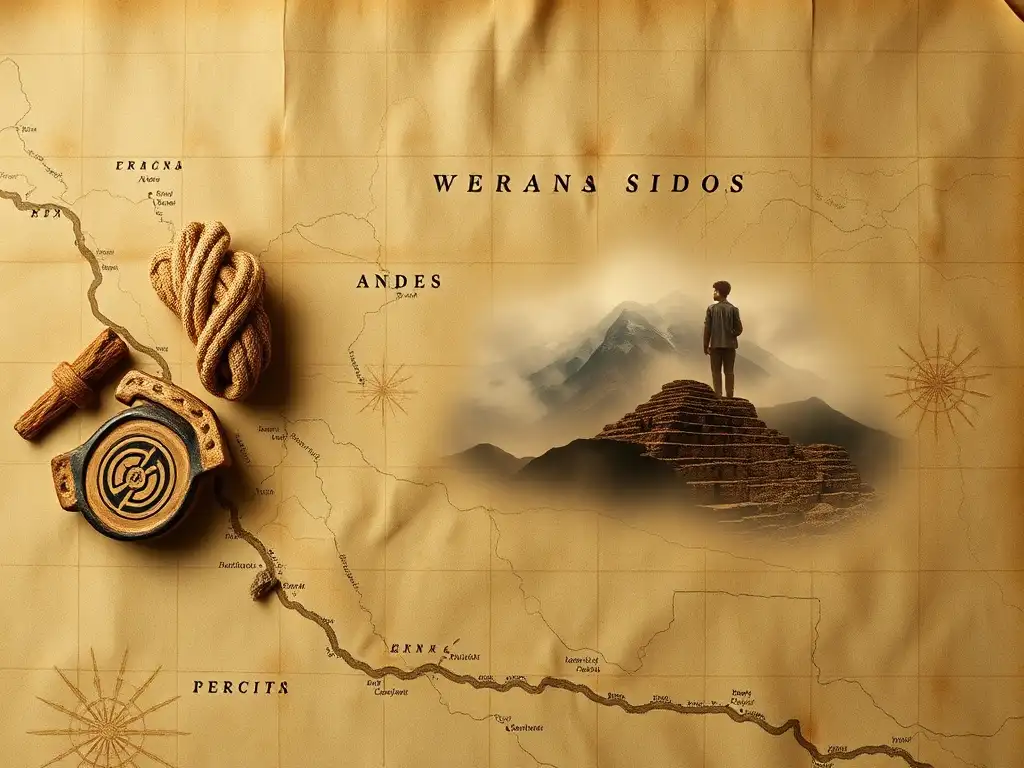
This section delves into the captivating enigma surrounding several aspects of Ancient Andean civilizations, focusing on the enduring questions that continue to challenge our understanding of these remarkable societies. We'll examine the reasons behind the persistence of these mysteries, exploring the limitations of current research methods and the inherent challenges in interpreting archaeological evidence from such a complex and diverse historical landscape. The allure of the unknown, coupled with the sheer scale and sophistication of Andean achievements, fuels ongoing research and speculation, constantly reshaping our understanding of these ancient cultures.
The Allure of Unsolved Mysteries in Andean History
The Andes Mountains, a breathtaking and formidable landscape, have cradled some of the most fascinating and enigmatic civilizations in human history. From the intricate Nazca Lines etched into the desert plains to the monumental structures of Tiahuanaco, the region presents a wealth of archaeological puzzles.
The sheer scale of these achievements – the precision of astronomical alignments, the mastery of sophisticated irrigation systems, and the complexity of social structures – continues to captivate researchers and the public alike. The mystery surrounding the sudden collapse of certain empires, the purpose of enigmatic artifacts, and the nature of religious practices all contribute to an enduring fascination with these ancient societies.
These unanswered questions not only fuel academic research but also spark the imagination, making the study of Ancient Andean civilizations a captivating and ongoing journey of discovery. The persistence of these mysteries underscores the richness and complexity of the Andean past, constantly challenging and revising our understanding of the human experience.
For example, the precise astronomical knowledge demonstrated in the construction of sites like Machu Picchu remains partially unexplained. While we understand the Inca's sophisticated understanding of solstices and equinoxes, the exact methods used to achieve such precise alignments are still debated. Similarly, the purpose and creation of the Nazca Lines, visible only from the air, continue to be a source of ongoing scholarly investigation. Theories range from astronomical calendars to ritualistic pathways, yet a definitive answer remains elusive. This enduring ambiguity only adds to their mystique and the enduring interest in deciphering their meaning.
Why Ancient Andean Civilization Mysteries Persist Today
Several factors contribute to the persistence of mysteries surrounding Ancient Andean civilizations. Firstly, the challenging environment of the Andes itself presents significant obstacles to archaeological investigation. High altitudes, treacherous terrain, and unstable weather conditions make excavation and preservation efforts difficult and costly. Secondly, the sheer scale and complexity of the civilizations themselves present a formidable challenge. Understanding the intricate interplay of social, political, religious, and economic factors across vastly different environments and time periods requires interdisciplinary collaboration and sophisticated analytical techniques.
Furthermore, the inherent limitations of archaeological interpretation also play a crucial role. Many artifacts and structures lack clear written documentation, forcing researchers to rely heavily on indirect evidence such as material culture, environmental data, and comparative analysis with related cultures. This often leads to multiple, sometimes conflicting, interpretations, highlighting the inherent uncertainties in reconstructing past societies.
The fragmentary nature of the archaeological record itself, often due to looting, natural disasters, or the inherent limitations of preservation, further complicates the process of piecing together a comprehensive understanding. The lack of complete records and the challenges in interpreting surviving evidence contribute significantly to the enduring mysteries that continue to enthrall researchers and the public.
The ongoing quest to solve these mysteries serves as a testament to the enduring legacy and the captivating complexity of Ancient Andean civilizations. The pursuit of knowledge, while often challenging, continues to reveal new insights, gradually unveiling further layers of the rich tapestry of Andean history.
Modern Archaeological Techniques and Their Impact
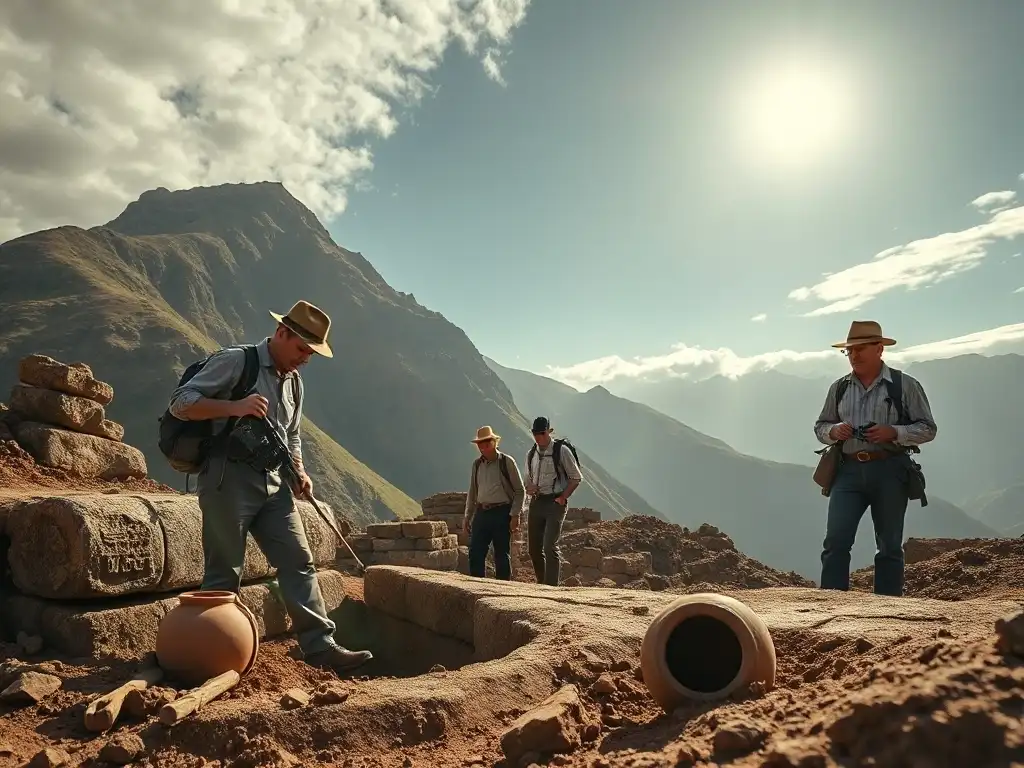
The study of Ancient Andean civilization mysteries has been revolutionized by the application of modern archaeological techniques. These advancements allow researchers to delve deeper into the past, uncovering new details about daily life, societal structures, and the complex interactions between different Andean cultures. This section will explore some of the most impactful technologies currently shaping our understanding of these fascinating civilizations.
The integration of these methods allows for a more holistic and nuanced interpretation of the archaeological record, moving beyond simple artifact descriptions to a more sophisticated understanding of the cultural contexts and processes that shaped these societies. The improved precision and enhanced data analysis significantly contribute to resolving long-standing questions about Ancient Andean civilization mysteries.
Advanced Imaging for Andean Site Exploration
Advanced imaging techniques, such as ground-penetrating radar (GPR), LiDAR (Light Detection and Ranging), and multispectral imaging, are transforming the way archaeologists explore Andean sites. GPR, for instance, uses radar pulses to create subsurface images, revealing hidden structures like buried walls, tunnels, and even irrigation systems beneath the surface. This is particularly useful in densely populated areas or where surface features have been eroded or obscured by time.
LiDAR, on the other hand, employs laser pulses to generate high-resolution 3D models of the terrain, stripping away vegetation and revealing subtle changes in elevation that might indicate ancient pathways, agricultural terraces, or even the outlines of lost settlements. This allows for a far more comprehensive understanding of site layouts and spatial organization than traditional methods alone could provide.
Multispectral imaging, capturing images across a broader range of the electromagnetic spectrum than the human eye can perceive, can detect subtle variations in soil composition or pigment that might indicate buried features or past human activity, offering further clues to unresolved questions surrounding Ancient Andean civilization mysteries. The combined use of these techniques allows for a far more detailed and accurate reconstruction of Andean settlements and landscapes.
DNA Analysis and Insights into Andean Populations
Genetic analysis is providing unprecedented insights into the population dynamics and migrations of Ancient Andean populations. DNA extracted from ancient remains—bones, teeth, and even mummies—can reveal details about ancestry, kinship relationships, and the movement of people across vast distances.
By comparing ancient DNA with modern populations, researchers are able to trace the genetic lineages of Andean communities, shedding light on the complex processes of population mixing and cultural exchange that shaped the region's history. This approach is especially valuable in addressing questions about the origins of specific cultural groups, the spread of agricultural practices, and the impact of disease on Andean societies.
For example, DNA analysis has helped researchers understand the genetic relationships between different Andean groups, providing evidence to support or refute existing theories about migration patterns and population movements. The ability to track genetic variations across time and space offers a powerful new tool for unraveling the mysteries surrounding Ancient Andean civilization mysteries, offering a compelling narrative of human movement and interaction.
Radiocarbon Dating and Chronological Refinement in Andean Studies
Radiocarbon dating remains a cornerstone of Andean archaeology, providing crucial chronological frameworks for understanding the temporal sequence of events. While the method itself is not new, ongoing refinements in techniques and laboratory procedures are continually improving the accuracy and precision of dating results. This is particularly important in the Andes, where complex chronological sequences and overlapping cultural periods make accurate dating essential for interpreting the archaeological record.
The development of accelerator mass spectrometry (AMS) has revolutionized radiocarbon dating, allowing for the analysis of much smaller samples and significantly reducing the margin of error. This allows archaeologists to date a wider range of materials, including small fragments of organic material, providing a more complete picture of the timeline of Andean civilizations.
Furthermore, the integration of radiocarbon dates with other chronological markers, such as stylistic changes in pottery or the presence of specific artifacts, allows researchers to build more robust and nuanced chronological sequences. This contributes significantly to resolving debates about the timing and duration of various cultural phases and providing a more accurate understanding of the development and interactions of Ancient Andean civilization mysteries within a precise temporal context.
Reinterpreting Known Andean Civilizations through New Lenses
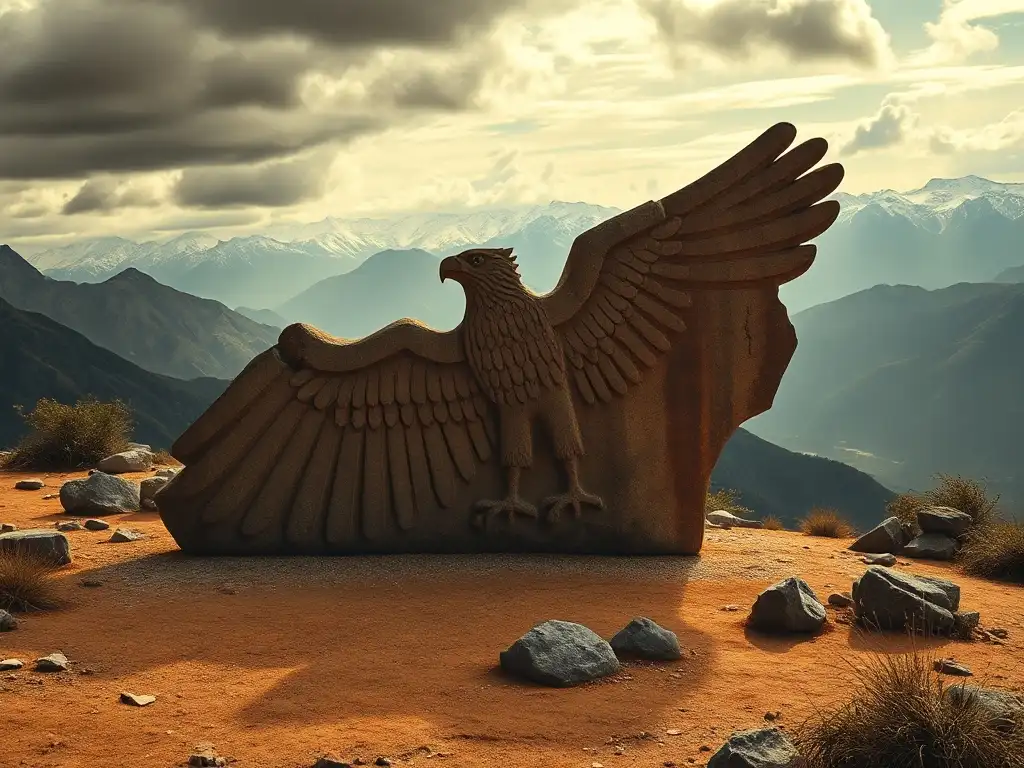
This section delves into modern reinterpretations of established Andean civilizations, challenging long-held assumptions and offering fresh perspectives on their societal structures, rituals, and technological achievements. We will explore how new archaeological discoveries, advanced analytical techniques, and interdisciplinary collaborations are reshaping our understanding of these fascinating ancient Andean civilization mysteries. The mysteries surrounding these cultures are slowly unraveling thanks to modern scientific advancements.
The Moche: Beyond Ritual Sacrifice
The Moche culture, known for its elaborate metalwork and stunning ceramics, has long been associated with ritual sacrifice. Recent research, however, suggests a more nuanced picture. While evidence of human sacrifice exists, its frequency and significance within Moche society remain highly debated. Some scholars propose that sacrifice was tied to specific elite rituals, perhaps related to maintaining political power or ensuring successful harvests, rather than being a widespread practice. Others suggest that the depiction of sacrifice in Moche art might be symbolic, representing a broader cosmological understanding rather than a literal account of events.
The analysis of Moche burial sites, for instance, reveals variations in the treatment of the deceased, indicating a complex social hierarchy. While some individuals were interred with lavish grave goods, others were buried with minimal artifacts. This suggests that sacrifice, if indeed practiced widely, was not necessarily applied uniformly across all social strata.
Furthermore, isotopic analysis of Moche remains is providing valuable insights into their diets and lifestyles, potentially shedding light on the social roles and status of those who were sacrificed. This detailed analysis helps us move beyond simplistic interpretations of the Moche as a uniformly violent culture and instead understand the complexities of their social and religious practices.
The Nazca Lines: New Theories and Interpretations
The enigmatic Nazca Lines, vast geoglyphs etched into the Peruvian desert, continue to fascinate and puzzle researchers. While the purpose of these lines remains uncertain, recent theories propose that they served multiple functions, rather than a single, definitive purpose. The prevalent theory of astronomical alignments is now being challenged by evidence suggesting a connection to water management systems.
Some researchers hypothesize that the lines may have acted as channels guiding water runoff during seasonal rains, thereby enhancing agricultural productivity. Other scholars suggest a possible connection to ritual processions, with the lines serving as pathways for ceremonial movements during specific times of the year. Furthermore, the intricate designs themselves are being re-examined using advanced imaging techniques and GIS mapping, revealing previously unseen details and potential connections between different geoglyphs. Uncovering the secrets of the Nazca Lines requires a multidisciplinary approach, combining archaeology, astronomy, and geospatial analysis. The mysteries surrounding their creation and purpose are slowly being unraveled.
Tiahuanaco, a major urban center in the Andes, flourished for centuries, leaving behind impressive monumental architecture and sophisticated urban planning. Recent studies challenge earlier assumptions about its social organization, suggesting a more complex and dynamic system than previously thought. The scale and sophistication of Tiahuanaco's urban infrastructure, including its precisely cut stonework and intricate water management systems, point to a highly organized society with specialized labor and sophisticated engineering skills.
Analysis of Tiahuanaco's residential areas reveals a diverse range of housing types, suggesting a significant degree of social stratification. The presence of elaborate monumental structures, such as the Kalasasaya temple, indicates a powerful elite class that controlled resources and religious practices. However, the discovery of smaller, less ornate structures suggests a larger population of commoners who played a vital role in the city's functioning.
The interplay between these different social groups and their contributions to Tiahuanaco's growth and development remains a subject of ongoing research, leading to a more nuanced understanding of the ancient Andean civilization mysteries of this remarkable city. Understanding the social dynamics of Tiahuanaco provides a key to unlocking the secrets of its success and eventual decline.
The Inca Empire: Unsolved Puzzles and Current Research
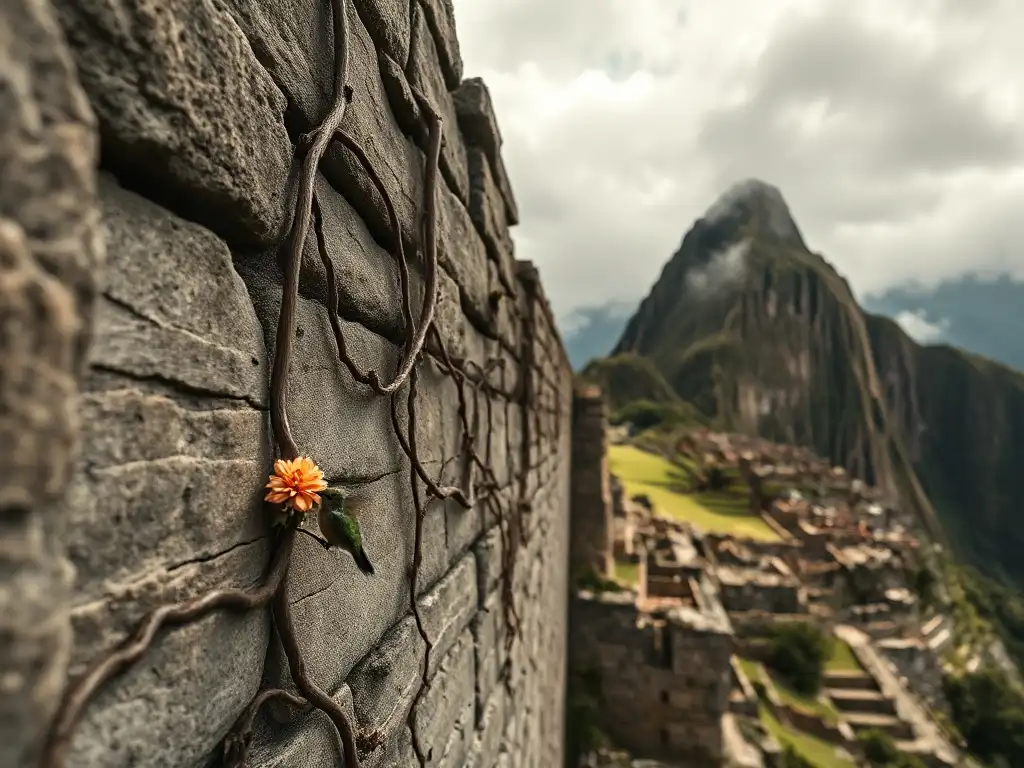
The Inca Empire, a marvel of ancient Andean civilization, continues to fascinate researchers with its enduring mysteries. Despite significant archaeological discoveries, many aspects of Inca life remain shrouded in ambiguity, sparking ongoing debate and investigation within the field of Andean studies. Modern approaches, combining traditional archaeological methods with cutting-edge technologies like LiDAR and DNA analysis, are shedding new light on these long-standing puzzles related to the Ancient Andean civilization mysteries.
This section delves into some key areas of current research, focusing on advancements in our understanding of Inca infrastructure, record-keeping, and religious beliefs. The sheer scale and sophistication of the Inca civilization present a rich tapestry of unanswered questions – questions that fuel the passion of researchers dedicated to unraveling the secrets of this remarkable empire.
Inca Roads and Communication Systems: New Findings
The Inca road system, a breathtaking feat of engineering spanning thousands of kilometers across challenging Andean terrain, is a testament to the empire's organizational prowess. Recent research using high-resolution satellite imagery and LiDAR (Light Detection and Ranging) technology has revealed previously unknown sections of these roads, revealing a more complex and extensive network than previously imagined.
These new findings challenge existing models of Inca territorial control and resource management, suggesting a more nuanced understanding of their logistical capabilities is needed. For example, the discovery of previously undocumented pathways in the cloud forests of eastern Peru suggests a more extensive system of communication and trade than previously thought possible, connecting distant regions with greater efficiency.
Analysis of the road construction techniques, including the use of sophisticated drainage systems and the integration of the roads into the natural landscape, continues to impress researchers with the Inca's mastery of engineering and adaptation to their environment. The ongoing study of these roads provides invaluable insights into the logistical and organizational capacity that underpinned the Inca Empire's success and longevity, contributing significantly to our understanding of Ancient Andean civilization mysteries.
The Enigma of Inca Writing and Record-Keeping
Unlike many other ancient civilizations, the Inca did not possess a fully developed writing system in the conventional sense. Their record-keeping relied heavily on a system of knotted cords called quipus. The exact nature and purpose of these quipus remain a subject of intense debate, with ongoing research employing a multidisciplinary approach.
Scholars are utilizing advanced imaging techniques to analyze the intricate knotting patterns, hoping to decipher their meaning and gain a better understanding of Inca administrative practices, economic data, and even historical narratives. While progress has been made in interpreting some aspects of quipus, significant challenges remain, including the lack of a Rosetta Stone-like key to fully unlock their secrets.
However, recent breakthroughs in statistical analysis and comparative studies with other Andean cultures are slowly revealing patterns and suggesting potential interpretations. The ongoing research into quipus is not just crucial for understanding the Inca Empire but also for expanding our understanding of alternative methods of record-keeping in pre-Columbian societies, adding another layer to the intrigue surrounding Ancient Andean civilization mysteries.
Understanding Inca Religion and Cosmology Through Modern Research
Inca religion and cosmology are deeply intertwined, reflected in their elaborate rituals, sophisticated astronomical observations, and the construction of monumental sites like Machu Picchu. Modern research is leveraging anthropological and archaeological methods to gain deeper insights into Inca religious beliefs and practices.
Analysis of human remains found at sacrificial sites, coupled with isotopic studies of their diets, is providing valuable information about the social status and origins of individuals involved in these rituals. Furthermore, the study of Inca iconography and the interpretation of their myths and legends, through the lens of modern anthropological theory, is helping researchers to reconstruct their worldview and understanding of the cosmos.
The integration of astronomical data with archaeological evidence is revealing a complex interplay between religious beliefs and the Inca's sophisticated knowledge of celestial movements, challenging previous assumptions about the nature of Inca spirituality. This ongoing research continues to enrich our understanding of the complex religious landscape of the Inca Empire, further unraveling the captivating intricacies of Ancient Andean civilization mysteries.
Exploring Less Known Ancient Andean Cultures
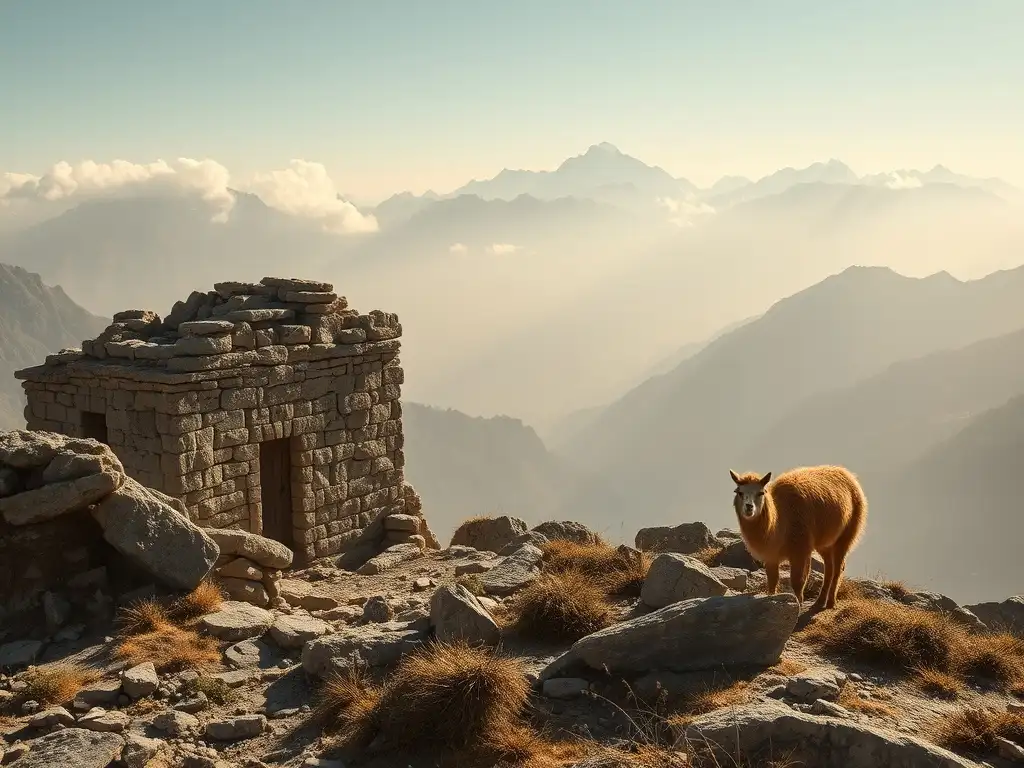
This section delves into the mysteries surrounding some of the less-studied, yet equally fascinating, ancient Andean cultures, offering a glimpse into the diverse tapestry of civilizations that thrived in the Andes Mountains. While the Inca Empire often dominates narratives about the region, many other sophisticated societies left behind enduring legacies, posing intriguing questions for modern researchers. Understanding these less-known cultures enhances our comprehension of the complex social, technological, and spiritual landscape of Ancient Andean civilization mysteries.
The Chachapoya: Unraveling the Cloud People's Culture
The Chachapoya, also known as the "Cloud People," inhabited the cloud forests of northern Peru. Their remarkable cliff tombs, perched high on inaccessible rock faces, stand as a testament to their engineering prowess and unique funerary practices. These impressive structures, some reaching over 100 feet high, present a significant challenge to archaeologists attempting to understand their construction methods and the social organization that facilitated such ambitious projects. The intricacy of the tombs themselves, often containing elaborate burial goods and mummified remains, indicates a complex belief system and sophisticated social hierarchy. Ongoing research is focused on:
- Analyzing the chemical composition of the materials used in tomb construction to determine their origin and the extent of the Chachapoya's trade networks.
- Utilizing advanced imaging techniques like LiDAR to create detailed 3D models of the cliff tombs, allowing for virtual exploration and a better understanding of their internal structure.
- Genetic analysis of mummified remains to trace population movements and relationships with other Andean cultures. Preliminary findings suggest a surprising degree of genetic diversity within the Chachapoya population, indicating possible interactions with neighboring groups.
The Chachapoya’s mastery of their environment is also noteworthy. Their agricultural techniques, adapted to the challenging terrain of the cloud forests, allowed them to cultivate diverse crops, providing a stable food source. However, many aspects of their social organization, political structure, and daily life remain shrouded in mystery, making them a captivating subject for continued investigation into Ancient Andean civilization mysteries.
The Wari Empire: Re-evaluating their Influence
The Wari Empire, which flourished between 600 and 1000 CE, preceded the Inca and exerted a significant influence across a vast territory in the central Andes. While less visually spectacular than the Inca’s monumental architecture, the Wari left behind a complex network of administrative centers, agricultural innovations, and a distinctive ceramic style. Recent research challenges previous interpretations of the Wari’s political organization. Instead of a centralized, highly hierarchical state, some scholars now propose a more decentralized model, with regional variations in governance and social structures. This hypothesis is supported by:
- Archaeological evidence showing significant differences in architectural styles and settlement patterns across the Wari territory.
- Analysis of Wari ceramic designs, revealing regional variations and suggesting a degree of autonomy for local communities.
- The discovery of smaller, less-elaborate administrative centers, indicating a more dispersed network of power than previously thought.
Understanding the true nature of Wari power and its impact on subsequent Andean societies is crucial for a more complete picture of the region's history. Further research, incorporating advanced analytical techniques and interdisciplinary collaboration, is vital to unravel the complexities of this influential, yet enigmatic, empire and its contribution to Ancient Andean civilization mysteries.
Discoveries in Coastal Andean Cultures
The coastal regions of Peru also housed thriving civilizations that often interacted with those in the highlands. While the Moche and Nazca cultures are relatively well-known for their impressive artwork and engineering feats, new discoveries continue to shed light on the complexities of coastal Andean life. Recent excavations have revealed previously unknown settlements, revealing intricate irrigation systems and sophisticated urban planning.
These findings highlight the advanced technological capabilities of these societies and their ability to manage scarce resources in harsh environmental conditions. Furthermore, the discovery of new burial sites has yielded valuable information about social stratification, religious beliefs, and funerary rituals. For example:
| Discovery Location | Significance | Dating (Approximate) |
|---|---|---|
| Paracas Peninsula | Uncovered elaborate textiles and intricate grave goods, revealing social hierarchy. | 700-100 BCE |
| Chicama Valley | Revealed evidence of large-scale irrigation systems and urban planning. | 1000-1400 CE |
The ongoing exploration of coastal Andean cultures promises to unveil further insights into the diverse and interconnected societies that shaped the rich history of the region, adding yet another layer to the fascinating puzzle of Ancient Andean civilization mysteries. 🕵️♀️
The Future of Andean Archaeology and Research
The study of Ancient Andean civilization mysteries continues to evolve, driven by new technologies and a growing interdisciplinary approach. Gone are the days of solely relying on excavation and artifact analysis. Modern researchers are embracing a more holistic understanding, weaving together diverse fields of study to paint a richer picture of these fascinating cultures.
This forward-looking perspective is crucial for unlocking the remaining enigmas surrounding the Andes' rich past. The future of Andean archaeology hinges on collaborative efforts and innovative methodologies. We're moving beyond simple descriptions of artifacts towards sophisticated analyses of their creation, use, and societal implications.
This shift allows us to delve deeper into the complexities of Andean social structures, belief systems, and technological advancements. For example, recent studies combining anthropological insights with geochemical analysis of ancient pottery have revealed intricate trade networks and migration patterns previously unknown. This integrated approach promises to illuminate many more aspects of Andean life.
Interdisciplinary Approaches to Andean Studies
The investigation of Ancient Andean civilization mysteries demands a collaborative spirit. No single discipline holds all the answers; instead, the synthesis of different perspectives is vital. Archaeologists are increasingly working hand-in-hand with anthropologists, geologists, botanists, linguists, and even mathematicians.
For instance, the study of ancient Andean textiles benefits immensely from collaborations between textile experts and chemists. Chemical analysis can reveal the sources of dyes and fibers, providing crucial information about trade routes and agricultural practices. Similarly, the deciphering of ancient languages relies on the combined expertise of linguists and archaeologists.
By combining epigraphic analysis with the spatial context of the inscriptions (e.g., location on pottery, buildings, or textiles), researchers can gain a deeper understanding of the meaning and purpose of these texts. This interdisciplinary collaboration is not just beneficial, it is fundamental to unraveling the complexities of the past and answering lingering questions about these ancient societies. A truly comprehensive understanding requires a multi-faceted approach.
The Role of Technology in Unveiling Andean Secrets
Technological advancements are revolutionizing our understanding of Ancient Andean civilization mysteries. Non-invasive techniques like ground-penetrating radar (GPR) and LiDAR (Light Detection and Ranging) allow researchers to map sites without causing damage, revealing hidden structures and features previously impossible to detect. This is particularly crucial in delicate archaeological contexts where traditional excavation methods could be destructive.
Moreover, advances in DNA analysis are shedding light on the genetic history of Andean populations, revealing migration patterns and relationships between different groups. Sophisticated imaging techniques, including X-ray fluorescence (XRF) and hyperspectral imaging, provide detailed analyses of artifacts, revealing hidden pigments, inscriptions, and manufacturing processes. The use of GIS (Geographic Information Systems) allows for the spatial analysis of archaeological data, revealing settlement patterns, agricultural practices, and infrastructural networks.
The application of these technologies promises to unlock many secrets previously hidden within the Andean landscape and its artifacts, offering a more nuanced perspective on the lives and achievements of these remarkable civilizations. The integration of technology into Andean studies is not merely an improvement, but a necessary step toward a more complete and accurate understanding of the past.
Preserving Andean Heritage for Future Generations
The preservation of Andean heritage is paramount. Ancient sites, artifacts, and knowledge are irreplaceable resources, holding the key to understanding not only the past but also present-day challenges. Effective preservation strategies must balance the needs of research with the protection of these invaluable assets.
This requires collaborative efforts between governmental agencies, academic institutions, local communities, and international organizations. Sustainable tourism practices are crucial, ensuring that visitors can appreciate Andean heritage without causing damage. Furthermore, the digitization of archaeological records and the development of virtual museums provide access to this knowledge for a wider audience while reducing the risk of damage to original artifacts.
Community involvement is essential, ensuring that local knowledge and perspectives are integrated into preservation efforts. This collaborative approach, combining scientific expertise with community engagement, ensures that the legacy of the Ancient Andean civilizations is not only preserved but also celebrated and understood for generations to come. Protecting this heritage is not just a responsibility, but an investment in our collective understanding of humanity's past.
Frequently Asked Questions
What are some of the biggest unsolved mysteries surrounding Ancient Andean civilizations?
The Andes hold many enigmas, including the precise methods of massive stone construction at sites like Machu Picchu, the purpose of the Nazca Lines, and the sudden collapses of powerful empires like the Wari and Tiwanaku. Research continues to uncover clues.
How do modern technologies help unravel these ancient mysteries?
Advanced imaging techniques, like LiDAR and ground-penetrating radar, reveal previously hidden structures and settlements. DNA analysis helps understand population movements and relationships. Chemical analysis of artifacts provides insights into materials and trade networks.
What is the significance of the Nazca Lines in the context of unsolved mysteries?
Their immense scale and intricate designs remain largely unexplained. Theories range from ceremonial purposes to astronomical alignments, but a definitive answer remains elusive. Further research is needed to understand their creation and meaning.
How did the Inca Empire manage to build such impressive structures with seemingly limited technology?
The Incas demonstrated remarkable engineering and organizational skills, utilizing sophisticated techniques like stone fitting and terracing to create impressive structures. The exact methods used, however, and the level of planning involved, still hold some unanswered questions.
What are some ongoing research projects focusing on Andean civilization mysteries?
Many teams are actively investigating various aspects. Projects include analyzing ancient agricultural practices, studying climate change's impact on civilizations, and applying new technologies to excavate and analyze sites. New discoveries are constantly being made.
Final Reflection: Echoes of the Andes: Unraveling the Past, Shaping the Future
The enduring mysteries of the Andes are not relics of a distant past; they are vibrant threads woven into the fabric of our present. Understanding these ancient civilizations offers crucial insights into human resilience, innovation, and the complex interplay between culture and environment, challenges that remain profoundly relevant today. The unanswered questions surrounding their societal structures, technological advancements, and spiritual beliefs continue to spark debate and inspire new avenues of research, reminding us of the vast unknown that still surrounds us.
The impact of Andean civilizations resonates far beyond the mountain ranges themselves. Their sophisticated agricultural techniques, intricate social hierarchies, and awe-inspiring architectural feats continue to shape our understanding of human potential. Their legacy is a testament to human ingenuity and adaptability, a powerful reminder that even in the face of adversity, societies can flourish and leave behind a rich tapestry of knowledge and culture. The past is never dead. It's not even past.
– William Faulkner. This quote perfectly encapsulates the enduring relevance of Andean mysteries; their echoes reverberate through time, influencing our present and shaping our future understanding of the human experience.
Consider the unanswered questions, the enigmatic structures, the lost languages – these are not simply historical puzzles; they are invitations. They invite us to engage with the past, to question our assumptions, and to embrace the wonder of the unknown.
Let the enduring mystery of the Andes inspire you to seek out the untold stories in your own life, to explore the hidden depths of human history, and to contribute to the ongoing quest for knowledge and understanding. Embrace the challenge, for within the echoes of the Andes lies a profound and enduring lesson about the resilience, ingenuity, and enduring mystery of the human spirit.
**Unravel the Mysteries of the Andes Today! **
Thank you for your interest in the fascinating world of Andean civilizations! Your curiosity is inspiring as we delve into the rich history and enduring mysteries of these ancient cultures. Let's continue this exciting journey of exploration and discovery together.
- **Dive deeper:** Expand your understanding by exploring documentaries and books on Andean history. These resources offer invaluable insights into these remarkable civilizations.
- **Join the conversation:** Share your thoughts and questions about the Andes on our forum. We value your perspectives and contributions to our community.
- **Spread the word:** Invite friends and family to join you in discovering the wonders of the Andes. Sharing this knowledge enriches our collective understanding.
What aspect of Andean civilizations most captivates you, and what areas would you like to explore further?