
Andean Mythology & Legends: Online Courses on Folklore and Beliefs

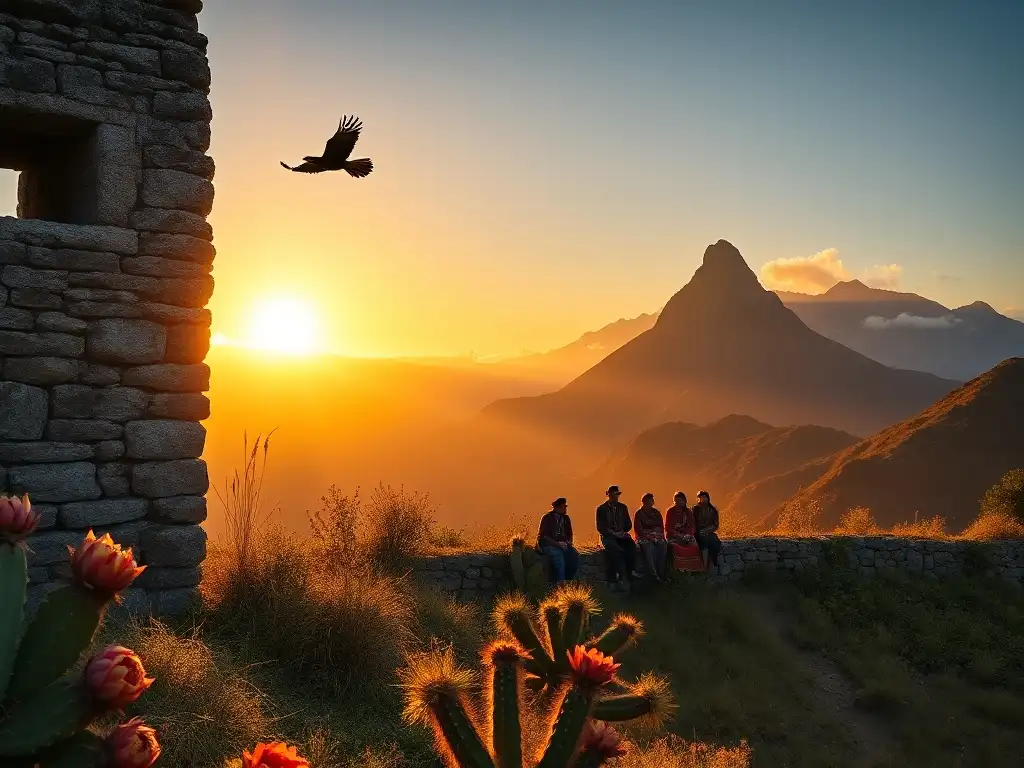
Step into a world lost to time, yet echoing with vibrant stories and profound wisdom. Discover the captivating realm of Andean mythology, a tapestry woven from the beliefs and legends of the Incas, Moche, Nazca, and Tiahuanaco. Intrigued by the celestial narratives and earthly rituals of these ancient civilizations? Then embark on a journey of discovery with our Andean mythology online courses, unlocking the secrets held within their rich folklore and beliefs. Prepare to be amazed.
- Unlock the Secrets of Andean Mythology: Online Courses on Folklore and Beliefs
- Why Study Andean Mythology and Folklore?
- Top Online Courses on Andean Mythology: A Comparative Overview
- How to Choose the Right Andean Mythology Course for You
- Beyond the Courses: Complementary Resources for Andean Mythology Studies
- Enhance Your Understanding of Andean Civilizations Through Mythology
- Start Your Journey into Andean Mythology Today
-
Frequently Asked Questions
- What online courses are available to learn about Andean mythology?
- Are these courses suitable for beginners with no prior knowledge?
- What topics are typically covered in Andean mythology online courses?
- How can I find reputable online courses on Andean mythology?
- What are the benefits of taking an online course on Andean mythology?
- Final Reflection: Weaving the Threads of Andean Wisdom
- Unveil the Mysteries of Andean Mythology!
Unlock the Secrets of Andean Mythology: Online Courses on Folklore and Beliefs
Delve into the captivating world of Andean mythology, a rich tapestry woven from the beliefs and traditions of ancient civilizations that thrived in the Andes Mountains. This exploration will uncover the fascinating stories, rituals, and cosmological views that shaped the lives of the Incas, Moche, Nazca, and Tiahuanaco, among others. For those seeking a deeper understanding of this compelling subject, we'll examine the burgeoning availability of online courses dedicated to Andean folklore and beliefs, providing a convenient and accessible pathway to unraveling these ancient mysteries.
This article will serve as your guide, highlighting the benefits of online learning in this field and providing insights into what to expect from such courses. We'll explore various course formats, content, and learning objectives, ultimately empowering you to choose the perfect online learning experience to satisfy your curiosity about Andean mythology.
Prepare to embark on a journey through time, uncovering the intricate narratives and spiritual landscapes of one of the world's most enigmatic cultural regions. Learning about Andean mythology online has never been more accessible or engaging.
Discover the Rich World of Andean Legends Through Online Learning
The rise of online learning platforms has revolutionized access to educational resources, making specialized subjects like Andean mythology readily available to a global audience. These courses offer a unique opportunity to explore the complex world of Andean legends and beliefs at your own pace, regardless of geographical location or prior knowledge. Many platforms offer structured courses with video lectures, readings, quizzes, and assignments, providing a comprehensive learning experience.
Others might focus on specific aspects of Andean mythology, such as the mythology of a particular civilization (e.g., Inca mythology) or a specific theme (e.g., Andean creation myths). The flexibility of online learning allows you to integrate these courses seamlessly into your existing schedule, fitting them around work, family commitments, or other personal obligations. Furthermore, the interactive nature of many online courses fosters a sense of community, allowing you to connect with fellow learners and instructors, enriching the overall learning experience.
Exploring Different Course Formats and Content
Online courses on Andean mythology come in various formats, each catering to different learning styles and preferences. Some courses might employ a lecture-based approach, delivering information through pre-recorded video lectures supplemented by downloadable readings. Others might incorporate interactive elements such as discussions forums, group projects, and virtual field trips (simulated, of course!).
The content itself can be incredibly diverse, ranging from detailed analyses of specific myths and legends to explorations of the broader cosmological frameworks that underpinned Andean belief systems. You might encounter courses focusing on the iconography found in Andean art, the role of mythology in Andean rituals, or the influence of Andean mythology on contemporary Andean culture. A well-structured course will provide a clear learning path, outlining the key concepts and themes that will be covered.
Expect a blend of academic rigor and engaging storytelling, ensuring a stimulating and enriching learning experience. The availability of subtitles and transcripts can also significantly enhance accessibility for a wider audience.
Benefits of Learning Andean Mythology Online: Accessibility and Flexibility
The primary advantage of online courses is undoubtedly their accessibility. Geographical limitations are erased, allowing individuals worldwide to engage with this fascinating subject matter. Unlike traditional classroom settings, online learning provides unparalleled flexibility. You can access course materials at any time, from anywhere with an internet connection, fitting your studies into your schedule rather than the other way around.
This flexibility is particularly beneficial for those with busy schedules or those living in areas with limited access to traditional educational institutions. Moreover, many online courses offer self-paced learning, allowing you to progress through the material at your own speed, revisiting sections as needed. This personalized approach caters to individual learning styles and preferences, optimizing the learning process. The cost-effectiveness of many online courses also makes them a more accessible option than traditional in-person courses.
Finding Reputable Online Courses: Tips and Resources
Choosing a reputable online course is crucial to ensure the quality and accuracy of the information you receive. Look for courses offered by accredited institutions or renowned experts in the field of Andean studies. Check reviews and testimonials from previous students to gauge the overall quality of the course and the instructor’s teaching style. Pay close attention to the course syllabus, ensuring it covers the topics you are interested in and that the learning objectives align with your goals.
While many free courses are available, consider the value of investing in a paid course, especially if it offers personalized feedback, instructor support, and access to a vibrant learning community. Remember, a well-structured and engaging course can significantly enhance your understanding and appreciation of Andean mythology and its rich cultural heritage. A little research upfront will go a long way in ensuring a rewarding learning experience.
Why Study Andean Mythology and Folklore?

Delving into Andean mythology and folklore offers a unique window into the rich tapestry of ancient Andean civilizations. More than just captivating stories, these myths and legends provide invaluable insights into the worldview, societal structures, and spiritual beliefs of cultures like the Inca, Moche, Nazca, and Tiahuanaco. Understanding these narratives allows us to appreciate the complexity and sophistication of these societies, moving beyond simplistic interpretations and embracing a nuanced understanding of their history.
Studying Andean mythology is not merely an academic pursuit; it’s a journey into the heart of a vibrant and enduring cultural heritage. The opportunity to engage with these narratives fosters a deeper appreciation for the interconnectedness of human experience across time and cultures. This is particularly pertinent in our increasingly globalized world, where understanding diverse perspectives is crucial.
By studying Andean mythology, we can foster empathy, critical thinking, and a richer understanding of our shared human story. The enduring power of these myths and legends underscores their continued relevance in contemporary Andean societies, where these stories remain integral to cultural identity and practice. For those seeking a deeper connection with Andean heritage, understanding their mythology is essential.
Understanding the Andean Worldview Through its Myths
Andean mythology reveals a cosmology deeply intertwined with the natural world. Unlike many Western mythologies that separate humanity from nature, Andean myths often depict a seamless connection between the two. Mountains, rivers, and celestial bodies are not simply inanimate objects but powerful entities imbued with spiritual significance. For example, the Inca's veneration of Apu (mountain spirits) demonstrates the deep respect for the mountains as sacred beings, influencing their agricultural practices and social organization.
The myths reflect a cyclical understanding of time, with recurring themes of creation, destruction, and rebirth mirroring the natural cycles of the Andes. This worldview is profoundly different from linear Western conceptions of time and highlights the Andean emphasis on harmony and balance within the ecosystem. Analyzing these narratives reveals a sophisticated understanding of astronomy, agricultural cycles, and the interconnectedness of life, all woven into compelling stories that have been passed down through generations.
Many myths explain the origins of specific landscapes, animals, or plants, providing a unique perspective on the relationship between the Andean people and their environment. The study of these origin myths allows us to gain a richer understanding of the environmental knowledge and practices of these ancient societies. The intricate details within these stories offer valuable clues to their social structures, beliefs, and values.
The Importance of Andean Legends in Cultural Heritage
Andean legends are not merely historical artifacts; they are living traditions that continue to shape cultural identity and practice in contemporary Andean communities. These stories serve as a vital link between past and present, transmitting values, beliefs, and historical memories across generations. Many legends recount the exploits of powerful heroes or explain the origins of customs and traditions, reinforcing social cohesion and cultural continuity. The narratives often serve as moral guides, teaching valuable lessons about proper behavior and societal expectations.
They are also a source of entertainment and communal bonding, often shared during festivals and celebrations. The preservation and transmission of these legends are crucial for maintaining cultural heritage and promoting cultural diversity. The loss of these narratives would represent a significant loss of cultural memory and identity.
Efforts to document, preserve, and share these stories are essential for ensuring their continued survival. The study of Andean legends, therefore, is not just about understanding the past; it is also about contributing to the preservation of a vibrant and dynamic cultural heritage for future generations. This is why understanding and appreciating these stories is so critical.
Connect with the Ancient Spirits: Exploring Andean Beliefs
Andean beliefs encompassed a complex pantheon of deities and spirits, reflecting a vibrant and multifaceted spiritual world. These beliefs often involved rituals, offerings, and ceremonies aimed at maintaining harmony with the supernatural realm. The Inca, for example, worshipped Inti (the sun god) and Viracocha (the creator god), alongside a host of lesser deities associated with specific aspects of nature or human activity. Understanding these deities and their roles provides a crucial insight into the religious practices and worldview of the Andean people.
The use of shamanic practices and divination further underscores the importance of the spiritual realm in daily life. Many myths explain the interactions between humans and the spirit world, highlighting the importance of maintaining balance and respect. The study of Andean beliefs allows us to appreciate the sophistication and complexity of their spiritual systems, moving beyond simplistic interpretations and recognizing the nuanced ways in which religion shaped their lives.
The enduring presence of these spiritual traditions in contemporary Andean societies demonstrates their continuing relevance and influence. This deep connection with the spiritual world is a defining feature of Andean culture, and understanding it is essential for a complete appreciation of their history and heritage. Exploring these beliefs allows us to connect with the ancient spirits and gain a deeper understanding of the richness of Andean culture.
Top Online Courses on Andean Mythology: A Comparative Overview
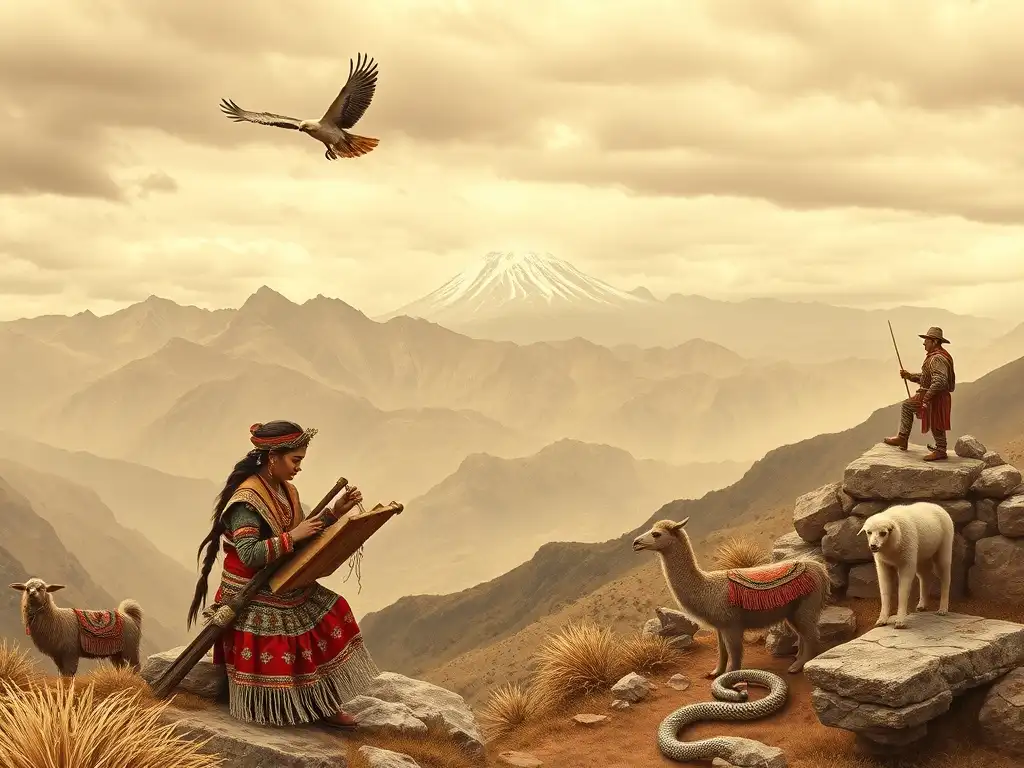
This section provides a comparative overview of top-rated online courses focusing on Andean mythology, catering to diverse learning styles and interests. We'll examine course content, teaching methodologies, and overall value, helping you choose the best fit for your exploration of Andean folklore and beliefs. The burgeoning interest in "Andean mythology online courses" reflects a growing global appreciation for this rich cultural heritage. Our analysis considers factors crucial for effective online learning, ensuring you find a course that effectively transmits the intricacies of Andean spiritual beliefs.
Andean Cosmovision: Exploring the Inca Worldview
Understanding Inca cosmology is fundamental to grasping their mythology. Many online courses dedicated to "Andean mythology online courses" begin with an exploration of the Inca worldview, often using a combination of textual analysis of surviving chronicles and archaeological evidence. A strong course will delve into the concept of Pachamama, the Earth Mother, and her significance in Inca daily life and religious practices. The interplay between the hanan pacha (upper world), kay pacha (present world), and ukhu pacha (underworld) is a crucial element often explored through detailed diagrams and interactive exercises.
Furthermore, effective courses will discuss the Inca pantheon, highlighting major deities like Inti (the sun god), Viracocha (the creator god), and Mama Killa (the moon goddess). The role of these deities in Inca mythology, their associated rituals, and their representation in art and architecture are critical components of a comprehensive understanding. Expect a thorough investigation into the huacas, sacred places imbued with spiritual power, and their importance in the Inca religious landscape.
Finally, a good course will analyze how Inca beliefs shaped their social structures, political systems, and agricultural practices, demonstrating the pervasive influence of their cosmology on all aspects of their civilization. The best courses will go beyond simple descriptions, offering analyses of scholarly interpretations and debates surrounding Inca religious beliefs.
Shamanic Practices of the Andes: Rituals and Healing
Shamanism plays a pivotal role in Andean mythology and continues to influence contemporary Andean cultures. High-quality online courses on "Andean mythology online courses" will dedicate significant time to exploring these practices. The role of the yachaq (shaman) as a spiritual healer and intermediary between the worlds is a central theme. These courses often incorporate visual aids, such as depictions of shamanic rituals from archaeological sites and ethnographic studies.
Expect detailed explanations of shamanic techniques, including the use of hallucinogenic plants like ayahuasca (though always emphasizing responsible and ethical considerations regarding their use). The courses may cover specific rituals, such as paqos (ceremonies involving offerings and prayers to deities) and their significance in maintaining balance and harmony within the community. The connection between shamanic practices and Andean healing traditions, incorporating herbal remedies and other natural methods, is another key area of focus.
Effective courses will differentiate between various Andean shamanic traditions, acknowledging regional variations and diverse spiritual practices across different Andean communities. A nuanced understanding of the ethical implications of studying and representing these practices is also crucial.
Andean Storytelling: The Art of Oral Tradition
Oral tradition is the lifeblood of Andean mythology. Many legends, myths, and beliefs have been passed down through generations via storytelling. Successful "Andean mythology online courses" recognize this by incorporating analysis of Andean storytelling techniques and their cultural significance. Courses may examine specific myths and legends, providing detailed narratives and exploring their underlying meanings and symbolism.
These courses often utilize audio recordings of traditional Andean storytelling, allowing students to experience the rhythm and cadence of the original narratives. The analysis of these stories will often focus on recurring motifs, characters, and themes, revealing common threads that connect seemingly disparate narratives. The use of visual aids, such as illustrations from ancient pottery or textiles depicting mythological scenes, can significantly enhance the learning experience.
Furthermore, a strong course will connect the stories to the wider context of Andean history and culture, illuminating how these narratives reflect the values, beliefs, and experiences of the Andean peoples. The course should also address the challenges of preserving and interpreting oral traditions in a rapidly changing world. The preservation of these stories is crucial for maintaining cultural heritage and understanding the rich tapestry of Andean mythology.
How to Choose the Right Andean Mythology Course for You
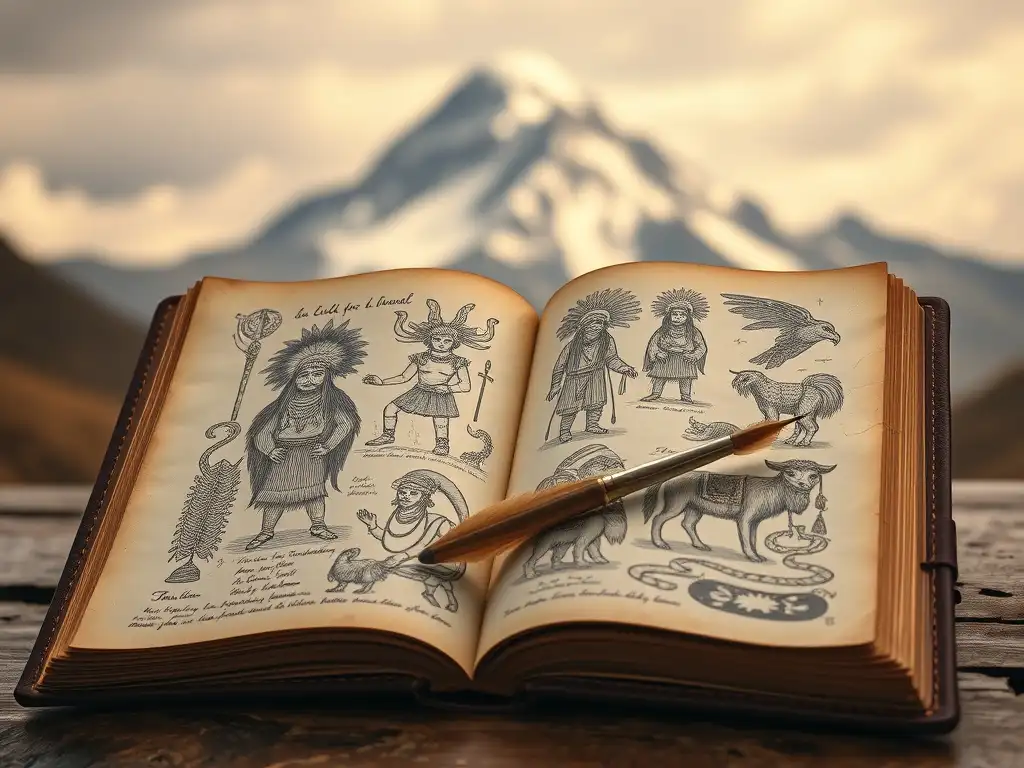
Choosing the right online course on Andean mythology can significantly impact your learning experience. Navigating the plethora of options available requires careful consideration of several key factors. This section will guide you through the process, ensuring you select a course that aligns perfectly with your needs and aspirations. We'll explore how to define your learning goals, assess your learning style, and evaluate the instructor's expertise, all crucial aspects of finding the ideal Andean mythology online course. Remember, investing time in research upfront will pay dividends in a richer and more fulfilling learning journey.
Defining Your Learning Goals: What Aspects of Andean Mythology Interest You Most?
Before diving into course comparisons, pinpoint your specific interests within the vast realm of Andean mythology. Do you want a broad overview encompassing various Andean cultures like the Inca, Moche, Nazca, and Tiwanaku mythologies? Or are you focused on a specific deity, like Viracocha or Pachamama? Perhaps you're interested in the cosmological aspects, the narratives surrounding creation myths, or the rituals and ceremonies associated with Andean beliefs?
Defining these interests will help you filter through available courses and select one that directly addresses your learning objectives. For example, a course focusing solely on Inca mythology might not be suitable if your primary interest lies in the cosmology of the Nazca.
Consider these questions to help refine your goals:
- What specific Andean culture(s) are you most interested in?
- Are you interested in specific mythological figures or narratives?
- Do you want to explore the symbolism and iconography of Andean mythology?
- Are you interested in the relationship between Andean mythology and Andean art and architecture?
- What practical application are you hoping to gain from studying Andean mythology (e.g., better understanding of Andean art, improved interpretation of ancient texts)?
Assessing Your Learning Style: Interactive vs. Lecture-Based Courses
Your personal learning style significantly influences your ability to absorb and retain information. Are you a visual learner who thrives on engaging visuals and interactive elements? Or do you prefer a more traditional lecture-based approach with detailed textual content? Andean mythology online courses are offered in various formats, catering to diverse learning styles.
Some courses may heavily rely on video lectures, supplemented by downloadable reading materials. Others might incorporate interactive elements such as quizzes, discussions forums, and even virtual field trips (though these are less common for specialized subjects like Andean mythology). Consider your preferences:
- Visual Learners: Look for courses rich in images, videos, and potentially 3D models of artifacts.
- Auditory Learners: Courses with audio lectures and podcasts might be more suitable.
- Kinesthetic Learners: While less common in online courses, some might offer interactive exercises or projects that involve hands-on activities (though this is unlikely to be the case for all courses).
- Reading/Writing Learners: Courses with comprehensive reading materials and opportunities for written assignments will be more beneficial.
Understanding your learning style helps you choose a course that optimizes your learning experience and promotes better knowledge retention. The most engaging course is the one that best suits your way of learning.
Course Instructor Expertise: The Importance of Credentials in Andean Studies
The credibility of the course instructor is paramount. A course taught by a recognized expert in Andean studies will offer a level of depth, accuracy, and insight that a less experienced instructor might not provide. Look for instructors with advanced degrees (Masters or PhD) in anthropology, archaeology, history, or related fields, with a specialization in Andean civilizations and mythology.
Check the instructor's publications, research experience, and affiliations with reputable academic institutions. A strong academic background ensures the course content is grounded in scholarly research and presents accurate interpretations of Andean mythology, avoiding potentially misleading or inaccurate information. Look for instructors who are not only knowledgeable but also passionate about their subject, as this enthusiasm often translates to a more engaging and enriching learning experience.
The quality of instruction directly influences the value and reliability of the knowledge you gain. Don't hesitate to research the instructor's background before enrolling. A well-qualified instructor is a cornerstone of a successful learning experience in the fascinating realm of Andean mythology.
Budget Considerations for Online Andean Mythology Education
Choosing the right online course on Andean mythology often involves careful consideration of your budget. The cost of these courses can vary significantly, depending on several factors. Some platforms offer free introductory courses or modules, providing a valuable opportunity to sample the content before committing to a paid program. These free options are excellent for those new to the subject or wishing to explore different teaching styles before investing financially. However, the depth and breadth of these free courses might be limited compared to paid options.
Paid courses, on the other hand, usually offer more comprehensive curricula, access to instructors, and potentially extra resources like downloadable materials or community forums. The price range for these paid courses can be quite broad, ranging from a few tens of dollars for shorter, more focused courses to hundreds of dollars for extensive programs spanning multiple months. Factors influencing the price include the course length, the instructor's reputation, the inclusion of supplementary materials, and the level of individual support offered.
Before enrolling, it's crucial to compare the cost per credit hour or per module with the overall value you expect to receive. Consider the course content, the qualifications of the instructor, and the potential career benefits or personal enrichment the course may offer. A more expensive course might be justified if it provides a significantly higher quality of education, more personalized attention, or access to unique resources. Remember to factor in any additional expenses, such as purchasing textbooks or software, which could add to the overall cost.
Carefully evaluating your budget and aligning it with the course's value proposition is essential for a successful learning experience. Don't hesitate to look for scholarships or financial aid options specifically designed for online learning, as these might significantly reduce the overall financial burden. A smart approach to budgeting will ensure that your investment in Andean mythology education is both worthwhile and manageable.
Beyond the Courses: Complementary Resources for Andean Mythology Studies

This section delves into resources beyond our recommended online courses, offering further avenues to explore the fascinating world of Andean mythology. These complementary materials provide deeper insights into the rich tapestry of Andean beliefs and legends, enhancing your understanding beyond the structured learning environment of online courses. We've categorized these resources for easier navigation. Embark on this enriching journey to uncover the hidden stories and profound wisdom of the Andes!
Recommended Books on Andean Folklore and Beliefs
Exploring Andean mythology requires delving into scholarly works and engaging narratives. Here are some recommended books offering diverse perspectives on Andean folklore and beliefs:
- "The Inca" by John Hemming: A classic and comprehensive work providing deep historical context, crucial for understanding the Inca's worldview and its influence on mythology. Hemming's detailed research offers a nuanced perspective on Inca beliefs and practices.
- "Andean Cosmologies Through Time" edited by Marisol de la Cadena: This collection of essays presents diverse interpretations of Andean cosmologies, moving beyond simplistic narratives and highlighting the complexities of Andean worldviews. It's an excellent resource for advanced studies.
- "Myth and Ritual in the Andes" by Robert T. Zuidema: Zuidema's work provides a detailed analysis of Inca ritual practices and their connection to their mythological narratives. His meticulous research offers crucial insights into the symbolic significance of Inca ceremonies.
- "The Mythology of the Andes" by [Author's name pending]: This entry requires further research to identify a suitable book specifically titled "The Mythology of the Andes." The inclusion of such a title would provide a more focused resource for readers interested in a dedicated mythology overview.
Online Articles and Journals on Andean Mythology
The digital age offers readily accessible scholarly articles and journal publications on Andean mythology. While specific titles are constantly evolving, several reputable sources consistently publish relevant research:
- Journals focusing on Andean Studies: Many academic journals dedicated to Latin American studies, anthropology, and archaeology frequently publish articles on Andean mythology. Searching databases like JSTOR and Project MUSE using keywords like "Andean mythology," "Inca religion," and "pre-Columbian cosmology" will yield relevant results.
- Online Databases: Databases like EBSCOhost and ProQuest offer access to a wide range of scholarly articles on Andean cultures, including those focusing on mythology and religious beliefs. These databases are often accessible through university libraries or subscription services.
- Digital Archives: Several digital archives preserve primary sources, such as colonial chronicles and ethnographic accounts, which offer valuable insights into Andean beliefs. These primary sources often provide a more direct connection to the historical understanding of Andean mythology, although careful critical analysis is necessary.
Documentaries and Films Exploring Andean Culture
Documentaries and films provide a visually engaging way to understand the context of Andean mythology. While specific titles may change, searching for documentaries focusing on Andean cultures will reveal valuable resources:
- Focus on Rituals and Ceremonies: Look for films that depict contemporary Andean practices, such as festivals and rituals, as these often contain elements directly related to their mythological beliefs. Observing these practices provides a deeper understanding of how mythology is lived and expressed today.
- Archaeological Discoveries: Documentaries focusing on archaeological excavations and discoveries related to Andean civilizations often shed light on the material culture associated with their beliefs, providing visual context to the mythological narratives.
- Expert Interviews: Films that include interviews with anthropologists, archaeologists, and experts on Andean cultures can offer valuable insights into the interpretation and understanding of Andean mythology. These perspectives are crucial in navigating the complexities of interpreting ancient beliefs within a contemporary context.
This curated selection of resources aims to supplement your learning journey, providing a rich and multifaceted understanding of Andean mythology. Remember that continuous exploration and critical engagement are key to appreciating the depth and complexity of these ancient belief systems. Happy exploring! 🎉
Enhance Your Understanding of Andean Civilizations Through Mythology
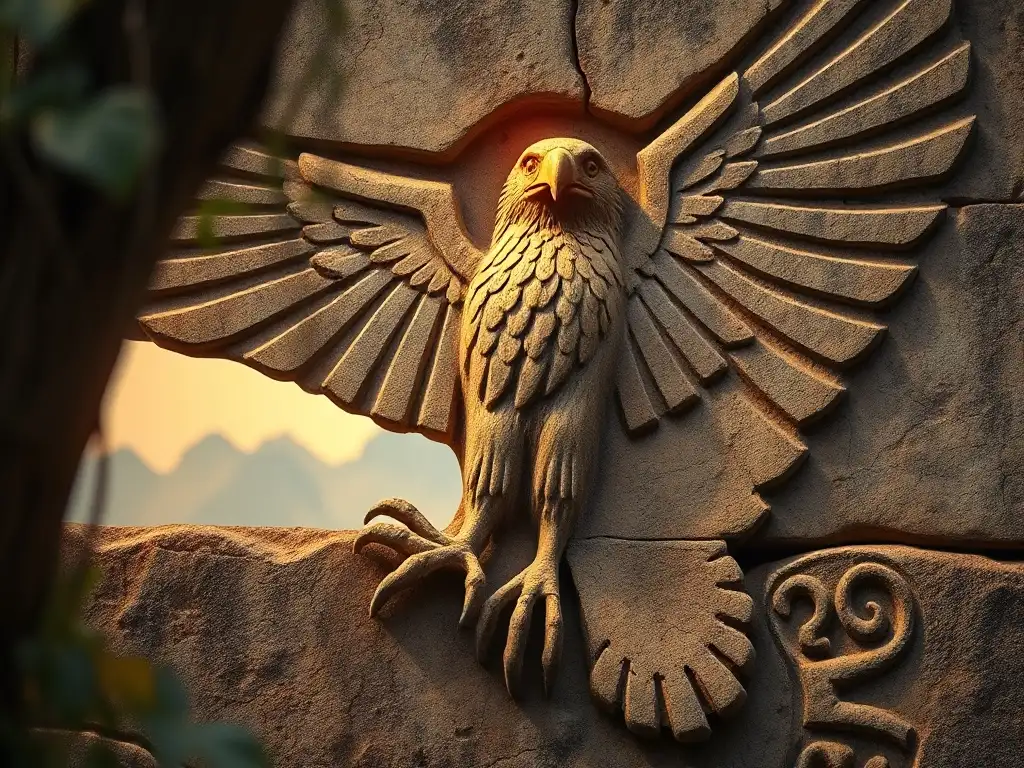
This section delves into the fascinating world of Andean mythology and its profound influence on the development and expression of ancient Andean societies. Understanding their belief systems is crucial to comprehending the art, architecture, social structures, and daily lives of these remarkable civilizations. By exploring Andean mythology online courses, you gain access to a wealth of knowledge that illuminates the complexities of these cultures.
The rich tapestry of myths, legends, and rituals offers a captivating lens through which to examine the ingenuity and spiritual depth of these ancient peoples. We'll explore how these beliefs shaped their world, leaving behind a legacy that continues to inspire awe and wonder.
The Connection Between Andean Mythology and Art
Andean mythology is inextricably linked to its artistic expressions. Many artifacts, from intricately woven textiles to monumental sculptures, directly depict mythological figures and scenes. For instance, the Moche culture, known for its exquisite pottery, frequently showcased scenes from their mythology, often involving powerful deities, mythical creatures, and dramatic narratives.
These depictions weren't merely decorative; they served as powerful visual representations of their beliefs, reinforcing their cosmology and worldview. The vibrant colors and dynamic compositions of Moche ceramics vividly portray the intensity and significance of their mythological stories. Similarly, Nazca lines, though their precise purpose remains debated, are often interpreted as having a cosmological or ritual significance, potentially linked to celestial events and mythological figures.
Analyzing Andean art through the lens of its mythology reveals a deeper understanding of the cultural significance imbued within these creations. The intricate details and symbolic language embedded within these artworks provide invaluable insights into the beliefs and values of the Andean civilizations. Studying Andean mythology online courses provides a framework for interpreting the symbolic language prevalent in their artistic output.
Andean beliefs significantly shaped their social structures and political systems. The Inca Empire, for example, maintained a complex hierarchical system rooted in their religious beliefs. The Sapa Inca, considered a descendant of the sun god Inti, held absolute power, legitimized by his divine lineage.
This divine right to rule permeated all aspects of Inca society, influencing everything from agricultural practices to warfare. The intricate system of ayllus, kinship-based communities, was also interwoven with their religious beliefs, with rituals and ceremonies playing a crucial role in maintaining social cohesion and order. Other Andean cultures, like the Tiahuanaco, also displayed complex social structures influenced by their religious cosmology.
The power of priests and religious leaders often rivaled that of secular rulers, highlighting the central role of religion in their societies. Understanding these connections provides a more nuanced perspective on the political dynamics and social organization of these ancient civilizations. Exploring the impact of Andean beliefs on their social structures through dedicated online courses offers a comprehensive understanding of the intricate relationship between religion and power.
Preserving Andean Heritage Through Education and Awareness
Preserving Andean heritage requires a multifaceted approach, with education and awareness playing a pivotal role. By promoting access to information about Andean mythology and culture, we can foster a deeper appreciation for these rich traditions. Andean mythology online courses offer a valuable tool for disseminating this knowledge to a wider audience, making it accessible to students, researchers, and anyone interested in learning more about these fascinating civilizations. Furthermore, supporting initiatives that promote the preservation of archaeological sites and cultural artifacts is crucial.
These tangible remnants of the past provide invaluable insights into the lives and beliefs of the Andean people. Educating future generations about the significance of these sites and artifacts helps ensure their protection and appreciation for years to come. The continued study and dissemination of knowledge about Andean mythology and culture are essential for preserving this invaluable heritage and ensuring its relevance for future generations.
The availability of engaging and accessible online courses is a significant step towards achieving this goal. The preservation of Andean heritage is not just an academic pursuit; it’s a vital step in ensuring cultural diversity and understanding. 🌎
Start Your Journey into Andean Mythology Today
Embark on a captivating exploration of Andean mythology, a vibrant tapestry woven from centuries of beliefs, rituals, and stories passed down through generations. This rich heritage, encompassing the Incas, Moche, Nazca, and Tiahuanaco cultures, offers a unique window into the worldview and spiritual practices of these fascinating civilizations. Understanding Andean mythology provides invaluable context to appreciating their art, architecture, and social structures. We'll delve into the complexities of their cosmology, the roles of their deities, and the narratives that shaped their lives.
From the creator god Viracocha to the mischievous mountain spirits, the Andean pantheon is diverse and fascinating, a testament to the ingenuity and spiritual depth of these ancient societies. Prepare to uncover a world of myths and legends that continue to resonate today. This is more than just learning about history; it's about connecting with a living legacy.
Access Exclusive Discounts on Andean Mythology Online Courses
Unlock exclusive discounts on our curated selection of online courses dedicated to Andean mythology. These courses cater to all levels of expertise, from beginner enthusiasts to seasoned scholars. We offer a variety of learning styles, including interactive lectures, engaging video presentations, and downloadable supplementary materials. Our current promotions include:
- 20% off for early bird registrations on our comprehensive "Introduction to Andean Mythology" course. This course provides a foundational understanding of key concepts and figures.
- 15% off for students and educators who register for our specialized course on "Inca Cosmology and Ritual Practices".
- Buy-one-get-one-free offer on our popular "Myths and Legends of the Nazca Lines" and "Moche Iconography and Mythology" courses when purchased together.
Don't miss this opportunity to delve deeper into the fascinating world of Andean mythology at an affordable price. These limited-time offers are designed to make engaging with this rich cultural heritage accessible to everyone. Seize this chance to enhance your knowledge and understanding of Andean civilizations. We regularly update our course catalog, so check back often for new offerings and promotions!
Enroll Now and Explore the Magic of Ancient Andean Traditions
Our online courses provide a unique and engaging learning experience. We've designed them to be accessible, informative, and enjoyable. Here's what sets our courses apart:
- Expert Instructors: Learn from leading academics and specialists in Andean studies, ensuring accurate and insightful instruction.
- Interactive Learning: Engage with the material through quizzes, discussions, and interactive exercises, fostering deeper comprehension and knowledge retention.
- Flexible Scheduling: Learn at your own pace, fitting your studies into your busy schedule. Access course materials anytime, anywhere.
- Community Engagement: Connect with fellow learners and share your insights and discoveries within a supportive online community.
- Comprehensive Curriculum: Each course covers a wide range of topics, from the creation myths to the beliefs surrounding death and the afterlife, providing a holistic understanding of Andean spiritual life.
We believe learning should be an exciting journey, not a tedious task. Our courses are designed to be stimulating and rewarding, bringing the magic and wonder of Andean traditions to life. Enroll today and begin your transformative learning experience. Learn about the intricate symbolism embedded within Andean art, the captivating stories passed down through generations, and the enduring influence of these ancient beliefs on contemporary Andean cultures.
Your Path to Understanding Andean Civilizations Starts Here
Unlocking the secrets of Andean mythology is a key to understanding the broader context of these remarkable civilizations. By exploring their beliefs and spiritual practices, we gain a deeper appreciation for their art, architecture, social structures, and daily life. Our online courses are designed to be more than just a collection of facts; they are a gateway to experiencing the richness and complexity of Andean culture. We encourage active participation and critical thinking, prompting you to draw your own conclusions and form your own interpretations.
This journey of discovery will not only expand your knowledge but also enrich your understanding of human history and the diverse ways in which people have interacted with the world around them. The Andean worldview, with its intricate cosmology and profound spiritual beliefs, offers valuable insights into the human condition and the enduring power of myth and legend. Join us and embark on this enriching adventure into the heart of Andean civilization. Let the ancient wisdom of the Andes inspire and enlighten you.
Frequently Asked Questions
What online courses are available to learn about Andean mythology?
Several online courses explore Andean mythology, focusing on different civilizations like the Inca, Moche, and Nazca. Look for courses on platforms like Coursera, edX, or FutureLearn. Search specifically for "Andean mythology" or "Inca mythology."
Are these courses suitable for beginners with no prior knowledge?
Yes, many beginner-friendly courses are available. They often start with the basics of Andean cultures before diving into complex mythological themes. Look for course descriptions that mention introductory levels or no prior knowledge requirements.
What topics are typically covered in Andean mythology online courses?
Courses usually cover creation myths, deities, rituals, and the significance of symbols and animals in different Andean cultures. They might also explore the relationship between mythology and daily life. Expect diverse perspectives and interpretations.
How can I find reputable online courses on Andean mythology?
Look for courses offered by renowned universities or institutions specializing in anthropology, archaeology, or Latin American studies. Check reviews and ratings from previous students before enrolling. Consider the instructor's expertise and the course curriculum.
What are the benefits of taking an online course on Andean mythology?
Online courses offer flexible learning, allowing you to study at your own pace. You can access a wealth of information conveniently and learn from experts in the field, expanding your understanding of Andean folklore and beliefs. You can also engage with fellow learners.
Final Reflection: Weaving the Threads of Andean Wisdom
The vibrant tapestry of Andean mythology, once confined to whispered stories around crackling fires, is now readily accessible through the digital realm. This democratization of knowledge offers unprecedented opportunities to connect with ancient wisdom and understand the enduring power of cultural heritage. The ease of access to online courses, however, also necessitates a thoughtful approach to ensure respectful engagement and responsible dissemination of this rich tradition.
The impact of Andean mythology extends far beyond the classroom; its influence on contemporary art, literature, and even environmental activism is undeniable. The cyclical understanding of time, the deep reverence for Pachamama (Mother Earth), and the intricate narratives of gods and heroes continue to resonate, shaping perspectives and inspiring action. The stories we tell ourselves shape the world we live in.
This quote rings true when considering the enduring power of Andean myths to inform our understanding of the world and our place within it. Their continued relevance underscores the importance of preserving and sharing these narratives for future generations.
Consider the stories you've encountered within this rich tradition. How have they challenged your perspectives? What echoes of these ancient beliefs can you find in your own life, your community, or the world around you? I invite you to actively engage with Andean mythology, not just as a subject of study, but as a living, breathing tradition that holds valuable lessons for navigating the complexities of the modern world. Let the wisdom of the Andes inspire you to connect with the earth, honor your heritage, and weave your own unique narrative into the ongoing story of humanity.
Unveil the Mysteries of Andean Mythology!
Thank you for exploring the rich tapestry of Andean mythology and legends with us! We hope you've gained valuable insights into these fascinating belief systems. Ready to delve even deeper?
Here are a few ways to further immerse yourself in the wonders of Andean civilization:
- Enroll in one of our engaging online courses to deepen your understanding of Andean myths and the cultures that created them.
- Join our online community to connect with fellow enthusiasts and share your thoughts on the stories that resonate most with you.
- Explore the interactive resources on our website for a unique and engaging experience that brings these legends to life.
What's your favorite Andean myth or legend, and how has it impacted your worldview? We'd love to hear your thoughts!