
Beyond Potatoes: Discover the Forgotten Tubers of the Andes and How to Cook Them

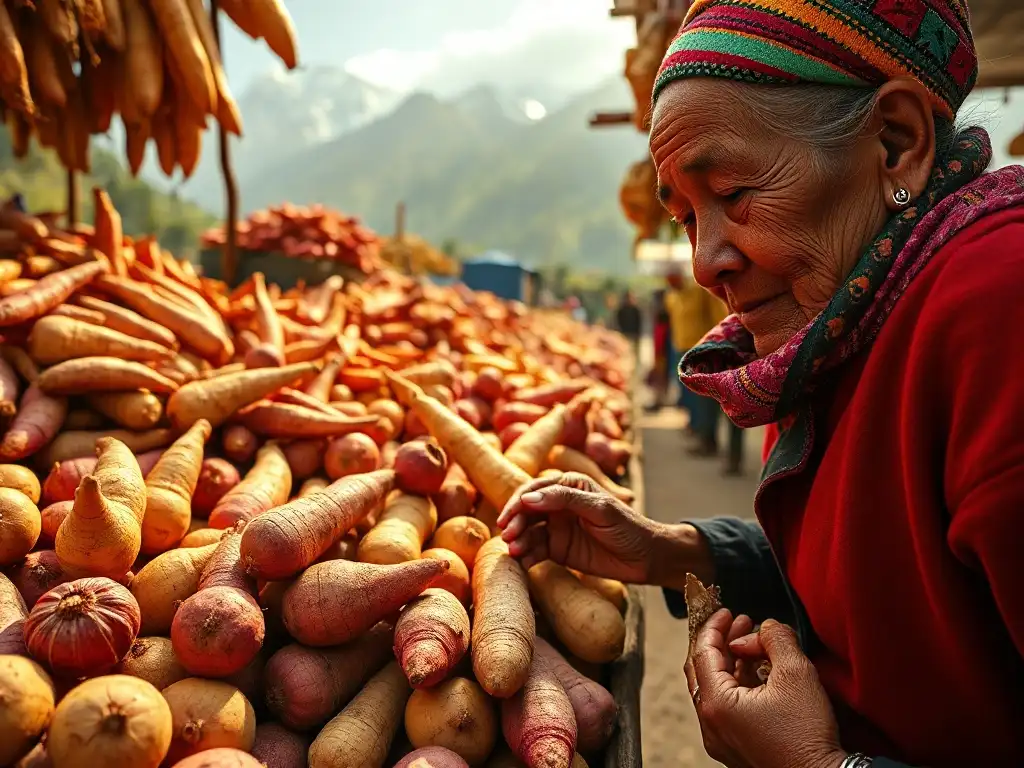
Step into a world lost in time, where towering mountain ranges cradled empires of breathtaking ingenuity. Imagine a culinary landscape far beyond the humble potato... This is the realm of the Andean civilizations, and we invite you to uncover their secrets. Prepare to be amazed by the diverse tapestry of their culture, art, and technology, but especially by the forgotten Andean tubers and the fascinating Andean tubers cooking methods that sustained them. Dare to explore the rich history behind these incredible ingredients—your culinary journey begins now!
The Andes Mountains, a majestic spine running down the western coast of South America, are famed for their breathtaking landscapes and the incredible civilizations that once thrived there. While the potato reigns supreme as the iconic Andean staple, a vast and diverse world of other tubers remains largely unknown outside the region. This article delves into the fascinating world of lesser-known Andean tubers, exploring their history, nutritional benefits, and, most importantly, how to prepare them in delicious and authentic ways.
We'll uncover the culinary secrets passed down through generations, providing you with the knowledge and recipes to bring the rich flavors of the Andes into your own kitchen. Prepare to expand your culinary horizons and discover a treasure trove of taste and nutrition often overlooked in discussions of Andean cuisine.
This journey will equip you with practical cooking methods to master these incredible ingredients and unlock a deeper appreciation for the vibrant culinary heritage of the Andes. Get ready to explore the fascinating world of Andean tubers and elevate your cooking to new heights!
Introduction: Unearthing the Culinary Treasures of the Andes
The Andean region boasts an astonishing biodiversity, and this is especially evident in its incredible variety of tubers. While the potato rightfully claims its place as a global food icon, originating in the Andes, many other equally nutritious and delicious tubers have remained largely undiscovered by the wider world. These "forgotten" tubers, cultivated for millennia by Andean communities, offer a unique culinary experience, boasting diverse textures, flavors, and nutritional profiles.
From the earthy sweetness of oca to the slightly nutty taste of ulluco, these tubers represent a vital part of Andean culinary heritage and a compelling culinary adventure waiting to be explored. This exploration will not only introduce you to these fascinating ingredients but will also provide practical cooking techniques to help you incorporate them into your everyday meals. We’ll move beyond the familiar potato and uncover the secrets to unlocking the full potential of these Andean culinary treasures.
Understanding Andean Tubers: A Culinary Journey
This section will provide a detailed overview of different Andean tubers, their characteristics, and their culinary applications. We will explore their unique properties and offer practical advice on how to best utilize them in your cooking.
What are Andean Tubers? Exploring Beyond the Familiar
The Andes are home to a wide array of tubers beyond the potato, each with its own distinct characteristics and culinary uses. Some of the most notable include:
- Oca ( Oxalis tuberosa): Known for its slightly sweet and tangy flavor, oca comes in a variety of colors, from creamy white to vibrant red and even deep purple. Its texture is crisp and slightly tart, making it ideal for salads, roasted dishes, or even pickled preparations.
- Ulluco ( Ullucus tuberosus): Ulluco boasts a unique, slightly nutty flavor and a firm, waxy texture. Its color ranges from pale yellow to deep orange and even purplish hues. It can be boiled, steamed, or roasted, and its mild flavor pairs well with various spices and herbs.
- Mashua ( Tropaeolum tuberosum): This tuber has a slightly spicy and peppery flavor, with a crisp texture when cooked. Mashua is often used in salads, stews, or as a side dish. It's known for its distinctive slightly pungent taste.
- Yacon ( Smallanthus sonchifolius): Unlike other tubers on this list, yacon has a sweet and juicy texture, almost like a cross between a pear and a sweet potato. It's often consumed raw or used in desserts and juices due to its naturally sweet taste.
- Aña ( Calceolaria crenatifolia): Aña has a slightly bitter taste, and it is often boiled or roasted. It's not as widely known as other tubers but holds an important place in some regional cuisines.
Nutritional Powerhouses: The Health Benefits of Andean Tubers
Beyond their culinary appeal, Andean tubers are nutritional powerhouses, packed with essential vitamins, minerals, and antioxidants. Many are excellent sources of carbohydrates, providing sustained energy, and are also rich in fiber, contributing to digestive health. They often contain significant amounts of Vitamin C, potassium, and other micronutrients crucial for overall well-being. Further research is needed to fully quantify the nutritional benefits of each tuber, but preliminary studies suggest significant potential health advantages, highlighting their role in a balanced and healthy diet. The diversity of these tubers also contributes to food security and dietary diversity in the Andean region.
Andean Tubers Cooking Methods: A Step-by-Step Guide
Understanding how to cook Andean tubers unlocks a world of culinary possibilities. These methods go beyond simple boiling, revealing the unique textures and flavors hidden within each variety. From the earthy sweetness of oca to the slightly nutty taste of ulluco, mastering these techniques allows you to truly appreciate the diversity of Andean cuisine. This guide will equip you with the knowledge and confidence to prepare these incredible ingredients in your own kitchen.
We'll explore various cooking methods, emphasizing techniques passed down through generations of Andean cooks. Remember that the cooking time will vary depending on the size and type of tuber, so always check for doneness with a fork. Don't be afraid to experiment and find your own preferred methods! The beauty of Andean cooking lies in its adaptability and the celebration of fresh, seasonal ingredients.
Preparing Your Andean Tubers: Essential First Steps
Before you begin cooking, proper preparation is crucial. Most Andean tubers benefit from a thorough scrubbing under cold running water to remove any clinging soil. A vegetable brush can be particularly helpful for removing stubborn dirt. For tubers with tough outer skins, like mashua, peeling might be necessary. However, many, such as oca and ulluco, can be cooked with their skins on, adding both flavor and nutrients.
After washing and peeling (if needed), you can choose to cut the tubers into smaller, more manageable pieces depending on the cooking method you've selected. Smaller pieces will cook faster, while larger pieces are ideal for roasting or boiling whole. Remember to always handle the tubers with care to avoid bruising. Bruising can affect both the taste and texture of the final dish.
The Art of Boiling Andean Tubers: A Simple Yet Effective Method
Boiling is a classic and versatile method for preparing Andean tubers. It's a great way to preserve the natural flavors and textures, making it an excellent starting point for many dishes. Bring a pot of salted water to a rolling boil. Add your prepared tubers and cook until tender, typically 15-25 minutes depending on the size and type of tuber.
You can test for doneness by piercing a piece with a fork; it should easily slide through. Once cooked, immediately drain the tubers and rinse them under cold water to stop the cooking process and prevent them from becoming mushy. Boiled tubers are perfect as a side dish, or they can be used as a base for purees, soups, or stews. Adding herbs or spices to the boiling water can also infuse the tubers with extra flavor.
Roasting Andean Tubers: Unlocking Deeper Flavors
Roasting brings out the natural sweetness and intensifies the flavors of Andean tubers. Preheat your oven to 400°F (200°C). Toss the prepared tubers with olive oil, salt, pepper, and any other desired herbs or spices (such as paprika, cumin, or oregano). Spread them in a single layer on a baking sheet and roast for 20-30 minutes, or until tender and slightly caramelized.
Roasting creates a delightful texture that is both soft and slightly crispy on the edges. Roasted Andean tubers make a fantastic side dish, or they can be incorporated into salads, grain bowls, or even used as a flavorful addition to stews and casseroles. Experiment with different herbs and spices to discover your favorite flavor combinations.
Frying and Sautéing Andean Tubers: Creating Crispy Delights
For a crispy and satisfying treat, frying or sautéing Andean tubers is a great option. Cut the tubers into small, even pieces to ensure even cooking. For frying, heat a generous amount of oil in a deep pan or wok to 350°F (175°C). Carefully add the tubers and fry until golden brown and crispy, about 5-7 minutes, stirring occasionally.
For sautéing, heat a smaller amount of oil in a pan over medium heat. Add the tubers and cook until tender and slightly browned, about 8-10 minutes, stirring frequently. Fried or sautéed Andean tubers can be enjoyed as a snack or appetizer, or they can be incorporated into stir-fries, salads, or other dishes. Remember to drain the fried tubers on paper towels to remove excess oil.
Making Andean Tubers into Purees and Soups: Creamy and Comforting Dishes
Andean tubers are perfect for creating creamy and comforting purees and soups. Boiled tubers are the ideal starting point. Once boiled and cooled slightly, blend them using an immersion blender or a regular blender until smooth and creamy. Season to taste with salt, pepper, and any other desired herbs or spices. For soups, add broth or stock to the puree and simmer for a few minutes to combine the flavors.
You can also add other vegetables, beans, or meats to create a hearty and nutritious meal. Pureed Andean tubers can also be used as a base for sauces, or they can be served as a side dish alongside roasted meats or fish. The possibilities are endless! Consider adding a touch of cream or milk for extra richness and creaminess.
- Introduction: Unearthing the Culinary Treasures of the Andes
- Understanding Andean Tubers: A Culinary Journey
- Andean Tubers Cooking Methods: A Step-by-Step Guide
Recipes and Culinary Inspirations: Bringing Andean Flavors to Your Kitchen
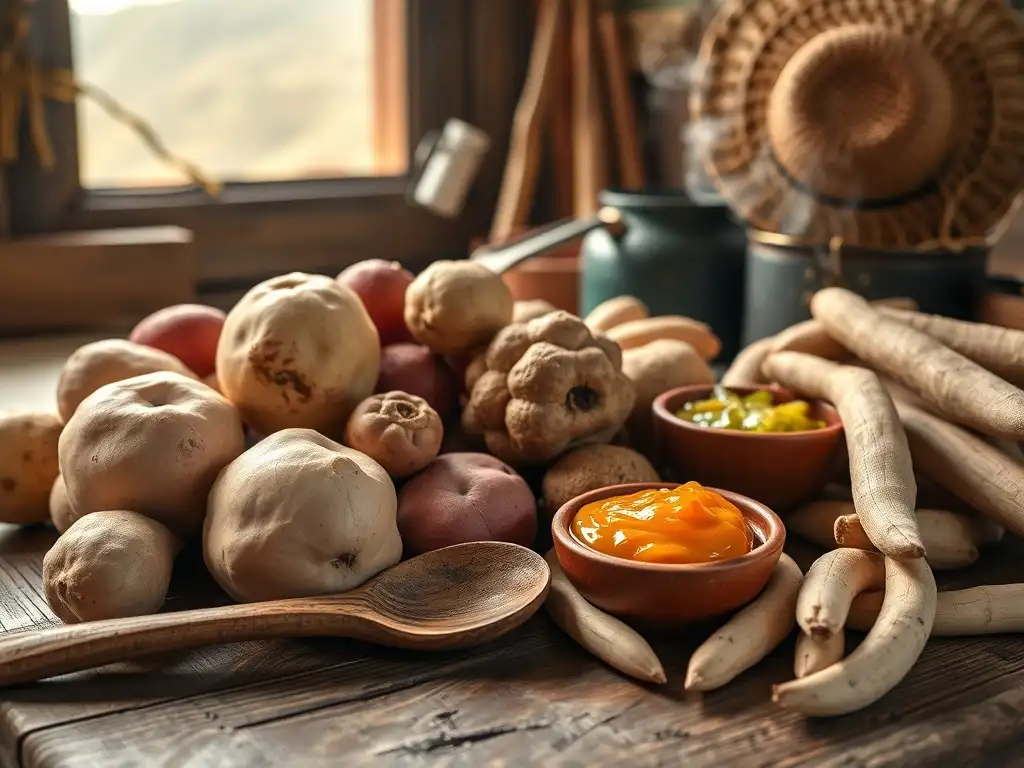
This section delves into the diverse world of Andean tubers beyond the ubiquitous potato, exploring traditional cooking methods and offering modern culinary interpretations. We'll uncover the secrets to preparing these nutritious and flavorful ingredients, transforming your kitchen into a vibrant Andean culinary experience. Mastering these techniques will allow you to authentically recreate the tastes of the Andes in your own home. Let's embark on a culinary journey through time, exploring the rich history and modern applications of Andean tubers in cooking. This exploration will focus on practical methods and recipes, enriching your understanding of Andean tubers cooking methods.
Traditional Andean Recipes: Authentic Dishes to Try
Traditional Andean cooking often centers around simple yet flavorful preparations that highlight the natural tastes of the ingredients. Many recipes have been passed down through generations, showcasing ingenuity and resourcefulness in utilizing readily available tubers. Here are a few examples:
- Oca Stew (Chuño de Oca): This hearty stew features oca, a slightly sour tuber, often prepared by freeze-drying (chuño). The process concentrates the flavor and creates a unique texture. The stew typically includes other Andean ingredients like quinoa, herbs, and spices, resulting in a comforting and nutritious meal. The exact recipe varies regionally, reflecting the diverse culinary traditions across the Andes. Some versions incorporate beef or llama meat for added protein.
- Mashua Mash: Mashua, with its peppery bite, is often mashed and served as a side dish. The process is simple: boil the mashua until tender, then mash it with a bit of butter or oil and salt. This humble dish, however, offers a complex flavor profile that complements many Andean main courses. Some cooks add a touch of local cheese or herbs for an elevated experience.
- Arracacha Purée: Arracacha, a sweet and nutty tuber, is incredibly versatile. It can be boiled, roasted, or fried, but a smooth purée is particularly popular. This purée is often used as a base for soups or sauces, lending a creamy texture and subtle sweetness. Its versatility makes it a staple in many Andean kitchens. The delicate flavor pairs well with both savory and sweet dishes.
Modern Twists on Andean Cuisine: Experimenting with New Flavors
While honoring tradition is important, modern chefs are increasingly experimenting with Andean tubers, creating innovative dishes that showcase their versatility. This section explores how contemporary culinary techniques can enhance the inherent qualities of these often-overlooked ingredients.
- Roasted Arracacha Fries with Spicy Aji Amarillo Dip: Arracacha's naturally sweet flavor lends itself well to roasting. Cutting it into fries and roasting them until crispy results in a delicious and healthy alternative to traditional potato fries. A spicy aji amarillo dip provides a vibrant counterpoint to the sweetness of the arracacha. The contrast of textures and flavors creates a truly memorable dish.
- Oca and Quinoa Salad with a Citrus Vinaigrette: The slight sourness of oca complements the nutty flavor of quinoa beautifully. A vibrant citrus vinaigrette, incorporating lime or orange juice, adds a refreshing touch. This salad is a light yet satisfying option, showcasing the versatility of oca beyond traditional stews. Adding herbs like cilantro or parsley can further enhance the flavor profile.
- Mashua-Infused Pesto: The peppery kick of mashua can add an unexpected twist to classic pesto. Blending blanched mashua with basil, pine nuts, parmesan cheese, and olive oil creates a unique pesto with a distinctive Andean flavor. This pesto pairs well with pasta, grilled meats, or even spread on bread. It offers a sophisticated and flavorful way to incorporate mashua into modern cuisine. Experimenting with different herbs and nuts can lead to exciting variations.
The exploration of Andean tubers cooking methods continues to evolve, with chefs and home cooks alike discovering new and exciting ways to incorporate these nutritious and flavorful ingredients into their culinary creations. The possibilities are endless, and the journey of discovery is just beginning. 🥔😋
Where to Find Andean Tubers and Essential Cooking Tools
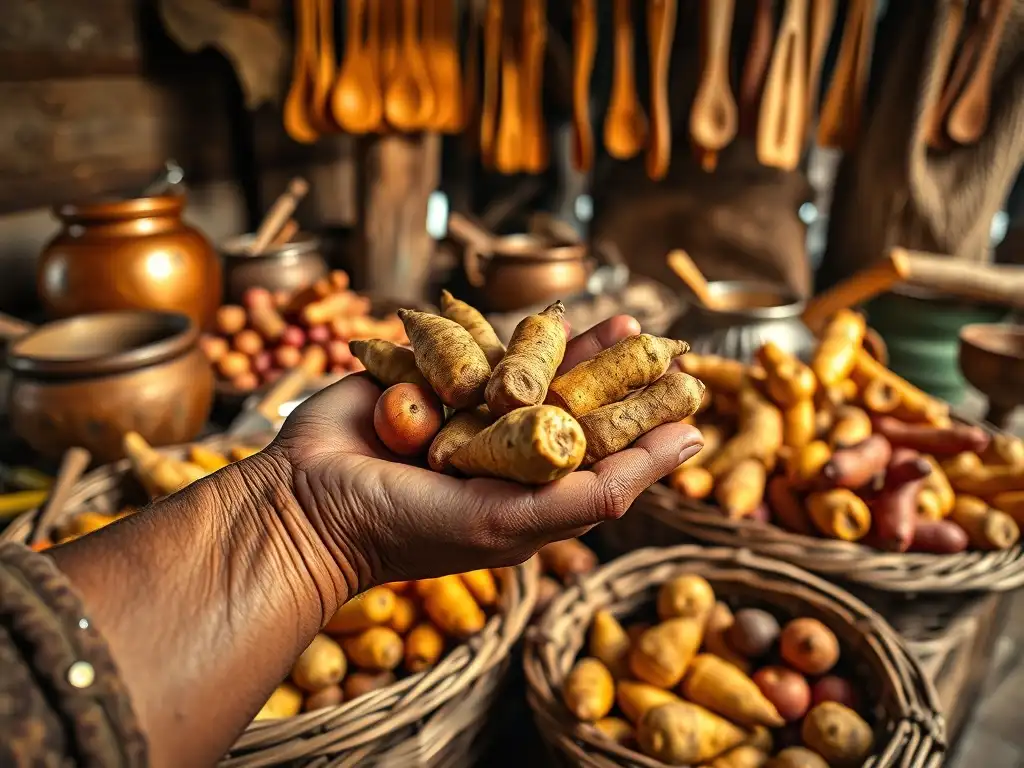
This section delves into the practical aspects of acquiring the ingredients and tools necessary to recreate authentic Andean tuber dishes at home. Successfully navigating the world of Andean cuisine begins with understanding where to source these unique ingredients and having the right equipment on hand.
Sourcing Quality Andean Tubers: Online and Local Options
Finding Andean tubers might seem daunting, but with a little research, you'll discover they are more accessible than you might think. The availability varies depending on your location, but several avenues exist to acquire these culinary treasures.
First, explore local Latin American markets and specialty grocery stores. These often cater to a diverse clientele and stock a wider variety of produce, increasing your chances of finding oca, mashua, añu, and other less-common Andean tubers. Don't hesitate to ask the vendors—their expertise can be invaluable. They can often provide tips on selecting the freshest, highest-quality tubers. Look for firm tubers with smooth skins, free from bruises or blemishes. Avoid any that feel soft or spongy, as this indicates spoilage.
For those without access to specialized markets, online retailers specializing in ethnic foods are a fantastic alternative. Many online stores now offer a curated selection of Andean tubers, shipped directly to your door. This expands your options considerably, allowing you to experiment with a broader range of varieties. However, carefully consider shipping costs and ensure the retailer has a strong reputation for timely and safe delivery. Checking reviews before ordering is crucial to guarantee a positive experience.
Remember that the seasonal availability of Andean tubers can fluctuate. Some tubers might be more readily available during specific times of the year, so be flexible and adapt your recipes accordingly. This seasonal variation adds another layer of authenticity to your culinary journey. Consider planning your meals around the availability of specific tubers to fully appreciate the nuances of Andean cuisine.
Essential Kitchen Tools for Andean Tuber Cooking: A Checklist
Cooking Andean tubers effectively requires a few key tools. While not all are strictly necessary, having them will significantly enhance your cooking experience and allow you to explore a wider range of cooking methods.
| Tool | Description | Importance Level | Notes |
|---|---|---|---|
| Large Pot | For boiling tubers. A heavy-bottomed pot ensures even heat distribution. | High | Essential for boiling and steaming methods. |
| Steamer Basket | For steaming tubers, preserving their nutrients and texture. | Medium | A great alternative or complement to boiling, especially for delicate tubers. |
| Sharp Knife | For peeling and chopping tubers. A good quality knife makes the preparation process much smoother and safer. | High | Essential for proper preparation. Consider a paring knife for smaller tubers. |
| Colander | For draining boiled or steamed tubers. | High | Crucial to remove excess water after cooking. |
| Wooden Spoon/Spatula | For stirring and mixing while cooking. Wooden utensils are less likely to scratch non-stick cookware. | Medium | Useful for preventing sticking and ensuring even cooking. |
| Mortar and Pestle (optional) | For preparing sauces and pastes from cooked tubers. | Low | Adds authenticity, especially when making traditional Andean sauces or accompaniments. |
Having this basic equipment will allow you to confidently prepare a variety of Andean tuber dishes. Remember, the more you experiment, the more you'll discover the unique flavors and textures these incredible tubers offer. Embrace the process and enjoy the journey of exploring authentic Andean cooking!
Frequently Asked Questions
What types of tubers besides potatoes were cultivated by Andean civilizations?
The Andes boasted a remarkable diversity of tubers! Beyond potatoes, important crops included oca, ulluco, mashua, and arracacha, each with unique flavors and nutritional properties. These were staple foods in various Andean cultures.
How did ancient Andean people prepare these tubers?
Ancient Andean cooking methods often involved simple techniques. Tubers were boiled, roasted, or sun-dried for preservation. More complex methods included fermentation and processing into flours or porridges.
What are some modern cooking methods for Andean tubers?
Modern cooks can explore a wide range of preparations. Many Andean tubers are delicious roasted, mashed, or used in soups and stews. They can also be incorporated into salads, fritters, or even desserts.
Are there any nutritional benefits to eating Andean tubers?
Yes! Andean tubers are generally nutrient-rich, offering good sources of carbohydrates, fiber, and vitamins. Many contain high levels of antioxidants and other beneficial compounds.
Where can I find Andean tubers to cook with?
While some tubers like potatoes are widely available, others might require seeking out specialty stores or farmers' markets. Increasingly, online retailers also offer a selection of these unique crops.
Final Reflection: Unearthing a Culinary Heritage
The vibrant tapestry of Andean cuisine, long overshadowed by the potato, holds a wealth of culinary treasures waiting to be rediscovered. These forgotten tubers, with their unique flavors and textures, represent not only a diverse culinary landscape but also a vital connection to a rich cultural heritage facing the challenges of modernization and globalization. Their preservation is crucial for both gastronomic exploration and the safeguarding of indigenous knowledge.
The journey through these lesser-known Andean tubers has been a personal revelation, highlighting the profound connection between food, culture, and identity. The sheer variety of these root vegetables, each with its own distinct preparation and culinary application, is breathtaking. Food is symbolic of love when words are inadequate.
- Alan D. Wolfelt. This quote resonates deeply, as the preservation and celebration of these tubers is a testament to the enduring love and respect for ancestral traditions. Their continued use ensures the survival of a culinary legacy, a living testament to the ingenuity and resilience of Andean communities.
Now, consider your own culinary landscape. What ingredients have you overlooked? What forgotten traditions might be waiting to be rediscovered in your own kitchen? I invite you to explore beyond the familiar, to embrace the diversity of ingredients available, and to appreciate the stories they hold. Let the vibrant flavors of the Andes inspire you to expand your culinary horizons and, in doing so, contribute to the preservation of a precious cultural heritage.
Thank you for exploring the fascinating world of Andean tubers with us! We hope you've discovered not only their rich history, but also their incredible culinary potential. Now, let's put that knowledge to good use!
Here are some ways to continue exploring and enjoying these extraordinary ingredients:
- **Experiment with a new recipe:** Select an underappreciated Andean tuber, such as oca or mashua, and create a dish that highlights its unique flavor profile. Don't be afraid to get creative and experiment with different combinations!
- **Share your discovery:** Introduce friends and family to these amazing tubers. A tasting menu featuring Andean dishes would be a wonderful way to share the flavors of the Andes.
- **Join a community:** Connect with others who appreciate Andean culture and cuisine. Online forums and local cooking groups are great places to share recipes and ideas for using these versatile tubers.
Which Andean tuber will you cook with next, and how do you anticipate it enhancing your meals?