
The Andean Paradox: How Climate Both Gave and Took Away

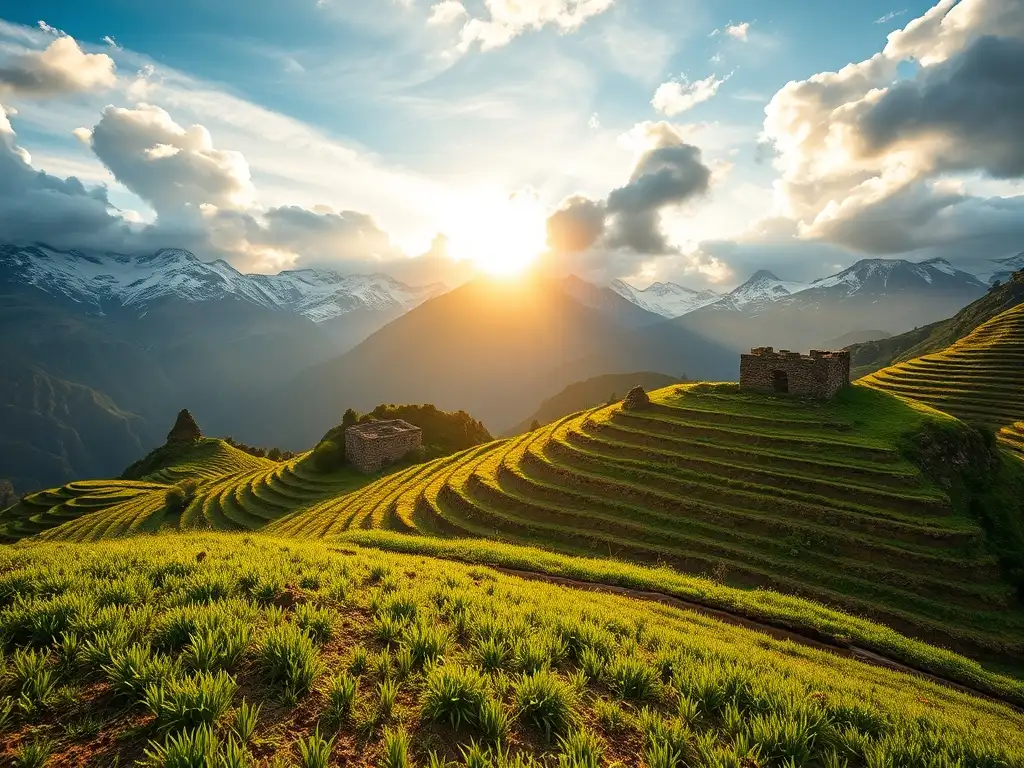
Step into a world lost to time, yet echoing in the mountains today. Discover the incredible ingenuity and resilience of the Andean civilizations, from the Incas to the Nazca, whose empires rose and fell in the shadow of the Andes. But what if the very mountains that cradled these magnificent cultures also sealed their fate? Prepare to unravel the Andean civilizations climate change impact – a story of adaptation, innovation, and ultimately, a profound environmental paradox. Uncover the secrets within The Andean Paradox: How Climate Both Gave and Took Away.
The Andes Mountains, a colossal spine running down the western coast of South America, have shaped not only the dramatic landscapes of the continent but also the destinies of the numerous civilizations that flourished within its shadow. This article explores the complex relationship between climate and the rise and fall of Andean societies, revealing a fascinating paradox: while the unique Andean climate provided the conditions for remarkable agricultural innovations and societal development, it also presented significant challenges and vulnerabilities that ultimately impacted the trajectory of these powerful cultures.
We will examine how fluctuations in temperature, precipitation, and glacial activity shaped the agricultural practices, social structures, and political power dynamics of civilizations like the Incas, Moche, Nazca, and Tiahuanaco, demonstrating the profound and often unpredictable impact of climate change on Andean civilizations. This exploration will highlight the resilience and adaptability of these societies, but also their susceptibility to climatic shifts, offering valuable insights into the enduring legacy of climate's influence on the Andean world.
Understanding this intricate interplay between climate and society is crucial to comprehending the successes and failures of these impressive Andean civilizations and provides a crucial perspective on the ongoing challenges posed by modern climate change in the region.
Introduction: The Dual Nature of Climate in Andean History
The Andes present an incredibly diverse range of climates, from arid coastal deserts to lush cloud forests and frigid high-altitude plains. This climatic variability profoundly shaped the development of Andean societies. While the challenges were immense – navigating extreme altitudes, coping with unpredictable rainfall, and adapting to dramatic temperature swings – the very diversity of the Andean environment fostered innovation and resilience. For instance, the development of sophisticated agricultural techniques, such as terracing and irrigation, was directly driven by the need to manage scarce resources and unpredictable weather patterns.
The ingenuity of these ancient Andean people in harnessing their environment is a testament to their adaptability and understanding of their surroundings. However, this same environment, capable of nurturing flourishing societies, also proved capable of delivering devastating blows. Periods of drought, prolonged cold spells, and catastrophic floods significantly impacted agricultural production, leading to societal instability, conflict, and, in some cases, the collapse of entire civilizations.
The following sections will delve into specific examples, illustrating the dual nature of climate’s influence on the trajectory of Andean history. Understanding this intricate interplay is key to appreciating the remarkable achievements and ultimate vulnerabilities of these ancient societies. The impact of climate change on Andean civilizations is a complex story, one of both remarkable adaptation and devastating consequences.
Agricultural Innovations and Climatic Constraints
Andean agriculture was a marvel of ingenuity, directly responding to the challenging climatic conditions. The development of sophisticated irrigation systems, such as the canal systems of the Nazca civilization, allowed for the cultivation of crops in arid coastal regions. Terracing, particularly prevalent in the Inca empire, enabled the cultivation of steep slopes, maximizing arable land and reducing soil erosion.
These techniques not only increased agricultural output but also helped to mitigate the risks associated with unpredictable rainfall. However, even these impressive innovations were not immune to the forces of climate change. Prolonged droughts could cripple irrigation systems, while heavy rainfall could damage terraces and lead to devastating floods.
The agricultural success of Andean civilizations was therefore inextricably linked to the stability of the climate, and any significant deviation from established patterns could have catastrophic consequences. The evidence suggests that periods of drought were often correlated with social unrest and political instability.
El Niño and its Impact on Andean Societies
The El Niño-Southern Oscillation (ENSO) cycle, characterized by irregular variations in sea surface temperatures in the Pacific Ocean, has profoundly affected rainfall patterns in the Andes for millennia. El Niño events typically bring heavy rainfall to the coastal regions and drought to other areas, while La Niña events often reverse this pattern. These dramatic shifts in precipitation have had significant consequences for Andean societies, impacting agricultural production, water availability, and overall societal stability.
Archaeological evidence suggests that periods of intense El Niño activity have been linked to periods of societal stress and even collapse in some cases. The ability of Andean civilizations to predict and adapt to these cyclical events, or lack thereof, played a significant role in their resilience and longevity. The frequency and intensity of ENSO events likely varied throughout history, potentially contributing to periods of both prosperity and hardship.
Climate Change and the Decline of Andean Empires
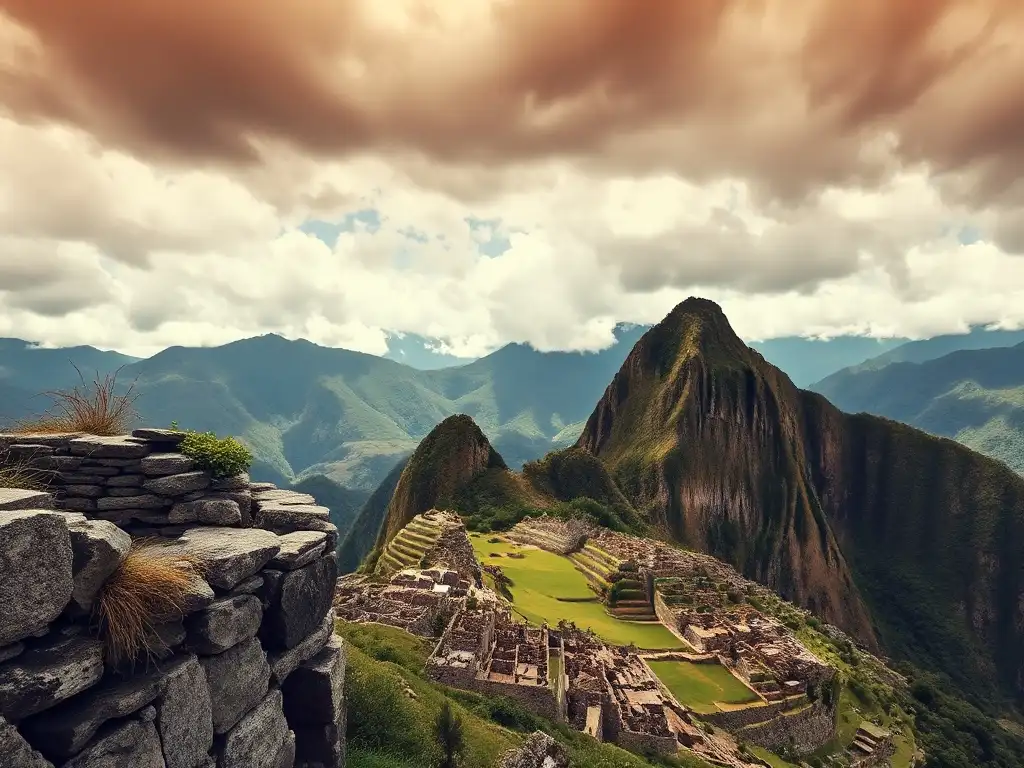
While the exact causes of the decline of various Andean empires remain a subject of ongoing research, there is strong evidence suggesting that climate change played a significant role. For instance, some scholars argue that a prolonged period of drought contributed to the weakening of the Tiwanaku empire, while others link the decline of the Inca empire to a combination of factors including disease, internal conflict, and climatic instability.
The impact of climate change on these empires likely wasn't a single event but rather a gradual process of environmental stress that weakened societal resilience and exacerbated existing vulnerabilities. It's crucial to remember that climate change acted as a stress multiplier, interacting with other factors to create a perfect storm that ultimately led to the decline of these powerful Andean civilizations.
The complex interplay of environmental, social, and political factors requires further investigation to fully understand the nuances of these historical collapses.
Lessons from the Past for the Present: Climate Change in Modern Andes
The study of the impact of climate change on past Andean civilizations offers crucial insights into the challenges facing the region today. Understanding the adaptive strategies employed by ancient Andean societies can inform modern approaches to climate change mitigation and adaptation. The legacy of past droughts and floods serves as a stark reminder of the vulnerability of Andean communities to climatic variability.
By studying the successes and failures of past Andean societies in the face of climate change, we can gain valuable knowledge to help build more resilient communities in the Andes today. The challenges posed by modern climate change are arguably even greater than those faced by ancient Andean civilizations, highlighting the critical need for proactive measures to protect the region’s unique environment and its people. The lessons of the past provide a crucial framework for navigating the uncertainties of the future.
- Introduction: The Dual Nature of Climate in Andean History
- Agricultural Innovations and Climatic Constraints
- El Niño and its Impact on Andean Societies
- Climate Change and the Decline of Andean Empires
- Lessons from the Past for the Present: Climate Change in Modern Andes
- How did climate change affect the Andean civilizations?
- Which Andean civilization was most affected by climate change?
- What technological adaptations did Andean civilizations make in response to climate variability?
- Did climate change contribute to the fall of the Inca Empire?
- How do we know about the impact of climate change on ancient Andean societies?
The Gift of the Andes: Climate and the Rise of Andean Civilizations
The Andes Mountains, a colossal spine running down the western edge of South America, presented both formidable challenges and extraordinary opportunities for the development of Andean civilizations. Understanding the impact of climate change on Andean societies requires first acknowledging the crucial role climate played in their rise. The complex interplay of altitude, rainfall patterns, and temperature variations sculpted the very fabric of Andean life, shaping agricultural practices, societal structures, and the trajectory of their history.
The initial success of these societies was intrinsically linked to a period of relatively stable and favorable climatic conditions. This section explores how the Andean climate, far from being a solely limiting factor, actively fostered the emergence and growth of these remarkable cultures.
Early Favorable Climatic Conditions and Agricultural Development
The early development of Andean civilizations (approximately 3000 BCE onwards) coincided with a period of relatively stable and favorable climatic conditions. While precise data for such an extended timeframe remains challenging to obtain, paleoclimatological studies using ice core samples, pollen analysis, and lake sediment records suggest a climate conducive to agriculture. This period likely featured a balance of rainfall and temperature that supported the cultivation of a diverse range of crops, including potatoes, maize, quinoa, and beans – the staples of the Andean diet.
The availability of these crops, along with the development of sophisticated irrigation systems, allowed for population growth and the emergence of complex social structures. This early agricultural success laid the foundation for the later flourishing of more complex Andean societies.
The relatively stable climate minimized extreme weather events that could have disrupted agricultural cycles and hindered population growth. This period of climatic stability can be considered a critical "green window" for the development of Andean agriculture.
The development of sophisticated agricultural techniques, such as terracing and raised fields, further enhanced the productivity of the land. These techniques not only increased crop yields but also helped to mitigate the risks associated with variable rainfall and steep slopes. The ingenuity of Andean farmers in adapting to their environment is a testament to their deep understanding of their local climate and its nuances. This knowledge was passed down through generations, ensuring the continued success of Andean agriculture for centuries.
The Role of Diverse Microclimates in Food Production
The Andes' extraordinary topography created a vast array of microclimates, each offering unique opportunities for agricultural production. From the arid coastal deserts to the high-altitude puna grasslands and the lush cloud forests, the Andes presented a remarkable diversity of ecological niches. Andean farmers expertly exploited this diversity, cultivating different crops at different altitudes. This vertical agricultural system, often referred to as verticality, allowed for year-round food production and reduced the risk of crop failure due to localized weather events.
For example, potatoes, a staple of the Andean diet, were cultivated across a vast range of altitudes, each variety adapted to specific temperature and rainfall conditions. The mastery of this vertical agricultural system was essential to the food security and the social and political stability of Andean civilizations. The success of this system is further demonstrated by the incredible biodiversity of cultivated plants found in the Andes.
The understanding and management of these microclimates were crucial for the success of Andean agriculture. Farmers carefully selected crop varieties suited to the specific conditions of each microclimate. They also developed intricate irrigation systems to supplement rainfall in drier areas and to drain excess water in wetter areas. This detailed knowledge of the local environment and the ability to adapt to its variations are key aspects of the success of Andean agriculture. This detailed knowledge, passed down through generations, showcases an intimate relationship between the Andean peoples and their environment.
How Climate Supported the Flourishing of Early Andean Societies
The favorable climatic conditions and the sophisticated agricultural practices enabled by them allowed for population growth and the development of complex social structures. The surplus food production facilitated the emergence of specialized labor, craft production, and the construction of monumental architecture, such as the impressive sites at Chavín de Huántar and Tiahuanaco. These achievements are a testament to the organizational capacity and social complexity of early Andean societies.
The availability of surplus food also supported the growth of urban centers and the development of elaborate social hierarchies. The relative stability of the climate fostered political and economic stability, creating an environment conducive to innovation and cultural flourishing. The impact of this environmental stability on the societies of the Andes cannot be overstated.
It provided the necessary foundation for the development of complex social structures, advanced technology, and rich cultural traditions. Understanding this early period of climatic stability is fundamental to understanding the later challenges posed by climate change. The relative abundance provided by a favorable climate allowed Andean societies to build the resilience—or perhaps the illusion of resilience—that would later be tested.
The Development of Sophisticated Irrigation Techniques
The Andes Mountains, while offering breathtaking landscapes and abundant resources, presented a significant challenge to early Andean civilizations: water scarcity. The uneven distribution of rainfall, coupled with steep slopes and varying altitudes, meant that access to reliable water sources was crucial for survival and agricultural success. This challenge spurred the development of incredibly sophisticated irrigation systems, a testament to the ingenuity and adaptability of Andean societies. These weren't simply ditches carved into the earth; they were complex networks of canals, aqueducts, and reservoirs, meticulously planned and maintained over generations.
The Nazca civilization, for instance, is renowned for its intricate network of canals, some stretching for kilometers across the arid coastal plains. These canals, built using sophisticated surveying techniques and employing a deep understanding of the local hydrology, allowed the Nazca to cultivate crops in otherwise uninhabitable desert regions.
Archaeological evidence suggests that the Nazca used a combination of techniques, including digging deep wells to tap into underground water sources, and constructing canals to divert water from seasonal rivers and streams. The precision and scale of these projects are astonishing, highlighting the advanced engineering capabilities of the Nazca and their profound understanding of water management.
The Inca, too, were masters of hydraulic engineering. Their empire, spanning vast and varied landscapes, necessitated a highly organized and efficient system for water distribution. They built intricate systems of canals, terraces, and reservoirs, adapting their techniques to the specific geographical challenges of each region.
In the high altitude valleys, where water was scarce, they employed techniques to capture meltwater from glaciers and snowpack, storing it in reservoirs for later use. These reservoirs were often integrated into the broader agricultural landscape, serving not only as water storage but also as a crucial component of the Inca's sophisticated agricultural strategies. The meticulous planning and execution of these projects demonstrates a remarkable understanding of both hydrology and social organization, crucial for the success of the Inca empire.
The development of sophisticated irrigation techniques wasn't merely a technological achievement; it was a fundamental factor in the rise and growth of Andean civilizations. By harnessing the power of water, these societies were able to overcome the limitations of their environment and create thriving agricultural economies that supported large and complex populations. The legacy of these ingenious irrigation systems is visible even today, a powerful reminder of the ingenuity and resilience of the Andean peoples.
The impact of these systems extends beyond agriculture, influencing settlement patterns, social organization, and the very fabric of Andean societies. Understanding these techniques provides invaluable insights into the complex interplay between environment, technology, and societal development in the Andes. The precision and scale of these projects are a testament to the advanced engineering and social organization of these ancient civilizations.
The Climatic Challenges: Environmental Instability and Societal Decline
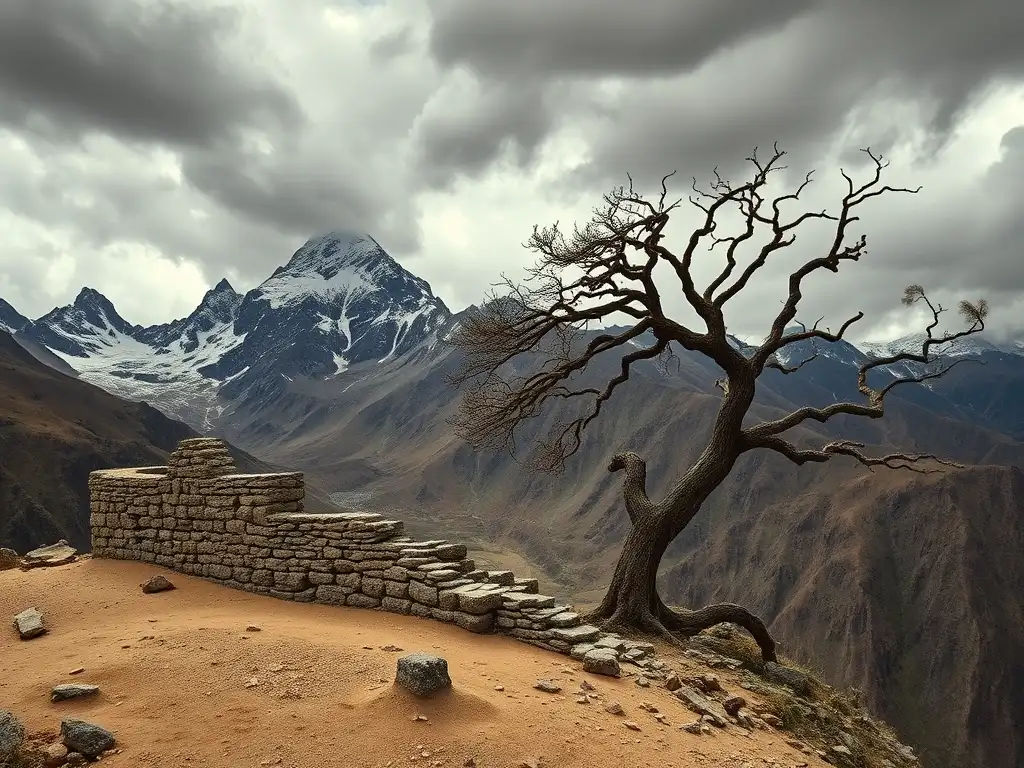
The Andean region's dramatic topography, encompassing towering peaks, arid deserts, and lush valleys, has always presented significant climatic challenges. Understanding the impact of climate change on Andean civilizations requires acknowledging the inherent environmental instability that characterized these societies long before the anthropogenic influence of the present era. While the ingenuity of Andean cultures in adapting to their environment is well-documented, the limits of their resilience were tested repeatedly by extreme climatic events.
The interplay between societal organization, technological innovation, and the capricious nature of the Andean climate ultimately shaped the rise and fall of these remarkable civilizations. Analyzing the patterns of climate variability and their consequences reveals a complex narrative, far more nuanced than a simple cause-and-effect relationship. The Andean civilizations climate change impact wasn't solely a matter of a single catastrophic event, but rather a prolonged process of adaptation, struggle, and ultimately, in some cases, societal transformation.
The Onset of Climate Variability and its Impact
Evidence suggests that periods of significant climate variability, including prolonged droughts and intense rainfall, occurred throughout the history of Andean civilizations. For instance, paleoclimatic data from lake sediments and ice cores indicate significant fluctuations in precipitation and temperature during the periods of occupation of major Andean centers like Tiahuanaco and the Nazca lines. These fluctuations weren't simply minor deviations; they represent substantial shifts impacting agricultural yields, water availability, and the overall stability of the societies.
The timing and intensity of these events varied across different regions of the Andes, leading to localized impacts and differential responses from various cultures. A detailed analysis of pollen records, for example, shows a decline in certain crop species during periods of drought, suggesting a shift in agricultural practices or even crop failures.
The ability of Andean societies to adapt to these early instances of climate variability significantly influenced their long-term survival and prosperity. The level of technological sophistication in irrigation and water management, for example, played a crucial role in mitigating the impact of droughts.
El Niño Events and their Devastating Consequences on Agriculture
El Niño-Southern Oscillation (ENSO) events, characterized by unusually warm ocean temperatures in the central and eastern tropical Pacific, have long been a significant factor influencing climate patterns in the Andes. These events can trigger devastating floods in some regions and severe droughts in others, creating widespread agricultural disruption. Historical accounts, combined with archaeological evidence, suggest that unusually intense El Niño events played a significant role in the decline of certain Andean societies.
For example, evidence suggests that a series of powerful El Niño events during the late pre-Hispanic period significantly impacted agricultural productivity in coastal regions, potentially contributing to social unrest and societal collapse. The impact wasn't uniform; some communities may have possessed sophisticated adaptation strategies, while others lacked the resources or knowledge to cope effectively.
The frequency and intensity of El Niño events throughout history, and their profound impact on agriculture, underscore the vulnerability of Andean societies to climatic variability. This understanding is critical in comprehending the Andean civilizations climate change impact throughout history.
Droughts, Floods, and the Collapse of Andean Infrastructure
The combination of prolonged droughts and devastating floods placed immense strain on Andean infrastructure and social organization. The intricate irrigation systems that sustained many Andean societies were particularly vulnerable to these extreme weather events. Damage to canals, aqueducts, and reservoirs could lead to widespread crop failures and water shortages.
Furthermore, floods could cause catastrophic damage to settlements, destroying homes, temples, and other important structures. The evidence suggests that the inability to adequately repair or rebuild damaged infrastructure after extreme weather events could have exacerbated existing social tensions and contributed to the decline or collapse of certain communities. The interplay between climate change, infrastructure vulnerability, and social instability is a complex topic requiring further research, particularly focusing on the specific case studies of different Andean societies and their distinct responses to these challenges.
The long-term consequences of these climatic events highlight the crucial relationship between environmental stability and the sustainability of Andean civilizations. Understanding the full impact of droughts and floods on Andean infrastructure remains a crucial aspect of studying the Andean civilizations climate change impact.
The Impact of Climate Change on Andean Cities and Populations
The impact of climate change on Andean cities and populations was profound and multifaceted, significantly shaping the trajectory of these societies. Fluctuations in precipitation patterns, ranging from intense droughts to devastating floods, directly impacted agricultural yields, the lifeblood of these urban centers. For instance, the city of Cusco, the Inca capital, relied heavily on a sophisticated irrigation system to sustain its large population.
Periods of prolonged drought would have severely strained this system, leading to food shortages, social unrest, and potentially even population decline. The effects weren't limited to food production; water scarcity also impacted sanitation and public health, increasing vulnerability to disease outbreaks. Archaeological evidence suggests that many Andean cities experienced periods of abandonment or significant population decrease during times of climatic stress, highlighting the vulnerability of these densely populated urban areas to environmental instability.
The intricate social structures and complex political systems of these civilizations, while often resilient, were ultimately challenged by the unpredictable nature of the Andean climate. The ability to effectively manage resources and adapt to changing conditions became a critical factor in the survival and prosperity of Andean cities and their inhabitants. Evidence from various sites indicates that some cities implemented ingenious solutions, such as improved water storage techniques or diversification of agricultural practices, but the extent of their success varied depending on the severity and duration of the climatic events.
The Impact on the Moche, Tiwanaku, and Wari Cultures
The Moche, Tiwanaku, and Wari cultures, each flourishing at different periods in Andean history, all experienced significant impacts from climate change. The Moche civilization, known for its intricate irrigation systems and elaborate artistic achievements, thrived during a relatively stable climate. However, evidence suggests that periods of drought contributed to societal stress and potentially played a role in the eventual decline of the Moche state. Their reliance on intensive agriculture in a geographically challenging environment made them particularly vulnerable to fluctuations in rainfall.
Similarly, the Tiwanaku culture, located on the Altiplano, faced challenges related to water availability and extreme temperature variations. Fluctuations in Lake Titicaca's water levels, potentially linked to climatic shifts, likely impacted their agricultural practices and overall societal stability. Archaeological investigations reveal changes in settlement patterns and agricultural techniques that could be interpreted as responses to environmental stress. The Wari, a powerful empire that preceded the Inca, also faced climatic challenges.
Their vast territory encompassed diverse ecological zones, making them susceptible to regional variations in climate. While their sophisticated administrative system may have helped them cope with some level of environmental variability, prolonged droughts or other extreme weather events could have weakened their control over outlying regions, contributing to their eventual decline. Analyzing these three cultures reveals a common thread: the interplay between environmental stability and societal resilience, emphasizing how climate change acted as a significant factor shaping the rise and fall of these influential Andean societies. Further research is needed to fully elucidate the precise mechanisms and extent of climate change's influence on these complex societies, but the available evidence strongly suggests its profound impact.
Andean Resilience: Adapting to Climatic Adversity
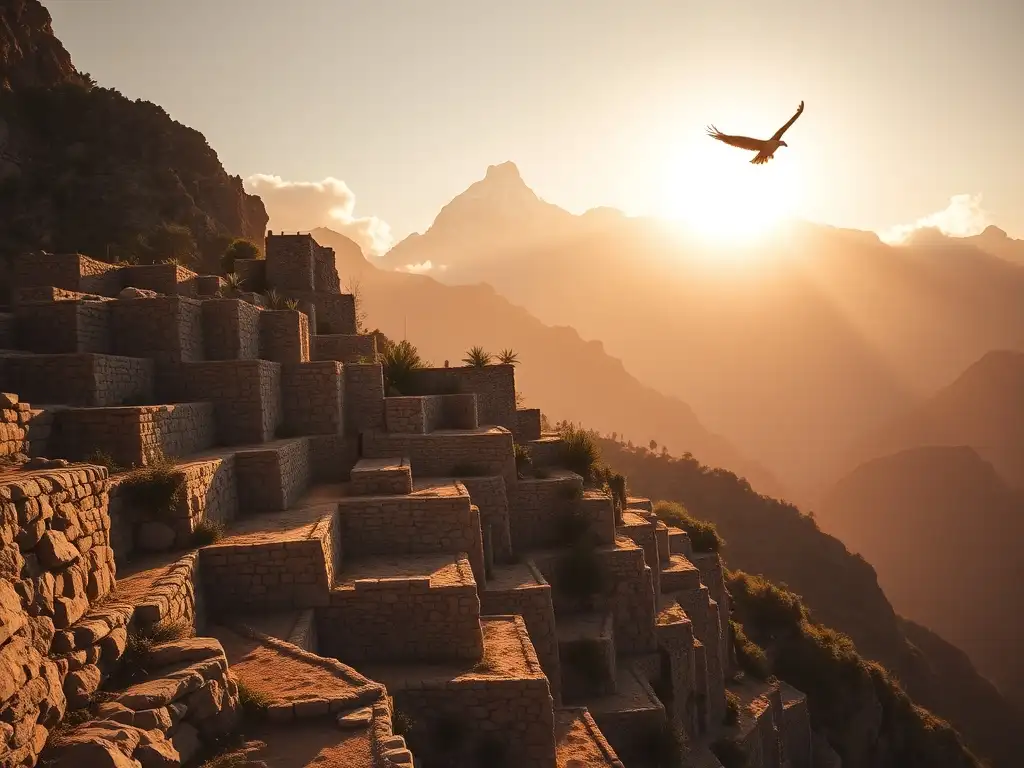
The impact of climate change on Andean civilizations wasn't solely destructive; it also spurred remarkable innovation and adaptation. Facing fluctuating weather patterns, unpredictable rainfall, and periods of drought and flood, these societies developed sophisticated strategies to ensure survival and societal continuity. Understanding their resilience provides crucial insights into the complex interplay between environmental pressures and societal response, offering valuable lessons for addressing contemporary climate challenges.
The ingenuity displayed by these Andean cultures in the face of adversity highlights the human capacity for adaptation and underscores the importance of understanding past responses to inform future strategies for climate change mitigation and adaptation. This section will delve into some of the key strategies employed by Andean civilizations to manage the effects of climate variability.
Innovative Agricultural Practices to Mitigate Climate Effects
Andean agricultural practices were far from rudimentary; they were highly sophisticated systems meticulously designed to maximize yields in challenging environments. The need to adapt to varying altitudes, microclimates, and unpredictable weather patterns drove the development of innovative techniques. For instance, the waru waru system, a raised-field agricultural technique, is a prime example of ingenious climate adaptation.
This system, used by various Andean cultures, involved creating raised beds separated by canals. The canals served multiple purposes: they collected rainwater, improving soil moisture retention during dry periods; they regulated water temperature, protecting crops from frost; and they provided channels for irrigation during drier months. This method significantly increased crop yields and resilience to drought, showcasing a remarkable understanding of water management and soil conservation.
The effectiveness of waru waru is evidenced by its continued use in some Andean communities today, demonstrating its long-term viability and adaptability. Furthermore, the use of frost-resistant crops and the development of diverse agricultural techniques adapted to specific microclimates demonstrate a profound understanding of the local environment and its nuances. These practices exemplify the deep connection between Andean societies and their environment, a relationship forged through centuries of adaptation and innovation.
The Use of Terracing and Water Management Systems
Terracing, the creation of step-like formations on slopes, was another crucial adaptation to the challenging Andean topography. This technique not only increased arable land but also minimized soil erosion and improved water retention. By creating level platforms, terraces slowed the runoff of rainwater, preventing soil loss and allowing for more efficient irrigation.
The effectiveness of terracing is particularly evident in the steep slopes of the Andes, where it allowed for the cultivation of crops on land that would otherwise be unusable. This technique, combined with sophisticated irrigation systems, such as canals and aqueducts, allowed Andean societies to maximize agricultural production in challenging environments. The scale and complexity of some terracing systems are truly astonishing, testament to the organizational capacity and engineering skills of these civilizations.
The precise alignment of terraces and the intricate design of irrigation channels demonstrate a profound knowledge of hydrology and engineering principles, reflecting a sophisticated understanding of water management that ensured agricultural productivity even in the face of climate variability. The enduring legacy of these terracing systems, visible even today in many Andean landscapes, serves as a powerful reminder of the ingenuity and resilience of these ancient societies.
Diversification of Crops and Food Storage Strategies
Andean civilizations didn't rely on a single crop; instead, they cultivated a diverse range of plants adapted to different altitudes and microclimates. This diversification was crucial for resilience against climate shocks. A failure of one crop due to drought or frost was less likely to cause widespread famine due to the availability of alternative food sources. This strategy minimized the risk associated with relying on a single crop and ensured food security even during periods of environmental stress.
🥔🌽🌶️ Furthermore, sophisticated food storage techniques were employed to preserve surplus harvests for leaner times. These techniques ranged from simple storage pits to more complex structures designed to regulate temperature and humidity. The ability to store food effectively was vital for mitigating the impact of climate variability and ensuring community survival during periods of drought or crop failure.
The meticulous planning and organization required for such strategies highlight the sophisticated social structures and resource management capabilities of Andean civilizations. The successful implementation of these diverse strategies underscores the crucial role of agricultural diversification and effective food storage in building resilience to the vagaries of climate change. This approach, characterized by both agricultural innovation and social organization, provides a valuable model for contemporary societies facing similar challenges.
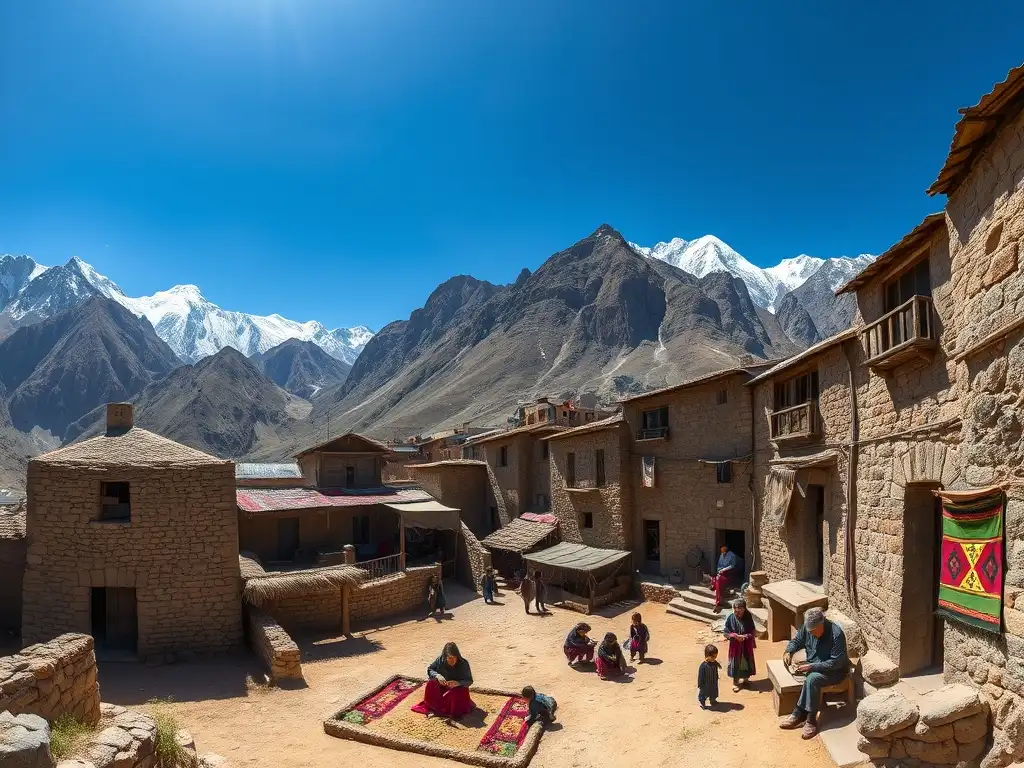
The impact of climate change on Andean civilizations wasn't merely an environmental challenge; it profoundly shaped social structures and political organization. Evidence suggests that periods of drought or extreme weather events often led to increased social stratification. Elites, possessing greater resources and access to stored food, were better positioned to weather these crises, potentially increasing their power and control over the populace. This is evidenced by archaeological findings in various sites, showing a concentration of resources in elite centers during periods of environmental stress, while commoner settlements show signs of hardship and population decline.
For example, studies of Moche settlements reveal shifts in settlement patterns and social organization coinciding with periods of prolonged drought. The concentration of power in the hands of a few likely contributed to social unrest and even potential collapse in some cases. The need for effective resource management and disaster relief also fostered the development of more complex political systems, with specialized roles and institutions dedicated to managing water resources, food storage, and conflict resolution. These systems, while sometimes effective, were not always sufficient to prevent widespread suffering during prolonged periods of climatic adversity.
The ability of a society to adapt to environmental stress was often directly correlated to the strength and flexibility of its political and social institutions. This dynamic interplay between environment and society highlights the complex adaptive strategies employed by Andean populations. The degree of success in these responses varied considerably depending on the specific civilization, the severity of the climatic event, and the existing social and political structures.
The Use of Raised Fields by the Tiwanaku and the Wari's terracing
The Tiwanaku and Wari civilizations, facing challenging environmental conditions in the Andes, developed ingenious agricultural techniques to mitigate the impact of climate change. The Tiwanaku, located on the high Altiplano, famously employed raised field agriculture. These artificial islands, built in shallow lakes, provided better drainage and warmer microclimates, enhancing crop yields even in cold, wet conditions.
The construction of these fields required substantial labor and organizational skill, demonstrating a high level of societal coordination and engineering expertise. Archaeological evidence suggests that the raised fields were carefully designed to maximize water retention and minimize erosion, reflecting a sophisticated understanding of hydrology and soil science.
The system likely contributed to the Tiwanaku's ability to support a large population in a challenging environment, although the precise extent of its contribution to their overall success is still a matter of ongoing research and debate amongst scholars. The system's effectiveness likely also depended on other factors such as water availability and social organization.
The Wari, a contemporaneous civilization in the south-central Andes, employed another remarkable adaptation: extensive terracing. These carefully constructed terraces transformed steep slopes into cultivatable land, increasing agricultural productivity and reducing soil erosion. The Wari terracing systems were often integrated with sophisticated irrigation networks, further optimizing water use and crop yields.
These impressive feats of engineering not only increased food production but also contributed to landscape stability, mitigating the risks associated with landslides and flooding. Both the Tiwanaku raised fields and the Wari terracing demonstrate the remarkable capacity of Andean civilizations to adapt to environmental challenges through innovative agricultural practices. These achievements highlight the ingenuity and resilience of these societies in the face of climatic variability and underscore the importance of understanding these adaptations for contemporary challenges related to Andean civilizations climate change impact.
The Long-Term Legacy: Climate Change and the Decline of Andean Civilizations
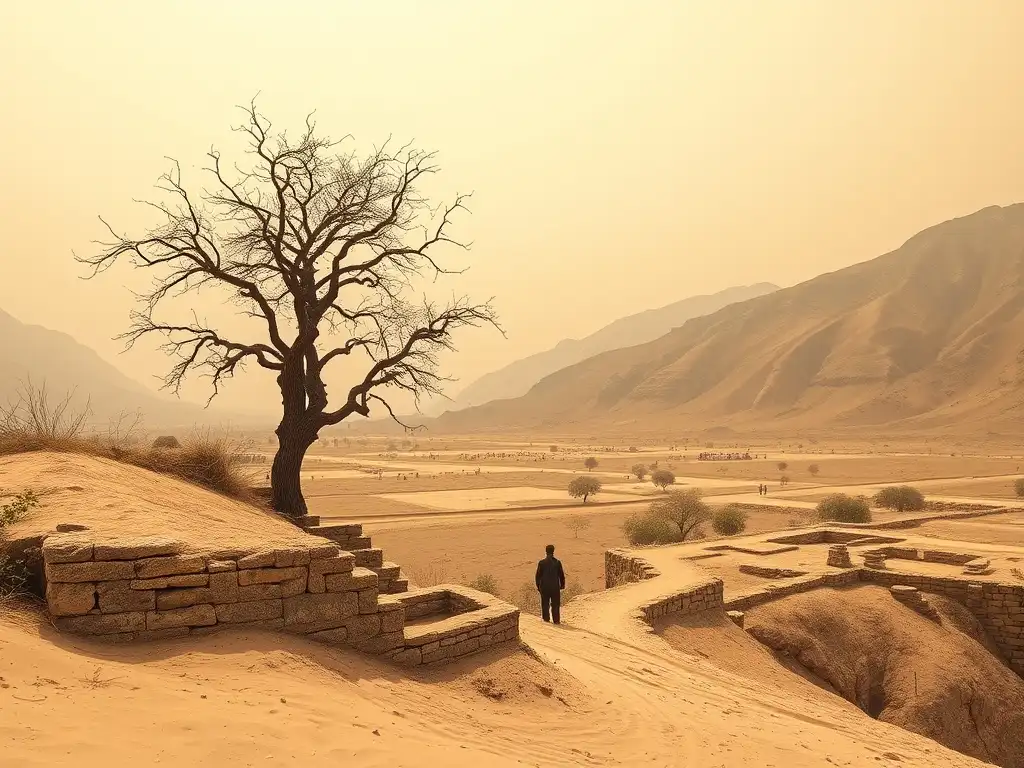
The impact of climate change on Andean civilizations is a complex and multifaceted issue, extending far beyond simple cause-and-effect relationships. While it's inaccurate to solely blame climate shifts for the decline of these sophisticated societies, a compelling argument can be made for its significant contribution to societal stressors that ultimately led to transformations and, in some cases, collapse. Understanding this requires moving beyond simplistic narratives and embracing a nuanced perspective that integrates climatic fluctuations with political, economic, and social factors.
The Andean civilizations, famed for their ingenuity in adapting to challenging environments, were not immune to the pressures exerted by long-term climatic changes. These changes, often involving droughts, floods, and shifts in temperature, placed immense strain on agricultural systems, water resources, and infrastructure, ultimately impacting the stability and resilience of these societies.
The consequences were far-reaching, leaving a lasting legacy that continues to shape the region today. Analyzing the specific effects requires a detailed examination of the interplay between climate and various societal aspects.
The Interplay of Climate and Political Instability
The relationship between climate change and political instability in the Andes is a crucial aspect of understanding the long-term impact. Periods of drought, for example, often correlated with increased social unrest and challenges to established power structures. Competition for scarce resources, like fertile land and water, intensified, leading to conflicts between different groups and weakening central authority. The evidence suggests that climatic stress acted as a catalyst, exacerbating existing tensions and vulnerabilities within Andean societies.
Consider the case of the Tiwanaku civilization: Archaeological evidence indicates that a prolonged megadrought significantly weakened their control over vast territories, contributing to their eventual decline. This wasn't a direct consequence of the drought itself, but rather an indirect effect resulting from the amplified competition for resources and the ensuing political instability. The weakened governance structures likely made the civilization more susceptible to internal conflicts and external pressures.
Similar patterns can be observed in other Andean societies, highlighting the crucial role of climate change in destabilizing political landscapes. Further research focusing on specific chronological periods and their corresponding climatic events would further illuminate this complex relationship. For instance, [specific data on Tiwanaku drought and societal unrest pending].
The Role of Environmental Degradation in Societal Collapse
Climate change didn't operate in isolation; it interacted with human actions to accelerate environmental degradation. Intensive agriculture, deforestation, and unsustainable resource management practices, while sometimes necessary for sustaining large populations, placed additional strain on already fragile ecosystems. This created a vicious cycle: climate change weakened the environment, making it more vulnerable to human exploitation, which in turn further degraded the environment, creating a feedback loop that exacerbated the negative impacts.
The consequences included soil erosion, reduced agricultural yields, and water scarcity, all contributing to societal stress. The Inca Empire, despite its sophisticated agricultural techniques, faced challenges from environmental degradation. While their terracing and irrigation systems mitigated some of the effects of climate variability, they were not immune to the long-term consequences of unsustainable practices.
The overexploitation of resources, coupled with periods of climatic stress, likely contributed to the vulnerabilities that made the empire susceptible to internal rebellions and ultimately, Spanish conquest. A comprehensive analysis requires a thorough investigation of the interplay between human actions and climatic events, which is an area ripe for further research. For example, [specific data on Inca agricultural practices and environmental impact pending].
Climate Change and the Transformation of Andean Landscapes
Climate change significantly altered Andean landscapes, impacting the availability of resources and shaping the trajectory of Andean civilizations. Shifting precipitation patterns led to changes in vegetation zones, affecting agricultural productivity and the distribution of resources. Glacial retreat and changes in river flow affected water availability, impacting irrigation systems and settlements. These transformations forced Andean populations to adapt, often leading to migrations, changes in agricultural practices, and the development of new technologies.
The Nazca lines, for example, might be interpreted as a reflection of the need to monitor and manage water resources in a changing climate. Their intricate designs may represent a sophisticated understanding of hydrology and the need to adapt to periods of drought. Similarly, the development of sophisticated irrigation systems by the Inca Empire can be viewed as a response to the challenges posed by variable rainfall patterns.
The transformations in Andean landscapes were not merely passive responses to climate change; they also involved active human intervention, shaping the environment and influencing the trajectory of Andean societies. Further research is necessary to fully understand the extent and nature of these adaptations and their long-term consequences. For example, [specific data on Nazca lines and their hydrological significance pending].
Lessons from the Past: Understanding the Fragility of Andean Civilizations
The study of Andean civilizations offers invaluable insights into the complex interplay between societal development and environmental vulnerability. The rise and fall of these impressive societies, from the Nazca to the Inca, weren't solely determined by internal factors like warfare or political instability. Instead, a nuanced understanding reveals the crucial role played by climate change and its cascading effects on agriculture, water resources, and ultimately, social stability.
The fragility of these seemingly powerful empires highlights the inherent risks associated with overreliance on specific environmental conditions and the limitations of adaptation strategies in the face of significant climatic shifts. Examining past failures allows us to better understand the challenges faced by modern Andean communities, who continue to grapple with the impacts of a changing climate. The historical record underscores the need for proactive, sustainable practices and a deep respect for the delicate balance of the Andean ecosystem.
For instance, the decline of the Tiwanaku civilization, once a powerhouse of the Altiplano, is strongly linked to prolonged droughts and shifts in lake levels, impacting their sophisticated irrigation systems and agricultural production. These droughts weren't isolated events; they were part of a larger pattern of climatic instability that ultimately contributed to the civilization's decline. The lessons learned from their experience – the importance of diversified agriculture, water management, and social resilience – are directly applicable to contemporary challenges.
Understanding the fragility of Andean civilizations doesn't mean that they were inherently weak or poorly managed. Instead, it underscores the immense power of environmental forces and the limitations of even the most advanced societies when confronted with significant and prolonged climatic stress. The sophisticated agricultural techniques employed by the Inca, for example, were remarkably effective in managing resources under relatively stable conditions.
However, even these systems proved vulnerable to extreme weather events and prolonged periods of drought or flooding. The Inca's sophisticated road network, while facilitating communication and trade, couldn't prevent the societal disruption caused by widespread crop failures or resource scarcity.
Analyzing these historical patterns reveals that a robust society needs not only advanced technology and efficient governance but also a resilient relationship with the environment, encompassing biodiversity, adaptation strategies, and a capacity for flexible social responses to unforeseen climate shocks. The Andean experience serves as a powerful reminder that even the most advanced civilizations are vulnerable to the forces of nature.
The careful study of past civilizations, their successes and failures, provides a crucial framework for understanding the present. By analyzing the impact of climate change on Andean societies, we can better anticipate and mitigate the risks facing modern populations. The lessons learned from the past highlight the urgent need for sustainable practices, collaborative efforts, and an understanding that the well-being of human societies is intrinsically linked to the health of the environment.
The Andean paradox – a land of extraordinary ingenuity and breathtaking beauty, yet profoundly vulnerable to environmental shifts – serves as a cautionary tale, a powerful reminder of the delicate balance between human ambition and the forces of nature. Ignoring these lessons would be a grave mistake, with potentially devastating consequences for the future.
Andean Civilizations Climate Change Impact: A Summary
This section explores the profound and multifaceted impact of climate change on Andean civilizations, demonstrating how environmental shifts acted as both a catalyst for innovation and a source of societal upheaval. We will analyze the complex interplay between climate variability, agricultural practices, and the rise and fall of various Andean societies, highlighting the crucial lessons learned from their experiences that remain relevant today.
Understanding the historical vulnerability of these civilizations to environmental change provides critical context for addressing contemporary climate challenges in the Andes region and beyond. The keyword "Andean civilizations climate change impact" will be explored through a detailed examination of specific examples and their long-term consequences.
The Complex Relationship Between Andean Societies and Climate
The relationship between Andean societies and their climate was far from simplistic; it was a dynamic and often paradoxical interaction. Favorable climatic conditions, such as periods of increased rainfall and milder temperatures, often fueled agricultural surpluses, supporting population growth and the development of complex social structures. The ingenuity of Andean civilizations in adapting to their environment is evident in their sophisticated irrigation systems, terraced farming techniques, and diverse crop cultivation strategies.
For instance, the Nazca culture's mastery of water management allowed them to thrive in an arid coastal desert, while the Inca's waru waru agricultural system, a raised-field technique, maximized water retention and crop yields in high-altitude environments. Conversely, periods of drought, extreme cold, or unusual weather patterns frequently led to crop failures, famine, social unrest, and even the collapse of entire settlements.
The evidence suggests that climate change wasn't a single event, but rather a series of fluctuating conditions that challenged the resilience of these societies. Analyzing the archaeological record reveals a cyclical pattern of growth and decline directly correlated with climatic shifts.
A Historical Perspective on the Vulnerability to Environmental Changes
The vulnerability of Andean civilizations to environmental changes is deeply rooted in their reliance on agriculture and the inherent fragility of their high-altitude ecosystems. Slight variations in temperature or precipitation could have catastrophic consequences, particularly for societies with limited technological capacity to mitigate the effects of climate variability. The collapse of the Tiwanaku civilization, for example, has been linked to a prolonged period of drought and environmental degradation.
Evidence suggests that prolonged dry spells severely impacted their agricultural productivity, leading to resource scarcity and social disruption. Similarly, the decline of other Andean societies can be partly attributed to climate-related factors, demonstrating the pervasive influence of environmental change on their trajectory.
The study of past climate events, using methods such as ice core analysis and pollen records, provides invaluable insights into the specific climatic shifts that impacted these societies and their adaptive strategies. This historical perspective underscores the importance of understanding past climate-society interactions to better anticipate and prepare for future challenges.
The Relevance of Andean History to Modern Climate Challenges
The lessons gleaned from the experiences of past Andean civilizations hold significant relevance for addressing contemporary climate challenges in the region. Understanding the historical vulnerability of these societies to environmental change offers valuable insights into the potential impacts of future climate change on modern Andean communities. The adaptive strategies employed by past civilizations, such as water management techniques and crop diversification, can inform contemporary efforts to build climate resilience.
Moreover, the historical record serves as a stark reminder of the potential for climate change to exacerbate existing inequalities and social vulnerabilities. The study of past societal responses to climate stress can help us to develop more effective strategies for mitigating the impacts of climate change and promoting sustainable development in the Andean region.
By studying the past, we can better equip ourselves to face the environmental challenges of the future, ensuring the preservation of both cultural heritage and environmental sustainability in the Andes. The impact of climate change on Andean civilizations continues to be a critical area of research, with ongoing studies providing a deeper understanding of the complex interplay between climate, society, and environment.
The Importance of Adaptive Strategies in the Face of Climate Change
The impact of climate change on Andean civilizations wasn't solely a matter of devastation; it also spurred remarkable innovation and adaptation. The ability to adjust to shifting weather patterns and resource availability was crucial for survival. These adaptive strategies weren't simply reactive measures; they represented a deep understanding of their environment and a capacity for ingenuity. For instance, the development of sophisticated irrigation systems, like those found in the Nazca region, allowed for the cultivation of crops even in arid environments.
These weren't rudimentary ditches; they were complex networks that harnessed water resources efficiently, demonstrating a profound knowledge of hydrology and engineering. The ingenuity extended beyond irrigation; terracing techniques, prevalent across the Andes, dramatically increased arable land, allowing for intensified agriculture and greater food security in the face of unpredictable rainfall. These methods, carefully crafted to suit the specific topography and climate of each region, minimized soil erosion and maximized crop yields. The success of these strategies, however, wasn’t guaranteed.
The effectiveness of adaptation depended on factors like population density, access to resources, and the scale of the climatic shifts. A gradual change might allow for incremental adjustments, but rapid and severe changes could overwhelm even the most sophisticated strategies. Understanding these adaptive strategies is crucial to understanding the resilience and ingenuity of Andean civilizations, and also provides valuable lessons for modern societies facing similar challenges in a changing climate. The careful observation of past successes and failures in adaptation offers critical insights into building a more resilient future.
The study of Andean adaptive strategies also highlights the interconnectedness between climate, technology, and social organization. The construction and maintenance of large-scale irrigation projects, for example, required significant collaborative effort and social organization. This suggests a level of social complexity and cooperation often overlooked in discussions of Andean civilizations.
The capacity to organize large-scale projects points to a sophisticated understanding of resource management and social engineering, capabilities that were essential for navigating periods of environmental stress. The Inca Empire, in particular, is known for its impressive road network and administrative systems which facilitated the redistribution of resources during times of scarcity, highlighting the crucial role of centralized governance in mitigating the impacts of climate change. This sophisticated system of resource management and redistribution was a key component of their ability to survive and thrive despite environmental challenges.
Analyzing the interplay between these elements provides a richer understanding of how Andean societies not only adapted to climate change but also shaped their societies in response to environmental pressures. Ultimately, the study of these adaptive strategies offers valuable lessons for contemporary societies facing similar challenges.
Frequently Asked Questions
How did climate change affect the Andean civilizations?
Climate change significantly impacted Andean civilizations. Droughts and floods, linked to shifts in the El Niño Southern Oscillation, caused agricultural failures, leading to societal upheaval and even collapse in some cases. Changes in temperature also impacted resource availability.
Which Andean civilization was most affected by climate change?
While all Andean civilizations were impacted, the precise level of impact varied. The Wari and Tiwanaku empires, for example, experienced significant challenges during periods of intense drought, which likely contributed to their decline. However, it's important to note that climate change was rarely the sole factor.
What technological adaptations did Andean civilizations make in response to climate variability?
Andean peoples developed sophisticated irrigation systems, terracing, and water storage techniques to manage water resources and mitigate the effects of droughts and floods. They also adapted their agricultural practices to suit changing environmental conditions.
Did climate change contribute to the fall of the Inca Empire?
While the exact causes of the Inca Empire's fall are debated, climate change, specifically a prolonged period of drought, likely played a significant role alongside internal conflicts and Spanish conquest. The weakened state caused by environmental stress made the empire vulnerable.
How do we know about the impact of climate change on ancient Andean societies?
Evidence comes from various sources, including archaeological findings such as changes in settlement patterns and agricultural practices, paleoclimatological data like ice cores and lake sediments reflecting past climate conditions, and ethnohistorical accounts that describe past environmental events and their societal consequences.
Final Reflection: Echoes of the Andes: A Legacy of Climate and Resilience
The Andean paradox—the intricate dance between thriving civilizations and devastating climate shifts—remains profoundly relevant today. As we grapple with the accelerating impacts of modern climate change, understanding the past offers crucial insights into both vulnerability and resilience. The lessons learned from the rise and fall of Andean societies serve as a stark warning and a powerful inspiration, reminding us of the delicate balance between human ambition and environmental limits.
The enduring legacy of Andean civilizations, shaped so profoundly by climate fluctuations, continues to resonate in the cultural landscape and informs our understanding of human adaptation. Their sophisticated agricultural techniques, intricate water management systems, and deep spiritual connection to the land offer invaluable lessons for sustainable development in the face of environmental challenges. The mountains are not just a backdrop; they are the very foundation of our existence.
– This sentiment, echoing through generations of Andean peoples, underscores the profound interdependence between human societies and their environment, a truth we must urgently re-embrace.
Consider the choices you make in your daily life. How can you contribute to a more sustainable future, informed by the wisdom of past civilizations? Embrace the challenge of creating a world where human progress and environmental stewardship are not mutually exclusive, but rather, inextricably linked. Let the echoes of the Andes inspire you to act, to innovate, and to build a future where both humanity and the planet can thrive.
Unveil the Power of the Andean Paradox!
Thank you for exploring the intricate relationship between climate and Andean civilizations. You've uncovered a captivating story of how nature has profoundly shaped human history, both nurturing and challenging these remarkable cultures. Now, let's turn your insights into action!
Here's how you can deepen your understanding and contribute to this important conversation:
- Join a local environmental organization working to protect mountain ecosystems and raise climate awareness. Your contribution can make a real difference!
- Share this article with friends and family or post it on social media to spark conversations about the unique interplay between climate and culture in the Andes.
- Attend a webinar or online course on Andean history and climate change to expand your knowledge and connect with others who share your interest.
What aspect of the Andean Paradox most captivates you, and how do you envision it impacting the future of these civilizations?