
How the Inca Adapted to Changing Climate Conditions

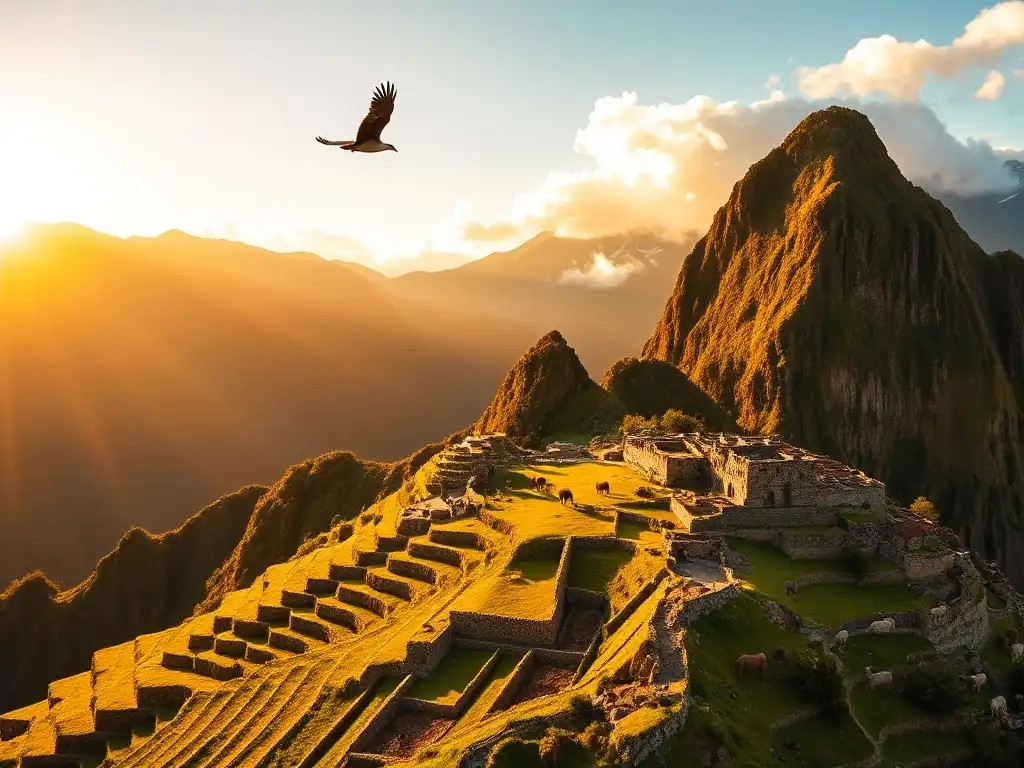
Step into a world lost to time, yet echoing with the ingenuity of a vanished empire. Imagine a civilization thriving amidst towering peaks and unforgiving landscapes. The Andean Civilizations website unveils the secrets of ancient societies, from the intricate artistry of the Nazca to the architectural marvels of Tiahuanaco.
But today, we delve into the remarkable Inca climate adaptation strategies – a testament to their resilience and understanding of the natural world. Discover how they conquered the challenges of their environment, and prepare to be amazed. Read on to uncover the ingenious solutions that allowed the Inca Empire to flourish.
- Inca Climate Adaptation Strategies: A Legacy of Resilience
-
Inca Agricultural Innovations for Climate Resilience
- Terraced Farming: Maximizing Arable Land and Water Management
- Irrigation Systems: Canals and Aqueducts for Water Distribution
- Crop Diversification: Protecting Against Climate Variability
- Raised Fields (Waru Waru): A Response to Flooding and Frost
- Storage Techniques: Ensuring Food Security in Uncertain Times
- Inca Resource Management in a Changing Climate
- Inca Societal Structures and Climate Resilience
- Lessons from the Incas: Sustainable Practices for the Future
-
Frequently Asked Questions
- How did the Inca adapt to the diverse climates of their empire?
- What role did terrace farming play in Inca climate adaptation?
- How did the Inca manage water resources in arid regions?
- What evidence exists to support the effectiveness of Inca climate adaptation strategies?
- Did Inca climate adaptation strategies contribute to the empire's longevity and stability?
- Final Reflection: Echoes of the Andes: Inca Resilience and Our Future
- Unearth the Resilience of Ancient Innovators!
Inca Climate Adaptation Strategies: A Legacy of Resilience
The Inca Empire, renowned for its sophisticated social structures and architectural marvels, thrived in the challenging and diverse Andean environment. Their success wasn't solely due to military prowess or political organization; it was deeply intertwined with their remarkable ability to adapt to the often unpredictable and extreme climate conditions of the Andes Mountains.
This article delves into the ingenious strategies employed by the Inca to overcome the environmental hurdles they faced, highlighting their ingenuity and resilience in the face of fluctuating temperatures, unpredictable rainfall, and variable altitudes. Understanding these strategies offers valuable insights into their agricultural practices, resource management, and overall societal sustainability, providing a compelling example of human adaptation to a demanding landscape.
The Inca's mastery of climate adaptation serves as a testament to their deep understanding of their environment and their capacity to build a thriving civilization amidst significant environmental challenges. This exploration of "Inca climate adaptation strategies" will reveal the intricate web of techniques that allowed the empire to flourish.
Understanding the Challenges of the Andean Environment
The Andes Mountains present a formidable environmental challenge. The altitude dramatically affects temperature, creating distinct microclimates within relatively short distances. High altitudes experience freezing temperatures, intense solar radiation, and thin air, while lower altitudes can be significantly warmer and more humid. Rainfall patterns are similarly erratic, with some regions experiencing prolonged droughts while others are susceptible to intense, localized flooding.
The steep slopes of the Andes also present challenges for agriculture, with limited arable land and a high risk of soil erosion. The Inca faced all these challenges, and their success in cultivating crops and sustaining their population is a remarkable feat of environmental engineering and adaptation. They understood the nuances of their environment and developed sophisticated techniques to mitigate the risks associated with the Andean climate. This included a deep understanding of water management, soil conservation, and crop diversification.
The Diverse Climates of the Inca Empire: A Need for Adaptation
The Inca Empire spanned a vast territory encompassing a remarkable range of climates. From the arid coastal deserts to the high-altitude puna grasslands and the lush cloud forests of the Amazonian foothills, the Inca encountered a spectrum of environmental conditions demanding specific adaptations. This diversity necessitated a flexible approach to agriculture and resource management.
The Inca didn't rely on a single crop or technique; instead, they developed a sophisticated system of agricultural practices tailored to the specific conditions of each region. This included terracing on steep slopes to create level planting surfaces and reduce erosion, irrigation systems to channel water to arid areas, and the development of frost-resistant crops for high-altitude cultivation. Their understanding of microclimates allowed them to optimize crop yields across the empire, ensuring food security even in the face of climatic variability.
They also employed sophisticated storage techniques to preserve food surpluses, mitigating the impact of droughts and ensuring food availability throughout the year. This intricate system of climate-adapted agriculture was essential to the empire's stability and longevity. The Inca's ability to adapt to these diverse climates highlights their remarkable understanding of environmental science and their ability to implement effective solutions.
Inca Agricultural Innovations for Climate Resilience
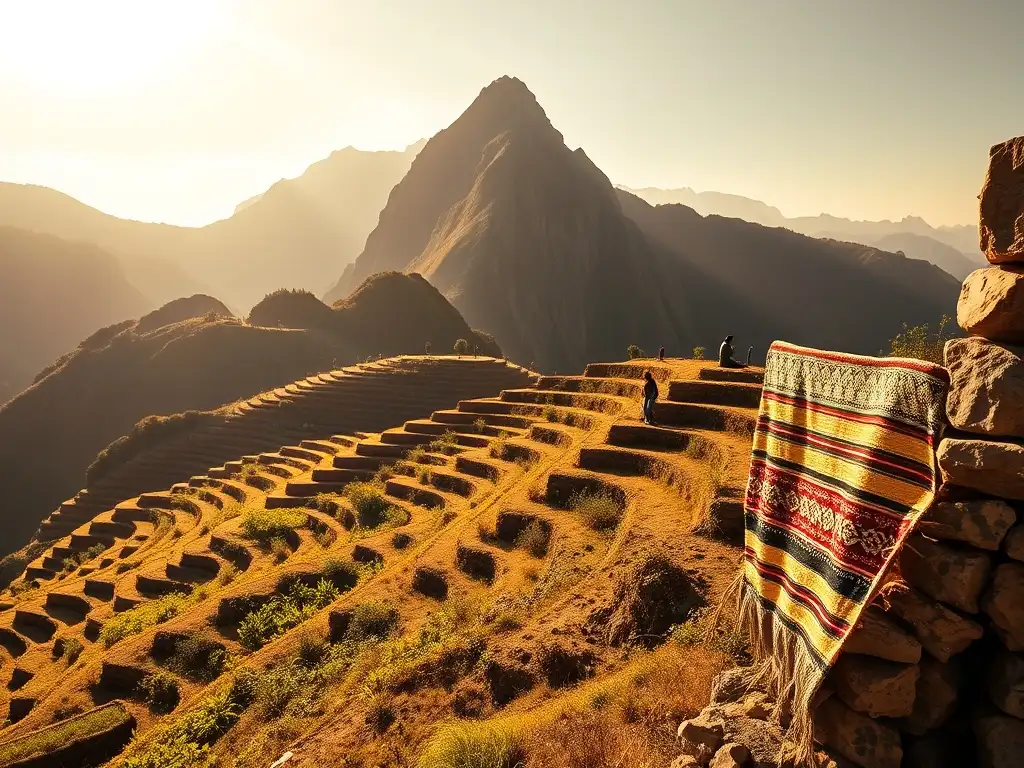
The Inca Empire, renowned for its sophisticated social and political organization, also displayed remarkable ingenuity in adapting its agricultural practices to the diverse and often challenging Andean climate. Their success hinged on a combination of innovative technologies, astute resource management, and a deep understanding of their environment. This section will delve into key agricultural innovations that demonstrably enhanced Inca resilience to climate variability, contributing significantly to the empire's longevity and prosperity.
The strategies employed by the Inca to mitigate the impacts of climate change offer valuable lessons for contemporary agricultural practices in regions facing similar environmental challenges. Understanding these "Inca climate adaptation strategies" provides crucial insights into sustainable resource management.
Terraced Farming: Maximizing Arable Land and Water Management
Terraced farming was arguably the Inca's most significant agricultural innovation, a testament to their mastery of engineering and land management. By carving the steep Andean slopes into a series of interconnected terraces, they dramatically increased the amount of arable land available for cultivation. This wasn't merely about expanding farmland; the terraces served a crucial role in water management.
The carefully constructed walls, often built from stone and reinforced with soil, slowed the runoff of rainwater, preventing erosion and allowing water to seep into the soil, providing consistent moisture for crops. The design of the terraces also considered the sun's angle and the prevailing winds, optimizing sunlight exposure and minimizing the impact of harsh weather conditions.
The construction of these terraces was a labor-intensive undertaking, requiring sophisticated planning and coordinated effort. The precise angles and dimensions of each terrace were carefully calculated to maximize water retention and minimize soil erosion. Evidence suggests that the Inca utilized a variety of materials, including stone, mud, and even vegetation, to create durable and effective terraces that could withstand the intense Andean weather patterns.
The meticulous construction and effective water management facilitated the cultivation of a wider range of crops, boosting agricultural productivity and food security, even in the face of droughts or unpredictable rainfall. This ingenious system exemplifies the Inca's profound understanding of their environment and their ability to harness natural resources for sustained agricultural productivity.
Irrigation Systems: Canals and Aqueducts for Water Distribution
Complementing their terraced farming techniques, the Inca developed extensive irrigation systems to ensure a reliable water supply for their crops. These systems, comprising intricate networks of canals and aqueducts, often stretched for kilometers, channeling water from distant sources to fields located on steep slopes or in arid regions. The construction of these water management systems was a remarkable feat of engineering, requiring precise surveying, skillful construction, and a deep understanding of hydraulic principles.
The Inca's mastery of water distribution was not limited to simply transporting water; they also implemented sophisticated techniques to regulate water flow and prevent flooding or waterlogging. This included the use of diversion channels, reservoirs, and spillways to control the amount of water delivered to different fields. The careful management of water resources allowed the Inca to cultivate crops even in areas with limited rainfall, ensuring a steady supply of food despite climatic fluctuations.
Examples of these impressive irrigation systems can still be observed today, serving as a testament to the Inca's advanced understanding of hydraulic engineering and their commitment to sustainable agriculture. These systems represent a crucial element of Inca climate adaptation strategies.
Crop Diversification: Protecting Against Climate Variability
The Inca’s agricultural success wasn't solely reliant on technological innovation; they also demonstrated a deep understanding of crop diversification as a key strategy for mitigating the risks associated with climate variability. Rather than relying on a single crop, they cultivated a wide range of plants, including potatoes, maize, quinoa, beans, and various fruits and vegetables. This strategy provided a buffer against crop failures due to drought, frost, or disease. If one crop failed due to unfavorable weather conditions, others were often less affected, ensuring food security for the population.
The Inca also employed techniques such as intercropping and crop rotation to further enhance their resilience to climate variability. Intercropping, the practice of growing multiple crops simultaneously in the same field, helped to optimize resource utilization and improve soil fertility. Crop rotation, on the other hand, involved alternating different crops in a field over time, helping to maintain soil health and prevent the buildup of pests and diseases.
This comprehensive approach to crop management, combined with their advanced irrigation and terracing techniques, allowed the Inca to maintain a stable food supply despite the inherent uncertainties of the Andean climate. This strategic diversification is a critical component of effective Inca climate adaptation strategies and a testament to their agricultural wisdom.
Raised Fields (Waru Waru): A Response to Flooding and Frost
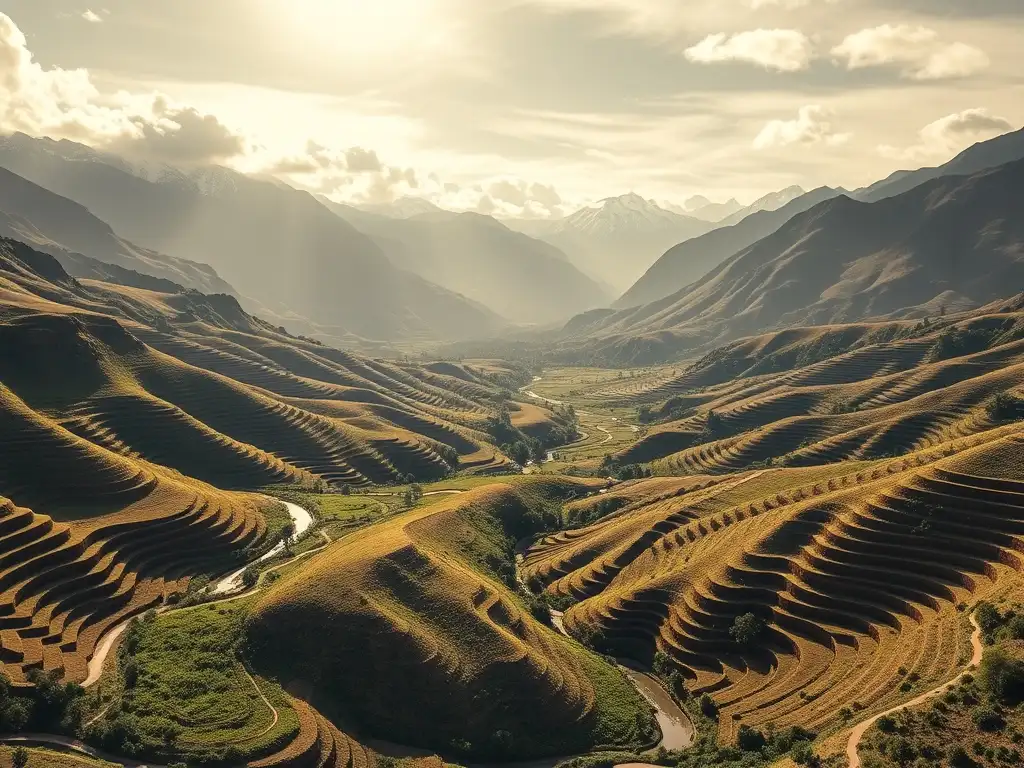
The ingenious Inca agricultural system wasn't just about cultivating crops; it was about mastering the challenges of a diverse and often unpredictable Andean climate. One of their most remarkable innovations was the waru waru system, also known as raised fields. These weren't simply elevated plots of land; they were carefully designed agricultural terraces built in swampy areas prone to flooding and frost. The raised fields themselves were constructed from earth and organic matter, creating fertile mounds separated by canals. This intricate network served multiple crucial purposes in adapting to the harsh climate.
The elevated position of the crops protected them from frost, a significant threat in the high-altitude Andean regions. The cold air, denser than warmer air, settled in the lower-lying canals, leaving the crops on the raised fields relatively warmer. This temperature regulation significantly increased crop yields, even during periods of intense cold. Furthermore, the canals played a vital role in managing water.
During the rainy season, the canals acted as drainage channels, preventing waterlogging and crop damage from excess moisture. Conversely, during drier periods, the water stored in the canals provided a reliable irrigation source, ensuring a consistent water supply for the crops. This ingenious dual-purpose system allowed the Inca to cultivate crops successfully in areas otherwise unsuitable for agriculture. Studies of surviving waru waru systems reveal their effectiveness, with evidence suggesting significantly higher yields compared to traditional farming techniques in similar environments.
The Inca's understanding of hydrology and microclimates was clearly key to the success of this adaptation strategy. The careful placement and orientation of the fields, often taking advantage of sunlight exposure and wind patterns, further optimized their effectiveness. The waru waru system stands as a testament to the Inca's sophisticated understanding of their environment and their ability to engineer solutions to the challenges it presented.
Storage Techniques: Ensuring Food Security in Uncertain Times
The Inca civilization's success wasn't solely dependent on efficient agricultural practices; it also relied heavily on sophisticated food storage techniques. Facing unpredictable weather patterns and the potential for crop failures, the Inca developed a complex system of granaries and storage facilities to ensure food security throughout the year. These weren't simply rudimentary structures; they were strategically located and meticulously designed to preserve food for extended periods.
The choice of location was critical, taking into account factors like altitude, temperature, and humidity to minimize spoilage. Many granaries were built into the sides of cliffs or hills, utilizing natural insulation to maintain stable temperatures.
The construction of the storage facilities also played a vital role. Granaries were often made from stone or adobe, materials naturally resistant to pests and moisture. The structures were carefully sealed to prevent the entry of insects and rodents, and ventilation systems were incorporated to allow for air circulation while preventing excessive moisture build-up. A variety of techniques were employed to preserve different types of food.
For example, grains were often dried thoroughly before storage, while other foods might be preserved through techniques like fermentation or salting. The Inca's understanding of food preservation techniques was remarkable, allowing them to maintain substantial food reserves even during periods of drought or other climate-related challenges. This meticulous approach to storage, combined with their efficient agricultural practices, formed the backbone of their resilience to climate variability.
The extensive network of storage facilities, managed by a sophisticated administrative system, ensured a steady food supply for the population, contributing significantly to the stability and longevity of the Inca Empire. The impressive scale of some of these storage complexes underlines the importance the Inca placed on food security as a cornerstone of their societal stability. This foresight, combined with their innovative agricultural methods, allowed them to thrive in a challenging environment.
Inca Resource Management in a Changing Climate

The Inca Empire, renowned for its sophisticated engineering and social organization, faced significant challenges posed by the diverse and often unpredictable Andean climate. Successful Inca rule hinged on effective resource management, particularly in the face of fluctuating water availability, droughts, and extreme weather events like El Niño and La Niña. Their strategies, a testament to their ingenuity and understanding of their environment, ensured the survival and prosperity of their vast empire for centuries.
Understanding these "Inca climate adaptation strategies" provides crucial insights into their remarkable achievements and offers valuable lessons for contemporary societies grappling with similar climatic challenges. This section delves into the specific techniques employed by the Inca to manage their resources and mitigate the impacts of climate variability.
Water Management Strategies: Beyond Agriculture
While Inca agricultural techniques are well-documented, their water management extended far beyond irrigation systems for crops. They developed a comprehensive approach encompassing water storage, distribution, and conservation across various sectors of their society. This involved:
- Sophisticated canal systems: These weren't just for agriculture; they also provided water for urban centers, facilitating sanitation and daily life. The intricate networks of canals, often carved into mountain slopes, demonstrate a deep understanding of hydraulic engineering and terrain management. The precision and scale of these systems are truly remarkable, showcasing the Inca's ability to adapt to the mountainous terrain and ensure a reliable water supply even during periods of low rainfall. Evidence suggests that these systems were regularly maintained and repaired, indicating a commitment to long-term water security.
- Reservoirs and storage facilities: In addition to canals, the Inca constructed numerous reservoirs and storage facilities at various altitudes, capable of storing significant quantities of water. These were strategically located to capture rainwater and meltwater, ensuring a reliable supply during dry seasons. The size and location of these reservoirs suggest a sophisticated understanding of hydrology and water resource planning.
- Water rationing and distribution: Archaeological evidence and historical accounts suggest the implementation of sophisticated water rationing and distribution systems. This ensured equitable access to water resources, preventing conflicts and promoting social stability, even amidst scarcity. This equitable approach was crucial for maintaining social order and minimizing the impact of water shortages on the population.
Adapting to Drought: Resource Allocation and Conservation
Droughts were a recurring threat to the Inca Empire. Their response involved a multi-faceted approach focused on resource allocation and conservation:
- Crop diversification: The Inca cultivated a wide variety of crops adapted to different altitudes and climates. This diversification minimized the risk of complete crop failure due to drought. For example, they cultivated potatoes at various altitudes, taking advantage of microclimates and reducing reliance on a single crop. This strategy is a classic example of risk mitigation in agriculture.
- Terracing and hillside farming: Terracing reduced soil erosion and improved water retention, crucial in arid and semi-arid regions. The construction of terraces involved significant labor, but the long-term benefits in terms of increased agricultural productivity and drought resilience made it a worthwhile investment. The terraces also helped to create microclimates, allowing for the cultivation of diverse crops.
- Storage of surplus food: The Inca maintained extensive storage facilities, known as qollqas, to store surplus food during periods of abundance, ensuring food security during droughts. The efficient management of these storage facilities was crucial for the survival of the population during lean times. The construction and maintenance of the qollqas demonstrate the Inca's long-term planning and commitment to community resilience.
Managing Extreme Weather: Inca Responses to El Niño and La Niña
El Niño and La Niña events, characterized by extreme variations in rainfall and temperature, presented significant challenges to the Inca. Their responses included:
- Early warning systems: Evidence suggests the Inca had developed sophisticated early warning systems to predict El Niño and La Niña events. These systems, likely based on observations of natural phenomena, allowed them to prepare for the anticipated impacts. The precise mechanisms of these systems remain a subject of ongoing research, but their existence highlights the Inca's keen awareness of their environment.
- Emergency preparedness and relief: The Inca state played a central role in providing emergency relief during extreme weather events. This included providing food, water, and shelter to affected populations. Their centralized administration allowed for efficient resource mobilization and distribution during crises. This highlights the importance of strong governance and social organization in disaster response.
- Infrastructure resilience: Inca infrastructure, including roads, bridges, and irrigation systems, was designed to withstand extreme weather events. The construction techniques employed ensured durability and resilience, minimizing damage during floods and other natural disasters. This demonstrates a long-term perspective on infrastructure development and a commitment to sustainability.
The Inca's success in adapting to a changing climate demonstrates their remarkable understanding of their environment and their ability to develop innovative solutions to complex challenges. Their strategies offer valuable lessons for contemporary societies facing similar issues, highlighting the importance of integrated resource management, community resilience, and long-term planning in the face of climate variability. Further research into Inca climate adaptation strategies promises to reveal even more about their remarkable achievements and provide valuable insights for addressing the challenges of climate change in the 21st century.
Inca Societal Structures and Climate Resilience
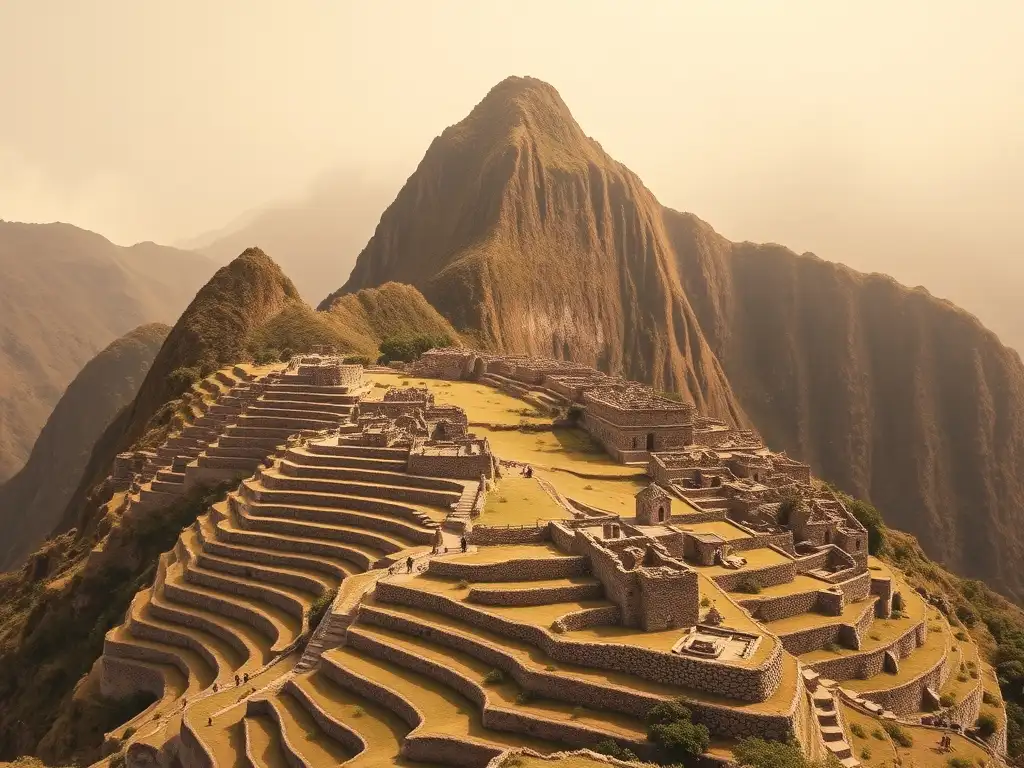
The Inca Empire's remarkable success, spanning centuries and encompassing a vast and diverse geographical area, was significantly underpinned by sophisticated strategies for adapting to highly variable climate conditions. Understanding these adaptations requires examining the intricate interplay between Inca societal structures and their environmental responses. The empire's ability to withstand droughts, floods, and other climate-related challenges wasn't solely dependent on technological innovation; it was deeply rooted in its social organization and governance.
The Inca's Inca climate adaptation strategies were multifaceted, reflecting a deeply ingrained understanding of their environment and a capacity for collective action. This section will delve into the key societal aspects that contributed to their resilience.
The Role of the Inca State in Climate Adaptation
The Inca state played a central role in orchestrating climate adaptation strategies. Unlike many other pre-industrial societies, the Inca government possessed a highly centralized administrative system, allowing for effective resource management and the implementation of large-scale projects. The ayllu, the fundamental socio-economic unit, was integrated into a broader imperial framework where the state exerted considerable control over land use, labor allocation, and the distribution of resources.
This centralized authority was crucial for implementing large-scale irrigation systems, terracing projects, and storage facilities, all vital for mitigating the impacts of climate variability. For example, the extensive network of qhapaq ñan (Inca roads) facilitated rapid communication and the swift mobilization of resources in response to climate-related emergencies. The state's ability to efficiently collect and redistribute surplus agricultural produce from areas experiencing favorable conditions to those suffering from drought or crop failure was paramount to their resilience.
The state's meticulously organized system ensured that even during periods of climate stress, the population's basic needs were met, minimizing social unrest and maintaining stability. The effectiveness of this centralized approach is evidenced by the empire's longevity despite facing significant climatic challenges.
Community Cooperation and Labor Organization
While the Inca state provided the overarching framework, the success of their climate adaptation strategies hinged on the active participation and cooperation of local communities. The ayllu system, characterized by collective ownership of land and resources, fostered a strong sense of community responsibility and mutual support. The mita system, a form of mandatory labor service, was utilized not only for construction projects like irrigation canals and terraces but also for crucial agricultural tasks during planting and harvest seasons.
This ensured that even during periods of labor shortage caused by climate-related events, essential agricultural activities were carried out effectively. The mita system, though demanding, promoted community solidarity and collective responsibility for resource management. The efficiency of the ayllu system in mobilizing labor and sharing resources during times of climate stress is a testament to the strength of community bonds and the Inca's ability to harness collective action for survival.
This system helped to ensure that the entire community benefited from the collective efforts in adapting to changing climate conditions, fostering resilience at the local level. The effectiveness of this approach is reflected in the empire's relatively stable population numbers even in the face of climatic variability.
Inca Knowledge Systems: Predicting and Responding to Climate Patterns
The Inca’s success in adapting to climate change wasn’t solely a matter of organization; it was deeply intertwined with their sophisticated understanding of environmental patterns. Their knowledge systems, passed down through generations, allowed them to predict and respond effectively to climate variability. This knowledge was not solely based on empirical observation but also incorporated sophisticated astronomical knowledge.
Detailed records, though not written in the way we understand it today, were kept through a system of knotted strings called quipus. These quipus likely encoded information on rainfall patterns, crop yields, and other climate-related data, assisting in long-term planning and resource management. The Inca's ability to predict the likelihood of drought or flood allowed them to proactively implement mitigation strategies, such as building reservoirs and adjusting planting schedules.
Furthermore, their deep understanding of microclimates allowed them to optimize agricultural practices within diverse ecological zones. This detailed understanding of their environment, coupled with their ability to adapt their agricultural techniques, allowed the Inca to maximize crop yields and ensure food security even under challenging climatic conditions. Further research into quipus and other archaeological evidence is needed to fully understand the extent of their climatological knowledge and its role in their remarkable adaptation strategies.
Lessons from the Incas: Sustainable Practices for the Future
The Inca Empire, renowned for its sophisticated engineering and social organization, thrived in the diverse and challenging Andean environment. Their success was inextricably linked to their ability to adapt to dramatically fluctuating climate conditions, ranging from arid coastal deserts to high-altitude puna grasslands. Studying their strategies offers invaluable insights for contemporary societies grappling with the impacts of climate change.
Understanding how the Inca managed resources and built resilience provides a blueprint for sustainable practices relevant to our modern world. The Inca's approach to climate change adaptation wasn't a single solution but a multifaceted system encompassing agricultural innovations, community-based resilience, and ingenious infrastructure design. This section will delve into specific examples of their ingenuity, highlighting the enduring relevance of their solutions.
Inca Agricultural Techniques: Relevance for Modern Agriculture
Inca agricultural practices were remarkably sophisticated, demonstrating an intimate understanding of their environment and a commitment to sustainability. They employed a variety of techniques to maximize crop yields in diverse and often challenging conditions. Terracing, for example, was crucial in transforming steep slopes into productive farmland, reducing soil erosion and optimizing water retention.
This technique, still used in many parts of the world, is a testament to its enduring effectiveness. Furthermore, the Inca utilized sophisticated irrigation systems, channeling water from rivers and streams to irrigate crops, even in arid regions. These systems, often involving intricate networks of canals and aqueducts, were carefully designed to manage water resources efficiently.
The Inca also practiced crop diversification, cultivating a wide range of crops adapted to different altitudes and microclimates. This minimized their vulnerability to crop failures caused by unpredictable weather patterns. Their understanding of crop rotation and intercropping further enhanced soil fertility and resilience. Specific examples include the cultivation of potatoes at various altitudes, adapting different varieties to different environmental conditions.
This sophisticated approach to farming mirrors modern sustainable agriculture practices, emphasizing biodiversity and resilience. The Inca's legacy underscores the importance of integrating traditional knowledge with modern scientific understanding in developing climate-resilient agricultural systems. The adoption of Inca-inspired techniques could significantly improve food security in regions facing climate change challenges.
The Importance of Community Resilience in the Face of Climate Change
The Inca Empire's success wasn't solely based on technological innovation; it was equally reliant on a strong sense of community and social organization. Their highly structured society, with its emphasis on cooperation and mutual support, proved crucial in mitigating the impacts of climate shocks. The ayllu, a communal system of land ownership and labor organization, played a vital role in distributing resources equitably and ensuring community resilience.
In times of drought or other natural disasters, the ayllu system facilitated mutual aid and ensured the survival of its members. This collective approach to risk management contrasts sharply with individualistic approaches prevalent in many contemporary societies.
The Inca's emphasis on community-based disaster preparedness is a valuable lesson for modern societies. Building strong social networks and fostering a sense of shared responsibility are essential for effective climate change adaptation. Community-based early warning systems, for example, can help minimize the impact of extreme weather events. Moreover, community participation in resource management ensures that adaptation strategies are tailored to local needs and circumstances. The Inca experience demonstrates that effective climate change adaptation requires not only technological innovation but also strong social cohesion and collective action. 🤝
The Use of Stone Infrastructure for Temperature Regulation
The Inca's mastery of stonework extended beyond their impressive architectural feats; it also played a crucial role in adapting to varying climatic conditions. Their use of stone in infrastructure was not merely aesthetic; it served a vital function in regulating temperature and creating microclimates suitable for agriculture and habitation. For example, the construction of qollqas (granaries) utilized ingenious techniques to maintain a stable internal temperature, preserving stored food for extended periods. These structures, often built into hillsides, leveraged natural insulation to prevent spoilage, demonstrating a deep understanding of thermal dynamics.
The intricate stonework of Inca buildings also contributed to temperature regulation. The precise fitting of stones in walls minimized drafts and created thermally efficient structures. Furthermore, the orientation of buildings, often taking advantage of solar radiation, maximized warmth during cold periods. The use of stone in irrigation canals and terraces also contributed to temperature regulation, influencing soil moisture and plant growth.
The Inca's expertise in stone construction provides a compelling case study in sustainable building practices. Their techniques offer valuable lessons for modern architecture, highlighting the potential of natural materials and passive design strategies in creating energy-efficient and climate-resilient buildings. The meticulous craftsmanship and thoughtful design of Inca stone structures serve as a powerful reminder of the importance of considering environmental factors in the construction process.
Comparison of Inca Strategies with Modern Approaches
The Inca's sophisticated understanding of their environment and their ingenious adaptation strategies offer valuable lessons for contemporary societies grappling with climate change. Their approach, while rooted in a different technological context, resonates strikingly with modern sustainable practices. For instance, the Inca's intricate terrace farming systems, designed to optimize water usage and reduce soil erosion on steep slopes, find parallels in modern techniques like contour farming and water harvesting.
These methods are increasingly employed globally to enhance agricultural productivity in challenging terrains while minimizing environmental impact. Similarly, the Inca's meticulous management of water resources, including the construction of sophisticated irrigation canals and reservoirs, mirrors modern efforts in water conservation and efficient irrigation technologies, such as drip irrigation and rainwater harvesting systems. These modern techniques aim to maximize water use efficiency, mirroring the Incas' focus on optimizing limited resources.
However, there are also key differences. The Inca system was largely based on human labor, often involving large-scale mobilization of the population for projects like terrace construction. Modern approaches, in contrast, rely heavily on machinery and technology, although there is a growing movement toward more labor-intensive, community-based sustainable agriculture practices. Furthermore, the Inca's understanding of their local ecosystem and climate was deeply ingrained in their worldview and social structure, fostering a profound sense of stewardship.
Modern societies, while possessing advanced scientific knowledge, often struggle to translate that knowledge into widespread behavioral changes necessary for long-term sustainability. The Inca's integrated approach, where agricultural practices were interwoven with their social organization and religious beliefs, presents a compelling model for fostering collective action and commitment to environmental responsibility. This highlights a crucial gap: translating scientific understanding into widespread societal action remains a significant challenge in the modern world.
The Inca's success in integrating ecological knowledge into their social fabric offers valuable insights into how to bridge this gap. Understanding this integration is crucial for developing effective and sustainable climate adaptation strategies in the modern era. The Inca’s success serves as a powerful reminder of the potential for human ingenuity and collective action to overcome environmental challenges, even in the face of significant climatic variability.
Frequently Asked Questions
How did the Inca adapt to the diverse climates of their empire?
The Inca Empire spanned diverse climates, from coastal deserts to high-altitude Andes. They employed ingenious agricultural techniques like terracing, irrigation systems, and the creation of microclimates to cultivate crops suited to different altitudes and conditions. This ensured food security across their vast territory.
What role did terrace farming play in Inca climate adaptation?
Terrace farming was crucial. It allowed the Inca to maximize arable land on steep slopes by creating level platforms, improving water retention, and reducing soil erosion. This enabled them to cultivate crops even in challenging mountainous terrain.
How did the Inca manage water resources in arid regions?
Inca water management was sophisticated. They developed extensive irrigation canals and aqueducts to transport water from rivers and meltwater sources to fields, even across vast distances. This allowed them to farm in otherwise arid areas.
What evidence exists to support the effectiveness of Inca climate adaptation strategies?
Archaeological evidence, such as the well-preserved terraces and irrigation systems, demonstrates the effectiveness of Inca strategies. Furthermore, the successful cultivation of diverse crops across varied climates indicates their adaptation's success.
Did Inca climate adaptation strategies contribute to the empire's longevity and stability?
Yes, their remarkable engineering and agricultural innovations were key to the empire's success. By ensuring food security across diverse climates, the Inca maintained social stability and supported a large population, contributing to the empire's longevity.
Final Reflection: Echoes of the Andes: Inca Resilience and Our Future
The Inca civilization's sophisticated adaptation strategies to a volatile climate offer a powerful lesson for our own era of unprecedented environmental change. Their ingenuity, born from necessity, serves as a stark reminder that human survival hinges on understanding and responding effectively to the challenges posed by our planet. The lessons learned from their successes and failures are not relics of the past; they are vital tools for navigating the complexities of the 21st century.
The Inca's deep understanding of their environment, their intricate water management systems, and their flexible agricultural practices continue to resonate today. Their ability to thrive in a challenging landscape underscores the importance of sustainable practices and community resilience. The mountains are our mother, and we must respect her.
This ancient wisdom holds a profound truth, reminding us of our interconnectedness with the natural world and the urgent need for responsible stewardship. Their story is not just a historical account; it's a blueprint for sustainable living, a testament to human adaptability, and a cautionary tale about the consequences of ignoring environmental signals.
Consider the ingenuity of the Inca's terrace farming, their sophisticated irrigation systems, and their careful selection of crops. These were not mere technological advancements; they were expressions of a deep understanding of their environment and a commitment to long-term sustainability. You too can cultivate this same spirit of resilience and resourcefulness in your own life. Examine your relationship with the environment, explore sustainable practices in your community, and advocate for policies that protect our planet. Let the echoes of the Andes inspire you to build a future where human ingenuity and environmental responsibility work hand-in-hand.
Unearth the Resilience of Ancient Innovators!
Thank you for exploring the fascinating ways the Inca adapted to changing climate conditions. Your curiosity highlights the remarkable ingenuity of ancient civilizations, offering valuable inspiration as we face modern challenges.
Let's apply these insights to our lives:
- **Embrace sustainability:** Start by adopting at least one eco-friendly practice, such as reducing waste, recycling, or conserving water. Even small changes can make a difference.
- **Share your knowledge:** Discuss what you've learned with friends and family, inspiring them to consider how past adaptations can shape a more sustainable future.
- **Engage with your community:** Join local groups focused on climate action and participate in projects that promote environmental sustainability. Collective action is crucial.
How will you incorporate innovative methods into your daily life to contribute to a more sustainable future? What practical steps can you take to make a positive impact?