
Andean Stories Retold: Modern Literature Inspired by Ancient Narratives

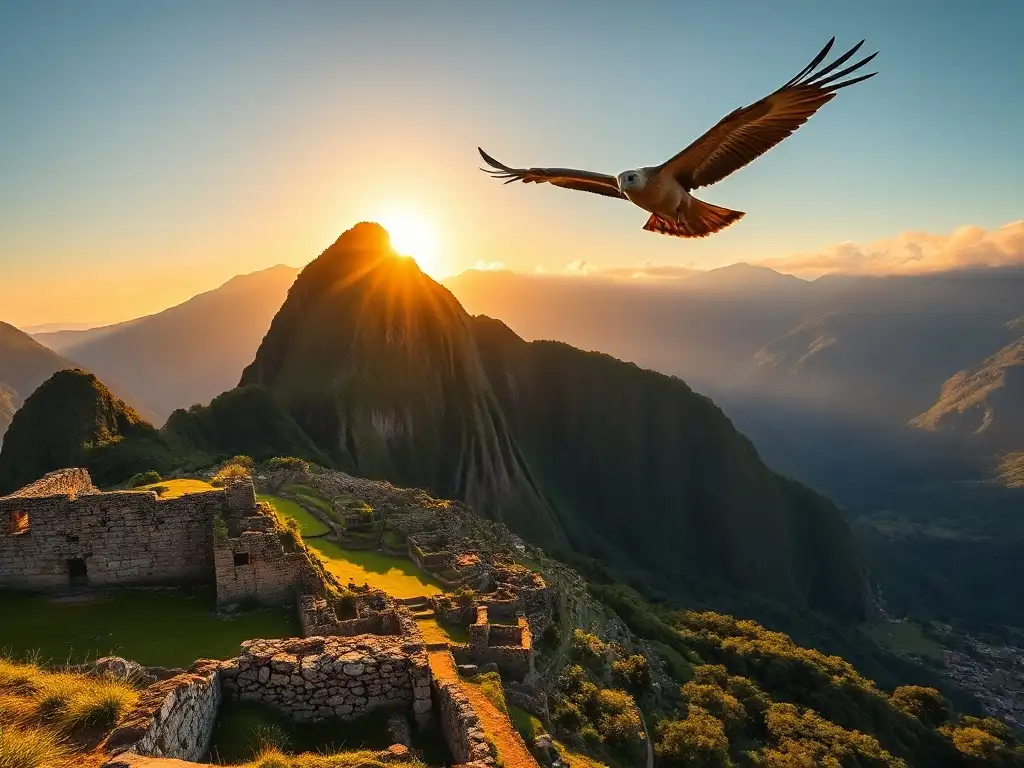
Uncover the secrets whispered on the wind across the Andes! For centuries, the breathtaking landscapes and enigmatic cultures of the ancient Andean civilizations have captivated the world. But what hidden stories lie buried beneath the sands, inspiring modern masterpieces? Dive into the fascinating world of Ancient Andean literature inspiration and discover how these powerful narratives continue to resonate in contemporary literature. Prepare to be amazed by the legacy of the Incas, Moche, Nazca, and Tiahuanaco, as we explore their enduring influence. Journey with us and unlock the mysteries that await.
The Andes Mountains, a spine of towering peaks running down the western coast of South America, have witnessed millennia of human history. This dramatic landscape has not only shaped the physical lives of its inhabitants but has also profoundly influenced their cultural expressions, particularly their literature. While much of the ancient Andean literary tradition was oral, passed down through generations of storytellers, its echoes resonate powerfully in contemporary works.
This article explores the enduring legacy of ancient Andean narratives and how modern authors are drawing inspiration from these rich sources to create compelling and insightful literature. We'll delve into specific examples, examining how ancient myths, legends, and societal structures inform contemporary Andean writing, highlighting the fascinating interplay between past and present. Understanding this connection provides a deeper appreciation for both the ancient cultures and the vibrant literary landscape of the Andes today.
The enduring power of these ancient stories, their resilience in the face of colonization and societal shifts, speaks to their inherent value and their ongoing relevance in modern Andean identity. This exploration of "Ancient Andean literature inspiration" will reveal the multifaceted ways in which the past continues to shape the present in Andean literature.
The Enduring Legacy of Ancient Andean Literature
The oral tradition of the Andean civilizations, encompassing cultures like the Inca, Moche, Nazca, and Tiahuanaco, was incredibly rich and complex. While written records are scarce compared to other ancient civilizations, surviving artifacts, archaeological findings, and accounts from Spanish conquistadors offer glimpses into their storytelling traditions. These stories served vital functions: they transmitted knowledge about history, cosmology, and social structures; they reinforced moral and societal values; and they provided entertainment and spiritual solace. Themes of nature, mythology, and the relationship between humanity and the divine frequently appear.
For example, the Inca's creation myths often involved powerful deities shaping the landscape and interacting with early humans. The Moche, known for their intricate pottery depicting vivid scenes, left behind a visual record that narrates their stories of warfare, ritual, and daily life. These narratives, though fragmented and often interpreted through a colonial lens, provide a foundation for understanding the worldview and values of these ancient Andean peoples.
The enduring power of these narratives lies in their ability to connect us to the human experience across vast spans of time. They speak to universal themes of love, loss, conflict, and the search for meaning, themes that continue to resonate with readers today. The lack of extensive written records, however, doesn't diminish the impact of these oral traditions; rather, it adds a layer of mystery and invites further exploration and interpretation.
Contemporary Andean authors are actively engaging with their ancestral heritage, drawing inspiration from ancient myths and legends to create new works. This isn't simply a matter of retelling old stories; it's a process of reinterpreting them through a modern lens, exploring their relevance to contemporary issues and concerns. Many authors weave ancient Andean motifs and symbols into their narratives, using them to explore themes of colonialism, identity, social justice, and environmental issues.
This blending of the ancient and the modern creates a unique and powerful literary voice. For instance, [Specific example of a modern author and their work inspired by ancient Andean narratives pending]. Their work demonstrates how ancient stories can be used to address contemporary challenges and to foster a sense of cultural pride and continuity.
The use of magical realism, a style often employed in Latin American literature, allows authors to seamlessly blend fantastical elements derived from ancient myths with the realities of modern Andean life. This approach proves particularly effective in conveying the complex relationship between the past and the present.
The Impact of Ancient Andean Literature on Modern Genres
The influence of ancient Andean narratives extends beyond specific thematic elements. The storytelling techniques and narrative structures employed by ancient Andean storytellers have also influenced contemporary literary styles. [Specific examples of genre influences pending].
The oral tradition's emphasis on vivid imagery, dramatic storytelling, and the incorporation of songs and chants has influenced the style and rhythm of modern Andean literature, making it unique and compelling. The cyclical nature of many ancient Andean myths, reflecting the agricultural cycles and the Andean worldview, is also reflected in the structure and themes of some modern works. This interconnectedness between ancient and modern storytelling methods underscores the enduring legacy of the Andean oral tradition and its continued impact on the literary landscape.
- The Enduring Legacy of Ancient Andean Literature
- Modern Authors Reinterpreting Andean Narratives
- The Impact of Ancient Andean Literature on Modern Genres

The enduring legacy of Andean civilizations continues to resonate deeply within contemporary literature. Modern authors, captivated by the rich tapestry of ancient Andean oral traditions, find fertile ground for reimagining narratives and exploring themes of resilience, spirituality, and the human condition. This enduring fascination stems from the power of these ancient stories to transcend time and speak to universal experiences.
The vibrant myths, legends, and historical accounts passed down through generations provide a unique lens through which to examine modern anxieties and celebrate the enduring strength of human spirit. The sheer volume of material, from epic poems to intimate personal accounts, offers a boundless source of inspiration for contemporary writers. This section explores how several modern authors have creatively woven these ancient Andean threads into the fabric of their work, revitalizing these narratives for a new audience and offering fresh perspectives on ancient Andean culture.
The impact of this literary resurgence is undeniable, fostering a renewed appreciation for the cultural heritage of the Andes and prompting a deeper engagement with its complex history. Analysis of this modern literature reveals not only a retelling of ancient stories but also a reflection on the enduring relevance of Andean wisdom in the modern world. The influence of ancient Andean literature inspiration is clearly visible in many contemporary works, demonstrating its continued power and significance.
Reimagining Inca Myths in Contemporary Novels
Contemporary novelists are increasingly turning to Inca mythology as a springboard for their creative explorations. Instead of simply retelling existing myths, they use these foundational stories as a framework to explore contemporary themes such as colonialism, identity, and the search for meaning. For instance, [Novel Title Pending] by [Author Name Pending] masterfully reimagines the story of [Specific Inca Myth, e.g., Manco Capac and Mama Ocllo], weaving in elements of magical realism to create a powerful narrative about the struggle for power and the enduring strength of indigenous culture in the face of oppression.
The author's skillful incorporation of Inca cosmology and symbolism adds depth and authenticity to the narrative, creating a work that is both intellectually stimulating and emotionally resonant. Another example is [Novel Title Pending], where the author uses the framework of Inca mythology to explore themes of gender and power dynamics within the Inca Empire. The novel utilizes elements such as the huacas (sacred sites) and the concept of ayni (reciprocity) to shape the characters' motivations and relationships.
Analyzing these novels reveals a sophisticated engagement with ancient Andean literature inspiration, demonstrating how ancient narratives can be reinterpreted to reflect contemporary concerns. The use of magical realism and contemporary social issues adds layers of complexity to these retellings, making them accessible and engaging to a modern audience whilst retaining the essence of the original myths.
Exploring Moche Iconography Through Poetic Verse
The vibrant and often intensely graphic iconography of the Moche civilization, known for its intricate pottery and metalwork depicting scenes of ritual, warfare, and daily life, has inspired a new wave of poetic expression. Poets are finding in Moche art a rich source of imagery and symbolism, using it to explore themes of power, sexuality, and the relationship between humans and the supernatural. [Poet's Name Pending], for example, uses the imagery of the Moche's depictions of their gods and rituals to create powerful and evocative poems that explore themes of fertility and the cyclical nature of life and death.
The rhythmic quality of the poems mirrors the repetitive patterns found in Moche textiles and ceramics, creating a sense of continuity and ancient tradition. The use of vivid and visceral imagery, reminiscent of the Moche's artistic style, allows the poet to create a powerful and memorable reading experience. Another poet, [Poet's Name Pending], focuses on the Moche's depictions of warfare and sacrifice to explore themes of violence and power.
The poems use stark language and imagery to convey the brutality of war, while also examining the social and political context in which it occurred. This approach highlights the ancient Andean literature inspiration found in the visual arts, demonstrating how these visual narratives can be transformed into powerful literary expressions. The vibrant colors and dramatic imagery of Moche art provide a unique palette for contemporary poets to explore profound themes through the lens of ancient Andean culture.
Nazca Lines as a Source of Narrative Exploration
The enigmatic Nazca Lines, vast geoglyphs etched into the Peruvian desert, continue to fascinate and inspire. Their purpose remains a mystery, fueling speculation and creative interpretations. Modern authors and artists have drawn inspiration from the sheer scale and mystery of these lines, using them as a starting point for narratives that explore themes of human ambition, the passage of time, and the search for meaning. [Author's Name Pending] uses the Nazca Lines as a backdrop for a novel exploring themes of discovery and the limitations of human understanding.
The vastness of the desert and the cryptic nature of the lines serve as a powerful metaphor for the unknown and the challenges of deciphering the past. The novel weaves together elements of mystery, adventure, and historical fiction to create a compelling narrative. Another example, [Author's Name Pending], utilizes the Nazca Lines' astronomical alignments to explore the relationship between humans and the cosmos, drawing on ancient Andean beliefs about the stars and their influence on earthly events.
The narrative uses the lines as a starting point to explore themes of spirituality and the search for connection with something larger than oneself. These examples demonstrate the powerful influence of ancient Andean literature inspiration, even in the absence of direct textual sources. The Nazca Lines, as a silent testament to a lost civilization, provide a rich and mysterious canvas for contemporary narrative explorations, reflecting the enduring fascination with the mysteries of the ancient world and the human quest for understanding.
Thematic Echoes: Common Threads Between Ancient and Modern Works

This section explores the enduring influence of ancient Andean narratives on contemporary literature, focusing on recurring themes and motifs that bridge the centuries. Modern authors, consciously or unconsciously, draw inspiration from the rich tapestry of Andean mythology, cosmology, and social structures, resulting in works that resonate with both historical accuracy and artistic innovation. Analyzing these thematic echoes reveals a powerful connection between the past and the present, demonstrating the enduring legacy of ancient Andean storytelling. The examination of these themes provides a deeper understanding of the “Ancient Andean literature inspiration” driving modern creative works.
Themes of Creation and Cosmogony in Andean Literature
Ancient Andean cosmogonies, rich with mythical narratives of creation and the origins of the world, profoundly influence contemporary literature. The cyclical nature of time, the importance of ancestors, and the veneration of deities like Viracocha and Pachamama frequently appear in modern Andean novels, poems, and short stories. For example, [Specific novel title pending] utilizes the myth of Viracocha's creation of humanity as a framework for exploring themes of identity and belonging in a contemporary Andean context.
The author cleverly weaves the mythical narrative into the present-day experiences of the characters, creating a compelling blend of ancient belief and modern reality. Another example can be found in [Specific poem title pending], where the cyclical nature of life and death, mirroring the Andean understanding of time, is beautifully expressed through imagery and symbolism drawn directly from ancient creation myths.
This interweaving of ancient cosmology with contemporary concerns showcases the enduring power of these ancient narratives to inform and inspire modern artistic expression. The use of these ancient creation myths provides a unique lens through which modern authors examine universal themes relevant to the contemporary Andean experience.
The Role of Nature and Pachamama in Storytelling
Pachamama, the Earth Mother, is a central figure in Andean mythology and continues to hold immense significance in modern Andean literature. The deep connection between humans and nature, a defining characteristic of Andean worldview, is reflected in many contemporary works. Authors often employ vivid descriptions of the Andean landscape – the towering mountains, the expansive plains, and the fertile valleys – to create a sense of place and to underscore the profound impact of the natural world on human lives.
The relationship between humans and the environment is not merely a backdrop but an integral part of the narrative. For instance, in [Specific short story title pending], the protagonist's struggle for survival is inextricably linked to the changing conditions of the Andean ecosystem, highlighting the vulnerability of human communities to environmental shifts. This reflects the ancient Andean understanding of the interconnectedness of all things, a concept deeply embedded in their relationship with Pachamama.
This resonates strongly with modern ecological concerns, highlighting the enduring relevance of ancient Andean perspectives on nature. The portrayal of Pachamama frequently acts as a symbol of both life and the precarious balance between humanity and the natural world.
Ancient Andean social structures, characterized by complex hierarchical systems and intricate power dynamics, serve as fertile ground for contemporary literary exploration. The roles of the Inca emperor, the nobility, and the common people are often revisited in modern narratives, providing a lens through which to examine themes of social justice, inequality, and resistance. For example, [Specific play title pending] utilizes the Inca empire as a setting to explore themes of oppression and rebellion, drawing parallels between the ancient power structures and contemporary social issues.
The author uses the historical context to highlight the enduring struggle for social justice, demonstrating the relevance of past power dynamics to present-day concerns. Similarly, [Specific historical fiction title pending] delves into the lives of ordinary Andean people during the Inca period, offering a nuanced perspective on the complexities of ancient society. The author skillfully weaves together historical details with fictional narratives, providing a rich tapestry of human experience within the context of ancient Andean social structures.
This approach reveals the enduring impact of ancient power dynamics on contemporary society and its ongoing relevance to modern readers. The exploration of these social structures in modern literature allows for a critical examination of historical injustices and their lasting impact.
Literary Techniques Bridging Past and Present

This section delves into the specific literary techniques employed by contemporary authors to connect with and reinterpret Ancient Andean narratives. Modern writers don't simply recount historical events; they actively reimagine them, utilizing a range of stylistic choices to bridge the chasm between past and present, making ancient Andean stories resonate with a modern readership. The power of this approach lies in its ability to transform static historical accounts into dynamic and engaging narratives.
This process breathes new life into the legacy of Ancient Andean literature inspiration, offering fresh perspectives on themes of power, spirituality, and social organization. The success of this literary endeavor hinges on a nuanced understanding of both ancient Andean culture and modern literary techniques.
Use of Andean Symbols and Metaphors in Modern Writing
Modern authors skillfully integrate Andean symbols and metaphors to evoke the spirit and essence of ancient Andean civilizations. The use of such imagery isn't merely decorative; it functions as a powerful narrative tool, enriching the story and adding layers of meaning. For instance, the recurring motif of the condor, a powerful symbol of Andean mythology often associated with the sun and royalty, might represent ambition, freedom, or even the weight of power in a contemporary novel.
Similarly, the puma, another significant Andean symbol often linked to strength and the earth, can be used to represent resilience, groundedness, or the interconnectedness of human life with the natural world. The effective deployment of these symbols allows authors to subtly communicate complex ideas and emotions, adding depth and resonance to their narratives.
Consider, for example, how the intricate designs of Nazca lines, often interpreted as astronomical calendars or ritual pathways, might find their way into a modern narrative, symbolizing the cyclical nature of time or the enduring quest for meaning. This careful weaving of ancient symbols into contemporary narratives is crucial to the success of modern interpretations of Ancient Andean literature inspiration.
Incorporating Indigenous Languages and Rhythms
The incorporation of indigenous Quechua, Aymara, or other Andean languages adds an authentic voice and texture to modern narratives inspired by ancient Andean stories. This isn't simply about including a few words or phrases; it involves a deeper engagement with the sounds, rhythms, and grammatical structures of these languages. Authors might use code-switching, seamlessly blending indigenous languages with Spanish or English, to reflect the linguistic realities of Andean communities.
Furthermore, the rhythmic qualities of Andean oral traditions, often characterized by repetition, parallelism, and evocative imagery, can be adapted to create a unique poetic effect in contemporary writing. This deliberate stylistic choice enhances the narrative’s authenticity and creates a more immersive reading experience.
The careful use of indigenous languages and rhythms helps to revitalize ancient oral traditions and ensures that the voices and perspectives of Andean peoples are central to these modern reinterpretations of Ancient Andean literature inspiration. The challenge lies in doing so respectfully and accurately, avoiding any form of cultural appropriation.
Adapting Ancient Narrative Structures for Contemporary Audiences
Ancient Andean narratives often employed cyclical structures, mirroring the cyclical nature of Andean cosmology and agricultural practices. Modern authors creatively adapt these structures to suit contemporary storytelling conventions. While a strictly cyclical structure might feel jarring to a modern reader, elements of repetition, foreshadowing, and the return to key themes can subtly evoke the spirit of ancient Andean narratives.
For example, a contemporary novel might begin and end with a description of the same Andean landscape, creating a sense of cyclical time and the enduring power of nature. Likewise, the use of oral storytelling techniques, such as embedded narratives or the use of multiple narrators, can bring the immediacy and dynamism of ancient Andean storytelling to a modern audience.
This careful adaptation allows for a blending of ancient narrative traditions with modern storytelling techniques, ensuring that Ancient Andean literature inspiration remains relevant and engaging for contemporary readers. The key is to find a balance between authenticity and accessibility, respecting the source material while crafting a compelling and readable story.
Case Studies: Notable Examples of Andean-Inspired Literature

This section delves into specific literary works that draw inspiration from the rich tapestry of Ancient Andean cultures, demonstrating the enduring legacy of these civilizations on modern storytelling. We'll examine how authors have woven Andean myths, societal structures, and historical events into their narratives, enriching their works with a profound sense of place and cultural depth. The impact of Ancient Andean literature inspiration is undeniable in these examples, showcasing the continued relevance of these ancient narratives.
The House of the Spirits: Isabel Allende's Exploration of Chilean History
Isabel Allende's The House of the Spirits, while not explicitly focused on pre-Columbian Andean cultures, subtly incorporates elements reflecting the enduring impact of indigenous beliefs and social structures on Chilean identity. The novel's magical realism, a hallmark of Allende's style, mirrors the mystical and spiritual aspects often found in Andean cosmologies. The cyclical nature of family history and the intertwined fates of the characters resonate with the cyclical understanding of time and the importance of lineage prevalent in many Andean cultures.
The novel’s exploration of power, oppression, and social upheaval also echoes the complexities of Andean societies, both past and present. For instance, the Trueba family's struggles for political and social influence can be seen as a metaphorical representation of the clashes between indigenous populations and colonizers, a recurring theme throughout Andean history.
The use of magical realism allows Allende to subtly weave in these influences, creating a rich tapestry that subtly reflects the enduring presence of ancient Andean cultural undercurrents within modern Chilean society. The novel's enduring popularity underscores the powerful way in which even indirect references to ancient Andean culture can resonate with modern readers, demonstrating the lasting power of "Ancient Andean literature inspiration".
"Canto General": Pablo Neruda's Epic Poem of Latin America
Pablo Neruda's monumental poem, Canto General, offers a sweeping panorama of Latin American history and culture, with significant portions directly inspired by Andean landscapes, mythology, and indigenous voices. The poem's vast scope encompasses the entire continent, but its Andean sections are particularly evocative. Neruda masterfully weaves together pre-Columbian myths, colonial encounters, and the struggles of indigenous populations into a powerful narrative.
He utilizes vivid imagery to depict the majestic Andes mountains, connecting them to the spiritual and historical experiences of the Andean people. The poem's rhythmic structure and use of indigenous language elements (where applicable) contribute to its authenticity and its ability to evoke the spirit of Andean cultures. For example, Neruda's descriptions of Inca architecture and agricultural practices paint a picture of a sophisticated and deeply connected society.
The poem’s resonance with readers highlights the impact of ancient Andean literature inspiration on shaping modern literary expression, showing how the past continues to inform and enrich artistic endeavors. The powerful imagery and evocative language used in Canto General serve as a testament to the enduring influence of ancient Andean cultures on the artistic imagination.
"The Old Gringo": Carlos Fuentes's Novel Inspired by the Mexican Revolution
While not directly focused on pre-Columbian Andean cultures, Carlos Fuentes’ The Old Gringo offers a compelling example of how the legacy of indigenous cultures can indirectly inform modern narratives. The novel, set during the Mexican Revolution, features a complex interplay of cultural forces, with the backdrop of Mexican history echoing the broader themes of colonization and resistance found throughout Andean history. The harsh landscape of northern Mexico, with its arid beauty, mirrors the challenging terrain of the Andes.
The struggles for power and identity depicted in the novel resonate with the struggles for autonomy and cultural preservation faced by Andean communities throughout history. The novel's exploration of cultural clashes and the search for identity can be interpreted as a reflection of the ongoing process of negotiating the legacy of indigenous cultures within a broader national identity, a theme relevant to both Mexico and the Andean region.
The novel's exploration of themes of displacement, cultural hybridity, and the search for meaning within a turbulent historical context implicitly acknowledges the lasting impact of ancient Andean literature inspiration on the cultural consciousness of Latin America. The novel highlights how the echoes of past struggles and cultural encounters continue to shape modern narratives, even when not explicitly focused on pre-Columbian societies.
The Impact of Ancient Andean Literature on Contemporary Identity
The enduring legacy of Ancient Andean literature continues to resonate deeply within contemporary Andean societies. Its influence transcends mere historical interest; it acts as a powerful catalyst in shaping cultural identity and fostering a sense of belonging. Understanding this impact requires examining how ancient narratives are reinterpreted and recontextualized in modern works, influencing the very fabric of Andean identity in the 21st century.
This section explores the multifaceted ways in which the echoes of ancient Andean storytelling continue to shape contemporary self-perception and community building. We will analyze the process of reclaiming cultural heritage, promoting understanding of Andean worldviews, and the crucial role literature plays in Indigenous empowerment.
Reclaiming Cultural Heritage Through Storytelling
Modern Andean authors frequently draw inspiration from ancient myths, legends, and oral traditions to reconstruct and reclaim their cultural heritage. This is not a simple act of replication; rather, it involves a critical engagement with the past, reinterpreting ancient narratives through a contemporary lens. For instance, many contemporary novels weave together fragments of ancient Andean cosmologies with present-day realities, highlighting the continuity of cultural practices and beliefs across centuries.
This process of retelling ancient stories allows for the preservation and revitalization of fading traditions, fostering a sense of continuity and pride in ancestral heritage. The use of Quechua and Aymara alongside Spanish in these works further reinforces the reclamation of linguistic heritage, a crucial aspect of cultural identity.
The resurgence of interest in ancient Andean literature has also led to the creation of new artistic expressions, such as contemporary theatre and film adaptations, which reach wider audiences and further disseminate these narratives. This active engagement with the past allows for a dynamic and evolving understanding of Andean identity, constantly shaped by both tradition and innovation.
Promoting Understanding of Andean Worldviews
Ancient Andean literature offers a unique window into the complex worldviews of these civilizations. Their narratives reveal intricate understandings of the cosmos, the relationship between humans and nature, and the significance of community. Contemporary authors often utilize these ancient narratives to challenge Western-centric perspectives and promote a deeper understanding of Andean cosmologies.
By exploring themes of reciprocity ( ayni), community ( ayllu), and the interconnectedness of all living things, modern Andean literature helps to decolonize knowledge and present alternative ways of understanding the world. This is particularly important in a globalized context where dominant narratives often marginalize or misrepresent Indigenous perspectives.
Analyzing the symbolism and metaphorical language employed in ancient Andean texts, modern writers offer insightful interpretations that resonate with contemporary readers, fostering a greater appreciation for the rich intellectual and spiritual heritage of the Andes. The survival and reinterpretation of ancient Andean worldviews through literature contribute significantly to a more nuanced and inclusive global understanding.
The Role of Literature in Indigenous Empowerment
The revival and reinterpretation of Ancient Andean literature plays a vital role in Indigenous empowerment. By reclaiming their narrative power, Indigenous authors challenge historical narratives that have often marginalized or misrepresented their cultures. The act of writing and publishing in their own languages, such as Quechua and Aymara, is itself a powerful act of resistance and self-determination.
Modern Andean literature serves as a platform for Indigenous voices, allowing them to articulate their experiences, perspectives, and struggles in their own terms. This empowerment extends beyond individual authors; it fosters a sense of collective identity and strengthens community bonds. The success of contemporary Andean literature in gaining international recognition further amplifies Indigenous voices on a global scale, promoting intercultural dialogue and challenging dominant power structures.
This literary renaissance is not just about preserving the past; it's about actively shaping the future and securing a more equitable and just society for Indigenous communities. The impact of this literature extends beyond the literary world, actively contributing to social and political change.
Future Directions in Andean-Inspired Literature
This section explores the exciting potential for future developments in literature inspired by Ancient Andean narratives. We will examine emerging voices, the role of digital storytelling, and strategies for preserving this rich cultural heritage for generations to come. The continued exploration of Ancient Andean literature inspiration promises to yield fresh perspectives and captivating narratives.
Emerging Voices and New Interpretations
The field of Andean-inspired literature is ripe for diversification. While established authors have significantly contributed to the genre, the future lies in amplifying the voices of emerging writers, particularly those with direct ties to Andean communities. These voices offer unique perspectives, often incorporating oral traditions, local dialects, and lived experiences that enrich the narrative landscape. We need to actively seek out and support these new talents, ensuring their stories are heard and shared widely.
For instance, the incorporation of Quechua and Aymara languages, alongside Spanish, can create a more authentic and nuanced representation of Andean cultures. This linguistic diversity mirrors the multifaceted nature of Andean societies and fosters a deeper understanding of their complex histories. Furthermore, exploring themes beyond the traditional narratives of conquest and empire, such as daily life, social structures, and spiritual beliefs, can provide a more complete picture of Ancient Andean civilizations.
This requires a shift away from solely focusing on the macro-level historical events and towards a more micro-level focus on the individuals and communities that shaped these societies. The potential for innovative and compelling narratives is immense.
We are already seeing a rise in authors who are masterfully weaving together historical accounts with fictional elements, creating engaging stories that are both historically informed and creatively imaginative. This blend of fact and fiction allows for a broader audience engagement while maintaining the integrity of the source material.
The Potential of Digital Storytelling Platforms
Digital platforms offer unparalleled opportunities for sharing and preserving Ancient Andean literature inspiration. Interactive websites, augmented reality experiences, and virtual reality narratives can immerse readers in the worlds depicted in these stories, fostering a deeper appreciation for Andean history and culture. These technologies allow for a multi-sensory experience, going beyond the traditional limitations of the written word.
Consider the potential of an interactive map that overlays historical sites with excerpts from relevant literature. Or imagine a VR experience that recreates a bustling Inca marketplace, complete with sounds, smells, and interactions with virtual characters based on historical accounts. These digital storytelling platforms can make Ancient Andean literature accessible to a wider audience, particularly younger generations who may be more engaged with digital media.
Moreover, the interactive nature of these platforms encourages active participation, allowing readers to explore the narratives at their own pace and engage with the material in a more dynamic way. However, careful consideration must be given to the ethical implications of using such technologies. The need to accurately represent Andean cultures and avoid misrepresentation or cultural appropriation is paramount.
Preserving and Promoting Ancient Andean Literature for Future Generations
Preserving and promoting Ancient Andean literature for future generations requires a multi-pronged approach. This includes digitization of existing manuscripts and oral histories, creating accessible archives, and establishing educational programs that incorporate Andean literature into curricula. The task is not just about preserving the texts themselves but also about ensuring their ongoing relevance and accessibility.
This requires collaboration between researchers, educators, and community members. Creating accessible digital archives, translated into multiple languages, can broaden the reach of these stories. Furthermore, educational initiatives that integrate Andean literature into school curriculums can help foster a deeper understanding and appreciation of this rich cultural heritage among younger generations.
The development of educational materials, such as interactive lesson plans and engaging activities, is crucial to making this learning experience both informative and enjoyable. Moreover, supporting initiatives that promote the translation and publication of Ancient Andean texts in contemporary languages can ensure their continued accessibility and relevance. Finally, the establishment of dedicated research centers and funding opportunities will be vital in supporting ongoing research and scholarship in this field.
The preservation of Ancient Andean literature is not merely an academic pursuit; it is a crucial step in safeguarding a vital part of human history and cultural heritage. The future of Andean-inspired literature hinges on the collaborative efforts of numerous stakeholders, ensuring the continued exploration and appreciation of Ancient Andean literature inspiration for years to come.
Frequently Asked Questions
What is the main focus of this article?
This article explores how ancient Andean narratives have inspired modern literature. It examines the influence of the Incas, Moche, Nazca, and Tiahuanaco cultures on contemporary storytelling.
Which ancient Andean civilizations are discussed?
The article covers the influence of several key Andean civilizations, including the Incas, Moche, Nazca, and Tiahuanaco, on modern literary works. Their unique stories and mythologies are analyzed for their impact.
Ancient Andean myths, legends, and societal structures provide rich source material and unique perspectives for modern authors, offering inspiration for plots, characters, and themes.
What kind of literary inspiration can be found in Andean stories?
Andean stories offer inspiration for diverse literary themes, including mythological creatures, complex social structures, environmental challenges, and spiritual beliefs, impacting various genres.
Where can I find more information about ancient Andean literature?
Further research into ancient Andean literature can be found through academic journals, archaeological studies, and books focusing on the specific civilizations mentioned (Inca, Moche, Nazca, Tiahuanaco) and their cultural narratives.
Final Reflection: Echoes of the Andes in Modern Voices
The enduring power of Ancient Andean narratives continues to resonate in contemporary literature, shaping our understanding of identity, resilience, and the human spirit. These ancient stories, passed down through generations, are not relics of the past but vibrant threads woven into the fabric of modern storytelling, offering fresh perspectives on universal themes and challenging our preconceived notions of history and culture.
The influence of Andean mythology and oral traditions is undeniable, shaping not only the plots and characters of modern works but also their very essence. These stories, often imbued with magic and a deep connection to the land, offer a powerful counterpoint to dominant narratives, reminding us of the rich diversity of human experience. The past is never dead. It's not even past.
- William Faulkner. This quote perfectly encapsulates the enduring legacy of Andean narratives, their persistent presence in shaping our present understanding of the world and ourselves.
Consider the impact these ancient tales have had on your own perspective. How might the resilience and wisdom embedded within these stories inform your own life? I invite you to explore the wealth of modern literature inspired by Ancient Andean narratives, to discover the echoes of the past in the present, and to find inspiration in the enduring strength of the human spirit. Let the voices of the Andes speak to you, and let their stories enrich your own understanding of the world and your place within it.
Unveil the Stories: Your Journey Awaits!
Thank you for exploring the vibrant world of Andean narratives and discovering how ancient tales continue to shape modern literature. Your engagement with these rich stories not only honors the culture but also fosters deeper understanding and connection. Let's build on this inspiration!
- Embrace your creativity: Write a story inspired by an Andean myth, such as the legend of the condor or the tale of Pachamama. Share your creation with friends or post it online to spark conversation and appreciation for Andean storytelling.
- Join the conversation: Engage with fellow literature enthusiasts on our community forum. Share your perspectives on how ancient narratives influence contemporary storytelling techniques and thematic concerns.
- Explore further: Expand your knowledge of Andean civilization through our curated reading list. Discover more about these timeless narratives and their enduring legacy.
What ancient Andean story resonates most with you, and how would you reinterpret it for a modern audience? Let's continue the discussion!