
Inca Administration: Governing a MultiEthnic Empire

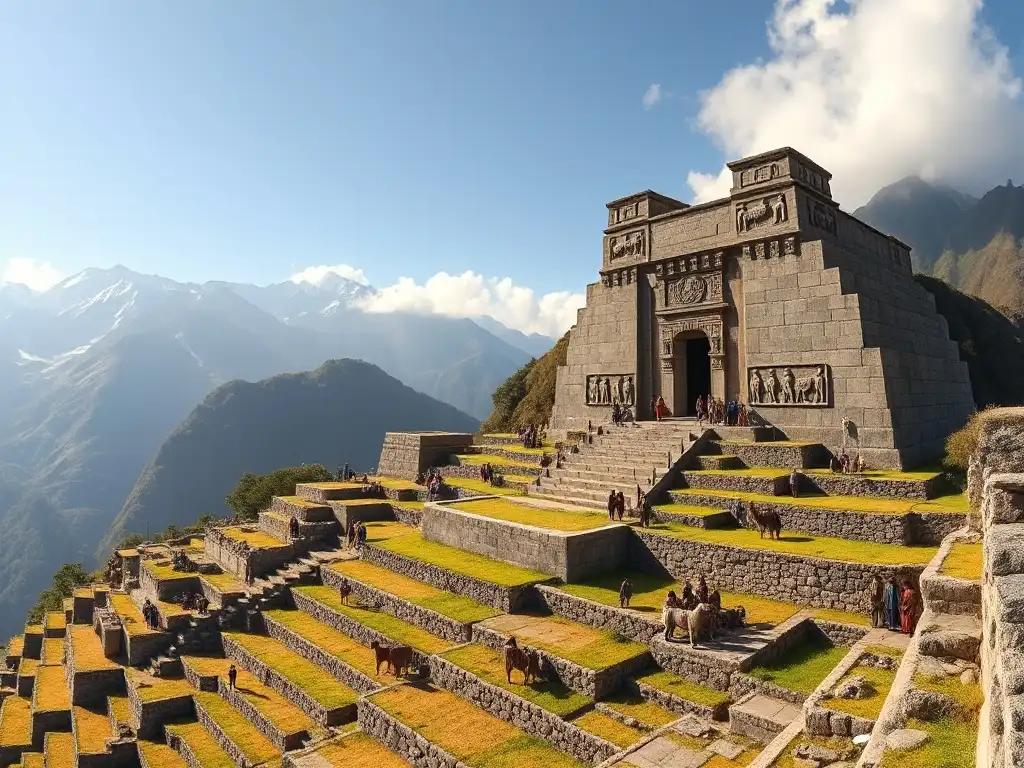
Unravel the mysteries of the Andes! Prepare to be captivated by the ingenuity and complexity of ancient Andean civilizations. From the towering heights of Machu Picchu to the intricate artistry of the Nazca Lines, their legacy endures. But how did the mighty Inca empire manage to govern such a vast and diverse realm? Discover the secrets behind the Inca empire administrative system – a sophisticated network of power that shaped a multiethnic empire unlike any other. Dive in and explore the fascinating story waiting to unfold.
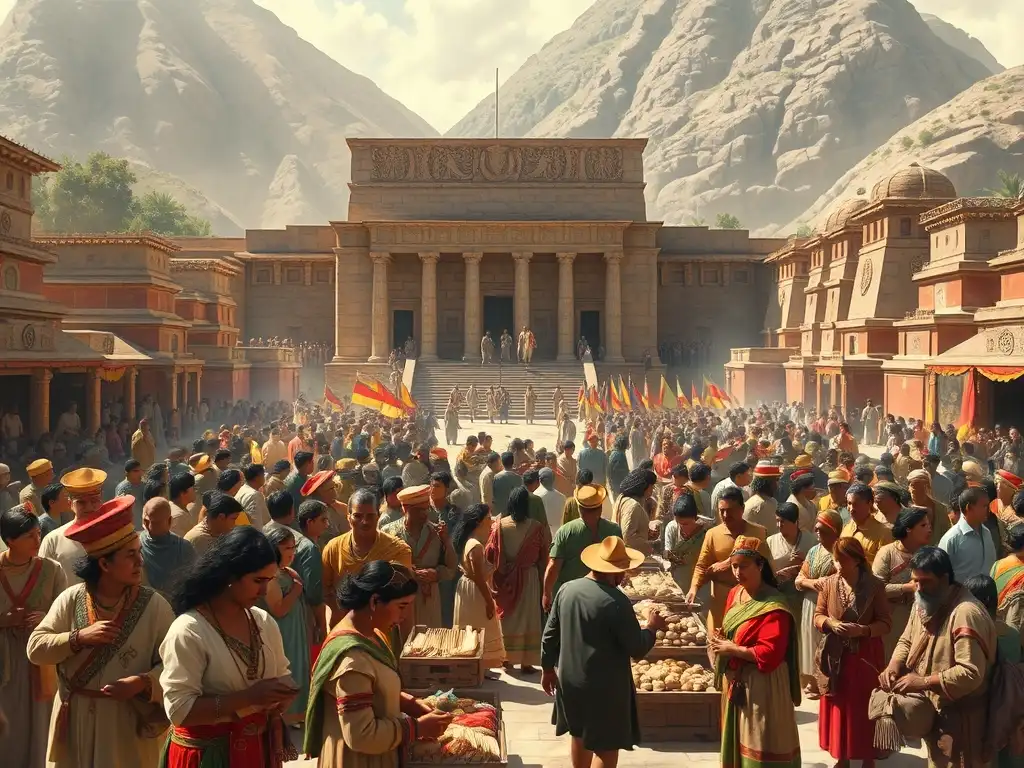
The Inca Empire, at its zenith, controlled a vast and diverse territory spanning the Andes Mountains. This extraordinary feat of imperial expansion was matched only by the sophisticated administrative system that allowed the Inca to govern such a multiethnic population effectively.
Understanding the Inca empire administrative system is crucial to comprehending not just the empire's impressive size, but also its remarkable longevity and the lasting impact it had on the Andean region. This article delves into the intricate workings of Inca governance, examining the foundational principles, the pivotal role of the Sapa Inca, and the mechanisms ensuring the continuity of power across generations.
We'll explore how the Inca successfully integrated diverse populations, managed resources, and maintained order across a geographically challenging landscape, ultimately shaping a unique and influential civilization. The Inca empire administrative system wasn't simply a matter of military might; it was a complex interplay of political organization, religious beliefs, and practical strategies for managing a vast and varied empire.
The Foundations of Inca Imperial Governance
The Inca empire administrative system was built upon a foundation of meticulous organization and control. The empire was divided into four provinces, Suyus, each administered by a governor appointed by the Sapa Inca. These provinces were further subdivided into smaller administrative units, a hierarchical structure that mirrored the Inca social hierarchy. This system facilitated efficient resource management, tax collection, and the mobilization of labor for large-scale public works projects.
The mit'a system, a form of mandatory labor service, played a crucial role in this process, providing a workforce for everything from agriculture and construction to mining and military service. The effectiveness of this system relied heavily on a robust communication network, using a sophisticated system of runners, chasquis, to relay messages across vast distances with remarkable speed. This allowed for rapid response to emergencies and ensured that the Sapa Inca maintained close control over all aspects of the empire.
Accurate record-keeping, often using quipus (knotted cords), was another essential element, enabling the administration to track resources, population numbers, and other vital data. The Inca’s mastery of record-keeping facilitated efficient governance across a diverse and geographically complex empire. This organizational prowess was critical to the Inca's success, allowing them to unify and control such a vast and diverse population.
The Role of the Sapa Inca in Imperial Administration
The Sapa Inca stood at the apex of the Inca empire administrative system, holding absolute power and authority. His role was not merely political; he was considered a divine figure, a descendant of the sun god Inti, and his legitimacy was crucial to the empire's stability. The Sapa Inca’s influence permeated every aspect of life, from religious ceremonies and military campaigns to economic policies and legal matters. His decisions shaped the empire's destiny, and his authority was rarely questioned.
Sapa Inca: The Divine Authority and His Responsibilities
The Sapa Inca's divine status was carefully cultivated and maintained through elaborate rituals and ceremonies. He was the supreme religious leader, responsible for ensuring the well-being of the empire and maintaining the favor of the gods. His responsibilities extended far beyond religious matters, however. He was the ultimate decision-maker in all matters of state, appointing governors, overseeing public works projects, and resolving disputes.
He also held supreme judicial authority, capable of dispensing justice and punishing those who violated the law. The Sapa Inca's power was absolute, but his authority was underpinned by a complex system of checks and balances, including a council of advisors and officials who assisted him in governing the empire. The balance between divine authority and practical governance was a delicate one, reflecting the intricate nature of the Inca empire administrative system.
The Inca Succession and Continuity of Power
The succession of the Sapa Inca was a critical aspect of maintaining the stability of the empire. While the system wasn't rigidly defined, it generally involved the selection of a successor from within the royal family, often the eldest son. This process, however, wasn't always straightforward, and power struggles were not uncommon.
To ensure a smooth transition of power and prevent internal conflicts, various strategies were employed, including the seclusion of potential heirs and the elimination of rivals. The successful transfer of power was crucial for the empire's continuity and stability, demonstrating the importance of institutional mechanisms in the overall effectiveness of the Inca empire administrative system. The meticulous planning and strategic maneuvering involved in the succession highlighted the Inca's understanding of the delicate balance between divine authority and political pragmatism.
The Inca Administrative Structure: A Hierarchical System
The Inca administrative system was a marvel of organization, a hierarchical structure that effectively governed a vast and diverse empire stretching across the Andes Mountains. At its apex sat the Sapa Inca, the emperor, considered a divine ruler and the ultimate authority. Below him, a complex network of officials ensured the smooth functioning of the empire.
This system wasn't simply a top-down structure; it cleverly integrated existing local power structures, adapting to the diverse ethnicities and customs within the empire. The efficiency of this system allowed for the effective mobilization of resources, the construction of impressive infrastructure projects, and the maintenance of social order across a geographically challenging and culturally diverse landscape. The Inca's ability to integrate conquered populations without completely dismantling their existing social structures was a key factor in the empire's longevity and success.
This approach minimized rebellion and fostered a sense of shared identity, albeit under Inca rule. The success of the Inca administrative system lay in its flexibility and adaptability, allowing it to function effectively across a wide range of environments and cultures.
The Provincial Governors: Apus and Their Duties
The empire was divided into four main provinces, each governed by a tupu, or provincial governor, often selected from among the conquered elites. These governors, known also as apus, were responsible for the administration of their respective regions. Their duties included collecting taxes, organizing labor, overseeing public works, and maintaining order.
The apus were high-ranking officials, directly accountable to the Sapa Inca, and acted as intermediaries between the central government and the local populations. They held considerable power within their provinces but were always subject to the emperor's authority. The selection of apus from among the local nobility helped to ensure a smoother transition of power and reduce the likelihood of resistance.
This strategic approach of co-opting local leaders was a cornerstone of Inca imperial administration. Their responsibility extended to overseeing the mit'a system, ensuring the efficient allocation of labor for various projects, from agricultural production to the construction of roads and temples. Effective governance at this provincial level was crucial for the overall success of the Inca empire.
The Role of the Curacas: Local Leaders and Integration
Beneath the apus were the curacas, local leaders who retained a degree of autonomy within their communities. The Inca strategically incorporated these curacas into the administrative system, maintaining a level of local control while ensuring loyalty to the empire. This shrewd political strategy allowed for the smoother integration of conquered territories and minimized the risk of widespread rebellion.
The curacas acted as intermediaries between the Inca authorities and the common people, collecting taxes, organizing local labor, and resolving disputes. While their power was subordinate to the Inca system, their continued influence within their communities was essential for the effective governance of the empire. The Inca understood that maintaining a balance between centralized control and local autonomy was key to the empire's stability and longevity.
The curacas played a vital role in this delicate balance. By integrating existing power structures, the Inca minimized resistance and ensured a more efficient and effective administration.
The Decimal System: Organizing Labor and Resources
The Inca employed a sophisticated decimal system to organize their vast empire. This system facilitated the efficient mobilization of resources and labor. Population was grouped into units of ten, one hundred, one thousand, and ten thousand, each with designated leaders responsible for their respective groups. This organizational structure mirrored the hierarchical nature of the Inca administration, with each level accountable to the one above.
This system wasn't merely a numerical framework; it was deeply embedded within the social and economic structures of the empire. It allowed for the effective distribution of resources, the organization of large-scale public works projects, and the precise collection of taxes. The decimal system was crucial for the empire's success, demonstrating the Inca's advanced understanding of administrative principles. Its application extended beyond simple counting; it formed the backbone of their economic and social organization.
The Inca Economic System: Supporting the Empire
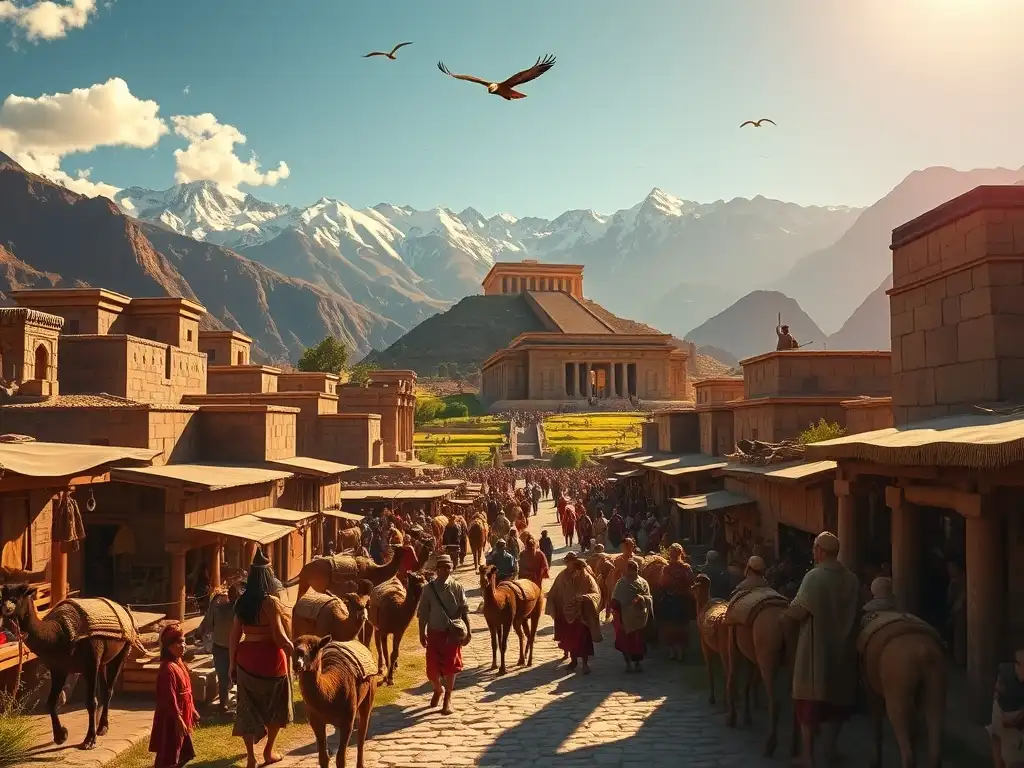
The Inca economic system was intricately woven into the fabric of their administration, supporting the vast empire's needs and fostering a degree of social welfare. It was a centrally planned economy, with the state playing a dominant role in the production, distribution, and redistribution of resources. This system was not based on individual wealth accumulation but rather on the collective good of the empire.
The Inca's economic policies, while centralized, were designed to ensure the basic needs of the population were met, contributing to the stability and longevity of the empire. The system's efficiency was a key factor in the empire's ability to sustain its massive population and ambitious building projects. Understanding the Inca economic system sheds light on the sophisticated administrative mechanisms that underpinned their empire.
The Mit'a System: Labor Taxation and Public Works
The mit'a system was a form of labor taxation, requiring able-bodied citizens to contribute a certain amount of time to public works projects. This system was essential for the construction of the Inca's impressive infrastructure, including roads, irrigation systems, and temples. The mit'a wasn't simply forced labor; it was a form of civic duty, contributing to the collective benefit of the empire. While demanding, it also provided opportunities for individuals to gain skills and contribute to the grandeur of the Inca civilization.
The system was carefully organized, with quotas set according to population size and needs. The mit'a system was a crucial element of the Inca economy, providing the labor force needed for large-scale projects that benefited the entire empire. Its effective administration speaks volumes about the Inca's organizational prowess.
Agricultural Management: Ensuring Food Security
Agricultural management was paramount to the Inca empire's survival. The Inca implemented sophisticated agricultural techniques, including terracing, irrigation, and crop diversification, to maximize food production. This ensured food security for the vast population and contributed significantly to the empire's stability. The state played a crucial role in overseeing agricultural production, ensuring that sufficient food was available to meet the needs of the population.
The Inca's advanced agricultural practices helped to support their large population and ambitious building projects. This commitment to efficient agriculture highlights the sophisticated nature of their economic and administrative systems. Their understanding of environmental challenges and their ability to develop solutions were essential to the empire's success.
Storage and Redistribution: The Role of the State Warehouses
The Inca state controlled vast networks of storage facilities, known as qollqas, strategically located throughout the empire. These warehouses played a vital role in the redistribution of food and other resources, ensuring that the population had access to essential supplies, even during times of scarcity. The qollqas were not simply storage facilities; they represented a crucial element of the Inca's economic and social welfare system.
The precise organization and management of these warehouses demonstrate the Inca's advanced administrative capabilities. This system helped to mitigate the effects of droughts and other natural disasters, contributing to the stability and longevity of the empire. The efficient management of resources through the qollqas was a key element of the Inca's success in governing a vast and diverse empire.
Inca Communication and Control: Maintaining Order
The Inca empire, sprawling across a vast and diverse landscape, relied on a sophisticated system of communication and control to maintain order and enforce its authority. Effective communication was paramount for efficient administration, resource management, and swift responses to any challenges, be they internal or external. This intricate system wasn’t solely about transmitting information; it was about projecting imperial power and ensuring the seamless functioning of the entire empire.
The sheer scale of the endeavor is a testament to the Inca’s organizational prowess and their understanding of the importance of effective governance. They achieved this remarkable feat through a combination of infrastructure, specialized personnel, and innovative record-keeping techniques.
The Inca Road System: Qhapaq Ñan
The Qhapaq Ñan, or the Inca Road system, was the backbone of the empire's communication network. This extensive network of roads, stretching over 40,000 kilometers, connected the far-flung corners of the Inca realm. It wasn't just a system of paths; it was a meticulously engineered feat of infrastructure, showcasing the Inca's advanced engineering skills. The roads were strategically built to traverse diverse terrains, incorporating bridges, tunnels, and carefully graded pathways.
Their construction involved considerable labor, highlighting the importance the Inca placed on effective communication and control. The Qhapaq Ñan facilitated the rapid movement of troops, officials, and goods, playing a crucial role in maintaining the empire's stability and unity. Regular maintenance ensured the road's functionality, demonstrating the Inca’s commitment to long-term infrastructure planning. The efficiency of the Qhapaq Ñan greatly contributed to the empire's success in managing its vast territories.
The Chasquis: Imperial Messengers and Communication
Complementing the road system were the chasquis, a highly organized corps of runners who served as the empire's postal service. These runners were strategically positioned along the Qhapaq Ñan, relaying messages and goods with incredible speed. Their training and endurance were exceptional, allowing them to cover vast distances in relatively short periods. The chasqui system ensured that information could travel swiftly across the empire, allowing for efficient administration and the rapid response to emergencies.
The organization and efficiency of this system underscore the sophisticated nature of the Inca empire’s communication network. The chasquis were not simply messengers; they were vital cogs in the intricate machinery of Inca governance. Their dedication and skill facilitated the seamless flow of information, contributing significantly to the empire's success.
The Quipu: Record-Keeping and Accounting
The quipu, a system of knotted cords, served as the Inca's primary method of record-keeping and accounting. This ingenious system allowed for the detailed recording of census data, tax records, and agricultural yields. Different colors and knot arrangements represented various quantities and categories of information.
While the exact methods of interpretation remain a subject of ongoing research, it's clear that the quipu facilitated sophisticated data management, essential for the effective administration of a large and complex empire. The quipu system demonstrates the Inca's advanced understanding of mathematics and their ability to manage vast amounts of information without a written language. The precision and complexity of the quipu system are a testament to the sophistication of the Inca administrative system.
The Inca empire possessed a well-defined legal system designed to maintain social order and resolve disputes. This system, while unwritten, was deeply ingrained in the social fabric of the empire and enforced through a combination of customary laws, religious beliefs, and the authority of Inca officials. The emphasis was placed on community harmony and the preservation of the social order. This system aimed to resolve conflicts peacefully and maintain stability within the diverse populations of the empire. The Inca legal system was a crucial aspect of the empire's administrative structure and demonstrates the empire's sophistication in governance.
Inca Laws and Punishments
Inca laws were primarily based on tradition and custom, reflecting the values and norms of Andean society. These laws covered a wide range of issues, including property rights, family matters, and criminal offenses. Punishments varied depending on the severity of the offense and could range from fines and community service to exile or even death.
The system aimed to deter crime and uphold social order. The severity of punishments often reflected the perceived threat to the social harmony of the community. This system, while seemingly harsh in some aspects, demonstrates the Inca's commitment to maintaining a structured and stable society.
Conflict Resolution and the Role of the Courts
Conflict resolution within the Inca empire was largely handled at the local level, with community leaders playing a crucial role in mediating disputes. More serious cases were referred to higher authorities, ultimately reaching the emperor in cases of great importance. This hierarchical system ensured that justice was administered fairly and consistently throughout the empire.
The emphasis was on reconciliation and restoring harmony within the community. The Inca legal system, therefore, wasn't just about punishment; it was about maintaining social cohesion and preventing further conflict. This emphasis on community-based resolution demonstrates a sophisticated understanding of conflict management within a diverse and expansive empire.
Strategies for Managing a Diverse Empire
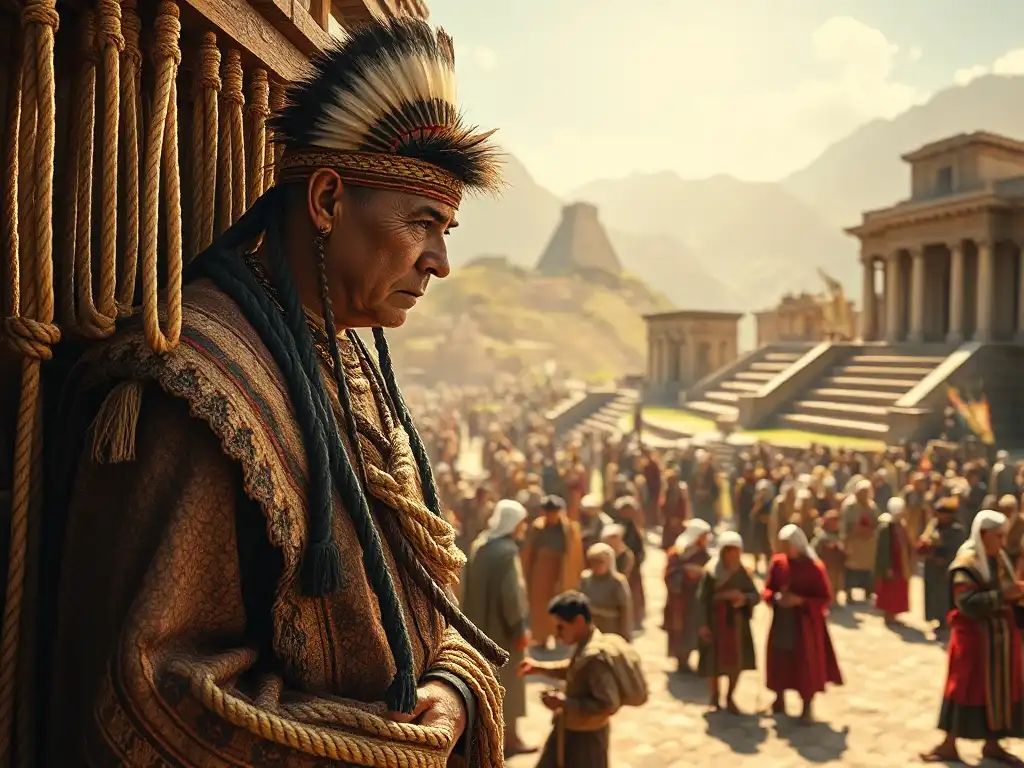
The Inca empire's administrative system was a marvel of organization, given the immense diversity of ethnic groups and geographical regions under its control. Successful governance required sophisticated strategies to maintain order and extract resources without triggering widespread rebellion. The Incas didn't simply impose their culture; they employed a nuanced approach involving both coercion and cooperation. This multifaceted strategy aimed to create a sense of shared identity and loyalty, while simultaneously ensuring the effective flow of resources to the imperial center.
A key element was the careful placement of loyal officials and the strategic use of infrastructure projects to connect disparate regions and foster a sense of unity. This approach aimed to create a system where different ethnic groups felt a degree of inclusion within the larger Inca world, reducing the likelihood of major uprisings. The system wasn't without its flaws, however, as we will see later.
Inca Policies of Integration and Cultural Assimilation
Inca policies of integration went beyond mere political control. They actively sought to assimilate conquered populations into the Inca way of life, albeit selectively. This involved the relocation of entire communities (mitimaes) to strategically important locations, both to populate newly conquered territories and to dilute the power of potential rebel groups. The Incas also encouraged intermarriage between Inca nobility and members of the elite classes of conquered groups.
This strategy, while effective in some cases, could also lead to resentment and resistance among those who felt their cultural identity was threatened. The extent of cultural assimilation varied significantly across different regions and groups, demonstrating the flexibility and pragmatism of Inca administration. While some aspects of Inca culture, such as religion and language, were promoted, local customs and traditions were often tolerated, particularly if they did not directly challenge Inca authority.
The Use of Quechua as a Lingua Franca
The adoption of Quechua as a common language played a crucial role in unifying the empire. While Quechua was not universally spoken throughout the vast Andean region, its adoption as the official language of administration and trade facilitated communication across different ethnic groups. This linguistic unification, alongside the standardized weights and measures implemented by the Incas, significantly improved the efficiency of the administrative system.
The use of Quechua didn't necessarily erase local languages, but it provided a common medium for interaction between different groups, fostering a sense of shared identity and facilitating economic exchange. The promotion of Quechua was a key element of the Inca's broader strategy of cultural integration, although its success varied across the empire.
The Management of Regional Differences and Ethnic Groups
The Inca empire was remarkably diverse, encompassing a wide range of environments, economies, and social structures. The Incas recognized and adapted to these regional differences, employing a decentralized administrative system that allowed for a degree of local autonomy. Provincial governors (tukuy-rikuq) were appointed to oversee specific regions, often drawn from the local elite, to ensure a smoother transition of power and to leverage existing social structures.
This strategy was vital for maintaining order and stability across such a vast and heterogeneous territory. However, this decentralized approach also presented challenges, as local officials might prioritize regional interests over those of the empire, potentially leading to conflict and weakening central authority.
Challenges and Weaknesses of the Inca Administrative System
Despite its sophistication, the Inca administrative system faced significant challenges. While the system was effective in many ways, its reliance on a centralized bureaucracy and a complex system of tribute collection made it vulnerable to disruption. The system's rigidity and its dependence on the loyalty of appointed officials proved to be its Achilles' heel. The vast distances across the empire, coupled with the challenges of communication and transportation, hampered the efficiency of the system. The reliance on a limited number of key roads and communication networks meant that disruptions in one area could easily cascade throughout the empire.
Rebellions and Resistance to Inca Rule
Throughout the Inca empire's history, various groups resisted Inca rule. Rebellions, both large and small, were a constant threat to the stability of the empire. These uprisings were often fueled by resentment over Inca policies, such as forced labor (mita) and the relocation of communities. The scale and frequency of these rebellions varied depending on the region and the specific policies implemented by the Incas. Effective management of these rebellions was critical to maintaining the integrity of the empire. The Incas responded to rebellions with a combination of military force and diplomatic negotiation, depending on the circumstances.
Internal Conflicts and Power Struggles
Internal conflicts and power struggles within the Inca ruling class also posed a significant threat to the stability of the empire. Succession crises and disputes over resources and influence could lead to civil wars, weakening the empire from within. These internal conflicts often exploited existing tensions between different ethnic groups and regions, further destabilizing the empire. Such internal divisions made the empire vulnerable to external threats, including the eventual Spanish conquest. The lack of a clear and consistent succession process exacerbated these internal problems.
The Impact of the Spanish Conquest
The Spanish conquest dramatically altered the Inca administrative system. The conquest not only resulted in the overthrow of the Inca government but also led to the destruction of much of the empire's infrastructure and the disruption of its social and economic systems. The Spanish implemented their own administrative structures, which often disregarded and even suppressed Inca traditions and practices.
The introduction of new diseases and the exploitation of indigenous labor further weakened the Inca administrative system and contributed to the decline of the empire. The Spanish conquest had a profound and lasting impact on the Andean region, fundamentally altering its social, political, and economic landscape.
The Legacy of Inca Administration: Lessons for Today
The Inca empire's administrative system, despite its ultimate demise, left an indelible mark on Andean history and continues to offer valuable lessons for modern governance. Its sophisticated approach to resource management, infrastructure development, and social organization provides a compelling case study for understanding successful, albeit complex, state building. The Incas' ability to integrate diverse ethnic groups under a unified system, while maintaining a degree of local autonomy, is a testament to their administrative prowess.
This system, while undeniably hierarchical, incorporated elements of participatory governance, ensuring a degree of buy-in from conquered populations. Understanding how the Incas achieved this balance between centralized control and local participation remains a crucial aspect of studying their administrative success.
The Inca system's efficiency in mobilizing labor for large-scale projects, like road construction and agricultural development, is particularly noteworthy, offering insights into effective project management and community engagement. Analyzing the Inca model allows us to explore alternative approaches to governance and resource allocation, particularly in contexts characterized by significant ethnic and cultural diversity.
Influence on Later Andean Societies
The impact of the Inca administrative system extended far beyond the empire's lifespan. Even after the Spanish conquest, many aspects of Inca governance, particularly those related to local organization and resource management, persisted and influenced the structure of colonial and post-colonial Andean societies. Elements of the mita system, the Inca's labor tax, were adapted and repurposed by the Spanish, highlighting the system's inherent resilience and adaptability.
The Inca's emphasis on infrastructure, particularly road networks, continued to shape Andean transportation and communication for centuries. Furthermore, the Inca's emphasis on record-keeping, although largely destroyed by the Spanish, left a legacy that impacted subsequent Andean cultures' approaches to documentation and governance. The intricate network of tambos (roadside inns) and storage facilities, a testament to the Incas' logistical expertise, served as a model for later transportation and trade infrastructure.
The system's influence is visible in the enduring patterns of land tenure, agricultural practices, and community organization observed in many Andean regions even today. This demonstrates the deep and lasting impact of Inca administrative principles on the cultural and political landscape of the Andes.
Lessons in Statecraft and Resource Management
The Inca empire's administrative system offers invaluable lessons in statecraft and resource management. Its success in unifying a vast and diverse territory underscores the importance of effective communication, infrastructure development, and a flexible yet firm administrative structure. The Incas' ability to effectively manage resources, especially food production and distribution, through a centralized system of storage and redistribution, is a remarkable achievement in logistics and social engineering.
Their sophisticated understanding of agriculture, coupled with their ability to mobilize labor for large-scale projects, demonstrates a mastery of resource optimization. Their system of record-keeping, though incompletely understood due to Spanish destruction, hints at a sophisticated approach to data management and analysis, crucial for effective governance. Modern states can learn from the Inca's emphasis on infrastructure development as a catalyst for economic growth and social cohesion.
The system's strengths, including its ability to adapt to diverse environments and manage complex logistical challenges, offer valuable insights for contemporary governance challenges. Their centralized but regionally adaptable approach provides a model for effective governance in diverse and geographically challenging environments.
The Enduring Impact of the Inca Empire Administrative System
The Inca empire's administrative system remains a fascinating and relevant subject of study. Its influence on subsequent Andean societies is undeniable, shaping patterns of governance, resource management, and social organization for centuries after the empire's fall. The sophisticated combination of centralized control and regional autonomy offers a valuable case study for researchers and policymakers interested in managing large, diverse populations.
The resilience of certain elements of the Inca system, like the mita system's adapted use, highlights the effectiveness of its core principles. The Inca's emphasis on infrastructure, particularly their extensive road network, remains a testament to their logistical prowess and foresight. This system's legacy continues to inspire research into effective governance and resource management strategies, particularly in challenging environments.
Its ability to adapt to diverse ecological and cultural contexts offers valuable lessons for contemporary approaches to sustainable development and community engagement. The study of the Inca administrative system provides a rich source of insights into effective governance, resource management, and inclusive state building, offering lessons relevant to modern challenges. Its enduring impact underscores the importance of understanding historical administrative models for informing contemporary practices.
- The Foundations of Inca Imperial Governance
- The Role of the Sapa Inca in Imperial Administration
- The Inca Administrative Structure: A Hierarchical System
- The Inca Economic System: Supporting the Empire
- Inca Communication and Control: Maintaining Order
- The Inca Legal System: Justice and Social Order
- Strategies for Managing a Diverse Empire
- Challenges and Weaknesses of the Inca Administrative System
- The Legacy of Inca Administration: Lessons for Today
- How did the Inca Empire manage its vast territory?
- What role did quipu play in Inca administration?
- How did the Inca ensure loyalty and control within their diverse empire?
- What was the significance of the Inca road system in their administration?
- How did the Inca system compare to other ancient administrative systems?
Frequently Asked Questions
How did the Inca Empire manage its vast territory?
The Inca Empire employed a highly organized administrative system based on a hierarchical structure. This involved a complex network of officials, relaying information and resources across the empire through a sophisticated system of roads and messengers. Provincial governors oversaw various regions.
What role did quipu play in Inca administration?
Quipu were complex knotted cords used for record-keeping. While the exact method remains debated, they likely recorded census data, tax obligations, and other vital administrative information. Their use demonstrates the Inca's advanced record-keeping capabilities.
How did the Inca ensure loyalty and control within their diverse empire?
The Inca implemented a system of political and economic control, including resettlement programs and the establishment of loyal administrators in conquered territories. They also used religious ideology and public works projects to foster a sense of unity and shared identity.
What was the significance of the Inca road system in their administration?
The extensive network of roads was crucial for efficient communication, troop movement, and the transportation of goods across the empire. This infrastructure facilitated trade, military campaigns, and the swift response to any challenges to imperial authority.
How did the Inca system compare to other ancient administrative systems?
While specifics varied, the Inca system shared similarities with other large empires in its use of hierarchical structures and centralized control. However, the Inca's use of quipu and their focus on integration of diverse populations offer unique aspects to their administrative approach.
Final Reflection: The Enduring Legacy of Inca Administration
The Inca Empire's sophisticated administrative system, a marvel of pre-Columbian engineering and social organization, remains a compelling case study in effective governance, particularly relevant in our increasingly interconnected world. Its intricate network of roads, storehouses, and standardized practices offers valuable lessons for managing complex societies and addressing challenges of resource allocation and social cohesion, even today. The efficiency and reach of the Inca system stand in stark contrast to many modern struggles with infrastructure and equitable distribution.
The Inca's ability to unify such a diverse population under a single administrative umbrella is a testament to the power of well-structured systems and a shared vision. Their success, however, was not without its complexities and inherent inequalities. The empire's strength lay in its ability to integrate diverse populations, but this integration was often achieved through the imposition of Inca culture and control.
This quote highlights the delicate balance between unity and diversity, a challenge that continues to resonate in modern nation-states grappling with multiculturalism and equitable representation.
Consider the principles of mita labor and the ayllu community system. These structures, while potentially exploitative in certain contexts, also demonstrated a remarkable understanding of community participation and resource management. How can we learn from both the successes and failures of the Inca system to build more just and sustainable societies?
You, the reader, are now challenged to reflect on the parallels between Inca administration and the challenges facing our world today. What innovations can we draw from this ancient civilization to improve our own systems of governance and resource management? Let the legacy of the Inca inspire you to build a more equitable and sustainable future.
Unveil the Secrets of Inca Governance!
Thank you for exploring the fascinating world of Inca administration with us! We've examined how this remarkable civilization effectively managed its vast and diverse empire. Now, let's solidify your understanding.
Here are some ways to deepen your connection to this remarkable aspect of Andean history:
- **Expand Your Knowledge:** Learn more about the diverse cultural practices of the Andean peoples and their influence on Inca governance. Consider researching the unique traditions and beliefs of different Andean groups and how these impacted the empire's administrative structures.
- **Share Your Insights:** Tell us what most surprised you about Inca administration, and how you see it comparing to modern governance systems. Your perspective is valuable!
- **Engage with Our Community:** Join our forum dedicated to Andean Civilizations to connect with other enthusiasts and share ideas about this extraordinary culture. You can find diverse viewpoints and engage in stimulating discussions.
Which aspects of Inca governance resonate most with you in the context of today's diverse societies? Your observations could spark a fascinating discussion!