
The Inca Religious Practices: How They Were Suppressed and Survived

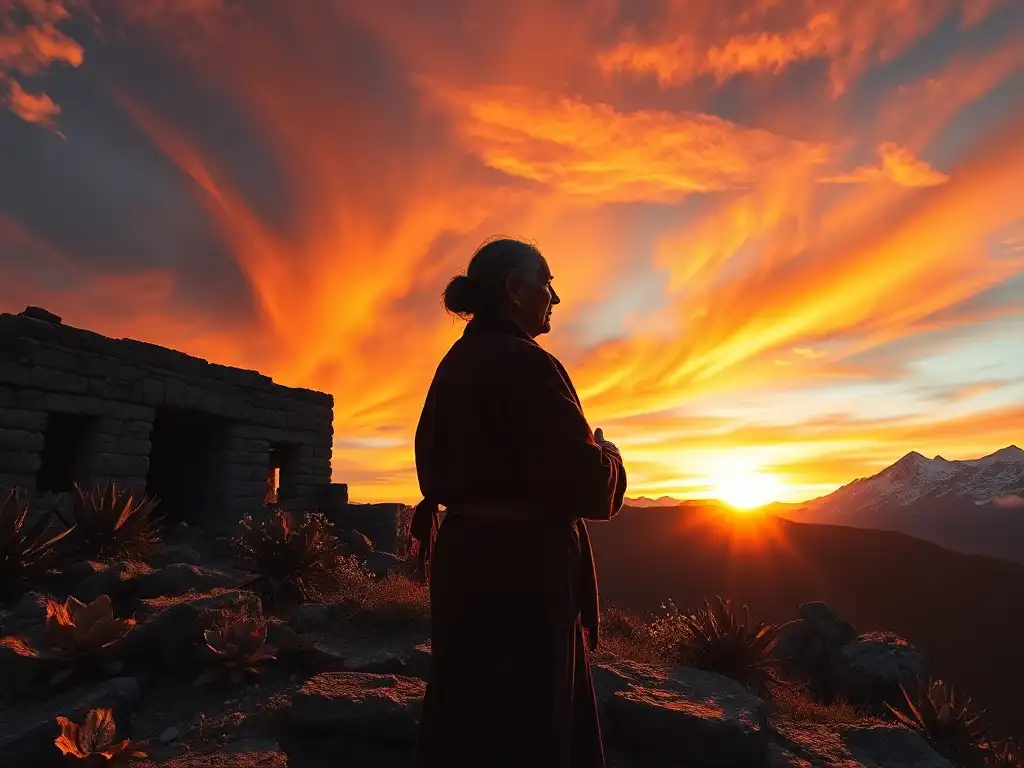
Uncover the mysteries of the Andes! Journey through the breathtaking landscapes and vibrant cultures of ancient civilizations, from the intricate artistry of the Nazca to the sophisticated engineering of the Incas. But what happened when the Spanish arrived? The Inca religious practices suppression was a brutal chapter, yet their enduring spiritual legacy continues to resonate. Dare to delve into this captivating story and discover how these powerful beliefs both succumbed to and ultimately survived the Spanish Conquest. Explore the fascinating details now!
-
The Suppression of Inca Religious Practices: Resistance and Survival
- Understanding Inca Religion Before the Conquest
- The Spanish Conquest and the Beginning of Religious Suppression
- Methods of Inca Religious Practices Suppression
- Inca Religious Resistance and Adaptations
- The Legacy of Inca Religious Suppression
- The Enduring Significance of Inca Religion and its Resilience
-
Frequently Asked Questions
- What was the primary reason for the suppression of Inca religious practices?
- How did the Spanish suppress Inca religious beliefs and practices?
- Were Inca religious practices completely eradicated?
- What are some examples of surviving Inca religious practices?
- How did the suppression of Inca religion impact Andean culture?
- Final Reflection: Echoes of the Andes: Resilience and the Legacy of Inca Religion
- Unveil the Rich Legacy of Inca Spirituality!
The Suppression of Inca Religious Practices: Resistance and Survival
The Spanish conquest of the Inca Empire marked a brutal turning point, not only in the political landscape of South America but also in the deeply ingrained religious beliefs of the Inca people. This article delves into the systematic suppression of Inca religious practices by the Spanish conquistadors, exploring the methods employed and the remarkable resilience of Inca spirituality in the face of overwhelming oppression.
We will examine the vibrant tapestry of Inca religion before the conquest, highlighting its key elements and significance, and then trace the trajectory of its suppression, demonstrating how aspects of Inca religious beliefs and traditions persisted despite centuries of enforced conversion and cultural erasure. Understanding this complex interplay between suppression and survival is crucial to appreciating the enduring legacy of Inca culture and its influence on modern Andean societies.
The keyword "Inca religious practices suppression" will be explored throughout, offering a comprehensive understanding of this pivotal historical period.
Understanding Inca Religion Before the Conquest
The Inca religion was a sophisticated and complex system deeply interwoven with the fabric of daily life. It was not a monolithic entity, but rather a dynamic interplay of beliefs and practices that varied regionally yet shared core tenets. The Inca worldview was profoundly shaped by their environment, with the sun, moon, stars, and mountains playing crucial roles in their cosmology. Human life was intimately connected to the natural world, with rituals and ceremonies designed to maintain balance and ensure prosperity.
Inti, the Sun God: The Central Figure of Inca Divinity
Inti, the sun god, held paramount importance in the Inca pantheon. He was considered the supreme deity, the source of life and energy, and the ultimate ruler of the cosmos. Inti's influence permeated every aspect of Inca society, from agriculture and governance to warfare and daily life.
Temples were dedicated to his worship, and festivals were held to honor him, showcasing the central role he played in Inca spirituality. The Inca emperors were believed to be direct descendants of Inti, further solidifying the god's power and authority. The veneration of Inti wasn't simply a matter of religious observance; it was deeply embedded in the social and political structures of the empire.
The Inti Raymi Festival: A Celebration of the Sun
The Inti Raymi, or Festival of the Sun, was the most important religious festival in the Inca calendar. This grand spectacle took place annually during the winter solstice and involved elaborate rituals, processions, sacrifices, and feasts. It served as a reaffirmation of the Inca's connection to Inti and a celebration of the cyclical nature of life and the renewal of the sun's power.
The festival brought together people from across the empire, highlighting the unifying power of Inca religion and the emperor's authority as the intermediary between the divine and the human realms. The Inti Raymi was a powerful display of Inca religious fervor and social cohesion.
Coricancha: The Temple of the Sun in Cusco
The Coricancha, or Temple of the Sun, located in Cusco, was the most sacred site in the Inca Empire. This magnificent structure, adorned with gold and silver, served as the principal center for the worship of Inti and other important deities. It housed numerous idols and treasures, reflecting the immense wealth and power of the Inca Empire and its deep devotion to its religious beliefs.
The Coricancha stood as a testament to the central role of religion in Inca society and the profound reverence held for their divine figures. Its destruction and desecration by the Spanish would mark a significant blow to Inca religious life.
The Spanish Conquest and the Beginning of Religious Suppression
The arrival of the Spanish conquistadors in the 16th century marked a catastrophic shift in the destiny of the Inca Empire and its religious practices. The Spanish, driven by motives of conquest, greed, and religious zeal, systematically dismantled the Inca religious system, seeking to replace it with Catholicism.
The Arrival of Francisco Pizarro and the Spanish Conquistadors
Francisco Pizarro's arrival in Peru, along with his conquistadors, initiated a period of upheaval and violence that would irrevocably alter the course of Inca history. The Spanish, equipped with superior weaponry and aided by internal conflicts within the Inca Empire, swiftly conquered the vast territory, subjugating the Inca people and dismantling their societal structures. The destruction of the Inca religious system was a key component of the Spanish strategy to establish control and impose their own cultural and religious values.
The Extirpation of Idolatry Campaign
The Spanish Crown launched the "Extirpación de Idolatrías" (Extirpation of Idolatry) campaign, a systematic effort to eradicate Inca religious practices and replace them with Catholicism. This involved destroying temples, idols, and sacred objects; suppressing religious festivals and ceremonies; and persecuting Inca priests and religious leaders. The campaign was brutal and effective, leading to the destruction of many important religious sites and the suppression of countless Inca religious traditions. This systematic effort aimed at eliminating any vestige of the pre-Columbian religious beliefs.
The Establishment of Catholic Parishes and Missions
Following the destruction of Inca religious structures, the Spanish established Catholic parishes and missions throughout the conquered territories. These institutions served as centers for religious instruction and conversion, aiming to indoctrinate the Inca population into the Catholic faith. The construction of churches and cathedrals on the sites of former Inca temples served as a symbolic act of dominance and the erasure of the Inca religious heritage. The imposition of Catholicism was a key element in the Spanish colonization process, aimed at shaping the cultural and religious identity of the conquered population.
Methods of Inca Religious Practices Suppression
The Spanish conquest of the Inca Empire marked a brutal period of cultural upheaval, with the suppression of Inca religious practices at the forefront of the colonial agenda. The Spanish Crown, driven by a fervent desire to impose Catholicism and consolidate its power, employed a multifaceted strategy to eradicate indigenous beliefs and practices. This involved a systematic dismantling of Inca religious infrastructure, the persecution of religious leaders, and the forceful conversion of the population.
The methods employed were brutal and far-reaching, leaving a lasting impact on Andean culture and spirituality. The suppression was not merely a matter of replacing one religion with another; it was a calculated attempt to erase the Inca worldview and its associated social structures.
This involved not only the destruction of physical manifestations of Inca religion but also the active suppression of its rituals, ceremonies, and beliefs. The goal was to completely subordinate the indigenous population, both spiritually and politically.
The Destruction of the Coricancha and Other Sacred Sites
The Coricancha, the Inca temple of the sun located in Cusco, served as the epicenter of Inca religious life. Its destruction exemplifies the systematic dismantling of Inca religious infrastructure. The Spanish conquistadors, upon conquering Cusco, saw the Coricancha not as a place of worship but as a source of immense wealth.
They looted the temple of its gold and silver, stripping it of its sacred ornaments and artifacts. The building itself was then repurposed, with a church built atop its foundations, a blatant attempt to symbolically replace the Inca sun god Inti with the Christian God. This pattern of destruction was replicated across the empire.
Numerous huacas (sacred sites) were desecrated, destroyed, or repurposed for Christian use. The destruction of these sites was not simply an act of vandalism; it was a calculated move to undermine the spiritual foundations of Inca society, severing the connection between the people and their ancestral deities. This deliberate destruction aimed to erase the Inca's religious identity and replace it with a distinctly Christian one.
The Use of the Inquisition to Enforce Religious Orthodoxy
The Spanish Inquisition played a crucial role in enforcing religious orthodoxy and suppressing Inca religious practices. This institution, notorious for its brutality and intolerance, actively sought out and persecuted individuals suspected of practicing traditional Inca rituals or retaining indigenous beliefs. The Inquisition's methods included torture, imprisonment, and execution, creating a climate of fear and suppressing open expressions of Inca spirituality. The threat of severe punishment effectively silenced many who might have otherwise continued to practice their traditions.
The Inquisition's reach extended beyond the elite, targeting commoners who were believed to be resisting conversion. Records from the Inquisition archives reveal numerous cases involving accusations of idolatry, witchcraft, and the continuation of indigenous rituals. The Inquisition's success in enforcing religious conformity was significant, but it came at a high cost, perpetuating a cycle of violence and oppression.
The Banning of the Capac Raymi and other Inca Ceremonies
The Inca calendar was structured around a series of elaborate religious festivals and ceremonies, the most important being the Capac Raymi, the Inti Raymi (Sun Festival). This grand festival celebrated the sun god Inti and was central to Inca cosmology and social order. The Spanish conquistadors quickly recognized the Capac Raymi's significance and its potential to foster resistance. Consequently, the festival was banned, along with numerous other Inca ceremonies.
The suppression of these events aimed to disrupt the social fabric and religious cohesion of Inca communities. The prohibition of public rituals significantly impacted the transmission of Inca religious knowledge and traditions across generations. Private observance of these traditions continued, but under the threat of severe punishment, leading to a gradual decline in the public celebration of Inca religious practices. The elimination of these public events was a key component of the broader strategy to suppress Inca religious identity.
Inca Religious Resistance and Adaptations
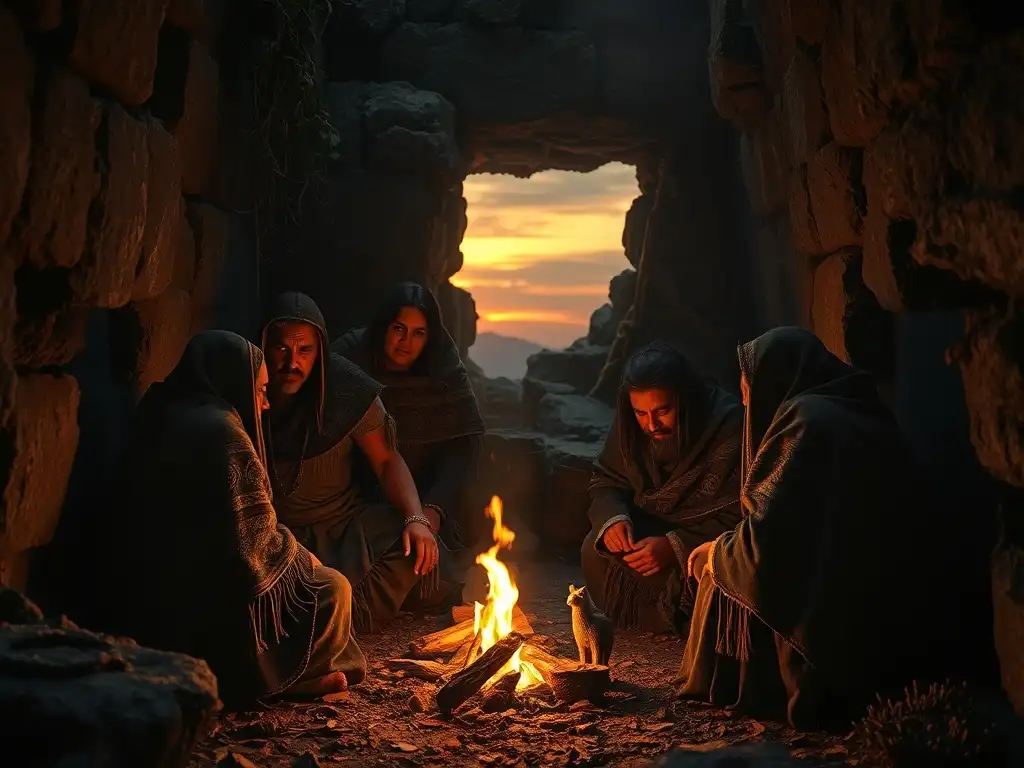
Despite the brutal suppression efforts, Inca religious practices demonstrated remarkable resilience. Inca people found creative ways to maintain their traditions and beliefs, often blending them with elements of Catholicism in a process of syncretism. This process of adaptation allowed for the survival of core aspects of Inca spirituality while outwardly complying with colonial authorities. The survival of Inca religious practices is a testament to the enduring strength of indigenous beliefs and the ingenuity of the Andean people in preserving their cultural heritage.
The Underground Practice of Traditional Inca Rituals
While public expression of Inca religious practices was heavily suppressed, many individuals and communities continued to practice their traditions in secret. These clandestine practices often took place in remote locations, away from the watchful eyes of Spanish authorities. These secret rituals served as a vital link to the past, preserving knowledge and beliefs that might otherwise have been lost.
The underground practice of Inca rituals highlights the determination of the Andean people to maintain their spiritual heritage despite facing immense pressure. The secrecy surrounding these practices fostered a sense of community and shared identity among those who participated. The survival of these practices demonstrates the resilience of Inca religious traditions.
The Incorporation of Pachamama into Catholic Devotion
A striking example of syncretism is the incorporation of Pachamama, the earth goddess, into Catholic devotion. While officially condemned by the Church, Pachamama continued to be venerated, often in conjunction with Catholic saints and rituals. Offerings were made to Pachamama during Catholic festivals, demonstrating a blending of indigenous and Christian practices.
This syncretism allowed for the continuation of certain aspects of Inca beliefs while outwardly adhering to the imposed Christian faith. This adaptation allowed the preservation of a vital aspect of Inca cosmology without direct confrontation with colonial authorities. This subtle integration shows the adaptive strategies employed to maintain spiritual connection while navigating the constraints of colonial rule.
The Use of Andean Textiles to Maintain Religious Symbols
Andean textiles have long held significant religious and symbolic importance. Even under colonial rule, textiles continued to be used to express and transmit Inca religious symbols and beliefs. Weavers subtly incorporated traditional designs and motifs into their work, creating a visual language that maintained a connection to the past.
This practice allowed for the preservation and transmission of religious knowledge and identity through a medium that was not as directly subject to colonial scrutiny as public rituals or overt expressions of faith. The intricate designs and symbolic imagery woven into textiles served as a subtle yet powerful means of resistance and cultural preservation. The continued use of traditional textile designs represents a form of silent resistance and a testament to the enduring power of Andean cultural heritage.
The Legacy of Inca Religious Suppression
The suppression of Inca religious practices by the Spanish conquistadors left a profound and lasting impact on Andean culture. The systematic destruction of temples, the banning of rituals, and the persecution of priests and practitioners led to a significant loss of knowledge and tradition. Many sacred objects were destroyed or looted, and the intricate web of beliefs and practices that had sustained Inca society for centuries was severely disrupted.
This suppression wasn't merely a physical act; it was a deliberate attempt to erase Inca identity and replace it with a European worldview. The consequences reverberated through generations, impacting not only religious practices but also social structures, artistic expression, and even the very understanding of Inca history.
The trauma of this cultural violence continues to shape the relationship between indigenous communities and the dominant society in the Andes today. Understanding this legacy is crucial to appreciating the resilience of Andean cultures and the ongoing struggle for cultural preservation.
The Ongoing Struggle for Cultural and Religious Autonomy
The fight for cultural and religious autonomy continues to this day. Indigenous communities throughout the Andes have persistently resisted the imposition of foreign religious beliefs and practices. This resistance takes many forms, from the quiet preservation of ancestral traditions within families to the organized efforts of indigenous organizations advocating for the recognition and protection of their cultural heritage.
The struggle often involves navigating complex legal and political landscapes, negotiating with government authorities, and engaging in ongoing dialogue with those who may not fully understand or appreciate the significance of Inca religious practices. The struggle highlights the deep connection between cultural identity and spiritual life.
The preservation of Inca religious traditions is not merely a matter of preserving historical artifacts; it is a matter of preserving the very essence of what it means to be Inca. This struggle underscores the inherent human right to self-determination and the importance of respecting cultural diversity.
The Revival of Inti Raymi and Other Inca Festivals
Despite centuries of suppression, many Inca festivals have been revived and celebrated with renewed vigor. Inti Raymi, the annual festival honoring the sun god Inti, is a powerful example. Once banned by the Spanish, it has experienced a remarkable resurgence, becoming a major cultural event attracting both indigenous communities and tourists alike.
The revival of Inti Raymi and other Inca festivals demonstrates the enduring power of cultural memory and the ability of indigenous communities to reclaim their heritage. These events are not simply historical reenactments; they are living expressions of faith and cultural identity, reinforcing community bonds and transmitting traditions to new generations. The vibrant colors, intricate costumes, and powerful rituals of these festivals demonstrate the enduring strength of Inca religious traditions, showcasing their resilience against centuries of suppression.
The Growing Recognition of Indigenous Spiritualities
There's a growing global recognition of the importance of indigenous spiritualities and the need to respect and protect them. This recognition reflects a broader shift in perspectives, acknowledging the inherent value of diverse worldviews and the interconnectedness of all living things. International organizations, governments, and academic institutions are increasingly incorporating indigenous perspectives into discussions about cultural heritage, environmental protection, and human rights.
This includes efforts to document and preserve indigenous knowledge systems, including those related to Inca religious practices. The recognition also involves challenging colonial narratives and promoting a more inclusive understanding of history. However, the journey towards full recognition and respect remains ongoing, requiring continued advocacy and education.
The Enduring Significance of Inca Religion and its Resilience
Inca religion, despite the brutal attempts at its eradication, remains a powerful testament to human resilience and the enduring strength of cultural identity. The survival of many Inca religious practices, often in adapted or syncretic forms, demonstrates the deep-rooted connection between the Inca people and their ancestral beliefs. The persistence of these traditions highlights the limitations of forced assimilation and the inherent ability of cultures to adapt and endure in the face of oppression.
The ongoing practice of Inca religious traditions underscores the importance of cultural memory and the profound impact that religious beliefs have on shaping individual and collective identities. The continuing relevance of Inca religious practices also points to the enduring human need for spiritual meaning and connection.
The Value of Studying the Inca's Resistance to Religious Persecution
The study of Inca resistance to religious persecution offers valuable insights into the dynamics of power, cultural survival, and the human spirit's capacity for perseverance. Examining the strategies employed by Inca communities to maintain their religious practices despite intense pressure provides a rich case study for understanding how marginalized groups navigate oppression and preserve their cultural heritage. This study also helps us understand the long-term consequences of religious intolerance and the importance of protecting religious freedom for all.
Analyzing the Inca experience can inform contemporary discussions about cultural preservation, religious freedom, and the ethical treatment of indigenous communities worldwide. The resilience of the Inca people serves as an inspiration and a powerful lesson in the face of adversity.
The Need for Intercultural Dialogue and Religious Tolerance
The legacy of Inca religious suppression highlights the critical need for intercultural dialogue and religious tolerance. Open and respectful communication between different cultural and religious groups is crucial for fostering understanding, preventing conflict, and promoting mutual respect. Such dialogue must involve active listening, a willingness to learn from diverse perspectives, and a commitment to challenging preconceived notions and biases.
Promoting religious tolerance is not simply a matter of respecting individual beliefs; it is a matter of acknowledging the vital role that religion plays in shaping individual and collective identities and ensuring the preservation of cultural diversity. This requires ongoing effort, education, and a commitment to building bridges across cultural and religious divides.
Protecting Indigenous Sacred Sites and Cultural Heritage
Protecting indigenous sacred sites and cultural heritage is paramount for safeguarding the tangible and intangible aspects of Inca religious practices. This requires a multifaceted approach involving legal protections, community involvement, sustainable tourism practices, and educational initiatives. It is crucial to recognize that these sites are not merely historical artifacts; they are living expressions of faith and cultural identity that hold deep spiritual significance for indigenous communities.
Protecting these sites requires a collaborative effort between governments, indigenous communities, and international organizations to ensure their preservation for future generations. This includes not only physical protection but also the protection of the cultural knowledge and traditions associated with these sites. The preservation of these sites is essential for maintaining the continuity of Inca religious practices and the cultural identity of the Inca people.
Frequently Asked Questions
What was the primary reason for the suppression of Inca religious practices?
The Spanish conquest of the Inca Empire led to the systematic suppression of Inca religion. This was driven by a desire to convert the population to Catholicism and consolidate Spanish colonial power. The destruction of Inca temples and idols was a key part of this process.
How did the Spanish suppress Inca religious beliefs and practices?
The Spanish employed various methods, including the destruction of religious sites, the banning of Inca rituals, and the persecution of Inca priests. They also actively promoted Catholicism through missionaries and enforced religious conversion.
Were Inca religious practices completely eradicated?
No, despite the brutal suppression, many Inca religious practices and beliefs survived in syncretic forms. Indigenous populations often blended Catholic practices with their traditional beliefs, creating hybrid religious expressions.
What are some examples of surviving Inca religious practices?
Many Andean communities continue to observe ancestral rituals adapted to incorporate Catholic elements. For example, some festivals blend traditional Inca celebrations with Catholic saints' days, demonstrating the resilience of Inca spirituality.
How did the suppression of Inca religion impact Andean culture?
The suppression significantly altered Andean culture, yet it didn't completely erase indigenous spiritualities. The blending of Inca and Catholic beliefs created a unique syncretic religious landscape that persists in many Andean communities today, demonstrating both resistance and adaptation.
Final Reflection: Echoes of the Andes: Resilience and the Legacy of Inca Religion
The suppression of Inca religious practices wasn't merely a historical event; it's a stark reminder of the enduring power of faith and the resilience of cultural identity in the face of oppression. The echoes of this struggle resonate even today, shaping our understanding of colonialism, cultural preservation, and the ongoing fight for indigenous rights. The systematic dismantling of a complex and deeply spiritual worldview serves as a cautionary tale, highlighting the devastating consequences of cultural genocide.
The enduring influence of Inca religious beliefs and practices on modern Andean communities is profoundly moving. It speaks to the strength of spiritual connection and the ability of a culture to adapt and survive even under the most brutal conditions. The syncretism that emerged, blending indigenous beliefs with those imposed by the colonizers, is a testament to the human spirit's capacity for resilience. The past is never dead. It's not even past.
– William Faulkner. This quote perfectly encapsulates the continued relevance of understanding the suppression and survival of Inca religious practices, as their legacy continues to shape the present.
Consider the impact of this history on your own understanding of cultural preservation and the importance of respecting diverse spiritual traditions. What steps can you take to learn more about and support the preservation of indigenous cultures and their beliefs? Let the story of Inca religious practices inspire you to champion cultural diversity and to actively combat the erasure of unique spiritual and cultural heritages. The fight for cultural survival continues, and your awareness and action are crucial in ensuring that the voices of marginalized communities are heard and respected.
Unveil the Rich Legacy of Inca Spirituality!
Thank you for exploring the fascinating world of Inca religious practices with us! Your interest helps preserve the rich history of these ancient traditions. Now, let's delve deeper into this compelling heritage.
Here are some ways to engage further:
- Visit a local museum or exhibit showcasing Inca artifacts to experience their culture firsthand.
- Join our online community discussions—share your insights and learn from fellow enthusiasts of Andean history!
- Participate in online workshops or classes exploring traditional Andean spiritual practices to connect with the enduring legacy of the Incas.
What aspect of Inca religion most captivates you, and how might it illuminate our understanding of contemporary spiritual practices? Let's discuss!