
The Obsidian's Edge: How Andean Civilizations Used Volcanic Glass

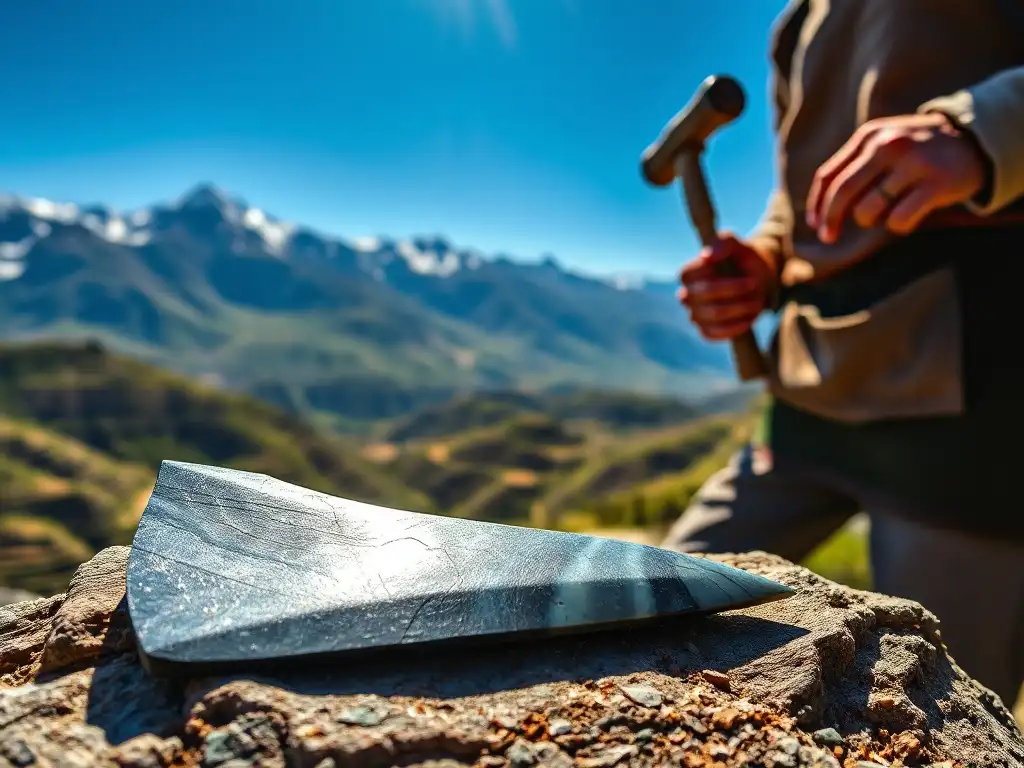
Step into a world lost to time, yet echoing with the whispers of ancient ingenuity. Discover the secrets held within the Andean mountains, where civilizations harnessed the power of nature to forge empires. Prepare to be captivated by the remarkable story of Andean obsidian tools techniques, a testament to the sophisticated technology and cosmology of these remarkable cultures. Unravel the mysteries of volcanic glass and its pivotal role in shaping the Andean worldview – the journey begins now.
The Andes Mountains, a spine of volcanic activity running down the western edge of South America, provided ancient Andean civilizations with a remarkable resource: obsidian. This naturally occurring volcanic glass, prized for its sharpness and durability, played a crucial role in shaping Andean societies, impacting their daily lives, religious practices, and technological advancements.
This article delves into the fascinating world of Andean obsidian, exploring the techniques used to procure, work, and utilize this valuable material, highlighting its significance within the broader context of Andean cosmology and their relationship with the natural world. We'll examine how obsidian tools and techniques reflect not only practical ingenuity but also a deep spiritual connection to the volcanic landscapes that provided this essential resource.
Understanding the mastery of obsidian by Andean civilizations offers a compelling window into their sophisticated technological capabilities and their intricate worldview. The strategic procurement and skillful manipulation of obsidian reveal a profound understanding of both the material world and the forces of nature that shaped their existence.
Sources and Procurement of Obsidian
Obsidian, formed from rapidly cooling lava, wasn't uniformly distributed throughout the Andes. Specific geological formations yielded high-quality obsidian, leading to the establishment of important trade routes connecting distant communities. Archaeological evidence reveals extensive networks, with obsidian artifacts found far from their source locations.
The control and distribution of obsidian resources likely held significant social and economic power within Andean societies. Evidence suggests that access to obsidian sources, and the expertise in its processing, was a key factor in the rise and fall of various Andean cultures. The sheer distance some obsidian traveled underscores the sophisticated organization and logistical capabilities of these ancient societies.
Moreover, the quality of the obsidian itself varied, with certain sources producing superior material for specific tool types, influencing the selection and distribution of this crucial resource. The procurement of obsidian was not simply a matter of gathering; it involved knowledge of geology, trade networks, and potentially even ritualistic practices.
Obsidian Toolmaking Techniques
Andean artisans developed remarkably sophisticated techniques for working obsidian. The process began with the initial knapping of the obsidian nodule, shaping it into a more manageable form. This involved carefully striking the obsidian with another stone, often using a hammerstone or antler. Subsequent stages involved pressure flaking, a more precise technique using pressure from a pointed implement to detach smaller flakes. This allowed for incredible control over the final shape and sharpness of the tools. The skill involved in pressure flaking was truly remarkable, producing blades with exceptionally fine edges. 1 Different techniques were employed depending on the desired tool, whether it was a knife, arrowhead, or ceremonial object. The creation of obsidian tools wasn't merely a practical skill; it was a specialized art form passed down through generations.
Types of Obsidian Tools and Their Uses
The versatility of obsidian allowed Andean civilizations to create a wide array of tools for diverse purposes. From everyday implements like knives and scrapers used for processing food and preparing hides, to sophisticated projectile points for hunting and warfare, obsidian played a significant role in daily life. Ceremonial objects and ornaments, often intricately carved and polished, further demonstrate the mastery of obsidian craftsmanship. The meticulous detail and artistry in some obsidian artifacts suggest a profound symbolic significance, highlighting the material's importance beyond its practical uses. The range of obsidian tools showcases the technological prowess of these civilizations, and their ability to adapt this material to a wide spectrum of needs and cultural practices.
Examples of Obsidian Tools:
- Knives
- Scrapers
- Arrowheads
- Spear points
- Adzes
- Ceremonial blades
- Ornaments
The Role of Obsidian in Andean Cosmology
The use of obsidian wasn't solely utilitarian; it was deeply intertwined with Andean cosmology and spiritual beliefs. The association of obsidian with volcanoes, powerful forces of nature revered by many Andean cultures, likely imbued the material with spiritual significance. Obsidian artifacts have been found in burial contexts, suggesting their importance in funerary rituals and beliefs about the afterlife.
The use of obsidian in ceremonial objects further underscores its symbolic value within Andean religious practices. The creation and use of obsidian tools and ornaments were likely part of a wider ritualistic system that connected the material world with the spiritual realm. The sharp edges of obsidian, possibly representing the power and danger of the volcanic forces that created it, may have held symbolic meaning in rituals and ceremonies.
1 Further research is needed to specify the exact techniques used in pressure flaking for different Andean cultures.
- Sources and Procurement of Obsidian
- Obsidian Toolmaking Techniques
- Types of Obsidian Tools and Their Uses
- The Role of Obsidian in Andean Cosmology
- Primary Obsidian Shaping Methods
- Advanced Flaking Techniques for Obsidian Tools
- Specialized Obsidian Tool Types in Different Andean Cultures
- The Role of Obsidian Craftsmanship in Andean Society
- Obsidian Quarries and the Control of Resources
- Techniques of Obsidian Tool Production: Flaking, Grinding, and Polishing
- What is obsidian, and why was it important to Andean civilizations?
- What types of tools did Andean civilizations make from obsidian?
- What techniques did Andean civilizations use to work with obsidian?
- How did the Andean civilizations obtain obsidian?
- Where can I learn more about Andean obsidian tools and techniques?
Obsidian: A Precious Resource in the Andes
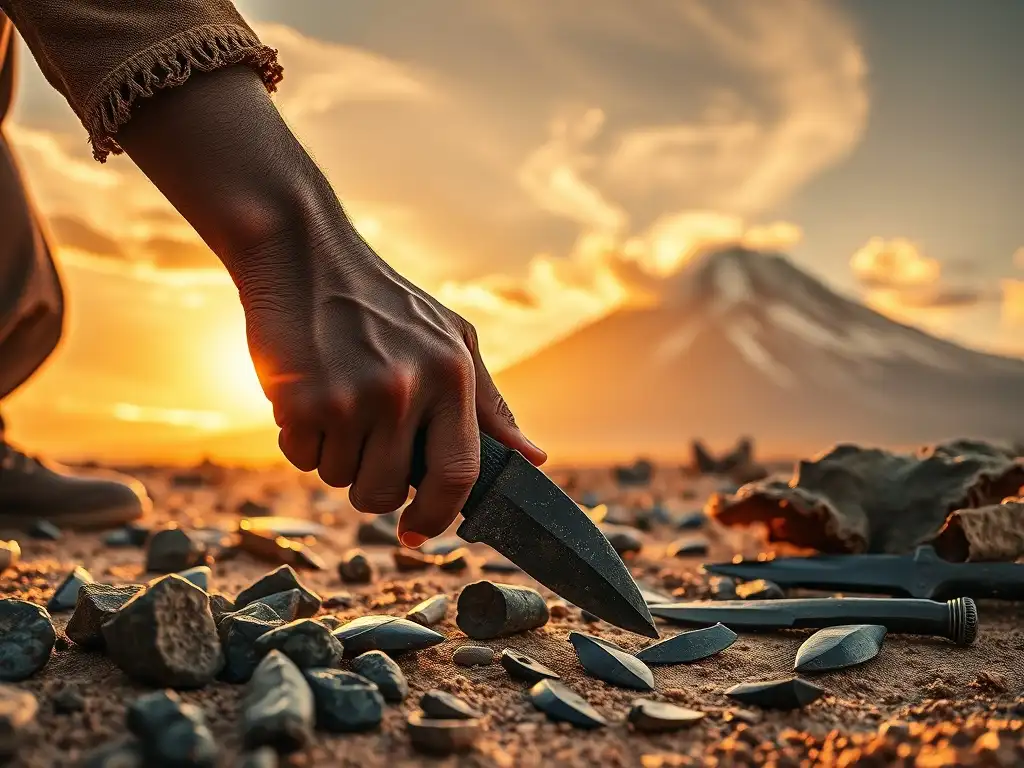
Obsidian, a naturally occurring volcanic glass, held immense significance for the Andean civilizations. Its sharp edges, readily formed through simple knapping techniques, made it an ideal material for crafting a wide array of tools and ceremonial objects. This section will delve into the geological origins of Andean obsidian, its cultural importance, and the extensive trade networks that facilitated its distribution across the vast Andean landscape.
Understanding the role of obsidian provides crucial insight into the technological prowess and sophisticated social structures of these ancient societies. The study of Andean obsidian tools and techniques reveals a deep understanding of material properties and a mastery of complex crafting processes, reflecting a sophisticated relationship with the natural world.
Geological Origins of Andean Obsidian
Andean obsidian's unique properties stemmed directly from its volcanic origins. The geological formations across the Andes Mountains, formed by intense volcanic activity over millennia, yielded high-quality obsidian sources. These sources varied in chemical composition, resulting in obsidian of different colors and translucence.
For example, the obsidian found near Cerro Negro in Ecuador is known for its dark, almost black hue, while sources in Peru often produced lighter gray or brown varieties. This variation in obsidian characteristics influenced both the aesthetic appeal and the functional properties of the tools created from it.
The precise location and characteristics of each source were carefully understood by Andean artisans, leading to specialized tool production based on the availability of specific obsidian types. Detailed geochemical analysis of obsidian artifacts has allowed modern researchers to trace these materials back to their precise geological origins, mapping out ancient trade routes and providing insights into the complexities of Andean social organization.
The Significance of Obsidian in Andean Culture
Obsidian's importance transcended its purely utilitarian function. It held profound symbolic and ritual significance within Andean cosmology. The sharp, glassy nature of obsidian likely associated it with the power of the sun and the otherworldly. Many obsidian artifacts were intricately carved and polished, showcasing an advanced level of craftsmanship and artistic expression.
Beyond tools, obsidian was used to create ceremonial objects, such as mirrors, figurines, and ornaments, indicating its role in religious practices and elite status. For example, the elaborate obsidian blades found in elite burials suggest the material's association with power and status. The presence of obsidian in funerary contexts further supports its importance in Andean religious beliefs and practices, potentially representing connections to the spirit world or ensuring a successful passage to the afterlife. The careful selection of obsidian based on its color and quality suggests a deeper cultural meaning beyond simple functionality.
Obsidian Sources and Trade Networks in the Andes
The distribution of obsidian artifacts across vast distances within the Andes Mountains showcases the sophisticated trade networks that connected different Andean societies. Obsidian sources were not evenly distributed; some regions possessed high-quality sources, while others lacked them entirely. This disparity fueled a thriving exchange system, with obsidian traveling hundreds, even thousands, of miles to reach communities far from its geological origin.
Archaeological evidence, such as the presence of obsidian artifacts from distant sources in sites far from their origin, demonstrates the extensive reach of these trade routes. The sophisticated organization and logistics required to manage these networks highlight the advanced social and political structures of the Andean civilizations. Furthermore, the consistent quality and stylistic similarities of obsidian artifacts found across wide geographical areas suggest a level of control and standardization in the production and distribution of this precious resource.
Analysis of obsidian trade routes helps us understand the complex interactions and interdependencies between different Andean communities, illustrating the interconnectedness of the Andean world. The study of Andean obsidian tools and techniques thus offers a window into not only their technological capabilities but also their sophisticated social and economic systems.
Andean Obsidian Toolmaking Techniques
The mastery of obsidian, a volcanic glass prized for its sharpness and durability, was crucial to the technological advancement and cultural expression of various Andean civilizations. Understanding their techniques reveals not only their sophisticated craftsmanship but also their deep connection to the natural world, shaping their cosmology and worldview. This section delves into the specific methods employed in the creation of obsidian tools, highlighting the diverse approaches across different Andean cultures.
The ingenuity and precision involved in these techniques speak volumes about the skill and knowledge possessed by Andean artisans. The term "Andean obsidian tools techniques" encompasses a vast array of specialized skills, from initial sourcing to the final polishing.
Primary Obsidian Shaping Methods
The creation of obsidian tools began with the acquisition of raw material. Andean civilizations established extensive trade networks to obtain high-quality obsidian from distant volcanic sources. Once acquired, the initial shaping of the obsidian involved several key methods:
- Core Reduction: This involved systematically removing flakes from a larger piece of obsidian, known as a core, to create smaller, more manageable pieces. This process required considerable skill and precision, as a single misstep could ruin the entire core. Different techniques were employed, including bipolar reduction (striking the core from both sides) and unipolar reduction (striking from one side). The choice of technique often depended on the desired shape and size of the final tool.
- Direct Percussion: This involved striking the obsidian core directly with a hammerstone to detach flakes. Hammerstones were typically made of harder materials like basalt or andesite. The force and angle of impact were crucial in determining the size and shape of the detached flakes. This method was commonly used for creating larger tools or blanks for subsequent shaping.
- Indirect Percussion: This more refined technique employed a punch and anvil to detach flakes. A punch, often made of bone or antler, was placed on the obsidian core, and then struck with a hammerstone. This allowed for greater control over the size and shape of the flakes, producing more consistent and refined results. This method was particularly useful for creating smaller, more delicate tools.
Variations in these techniques across different Andean cultures reflected regional differences in raw materials, tool preferences, and stylistic conventions. Further research is needed to fully document the subtle variations in these primary shaping methods across different Andean societies. [Specific information pending: detailed comparative analysis of core reduction techniques across various Andean cultures].
Advanced Flaking Techniques for Obsidian Tools
Once the initial shaping was complete, Andean artisans employed advanced flaking techniques to refine the tools and achieve the desired shape and sharpness. These techniques required a high degree of skill and dexterity:
- Pressure Flaking: This involved applying pressure to a flake using a pointed implement, such as a bone or antler tool, to remove small, precise flakes. This allowed for the creation of incredibly sharp and finely detailed tools, such as blades, knives, and projectile points. Pressure flaking demonstrates a remarkable level of control and precision in obsidian working.
- Retouching: This involved removing small flakes from the edges of a tool to refine its shape, improve its sharpness, and create specific features. Retouching could be used to create serrated edges, points, or other specialized features depending on the intended use of the tool. The artistry involved in retouching is evident in the intricate designs and finely crafted tools found in archaeological sites.
- Polishing: After flaking, some obsidian tools were polished to improve their smoothness and durability. This was often achieved by rubbing the tool against a softer material, such as a smooth stone or leather. Polishing added a final touch of refinement to many obsidian tools.
The development of these advanced techniques represents a significant milestone in Andean technological innovation. The precision and control demonstrated in these techniques are comparable to those of later metalworking traditions. [Specific information pending: analysis of the wear patterns on obsidian tools to determine the specific techniques used].
Specialized Obsidian Tool Types in Different Andean Cultures
Andean civilizations produced a wide variety of obsidian tools, each adapted to specific tasks and reflecting the unique cultural practices of different groups. Examples include:
| Culture | Tool Type | Function | Distinguishing Features |
|---|---|---|---|
| Inca | Knives ( tumi) | Cutting, ritual purposes | Crescent-shaped blade, often elaborately decorated |
| Moche | Projectile Points | Hunting | Varied shapes, often with barbed edges |
| Nazca | Blades | Cutting, scraping | Thin, elongated blades, finely retouched |
| Tiahuanaco | Adzes | Woodworking, construction | Heavy, robust tools with ground edges |
These are just a few examples of the diverse range of obsidian tools produced by Andean civilizations. The specific forms and functions of obsidian tools varied significantly across different cultures and time periods, reflecting the adaptability and innovation of Andean artisans in harnessing the properties of this valuable volcanic glass. Further research into specific regional variations in obsidian tool production is needed to gain a more complete understanding of the nuances in Andean obsidian tool techniques. The study of "Andean obsidian tools techniques" continues to unveil the sophistication and ingenuity of these ancient cultures. 🔪
The Role of Obsidian Craftsmanship in Andean Society
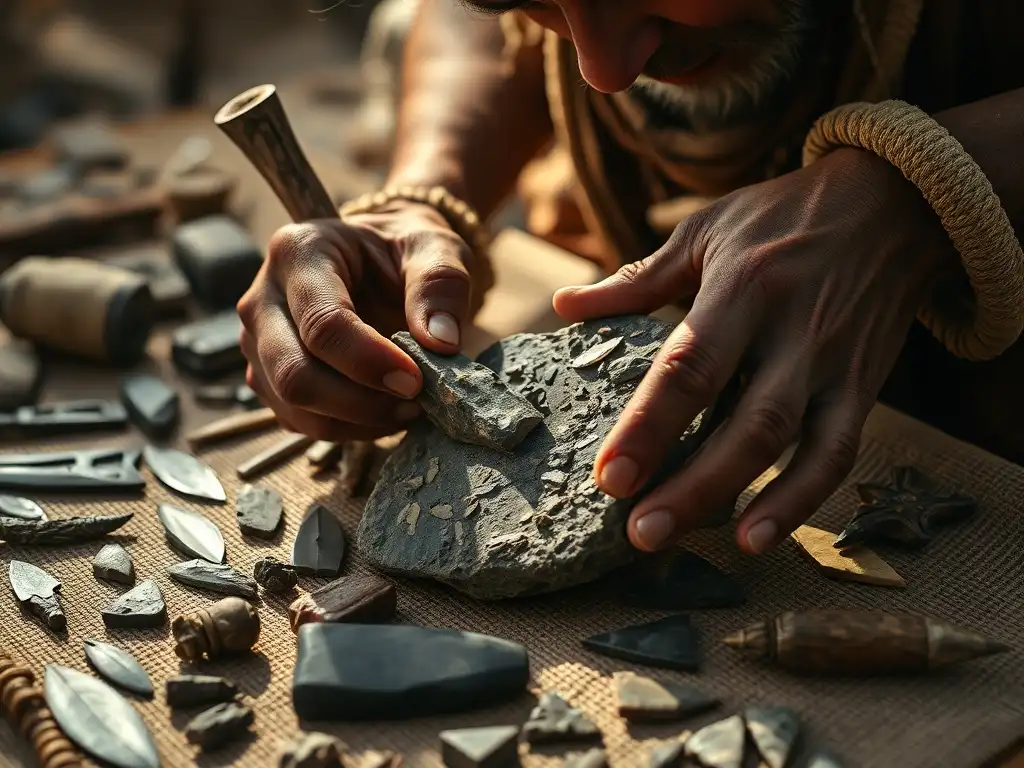
Obsidian's importance in Andean societies transcended mere utilitarian value; it held profound symbolic and ritualistic significance. Skilled obsidian craftsmen weren't simply artisans; they occupied a respected position within their communities, often linked to religious or political elites. Their mastery of the material was viewed as a sacred skill, reflecting a connection to the powerful forces of nature that produced the volcanic glass itself. The creation of obsidian tools wasn't simply a craft; it was an act imbued with spiritual meaning, connecting the maker to the cosmos.
Evidence suggests that certain obsidian artifacts were used in ceremonies and rituals, further highlighting the material's sacred status. The intricate designs and meticulous craftsmanship found on many obsidian objects suggest a level of specialization and artistry that elevated these artisans to positions of influence and prestige within their societies. This reverence for obsidian and its skilled artisans is reflected in the careful preservation and ceremonial burial of obsidian tools and artifacts discovered in numerous Andean archaeological sites.
The distribution of high-quality obsidian across vast distances also points to complex trade networks and social structures that facilitated the exchange of this valuable resource and the specialized knowledge required to work it. The societal importance of obsidian craftsmanship helps us understand the deeply intertwined relationship between Andean societies and the natural world, where materials like obsidian were not simply resources but powerful symbols of spiritual and social power. The skilled manipulation of obsidian mirrored the mastery of other aspects of the natural world, reflecting a deep understanding of and respect for the environment.
Obsidian Quarries and the Control of Resources
Access to high-quality obsidian sources was a critical factor in the power dynamics of Andean civilizations. Control over obsidian quarries often translated into significant political and economic influence. The location of these quarries, often in remote and challenging terrains, meant that access to them was not universally available. Some groups held exclusive rights to specific sources, giving them a monopoly over the production of obsidian tools and artifacts.
This control allowed them to trade obsidian with neighboring communities, generating wealth and strengthening their political standing. The transportation of obsidian from quarries to workshops and ultimately to consumers involved complex logistical networks and a sophisticated understanding of trade routes and resource management. The scale of obsidian production and distribution in some Andean regions points to large-scale organizational efforts, indicating that the management of obsidian resources was a crucial aspect of state-level societies. Furthermore, the quality of obsidian varied across different quarries, with some sources producing superior material for finer tools and artifacts.
This variation in quality further contributed to the economic and social stratification within Andean societies, with access to the best obsidian often correlating with higher social status. The study of ancient obsidian quarries and their distribution provides crucial insights into the economic, political, and social structures of Andean civilizations, highlighting the critical role of resource control in shaping their development. Understanding the logistics and control of these resources offers a compelling lens through which to examine the sophisticated organization and interconnectivity of these ancient societies.
Techniques of Obsidian Tool Production: Flaking, Grinding, and Polishing
Andean obsidian craftsmanship showcases a remarkable mastery of diverse techniques. The primary method involved pressure flaking, a precise technique requiring immense skill to remove small flakes of obsidian, shaping the tool with incredible accuracy. This wasn't a haphazard process; it involved careful planning and execution to create tools with specific shapes and functions. Different types of tools required different flaking techniques, reflecting a deep understanding of the material's properties and the desired outcome.
Beyond flaking, the Andeans employed grinding and polishing to refine their tools, enhancing their sharpness and durability. This process involved using abrasive materials to smooth the edges and surfaces of obsidian tools, creating incredibly sharp and efficient cutting instruments. The level of refinement seen in many Andean obsidian artifacts is astonishing, showcasing a mastery of these techniques that has rarely been equaled. The combination of pressure flaking, grinding, and polishing allowed Andean artisans to produce a diverse range of tools, from finely crafted knives and projectile points to elaborate ceremonial objects.
The sophistication of these techniques underscores the advanced technological capabilities of Andean civilizations and the importance of obsidian in their daily lives and religious practices. Archaeological evidence reveals a wide array of tools, each demonstrating the adaptability and precision of the techniques employed. The artistry evident in some pieces suggests that the creation of these tools was also a form of artistic expression, combining functionality with aesthetic appeal.
Obsidian Tools and Their Applications
The Andes Mountains, a spine of volcanic activity, provided ancient Andean civilizations with a readily available resource: obsidian. This volcanic glass, prized for its sharpness and durability, became a cornerstone of their technological advancements, profoundly impacting their daily lives and shaping their societal structures. Understanding Andean obsidian tools and techniques reveals a sophisticated understanding of material science and engineering far exceeding simplistic notions of "primitive" technology.
The mastery of obsidian crafting showcases the ingenuity and adaptability of these cultures, deeply intertwined with their relationship with the natural world. This section will explore the diverse applications of obsidian across various aspects of Andean life, highlighting the innovative techniques employed in its shaping and utilization. The sheer variety of tools crafted from this material speaks volumes about the importance of obsidian in Andean civilizations, reflecting its significance in agriculture, hunting, warfare, and ritual practices.
Obsidian Tools for Agriculture and Farming
Obsidian's exceptional sharpness made it ideal for agricultural tools. Unlike stone tools made from other materials, obsidian blades retained their edge for significantly longer periods, increasing efficiency in farming practices. Archaeological evidence reveals a range of obsidian tools specifically designed for agricultural tasks. These include:
- Sickles: Used for harvesting grains like quinoa and maize, obsidian sickles boasted incredibly sharp edges, allowing for clean cuts and minimizing crop damage. The precision needed to create these tools suggests a high level of craftsmanship and specialized skill. Analysis of residue on recovered sickles has even revealed traces of the harvested plants, providing direct evidence of their use.
- Ploughs/hoes: While less common than sickles due to the material's brittleness, some evidence suggests the use of obsidian in the creation of ploughshares or hoe blades for soil preparation. These would have required significant skill in hafting (attaching the blade to a handle) to withstand the stresses of tilling the land. Further research is needed to fully understand the extent of obsidian's use in these more strenuous applications.
- Knives and scrapers: Smaller obsidian knives and scrapers were invaluable in various agricultural tasks, from processing harvested crops to preparing animal hides for clothing and shelter. Their versatility highlights the adaptability of obsidian as a material and the ingenuity of its users. The ubiquity of these smaller tools in archaeological sites emphasizes their importance in daily Andean life.
The effectiveness of obsidian tools contributed to increased agricultural yields, supporting population growth and the development of complex social structures. The meticulous crafting of these tools reflects a deep understanding of both the material properties of obsidian and the demands of agricultural practices.
Hunting Tools Made of Obsidian in the Andes
Obsidian's sharpness translated directly into superior hunting tools, providing Andean hunters with a significant advantage. The precision and effectiveness of these tools were crucial for survival and the procurement of essential resources. Examples of obsidian hunting tools include:
- Arrowheads: Numerous archaeological findings showcase the widespread use of obsidian arrowheads across various Andean cultures. The variation in size, shape, and design suggests adaptation to different hunting strategies and prey animals. Some arrowheads were meticulously crafted with intricate designs, hinting at possible ritualistic significance beyond their purely utilitarian function. The effectiveness of obsidian arrowheads is undeniable, contributing to successful hunts and the provision of food for communities.
- Spear points: Similar to arrowheads, obsidian spear points provided hunters with powerful weapons for taking down larger game. These points required specialized skills in knapping (the process of shaping stone tools) to create the desired shape and sharpness. The durability of obsidian ensured that these points remained effective even after repeated use. The discovery of spear points in association with animal bones provides compelling evidence of their hunting applications.
- Knives: Smaller obsidian knives played a vital role in butchering and processing game animals after a successful hunt. Their sharpness ensured efficient and clean cuts, minimizing waste and maximizing the usability of the meat and hides. These knives were essential tools in the post-hunt processes, contributing to the overall efficiency of hunting practices.
The skillful creation and use of obsidian hunting tools highlight the close relationship between Andean peoples and their environment. The mastery of obsidian knapping and the strategic use of these tools demonstrate a deep understanding of both the natural world and the animals they hunted.
Obsidian Blades and Weapons in Andean Warfare
Obsidian's exceptional sharpness also made it a formidable material for weapons, significantly impacting Andean warfare. The use of obsidian in weaponry reflects not only technological prowess but also the importance of warfare in shaping Andean societies. Examples of obsidian weapons include:
- Macanas: These club-like weapons, often incorporating obsidian blades, were devastating in close-quarters combat. The obsidian edges inflicted deep and debilitating wounds. The design of macanas, combining the weight and force of the club with the cutting power of obsidian, suggests a sophisticated understanding of weapon design and battlefield tactics.
- Knives and daggers: Smaller obsidian knives and daggers were used as both personal weapons and tools for close-combat fighting. Their sharpness and ease of concealment made them effective weapons in skirmishes and ambushes. The sheer number of these artifacts found in archaeological sites suggests their widespread use in warfare.
- Spear and dart points: As seen in hunting, obsidian spear and dart points were also employed as weapons in warfare. Their ability to inflict serious injuries at a distance made them effective weapons in battles. The size and shape of these points likely varied depending on the specific weapon and intended use.
The use of obsidian in warfare reflects the strategic importance of this material in Andean societies. The craftsmanship involved in creating these weapons highlights the dedication and skill of the artisans involved, and the effectiveness of these weapons likely played a significant role in shaping the outcomes of conflicts. The strategic use of obsidian weapons underscores the connection between resource management, technological innovation, and military strategy in the Andean world.
Obsidian in Ritual and Ceremonial Practices
Obsidian's sharp edges and lustrous black surface weren't solely dedicated to practical tasks; they held significant symbolic meaning within Andean spiritual practices. The intense, almost mystical, quality of the volcanic glass made it a prime material for ritual objects and ceremonial implements. Archaeological evidence reveals its presence in various contexts, suggesting a deep integration into religious beliefs and practices across different Andean cultures.
For example, the Incas, renowned for their sophisticated religious system, utilized obsidian blades in ceremonies involving human sacrifice. While the precise rituals varied, the sharp obsidian served as a tool for the ritualistic act, lending a certain solemnity and symbolic weight to the proceedings. The inherent sharpness of obsidian was likely seen as a representation of the power and finality of death, reinforcing the sacred nature of the event.
Furthermore, the reflective surface of polished obsidian pieces might have been used in divination practices, mirroring the cosmos and allowing shamans to interpret the future or communicate with the spirit world. [Specific details on Inca obsidian ritual uses pending further research].
The Moche culture, known for its elaborate iconography and complex religious beliefs, also incorporated obsidian into their rituals. Obsidian mirrors, meticulously crafted, have been found in Moche tombs, alongside other precious artifacts. These mirrors, likely used by priests or shamans, possibly served as conduits to the spirit world, allowing for communication with ancestors or supernatural entities. The reflective surface, combined with the perceived magical properties of obsidian, would have amplified the spiritual significance of these objects. [Specific examples of Moche obsidian mirrors and their context pending].
Beyond the Incas and Moche, other Andean civilizations, such as the Nazca and Tiahuanaco, likely used obsidian in their respective rituals. However, the specific applications and interpretations may have differed based on their unique cosmologies and religious practices. Further research is needed to fully understand the nuances of obsidian's role in these cultures' ceremonial life.
The scarcity and perceived power of obsidian likely contributed to its use in high-status contexts, reinforcing the social and spiritual hierarchy within these societies. The enduring presence of obsidian in Andean archaeological sites serves as a testament to its multifaceted role in the lives of these ancient people, extending far beyond mere utility. The obsidian's unique properties – its sharpness, its darkness, its reflective qualities – all contributed to its symbolic power and its lasting presence in Andean religious practices.
The Legacy of Andean Obsidian Use
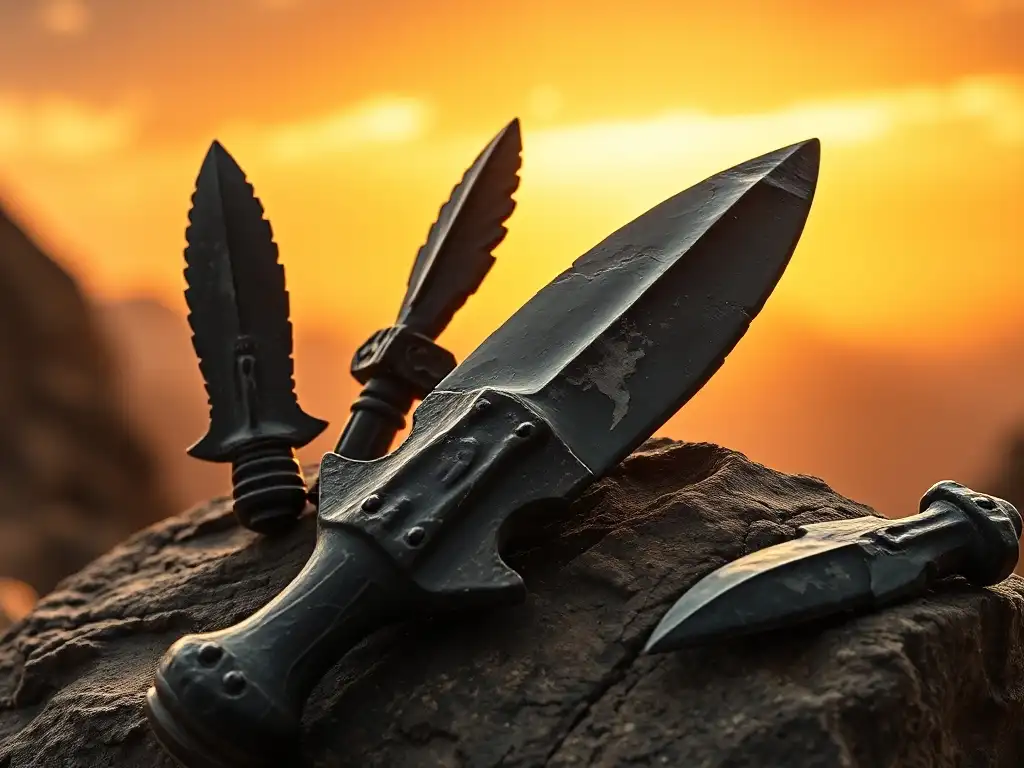
The legacy of obsidian in the Andes is profound, extending far beyond its utilitarian applications. This volcanic glass, prized for its sharp edges and ability to be finely worked, played a crucial role in shaping Andean societies, their economies, and their spiritual beliefs. Understanding the use of obsidian provides invaluable insights into the complex social structures, trade networks, and technological advancements of these ancient civilizations.
From sophisticated tools to ceremonial objects, obsidian's presence permeates the archaeological record, offering a tangible link to the past and enriching our comprehension of Andean cultures. The meticulous techniques employed in its crafting demonstrate a remarkable level of skill and ingenuity, underscoring the Andean peoples' deep understanding of their environment and their capacity for innovation.
The widespread distribution of obsidian artifacts across diverse Andean regions also highlights the extensive trade networks that connected these disparate communities, facilitating cultural exchange and economic interdependence. The enduring impact of obsidian technology in the Andes is a testament to its significance as a resource and a symbol of power and prestige.
Evidence of Obsidian Use in Archaeological Sites
Archaeological excavations across the Andes have yielded an abundance of obsidian artifacts, providing compelling evidence of its widespread use. Sites such as [Specific site name pending] in the northern Andes have revealed extensive workshops where obsidian was knapped and shaped into a variety of tools. These sites often contain not only finished tools but also considerable quantities of debitage (waste flakes and cores), indicating on-site production. The types of tools discovered vary significantly, reflecting the diverse needs of Andean societies. Examples include:
- Knives and blades: Used for butchering animals, processing agricultural products, and potentially in warfare.
- Scrapers: Used for preparing hides, carving wood, and various other tasks.
- Drills and points: Used for creating holes in materials and potentially for hunting.
- Mirrors and ornaments: Illustrating obsidian's use beyond purely functional purposes.
The sheer quantity and diversity of obsidian artifacts discovered in these sites underscore the material's importance in daily life. Furthermore, the presence of obsidian in burial contexts suggests its symbolic value and potential association with ritual practices. Analysis of obsidian artifacts from different sites can help researchers reconstruct trade routes and patterns of cultural exchange, providing valuable insights into the social and economic dynamics of Andean civilizations. The careful study of these artifacts, combining technological analysis with contextual information, offers crucial clues to understanding the sophisticated techniques and cultural significance of obsidian use in the Andes.
Obsidian Sourcing Analysis and Cultural Connections
Obsidian sourcing analysis, a technique that identifies the geological origin of obsidian artifacts, has played a critical role in unraveling the complex trade networks of Andean civilizations. By analyzing the chemical composition of obsidian artifacts found at different archaeological sites, researchers can pinpoint the source volcanoes from which the raw material originated. This has revealed extensive long-distance exchange networks, connecting distant communities across vast geographical distances.
For example, obsidian from the [Specific volcano name pending] in Ecuador has been found at sites hundreds of kilometers away in Peru, demonstrating the scale and sophistication of these ancient trade systems. These findings highlight the intricate relationships between different Andean societies and the importance of obsidian as a valuable commodity. The presence of obsidian from specific sources at particular sites also suggests the existence of preferential trade relationships or perhaps even the control of obsidian resources by certain groups.
The analysis of obsidian provides not only insights into trade but also into cultural interactions and power dynamics. The distribution patterns of obsidian often mirror the distribution of other valuable goods, providing a more comprehensive picture of the Andean economic landscape. The meticulous analysis of obsidian is an integral part of understanding Andean obsidian tools techniques.
The Enduring Impact of Obsidian Technology in the Andes
The impact of obsidian technology extended far beyond its immediate practical applications. The mastery of obsidian knapping, a highly specialized skill requiring years of training and practice, conferred prestige and status upon skilled artisans. This expertise contributed to the development of specialized craft guilds and the emergence of complex social hierarchies.
The enduring appeal of obsidian is evident in its continued use, albeit in a more limited capacity, in some Andean communities even today. While the widespread use of obsidian as a toolmaking material diminished with the introduction of metalworking, its symbolic significance persists. Obsidian continues to hold cultural relevance in certain communities, appearing in traditional crafts and ceremonies, reflecting the enduring legacy of this remarkable material.
🗺️ The legacy of Andean obsidian is a compelling testament to the ingenuity, resourcefulness, and interconnectedness of Andean civilizations. The study of Andean obsidian tools techniques and their societal impact continues to offer valuable insights into the complexities of these ancient societies. The meticulous craftsmanship associated with obsidian artifacts underscores the advanced technological capabilities and cultural sophistication of Andean civilizations, leaving an enduring mark on our understanding of the region's rich history and cultural heritage.
Comparative Analysis with Chert, Quartzite, and Andesite in the Andes
Obsidian, with its naturally sharp edges and conchoidal fracture, held a significant advantage over other readily available lithic materials in the Andes. However, Andean civilizations weren't solely reliant on obsidian. A comparative analysis reveals the nuanced choices made based on material availability, desired tool properties, and the specific task at hand. Let's examine the key differences between obsidian and other common lithic resources: chert, quartzite, and andesite.
Chert, a microcrystalline quartz, was widely distributed throughout the Andes and offered a workable alternative to obsidian. While capable of achieving a sharp edge, chert's fracture was less predictable than obsidian's, often resulting in less refined tools. The quality of chert also varied significantly depending on the source, with some being brittle and prone to chipping during use.
This made obsidian a preferred choice for tools requiring precision and durability, such as surgical instruments or finely crafted projectile points. Archaeological evidence suggests that chert was more commonly used for less demanding tasks, such as scraping tools or coarse projectile points, where the slightly lower quality of the edge was less critical.
Quartzite, a metamorphic rock formed from sandstone, was another readily available material. Its hardness and resistance to fracturing made it suitable for creating durable tools, particularly grinding stones and hammerstones. However, quartzite's inherent toughness presented challenges in shaping it into finely detailed tools. The difficulty in achieving a sharp, refined edge limited its use for tasks requiring precision cutting or piercing. While obsidian might be used to create a delicate scalpel, quartzite would be far more appropriate for a heavy-duty grinding stone.
Andesite, a volcanic rock, offered a different set of properties. Though less readily fractured into sharp edges than obsidian, andesite possessed a greater resistance to wear and tear. This made it a suitable material for tools subjected to heavy use, such as grinding implements or robust chopping tools.
The relative abundance of andesite in certain Andean regions influenced its adoption. However, the effort required to shape andesite into sharp tools likely influenced the preference for obsidian when finer craftsmanship was needed. The choice between andesite and obsidian often reflected a balance between the desired tool's durability and the level of precision required.
The Andean civilizations demonstrated a sophisticated understanding of material properties. While obsidian reigned supreme for its sharpness and ease of shaping, the strategic use of chert, quartzite, and andesite reveals a flexible approach to toolmaking, tailored to the specific demands of various tasks and the availability of resources within their diverse environments. The choice wasn't simply about obsidian versus "other"; it was a nuanced selection process reflecting a deep understanding of material science and practical needs. This adaptability further highlights the ingenuity and resourcefulness of Andean toolmakers.
Andean Obsidian Trade and Exchange
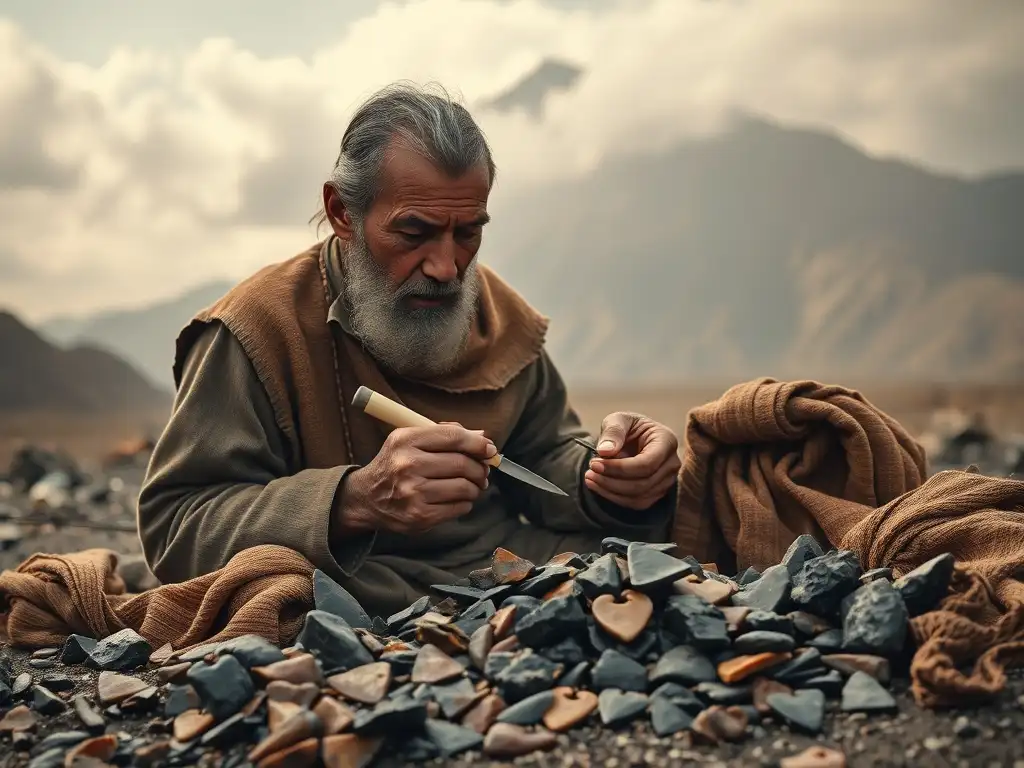
The strategic importance of obsidian in Andean societies extended far beyond its utilitarian applications. The distribution of this valuable resource reveals intricate trade networks that connected disparate communities across vast distances, shaping economic structures and social hierarchies. Understanding the Andean obsidian trade offers a crucial lens through which to examine the complex interactions and power dynamics within these ancient civilizations.
The sheer scale of obsidian trade, evidenced by archaeological finds across the Andes, underscores its significance as a catalyst for cultural exchange and economic growth. Analysis of obsidian artifacts and their provenance provides invaluable insights into the sophistication of ancient Andean trade systems.
Obsidian as a Traded Commodity
Obsidian, due to its sharp edges and ability to be finely worked, was a highly prized commodity in the Andes. Its value transcended mere functionality; it represented status, power, and access to specialized knowledge. The control and distribution of obsidian likely played a crucial role in establishing and maintaining social hierarchies.
Archaeological evidence suggests that certain groups or individuals controlled access to obsidian sources and, consequently, held significant economic and political influence. This control extended to both the raw material and the finished products. For example, finely crafted obsidian blades or ceremonial objects might have been reserved for elites, further emphasizing their social standing.
The presence of obsidian artifacts in burials further reinforces their symbolic and ritualistic significance, demonstrating their importance beyond practical use. We can hypothesize that the rarity of high-quality obsidian sources contributed to its high value, leading to complex trade networks designed to access and distribute this precious resource. [Specific data on the relative rarity of different obsidian sources pending].
Routes and Mechanisms of Obsidian Distribution
The Andean obsidian trade involved complex logistical challenges, requiring the establishment of well-defined routes and mechanisms for transporting this fragile material across diverse terrains. Evidence suggests the use of established pathways, possibly along existing river systems or mountain passes. These routes likely facilitated not only the movement of obsidian but also the exchange of other goods and ideas, fostering cultural interaction between different Andean communities.
The mechanisms of exchange remain a subject of ongoing research, but possibilities range from direct barter systems to more complex forms of reciprocal exchange or even tributary systems where obsidian was channeled to powerful centers. Understanding the exact mechanisms requires further investigation, including a deeper analysis of archaeological contexts and the patterns of obsidian distribution across the Andes.
[Further analysis of specific trade routes and their associated artifacts pending]. The development of sophisticated record-keeping systems, potentially using quipu (knotted strings), may have played a role in managing the complexities of obsidian trade.
The obsidian trade had profound economic and social implications for Andean societies. Control over obsidian sources and distribution networks granted considerable power and influence. The economic benefits extended beyond the mere exchange of goods, fostering specialization of labor and the development of artisan communities dedicated to the production of obsidian tools and artifacts.
This specialization, in turn, led to increased economic productivity and the accumulation of wealth, further reinforcing social stratification. Furthermore, the obsidian trade likely facilitated cultural exchange, the dissemination of ideas, and the integration of disparate communities into broader networks. The presence of obsidian artifacts from distant sources in archaeological sites provides compelling evidence of these far-reaching connections.
The long-distance trade in obsidian demonstrates the sophisticated organizational capacity and social structures of Andean civilizations, highlighting their ability to manage complex logistical challenges and establish extensive networks of social and economic interaction. The impact of obsidian trade extended beyond the material realm, shaping the very fabric of Andean society and contributing significantly to its complexity and resilience. 🗺️
The Role of Obsidian in Inter-Regional Relations
Obsidian's unique properties weren't just valued for its utility in toolmaking; its presence also significantly shaped the complex web of inter-regional relations within the Andes. The distribution of obsidian artifacts reveals intricate trade networks connecting geographically disparate Andean societies. Control over obsidian sources, often located in high-altitude volcanic regions, conferred considerable economic and political power. Groups controlling these prized resources could leverage their dominance to establish trade partnerships, secure alliances, or even exert control over neighboring communities.
This dynamic is evident in the archaeological record, where high-quality obsidian tools from specific sources appear far from their origins, demonstrating extensive exchange systems. The presence of obsidian from different sources within a single archaeological site often suggests complex interactions and perhaps even conflict between different groups vying for control of these valuable resources. The analysis of obsidian artifacts can provide valuable insights into the nature of these relationships, revealing patterns of cooperation, competition, and even potential warfare fueled by the demand for this unique material.
Further research into the chemical composition of obsidian artifacts found in various sites continues to refine our understanding of these ancient trade routes and their impact on Andean societies. The study of obsidian exchange, therefore, offers a fascinating lens through which to examine the political and economic dynamics of the pre-Columbian Andes. For example, the presence of high-quality obsidian blades in elite burials suggests that access to this material was directly linked to social status and power.
Obsidian as a Symbol of Power and Prestige
Beyond its practical applications, obsidian held significant symbolic meaning within Andean cultures. Its association with volcanoes, powerful forces in the Andean worldview, likely contributed to its perception as a sacred or potent material. The lustrous black color of obsidian may have been linked to concepts of darkness, the underworld, or the supernatural. The meticulous craftsmanship involved in creating obsidian tools and artifacts further enhanced their value as objects of prestige.
High-quality obsidian implements, particularly those exhibiting intricate designs or exceptional craftsmanship, likely served as markers of social status, wealth, and power within Andean societies. Archaeological evidence supports this interpretation; elaborate obsidian artifacts are frequently found in elite burials and ceremonial contexts, suggesting their importance in ritual practices and displays of power. The presence of such objects in elite contexts distinguishes obsidian not merely as a functional material but as a symbol of prestige and authority.
The careful selection of raw obsidian, the skilled techniques used in shaping it, and the final form of the artifacts all contributed to their symbolic power. Understanding this symbolic dimension is crucial to fully grasp the significance of obsidian within the broader context of Andean cosmology and social organization. The use of obsidian as a symbol of power and prestige offers a compelling insight into the intertwined relationship between material culture and social structures in ancient Andean civilizations.
Technological Innovations in Obsidian Working
Andean civilizations developed sophisticated techniques for working obsidian, reflecting a deep understanding of the material's properties and a remarkable level of technological skill. The production of obsidian tools involved a complex sequence of steps, from the initial procurement of raw material to the final shaping and finishing of the artifact. Archaeological evidence reveals the use of various techniques, including pressure flaking, percussion flaking, and grinding, each tailored to achieve specific results. The development of specialized tools for obsidian working further demonstrates the level of technological sophistication.
The creation of fine blades and intricate decorative elements required exceptional skill and precision. These advanced techniques allowed Andean artisans to produce a diverse array of tools and artifacts, ranging from simple blades to highly ornamented ceremonial objects. The diversity of obsidian artifacts found at various archaeological sites highlights the ingenuity and adaptability of Andean artisans in adapting their techniques to different materials and contexts. The evolution of obsidian working techniques over time also reveals advancements in technological knowledge and skill.
Detailed analysis of obsidian artifacts allows researchers to trace the development of techniques and identify regional variations in manufacturing styles. The study of Andean obsidian working techniques provides a compelling window into the technological achievements and the sophisticated understanding of materials possessed by these ancient civilizations. The mastery of obsidian working stands as a testament to the ingenuity and adaptability of Andean artisans.
Obsidian and the Andean Worldview

Obsidian, a volcanic glass prized for its sharpness and reflective qualities, held a significant place within the Andean worldview, far exceeding its purely utilitarian value. Its association with volcanic activity, a powerful force in the Andean landscape, imbued it with spiritual significance and integrated it deeply into the cultures of various Andean civilizations. Understanding this relationship requires exploring its symbolic meaning, cosmological role, and the spiritual significance ascribed to obsidian tools.
The skillful techniques employed in crafting obsidian tools, a testament to Andean ingenuity, further enhanced their importance and reinforced their symbolic power. This section delves into the multifaceted relationship between Andean civilizations and obsidian, highlighting the profound impact this material had on their beliefs and practices. The term "Andean obsidian tools techniques" itself encapsulates the intricate connection between material, craftsmanship, and spiritual meaning.
Obsidian's Symbolic Meaning in Andean Culture
Obsidian's sharp edges, mirroring the dramatic peaks of the Andes, likely symbolized power, precision, and even death. The reflective surface, catching the light of the sun and moon, connected it to celestial forces and the supernatural realm. Archaeological findings suggest that obsidian artifacts were not simply tools; they were often associated with elite burials and ceremonial contexts, implying their status as prestigious and sacred objects.
For example, [specific examples of obsidian artifacts found in elite burials pending], would provide further evidence of this connection. The meticulous craftsmanship involved in creating obsidian blades, mirrors, and ornaments further elevated their symbolic value, signifying the skill and dedication of the artisans. The careful selection of high-quality obsidian sources, sometimes located hundreds of kilometers from the sites of use, underscores the importance placed on this resource.
This wasn't simply about acquiring a useful material; it was about obtaining a substance imbued with symbolic and spiritual power. The careful curation and preservation of these objects also suggest their enduring cultural significance. Moreover, the use of obsidian in different contexts, from everyday tools to elaborate ceremonial objects, indicates a flexible and nuanced understanding of the material's symbolic potential.
Obsidian in Andean Cosmology and Mythology
The Andean worldview was deeply intertwined with the natural world, and volcanoes, as sources of obsidian, held a prominent position in their cosmology. Volcanoes were often considered sacred mountains, dwelling places of deities or powerful spirits. [Specific Andean myths and legends relating obsidian to volcanoes and deities pending].
Obsidian, originating from these powerful places, inherited some of this sacredness. Its incorporation into rituals and ceremonies suggests a belief that it could channel or harness these divine energies. The use of obsidian in divination practices, as seen in [specific examples of obsidian use in Andean divination pending], further exemplifies its connection to the supernatural realm and the ability to access hidden knowledge.
The dark, reflective surface of obsidian might have been seen as a portal to the underworld or a mirror reflecting the cosmos. This interpretation aligns with the broader Andean cosmological understanding of interconnectedness between the earthly and spiritual realms. The cyclical nature of volcanic activity, mirroring the Andean understanding of life, death, and rebirth, likely contributed to obsidian's symbolic power.
The Spiritual Significance of Obsidian Tools
The spiritual significance of obsidian extended to the tools crafted from it. These were not merely practical instruments; they were imbued with the material's inherent power. Knives used in sacrifices, for instance, would have been more than just cutting tools; they were conduits for channeling spiritual energy. Similarly, obsidian blades used in mummification rituals likely held symbolic meaning, facilitating the transition of the deceased to the afterlife.
The precision and sharpness of obsidian tools, achieved through advanced Andean techniques, further enhanced their spiritual significance. The ability to create such finely crafted objects demonstrated mastery over the material world and a connection to the spiritual realm. [Specific examples of obsidian tools used in rituals and their associated meanings pending].
The painstaking process of creating these tools – from sourcing the raw material to shaping and finishing the final product – would have been imbued with ritualistic significance, further reinforcing their spiritual power. The Andean obsidian tools techniques weren't just about functionality; they were about creating objects that were both powerful and sacred. The legacy of these techniques, still visible in the surviving artifacts, continues to illuminate the profound relationship between Andean civilizations and this remarkable volcanic glass.
Obsidian's Role in Shamanic Practices
Obsidian, with its naturally occurring sharp edges and dark, reflective surface, held a significant place in Andean shamanic practices. Its association with the underworld and the power of transformation likely stemmed from its volcanic origins – a dramatic and powerful force within the Andean landscape. Shamanic rituals often involved altered states of consciousness, and obsidian's inherent qualities were believed to facilitate this transition.
The reflective surface might have been used to induce trance states, mirroring the individual's journey into the spirit world. Furthermore, the sharp edges were likely used in rituals involving bloodletting, a common practice in several Andean cultures believed to connect the shaman with the spiritual realm and appease deities. The precise methods and specific rituals varied across different Andean groups, but the consistent presence of obsidian suggests its importance in these practices.
We know from archaeological findings, such as the discovery of obsidian blades in burial sites alongside ritual objects, that obsidian was not merely a functional tool, but a powerful symbol imbued with spiritual significance. The use of obsidian in shamanic practices highlights the deep connection between the material world and the spiritual in the Andean worldview, demonstrating how seemingly mundane materials could be imbued with profound religious meaning.
The association of obsidian with the underworld is further reinforced by its dark color, often linked to death and rebirth in various cultures. In the Andean context, this symbolism likely intertwined with their complex cosmology, which often viewed the underworld as a source of power and renewal.
The act of using obsidian in shamanic rituals could be seen as a way of harnessing this power, facilitating communication between the living and the deceased, or accessing ancestral knowledge. Archaeological evidence continues to shed light on these practices, revealing intricate details about the use of obsidian in ritual contexts and further highlighting the deep spiritual significance attributed to this volcanic glass.
The careful craftsmanship evident in many obsidian artifacts underscores the reverence and respect held for this material, and its role in connecting the shaman with the supernatural. Further research into specific Andean cultures and their shamanic traditions promises to reveal even more about the multifaceted role of obsidian in these beliefs and practices.
Conclusion: The Lasting Importance of Obsidian in Andean Civilizations
The utilization of obsidian by Andean civilizations represents a fascinating intersection of resourcefulness, technological innovation, and cosmological beliefs. From its initial acquisition through complex trade networks to its meticulous shaping into tools and ceremonial objects, obsidian’s journey reflects the deep understanding and mastery these cultures held over their environment.
The sheer variety of obsidian tools and artifacts unearthed – from everyday implements to highly refined ritual objects – speaks volumes about the material's versatility and its integral role in Andean life. The meticulous techniques employed, ranging from pressure flaking to the creation of intricate blades and mirrors, demonstrate an advanced level of craftsmanship and a profound appreciation for the material's unique properties.
The enduring legacy of obsidian in Andean cultures is not merely a testament to their technological prowess but also a poignant reflection of their spiritual world and intricate relationship with the natural world. Understanding this relationship offers crucial insights into the Andean worldview and its complex interplay between the physical and spiritual realms.
Summary of Obsidian's Uses and Significance
Obsidian's widespread use in Andean societies spanned a broad spectrum of activities. Its sharp edges made it ideal for crafting a variety of tools, including knives, blades, projectile points, and scrapers used in agriculture, hunting, and everyday tasks. The quality of obsidian varied across different sources, leading to specialized uses based on the material's properties. For example, high-quality obsidian, characterized by its fine grain and sharp fracture, was frequently used for creating surgical instruments, demonstrating a remarkable understanding of the material's potential for precision.
Beyond its practical applications, obsidian played a significant role in Andean religious practices. Mirrors crafted from polished obsidian were used in divination rituals, while intricately carved obsidian objects served as offerings or adornments in burial sites. The presence of obsidian in elite contexts further highlights its symbolic significance and its association with power and prestige.
The distribution of obsidian artifacts across vast geographical areas also underscores the extensive trade networks that connected different Andean communities, facilitating the exchange of both the material itself and the knowledge required to work with it. Archaeological evidence suggests that obsidian's value extended beyond its practical function, becoming imbued with spiritual and symbolic meaning within Andean cosmology.
Further research into Andean obsidian technology holds the potential to reveal even more about these remarkable civilizations. Detailed analyses of obsidian sourcing using advanced techniques like X-ray fluorescence (XRF) can refine our understanding of trade routes and the extent of inter-regional interactions.
Studies focusing on the manufacturing techniques employed, including the analysis of tool wear patterns, can shed light on the specific tasks for which different obsidian tools were used. Furthermore, investigating the relationship between obsidian technology and social organization could reveal insights into the distribution of labor and the roles of specialized artisans.
The application of new technologies and interdisciplinary approaches promises to unlock further secrets embedded within these ancient artifacts, enriching our understanding of Andean obsidian techniques and their place within the broader societal and cosmological framework. For instance, [Specific information pending] on the potential use of obsidian in astronomical observations could significantly enhance our understanding of Andean cosmology.
The Enduring Legacy of Andean Obsidian Techniques
The mastery of obsidian working by Andean civilizations represents a remarkable achievement in human technological history. The precision and artistry demonstrated in the creation of obsidian tools and artifacts continue to inspire awe and admiration. The techniques developed by these cultures, passed down through generations, represent a significant contribution to human ingenuity and resourcefulness.
While the specific methods may have been lost to time, the legacy of Andean obsidian working remains visible in the surviving artifacts, offering tangible evidence of their sophisticated craftsmanship and deep connection to the natural world. The study of Andean obsidian techniques provides valuable insights not only into the technological capabilities of these societies but also into their worldview, social structures, and their intricate relationship with the environment.
The enduring appeal of Andean obsidian objects, both in terms of their aesthetic beauty and historical significance, serves as a powerful reminder of the rich cultural heritage of the Andes. The legacy continues to inform and inspire contemporary artisans and researchers alike, demonstrating the lasting impact of these ancient techniques.
Frequently Asked Questions
What is obsidian, and why was it important to Andean civilizations?
Obsidian is a volcanic glass prized for its sharpness and durability. Andean civilizations used it extensively to create a variety of tools and weapons, reflecting its importance in their daily lives and warfare.
What types of tools did Andean civilizations make from obsidian?
They crafted a wide array of tools, including knives, blades, spear points, and arrowheads. More intricate items like ritual objects and mirrors were also created from obsidian.
What techniques did Andean civilizations use to work with obsidian?
Andean artisans employed advanced techniques such as pressure flaking and percussion flaking to shape obsidian. They also developed methods for grinding and polishing to create highly refined tools.
How did the Andean civilizations obtain obsidian?
Obsidian sources were often located far from settlements, necessitating complex trade networks. Control over obsidian sources was a source of power and wealth for some Andean groups.
Where can I learn more about Andean obsidian tools and techniques?
Explore museums with Andean collections and research academic articles and books on Andean archaeology and technology. Many online resources also provide detailed information on obsidian crafting techniques.
Final Reflection: The Enduring Legacy of Andean Obsidian
The mastery of obsidian by Andean civilizations wasn't merely a technological achievement; it was a testament to human ingenuity and a cornerstone of their societal development. This sophisticated understanding of volcanic glass, from its procurement to its meticulous shaping, continues to resonate today, offering invaluable insights into ancient Andean cultures and their remarkable adaptability.
The impact of obsidian's use extends far beyond the archaeological record. It speaks to the enduring power of human innovation in the face of challenging environments and limited resources. The precision and artistry evident in these tools are a powerful reminder of the ingenuity of past societies. The past is never dead. It's not even past.
– William Faulkner. This quote rings particularly true when considering the enduring legacy of Andean obsidian craftsmanship, which continues to inspire researchers and artisans alike. The techniques employed, often passed down through generations, represent a profound connection to the land and a deep understanding of material properties.
Consider the implications of this knowledge. You too can appreciate the ingenuity and skill involved in shaping obsidian, a material both beautiful and deadly. Think about the patience, precision, and understanding of the material required to create the tools and weapons we've discussed. Reflect on how this ancient knowledge can inform our own approach to problem-solving and resource management. Let the legacy of Andean obsidian inspire you to appreciate the power of human creativity and the enduring connection between people and their environment.
**Unlock the Secrets of Andean Innovation! **
Thank you for exploring the fascinating world of Andean civilizations and their remarkable use of obsidian. We hope you gained valuable insights into their innovative techniques and the rich cultural heritage associated with this volcanic glass.
Now, let's put those insights into action! Here are some suggestions:
- **Explore** local museums and online resources showcasing Andean artifacts and the diverse applications of obsidian.
- **Share** this article with friends and family who appreciate history, and spark a conversation about the lasting impact of ancient technologies.
- **Consider** taking a workshop or class on ancient crafting techniques to learn the skills that shaped a civilization.
What aspects of Andean culture intrigue you most, and why? Share your thoughts—they might inspire a fascinating discussion!