
Decoding Inca Iconography: The Visual Language of Their Myths

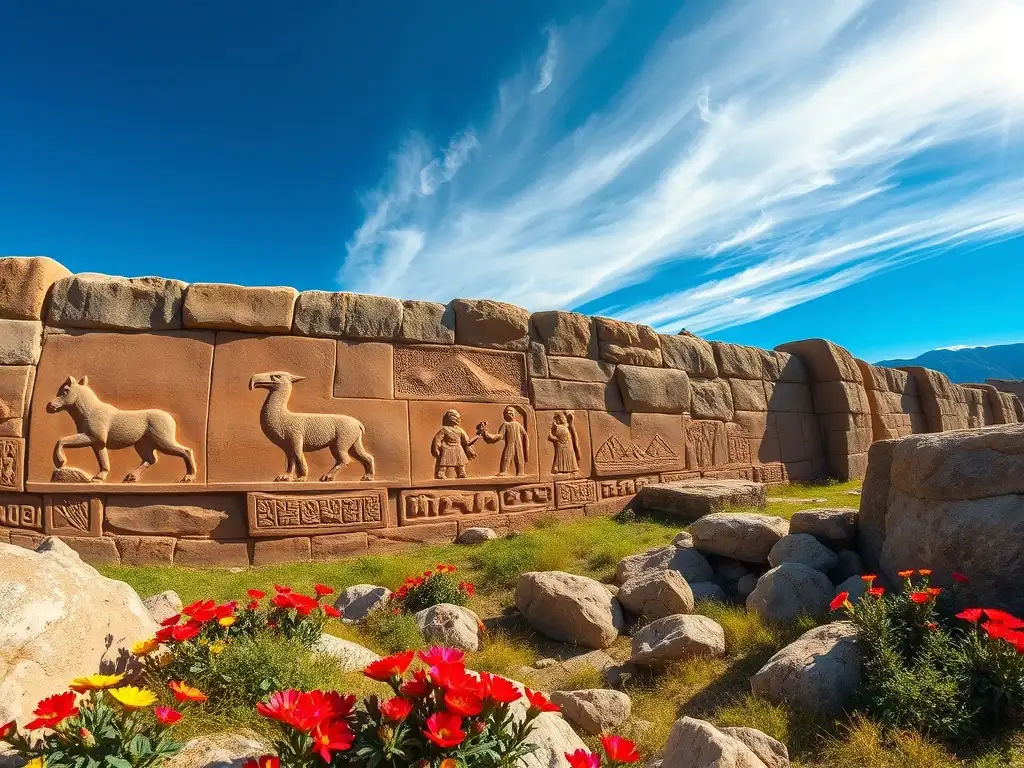
Unravel the mysteries hidden within the breathtaking artistry of the Andes! Journey through time as we delve into the captivating world of ancient Andean civilizations, from the intricate artistry of the Nazca lines to the awe-inspiring architecture of the Incas. But first, prepare to be amazed: What secrets lie encoded within the vibrant symbols of Inca iconography? Discover the meaning behind these powerful images and unlock the visual language of their myths – a journey into the heart of the Inca Empire awaits.
The Inca Empire, a civilization that flourished in the Andes Mountains from the 15th to the 16th century, left behind a rich legacy far beyond its impressive architectural feats like Machu Picchu. Their sophisticated understanding of astronomy, agriculture, and engineering is well-documented, but their complex system of visual communication, their iconography, remains a fascinating and partially decoded enigma.
This article delves into the captivating world of Inca iconography, exploring the meaning behind the intricate designs and symbols that adorned their textiles, ceramics, and stone carvings. Understanding Inca iconography provides a crucial window into their beliefs, myths, and social structures, offering a deeper appreciation for the nuances of their rich cultural heritage and allowing us to better understand the "Inca iconography meaning".
We will explore the diverse range of symbols and their interpretations, revealing how these visual elements served as a powerful form of storytelling and social control within the Inca Empire.
Introduction to Inca Visual Culture and its Importance
Inca visual culture wasn't merely decorative; it was deeply intertwined with their worldview and served practical and symbolic purposes. Unlike written language as we know it, the Inca relied heavily on visual representations to convey complex ideas, historical narratives, and religious beliefs. Their skilled artisans meticulously crafted intricate designs onto textiles, pottery, and stonework, each element carrying specific meaning and significance. These visual narratives served multiple functions:
- Religious Expression: Many symbols directly related to Inca deities, mythical creatures, and cosmological concepts. The depiction of the sun, moon, and stars, for example, reflected their profound understanding of celestial bodies and their influence on agricultural cycles and daily life.
- Social Status: Clothing and adornments often featured specific iconographic motifs that indicated social rank and affiliation. Certain designs were reserved for the elite, while others signified membership in specific clans or groups.
- Historical Record Keeping: In the absence of a widespread writing system, iconography served as a means of recording historical events, lineages, and important achievements. These visual records were passed down through generations, preserving vital information about Inca history and traditions.
- Political Propaganda: The Inca state utilized iconography to reinforce its authority and legitimacy. Royal imagery and symbols of power were strategically employed to project an image of strength and divine right to rule.
The study of Inca iconography requires careful consideration of context, as the meaning of a symbol could vary depending on its placement, association with other symbols, and the overall artistic context. For example, a particular animal might represent different things depending on the object it adorns or the other symbols surrounding it. This complexity adds to the challenge but also the intrigue of deciphering their visual language. Furthermore, the impact of Spanish colonization significantly affected the transmission and interpretation of Inca iconography, leading to some ambiguities in modern interpretations.
The Significance of Inca Iconography Meaning
Unraveling the "Inca iconography meaning" is a complex endeavor involving interdisciplinary approaches. Archaeologists painstakingly excavate and analyze artifacts, while art historians meticulously study the stylistic features and symbolic representations. Ethnohistorians also play a crucial role by examining colonial-era accounts and indigenous oral traditions which, while potentially influenced by Spanish perspectives, can offer valuable insights into the possible meanings of certain symbols.
The following table provides a preliminary overview of some commonly encountered Inca motifs and their generally accepted interpretations, though further research is always necessary for a complete understanding:
| Symbol | Possible Meaning(s) | Contextual Considerations |
|---|---|---|
| Sun | Deity, power, royalty, life-giving force | Often depicted with human features or within a circular frame |
| Moon | Deity, femininity, cyclical processes | Sometimes paired with the sun, representing duality |
| Serpent | Fertility, water, healing, underworld | Can be depicted in various forms, each with subtle differences |
| Condor | Power, strength, altitude, the upper world | Often shown in flight or perched on high places |
| Puma | Power, strength, earth, the lower world | Associated with rulers and often found in ceremonial contexts |
| Llama | Domestic animal, wealth, sacrifice | Depicted in various poses reflecting their social significance |
It is important to note that these are just some examples, and the meaning of Inca iconography is often multifaceted and nuanced. Scholars continue to debate the exact interpretations of many symbols, and new discoveries regularly add to our understanding. Further research is crucial to fully comprehend the rich tapestry of meaning woven into the visual language of the Inca. The ongoing exploration of Inca iconography not only illuminates the past but also offers valuable insights into the enduring power of visual communication and the importance of cultural preservation. 🇿🇦
Key Elements and Symbols in Inca Art
Inca iconography, the visual language of the Inca civilization, is rich in symbolism, reflecting their complex cosmology and worldview. Understanding this iconography provides invaluable insight into their beliefs, social structures, and daily life. The Inca didn't have a written language in the way we understand it, so their art served as a vital means of communication and record-keeping, transmitting stories, beliefs, and historical events across generations.
This visual communication was highly sophisticated, using a combination of geometric patterns, stylized figures, and symbolic representations of animals, plants, and celestial bodies to convey intricate meanings. Many of the symbols were deeply rooted in their agricultural practices and their close relationship with the natural world. The Inca’s relationship with the Andes Mountains, particularly their reverence for the mountains as sacred entities, is powerfully represented in their art.
This reverence influenced their urban planning, their agricultural techniques, and even their religious practices, all of which are reflected in the iconography. The careful observation of their visual representations reveals a deep understanding of their spiritual beliefs and their intricate connection to the environment.
The Sun God Inti: A Central Figure in Inca Iconography
Inti, the sun god, was the most important deity in the Inca pantheon. He was considered the father of the Inca emperors and the source of all life and energy. Representations of Inti often depict him as a stylized human figure, sometimes with sun rays emanating from his head or shoulders.
He is frequently shown wearing a distinctive headdress, often adorned with feathers and gold, reflecting his regal status. Inti's image frequently appeared on textiles, pottery, and metalwork, emphasizing his central role in Inca society. His influence was not limited to religious spheres; he also served as a powerful symbol of authority and legitimacy for the Inca rulers.
The sun's daily journey across the sky was mirrored in the Inca's own daily routines and their agricultural cycles, highlighting the deep-seated connection between the celestial and the terrestrial in their beliefs. The power and influence of Inti are further evidenced by the elaborate sun temples and festivals dedicated to him, reinforcing his status as the supreme deity of the Inca Empire.
The Moon Goddess Quilla: Representation and Symbolism
Quilla, the moon goddess, held a significant position in Inca mythology, often depicted as Inti's sister or wife. She was associated with fertility, femininity, and the cycles of nature. Unlike Inti's often radiant portrayal, Quilla was typically represented in a calmer, more serene manner.
Artistic representations often showed her as a crescent moon or a stylized female figure with lunar attributes. Her symbolism is intrinsically linked to the feminine principle, the cycles of life and death, and the rhythms of the natural world. The moon's phases, mirroring the cyclical nature of life, were closely observed and incorporated into Inca agricultural practices and religious rituals.
The reverence for Quilla highlights the Inca's profound appreciation for the interconnectedness of the celestial and terrestrial realms, emphasizing the importance of balance and harmony in their world view. Her iconography, though less prevalent than Inti's, served as a powerful reminder of the feminine energy and the cyclical nature of existence in the Inca worldview.
The Andean Cross Chakana: Its Cosmic Significance
The Chakana, or Andean Cross, is a powerful symbol representing the Inca's understanding of the cosmos. This intricate symbol is composed of two squares superimposed upon each other, forming a cross with stepped arms. Each element of the Chakana holds symbolic meaning, representing different levels of existence: the earthly realm, the human realm, and the celestial realm. The four arms of the cross often represent the four cardinal directions, connecting the earthly plane with the heavens. The central square often symbolizes the sacred space where the earthly and celestial realms intersect. The Chakana appeared in various Inca art forms, including textiles, pottery, and stone carvings, suggesting its widespread significance across Inca society. Beyond its cosmic significance, the Chakana also represented balance, harmony, and the interconnectedness of all things. Its enduring presence in Andean culture testifies to its profound spiritual and cultural importance, persisting as a potent symbol of Inca heritage.
Animals in Inca Art: Their Mythological Roles
Animals played a prominent role in Inca mythology and were frequently depicted in their art. Specific animals carried distinct symbolic meanings, reflecting their importance in Inca society and their association with various deities and cosmic forces. The condor, for example, was often associated with the sun god Inti, symbolizing power, strength, and the heights of the Andes. The puma, a powerful feline, was linked to the earth and represented strength, courage, and earthly power.
The snake, often depicted in a stylized manner, held a complex symbolism, sometimes representing fertility and healing, while in other contexts, it could symbolize danger or the underworld. The varied depictions of these animals, often interwoven with other symbolic elements, reveal the rich tapestry of beliefs and associations that shaped Inca iconography. The careful observation of these animal representations helps to illuminate the deep-seated connections between the Inca civilization and the natural world surrounding them.
Inca Iconography in Different Art Forms
The Inca's mastery of various art forms allowed them to express their intricate iconography across a range of media, each lending a unique perspective to their symbolic language. The use of distinct techniques and materials in each art form further enriched the meaning and impact of their iconographic representations. These diverse expressions showcase the Inca's artistic skill and their ability to adapt their symbolic language to different mediums. The consistency of symbolic elements across these diverse art forms underscores the importance and pervasiveness of Inca iconography in their culture.
Inca Textiles: Woven Stories and Symbolic Patterns
Inca textiles were far more than just clothing; they were canvases for storytelling and the expression of complex symbolic narratives. Highly skilled weavers utilized a vast array of colors, techniques, and materials to create intricate designs, often incorporating symbolic representations of deities, animals, and celestial events. The intricate patterns woven into their textiles were not merely decorative; they often conveyed messages, told stories, or denoted social status.
The use of specific colors and motifs could indicate the wearer's identity, their social standing, or their connection to specific clans or lineages. Studying Inca textiles reveals not only their artistic skill but also the richness and complexity of their social structures and belief systems. The precise arrangement and repetition of patterns within the textiles demonstrate the level of sophistication in Inca textile production and the importance placed upon the preservation and transmission of their cultural heritage through this medium.
Inca Pottery: Visual Narratives on Ceramics
Inca pottery served as another crucial medium for expressing their iconography. Pottery designs often featured stylized human figures, animals, plants, and geometric patterns, each carrying specific symbolic meaning. The shapes and styles of the pottery themselves could also convey information about their function, their intended use, or the social status of their owners. The vibrant colors and intricate designs used on Inca pottery indicate not only artistic skill but also a deep appreciation for aesthetics and symbolism.
The detailed depictions of scenes and events on Inca pottery offer valuable glimpses into daily life, religious rituals, and the Inca worldview. The preservation of numerous examples of Inca pottery allows researchers to study the evolution of Inca iconography over time and to gain a deeper understanding of their cultural development. The craftsmanship and the symbolic richness of these pieces underscore the importance of pottery in Inca culture.
Inca Architecture: Integrating Iconography into Buildings
Inca architecture stands as a testament to their engineering prowess and their integration of iconography into their built environment. The precise stonework, the intricate designs, and the strategic placement of buildings all reflect a deep understanding of both engineering and symbolism. Specific architectural elements, such as doorways, windows, and niches, often incorporated symbolic motifs, reflecting the beliefs and values of the Inca civilization.
The layout of Inca cities and the orientation of buildings often followed astronomical principles, aligning with celestial events and reflecting their reverence for the cosmos. The integration of iconography into Inca architecture serves as a powerful reminder of the close relationship between their religious beliefs, their social structures, and their built environment.
The monumental structures they created, such as Machu Picchu, serve as powerful examples of this integration, reflecting their mastery of engineering and their profound connection to their environment and beliefs. The use of stone itself, meticulously carved and fitted, speaks to their reverence for the earth and their skill in transforming natural materials into powerful expressions of their culture.
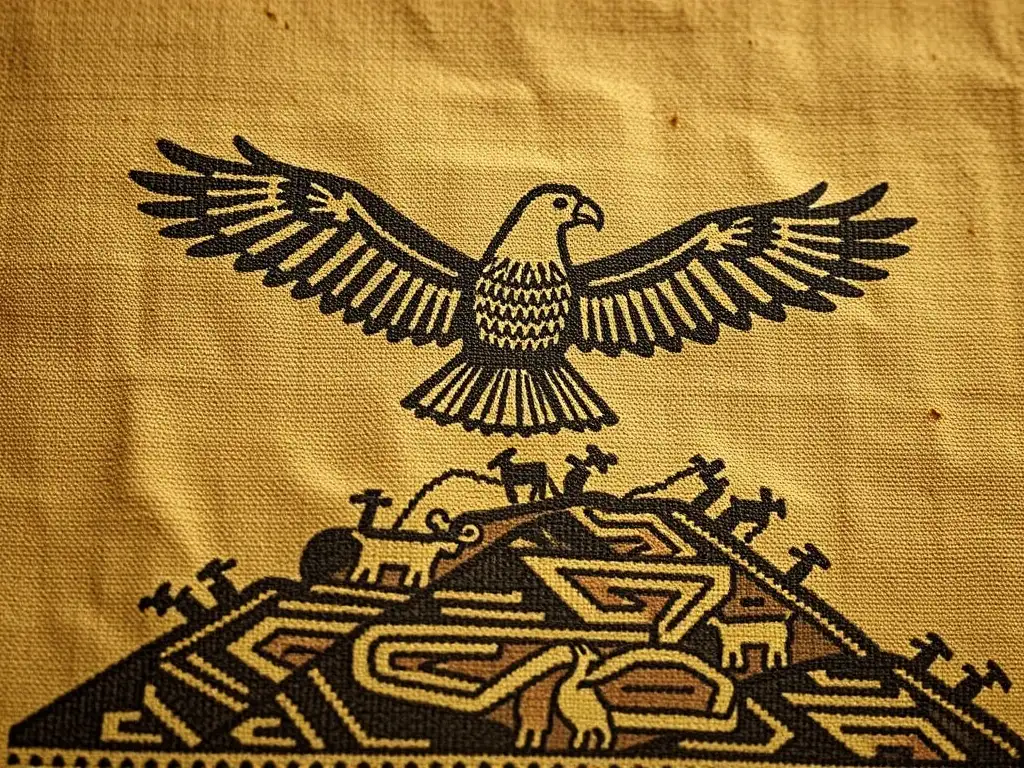
Understanding Inca iconography requires a multi-faceted approach, moving beyond simple surface interpretations. The intricate designs woven into textiles, carved into stone, and painted on pottery weren't merely decorative; they served as a powerful visual language, conveying complex narratives, religious beliefs, and social structures. Scholars employ various methodologies to decipher these visual clues, including comparative analysis of different artifacts, studying the context of discovery (e.g., a burial site versus a temple), and considering the stylistic variations across different regions and time periods.
The process is painstaking, often requiring years of research and cross-referencing with other historical sources, like Spanish chronicles, to build a more complete understanding. For example, the recurring motif of a specific type of bird might represent a deity in one context, while in another it might symbolize a specific clan or lineage.
This highlights the importance of careful contextualization in interpreting Inca iconography. The subtle differences in color, posture, and accompanying elements within a design can significantly alter its meaning, emphasizing the nuanced nature of this visual language.
The Role of Shamanism in Inca Visual Representation
Shamanism played a pivotal role in Inca society, influencing their worldview and profoundly impacting their art. Many Inca iconographic elements directly reflect shamanistic practices and beliefs. For instance, depictions of hallucinogenic plants, such as the huacatay (a type of mint), often appear alongside figures engaged in ritualistic activities, suggesting the importance of altered states of consciousness in their religious ceremonies.
Furthermore, the representation of supernatural beings, such as spirits and deities, often exhibits characteristics associated with shamanistic visions and trances. These figures might have multiple heads, elongated limbs, or otherworldly attributes reflecting the altered perceptions experienced during shamanistic rituals. The intricate designs found on textiles and ceramics are often believed to represent the shaman's journey into the spirit world, with symbolic representations of different realms and encounters.
The visual language of these depictions acted as a powerful tool for communicating the shaman's experiences and reinforcing the religious beliefs of the Inca community. The shaman, as an intermediary between the human and spiritual realms, became a key figure in shaping the visual narrative of Inca culture.
Decoding Patterns and Motifs: Understanding Their Context
The Inca utilized a wide range of recurring patterns and motifs in their iconography, each carrying specific symbolic weight. Understanding these requires analyzing their context within the broader cultural and religious framework. For instance, the repetition of geometric shapes like zigzags, spirals, and stepped frets often represents the Andean landscape, reflecting the close relationship between the Inca and their environment.
Similarly, the frequent appearance of feline imagery, particularly pumas and jaguars, suggests the importance of these animals as powerful symbols of strength, leadership, and connection to the spirit world. The context of these motifs is crucial. A puma depicted on a royal garment carries a different meaning than one found on a simpler household item.
Furthermore, the combination of different motifs within a single artwork significantly expands its interpretative possibilities. A careful analysis of color palettes, spatial arrangements, and the interplay between different symbolic elements is necessary to understand the full complexity of the message conveyed. This layered approach allows for a deeper appreciation of the sophistication and richness of Inca visual communication.
How The Tunic of Unancha Reveals Inca Beliefs
The Tunic of Unancha, a remarkably preserved example of Inca textile art, offers a fascinating case study in deciphering Inca iconography. [Specific details about the tunic's iconography and its interpretation pending]. The intricate designs woven into this garment likely reveal aspects of Inca cosmology, social hierarchy, and religious beliefs.
The careful study of the various motifs, their arrangement, and their relationship to one another allows researchers to piece together a deeper understanding of the Inca worldview. The use of specific colors, weaving techniques, and the inclusion of particular symbolic elements all contribute to the rich tapestry of meaning embedded in this singular artifact. Further research and analysis are crucial to fully unlock the secrets held within the Tunic of Unancha and to further refine our understanding of Inca iconography.
Inca Iconography and its Connection to Inca Mythology
Inca mythology is inextricably linked to their iconography; the visual representations served as powerful tools for transmitting and reinforcing their sacred stories. These myths weren't merely narratives; they provided a framework for understanding the world, their place within it, and their relationship with the divine. The visual language of Inca art helped to solidify and perpetuate these beliefs across generations.
By studying the iconography, we gain valuable insights into the core tenets of Inca religion, their understanding of the cosmos, and their perception of human existence within that framework. The recurring themes and motifs in Inca art directly reflect the key narratives and characters found within their mythology. The visual language served not only as a means of storytelling but also as a powerful tool for reinforcing social order and religious authority.
The Creation Myth: Visualizing the Emergence of the Inca World
The Inca creation myth, a complex narrative involving deities and ancestral figures, is richly reflected in their iconography. [Specific examples of iconographic representations of the creation myth pending]. The visual representations often depict the emergence of the world from chaos, the creation of the sun, moon, and stars, and the establishment of the Inca lineage.
These depictions frequently feature stylized representations of mountains, celestial bodies, and ancestral figures, all symbolically representing key elements of the creation narrative. The analysis of these visual elements provides crucial insights into the Inca understanding of the origins of the universe and their place within the cosmic order. The visual representations of the creation myth served as a powerful tool for reinforcing Inca identity and legitimizing their rule.
The Legend of Manco Capac and Mama Ocllo: Depictions in Inca Art
The legend of Manco Capac and Mama Ocllo, the founders of the Inca civilization, is another prominent theme reflected in Inca iconography. [Specific examples of artistic representations of Manco Capac and Mama Ocllo pending]. These depictions often show the founders emerging from a cave or lake, symbolizing their divine origins and their role in establishing the Inca empire.
The visual representations of Manco Capac and Mama Ocllo frequently incorporate symbols of power, authority, and legitimacy, reinforcing their status as divine rulers. These images served as powerful tools for consolidating Inca power and reinforcing the legitimacy of their rule. The careful study of these visual representations provides crucial insights into the Inca understanding of their own origins and the foundation of their empire.
The Myth of the Ayar Brothers and its Iconographic Representations
The myth of the Ayar brothers, a complex narrative of rivalry, ambition, and divine intervention, is another important source of Inca iconographic motifs. [Specific examples of iconographic representations of the Ayar brothers pending]. The story, involving four brothers vying for power, is often depicted through symbolic representations of their struggles and ultimate destinies.
These visual representations frequently incorporate elements of landscape, warfare, and sacrifice, reflecting the key themes of the myth. The analysis of these images provides insights into Inca social structures, power dynamics, and the role of mythology in shaping their worldview. The study of these depictions helps us understand how the Inca used their visual language to convey complex narratives and reinforce core cultural values.
The Legacy of Inca Iconography in Modern Times
Inca iconography, far from being relegated to dusty museum archives, continues to exert a powerful influence on modern life, particularly within Andean communities. The vibrant colors, intricate designs, and symbolic motifs of Inca art resonate deeply with contemporary Andean culture, serving as a powerful link to their ancestral heritage. This enduring legacy is visible in various aspects of modern life, from everyday objects to grand artistic expressions.
The intricate patterns found on traditional textiles, ceramics, and even modern clothing often directly echo Inca designs, showcasing the continued relevance and appreciation of these ancient motifs. This isn't merely imitation; it's a living tradition, a way of connecting with the past and reinforcing cultural identity in the present. The use of these symbols isn't arbitrary; they carry meaning and significance, passed down through generations, ensuring the continuation of the visual language of the Inca.
The vibrant colors, often derived from natural pigments mirroring those used centuries ago, further enhance this connection to the past. The persistence of these visual elements speaks volumes about the enduring power and cultural significance of Inca iconography.
Influence of Inca Art on Contemporary Andean Culture
Contemporary Andean artists frequently draw inspiration from Inca art, reimagining and reinterpreting ancient motifs in new and innovative ways. This isn't simply a matter of copying; rather, it's a process of engaging with the past, adapting traditional forms to express contemporary concerns and perspectives. For example, many modern artists incorporate Inca-inspired designs into their work, using them as a foundation upon which to build their own unique artistic visions.
This fusion of old and new creates a dynamic and evolving artistic landscape, where the legacy of Inca iconography is not only preserved but also actively reinterpreted and celebrated. We see this influence not only in fine art but also in everyday crafts and design. Textile production, for example, continues to incorporate traditional Inca patterns and techniques, demonstrating a profound connection to ancestral artistic practices.
The continued use of these motifs reinforces cultural identity and provides economic opportunities for Andean communities, thereby ensuring the preservation of this valuable artistic heritage. This dynamic interplay between past and present enriches both contemporary Andean art and our understanding of Inca iconography itself.
Preserving and Studying Inca Iconography Today
The preservation and study of Inca iconography are crucial for understanding the Inca civilization and its rich cultural heritage. Archaeological excavations continue to unearth new artifacts adorned with intricate designs, providing fresh insights into Inca symbolism and artistic techniques. These discoveries, coupled with ongoing research into existing collections, expand our knowledge and allow for a more nuanced interpretation of Inca visual language.
Furthermore, efforts are underway to document and catalog existing Inca artifacts, employing advanced technologies such as high-resolution photography and 3D modeling to create comprehensive digital archives. These archives facilitate access to these invaluable resources for researchers worldwide, promoting collaborative study and preventing the loss of irreplaceable cultural heritage. Moreover, educational initiatives focusing on Inca iconography play a pivotal role in raising awareness and fostering appreciation for this unique aspect of Andean culture.
By educating future generations, we ensure that the legacy of Inca visual language remains vibrant and relevant for years to come. This multi-pronged approach – combining archaeological investigation, technological advancements, and educational outreach – guarantees the long-term preservation and understanding of Inca iconography.
Conclusion: The Enduring Power of Inca Visual Language
Inca iconography stands as a testament to the enduring power of visual language to communicate beliefs, values, and cultural identity across generations. From its origins in the heart of the Andes, its influence continues to resonate in contemporary Andean culture and beyond. The vibrant motifs and intricate designs, once used to express cosmological beliefs and social structures, continue to inspire artists, inform academic research, and serve as a powerful symbol of cultural pride. The ongoing study and preservation of Inca iconography are not merely academic exercises; they are vital steps in ensuring that this rich cultural legacy remains accessible and appreciated for generations to come. The enduring power of Inca visual language lies in its ability to connect past and present, reminding us of the rich tapestry of human history and the enduring spirit of Andean civilization. Understanding Inca iconography meaning provides a crucial window into the heart of this fascinating culture.
- Introduction to Inca Visual Culture and its Importance
- The Significance of Inca Iconography Meaning
- Key Elements and Symbols in Inca Art
- Inca Iconography in Different Art Forms
- Interpreting Inca Iconography: Unveiling Hidden Meanings
- Inca Iconography and its Connection to Inca Mythology
- The Legacy of Inca Iconography in Modern Times
- Conclusion: The Enduring Power of Inca Visual Language
Frequently Asked Questions
What is Inca iconography?
Inca iconography refers to the visual symbols and imagery used by the Inca civilization to represent their beliefs, myths, and social structures. It's a rich and complex system found in textiles, pottery, and architecture.
Why is understanding Inca iconography important?
Understanding Inca iconography provides crucial insights into their religious beliefs, social hierarchy, and daily life. It offers a window into a complex civilization and their worldview.
What are some common symbols found in Inca iconography?
Common symbols include the sun, moon, stars, condor, puma, and snake, often representing deities, power, and the natural world. Specific meanings varied depending on context.
How did the Inca use iconography in their art and architecture?
Inca iconography was intricately woven into their art and architecture. Textiles, pottery, and stone carvings all featured symbolic designs, reflecting religious narratives and social status.
Where can I learn more about the meaning of specific Inca symbols?
Further research into academic publications and museum resources dedicated to Andean civilizations will provide deeper insights into the meaning of specific Inca symbols and their context. Consider searching for specific symbols in combination with "Inca iconography".
Final Reflection: Unraveling the Enduring Legacy of Inca Visual Storytelling
The intricate world of Inca iconography remains a powerful testament to a civilization's ingenuity and enduring spiritual beliefs, a visual language that continues to resonate deeply with us today. Understanding these symbols isn't merely an academic exercise; it's a key to unlocking a profound understanding of a culture that shaped the very landscape of South America and left an indelible mark on its history. The vibrant colors, meticulously crafted designs, and symbolic representations found in Inca art offer a window into a complex worldview, one that deserves continued exploration and appreciation.
The impact of Inca iconography extends far beyond the realm of historical study. Its influence can be seen in contemporary Andean art, fashion, and even political symbolism. The enduring power of these images speaks to the inherent human need for visual storytelling and the ability of art to transcend time and cultural boundaries. Art washes away from the soul the dust of everyday life.
– Pablo Picasso. This quote perfectly encapsulates the enduring relevance of Inca art, reminding us of its capacity to cleanse and inspire, even centuries after its creation. The continued fascination with deciphering these symbols highlights our ongoing desire to connect with the past and understand the rich tapestry of human experience.
You, the reader, now hold a piece of this intricate puzzle. Consider the ways in which visual communication shapes your own understanding of the world. How can we, in our own lives, use visual language to tell our stories, to express our beliefs, and to connect with others across time and space?
Let the legacy of Inca iconography inspire you to explore the power of visual communication and to appreciate the enduring beauty and complexity of the human spirit reflected in the art of past civilizations. Embrace the challenge of deciphering the visual narratives that surround you, for within them lies a wealth of untold stories waiting to be discovered.
Unveil the Secrets of Inca Iconography!
Thank you for exploring the fascinating world of Inca iconography with us! You've discovered the rich tapestry of their visual language and its connection to their myths. Now, let's delve deeper into these ancient stories.
Here are some ways to continue your exploration:
- **Participate in a workshop** on Andean art to learn about the techniques and symbolism behind Inca imagery.
- **Visit a museum** with a collection of Andean artifacts to see these incredible symbols firsthand and gain a deeper understanding of their significance.
- Share your thoughts and insights on Inca myths and iconography online—**your perspective could inspire others! **
Which aspect of Inca iconography intrigues you most, and how do you believe these ancient symbols continue to influence contemporary cultures?