
The Inca Social Structure: How It Was Dismantled by the Spanish

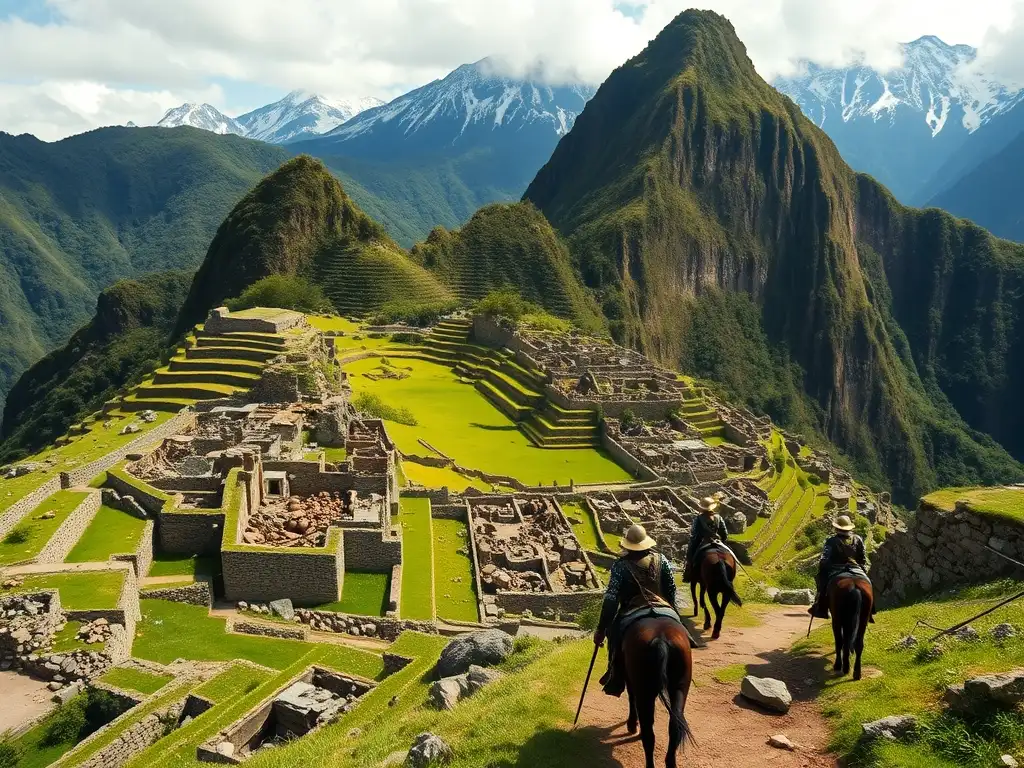
Step into a world lost to time, yet echoing with the grandeur of the Andes. For centuries, the Inca Empire thrived, a testament to ingenious social structures and breathtaking artistry. But how did such a powerful civilization fall? Discover the intricate workings of the Inca social structure and the devastating impact of the Spanish conquest, a story of resilience, betrayal, and the enduring legacy of a remarkable people. Unravel the mysteries surrounding the Inca social structure and Spanish conquest—your journey begins now.
-
The Inca Social Structure and its Collapse During the Spanish Conquest
- Understanding the Pre-Columbian Inca Society
- The Foundation of Inca Social Hierarchy
- The Inca Social Structure Before the Arrival of the Spanish
- The Impact of the Spanish Conquest on Inca Society
- Dismantling the Inca Social System: Spanish Strategies
- The Long-Term Effects of the Spanish Conquest on Andean Society
- The Aftermath of the Fall: Rebuilding Andean Society
- Conclusion: The Transformation of the Inca Social Fabric after the Spanish Conquest
- Frequently Asked Questions
- Final Reflection: Echoes of Empire: The Enduring Legacy of Inca Social Structure
- Uncover the Legacy: Take Action on Inca Heritage!
The Inca Empire, a marvel of pre-Columbian engineering and societal organization, met its demise at the hands of the Spanish conquistadors. Understanding the intricacies of the Inca social structure is crucial to grasping the mechanisms of its downfall.
The Spanish conquest wasn't merely a military victory; it was a systematic dismantling of a complex social fabric woven from centuries of tradition, religious beliefs, and intricate power dynamics. This article will explore the sophisticated hierarchy of Inca society, highlighting its key components and demonstrating how the Spanish conquest exploited its weaknesses, ultimately leading to the empire's collapse.
We will delve into the roles of the Sapa Inca, the nobility, and the ayllu, showcasing how these elements, while contributing to the empire's strength, also proved vulnerable to the Spanish strategies of divide and conquer. The keyword "Inca social structure Spanish conquest" will be explored throughout the article, examining the interplay between the pre-existing social order and the forces of colonization.
Understanding the Pre-Columbian Inca Society
Before the arrival of the Spanish, the Inca Empire boasted a remarkably organized society. Unlike many other civilizations of the time, the Inca did not rely on a system of written language. Instead, they utilized a complex system of quipus, knotted cords used for record-keeping and communication.
This sophisticated system allowed for efficient administration and the tracking of resources across vast distances. The Inca's mastery of engineering is evident in their impressive road networks, intricate irrigation systems, and imposing stone structures, all testaments to their advanced understanding of mathematics, astronomy, and agriculture. This advanced infrastructure supported a large and dense population, further highlighting the sophisticated nature of their social organization.
The Inca social structure, a hierarchical system with the Sapa Inca at its apex, played a vital role in maintaining order and stability within this extensive empire. The efficiency of this system, however, would also become its downfall in the face of the Spanish's brutal and exploitative methods.
The Inca social hierarchy was a rigid system, with social mobility extremely limited. The system was based on kinship, loyalty, and service to the state. This rigid structure, while providing stability, also created vulnerabilities that the Spanish would later exploit.
The society was divided into distinct classes, each with specific rights, responsibilities, and obligations. This hierarchical structure ensured the smooth functioning of the empire, but its inherent rigidity would prove to be a critical weakness when confronted with the disruptive forces of the Spanish conquest. The social structure itself was a double-edged sword; it provided strength through order but also fragility through its inflexible nature.
The Sapa Inca: Divine Ruler of the Inca Empire
At the pinnacle of the Inca social hierarchy stood the Sapa Inca, considered a divine ruler, a direct descendant of the sun god Inti. The Sapa Inca held absolute power, controlling all aspects of the empire, from religious ceremonies to military campaigns and economic policy. His authority was unquestioned, and his word was law.
The Sapa Inca's immense power, however, also made him a prime target for the Spanish, whose conquest aimed to replace this divine authority with their own. The death or capture of a Sapa Inca could trigger significant upheaval within the empire, and the Spanish cleverly manipulated this vulnerability.
The Inca Nobility: Privileged Class
Below the Sapa Inca were the kurakas, regional nobles who governed provinces and collected taxes. They were responsible for maintaining order and ensuring the smooth functioning of their respective territories. They enjoyed significant privileges, including access to resources and land, and played a crucial role in administering the empire. The Spanish often exploited existing rivalries between kurakas to weaken the empire from within, fostering internal conflict and undermining the central authority of the Sapa Inca. This strategy of divide and conquer proved highly effective in dismantling the Inca's cohesive social structure.
The Ayllu: The Core of Inca Society
The foundation of Inca society was the ayllu, a community-based system built around kinship and mutual support. Members of the ayllu worked collectively on agricultural projects, shared resources, and participated in communal rituals. This system provided social security and stability, but it also limited individual advancement and fostered a strong sense of community loyalty, which could be both a strength and a weakness.
The Spanish, understanding the importance of the ayllu, attempted to disrupt its functioning through forced labor, the imposition of new religious beliefs, and the disruption of traditional agricultural practices. The dismantling of the ayllu system significantly weakened the social fabric of the Inca Empire, contributing to its ultimate collapse.
The Inca social structure, prior to the Spanish conquest, was remarkably hierarchical and centralized, reflecting the empire's sophisticated political organization. At its apex sat the Sapa Inca, the emperor, considered a divine figure, a descendant of the sun god Inti. His authority was absolute, extending to all aspects of life, from religious ceremonies to agricultural production. Below the Sapa Inca were the curacas, regional nobles who governed provinces and acted as intermediaries between the emperor and the common people. These curacas often maintained considerable local power and influence, although ultimately subject to the Inca's will.
The vast majority of the population belonged to the ayllu, a community-based system that formed the bedrock of Inca society. The ayllu functioned as a collective unit, responsible for agricultural production, public works, and religious obligations. Land was collectively owned and distributed among the ayllu members, ensuring a degree of social security and mutual support.
While there was a clear hierarchy within the ayllu, with leaders and elders holding positions of authority, the system emphasized cooperation and shared responsibility. Skilled artisans and specialists, such as builders, metalworkers, and textile producers, also occupied distinct social positions, often enjoying a higher status than the average farmer due to their specialized skills and contributions to the empire. This structure, while hierarchical, provided a degree of social stability and security for its members.
Inca Social Mobility: Limited Opportunities
Despite the apparent structure, social mobility within the Inca Empire was remarkably limited. While exceptional individuals might gain recognition for their achievements, particularly in warfare or religious service, moving from one social stratum to another was exceedingly difficult. The system was largely hereditary, with social status determined largely by birth. Even the curacas, while holding positions of power, were ultimately accountable to the Sapa Inca and their lineage played a significant role in their ascension to power.
The ayllu system, while providing a safety net, also reinforced existing social hierarchies, as positions within the community were often inherited. This rigid social stratification contributed to the empire's stability but also limited opportunities for individual advancement based solely on merit. The emphasis on lineage and hereditary positions significantly constrained social mobility.
Inca Social Control and Laws
Maintaining social order in the vast Inca Empire required a robust system of laws and social control. The Inca government implemented a sophisticated system of surveillance and justice, ensuring compliance with imperial decrees and regulations. Curacas played a crucial role in this system, acting as local judges and enforcers of the law. Their authority was bolstered by the quipus, a system of knotted strings used for record-keeping and communication, which allowed the central government to monitor activities across the empire.
Punishments for infractions ranged from fines and forced labor to exile or even death, depending on the severity of the offense. The Inca government also employed a network of officials and inspectors to ensure the efficient functioning of the empire and the adherence to its laws. This comprehensive system of control was vital in maintaining order and stability throughout the vast and diverse empire.
Inca Religion and its Influence on Social Structure
Religion deeply intertwined with the Inca social structure. The Sapa Inca held a sacred position, considered a direct descendant of the sun god Inti, and his religious authority reinforced his political power. The Inca pantheon included a variety of deities, each associated with specific aspects of nature and human life.
Elaborate religious ceremonies and rituals were integral to Inca life, and participation in these events reinforced social cohesion and the legitimacy of the ruling elite. Temples and religious sites served as important centers of social and political life, and priests held influential positions within the Inca society. The Inca religion provided a powerful ideological framework that supported the existing social hierarchy and legitimized the rule of the Sapa Inca.
The Impact of the Spanish Conquest on Inca Society
The Spanish conquest of the Inca Empire marked a catastrophic turning point in Andean history, profoundly impacting the social fabric of Inca society and leading to its eventual disintegration. The arrival of the Spanish initiated a period of unprecedented upheaval, transforming social structures, religious practices, and the very fabric of Inca life. The conquest's devastating effects resonated through generations, permanently altering the course of Andean civilization.
The Arrival of the Spanish and Initial Interactions
The initial interactions between the Inca and the Spanish were marked by a mixture of curiosity, apprehension, and ultimately, conflict. The Spanish, initially small in number, exploited internal divisions within the Inca Empire, using superior weaponry and strategic alliances to gain a foothold in the Andean region. The Inca, while initially perplexed by the Spanish's advanced weaponry and unfamiliar tactics, attempted to resist the invasion. However, the Spanish's superior technology, coupled with the spread of disease, proved devastating to the Inca population and military capabilities. The initial encounters set the stage for a protracted and ultimately successful Spanish conquest.
The Spanish Conquest and the Disruption of the Inca Social Order
The Spanish conquest systematically dismantled the Inca social structure. The Spanish replaced the Inca's centralized government with their own colonial administration, disrupting the existing power dynamics and weakening the authority of the curacas. The ayllu system, the foundation of Inca social organization, was gradually eroded as the Spanish introduced new land tenure systems and labor practices, such as the encomienda, that benefited Spanish landowners and exploited the indigenous population.
The destruction of Inca religious centers and the suppression of Inca religious practices further undermined the social fabric of the empire. The imposed religious conversion to Christianity also significantly altered traditional beliefs and customs, leading to cultural disruption and the loss of traditional knowledge and practices.
The Collapse of the Inca Elite and its Consequences
The Spanish conquest resulted in the complete collapse of the Inca elite. The Sapa Inca, Atahualpa, was executed, and the Inca royal lineage was systematically undermined. The Spanish targeted Inca nobility, seizing their land and wealth, and replacing them with Spanish officials or collaborators.
This disruption of the Inca leadership structure weakened the empire's ability to resist Spanish rule and contributed to the widespread social unrest and economic decline that followed. The elimination of the Inca elite resulted in a power vacuum, paving the way for the complete restructuring of Andean society under Spanish colonial rule. The long-term consequences of this collapse were profound and far-reaching, shaping the course of Andean history for centuries to come.
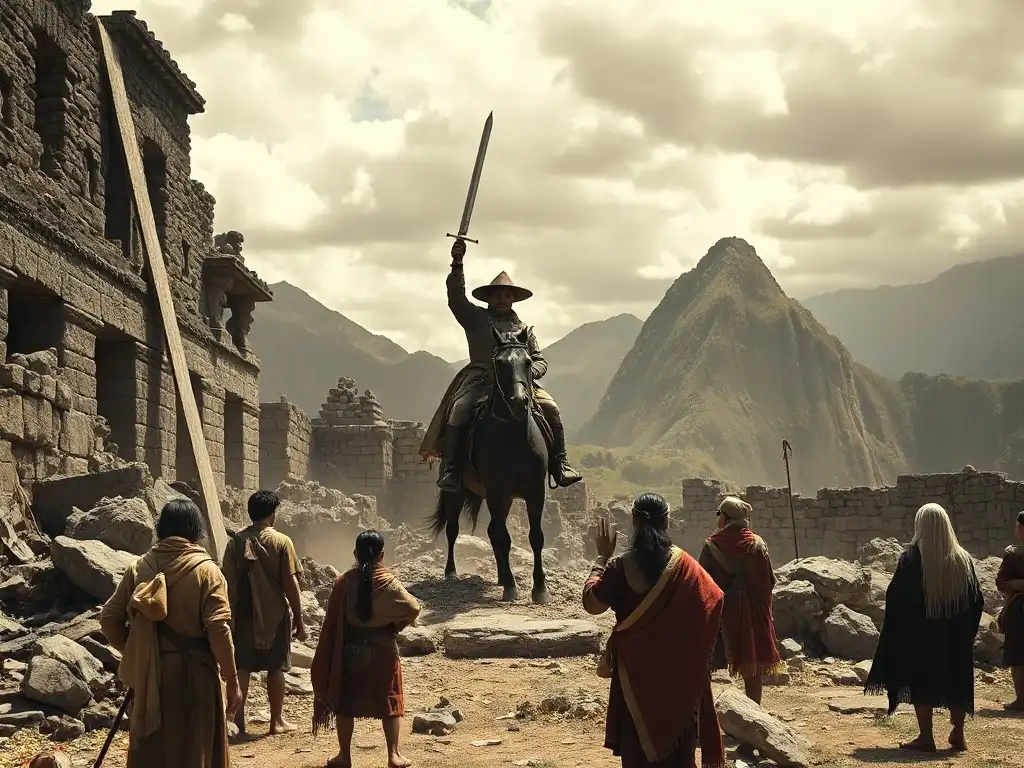
The Spanish conquest didn't simply involve military victories; it was a calculated dismantling of the Inca social system, a complex structure built on centuries of tradition and intricate social hierarchies. The Spanish employed several key strategies to achieve this, effectively replacing the Inca's authority with their own and exploiting the existing system for their benefit. Their approach wasn't merely about conquering land; it was about subjugating a people and their way of life, ultimately reshaping Andean society in their image.
This systematic process ensured the long-term subjugation of the Inca population and the establishment of Spanish colonial rule. The effectiveness of these strategies lay in their ability to exploit existing social divisions and weaken the very fabric of Inca society.
Replacing the Sapa Inca with Spanish Authority
The death of Huayna Capac and the subsequent civil war between Huáscar and Atahualpa significantly weakened the Inca Empire, creating a power vacuum that the Spanish shrewdly exploited. Instead of simply installing a puppet ruler, the Spanish systematically eliminated any potential Inca leaders who could pose a threat. This included executing Atahualpa, despite the immense ransom paid for his release.
By removing the Sapa Inca, the symbolic head of the empire and the ultimate source of authority, the Spanish severed the connection between the Inca people and their traditional leadership. This power vacuum was then filled by Spanish officials, who established a new hierarchical system with themselves at the apex.
The replacement of the Sapa Inca wasn't simply a political maneuver; it was a symbolic act that fundamentally altered the Inca worldview and paved the way for complete Spanish dominance. This deliberate action effectively dismantled the central pillar of Inca governance and social order.
Imposing the Encomienda System
The Spanish implemented the encomienda system, a form of forced labor, to exploit the Inca population for their economic gain. This system granted Spanish conquistadors control over specific groups of indigenous people, who were obligated to work for their encomenderos in exchange for (often meager) protection and religious instruction. The encomienda system directly contradicted the Inca's mita system, which involved a reciprocal relationship based on community obligations and responsibilities. Under the encomienda, Inca commoners were subjected to brutal conditions and often faced starvation, disease, and death.
The system, while ostensibly offering a framework of governance, primarily served to enrich the Spanish colonizers at the expense of the native population. This exploitation further destabilized the Inca social structure by disrupting traditional labor practices and creating resentment and unrest. The brutality of this system contributed significantly to the decline of the Inca population.
Forced Labor and the Exploitation of Inca Commoners
The forced labor imposed by the encomienda system, coupled with the mita system's transformation into a tool for Spanish exploitation, led to the widespread suffering and death of Inca commoners. The demands for labor in mines, agriculture, and construction were relentless, often exceeding the physical capabilities of the workers. The harsh conditions, combined with the introduction of European diseases, decimated the Inca population.
This massive loss of life significantly weakened the social fabric of Inca communities, disrupting traditional family structures and social networks. The exploitation extended beyond physical labor, affecting all aspects of Inca life, including their religious practices, social organization, and access to resources. The brutal reality of forced labor under Spanish rule stands as a stark example of the devastating impact of colonial exploitation.
The Destruction of the Ayllu System
The ayllu, the fundamental socio-economic unit of Inca society, based on kinship and reciprocal obligations, was systematically undermined by the Spanish. The introduction of private land ownership, a concept alien to the Inca system, fractured the ayllu’s communal landholdings. The disruption of traditional agricultural practices and the imposition of forced labor further weakened the ayllu’s ability to function.
The loss of communal lands and the disruption of traditional social structures led to the disintegration of the ayllu system, weakening the social cohesion that had been a cornerstone of Inca society for centuries. This had devastating consequences for the Inca people, leading to social instability and economic hardship. The destruction of the ayllu represents a fundamental shift in the social organization of Andean society.
The Long-Term Effects of the Spanish Conquest on Andean Society
The consequences of the Spanish conquest extended far beyond the immediate destruction of the Inca Empire. The changes implemented by the Spanish had a lasting impact on Andean society, shaping its social, economic, and cultural landscape for centuries to come. This legacy continues to influence the region today, highlighting the profound and enduring nature of the colonial experience.
The Lasting Legacy of the Inca Social Structure
Despite the devastation wrought by the Spanish conquest, elements of the Inca social structure persisted. While significantly altered and adapted to the colonial context, aspects of kinship ties, community organization, and even certain agricultural practices continued to influence Andean society. These resilient elements demonstrate the adaptive capacity of Andean cultures and the enduring strength of traditional social structures. The persistence of these elements highlights the limitations of the Spanish attempt at complete cultural eradication.
Social Stratification and Colonial Hierarchy
The Spanish conquest resulted in a new social hierarchy, with Spaniards at the top, followed by criollos (Spaniards born in the Americas), mestizos (people of mixed Spanish and indigenous ancestry), and, at the bottom, the indigenous population. This rigid social stratification system perpetuated inequality and discrimination, shaping social relations and opportunities for centuries. This colonial hierarchy, while seemingly replacing the Inca system, in reality, built upon existing societal divisions, exacerbating existing inequalities and creating new ones. The persistence of this social hierarchy is a stark reminder of the long-term impact of the colonial project.
Cultural Changes and the Suppression of Inca Traditions
The Spanish conquest led to a systematic suppression of Inca traditions and the imposition of European culture. Religious practices were forcibly replaced, and Inca languages were marginalized in favor of Spanish. While some Inca traditions survived, often blending with Spanish influences, the overall effect was a significant cultural shift. This suppression of Inca culture was a deliberate strategy aimed at undermining indigenous identity and consolidating Spanish control. The lasting impact of this cultural suppression continues to be felt in Andean societies today. The consequences of this cultural change are complex and continue to be debated.
The Aftermath of the Fall: Rebuilding Andean Society
The Spanish conquest didn't simply erase the Inca social structure; it triggered a complex process of adaptation and rebuilding. The immediate aftermath was characterized by chaos and upheaval. The meticulously organized system of mita (labor tribute) crumbled, leading to widespread disruption of agricultural production and infrastructure maintenance.
Traditional authority figures, from local curacas to the Inca emperor himself, were either killed, imprisoned, or replaced by Spanish-appointed officials. This power vacuum created instability and fueled internal conflicts amongst various Andean communities vying for power in the newly formed colonial landscape. The carefully constructed network of roads and storage facilities, crucial to the Inca's economic and administrative control, fell into disrepair, impacting trade and communication across the vast empire.
The Spanish introduction of new diseases, such as smallpox and measles, further decimated the population, exacerbating the societal disruption. The initial years following the conquest were marked by immense suffering and a profound transformation of Andean life.
Resistance and Rebellion against Spanish Rule
Despite the overwhelming military might of the Spanish, resistance to colonial rule persisted for decades. Indigenous communities engaged in various forms of rebellion, from small-scale uprisings to large-scale revolts. These rebellions, often led by surviving Inca nobility or charismatic leaders from other ethnic groups, aimed to reclaim lost autonomy and challenge Spanish authority. The most notable of these rebellions, such as the uprising led by Túpac Amaru I in the late 16th century, demonstrated the enduring strength of Inca identity and the deep-seated resentment towards Spanish oppression.
These uprisings, though ultimately unsuccessful in restoring Inca rule, significantly hampered the Spanish consolidation of power and revealed the resilience of Andean society in the face of conquest. The Spanish response was brutal, employing scorched-earth tactics and mass executions to suppress any show of defiance. This cycle of resistance and repression shaped the evolving dynamics of Andean society under Spanish rule.
The Formation of New Social Structures
The Spanish conquest fundamentally reshaped the Inca social structure. The traditional hierarchical system, with its clearly defined roles and responsibilities, was dismantled and replaced by a new social order reflecting colonial realities. The encomienda system, which granted Spanish conquistadors control over indigenous labor and resources, became a cornerstone of the colonial economy.
This system exploited indigenous populations, forcing them into harsh labor conditions in mines and on agricultural estates. The existing ayllu system, the traditional community-based social organization, was gradually modified to serve the needs of the colonial economy. While the ayllu continued to exist, its traditional autonomy was curtailed, and its members were increasingly subjected to colonial demands.
The emergence of a mixed-race population (mestizos) further complicated the social landscape, creating new social hierarchies and power dynamics within the Andean communities. The colonial period witnessed the slow erosion of traditional Inca social structures and their replacement by a hybrid system reflecting both indigenous and Spanish influences. This new order was characterized by inequality and exploitation, with the Spanish at the top and the indigenous population relegated to subordinate positions.
Inca Social Structure: A Historical Legacy
Despite its destruction by the Spanish conquest, the Inca social structure left an indelible mark on Andean society. Elements of the traditional ayllu system, including community-based land ownership and reciprocal labor practices, persisted even under colonial rule. Indigenous languages and cultural practices, though suppressed, managed to survive and continue to influence Andean identity today.
The legacy of Inca social organization is evident in the communal spirit and strong sense of community that characterize many Andean communities today. The resilience of indigenous cultures and their ability to adapt and integrate elements of both Inca and Spanish traditions demonstrates the enduring strength of Andean identity in the face of historical upheaval.
The Inca legacy is not just a historical artifact; it's a living presence interwoven into the fabric of modern Andean society. Understanding the Inca social structure provides crucial insight into the complexities of Andean history and the profound impact of the Spanish conquest.
The Spanish conquest marked a watershed moment in Andean history, irrevocably altering the Inca social structure and its intricate web of power, organization, and cultural practices. While the conquest led to the immediate dismantling of the empire's hierarchical system and the imposition of a brutal colonial order, the resilience of Andean communities ensured that the legacy of the Inca civilization endured. The resistance movements, the adaptation of the ayllu system, and the persistence of indigenous cultural elements all speak to the profound transformation of the Inca social fabric after the Spanish conquest.
This transformation wasn't a simple erasure, but a complex interplay of destruction, adaptation, and resistance, ultimately shaping the socio-cultural landscape of the Andes for centuries to come. The study of this process illuminates not only the fall of a great empire but also the remarkable capacity of Andean societies to endure and adapt in the face of profound historical change.
The impact of the Spanish conquest on the Inca social structure continues to resonate today, underscoring the importance of understanding this critical period in Andean history. The enduring legacy of the Inca, despite the devastating effects of the conquest, serves as a testament to their remarkable civilization and the enduring spirit of the Andean people.
Frequently Asked Questions
What was the basic structure of Inca society?
Inca society was highly hierarchical, with the Sapa Inca at the top, followed by nobles, priests, and commoners. The system was based on kinship and reciprocity, with everyone having a defined role.
How did the Inca maintain control over their vast empire?
The Incas employed a sophisticated system of administration and infrastructure, including a vast network of roads and strategically placed officials. They also used military force and religious ideology to maintain order and loyalty.
What role did religion play in Inca society?
Religion was central to Inca life, with the Sapa Inca considered a divine figure. Elaborate rituals and ceremonies were performed to appease the gods and ensure the well-being of the empire. Temples and religious sites were crucial to their social structure.
The Spanish conquest completely dismantled the Inca social structure. The Sapa Inca was overthrown, the nobility was replaced, and traditional social roles were disrupted by the introduction of colonial systems of governance.
What lasting impact did the Spanish conquest have on Andean societies?
The Spanish conquest had a devastating and lasting impact, leading to the loss of life, cultural disruption, and the imposition of new social and economic systems. The effects are still felt in Andean societies today.
The meticulous organization of the Inca Empire, a society built on intricate social structures and sophisticated engineering, stands as a stark contrast to the brutal efficiency of its dismantling by the Spanish. The echoes of this conquest resonate even today, reminding us of the fragility of even the most advanced civilizations and the enduring power of systemic oppression. Understanding this history is not merely an academic exercise; it's a crucial lens through which to examine the lasting impacts of colonialism and the ongoing struggle for social justice.
The Inca's sophisticated system of ayllu communities, reciprocal labor (mita), and centralized governance, while undeniably hierarchical, provided a level of social security and stability unseen in many contemporary societies. The Spanish conquest shattered this intricate web, replacing it with a system designed to extract wealth and resources, leaving behind a legacy of inequality and exploitation that continues to shape the social and political landscape of South America. The destruction of the Inca civilization was not merely a military conquest; it was a cultural genocide, a systematic dismantling of a sophisticated society.
Consider the implications of this history. How does understanding the Inca social structure and its destruction inform our understanding of modern power dynamics? What responsibility do we bear, as inheritors of this history, to learn from the past and work towards a more equitable future? I urge you to reflect on these questions, to engage with the complexities of this history, and to use this knowledge to build a more just and compassionate world.
Uncover the Legacy: Take Action on Inca Heritage!
Thank you for exploring the intricate social structure of the Inca civilization and the profound impact of Spanish colonization. Your interest is vital to preserving this rich history and its lessons for future generations. Let's now explore ways to further engage with this fascinating subject!
- Dive Deeper: Learn more about Andean civilization through related resources to enhance your understanding of the Inca legacy and its lasting cultural impact. Consider exploring academic journals, reputable websites, and documentaries.
- Share Your Thoughts: Share this article with friends and family on social media, sparking conversations about the Inca heritage and its continuing relevance. Start a discussion about what aspects resonate most with you.
- Join the Community: Engage with other history enthusiasts in our online forum, where you can share your insights and learn from others passionate about Andean history.
Which aspect of the Inca social structure intrigues you most, and how do you believe it continues to shape modern Andean cultures?