
Andean Textiles: New Understandings of Ancient Weaving Techniques

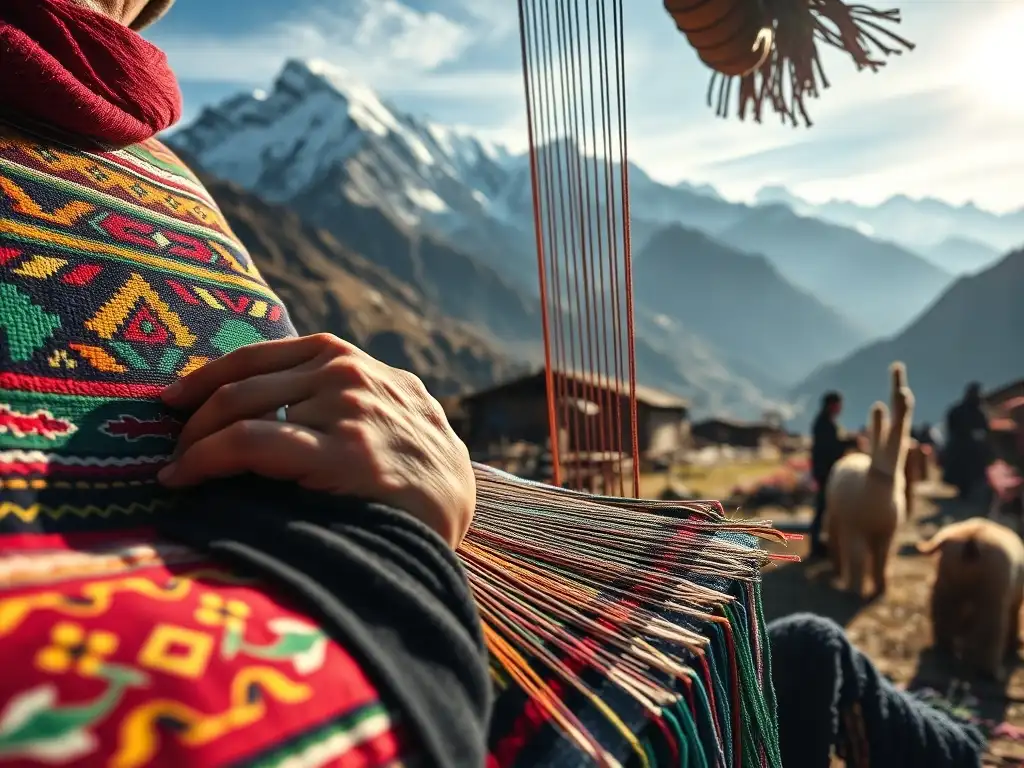
Unravel the mysteries of a lost world. For centuries, the breathtaking textiles of the Andes have captivated the world, whispering tales of intricate artistry and advanced civilizations. But what secrets do these vibrant threads truly hold? Dive into the fascinating history of Andean weaving techniques, exploring new understandings of the ingenuity and cultural significance behind these remarkable creations. Prepare to be amazed by the legacy of the Incas, Moche, Nazca, and Tiahuanaco, as we uncover the stories woven into the very fabric of their existence.
The Andes Mountains, a spine of towering peaks running down the western coast of South America, are home to a rich tapestry of ancient civilizations. For millennia, these cultures—including the Inca, Moche, Nazca, and Tiahuanaco—developed sophisticated technologies and artistic expressions, profoundly impacting the world. Nowhere is this more evident than in their textiles.
This article delves into the fascinating world of Andean weaving techniques, exploring recent advancements in our understanding of these intricate processes and the enduring legacy they represent. We will examine not only the technical aspects of the craft but also the cultural significance woven into every thread, revealing how these ancient techniques continue to inspire and inform contemporary textile arts. Understanding Andean weaving techniques history is crucial to appreciating the ingenuity and artistry of these remarkable cultures and their lasting impact on global textile traditions.
This exploration will unveil the secrets behind the remarkable durability and aesthetic beauty of Andean textiles, providing a new perspective on their historical and cultural significance. Prepare to be amazed by the complexity and artistry of these ancient works and the ongoing efforts to understand and preserve this precious heritage.
The Enduring Legacy of Andean Textile Art
Andean textile art stands as a testament to the ingenuity and artistic skill of ancient Andean cultures. The textiles weren't merely functional; they were imbued with deep cultural and symbolic meaning. Clothing, tapestries, and ceremonial objects, all meticulously crafted, served as powerful expressions of social status, religious beliefs, and cosmological understandings. The vibrant colors, intricate designs, and sophisticated weaving techniques reflect a profound connection to the natural world and a mastery of textile production unparalleled in its time.
The use of natural dyes derived from plants, insects, and minerals resulted in a breathtaking range of hues, many of which retain their vibrancy even after centuries. These dyes, often painstakingly prepared using traditional methods, are a crucial element in understanding the broader context of Andean textile production. The preparation itself was a complex process, requiring specialized knowledge passed down through generations.
Furthermore, the symbolic representations woven into the textiles provide invaluable insights into the beliefs and practices of the ancient Andean people. Specific motifs, colors, and patterns held significant cultural meanings, often related to mythology, cosmology, and social structures. Researchers continue to decipher these visual narratives, uncovering rich layers of meaning embedded within the fabric itself.
Decoding these visual languages provides a window into the minds and lives of the people who created them, enriching our understanding of Andean civilizations. The legacy of Andean textile art continues to inspire contemporary artists and designers, demonstrating the enduring power and beauty of these ancient creations.
Unveiling the Secrets of Ancient Andean Weaving
Unraveling the secrets of ancient Andean weaving techniques requires a multidisciplinary approach, combining archaeological findings, ethnographic studies, and scientific analysis. Recent advancements in technology, such as advanced microscopy and fiber analysis, have allowed researchers to gain unprecedented insights into the materials, tools, and techniques employed by ancient Andean weavers.
For example, the intricate techniques used to create complex patterns, such as khipu (knotted string records) and various tapestry weaving methods, have been meticulously documented. The precision and complexity of these techniques reveal a level of skill and understanding that often surpasses our modern assumptions. Researchers are continually discovering new methods and variations, highlighting the dynamism and adaptability of Andean weaving traditions.
The discovery of well-preserved textile fragments in archaeological sites has provided invaluable evidence. These fragments, often found in tombs or ceremonial contexts, offer concrete examples of ancient weaving techniques. Careful analysis of these textiles, including the types of fibers used (such as alpaca, llama, and cotton), the dyeing techniques, and the weaving structures, provides crucial data for reconstructing the processes and understanding the choices made by ancient weavers.
The meticulous record-keeping and preservation efforts of researchers allow for continued study and contribute to a deeper appreciation of these remarkable artifacts. Ongoing research continuously refines our understanding of the intricacies and diversity of these ancient weaving methods, revealing the artistry and ingenuity of Andean cultures.
Historical Context of Andean Weaving Traditions
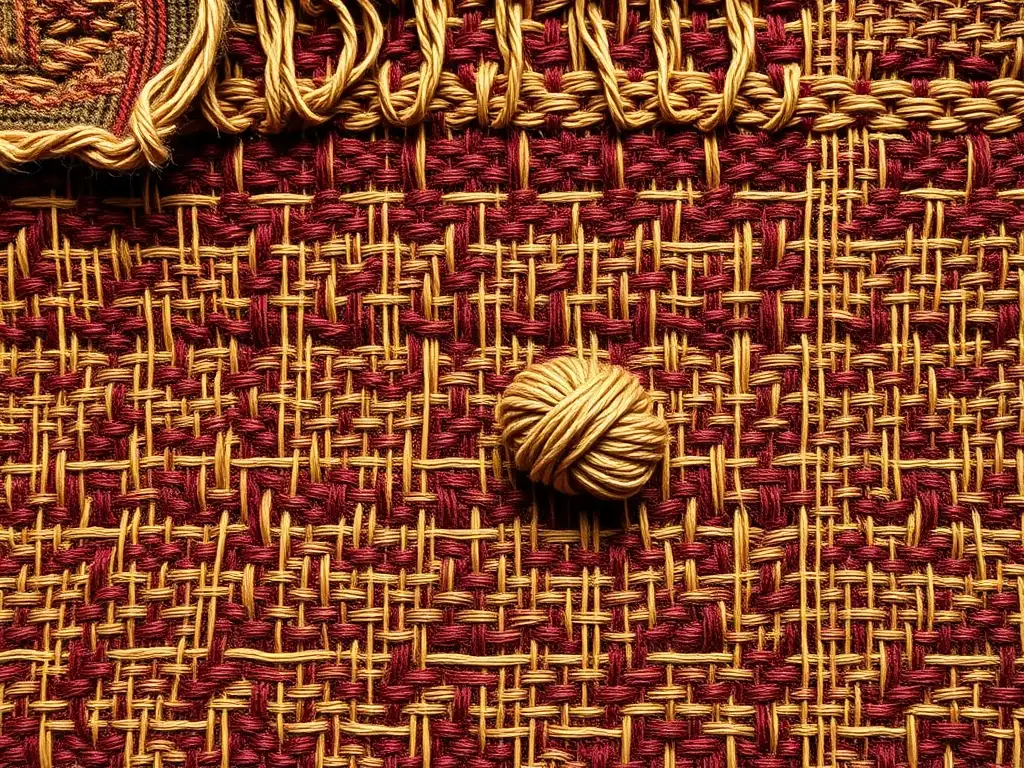
The history of Andean weaving techniques is a rich and complex tapestry, reflecting millennia of cultural evolution and technological innovation. From the earliest evidence of textile production in the Andean highlands, dating back to the Preceramic period (circa 8000-2000 BCE), the techniques employed reveal a sophisticated understanding of fiber manipulation and design. The development of Andean weaving techniques wasn't a linear progression; rather, it involved a dynamic interplay of innovation, adaptation, and cultural exchange across diverse Andean societies.
Understanding this historical context is crucial to appreciating the artistry and ingenuity embedded in surviving textiles. The evolution of spinning, dyeing, and weaving techniques, alongside the symbolic meanings imbued in different designs and materials, tell a compelling story of Andean ingenuity and cultural identity. The very fibers themselves – alpaca, llama, vicuña, and cotton – speak volumes about the relationship between the ancient Andean peoples and their environment.
The impact of environmental factors on fiber availability and weaving practices is a key aspect of this historical narrative. This section will delve into specific examples of this evolution, highlighting the mastery of particular cultures and the lasting influence of their techniques.
Paracas Textile Production: Elaborate Embroidered Mantles
The Paracas culture (circa 800-100 BCE), flourishing on the southern coast of Peru, is renowned for its exceptionally fine textiles. Paracas textiles are characterized by their vibrant colors, intricate designs, and the masterful use of embroidery. Their mantles, often incredibly large and elaborately decorated, represent a peak in pre-Inca textile production. The sheer scale of some of these pieces, combined with the meticulous detail of the embroidery, suggests a highly organized and specialized textile production system.
These weren't simply garments; they were significant ritual objects, often found in elaborate burials. The iconography woven into the mantles, featuring stylized figures, animals, and mythical creatures, provides valuable insight into Paracas cosmology and beliefs. Analysis of the dyes used, derived from plants and minerals, reveals sophisticated knowledge of natural pigments and their application. Further research into the types of stitches employed, including the use of unique embroidery techniques, continues to reveal the complexity and skill of Paracas weavers.
The level of detail in the embroidery, with tiny stitches creating incredibly fine lines and shading, is testament to their technical proficiency. The use of multiple colors and textures within a single piece, often combined with techniques like tapestry weaving, demonstrates a high level of artistic sophistication. These mantles were not mass-produced; the time and skill required for their creation indicate a high social value, likely associated with elite status or ritual significance.
Inca Textile Mastery: Tapestries and Qompi Cloth
The Inca Empire (1438-1533 CE) inherited a rich tradition of textile production, but they also elevated it to new heights. Inca textiles are notable for their technical precision, standardization of designs, and the use of specific weaving techniques such as qompi cloth. Qompi is a type of tapestry weaving characterized by its incredibly fine, densely woven structure. The intricate designs and the use of multiple colors in qompi textiles demonstrate a remarkable level of skill and planning.
Inca weavers also mastered the production of large, complex tapestries, often used for ceremonial purposes. These tapestries frequently featured depictions of Inca rulers, deities, and mythical scenes, reflecting the empire's ideology and power. The Inca state played a crucial role in organizing textile production, with specialized workshops and a system of tribute ensuring a steady supply of textiles for the royal court and religious institutions. The standardization of certain designs and techniques across the vast Inca Empire suggests a centralized control over textile production, reflecting the empire's administrative and economic power.
Archaeological finds reveal a wide variety of Inca textiles, from everyday garments to elaborate ceremonial robes. The quality and complexity of these textiles vary, reflecting social hierarchies and the different functions of the textiles themselves. The Inca’s understanding of textile technology was deeply intertwined with their social and political organization, highlighting the significance of textiles in their society.
The Significance of Andean Textiles in Ancient Society
Andean textiles were far more than just clothing; they were integral to the social, religious, and economic fabric of Andean societies. They served as powerful symbols of status, identity, and religious belief. The materials used, the techniques employed, and the designs woven into the textiles all carried specific meanings. For example, the use of vicuña fiber, a luxurious material, indicated high social status, while particular designs might have been associated with specific deities or clans.
Textiles were also important commodities used in exchange and tribute systems. The production and trade of textiles played a crucial role in the economic organization of Andean societies, linking different regions and communities. The intricate designs and symbolic imagery found in Andean textiles provide invaluable insights into the beliefs, rituals, and social structures of the ancient Andean cultures. The careful preservation of many textiles, often found in burial contexts, underscores their enduring significance.
These textiles are not just remnants of the past; they are vibrant and enduring expressions of Andean creativity, resilience, and cultural identity. Studying these artifacts offers a profound understanding of Andean weaving techniques history and the rich cultural tapestry they represent. Further research, combining archaeological findings with ethnographic studies, will continue to illuminate the profound role of textiles in Andean civilization.
Andean Weaving Techniques History: A Deep Dive
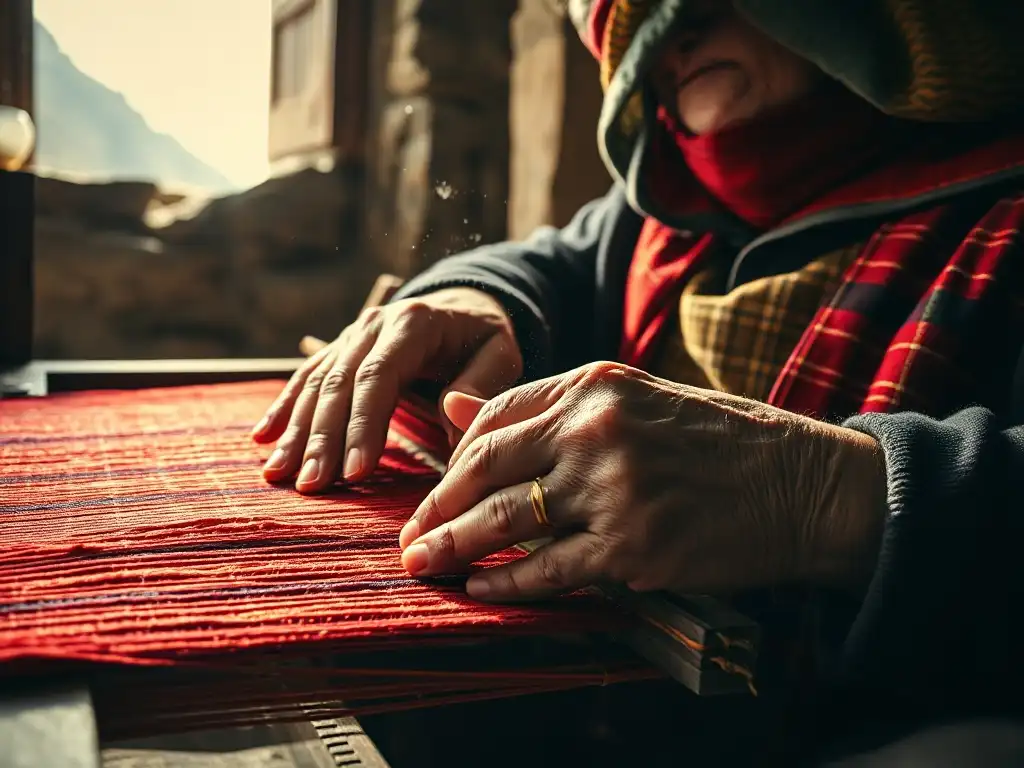
This section delves into the fascinating history of Andean weaving techniques, exploring the ingenuity and artistry of ancient Andean cultures. Understanding these techniques provides crucial insights into their societal structures, beliefs, and technological advancements. The enduring legacy of Andean weaving continues to inspire contemporary artisans and researchers alike, prompting ongoing investigations into the intricacies of these ancient practices.
The rich tapestry of Andean textile history reveals a complex interplay of innovation and tradition, showcasing the remarkable capabilities of these ancient societies. This exploration focuses on key techniques and their impact on the development of Andean textile art. The keyword "Andean weaving techniques history" is crucial to understanding the evolution of this significant cultural practice.
Backstrap Loom Weaving: A Fundamental Technique
The backstrap loom is arguably the most fundamental and widely used weaving technique across the Andes. This portable loom, requiring minimal materials – essentially a warp (longitudinal threads) and a weft (transverse threads) – allowed for flexible weaving in various locations. Its portability facilitated weaving in both settled communities and during nomadic movements.
The weaver secures one end of the warp to a fixed point (a tree, a post, or even a person) and the other to a belt worn around their waist. By shifting their body weight and using the backstrap to control tension, the weaver creates intricate patterns.
The backstrap loom's simplicity belies its versatility. It allows for a variety of weaving techniques, from simple plain weave to complex tapestry and brocade. The mastery of this technique required considerable skill and precision, passed down through generations. Archaeological evidence suggests the backstrap loom’s use dates back millennia, reflecting its enduring significance in Andean textile production.
The adaptability of the backstrap loom contributed greatly to the diversity of Andean textiles, evident in the vast array of surviving artifacts. Mastering the backstrap loom was a testament to both physical dexterity and artistic vision. Variations in loom construction and weaving techniques across different Andean regions further highlight the cultural richness embedded in this seemingly simple tool.
Supplementary Weft Techniques: Brocading and Double Cloth
Beyond the basic plain weave, Andean weavers employed sophisticated supplementary weft techniques to create elaborate designs and textures. Brocading, for instance, involves adding extra weft threads to create intricate patterns on the surface of the fabric. These supplementary wefts are interwoven selectively, creating raised designs that contrast with the ground weave.
This technique required meticulous planning and exceptional dexterity, resulting in textiles of exceptional beauty and complexity. The use of brocading showcases the advanced technical skills of Andean weavers and their ability to manipulate materials to achieve stunning visual effects. The precision required for brocading is a testament to their dedication to their craft.
Double cloth, another advanced technique, involves creating two layers of fabric simultaneously, often with contrasting colors and patterns. This technique allowed for the creation of reversible fabrics, or fabrics with distinct designs on each side. The interaction of the two layers during the weaving process added structural complexity and visual depth to the final product.
Double cloth weaving demonstrates a sophisticated understanding of textile structure and functionality, surpassing the simple aesthetic concerns. Analysis of surviving examples reveals a deep understanding of tension control and weft manipulation, essential for producing high-quality double cloth textiles. The complexity of these techniques underscores the advanced level of textile production achieved by Andean cultures.
Use of Natural Dyes in Andean Textile Art
The vibrant colors of Andean textiles are a testament to the masterful use of natural dyes derived from plants, insects, and minerals. Cochineal, a scale insect, provided brilliant reds and scarlets. Various plants, including indigo for blues and yellows from different species, contributed to a diverse palette.
The preparation of these dyes was a complex process, often involving precise recipes passed down through generations. The knowledge of dye extraction and application was intricately linked to the understanding of the local ecosystem and its resources. The use of natural dyes is not merely a technical aspect but is deeply intertwined with the cultural and spiritual significance of the textiles.
The sustainability and environmental consciousness inherent in the use of natural dyes are noteworthy. These dyes were sourced locally, minimizing environmental impact and demonstrating a harmonious relationship between the Andean communities and their surroundings. Different regions utilized different dye sources, reflecting local ecological variations and further contributing to the diversity of Andean textile traditions. The permanence and vibrancy of many surviving ancient textiles are a testament to the effectiveness and longevity of these natural dyes.
The colors themselves often held symbolic meaning, adding another layer of complexity to the artistic expression of Andean weaving. The careful selection and application of dyes played a crucial role in the creation of visually stunning and culturally significant textiles. The continued study of these natural dyes offers insights into both ancient Andean technology and sustainable practices.
Modern Approaches to Understanding Ancient Techniques
This section delves into the innovative methodologies employed by researchers to unravel the complexities of Andean weaving techniques, offering fresh perspectives on the history and artistry of these remarkable textiles. By combining traditional archaeological approaches with cutting-edge scientific analysis and ethnographic studies, we gain a deeper appreciation for the ingenuity and skill of Andean weavers. The study of "Andean weaving techniques history" has been revolutionized by these modern approaches.
Archaeological Findings and Fiber Analysis
Archaeological excavations across the Andes have yielded a treasure trove of textile fragments, providing invaluable insights into ancient weaving practices. These finds, ranging from intricately woven garments to ceremonial textiles, offer tangible evidence of the techniques employed. However, simply uncovering these artifacts is only the first step. Sophisticated fiber analysis techniques are crucial in understanding the materials used.
For example, analysis of fibers from pre-Inca textiles found in the Nazca region has revealed the use of various camelid fibers (llama, alpaca, vicuña), each selected for its specific properties: strength, softness, and warmth. Careful microscopic examination allows researchers to identify the types of fibers, their preparation methods (e.g., spinning techniques), and even the dyes used, providing a detailed picture of the production process.
Furthermore, the presence of specific plant fibers alongside camelid fibers suggests a complex system of resource management and sophisticated knowledge of plant properties. This detailed analysis allows for a more nuanced understanding of the economic and social contexts surrounding textile production.
The identification of rare or exotic fibers in certain textiles also points to the existence of trade networks and the exchange of valuable resources across significant distances. The combination of careful excavation and precise laboratory analysis offers a robust foundation for understanding the evolution of Andean weaving techniques.
Experimental Archaeology: Recreating Ancient Looms and Dyes
Experimental archaeology plays a crucial role in bridging the gap between archaeological findings and a practical understanding of ancient Andean weaving techniques. By recreating ancient looms and dyes using traditional methods, researchers can test hypotheses about the processes and techniques used by ancient weavers. This hands-on approach allows for a deeper understanding of the challenges and limitations faced by ancient artisans.
For instance, researchers have successfully replicated various types of Andean backstrap looms using materials and techniques inferred from archaeological evidence. These reproductions have revealed the complexities of weaving intricate patterns and the significant skill required to operate these looms effectively. Furthermore, the recreation of ancient dyeing techniques, using natural pigments derived from plants, minerals, and insects, has shed light on the color palettes used and the methods employed to achieve specific hues and colorfastness.
The challenges encountered during these experiments often highlight the ingenuity and advanced knowledge of ancient Andean artisans. For example, recreating the vibrant purples and reds found in some textiles has proved remarkably difficult, emphasizing the specialized knowledge and perhaps even secret techniques employed by ancient dyers. These experiments provide invaluable context to the interpretation of archaeological findings and help to refine our understanding of the technical skills involved in Andean textile production.
Ethnoarchaeology: Learning from Contemporary Weavers
Ethnoarchaeology, the study of living cultures to understand past ones, offers a powerful lens for interpreting Andean weaving techniques. By observing and documenting the practices of contemporary Andean weavers, researchers can gain insights into techniques that may have been employed in the past. This approach allows for a more nuanced understanding of the cultural significance of textiles and their role within Andean societies.
Many communities in the Andes continue to practice traditional weaving techniques, often passed down through generations. Studying these living traditions provides valuable context for interpreting archaeological findings. For example, observing the intricate knotting techniques used in contemporary textile production sheds light on similar patterns found in ancient textiles. Furthermore, interviews with contemporary weavers provide insights into the social and symbolic meanings embedded within textile designs and the knowledge systems that support these practices.
The transmission of weaving skills across generations reveals the importance of apprenticeship and the role of family and community in maintaining these traditions. By documenting these living practices, ethnoarchaeologists contribute significantly to our understanding of the cultural context surrounding Andean textile production, providing a vital link between the past and the present. This approach helps us to move beyond mere technical analysis and to understand the cultural significance and enduring legacy of Andean weaving techniques.
New Interpretations of Andean Textile Significance
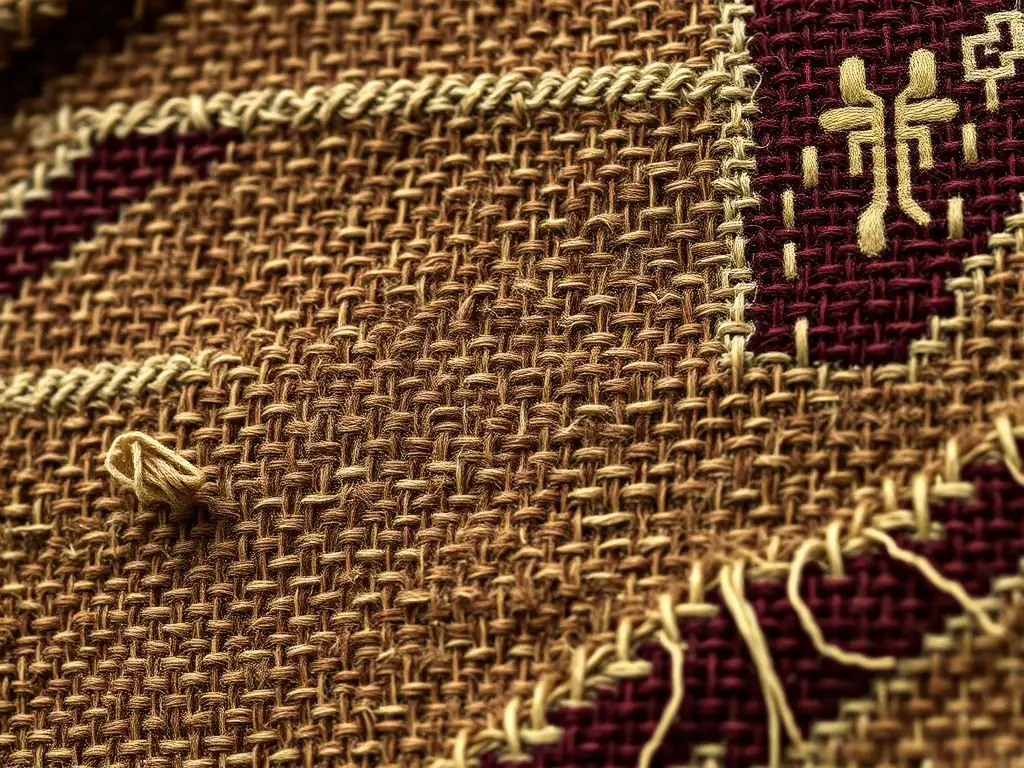
This section delves into the evolving understanding of Andean textiles, moving beyond simple aesthetic appreciation to explore their profound social, ritualistic, and political implications. Recent research has illuminated the intricate ways in which textiles functioned as powerful tools for communication, record-keeping, and the assertion of economic and political power within Andean societies. This revised perspective challenges older interpretations that viewed these magnificent creations primarily as decorative items.
Understanding the multifaceted roles of Andean textiles provides a richer and more nuanced appreciation of the complex societies that produced them. The analysis of Andean weaving techniques history reveals a sophisticated system of symbolic representation and technological innovation.
The vibrant colors, intricate designs, and diverse materials used in Andean textiles were not merely decorative choices. Archaeological discoveries and anthropological studies increasingly demonstrate the deep symbolic significance woven into these fabrics. Specific colors, patterns, and motifs held profound religious and social meanings, often tied to specific deities, rituals, or social statuses.
For example, the use of specific shades of red could signify royalty or connection to the sacred realm, while particular geometric patterns might represent agricultural cycles or cosmological concepts. The meticulous craftsmanship itself, reflecting countless hours of labor and expertise, further underscored the textiles' importance. Analysis of textile fragments from various sites, such as the Nazca lines area and the Tiwanaku ruins, shows consistent use of specific patterns associated with elite classes, suggesting a highly stratified social structure reflected in the textiles themselves.
The meticulous attention to detail in Andean weaving techniques history showcases a deep connection to the spiritual and social fabric of Andean life. The complexity of the designs often points to a sophisticated understanding of cosmology and social hierarchy. Further research into the specific dyes and their sourcing could shed more light on the ritualistic aspects of textile production.
Textiles as a Form of Communication and Record Keeping
Beyond their ritual significance, Andean textiles served as crucial forms of communication and record-keeping. The intricate designs and patterns encoded information about events, genealogies, and historical narratives. These textiles acted as visual "archives," transmitting knowledge and cultural heritage across generations.
Some scholars believe that specific motifs represented historical events or lineages, allowing for the preservation of important historical data in a visually accessible format. For example, a specific pattern might represent a significant battle or a royal succession. The use of different fiber types and weaving techniques also likely carried meaning, adding layers of complexity to the encoded information.
The discovery of well-preserved textiles provides invaluable data for deciphering these visual narratives. This innovative method of record-keeping highlights the sophisticated cognitive abilities and cultural practices of Andean societies, offering a unique perspective on information management within ancient cultures. The study of Andean weaving techniques history is therefore crucial to understand this unique system of communication.
The Economic and Political Power of Andean Weaving
The production and control of textiles were integral to the economic and political power structures of Andean civilizations. Specialized weavers held high social status, and the textiles themselves served as valuable commodities, used for trade, tribute, and diplomacy. The control of resources like alpaca wool, dyes, and specialized weaving techniques allowed for the concentration of wealth and power in the hands of elites.
The intricate weaving techniques employed, passed down through generations, were themselves a source of power, conferring prestige and economic advantage. Analysis of the distribution of specific textile types across different regions suggests complex trade networks and the flow of resources within the Andean world. The exquisite quality of many surviving textiles is testament to the high level of skill and organization required for their production.
The study of Andean weaving techniques history reveals how textile production was not merely an economic activity but a crucial element in maintaining social hierarchy and political control. Further research into the organization of textile production and distribution networks could provide more insights into the economic and political dynamics of Andean societies. The sheer scale of some textile production suggests a highly organized and centralized system, indicative of a powerful state apparatus.
The Modern Revival of Andean Textile Traditions

The resurgence of interest in Andean textile traditions is not merely a nostalgic trend; it represents a powerful movement rooted in cultural preservation, economic empowerment, and a renewed appreciation for the ingenuity of ancient Andean weaving techniques. This revival is fueled by several factors, including increased global awareness of indigenous cultures, the growing demand for sustainable and ethically produced goods, and the recognition of the exceptional artistry and craftsmanship involved in Andean textiles. The intricate designs, vibrant colors, and enduring quality of these textiles continue to captivate audiences worldwide, leading to a flourishing market for both authentic and contemporary Andean-inspired pieces.
Understanding the history of Andean weaving techniques is crucial to appreciating this revival and its significance. The techniques themselves, passed down through generations, are a testament to the resilience and adaptability of Andean cultures. [Specific data on market growth and demand for Andean textiles pending].
Contemporary Andean Weavers: Keeping the Legacy Alive
Contemporary Andean weavers are the vital link between ancient traditions and modern interpretations. Many communities continue to practice ancestral weaving techniques, albeit often adapting them to meet contemporary demands and incorporate new materials. These artisans, predominantly women, play a crucial role in preserving not only the technical skills but also the cultural knowledge embedded within the designs and patterns.
For instance, the use of specific dyes derived from natural sources, like cochineal insects or plant extracts, remains a significant part of the process, ensuring the authenticity and unique characteristics of the textiles. The intricate designs often tell stories, conveying myths, legends, and historical events, maintaining a living connection to the past. Many organizations and initiatives support these communities, providing training, access to markets, and fair trade opportunities, ensuring the sustainability of their craft and its continued transmission to future generations.
This active preservation of Andean weaving techniques ensures that the legacy of these ancient skills continues to thrive. The intricate knowledge passed down through generations, encompassing everything from spinning techniques to complex dyeing processes, is a valuable cultural asset that deserves protection and promotion.
Integrating Ancient Techniques into Modern Design
The integration of ancient Andean weaving techniques into modern design showcases the versatility and timeless appeal of these traditional skills. Contemporary designers are increasingly incorporating elements of Andean textiles into their collections, drawing inspiration from the vibrant colors, intricate patterns, and unique textures. This fusion of ancient and modern aesthetics results in innovative and visually stunning pieces that resonate with a global audience.
The use of traditional techniques like backstrap weaving, alongside modern materials and designs, creates a unique blend of old and new. For example, some designers incorporate Andean-inspired patterns into clothing, accessories, and home textiles, while others collaborate directly with Andean communities to produce limited-edition pieces. This collaboration not only benefits the artisans but also ensures the authenticity and cultural integrity of the final product.
The resulting pieces often command high prices, reflecting the value placed on both the artistry and the cultural significance of the techniques employed. [Specific examples of contemporary designers incorporating Andean weaving techniques pending].
The Importance of Cultural Preservation and Textile Heritage
The preservation of Andean weaving techniques is crucial for maintaining a vital link to the rich cultural heritage of the Andes. These techniques represent not only a sophisticated level of craftsmanship but also a profound connection to the past, embodying centuries of knowledge, innovation, and artistic expression. The intricate designs, often imbued with symbolic meaning, serve as a powerful record of Andean history, beliefs, and societal structures.
Protecting these techniques ensures that future generations have access to this invaluable cultural legacy. The loss of these skills would represent an irreplaceable loss of knowledge and cultural identity. Therefore, efforts to document, preserve, and promote Andean weaving techniques are not just about textiles; they are about safeguarding a significant part of human cultural heritage.
Initiatives dedicated to documenting these techniques through detailed research, educational programs, and museum collections are vital for ensuring their long-term survival and accessibility. The ongoing study of Andean weaving techniques history provides critical insights into the ingenuity and resilience of Andean civilizations. The continued preservation of these techniques is paramount to understanding and celebrating the rich tapestry of Andean culture.
Case Study: Analysis of a Paracas Mantle
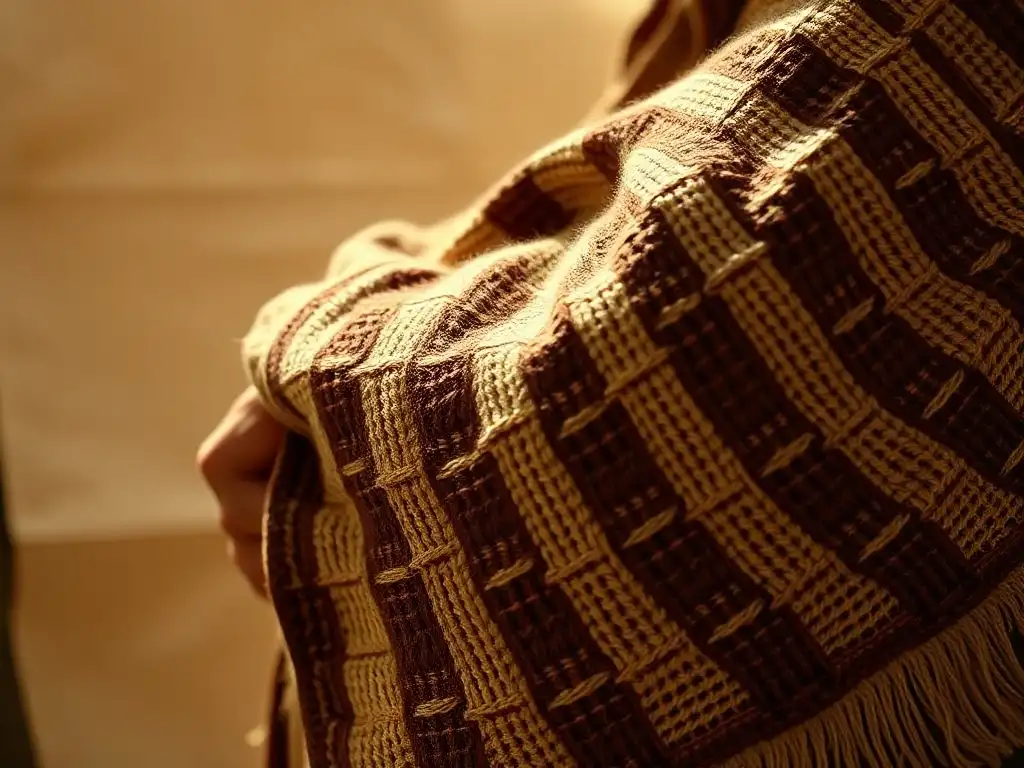
This section delves into a specific example of Andean weaving to illustrate the sophistication and complexity of ancient Andean textile production. We will analyze a Paracas mantle, focusing on its iconography, embroidery techniques, and potential ritual significance. This detailed examination allows us to better understand the historical development of Andean weaving techniques and their cultural context. The Paracas culture, flourishing on the southern coast of Peru from roughly 800 BCE to 100 CE, is renowned for its incredibly intricate textiles, representing a high point in Andean weaving techniques history.
Description of the Mantle's Iconography
The Paracas mantle under consideration (catalogue number [specific catalogue number pending]) is a remarkable example of Paracas textile artistry. It is primarily composed of [specify material, e.g., camelid fiber] and displays a vibrant array of colors, achieved through the use of natural dyes. The mantle's iconography is rich and complex, featuring a central motif of a [describe the central figure, e.g., stylized feline deity] flanked by [describe flanking figures or motifs, e.g., birds of prey and stylized plants].
This central figure is rendered with exceptional detail, showcasing the weaver's mastery of textile design. The use of complementary colors and the skillful manipulation of the warp and weft threads create a three-dimensional effect, giving the figures a sense of movement and dynamism. Smaller, repeating motifs, such as [describe smaller motifs, e.g., geometric patterns and stylized serpents], are incorporated throughout the mantle, likely representing symbolic elements integral to Paracas cosmology and religious beliefs.
The overall composition suggests a narrative, possibly depicting a mythological scene or a ritual event. Further research into similar Paracas textiles could illuminate the precise meaning of these iconographic elements. The meticulous detail in the iconography underscores the high level of skill and artistry involved in Andean weaving techniques history.
Analysis of the Embroidery Techniques Used
The mantle's construction reveals a sophisticated understanding of advanced weaving techniques. The embroidery is particularly noteworthy. Several techniques were employed, including [list specific techniques, e.g., tapestry weaving, supplementary weft brocade, and embroidery with different fiber types].
The use of supplementary weft brocade, for instance, allowed the weavers to create intricate details and fine lines, essential for representing the features of the figures. The precision and consistency of the embroidery suggest a high degree of specialization within Paracas society, with skilled artisans dedicated to this craft. Microscopic analysis of the threads would reveal further details about the dye preparation methods and fiber types used, adding to our understanding of the material culture of the Paracas people.
The complexity of the embroidery techniques used significantly contributes to our understanding of Andean weaving techniques history, demonstrating a level of technical skill that is rarely matched in other ancient cultures. The combination of techniques reveals a deeply layered approach to textile production reflecting both artistic expression and a high level of technical mastery. The use of multiple techniques points to a strong tradition passed down through generations of Andean weavers.
Interpretation of the Mantle's Ritual Significance
Given the elaborate iconography and the intricate weaving techniques employed, it is highly probable that this Paracas mantle held significant ritual importance. The carefully rendered figures and the symbolic motifs strongly suggest a connection to religious beliefs and practices. The mantle could have been used in ceremonies, worn by priests or shamans, or used as a burial shroud for important individuals.
The use of high-quality materials and the immense amount of labor involved in its creation further supports this hypothesis. The mantle's size and weight also suggest it wasn't for everyday use; it was likely a prized possession, reserved for special occasions or rituals. Comparative analysis with other Paracas textiles found in ritual contexts could provide further insights into its specific function.
The mantle, therefore, serves not only as a testament to the artistry of Andean weaving techniques history, but also as a window into the religious beliefs and social structures of the Paracas civilization. Analyzing such artifacts helps us understand the deep intertwining of art, religion, and social status within ancient Andean societies. The sheer investment of time and skill suggests a high degree of cultural significance, solidifying its place as a vital piece in understanding Andean weaving techniques history.
Future Research and Directions in Andean Textile Studies
The study of Andean textiles, while significantly advanced in recent decades, still holds many unanswered questions and unexplored avenues. Understanding the intricacies of Andean weaving techniques history requires a multi-faceted approach, going beyond simply identifying fiber types and stylistic motifs. Future research needs to embrace innovative methodologies and interdisciplinary collaborations to fully grasp the complexity of these ancient crafts. This section outlines key areas requiring further investigation.
Areas of Focus for Future Research
Several crucial areas demand focused research to deepen our understanding of Andean weaving techniques history. These include:
- Technological advancements: While we have a good grasp of basic weaving techniques like backstrap loom weaving, more research is needed on the evolution of these techniques. For example, how did the use of different loom types influence textile production and design? What innovations in spinning and dyeing techniques occurred over time? A detailed chronological study comparing technological advancements across different Andean cultures would be invaluable. Furthermore, analysis of surviving tools and their relationship to specific textile types is crucial. [Specific information pending: detailed analysis of tool types and their chronological distribution].
- Social and economic contexts: Weaving wasn't just a technical skill; it was deeply embedded in the social and economic fabric of Andean societies. Future research should investigate the roles of different individuals and groups in textile production – from the farmers raising the llama and alpaca to the skilled weavers themselves, and the merchants distributing the finished products. We need more studies exploring the economic value of textiles, their role in social hierarchies, and their use in ritual and ceremony. [Specific information pending: quantitative data on textile production and distribution networks].
- The impact of environmental factors: The availability of raw materials, like different types of fibers and dyes, significantly impacted textile production. Further research needs to explore the relationship between environmental factors (climate change, resource availability) and the evolution of Andean weaving techniques. Did shifts in resource availability lead to innovations in textile production? How did Andean societies adapt their weaving practices to environmental changes? A comparative study across different Andean regions with varying environmental conditions would be beneficial.
- Preservation and conservation: The deterioration of ancient textiles presents a significant challenge. Research into innovative preservation techniques is vital to ensure the long-term survival of these invaluable artifacts. This includes developing new methods for cleaning, stabilizing, and storing textiles, as well as investigating the impact of environmental factors on their degradation. [Specific information pending: a comparative study of different preservation methods and their effectiveness].
The Role of Interdisciplinary Approaches
Unlocking the secrets of Andean weaving techniques history requires a truly interdisciplinary approach. Combining expertise from archaeology, anthropology, textile science, chemistry, and other relevant fields is essential to achieve a comprehensive understanding. For example:
- Archaeological excavations: Careful excavation of weaving workshops and associated sites can reveal crucial information about the tools, materials, and processes involved in textile production. Detailed analysis of the spatial distribution of artifacts can provide insights into the organization of labor and the social context of weaving.
- Chemical analysis: Scientific analysis of textile fibers, dyes, and other materials can provide valuable information about the origins of raw materials, the techniques used in dyeing and finishing, and the trade networks that connected different Andean communities. This can help trace the origin of specific dyes and the pathways of raw materials.
- Ethnographic studies: Studying contemporary Andean weaving practices can provide valuable insights into the continuity and evolution of traditional techniques. Comparing modern practices with archaeological evidence can help shed light on the changes that have occurred over time and the preservation of traditional knowledge. This interdisciplinary approach offers a powerful tool for understanding the history and cultural significance of Andean textiles. The integration of these different approaches will lead to a more holistic and nuanced understanding of Andean weaving techniques history, allowing us to appreciate the ingenuity and artistry of these ancient cultures. 🤝
Frequently Asked Questions
What makes Andean weaving techniques so unique?
Andean weaving is renowned for its exceptional complexity and innovative techniques, including double-faced weaving, knotting, and the use of a wide array of natural dyes. These methods created incredibly intricate and durable textiles.
How did ancient Andean cultures use textiles?
Textiles served a variety of purposes, from everyday clothing and household items to ceremonial garments and religious objects. Their use reflected social status, and played a vital role in their social and spiritual life.
What materials did Andean weavers use?
Andean weavers utilized alpaca, llama, vicuña, and guanaco fibers, along with cotton. The choice of material often depended on the intended use of the textile and the availability of resources.
How have modern researchers learned about ancient Andean weaving techniques?
Researchers study surviving textiles, analyze archaeological evidence, and examine ethnographic accounts of contemporary Andean weaving practices to understand ancient techniques. Careful analysis reveals intricate details of the weaving process.
What is the significance of Andean weaving in understanding their history?
Andean textiles offer invaluable insights into the social structures, religious beliefs, and artistic achievements of these cultures. They are primary sources revealing much about their daily lives and history.
Final Reflection: Unraveling the Threads of Andean Heritage
The intricate artistry of Andean textiles continues to resonate today, a testament to the ingenuity and cultural depth of ancient civilizations. These weren't simply garments; they were living narratives, imbued with symbolism and reflecting a profound connection to the Andean landscape and cosmology. Understanding these techniques isn't just about appreciating beautiful objects; it's about grasping the enduring power of human creativity and the resilience of cultural traditions.
The impact of Andean weaving extends far beyond the realm of history books. These techniques, passed down through generations, continue to inspire contemporary artists and designers, demonstrating the timeless relevance of ancient knowledge. The past is never dead. It's not even past.
- William Faulkner. This quote perfectly encapsulates the enduring legacy of Andean weaving, its influence subtly woven into the fabric of our modern world, influencing fashion, art, and our understanding of cultural preservation. The vibrant colors and intricate patterns still hold the power to captivate and inspire, reminding us of the rich tapestry of human experience.
Consider the threads of your own life. What traditions, skills, or stories have been passed down to you? Take a moment to reflect on the enduring power of heritage and the importance of preserving the knowledge and artistry of past generations.
By understanding and appreciating the techniques of Andean weaving, we not only honor the achievements of ancient cultures but also gain a deeper appreciation for the interconnectedness of time and the enduring power of human creativity. Let the legacy of Andean textiles inspire you to explore your own heritage and contribute to the preservation of cultural treasures for future generations.
**Unveil the Richness of Andean Textiles! **
Thank you for exploring the fascinating world of Andean textiles with us! We hope you've gained a deeper understanding of the ancient weaving techniques that continue to inspire and connect cultures. Now, let's take your newfound appreciation to the next level.
Here are some ways to enrich your experience:
- **Support traditional crafts** by purchasing authentic Andean textiles from local artisans or reputable online retailers.
- **Share your passion** for Andean textiles on social media using the hashtag #AndeanTextiles to help spread awareness and appreciation.
- **Deepen your understanding** of this rich cultural art form by participating in local weaving workshops or online classes. Learn firsthand the techniques behind these intricate creations.
What most captivates you about Andean textiles—the intricate designs, the vibrant colors, or the stories embedded within each piece? Share your thoughts in the comments!