
Echoes of the Past: How Andean History Informs Modern Cultural Identity

Step into a world lost to time, yet echoing powerfully in our present. Uncover the secrets of the Andean civilizations, their breathtaking artistry, ingenious engineering, and enduring legacy. From the Incas to the Nazca, their influence resonates even today. But just how profound is the Andean civilizations cultural impact? Dive into our exploration of this fascinating topic and discover the surprising connections between ancient empires and the vibrant cultures of South America we know today.
The Andes Mountains, a spine of towering peaks running down the western coast of South America, have witnessed the rise and fall of some of the most fascinating civilizations the world has ever known. From the intricate textiles of the Nazca to the sophisticated engineering of the Inca, these Andean cultures left an indelible mark on the landscape and, perhaps more importantly, on the cultural identity of the region that persists to this day. This article explores the profound and lasting impact of Andean civilizations, examining how their legacies continue to shape modern cultural expressions, beliefs, and practices.
We will delve into the ways in which Andean history informs contemporary art, traditions, and even political discourse, showcasing the enduring echoes of a rich and complex past. Understanding this connection is crucial to appreciating the vibrant tapestry of modern Andean culture and its global significance.
The enduring legacy of these civilizations is not merely a matter of historical interest; it is a living force that continues to shape the present. This exploration will focus on the enduring influence of Andean civilizations on modern cultural identity, addressing the keyword "Andean civilizations cultural impact" directly and comprehensively.
The Enduring Legacy of Inca Engineering and Architecture
The Inca Empire's sophisticated infrastructure, encompassing impressive road networks, intricate irrigation systems, and breathtaking stonework, continues to inspire awe and admiration. The precision and ingenuity displayed in constructions like Machu Picchu are not merely historical artifacts; they represent a testament to human ingenuity and a source of national pride for many Andean countries. This architectural legacy informs modern construction techniques, inspiring sustainable building practices and influencing contemporary design aesthetics.
Furthermore, the Inca's mastery of resource management, evident in their sophisticated agricultural practices, offers valuable lessons for addressing contemporary environmental challenges. The ingenuity of their terrace farming techniques, for instance, provides a model for sustainable agriculture in mountainous regions, demonstrating the enduring relevance of ancient Andean knowledge. Many modern communities still utilize variations of these ancient techniques, showcasing the direct link between past practices and contemporary realities.
Andean Textiles: A Thread Through Time
The vibrant textiles produced by Andean civilizations, renowned for their intricate designs and masterful craftsmanship, are another powerful testament to their cultural impact. From the geometric patterns of the Paracas culture to the complex iconography of Inca textiles, these creations served not only as clothing but also as powerful symbols of social status, religious beliefs, and storytelling. This tradition of weaving continues to thrive in modern Andean communities, with artisans preserving and reinterpreting ancient techniques and designs.
The intricate patterns and vibrant colors of these textiles are frequently incorporated into contemporary fashion, art, and tourism, demonstrating the enduring appeal and cultural significance of this ancient craft. The symbolism embedded within these textiles continues to resonate, informing modern artistic expressions and providing a tangible link to the past.
The Influence of Andean Mythology and Spirituality
Andean civilizations possessed rich and complex mythological systems deeply intertwined with their daily lives and social structures. These belief systems, which often incorporated nature worship and ancestor veneration, continue to influence modern spiritual practices and artistic expressions. Many contemporary Andean communities still incorporate elements of these ancient beliefs into their rituals and ceremonies.
This spiritual heritage is also expressed through modern art forms, including music, dance, and literature, demonstrating the enduring power of these ancient narratives. The continued relevance of these mythological themes highlights the persistence of cultural memory and the enduring influence of Andean spirituality on contemporary life. The integration of ancient symbols and narratives into modern artistic expressions serves as a powerful reminder of the continuity of cultural traditions.
Andean Civilizations and Modern Political Identity
The legacy of Andean civilizations also significantly impacts modern political and social identities. The struggle for independence from colonial rule, for instance, often drew inspiration from pre-Columbian Andean achievements and symbols, creating a sense of shared heritage and national pride. The rediscovery and reinterpretation of Andean history have played a pivotal role in shaping national identities and fostering a sense of cultural autonomy.
The use of ancient Andean symbols in national emblems and official ceremonies further illustrates the enduring political significance of this rich historical past. The ongoing research and preservation of Andean heritage contribute to creating a sense of collective identity and cultural continuity. The exploration of these historical narratives continues to inform discussions of self-determination and cultural preservation in the modern era.
- The Enduring Legacy of Inca Engineering and Architecture
- Andean Textiles: A Thread Through Time
- The Influence of Andean Mythology and Spirituality
- Andean Civilizations and Modern Political Identity
- What is the main focus of the Andean Civilizations website?
- How did Andean civilizations influence modern cultural identity?
- What specific aspects of Andean culture are highlighted on the website?
- Which Andean civilizations are discussed in detail?
- How does the website contribute to understanding the "Andean civilizations cultural impact"?
Understanding the Enduring Legacy of Andean Civilizations
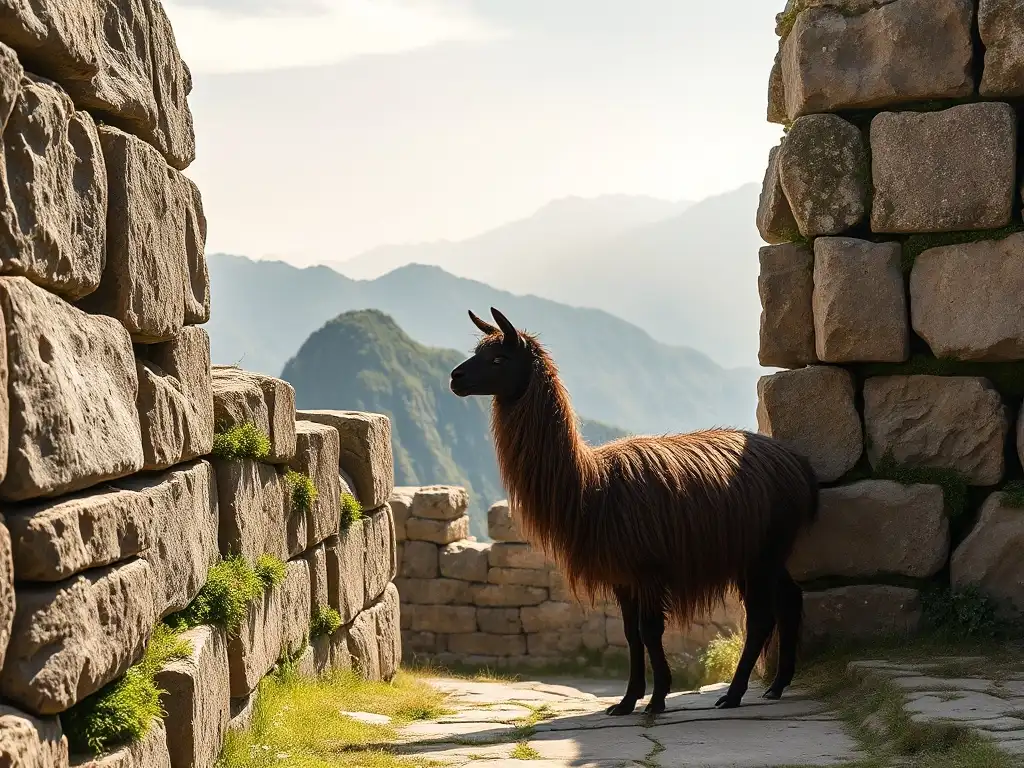
The Andean civilizations' cultural impact reverberates through modern South America, shaping its identity in profound ways. Understanding this legacy requires acknowledging the intricate tapestry woven from diverse pre-Columbian societies, each leaving indelible marks on subsequent cultures. This section delves into the enduring influence of these ancient societies, examining how their traditions, beliefs, and technologies continue to inform contemporary Andean life.
We'll explore the lasting imprints on art, agriculture, social structures, and even spiritual beliefs, showcasing the remarkable continuity between the past and the present. The analysis will highlight the complexity of this inheritance, acknowledging both direct lineage and the transformative processes that have shaped modern interpretations. This is not a simple case of direct transmission; rather, it is a dynamic interplay between historical roots and modern adaptations, a testament to the resilience and adaptability of Andean cultures.
The Historical Roots of Andean Cultural Identity
The foundation of modern Andean cultural identity is deeply rooted in the achievements of pre-Inca civilizations. The intricate textile traditions of the Nazca, for example, with their vibrant colors and complex designs, continue to inspire contemporary artisans. Their mastery of weaving techniques, using natural dyes and intricate patterns, is still evident in modern textiles, albeit adapted to contemporary aesthetics and markets.
Similarly, the sophisticated irrigation systems developed by the Moche, a testament to their advanced engineering capabilities, laid the groundwork for modern agricultural practices in the region. These systems, while modified and expanded upon, demonstrate a direct connection between ancient ingenuity and contemporary resource management.
The impact extends beyond practical skills; the Moche's elaborate religious iconography and their artistic representation of their worldview continue to inspire modern artists and provide insights into the region's rich spiritual history. The enduring themes of nature worship and ancestor veneration, evident in Moche art, for example, resonate in contemporary Andean spiritual practices.
Ancient Andean Societies: Shaping Modern Perspectives
The Inca Empire, while comparatively short-lived in the grand scheme of Andean history, left an undeniable mark on the region. Their sophisticated administrative system, encompassing intricate record-keeping using quipus (knotted strings), influenced subsequent societal structures. Although the quipus themselves are no longer used for administrative purposes, their existence highlights the Incas' advanced organizational skills and the capacity for complex information management.
Furthermore, the Inca's highly centralized political structure, while eventually collapsing, provided a framework for future political organizations and continues to inform discussions about governance and authority in the region. Their extensive road network, a masterpiece of engineering, facilitated trade and communication across vast distances, impacting both economic and social structures. Even today, the legacy of this infrastructure is visible in the region's geography and transportation networks.
This shows the direct impact of Inca infrastructure on contemporary development. Additionally, the Inca’s emphasis on communal labor ( mita) profoundly shaped social dynamics, leaving a legacy that can be seen in contemporary community-based initiatives.
Tracing the Lineage: From Pre-Inca Cultures to Contemporary Expressions
Understanding the Andean civilizations' cultural impact requires acknowledging the complex interplay between different pre-Columbian societies and their contribution to the modern cultural landscape. The influence isn't linear; it's a dynamic process of assimilation, adaptation, and innovation. For instance, while the Inca Empire exerted significant political dominance, many pre-Inca traditions persisted and were integrated into the Inca worldview. This syncretism is evident in Inca religious practices, which incorporated elements from various pre-Inca cultures.
This blending of traditions continues to shape modern Andean religious beliefs and practices. The enduring presence of Quechua and Aymara languages, spoken by millions today, is a powerful testament to the linguistic legacy of pre-Columbian societies. These languages carry within them a wealth of cultural knowledge, including traditional stories, songs, and beliefs, showcasing the continuity of cultural expression across millennia.
The study of these languages provides invaluable insights into the evolution of Andean cultural identity, revealing the enduring impact of ancient societies on the present day. Furthermore, the ongoing revival of traditional Andean arts and crafts, often driven by indigenous communities, underscores the enduring vitality of these ancient traditions and their importance in shaping a modern Andean identity. This vibrant cultural heritage serves as a powerful reminder of the rich tapestry of Andean history and its profound influence on the present.
The Cultural Impact of Andean Civilizations on Modern Society
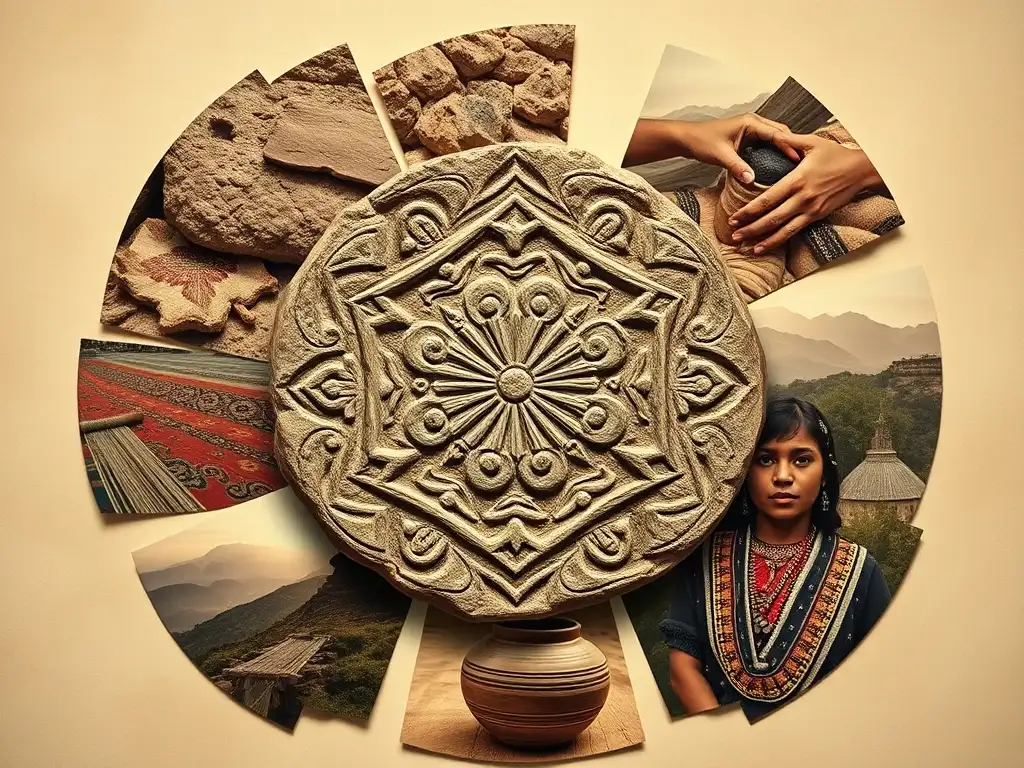
The legacy of Andean civilizations extends far beyond the ruins of magnificent cities and intricate irrigation systems. Their profound cultural impact resonates strongly in modern society, shaping artistic expression, influencing spiritual practices, and informing contemporary identities across South America and beyond. Understanding this enduring influence requires examining how ancient traditions have been reinterpreted and adapted, demonstrating the vitality and resilience of Andean cultural heritage.
The vibrant tapestry of Andean culture continues to inspire and enrich the world, proving that the echoes of the past remain powerfully present in the present. This enduring influence is particularly evident in the fields of art, textiles, music, and ritual practices.
Influence on Art and Craft: Contemporary Interpretations of Andean Designs
Andean art, characterized by its geometric precision, vibrant colors, and symbolic imagery, continues to inspire contemporary artists and craftspeople. The intricate designs found on pottery shards, textiles, and metalwork from the Moche, Nazca, and Inca cultures are frequently reinterpreted in modern works. For example, the stylized depictions of animals and deities found in Moche ceramics often serve as motifs in contemporary paintings, sculptures, and jewelry.
The bold geometric patterns of Nazca textiles find their echoes in modern fashion and textile design. These interpretations aren't mere copies; rather, they represent a creative dialogue between past and present, demonstrating a deep respect for ancestral artistry while simultaneously forging new aesthetic expressions. The use of natural dyes, a traditional Andean practice, is also experiencing a revival, underscoring the commitment to sustainable and environmentally friendly artistic production.
This connection to ancient techniques further strengthens the link between past and present, demonstrating that Andean artistic traditions remain deeply relevant in contemporary society. Furthermore, museums and galleries actively promote exhibitions showcasing both ancient and contemporary Andean art, fostering a greater appreciation for this rich cultural heritage and its ongoing evolution.
Andean Textiles and Weaving: A Living Tradition with Deep Historical Roots
Andean textiles represent a remarkable continuity between ancient and modern cultures. The techniques of weaving, dyeing, and pattern-making, passed down through generations, remain largely unchanged. The intricate designs, often incorporating symbolic representations of animals, plants, and deities, continue to tell stories and transmit cultural knowledge.
The use of alpaca and llama wool, traditional Andean materials, maintains a connection to the land and its resources. Contemporary Andean weavers often integrate modern elements into their work, creating a unique blend of tradition and innovation. For example, some contemporary weavers incorporate modern themes or social commentary into their designs, demonstrating the adaptability and resilience of this ancient art form.
The vibrant colors and intricate patterns of Andean textiles are highly valued both domestically and internationally, supporting the livelihoods of many Andean communities and contributing significantly to their economic stability. This preservation of traditional techniques ensures that the legacy of Andean weaving endures, showcasing the enduring power of cultural transmission and its contribution to economic resilience.
The Significance of Andean Music and Rituals in Today's Culture
The music and rituals of Andean civilizations continue to hold significant cultural importance in modern society. Traditional Andean instruments, such as the panpipes and the charango, are still widely played, and their melodies echo the ancient rhythms of the Andes. Many contemporary musicians incorporate traditional Andean musical elements into their compositions, creating a unique fusion of ancient and modern sounds.
Furthermore, rituals and ceremonies rooted in ancient Andean traditions, such as the celebration of Inti Raymi (the Inca festival of the sun), are still observed in many communities. These celebrations serve as powerful reminders of cultural identity and continuity, bringing people together to honor their ancestral heritage. The significance of these practices extends beyond mere celebration; they provide a framework for understanding community values, promoting social cohesion, and fostering a sense of collective identity that connects individuals to a rich and complex past.
The survival of these musical traditions and spiritual practices highlights the enduring vitality of Andean cultural heritage and its contribution to a sense of belonging and cultural continuity in modern times. The incorporation of these elements into contemporary life demonstrates that the spirit of Andean civilizations continues to thrive.
Reinterpreting Andean Heritage in a Modern Context

This section delves into the multifaceted ways in which Andean heritage is being reinterpreted and re-evaluated in contemporary society. We will explore how modern perspectives are reshaping our understanding of ancient Andean civilizations and their lasting impact on cultural identity, focusing on the ongoing dialogue between past and present. The enduring legacy of Andean civilizations is not merely a historical curiosity; it's a vibrant, evolving force shaping modern cultural landscapes and identities across South America and beyond. Understanding this dynamic interplay is crucial to appreciating the full scope of the "Andean civilizations cultural impact."
Andean Cosmology and its Relevance in the 21st Century
Andean cosmology, with its intricate worldview encompassing the interconnectedness of nature, humanity, and the divine, continues to resonate deeply within contemporary Andean communities. The concept of Pachamama (Mother Earth), for example, is not simply a historical artifact; it's a living principle guiding environmental stewardship and sustainable practices. Many indigenous communities actively incorporate ancestral cosmological beliefs into their daily lives, influencing their agricultural practices, social structures, and even their political activism.
This enduring relevance is evident in the growing interest in Andean spiritual traditions, both within and outside of the Andean region. The resurgence of interest in traditional Andean healing practices, like curanderismo, further demonstrates the ongoing influence of this ancient cosmology. We see a fascinating interplay between ancient Andean beliefs and modern environmental movements, with the concept of ayni (reciprocity) informing discussions on equitable resource management and sustainable development.
The enduring power of Andean cosmology highlights its adaptability and relevance in addressing contemporary challenges. Further research is needed to fully quantify the extent to which Andean cosmological beliefs are influencing modern social and environmental movements. [Specific data on the number of communities actively practicing traditional Andean cosmology pending].
Preserving Indigenous Knowledge: The Importance of Andean Languages and Traditions
The preservation of indigenous Andean languages and traditions is paramount to understanding and celebrating the "Andean civilizations cultural impact." The loss of these languages represents a significant erosion of cultural heritage, as they carry within them invaluable knowledge about history, social structures, and environmental practices. Quechua, Aymara, and other Andean languages face significant challenges in the 21st century, including the dominance of Spanish and the lack of resources dedicated to language revitalization. However, there are numerous initiatives underway to counteract this linguistic erosion.
These initiatives range from community-based language immersion programs to the incorporation of indigenous languages into formal education systems. The preservation of traditional Andean music, textiles, and storytelling is equally crucial. These art forms serve as powerful vehicles for transmitting cultural knowledge and identity across generations. The intricate designs woven into Andean textiles, for example, often encode complex narratives and cosmological beliefs.
Protecting these artistic expressions not only safeguards cultural heritage but also provides economic opportunities for Andean communities. The continued practice and transmission of these traditions are essential for maintaining a strong sense of cultural identity and fostering a deeper appreciation for the rich tapestry of Andean heritage. [Data on the number of active language revitalization programs in the Andes pending].
Challenges and Opportunities in Promoting Andean Cultural Heritage
Promoting Andean cultural heritage presents both significant challenges and exciting opportunities. One key challenge lies in balancing the preservation of authenticity with the demands of tourism and commercialization. The commodification of Andean artifacts and traditions can lead to cultural appropriation and the erosion of indigenous knowledge. However, responsible tourism can also play a vital role in supporting Andean communities and promoting cultural understanding. This requires careful collaboration between indigenous communities, tourism operators, and government agencies.
Another challenge involves addressing historical injustices and promoting equitable representation. The narrative of Andean history has often been dominated by colonial perspectives, marginalizing the voices and experiences of indigenous communities. However, there's a growing movement towards decolonizing Andean history and amplifying indigenous perspectives. This involves actively seeking out and incorporating indigenous knowledge into historical narratives, educational materials, and public discourse.
The opportunities for promoting Andean cultural heritage lie in fostering intercultural dialogue, supporting indigenous-led initiatives, and using technology to reach wider audiences. Digital platforms can play a crucial role in disseminating information about Andean culture, promoting cultural exchange, and connecting communities across geographical boundaries. The effective promotion of Andean cultural heritage requires a multifaceted approach that addresses both the challenges and opportunities presented by globalization and technological advancements. [Data on successful models of responsible tourism in the Andean region pending].
The Role of Andean History in Shaping National Identities
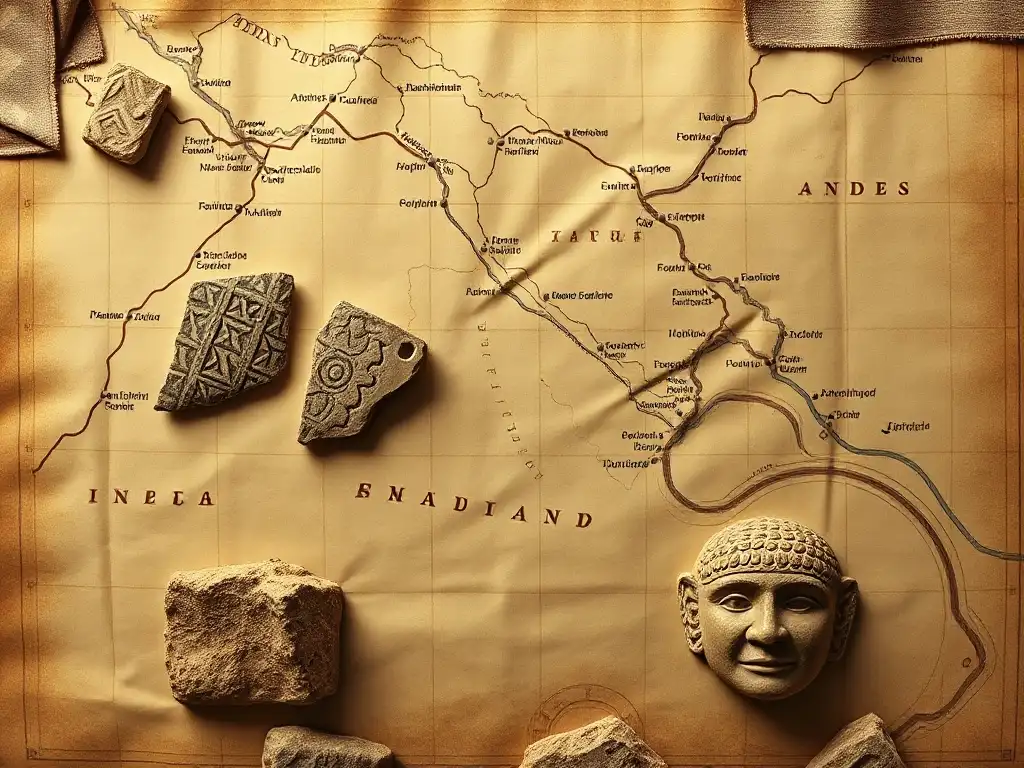
The enduring legacy of Andean civilizations profoundly shapes the national identities of countries across the Andes region. Understanding this impact requires examining how historical narratives are constructed and contested, influencing cultural practices, political discourse, and social structures. The influence of Andean heritage isn't uniform; it varies significantly based on geographical location, socio-economic factors, and the prevailing political climate.
This section delves into the multifaceted ways Andean history continues to resonate in modern national identities, exploring both the celebratory and complex aspects of this inheritance. The keyword phrase "Andean civilizations cultural impact" is central to understanding this intricate relationship between past and present.
National Narratives and the Incorporation of Indigenous Andean Heritage
National narratives often selectively incorporate elements of Andean heritage to bolster a sense of national unity and pride. However, the way this heritage is integrated is frequently shaped by power dynamics and political agendas. For instance, some nations might emphasize the achievements of Inca imperial power, potentially downplaying the contributions of other Andean cultures or the complexities of Inca rule itself.
This selective appropriation can lead to an incomplete, even distorted, understanding of the rich tapestry of Andean history. Conversely, other nations might actively promote a more inclusive narrative, highlighting the diverse cultural contributions of various Andean groups throughout history. This inclusive approach seeks to acknowledge the contributions of all Andean peoples and create a more accurate and representative national identity.
The incorporation of indigenous Andean languages, symbols, and artistic motifs into national emblems, flags, and official ceremonies serves as another crucial aspect of this process. The use of Quechua, Aymara, or other Andean languages in official settings, for example, symbolizes a recognition of indigenous heritage and contributes to its preservation. However, the extent to which these symbolic gestures translate into tangible improvements in the lives of indigenous communities remains a critical question. This highlights the ongoing tension between symbolic representation and substantive change in achieving a truly inclusive national identity that reflects the "Andean civilizations cultural impact."
Andean Identity in Urban and Rural Contexts: A Comparative Analysis
The influence of Andean history manifests differently in urban and rural contexts. In rural areas, where indigenous communities often maintain stronger ties to traditional practices and ancestral lands, Andean heritage is frequently more visibly integrated into daily life. Traditional agricultural techniques, weaving styles, and religious ceremonies remain integral parts of the cultural fabric. The "Andean civilizations cultural impact" in these areas is often deeply rooted in the continuity of cultural practices across generations.
Conversely, in urban areas, the expression of Andean identity often takes on a more hybrid form. While traditional elements might be present in festivals, artistic expressions, and culinary traditions, they frequently coexist with elements of global culture. This blending of traditions reflects the complex dynamics of urbanization and globalization, resulting in a more fluid and multifaceted expression of Andean identity.
A comparative analysis reveals the nuanced ways in which Andean heritage is adapted and reinterpreted in different social settings, highlighting the diverse ways the past shapes the present. For example, urban Andean communities might celebrate Inca festivals with a modern twist, incorporating contemporary music or artistic styles, while rural communities maintain more traditional forms of celebration.
The Ongoing Dialogue: Reconciling Historical Narratives and Modern Realities
Reconciling historical narratives with the realities of contemporary Andean societies remains an ongoing process. Addressing historical injustices, promoting social equity, and fostering intercultural dialogue are critical aspects of this process. The legacy of colonialism and its lasting effects on indigenous communities continues to shape social and political dynamics. Acknowledging these historical injustices and working towards redress is crucial for building a more inclusive and equitable society.
The "Andean civilizations cultural impact" is not solely about celebrating past achievements; it also entails confronting the complexities of the past and working towards a future where Andean heritage is not just preserved, but actively contributes to the well-being and empowerment of Andean communities. This requires a continuous dialogue between academics, policymakers, and indigenous communities to ensure that historical narratives are both accurate and relevant to the lives of contemporary Andean peoples.
This dialogue necessitates a critical assessment of existing power structures and a commitment to creating a more just and equitable society that truly reflects the rich and diverse heritage of Andean civilizations.
Exploring Specific Examples of Andean Cultural Influence
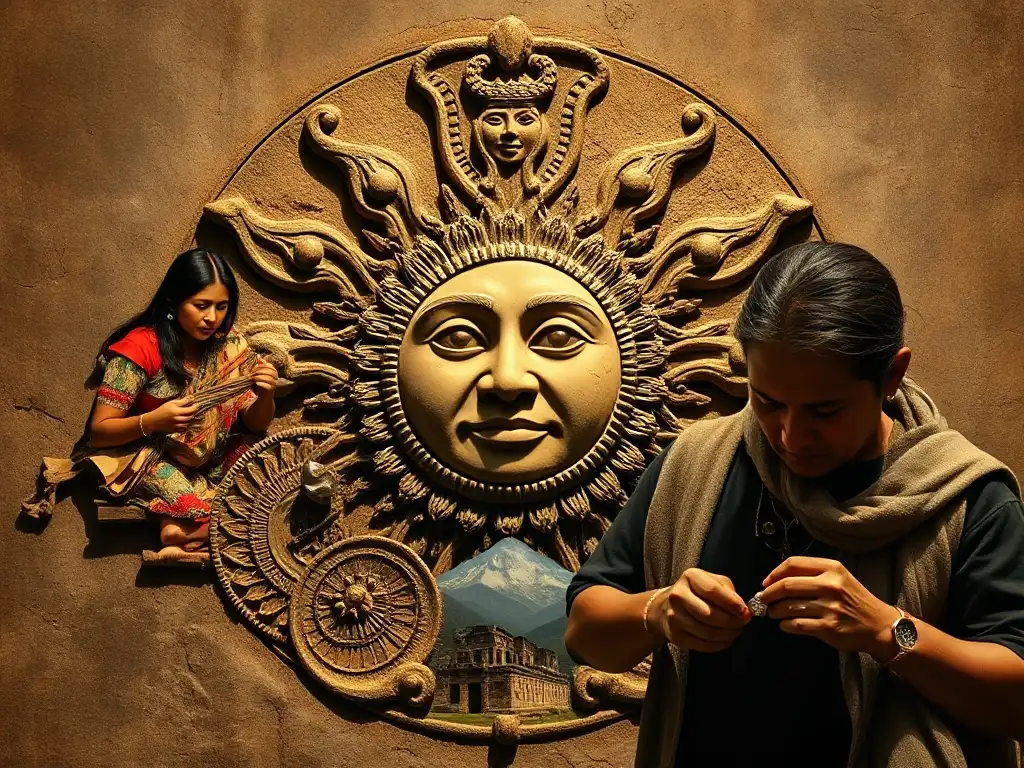
This section delves into the tangible and enduring impact of Andean civilizations on contemporary Andean culture, demonstrating the persistent echoes of the past in the present. We will explore how specific traditions and techniques have been adapted and reinterpreted, shaping modern identities and practices. The enduring legacy of Andean civilizations is not merely a historical curiosity; it's a vibrant force shaping the cultural landscape of the region today.
This influence is visible in various aspects of modern life, from architecture and agriculture to artistic expression and spiritual beliefs. The deep roots of Andean culture continue to nourish contemporary society, providing a framework for understanding the unique character of the region. The following examples illustrate the multifaceted nature of this enduring legacy and the significant role Andean civilizations play in shaping modern cultural identities.
The Influence of Inca Stonework on Modern Architecture in Cusco
Cusco, the former capital of the Inca Empire, stands as a powerful testament to the enduring influence of Inca architectural techniques on modern building practices. The city's unique character is inextricably linked to the Inca legacy, evident in the masterful stonework that defines its urban landscape. Inca masons achieved a level of precision and artistry that continues to inspire awe and admiration.
Their ability to fit stones together without mortar, creating seamless walls, is a feat of engineering and artistry rarely replicated today. This precise fitting, known as piedra seca (dry stone), showcases an intricate understanding of structural mechanics and a deep respect for the materials used.
Analyzing the Influence of Inca Masonry on Contemporary Building Techniques
Modern architects in Cusco frequently incorporate elements of Inca stonework into their designs, paying homage to the architectural heritage while adapting it to contemporary needs. This is not simply imitation; it's a conscious effort to integrate traditional techniques with modern building codes and materials. For instance, many new buildings incorporate the characteristic Inca style of precise stone fitting, albeit often using modern cement reinforcement for structural integrity.
This blend of old and new creates a unique architectural landscape, where the spirit of Inca craftsmanship coexists with modern functionality. Furthermore, the use of local stone, often sourced from the same quarries used by the Incas, ensures continuity with the historical context and minimizes the environmental impact of construction. This conscious integration of historical techniques and modern innovations showcases a commitment to preserving the cultural heritage while addressing the demands of contemporary urban development.
The careful selection of materials and the incorporation of traditional elements ensure that modern constructions harmoniously blend with the existing historical fabric of the city. This creates a visually stunning and culturally relevant urban environment that celebrates both the past and the present.
The Adaptation of Pachamama Rituals in Modern Agricultural Practices
The veneration of Pachamama, the Earth Mother, is a central tenet of Andean spirituality, deeply embedded in the agricultural practices of the region. These rituals, passed down through generations, demonstrate a profound respect for the land and its bounty. The annual offerings to Pachamama, typically involving coca leaves, chicha (a fermented corn beverage), and other offerings, are considered essential for a successful harvest.
These practices are not merely superstitious; they reflect a deep understanding of the interconnectedness between human life and the natural world. The rituals serve as a reminder of the importance of sustainable agricultural practices and environmental stewardship.
The Adaptation of Earth Mother Ceremonies in Contemporary Farming
While the forms of these rituals may have evolved over time, the core principles remain deeply ingrained in contemporary Andean agricultural practices. Many farmers, particularly in rural communities, continue to perform ceremonies to Pachamama before planting and harvesting, seeking her blessings for a bountiful yield. This blending of ancient traditions with modern farming techniques highlights the enduring relevance of Andean spirituality in shaping contemporary agricultural practices.
Moreover, the emphasis on sustainable farming methods, often rooted in traditional knowledge, reflects a growing global awareness of the importance of environmental sustainability. The recognition of the interconnectedness between human activity and the environment, a central aspect of Pachamama veneration, is becoming increasingly relevant in addressing the challenges of modern agriculture and ensuring the long-term viability of food production systems. This adaptation demonstrates the resilience and enduring relevance of Andean traditions in a changing world.
The continued practice of these ceremonies underscores the importance of respecting the environment and the continuing influence of Andean spiritual beliefs on daily life. 🌎
How the Ayllu System Influences Modern Community Organizations
The Ayllu, the foundational socio-economic unit of many Andean civilizations, continues to resonate in modern community structures. This traditional system, characterized by reciprocal labor, resource sharing, and collective decision-making, wasn't simply abandoned with the arrival of the Spanish conquistadors; rather, its principles adapted and persisted, subtly shaping contemporary Andean societies. While the formal structure of the Ayllu might be less evident in urban settings, its spirit of communal cooperation remains a powerful force.
For instance, many rural communities in the Andes still utilize variations of the Ayllu system for managing land resources, particularly in areas where traditional agricultural practices are maintained. Cooperative farming, where land is collectively cultivated and the harvest shared according to established norms, is a direct descendant of the Ayllu’s emphasis on mutual support. This isn't merely a nostalgic adherence to tradition; it's a pragmatic response to the challenges of cultivating often-challenging terrain, requiring coordinated effort and resource pooling for success.
The principles of reciprocity and shared responsibility, deeply ingrained in the Ayllu ethos, ensure the sustainability of these agricultural practices and the well-being of the community. Furthermore, the Ayllu's emphasis on collective decision-making is mirrored in contemporary community councils and organizations tasked with managing local resources and resolving conflicts. These bodies often operate on principles of consensus-building and participatory governance, echoing the traditional Ayllu's democratic tendencies.
While modern institutions have formal structures, the underlying ethos of communal responsibility and collective action remains powerfully influenced by the enduring legacy of the Ayllu. The system's emphasis on social cohesion and mutual support continues to play a vital role in fostering strong community bonds and ensuring social stability in many Andean regions.
How Traditional Andean Kinship Structures Affect Modern Social Dynamics
Traditional Andean kinship structures, often complex and extending beyond the nuclear family, continue to exert a significant influence on modern social dynamics. The emphasis on extended family networks, characterized by strong reciprocal obligations and a deeply ingrained sense of collective responsibility, persists in many Andean communities. This isn't merely a matter of familial ties; it profoundly shapes social interactions, resource allocation, and even political alliances.
The concept of ayni, reciprocal exchange, is central to understanding the enduring impact of these kinship structures. This principle, deeply rooted in Andean tradition, dictates that mutual support and assistance are fundamental to maintaining social harmony. Obligations extend beyond immediate family, encompassing a wide network of relatives and community members. This system of reciprocal exchange influences everything from childcare and elder care to economic cooperation and conflict resolution.
For example, in many rural communities, family members often pool resources to support a member facing financial hardship or undertake collective projects requiring significant labor. This deep-seated sense of collective responsibility contrasts sharply with more individualistic models prevalent in other societies. Furthermore, traditional Andean kinship structures often play a significant role in political processes. Family alliances and extended networks can influence local leadership and decision-making, demonstrating the enduring relevance of kinship in modern Andean societies.
Even in urban areas, where extended families might be geographically dispersed, the strong bonds and obligations associated with traditional kinship structures often remain crucial in shaping social interactions and providing support networks. The enduring impact of these kinship systems highlights the complex interplay between tradition and modernity in the shaping of Andean cultural identity. Understanding these enduring influences is crucial to appreciating the richness and complexity of Andean societies today.
The Future of Andean Cultural Heritage: A Call to Action
The enduring legacy of Andean civilizations profoundly shapes modern cultural identity, but its preservation requires proactive measures. The vibrant tapestry woven from the threads of Inca, Moche, Nazca, and Tiahuanaco cultures faces numerous challenges in the 21st century. Understanding these threats and implementing effective strategies is crucial for ensuring the continuity of this rich heritage.
The impact of Andean civilizations on modern culture is undeniable, but its future depends on our collective efforts. This section explores key actions needed to safeguard and celebrate Andean cultural heritage for generations to come. The Andean civilizations cultural impact is not merely historical; it’s a living force that needs nurturing.
Promoting Cultural Preservation and Education
Effective preservation hinges on robust educational programs that foster appreciation and understanding of Andean heritage. This includes developing comprehensive curricula in schools that accurately represent the complexity and diversity of Andean cultures, moving beyond simplistic narratives. Museums and cultural centers play a vital role, needing to actively engage with communities to curate exhibitions that are both informative and respectful, avoiding the pitfalls of cultural appropriation.
Furthermore, digital initiatives, such as interactive online museums and virtual reality experiences, can make Andean history accessible to a wider audience, particularly younger generations. A significant portion of Andean civilizations cultural impact lies in its ability to inspire and educate.
We need to actively combat misinformation and stereotypes that often distort the portrayal of Andean cultures. This requires rigorous fact-checking and promoting accurate, nuanced narratives that reflect the diverse perspectives and experiences within each civilization. For example, the common misconception of the Inca empire as monolithic should be challenged by highlighting the regional variations and the agency of individual communities within the larger imperial structure. This nuanced approach is essential for a true understanding of the Andean civilizations cultural impact. The goal is not just preservation, but a vibrant, evolving understanding that is sensitive and accurate.
Empowering Andean Communities and Voices
Central to the preservation of Andean cultural heritage is empowering the descendant communities themselves. Their voices, knowledge, and perspectives are paramount in shaping the narrative and guiding preservation efforts. This involves actively involving Andean communities in decision-making processes concerning the management and interpretation of their cultural heritage, including archaeological sites, museums, and educational initiatives. This participatory approach ensures that preservation efforts are aligned with the needs and priorities of those most directly impacted. The Andean civilizations cultural impact is best understood through the lens of those who carry its legacy.
This empowerment necessitates increased funding and resources dedicated to community-based projects that promote cultural revitalization. These might include supporting traditional arts and crafts, preserving indigenous languages, and fostering cultural tourism initiatives that benefit local communities directly. Furthermore, legal frameworks need to be strengthened to protect intellectual property rights and prevent the exploitation of Andean cultural heritage.
The concept of "cultural repatriation" – the return of artifacts to their places of origin – should be actively promoted and supported. This direct involvement ensures that the Andean civilizations cultural impact remains a source of pride and economic opportunity for those who are its rightful inheritors.
Ensuring the Continuity of Andean Civilizations Cultural Impact for Future Generations
Looking ahead, the challenge lies in ensuring that the legacy of Andean civilizations continues to resonate for future generations. This requires a multi-pronged approach that combines technological innovation with traditional practices. Digital archiving projects can play a crucial role in preserving fragile artifacts and documenting intangible cultural heritage, such as oral traditions and traditional knowledge systems. However, these digital initiatives should complement, not replace, traditional methods of preservation and transmission of knowledge within Andean communities. The Andean civilizations cultural impact must be preserved in both tangible and intangible forms.
Long-term sustainability requires fostering collaborations between academics, cultural institutions, government agencies, and Andean communities themselves. These partnerships are crucial for developing comprehensive strategies that address the multifaceted challenges facing Andean cultural heritage. This holistic approach should encompass research, education, preservation, and community empowerment, all working in concert to ensure that the legacy of Andean civilizations continues to inspire and enrich the world for centuries to come. The sustained and collaborative effort is essential to ensuring the enduring Andean civilizations cultural impact. The future of this rich heritage is not predetermined; it's a future we must actively build.
Frequently Asked Questions
What is the main focus of the Andean Civilizations website?
The website explores the rich history, culture, art, and technology of ancient Andean civilizations like the Incas, Moche, Nazca, and Tiahuanaco. It aims to showcase the significant cultural impact these societies had.
How did Andean civilizations influence modern cultural identity?
Andean civilizations left a lasting legacy, influencing modern art, architecture, agriculture, and societal structures in the region. Their traditions and beliefs continue to shape cultural practices and identity.
What specific aspects of Andean culture are highlighted on the website?
The website delves into various aspects, including religious beliefs, agricultural techniques, artistic expression (textiles, pottery, metalwork), and social organization. It emphasizes their innovative technologies and engineering feats.
Which Andean civilizations are discussed in detail?
The website features detailed information on the Incas, Moche, Nazca, and Tiahuanaco, examining their unique characteristics and contributions. It also explores the interconnections and influences between these cultures.
How does the website contribute to understanding the "Andean civilizations cultural impact"?
By providing comprehensive information on various aspects of Andean life, the website helps readers understand the lasting influence of these civilizations on the region's modern culture and identity. It highlights the relevance of their history in contemporary society.
Final Reflection: Weaving the Andean Tapestry into the Present
The echoes of the Inca, Moche, and Tiwanaku civilizations resonate far beyond the crumbling stones of their ancient cities; they are woven into the very fabric of modern Andean identity. Understanding this profound historical influence is not merely an academic exercise; it's crucial for comprehending the vibrant cultural landscape of the Andes today, a landscape shaped by resilience, innovation, and a deep connection to the land.
The enduring legacy of these civilizations is evident in everything from the intricate textiles still crafted by Andean artisans to the deeply spiritual relationship with Pachamama, Mother Earth. Their sophisticated agricultural techniques, complex social structures, and breathtaking artistic achievements continue to inspire and inform contemporary Andean life. As the Peruvian writer Mario Vargas Llosa once observed, The past is not dead. It's not even past.
This sentiment perfectly encapsulates the persistent and powerful influence of Andean history on the region's cultural identity, shaping its values, traditions, and artistic expressions in ways both subtle and profound.
Consider the impact of this legacy on your own life. Perhaps you've admired the artistry of a Peruvian textile, savored the flavors of Andean cuisine, or been moved by the breathtaking landscapes of the Andes Mountains. These experiences, seemingly disparate, are all connected by the enduring thread of Andean history. I urge you to delve deeper, to explore the rich tapestry of Andean civilizations and discover how their echoes continue to shape the world around us. By understanding the past, we can better appreciate the present and build a more informed and empathetic future.
Unlock the Secrets of Andean Identity!
Thank you for exploring the rich tapestry of Andean history with us! Your journey today reveals how the past profoundly shapes our cultural identities. Now, let's build on that knowledge and integrate it into your life.
Here are some ways to further connect with this vibrant history:
- Embrace your heritage: Reflect on how Andean traditions might influence your own life and explore ways to incorporate them into your daily routine. Perhaps learning a traditional craft, trying Andean cuisine, or researching your family history could be a starting point.
- Share your discoveries: Discuss what you've learned with friends and family, or start a conversation online using #AndeanEchoes to connect with others who share your interest.
- Deepen your understanding: Explore further resources like books, blogs, documentaries, and museums dedicated to Andean civilizations – you might uncover fascinating aspects of the culture you never knew existed.
What aspect of Andean culture resonates most with you, and how will you celebrate it in your life? Share your thoughts in the comments below!