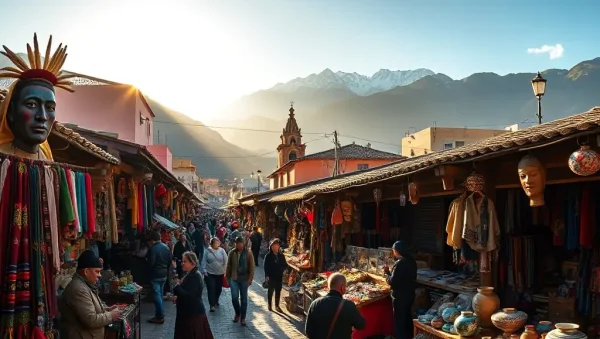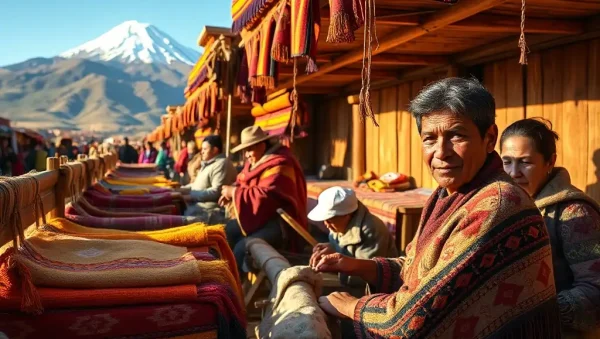
Andean Culture and Crafts

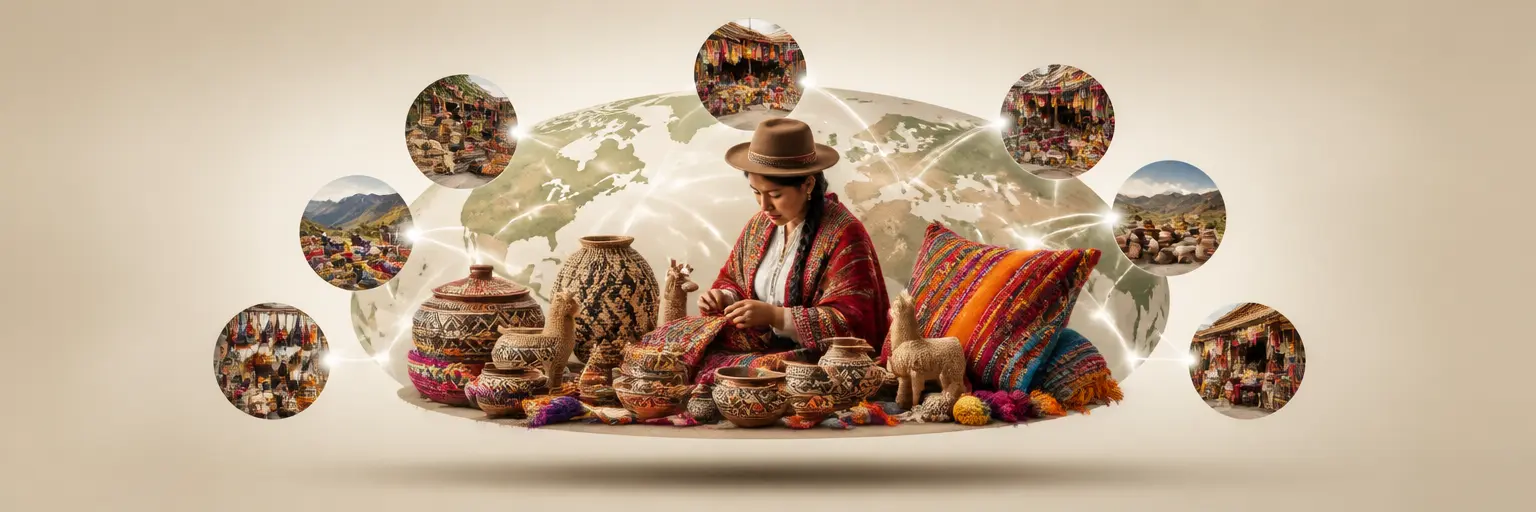
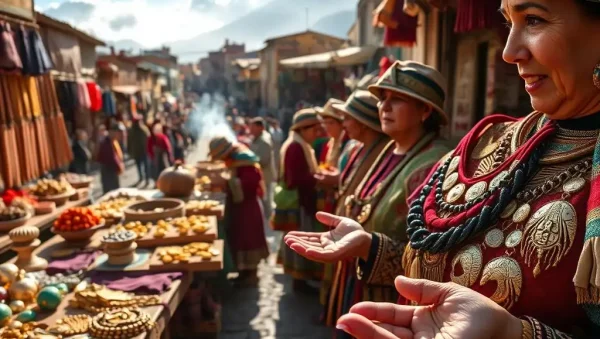
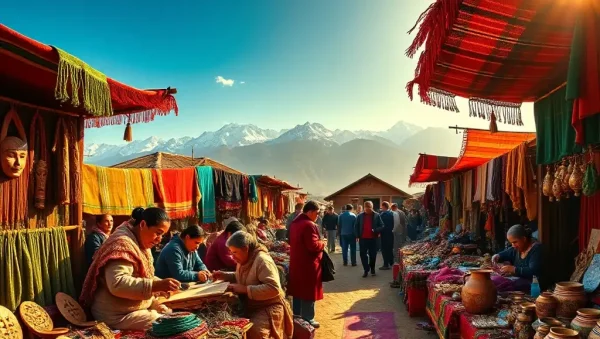
Discover the best markets for Andean handicrafts 🧶, where ancient artistry meets vibrant local culture. Explore authentic textiles, handmade ceramics, carved wood, silver jewelry, woven baskets, and traditional artwork inspired by Inca, Moche, Nazca, and Tiahuanaco heritage. These cultural marketplaces offer unique souvenirs while supporting skilled artisans and preserving ancestral techniques. ✨ Find colorful treasures, learn the stories behind each creation, and experience the living traditions of the Andes through unforgettable shopping and cultural discoveries.
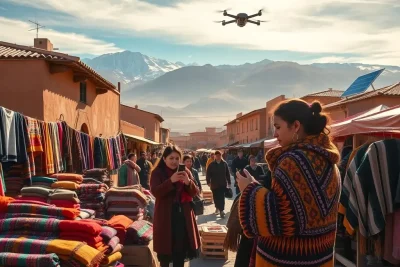
Discover the best markets for Andean handicrafts and explore the living traditions of the Andes through textiles, pottery, jewelry, woodwork, masks, and handmade souvenirs. This subcategory from Andean Civilizations guides travelers, collectors, and culture enthusiasts to remarkable artisan markets connected with the heritage of Peru, Bolivia, Ecuador, and other Andean regions. Learn where to find authentic crafts, how to recognize traditional techniques, and why these colorful markets remain essential to Andean culture and crafts.
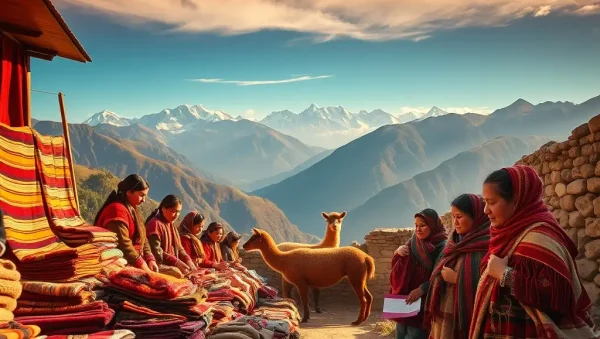
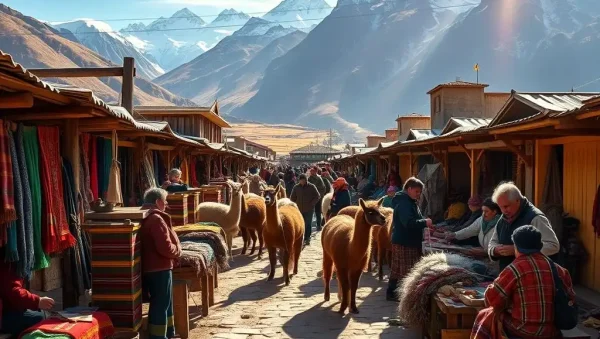
Andean markets offer a direct connection to the region’s history and communities. Visitors can discover handwoven alpaca textiles, llama wool garments, embroidered fabrics, carved gourds, ceramic vessels, woven baskets, and traditional musical instruments inspired by centuries of indigenous craftsmanship. Many products reflect cultural influences associated with the Incas, Moche, Nazca, Tiahuanaco, Quechua, and Aymara civilizations.
Our guides highlight the best artisan markets in the Andes, including famous destinations in Cusco, Pisac, Chinchero, Arequipa, Puno, La Paz, Otavalo, and Quito. Readers can learn what makes each market distinctive, when to visit, what local products to look for, and how to support artisans while enjoying a meaningful cultural experience.
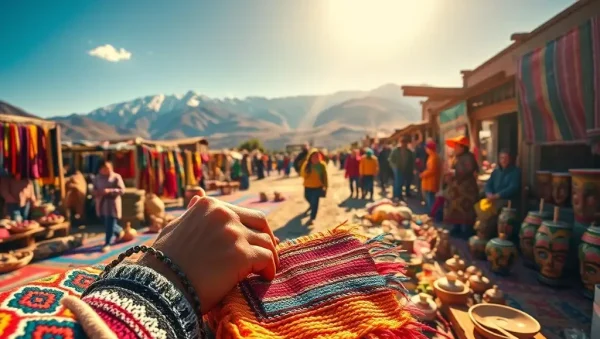
Andean textiles are among the most recognizable handicrafts in South America. Markets are filled with colorful ponchos, woven blankets, chullos, scarves, belts, bags, and tapestries made from alpaca, llama, sheep wool, cotton, and other natural fibers. Geometric designs, animal figures, and symbolic patterns often preserve regional identities and ancestral storytelling.
When shopping for Andean textiles, readers can expect practical advice about fiber quality, natural dyes, weaving styles, and fair prices. Authentic handmade textiles may show subtle variations that demonstrate the work of an individual artisan rather than industrial production. Our content explains how to identify durable materials and choose crafts with cultural and artistic value.
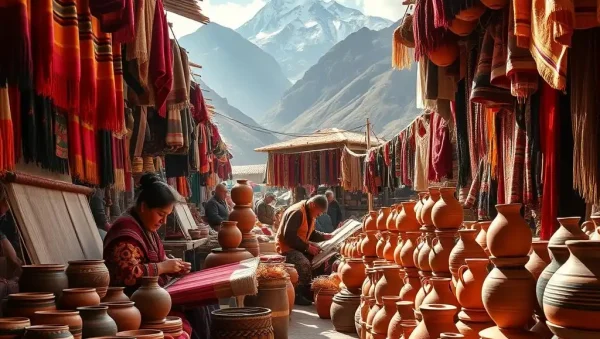
Andean pottery and ceramics reflect the artistic achievements of civilizations such as the Moche, Nazca, and Tiahuanaco. Contemporary artisans often reinterpret ancient forms, including ritual vessels, animal figures, ceremonial objects, painted bowls, and decorative jars. These pieces combine archaeological inspiration with modern creativity and local materials.
Market guides explain how to distinguish decorative replicas from historically inspired artwork and how to transport ceramic souvenirs safely. Visitors can discover hand-painted pottery, traditional ceramics, and Andean-inspired home décor while learning about the symbols, colors, and techniques that connect contemporary crafts to the ancient Andes.
Jewelry markets feature silver earrings, necklaces, bracelets, rings, beadwork, and pendants made with stones, seeds, shells, bone, wood, and woven fibers. Popular designs may include llamas, condors, suns, chakana crosses, mountains, and other motifs associated with Andean spirituality and nature.
Readers can find guidance on purchasing authentic Andean jewelry, comparing materials, and asking sellers about craftsmanship and origin. Whether you are searching for a meaningful travel keepsake or a distinctive handmade accessory, these markets offer pieces that combine traditional symbolism, regional identity, and contemporary fashion.
Each Andean region has its own market traditions, materials, colors, and artistic specialties. Peru is renowned for Cusco textiles, Pisac handicrafts, Chulucanas pottery, and Puno weaving. Bolivia offers vibrant markets in La Paz and Copacabana, while Ecuador is famous for the large indigenous market at Otavalo and its rich wool, leather, and woodcraft traditions.
Exploring markets across the Andes allows travelers to compare local craftsmanship and discover how geography, history, and community traditions shape artistic production. Our destination-focused content includes Andean market travel tips, cultural background, shopping suggestions, and ideas for finding responsible sellers and cooperative workshops.
Buying directly from artisans, family workshops, and cooperatives can help preserve traditional skills and strengthen local economies. Ethical shopping also means respecting cultural designs, avoiding counterfeit archaeological objects, and choosing products made with responsibly sourced materials. A thoughtful purchase can support the continuation of Andean weaving, pottery, carving, and jewelry traditions.
Readers will learn how to shop respectfully, ask about production methods, and recognize fair-trade principles. Responsible tourism encourages meaningful conversations with artisans, fair negotiation, and appreciation for the time and knowledge invested in every handmade object.
Successful market visits require preparation, patience, and cultural awareness. Bring local currency, carry reusable bags, protect fragile purchases, and compare products before buying. In high-altitude destinations, comfortable clothing, sunscreen, water, and gradual acclimatization are also important for an enjoyable experience.
Our guides provide useful recommendations about market schedules, bargaining etiquette, photography, packing, shipping, and choosing souvenirs. From a small woven bracelet to a large hand-carved sculpture, visitors can make informed decisions and bring home authentic Andean handicrafts with a meaningful connection to local culture.
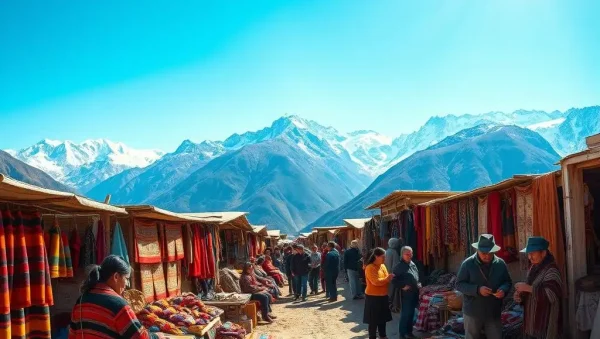
Popular destinations include Pisac and Chinchero near Cusco, the San Pedro Market in Cusco, Puno and Taquile Island in Peru, the Witches’ Market and artisan districts of La Paz in Bolivia, and Otavalo Market in Ecuador. Each location offers different textiles, pottery, jewelry, and regional souvenirs.
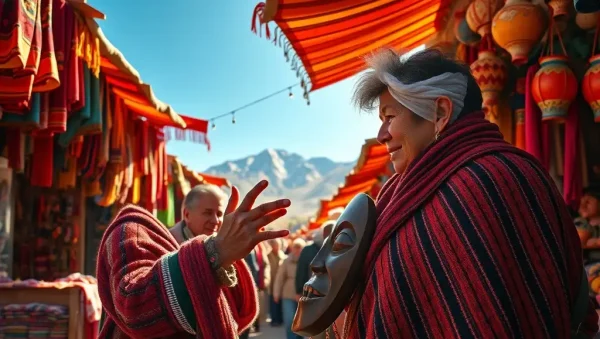
Common products include alpaca and llama wool textiles, ponchos, chullos, woven bags, ceramic vessels, silver jewelry, carved wood, musical instruments, embroidered fabrics, masks, baskets, and colorful decorative objects inspired by Andean symbolism.
Look for handmade variations, high-quality natural fibers, detailed weaving, traditional motifs, and information about the artisan or cooperative. Ask whether the item is locally produced and learn about its materials. Authentic craftsmanship often reflects time-consuming techniques rather than perfectly uniform factory production.
Light, respectful negotiation may be acceptable in tourist markets, but it should not reduce the price unfairly. Fixed-price cooperative shops and artisan workshops may not negotiate. Paying a fair amount recognizes the skill, labor, and cultural knowledge behind each handmade product.
Most textiles, jewelry, pottery, and decorative crafts can be transported, but travelers should check customs regulations before purchasing products made from feathers, animal materials, protected plants, archaeological artifacts, or untreated wood. Request receipts and avoid buying genuine antiquities or objects presented as illegally excavated artifacts.