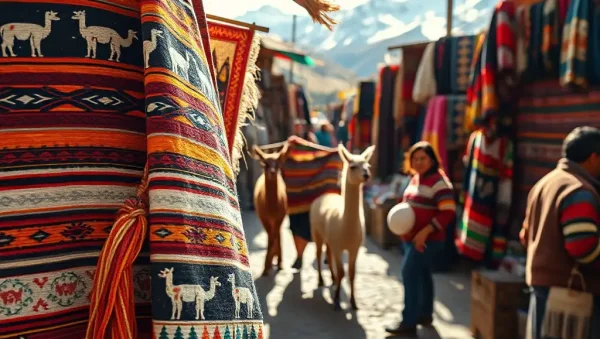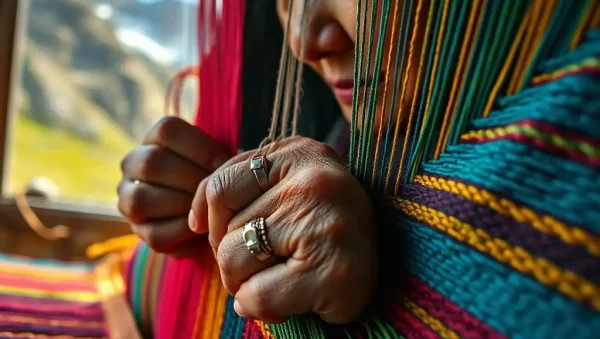
Andean Culture and Crafts

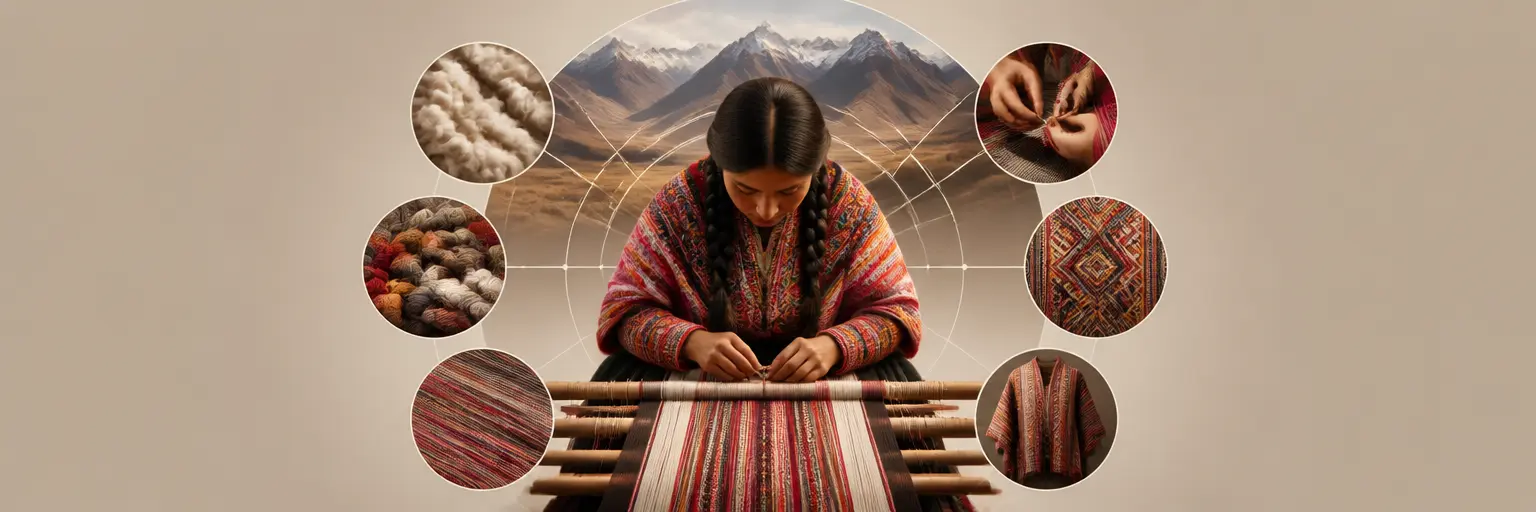
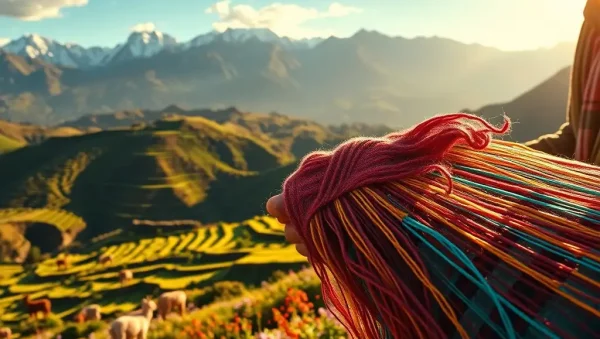
Discover the artistry and heritage of traditional Andean textiles 🧵✨ Explore how ancient communities transformed alpaca, llama, and cotton fibers into vibrant fabrics, symbolic patterns, and finely crafted garments. Learn about weaving techniques, natural dyes, cultural meanings, and the enduring influence of Inca, Moche, Nazca, and Tiahuanaco traditions. Uncover the stories woven into every thread and deepen your appreciation of Andean culture, indigenous craftsmanship, and textile art.
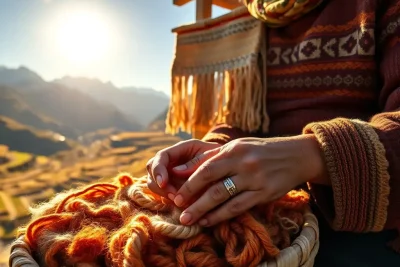
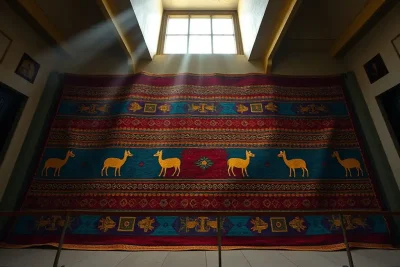
Discover the history, symbolism, techniques, and cultural meaning of traditional Andean textiles through the civilizations and communities of the Andes. This subcategory explores Inca textiles, ancient Andean weaving, indigenous Peruvian clothing, Bolivian textile traditions, natural dyes, backstrap looms, woven patterns, and ceremonial fabrics. Learn how textiles connected the Incas, Moche, Nazca, Tiahuanaco, and later Andean communities with identity, religion, social status, trade, and the natural world.
Readers can explore the long development of textile production in the Andes, from early fiber technologies to the highly organized weaving traditions associated with the Inca Empire. Articles explain how cotton, alpaca, llama, vicuña, and plant fibers were transformed into clothing, household objects, ritual textiles, and symbols of authority.
This section also places Andean textiles within the broader history of ancient Andean civilizations. Learn how Moche, Nazca, Tiahuanaco, and Inca communities used weaving, embroidery, tapestry, and color to preserve knowledge and express religious and political ideas. Textiles were not merely practical objects; they were visual records of Andean society.
Discover the natural materials used in traditional Andean textile production, including alpaca wool, llama fiber, vicuña fleece, cotton, maguey, and other plant fibers. Explanations cover the differences between these materials, their regional availability, their texture, and their importance in ancient Andean economies.
Readers can also learn how Andean artisans created vivid colors from minerals, plants, insects, and other natural sources. Natural dyeing techniques, spinning methods, fiber preparation, and color symbolism reveal the practical expertise and environmental knowledge passed through generations of Andean textile makers.
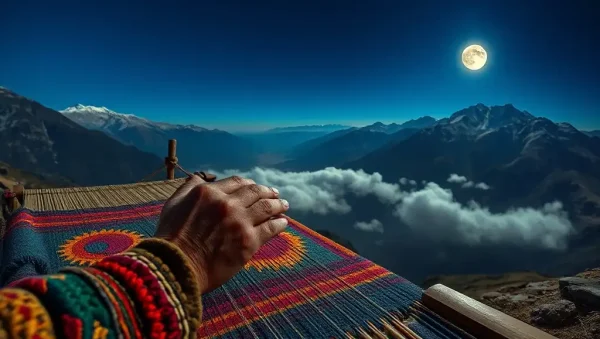
Explore the tools and methods behind traditional Andean weaving, including the backstrap loom, ground loom, vertical loom, tablet weaving, embroidery, knotting, and tapestry techniques. Content explains how these methods shaped the appearance, strength, flexibility, and function of different textiles.
Readers can expect accessible guides to the craftsmanship involved in producing complex geometric designs, finely woven garments, and ceremonial fabrics. The subcategory highlights Andean textile technology and shows why textile production required patience, mathematical precision, specialized skills, and a deep understanding of fiber behavior.
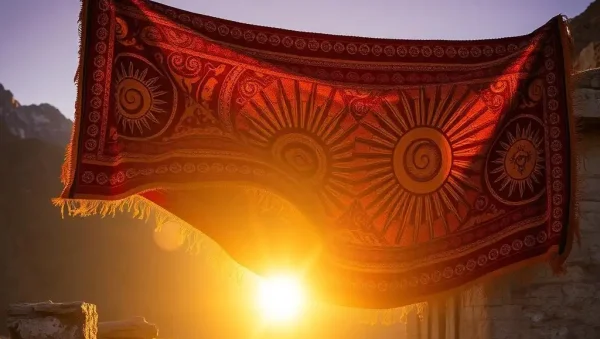
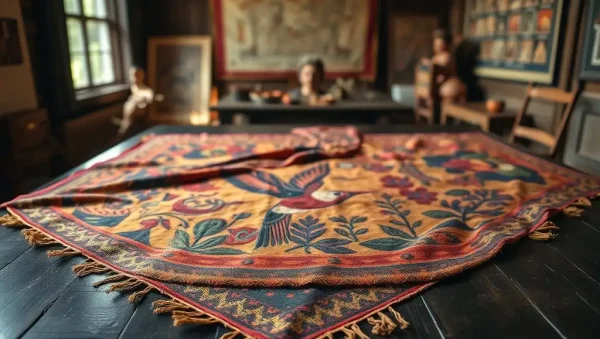
Traditional Andean textiles are rich in visual language. Discover the meaning of geometric patterns, stepped motifs, animals, plants, mountains, celestial symbols, and repeated designs found in Inca and other Andean weaving traditions. Articles explain how pattern interpretation may vary according to region, period, community, and textile purpose.
This section helps readers understand textiles as expressions of worldview and identity. Color, arrangement, scale, and motif selection could communicate social position, local belonging, religious beliefs, or relationships with the landscape. Explore how woven designs connected ancient Andean people to sacred mountains, ancestors, agricultural cycles, and the cosmos.
Learn why textiles were among the most valuable possessions in the Inca world. Inca rulers, nobles, priests, soldiers, and administrators used clothing and fine fabrics to display rank, reward loyalty, conduct ceremonies, and reinforce imperial authority. The finest textiles, including high-quality cumbi, represented exceptional labor and prestige.
Readers will discover how textile production was organized through skilled specialists, state workshops, household labor, and systems connected to the Inca economy. This content examines the relationship between clothing, tribute, diplomacy, and political power, showing how Andean textiles functioned as economic, social, and ceremonial resources.
Explore the garments worn by ancient and traditional Andean communities, including tunics, mantles, skirts, belts, caps, sandals, shawls, and ceremonial headdresses. Articles explain how clothing was adapted to high-altitude climates, regional environments, occupation, age, gender, and social status.
Readers can also learn how textile objects served practical purposes in everyday life. Woven bags, blankets, carrying cloths, cords, and household fabrics supported agriculture, travel, trade, storage, and family life. Andean clothing was both functional and meaningful, reflecting local customs and community identity.
Discover how archaeologists study surviving Andean textiles to reconstruct ancient history. Because many fabrics were preserved in dry coastal environments, they provide valuable evidence about technology, trade routes, artistic styles, agriculture, religion, and social organization among civilizations such as the Moche, Nazca, and Inca.
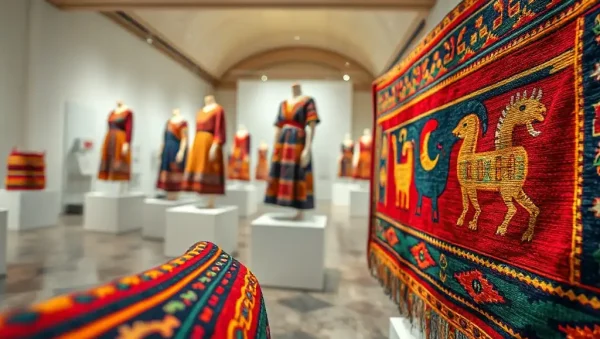
This section also addresses conservation, museum collections, ethical interpretation, and the importance of protecting indigenous cultural heritage. Readers can learn how textile fragments, burial garments, fiber tools, and woven images contribute to the study of Andean civilizations while recognizing the communities that continue these traditions today.
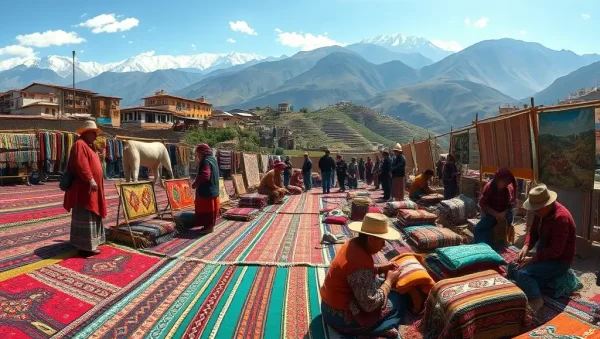
Traditional Andean weaving remains an important living art in Peru, Bolivia, Ecuador, Chile, and Argentina. Explore how contemporary artisans preserve ancestral techniques while adapting designs, materials, and products for modern communities, cultural organizations, museums, and responsible tourism.
Readers will gain a respectful understanding of cultural continuity, artisan knowledge, fair trade, and community-based craft production. Supporting authentic Andean textiles means valuing the people, history, labor, and cultural meaning behind each woven piece rather than treating it as a simple decorative souvenir.
Traditional Andean textiles are woven, embroidered, knitted, knotted, or otherwise crafted fabrics produced by Indigenous communities of the Andes. They include clothing, ceremonial garments, blankets, bags, belts, tapestries, and ritual objects made with materials such as alpaca, llama, vicuña, cotton, and plant fibers.
Textiles represented wealth, authority, identity, and religious significance in Inca society. Fine fabrics could be used as tribute, diplomatic gifts, military rewards, ceremonial clothing, and symbols of social rank. Highly skilled textile production was closely connected to the organization of the Inca state.
Common materials include alpaca wool, llama fiber, vicuña fleece, sheep wool, cotton, and several plant fibers. The material depended on the region, climate, available resources, intended use, and social status of the wearer or owner.
Patterns may represent animals, plants, mountains, sacred landscapes, religious beliefs, community identity, or social position. Their meanings are not always universal, so interpretation should consider the textile’s region, historical period, production context, and cultural tradition.
Buy directly from Indigenous artisans or reputable fair-trade organizations, ask about materials and production methods, and value handmade work appropriately. Supporting cultural preservation, respecting intellectual property, and learning about the meaning of designs are important ways to encourage the continuation of Andean textile heritage.