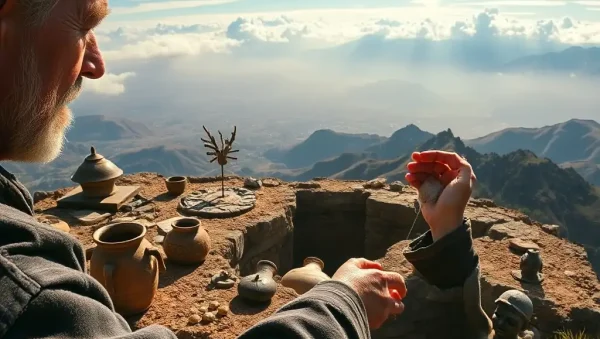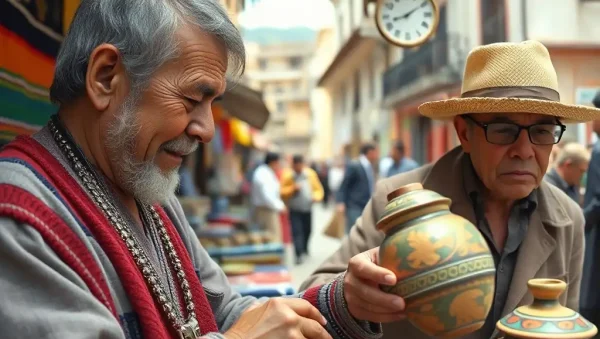
Andean Culture and Crafts

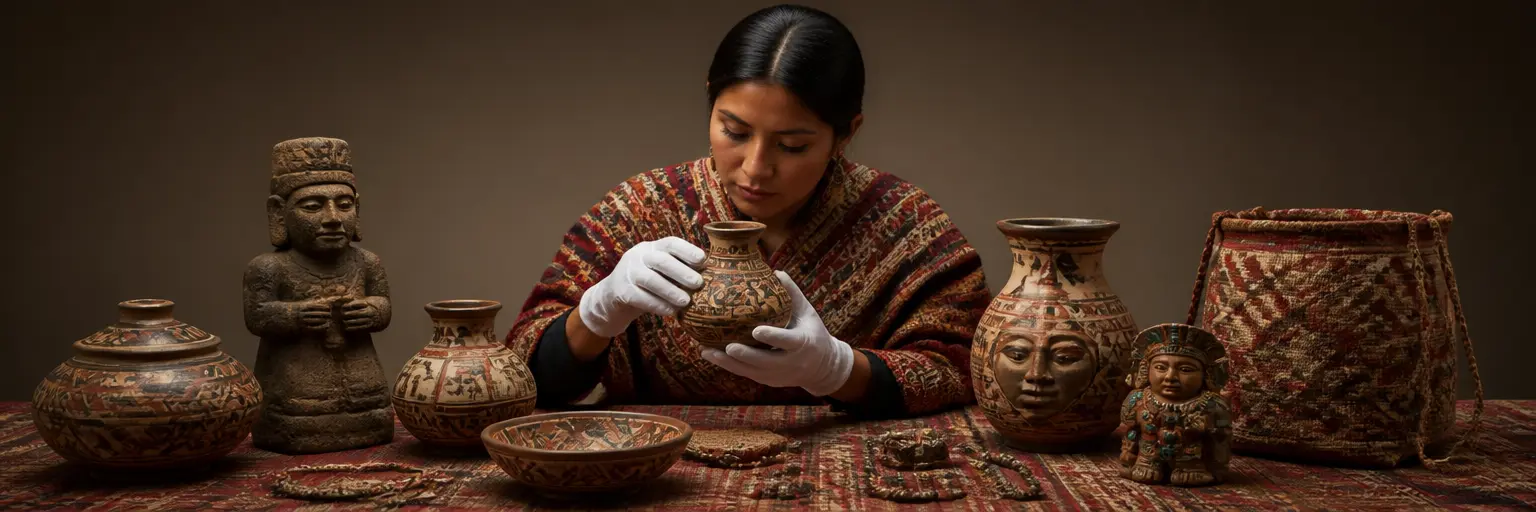
Discover the beauty and legacy of the Andes through authentic Andean art and artifacts 🏺✨. Explore collectible ceramics, textiles, sculptures, jewelry, and cultural treasures inspired by the Incas, Moche, Nazca, and Tiahuanaco civilizations. Each piece offers a unique connection to ancient craftsmanship, symbolism, and history—perfect for collectors, cultural enthusiasts, and anyone passionate about Andean heritage and traditional crafts.
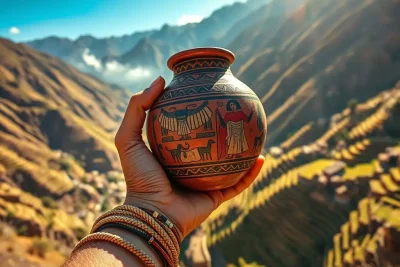
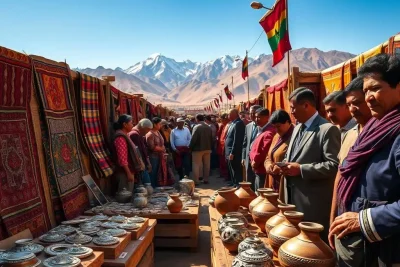
Discover the history, craftsmanship, and cultural meaning behind authentic Andean art and artifacts at Andean Civilizations. This subcategory explores collectible textiles, ceramics, sculptures, jewelry, ritual objects, and archaeological reproductions connected with the Inca, Moche, Nazca, Tiahuanaco, and other ancient Andean cultures. Learn how to identify ethical, legally sourced, and culturally respectful pieces while building a meaningful collection inspired by the artistic traditions of Peru, Bolivia, Ecuador, and the wider Andes.
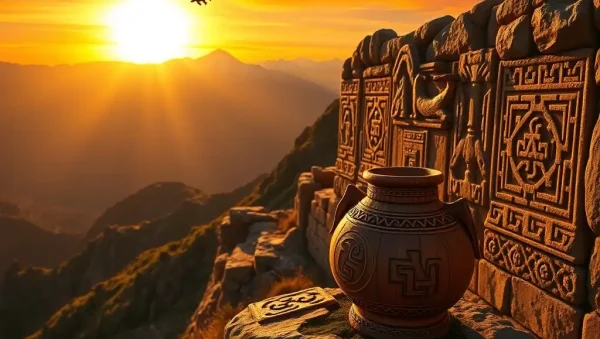
Readers can explore the visual language and historical background of Andean civilizations, including the symbolism found in Inca textiles, Moche ceramics, Nazca designs, Tiahuanaco stonework, and traditional Andean metalwork. Articles explain how materials, motifs, colors, and techniques reveal beliefs about nature, ancestors, social status, agriculture, astronomy, and sacred power.
This section also provides context for distinguishing authentic Andean cultural traditions from modern decorative interpretations. Expect accessible guides to pre-Columbian art history, regional styles, archaeological periods, and the continuing influence of ancient Andean craftsmanship on contemporary Indigenous artists.
Learn how collectors evaluate provenance, materials, construction methods, age, markings, and artistic style when researching Andean artifacts. Guides may cover characteristics of authentic textiles, handmade pottery, stone carvings, silver jewelry, wood objects, and ceremonial replicas associated with ancient Andean cultures.
Because the market includes reproductions, tourist crafts, modern interpretations, and improperly represented antiquities, readers will find practical advice for careful purchasing. Documentation, expert opinions, transparent sellers, and realistic descriptions are essential tools for recognizing valuable and culturally significant pieces.
Responsible collecting begins with respect for archaeological heritage and the communities connected to it. This section explains why buyers should ask about ownership history, export permits, cultural property regulations, and the legal status of antiquities before purchasing Andean art or artifacts.
Readers can also learn how to support ethical artisans, Indigenous artists, museums, conservation projects, and reputable galleries. Choosing contemporary handmade art or documented reproductions can help preserve Andean traditions without contributing to looting, illegal trafficking, or the removal of sacred objects from their cultural context.
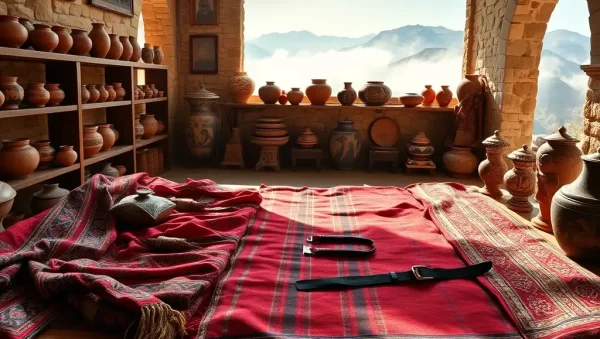
Andean textiles are celebrated for their complex weaving techniques, vibrant colors, geometric patterns, and cultural symbolism. Explore collectible alpaca and llama fiber textiles, woven belts, chullos, blankets, ceremonial fabrics, and contemporary pieces inspired by Quechua and Aymara traditions.
Helpful resources can explain how to assess fiber quality, handwoven construction, natural dyes, pattern regionality, condition, and artisan attribution. Collectors will also discover ways to care for traditional Andean weaving through proper storage, gentle cleaning, humidity control, and protection from direct sunlight.
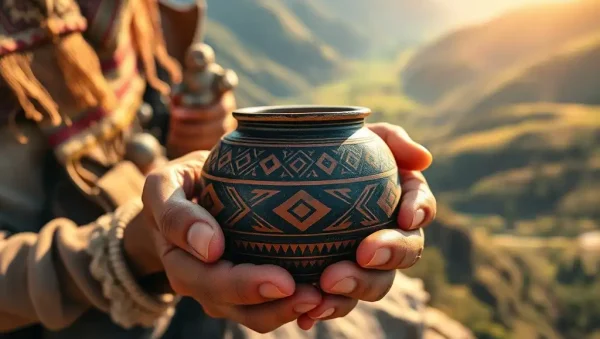
Explore the distinctive forms and imagery associated with major Andean cultures. Moche ceramics are known for expressive portrait vessels and detailed scenes, Nazca pottery often features bold colors and supernatural imagery, while Inca ceramics commonly display geometric designs and finely organized forms.
This section helps readers compare ancient styles with modern studio pottery and museum-quality reproductions. Expect information about sculptural detail, painted decoration, vessel shapes, firing methods, and the importance of clear labeling when a piece is a reproduction rather than an archaeological artifact.
Discover the role of gold, silver, copper, bronze, shell, stone, and semiprecious materials in Andean adornment. Jewelry and decorative objects can reflect social identity, spiritual beliefs, trade networks, and the technical achievements of ancient metalworkers from the Andes.
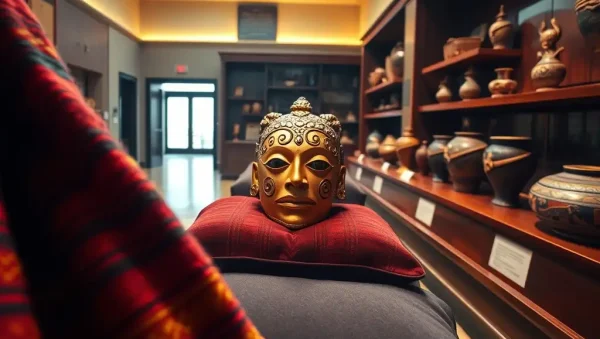
Collectors can learn how to research earrings, pendants, bracelets, ceremonial ornaments, masks, and modern artisan jewelry. Pay attention to craftsmanship, material descriptions, maker information, provenance, and cultural symbolism when selecting pieces for personal collections or educational displays.
Proper conservation helps preserve the beauty and historical value of Andean art. Readers can find guidance on archival storage, safe handling, display lighting, pest prevention, temperature stability, and protection from dust or excessive moisture for textiles, ceramics, metals, wood, and stone objects.
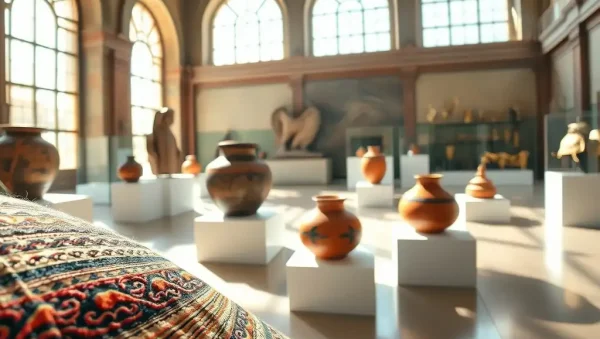
Thoughtful display also enhances cultural appreciation. Use labels that identify the material, region, period, artist, or cultural tradition, and avoid presenting sacred or ceremonial objects as ordinary decoration. A well-documented collection can become a valuable resource for education, cultural preservation, and responsible appreciation.
Collectors can responsibly acquire contemporary Indigenous artwork, artisan textiles, handmade ceramics, jewelry, sculptures, and clearly identified reproductions of ancient Andean objects. Archaeological artifacts should only be considered when their legal ownership, export history, and provenance are thoroughly documented.
Look for consistent provenance, reliable documentation, expert evaluation, appropriate materials, and craftsmanship that matches the claimed culture and period. Be cautious of vague descriptions, unusually low prices, artificial aging, and sellers who cannot explain an object’s ownership history.
Laws vary by country, and many nations strictly protect archaeological materials as part of their national heritage. Before purchasing, verify import and export regulations, request official documentation, and consult a qualified cultural-property specialist or reputable institution.
Yes. High-quality reproductions and contemporary Andean crafts can offer excellent educational and decorative value while supporting artisans and reducing pressure on archaeological heritage. They should always be labeled honestly and not misrepresented as ancient originals.
Keep textiles away from direct sunlight, pests, moisture, and unnecessary handling, using acid-free materials for storage whenever possible. Display ceramics on stable supports and avoid harsh cleaning products; for valuable or fragile objects, seek advice from a professional conservator.