Andean Warfare and Military

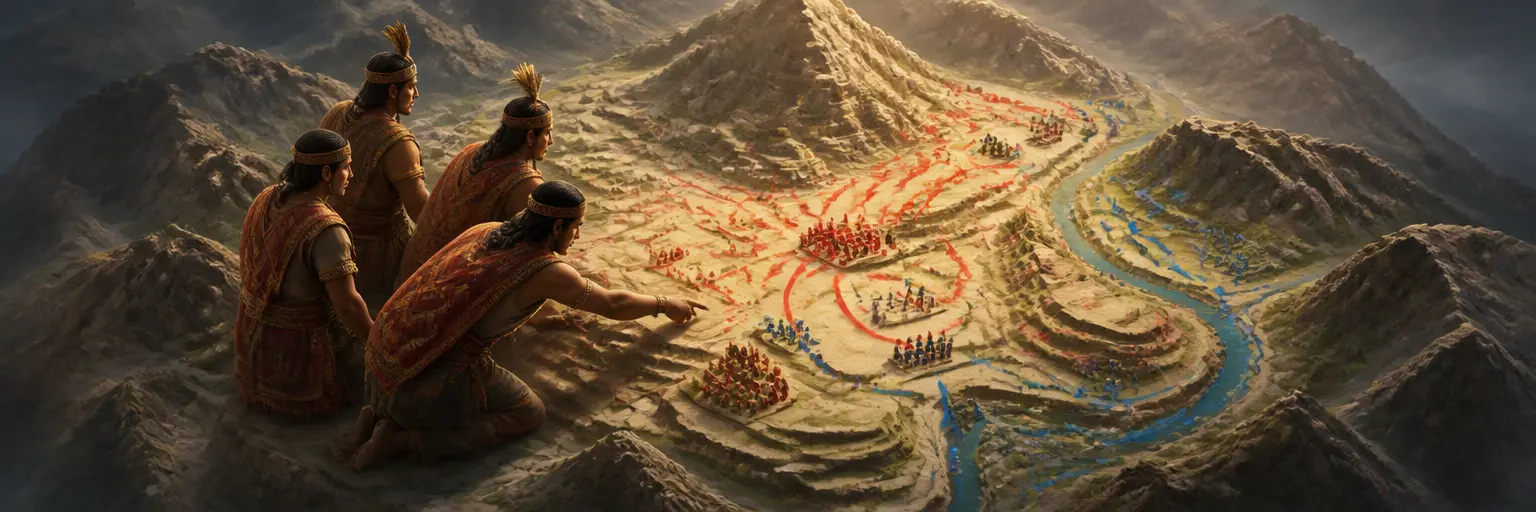
Discover the strategies and tactics that shaped Andean warfare and military history 🛡️⚔️. Explore how Inca commanders and earlier Andean civilizations used terrain, fortifications, alliances, intelligence, disciplined armies, and innovative battle methods to defend territory and expand their influence. Gain fascinating insight into the military organization, leadership, and battlefield techniques that helped shape the history of the Andes.
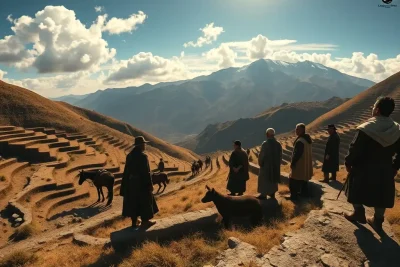
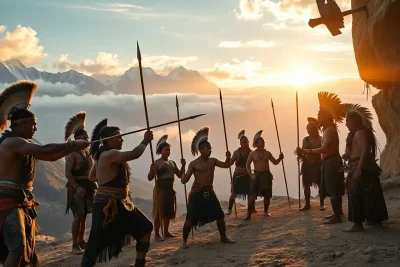
Discover how ancient Andean civilizations planned campaigns, defended territory, and adapted to the challenging landscapes of the Andes. This subcategory explores the military strategies and battlefield tactics of the Inca, Moche, Nazca, Tiahuanaco, and other Andean societies, with attention to leadership, logistics, fortifications, weapons, diplomacy, and the role of geography. Readers can expect accessible, historically informed content about Andean warfare and military organization, supported by archaeological evidence, colonial accounts, and interpretations of ancient landscapes.
The Andes shaped every aspect of military planning. Steep valleys, high plateaus, narrow passes, deserts, forests, and deep ravines influenced troop movement, communication, supply routes, and defensive planning. Articles in this section examine how armies used mountain terrain as a strategic advantage, selecting elevated positions, controlling passes, and protecting vital roads.
Readers will learn how geography affected the timing and direction of military campaigns. Topics may include high-altitude warfare, movement across difficult terrain, the use of natural chokepoints, and the importance of roads and bridges in creating an effective Andean military system.
The Inca Empire developed a highly organized system for mobilizing soldiers, supplies, administrators, and laborers. This section explores how imperial authorities planned expansion, assembled regional forces, appointed commanders, and coordinated campaigns across vast distances. Special attention is given to Inca logistics, military roads, storehouses, and communication networks.
Expect discussions of recruitment, provincial contingents, battlefield command, and the relationship between military conquest and imperial administration. These strategies help explain how the Inca incorporated diverse populations and maintained control over a large and geographically complex empire.
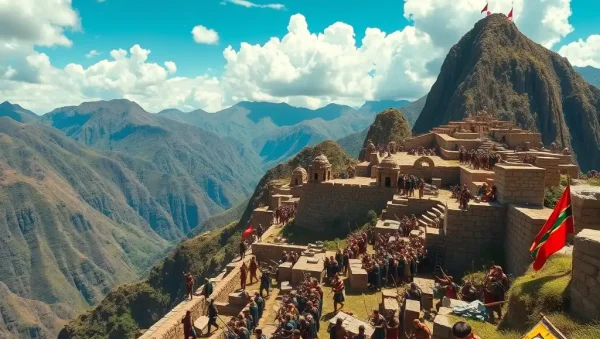
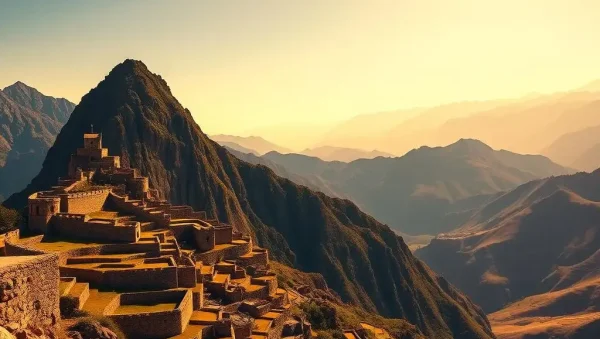
Ancient Andean fortifications reveal sophisticated approaches to defense. Explore hilltop strongholds, walled settlements, terraces, watchpoints, and strategically positioned fortresses associated with Andean civilizations. This content examines how defensive architecture controlled movement, protected communities, and supported long-term resistance.
Readers can discover how walls, gates, elevated platforms, storage facilities, and access routes worked together in a military landscape. The subcategory also considers famous fortified sites and the continuing debate over whether particular structures served primarily defensive, administrative, ceremonial, or multiple purposes.
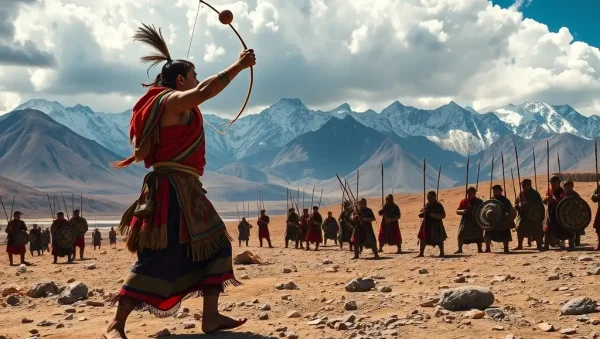
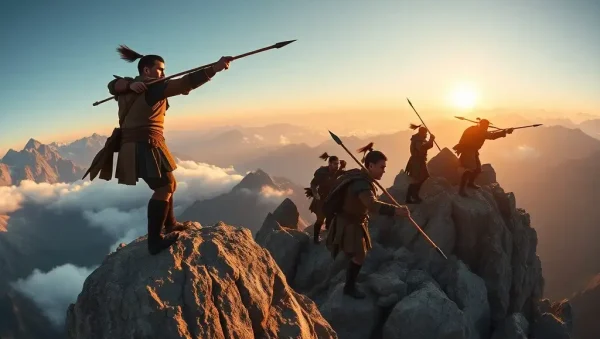
Learn about the weapons and combat methods used in ancient Andean warfare, including slings, spears, clubs, axes, shields, bows, armor, and protective clothing. Articles explain how different weapons suited particular environments and fighting styles, while archaeological evidence provides insight into Andean soldiers, combat equipment, and tactical innovation.
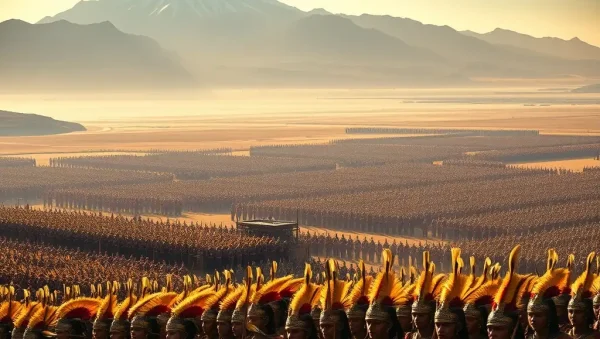
This section also explores formations, ambushes, ranged attacks, close combat, defensive lines, and coordinated assaults. Rather than presenting warfare as a single uniform tradition, the content highlights regional differences among the Inca, Moche, Nazca, Tiahuanaco, and neighboring societies.
Military power in the Andes involved more than direct combat. This section examines diplomacy, marriage alliances, political negotiation, tribute, hostages, intimidation, ritual authority, and the use of symbolic power. These strategies often helped rulers expand influence while avoiding costly battles.
Readers will also explore how rulers projected authority through ceremonies, monumental architecture, military displays, and control of sacred spaces. Understanding these methods provides a broader view of Andean conquest strategies and the relationship between warfare, religion, politics, and imperial identity.
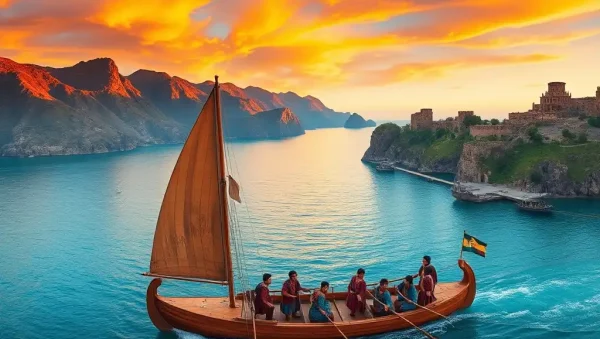
Successful campaigns depended on food, water, weapons, clothing, animals, and reliable communication. Discover how storehouses, roads, bridges, relay stations, and organized labor supported armies in challenging environments. The Inca state is especially notable for its extensive infrastructure and ability to move resources across long distances.
This content explains why logistics were central to Andean military strategy. Readers can learn how supply planning reduced the risks of high-altitude campaigns, how messengers transmitted information, and how administrative systems helped transform regional resources into military strength.
Andean warfare developed over many centuries and differed significantly between regions. Explore evidence for conflict among the Moche, Nazca, Tiahuanaco, Wari, Chavín, and other cultures, including battlefield archaeology, weapon remains, fortified settlements, iconography, and human skeletal evidence.
These articles place military tactics within broader cultural contexts. Readers can compare regional approaches to leadership, ritual combat, territorial expansion, defense, and political control while gaining a clearer understanding of how warfare contributed to the development of ancient Andean civilizations.
Inca military strategies included careful reconnaissance, control of roads and mountain passes, coordinated troop movements, strong logistics, diplomacy, alliances, and the construction or occupation of fortifications. The Inca often combined negotiation with military pressure to expand imperial authority.
Mountainous terrain made geography extremely important. Armies had to manage steep slopes, narrow passes, high altitude, scarce water, and changing climates. Commanders who controlled roads, bridges, valleys, and elevated positions could gain a major strategic advantage.
Common weapons included slings, spears, clubs, stone-headed maces, axes, bows, shields, and protective armor or padded garments. Weapon use varied according to region, period, available materials, and the type of terrain where combat occurred.
Yes. Many Andean societies built or occupied fortified settlements, defensive walls, hilltop strongholds, watchpoints, and protected routes. Some sites had military, administrative, ceremonial, and residential functions at the same time.
No. Warfare also involved defense, political negotiation, control of resources, succession disputes, ritual authority, alliance-building, and the management of rebellious communities. Studying these broader goals reveals the complex relationship between military power and Andean society.