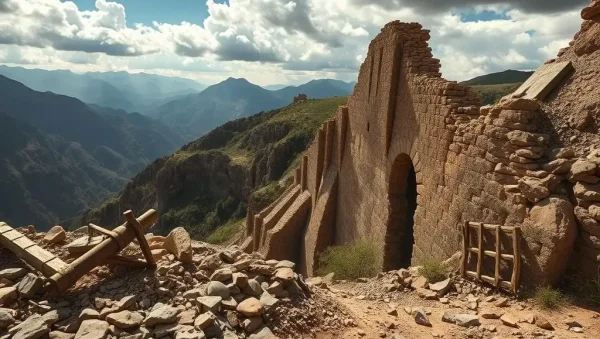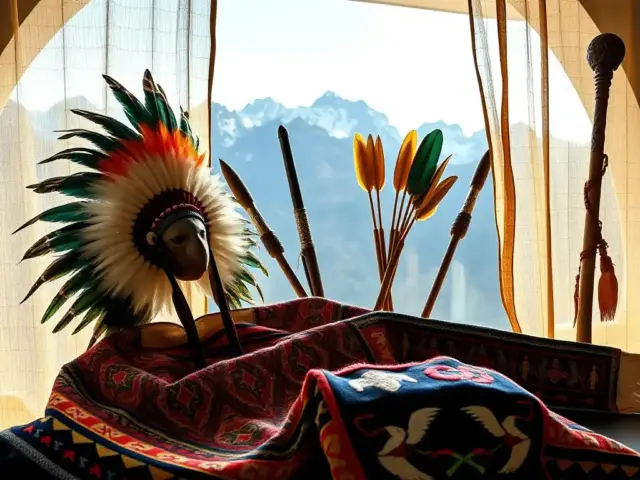
Andean Warfare and Military

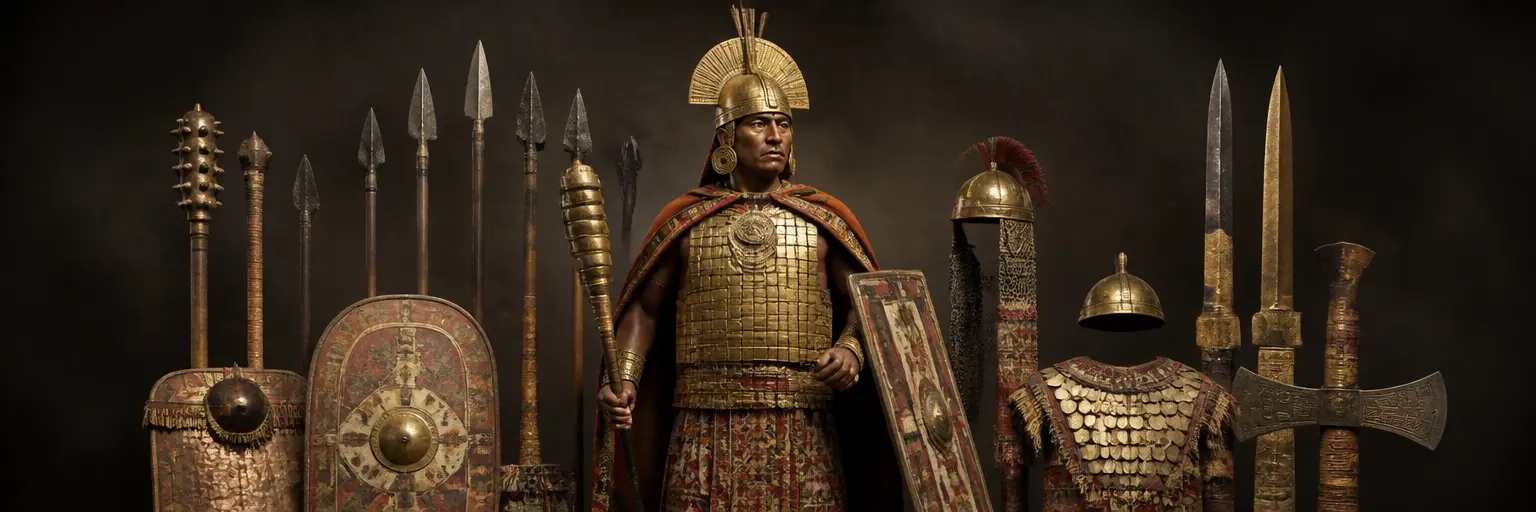
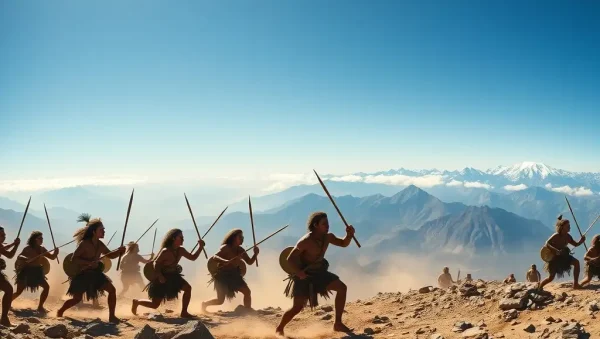
Discover the weapons and armor of Andean warfare, from Inca slings and clubs to protective shields, helmets, and body armor. 🛡️ Explore how ancient Andean civilizations engineered military equipment for defense, conquest, and battlefield strategy, revealing the ingenuity and power of the Inca, Moche, Nazca, and Tiahuanaco cultures. ⚔️ Learn about traditional Andean arms, warrior equipment, materials, and combat technology through the history of South American warfare.
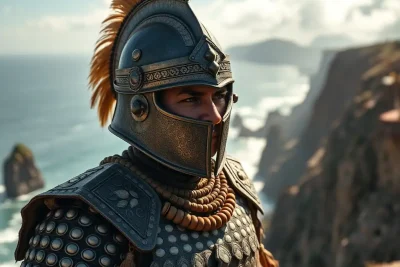
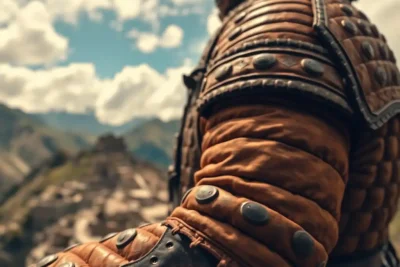
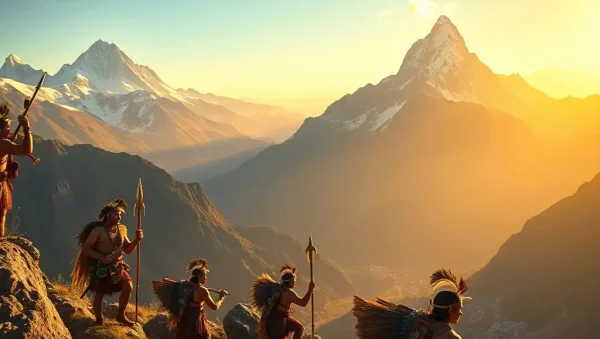
Discover the weapons, armor, and military equipment used by the ancient Andean civilizations, from the powerful Inca Empire to the Moche, Nazca, and Tiahuanaco cultures. This subcategory explores how Andean warriors defended their communities, expanded territories, and expressed social identity through warfare technology. Learn about slings, clubs, spears, bows, shields, helmets, body armor, and siege strategies while examining the materials, craftsmanship, and cultural symbolism behind ancient South American arms.
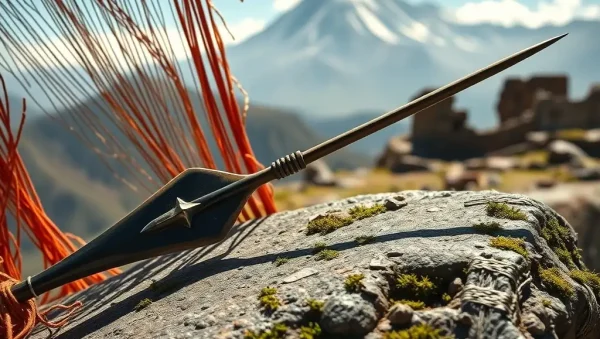
Explore the weapons that supported the expansion and defense of the Inca Empire, including the warak’a sling, macana club, chuki spear, battle axe, and stone projectiles. Inca armies relied on practical weapons adapted to the mountainous terrain of the Andes, where mobility, discipline, and knowledge of narrow valleys were essential to military success.
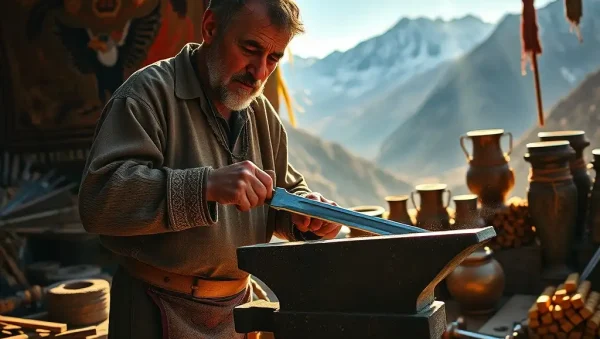
Learn how Inca weapons were produced, transported, and distributed through imperial storehouses and organized military networks. Articles in this section examine the effectiveness of different weapons, the role of specialist craftsmen, and the relationship between Inca warfare, state power, logistics, and territorial expansion.
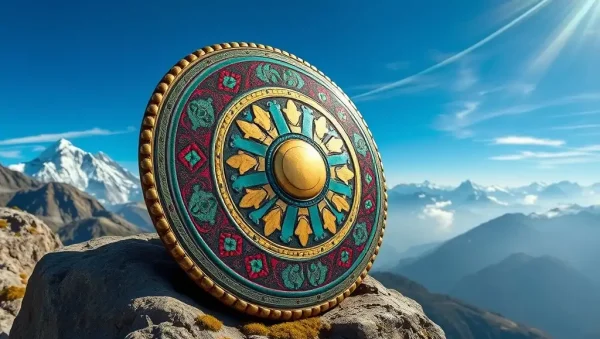
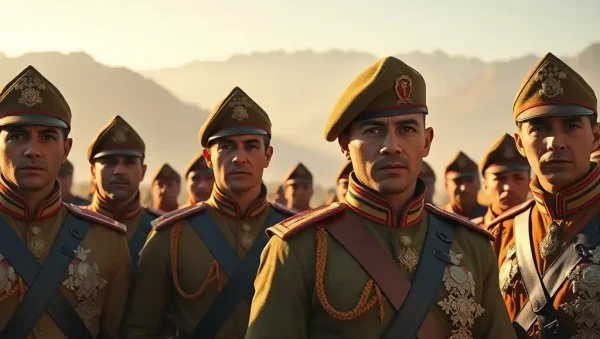
Ancient Andean warriors used a range of defensive equipment designed to protect the body without restricting movement across steep mountain landscapes. Discover padded cotton armor, wooden or hide shields, helmets, protective coverings, and other forms of Andean body armor documented through archaeology, colonial accounts, pottery, textiles, and visual representations.
This section explains how armor varied according to region, period, social status, and military role. Readers can explore the materials and construction techniques used to create protective equipment, as well as the importance of shield designs, helmet decorations, colors, and ceremonial objects in communicating rank and group identity.
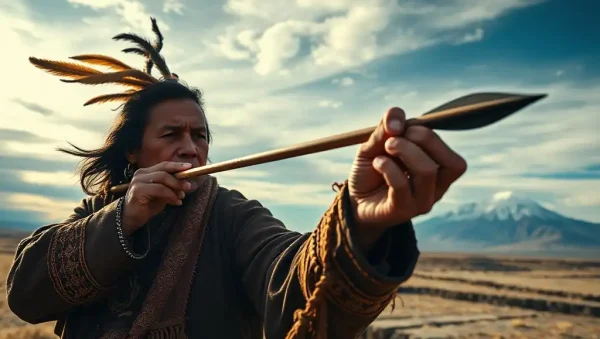
Investigate the importance of long-range weapons in Andean battles, including slings, bows, arrows, darts, and spear-throwing technologies. The sling was especially significant in highland warfare, allowing trained warriors to launch stones with remarkable force across ravines, slopes, and open battlefields.
Discover how projectile weapons influenced battlefield tactics, ambushes, defensive positions, and the control of mountain passes. Detailed content explores ancient Andean military strategy, the selection of ammunition, the training required by warriors, and the environmental advantages provided by high-altitude terrain.
Learn about the close-combat weapons used when opposing forces met at short range. Andean clubs, stone-headed weapons, spears, axes, and ceremonial blades were crafted from wood, stone, copper, bronze, and other locally available materials. Their forms reveal how engineering, craftsmanship, and battlefield needs shaped ancient weapon design.
Readers can compare the functions of practical weapons with those created for ceremony, authority, or ritual display. This section also considers how distinctive weapon types may identify particular regions or cultures, offering insight into Moche weapons, Inca military arms, highland warfare, and ancient Andean combat.
Explore the military equipment and warrior imagery of major Andean civilizations beyond the Inca. Moche ceramics and murals provide detailed scenes of warriors carrying clubs, shields, spears, helmets, and captured enemies. Nazca art and archaeological discoveries reveal additional evidence of weapons, ritual conflict, and regional interaction.
Tiahuanaco and other highland cultures contributed to the development of Andean political and military traditions through long-distance exchange, fortified settlements, ceremonial centers, and organized authority. By comparing these cultures, readers can understand how weapons and armor changed across ancient Andean history while preserving shared artistic and technological traditions.
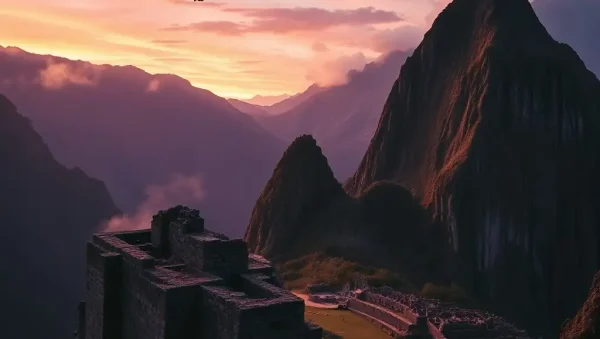
Andean warfare was strongly influenced by geography. Warriors operated in deserts, valleys, high plateaus, tropical foothills, and rugged mountain passes. Discover how weapons and armor were adapted to these environments, and how armies used roads, fortresses, terraces, cliffs, and natural barriers to gain strategic advantages.
This section connects military equipment with broader topics such as Inca roads, fortifications, supply systems, battlefield tactics, alliances, and imperial administration. Understanding the landscape makes it easier to appreciate why certain weapons were effective and how Andean armies coordinated campaigns across challenging terrain.
Inca warriors commonly used slings, clubs, spears, axes, bows, arrows, and stone projectiles. The warak’a sling was particularly important because it was lightweight, easy to carry, and highly effective when used by trained soldiers.
Yes. Some Andean warriors wore protective garments made from thick cotton, along with helmets, shields, and other defensive equipment. Armor varied by region and status, and it was designed to provide protection while allowing movement through difficult mountain terrain.
There was no single weapon used in every situation, but slings, clubs, and spears were among the most important Inca military arms. Their effectiveness depended on the battlefield, the warrior’s training, and the tactics used by the army.
Evidence comes from archaeological discoveries, surviving artifacts, burials, fortifications, textiles, metalwork, pottery, murals, and early colonial descriptions. Moche ceramics and other visual sources are especially useful for identifying ancient Andean weapons, armor, warrior clothing, and combat practices.
Yes. Many weapons had both practical and symbolic meanings. Elaborately decorated clubs, axes, shields, and helmets could represent authority, social rank, religious power, or victory, demonstrating that Andean military equipment was also connected to politics, identity, and ritual.