
Decoding the Symbolism of Andean War Regalia: Beyond Battlefield Utility

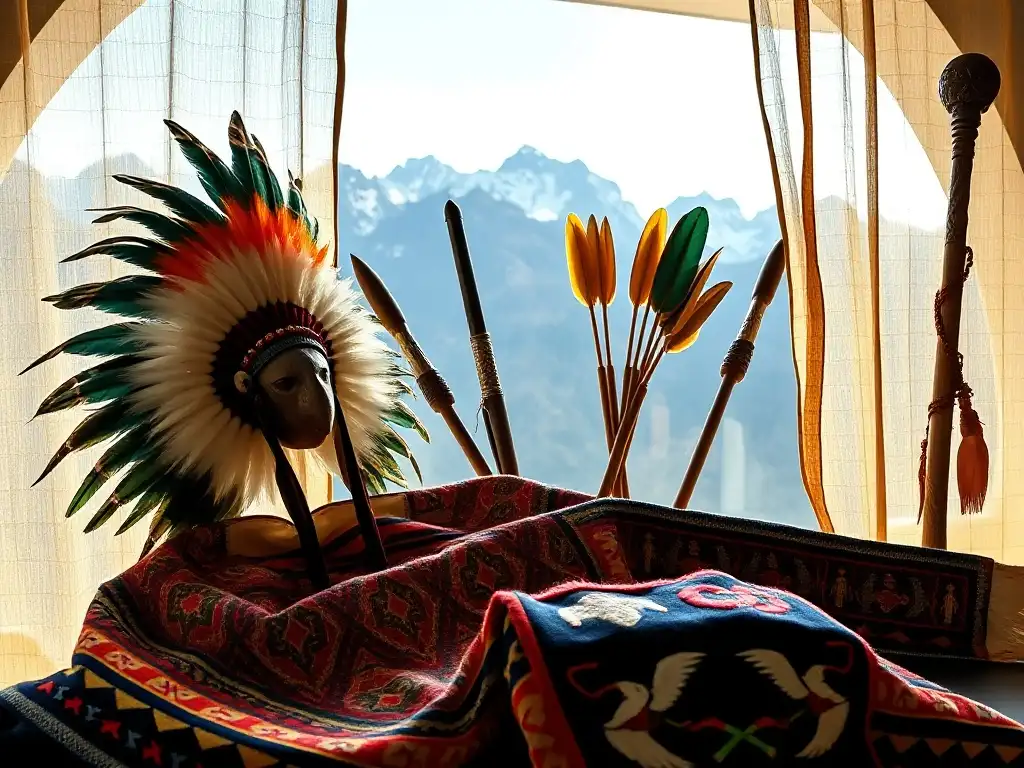
Step into a world lost to time, yet echoing with the power of ancient Andean empires. Prepare to unravel the mysteries behind the intricate symbolism woven into the very fabric of Andean war regalia. Beyond their battlefield utility, these artifacts hold clues to a complex cosmology and social structure. Discover the captivating stories hidden within each feather, each textile, each meticulously crafted piece – and unlock the secrets of Andean warfare. Dare to delve deeper into the meaning of Andean war regalia symbolism and witness the vibrant tapestry of their civilization.
Andean civilizations, renowned for their sophisticated engineering, intricate artistry, and complex social structures, also possessed formidable military capabilities. This article delves into the fascinating world of Andean war regalia, moving beyond its purely functional aspects to explore the rich symbolism embedded within these artifacts.
We will examine how clothing, weaponry, and adornments served not only as tools of war, but also as powerful instruments of social status, religious belief, and political power, reflecting the nuanced cultural landscape of these ancient societies. Understanding the symbolism of Andean war regalia provides crucial insights into the beliefs, values, and societal structures that shaped these remarkable civilizations, offering a deeper appreciation for their complex history.
This exploration will focus primarily on the Inca, Moche, Nazca, and Tiahuanaco cultures, highlighting the unique characteristics of their respective war regalia and the interpretations scholars have proposed. By examining these diverse examples, we aim to unravel the layers of meaning woven into these artifacts, revealing a compelling narrative of Andean warfare and its symbolic significance.
Introduction to Andean Warfare and the Significance of Regalia
Andean warfare wasn't simply a matter of brute force; it was deeply interwoven with religious beliefs, political strategies, and social hierarchies. Military campaigns were often intertwined with rituals and ceremonies, reflecting the spiritual significance attributed to conquest and territorial control. War regalia played a central role in this complex interplay, serving as a visual manifestation of power, authority, and divine favor.
For instance, the Inca, known for their extensive empire, utilized elaborate regalia to project their imperial might and legitimize their rule. Their distinctive attire, weaponry, and ornaments—often adorned with gold, silver, feathers, and textiles—were not merely functional; they were potent symbols of their divine lineage and their right to govern. Similarly, other Andean cultures, such as the Moche, Nazca, and Tiahuanaco, developed their own unique styles of war regalia, each reflecting their specific cultural contexts and beliefs.
The careful craftsmanship and the use of precious materials underscore the high value placed on these items, highlighting their role as powerful symbols beyond their practical use on the battlefield. Detailed analysis of these artifacts reveals intricate designs and iconography which provide clues to the religious and social meanings embedded within them. The study of Andean war regalia, therefore, offers a unique window into the minds and societies of these ancient peoples.
The Multifaceted Roles of Andean War Attire
Andean war attire was far more than mere protection; it was a complex system of visual communication. Clothing, headdresses, and adornments conveyed social status, military rank, and religious affiliation. For example, the use of specific colors, fabrics, and embellishments could distinguish elite warriors from common soldiers. The intricate weaving techniques and the use of rare materials like feathers and precious metals signified high social standing and access to resources.
Furthermore, certain symbols and motifs depicted on clothing and weaponry might have alluded to specific deities or ancestral spirits, invoking their protection and power in battle. The headdresses worn by Andean warriors, often elaborate and imposing, were not only visually striking but also served as powerful symbols of authority and spiritual connection. Many headdresses incorporated feathers from rare birds, signifying prestige and a connection to the supernatural realm.
The careful arrangement of these feathers and other adornments followed specific conventions, which reflected the wearer's social status and military rank within the society. Detailed studies of surviving artifacts, combined with archaeological evidence and ethnohistorical accounts, are helping researchers to decipher the complex meanings embedded within these visually stunning and culturally significant pieces of Andean war attire. This careful consideration of the context and craftsmanship allows for a more nuanced understanding of the multifaceted roles these garments played in Andean societies.
- Introduction to Andean Warfare and the Significance of Regalia
- The Multifaceted Roles of Andean War Attire
Exploring the Symbolic Meanings of Andean Military Garb
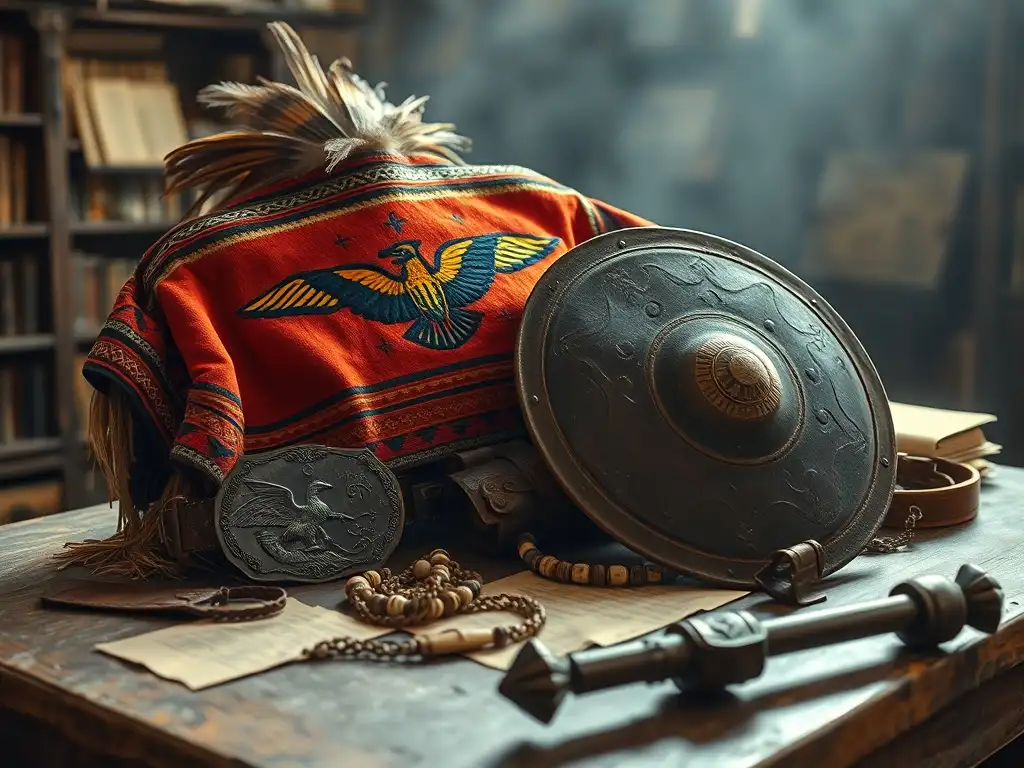
This section delves into the multifaceted symbolism embedded within Andean war regalia, moving beyond its purely functional aspects as protective gear. We'll examine how clothing, weaponry, and adornments served as powerful communicative tools, conveying social status, religious beliefs, and political power within the complex societies of the Andes. Understanding this symbolism provides crucial insight into the intricate social structures and spiritual worldviews of these ancient cultures.
The study of Andean war regalia symbolism reveals a fascinating blend of practical needs and deeply ingrained cultural significance. Analyzing the materials, designs, and context of these artifacts unlocks a richer understanding of Andean warfare and its place within the broader societal fabric.
Andean armor, far from being merely defensive equipment, acted as a powerful visual statement. The materials used, often meticulously crafted from layers of textile, leather, or even metal in some cases, held symbolic weight. For example, the use of specific animal hides, like jaguar or puma, likely signified strength, prowess, and connection to the spirit world.
The intricate weaving techniques employed in textile armor often incorporated complex designs and colors, each potentially carrying specific meanings related to lineage, clan affiliation, or achieved status within the warrior class. Consider the elaborate tunics and breastplates found in some Moche burials: The vibrant colors and intricate designs, often depicting deities or mythical creatures, suggest a powerful link between the warrior's physical protection and their spiritual well-being.
These weren't simply garments; they were imbued with spiritual power, enhancing the warrior's effectiveness on the battlefield and reinforcing their social standing. The craftsmanship itself also played a role; the time and skill required to create such elaborate armor underscored the wearer's high status and the community's investment in their military might.
Iconography and Power: Decoding Images on Andean War Regalia
The iconography adorning Andean war regalia offers invaluable clues to understanding its symbolic meaning. Depictions of deities, mythical creatures, and stylized symbols were frequently incorporated into the design of armor, weapons, and headdresses. For instance, the recurring motif of the feline deity in Moche iconography, often seen on weaponry and ceremonial clothing, suggests a connection between military power and supernatural forces.
Similarly, the use of specific colors—like red, often associated with blood and sacrifice, or gold, representing the sun and divine power—holds significant symbolic weight. Analyzing the placement and context of these images reveals deeper layers of meaning. A warrior's headdress featuring a specific deity might indicate a particular clan affiliation or a claimed connection to that deity's power.
The detailed study of these images, often requiring careful examination and comparison across different artifacts and cultures, is vital to unraveling the complex tapestry of Andean war regalia symbolism. Further research is needed to fully decode the nuanced meanings of many of the symbols, but preliminary studies suggest a complex interplay of religious belief, social status, and military prowess.
Feathered Headdresses: Symbolism of Status and Divine Connection
Feathered headdresses were highly significant components of Andean war regalia, representing not only status and power but also a connection to the divine realm. The types of feathers used, their arrangement, and the overall design of the headdress all contributed to its symbolic meaning. Rare and brightly colored feathers, such as those of macaws or hummingbirds, were highly valued and often reserved for elite warriors or religious leaders.
The elaborate craftsmanship involved in creating these headdresses, often requiring extensive time and skill, underscored their importance as symbols of high status and social standing. Furthermore, the use of feathers, often associated with birds—powerful symbols in many Andean cultures—linked the wearer to the spiritual world, enhancing their perceived authority and military prowess. The size and complexity of the headdress often correlated with the wearer's rank and achievements, making it a highly visible marker of social hierarchy within the Andean military structure.
The intricate designs and color combinations within these headdresses often mirrored those seen in other aspects of Andean art and culture, further reinforcing their connection to broader religious and social beliefs. Detailed analysis of these headdresses, considering their regional variations and the specific materials used, is crucial for a comprehensive understanding of their symbolic significance within the broader context of Andean warfare.
Metalwork and Adornments: Reflecting Wealth and Skill in Andean Warfare
Andean war regalia wasn't merely functional; it was a powerful statement of social status, military prowess, and spiritual connection. Metalwork, particularly in the case of the Inca and earlier cultures like the Moche, played a crucial role in conveying these messages. The intricate craftsmanship evident in weapons, armor, and decorative elements showcased not only the technical skill of the artisans but also the wealth and power of the warrior or leader who possessed them.
Gold, silver, and copper, often inlaid with precious stones like turquoise and lapis lazuli, were highly valued materials, reflecting the wearer's access to resources and their position within the social hierarchy. The more elaborate the metalwork, the higher the status of the warrior.
For instance, the intricate gold and silver helmets and breastplates found in Moche tombs, often depicting stylized figures and mythical creatures, are prime examples of this. These weren't simply protective gear; they were works of art intended to inspire awe and fear in enemies and to reinforce the power of the Moche elite. Similarly, the Inca, while utilizing less gold due to its association with the sun god Inti, still employed silver and copper extensively in their weaponry and regalia.
The craftsmanship of Inca weaponry, though less flamboyant than that of the Moche, demonstrated a high level of technological sophistication and control over metalworking techniques. The meticulous detail in the shaping and finishing of weapons underscores the importance placed on their quality and symbolic meaning.
The use of metal in Andean war regalia also extended beyond weaponry. Adornments such as ear spools, nose rings, and pectorals, often made of precious metals, were integral components of a warrior's attire. These items were not only decorative; they often contained symbolic imagery related to power, fertility, and ancestor veneration, further reinforcing the wearer's social standing and spiritual authority within the community.
The careful selection and arrangement of these adornments were significant, reflecting a deep understanding of Andean cosmology and beliefs. The symbolic power of these metal ornaments extended beyond the battlefield, influencing the warrior's identity and social interactions both in and outside of combat.
The skill and precision involved in crafting these pieces reinforced the prestige associated with Andean warfare and its participants. The sheer artistry involved in creating these pieces further emphasizes their significance as more than mere functional items; they were powerful symbols of status, skill, and spiritual connection within Andean society.
Materials and Techniques in Andean War Regalia Creation
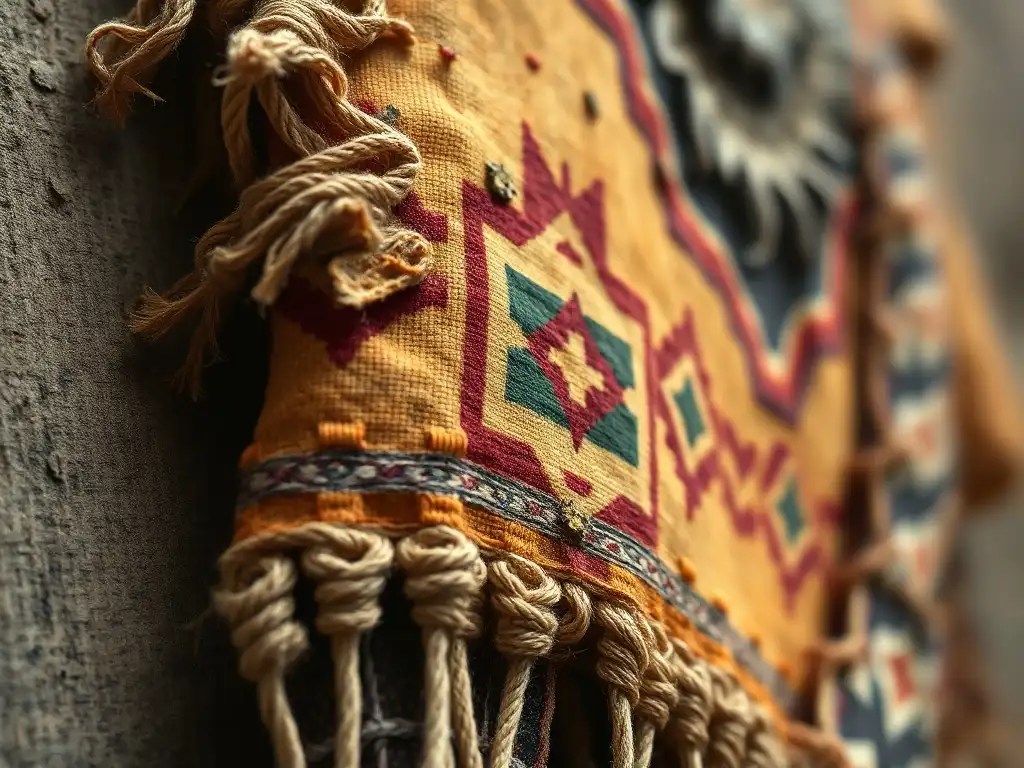
The creation of Andean war regalia was a complex process, reflecting the sophisticated technology and artistic sensibilities of the various Andean cultures. The symbolism embedded within these items wasn't merely decorative; the meticulous selection of materials and the intricate techniques employed directly contributed to their meaning and power. Understanding these aspects is crucial to deciphering the deeper symbolism of Andean war regalia.
Sourcing Materials: Precious Metals, Feathers, and Textiles
The materials used in Andean war regalia were carefully chosen, often reflecting both practical considerations and symbolic significance. Precious metals like gold and silver, sourced from Andean mines, were highly valued and frequently incorporated into weaponry, headdresses, and ceremonial garments. The malleability of gold allowed for intricate designs, while silver's reflective qualities added a further layer of visual impact. For example, the Moche culture is known for its exquisite goldwork, often depicting scenes of warfare and ritual sacrifice in finely crafted ornaments worn by warriors.
Beyond metals, feathers played a vital role. Brightly colored plumes from exotic birds like macaws and hummingbirds were highly prized, representing power, prestige, and spiritual significance. These feathers were meticulously arranged on headdresses, cloaks, and other regalia, creating visually stunning and symbolically potent displays. The intricate arrangement of feathers, often following specific patterns and designs, further enhanced their symbolic meaning, differing across various Andean cultures and potentially indicating rank or affiliation.
Textiles also constituted a significant component of Andean war regalia. Woven fabrics, often crafted from alpaca or llama wool, served as the base for many garments and adornments. The intricate weaving techniques, incorporating complex patterns and designs, served not only practical purposes but also communicated social status, clan affiliation, and religious beliefs.
The vibrant colors and sophisticated designs found in these textiles add another layer of complexity to the interpretation of Andean war regalia symbolism. The use of specific dyes, derived from natural sources, further contributes to the rich visual vocabulary of these artifacts. For instance, the use of deep reds might represent blood and sacrifice, while blues and greens could symbolize the earth and fertility.
Craftsmanship and Artistic Expression in Military Attire
The craftsmanship involved in creating Andean war regalia was exceptional. Highly skilled artisans, often specializing in specific techniques, dedicated immense time and effort to producing these items. The level of detail and precision displayed in surviving examples is truly remarkable. From the intricate metalwork of the gold and silver ornaments to the precise weaving of the textiles and the careful placement of feathers, every element contributed to the overall aesthetic and symbolic impact of the regalia.
Consider the intricate designs often found on weaponry. The patterns and motifs incorporated into the surfaces of clubs, spears, and other weapons were not merely decorative. They often featured symbolic representations of deities, animals, or other powerful figures, imbuing the weapons themselves with spiritual power and reinforcing the warrior's connection to the supernatural realm.
This artistic expression wasn't limited to weapons; shields, too, were often adorned with elaborate designs, further enhancing their symbolic and protective qualities. The level of detail and artistry involved in creating these items speaks volumes about the importance placed on warfare and military prowess within Andean societies.
The Role of Andean Artisans in Producing War Regalia
The production of Andean war regalia was not simply a matter of crafting functional items; it was a highly specialized and socially significant activity. Highly skilled artisans, often working within specialized workshops or under the patronage of elites, played a crucial role in creating these objects. Their expertise was highly valued, and their work was deeply intertwined with the religious and political life of their communities.
The Andean artisans were not simply executing designs; they were actively participating in the creation of powerful symbols that reinforced social hierarchies and religious beliefs. Their work, therefore, extended beyond mere craftsmanship; it was a form of artistic expression that served to consolidate power and legitimize authority. The knowledge and skills passed down through generations of artisans ensured the continuity of these traditions and the preservation of the symbolic language encoded within Andean war regalia.
The social status and respect afforded to these artisans highlight the profound cultural significance of their work and its contribution to the understanding of Andean war regalia symbolism. Further research is needed to fully understand the social organization of these artisan workshops and their relationship to the ruling elites. [Specific information pending: details on artisan social structure and workshop organization in different Andean cultures].
Case Studies: Specific Examples of Andean War Regalia and their Symbolism
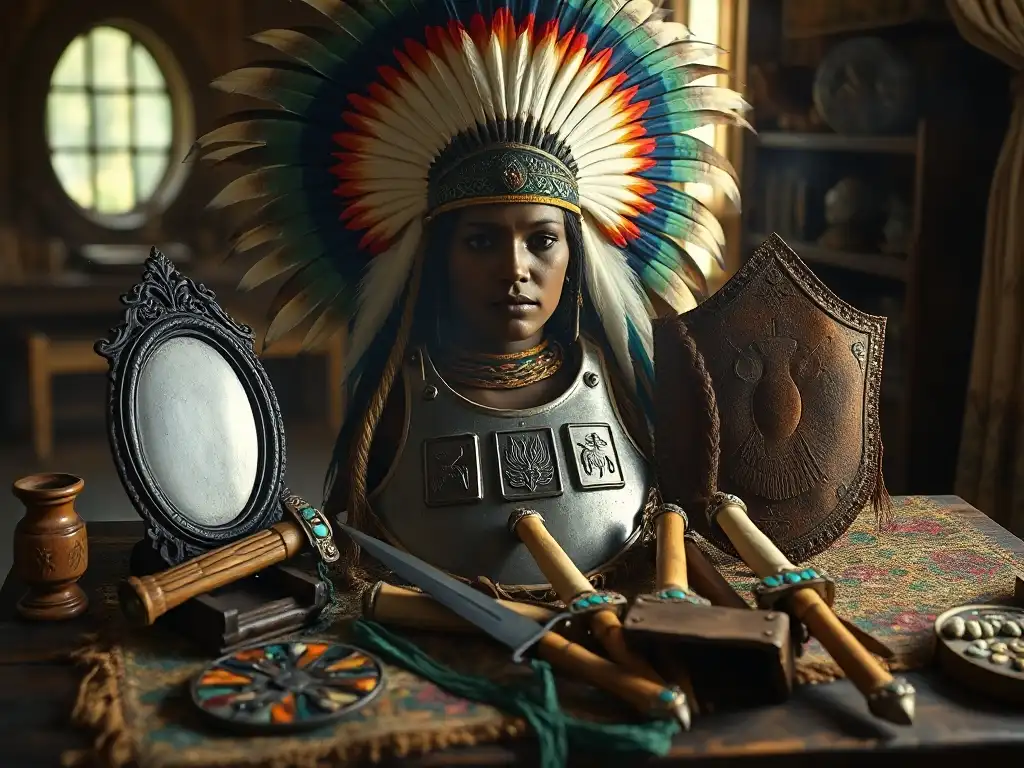
This section delves into specific examples of Andean war regalia, analyzing their symbolic significance beyond their purely functional military roles. Understanding the intricate symbolism woven into these artifacts provides crucial insights into the social structures, beliefs, and power dynamics of these ancient civilizations. The careful craftsmanship and deliberate choices of materials and designs reveal much about the worldview of the Andean warrior societies.
We'll explore several key examples, highlighting the rich tapestry of meaning embedded within these pieces of Andean war regalia. The careful study of these artifacts allows us to better understand the complex relationship between warfare, identity, and spirituality in the Andes.
The Moche Warrior Attire: A Detailed Analysis
The Moche civilization (c. 100-800 CE) is renowned for its sophisticated metalworking and pottery, which vividly depict scenes of warfare and the attire of warriors. Moche warrior attire wasn't simply practical; it was a powerful statement of status, prowess, and connection to the supernatural. Analysis of Moche ceramics shows warriors adorned with elaborate headdresses, often featuring stylized felines, birds of prey, or other powerful animals. These weren't merely decorative; they likely represented specific clans, deities, or achieved status within the Moche military hierarchy.
For example, a common motif is the depiction of warriors wearing elaborate headdresses incorporating jaguar imagery. The jaguar, a powerful and feared animal in the Andean worldview, likely symbolized strength, ferocity, and shamanistic power. The presence of such imagery on the warrior's attire suggested a connection to these potent forces, enhancing their intimidating presence on the battlefield and reinforcing their social standing.
Furthermore, the use of specific colors – such as red (often associated with blood and sacrifice) and yellow (representing the sun and royalty) – further amplified the symbolic power of the regalia. The meticulous detail in Moche pottery allows us to appreciate the complexity and careful thought given to these designs, confirming their profound symbolic significance. Further research into specific Moche burial sites could reveal even more nuanced interpretations of their warrior attire.
Inca military uniforms, unlike those of the Moche, appear to have been more standardized, reflecting the highly centralized and hierarchical nature of the Inca Empire (c. 1438-1533 CE). While less visually striking than some Moche examples, Inca regalia was nonetheless rich in symbolism, particularly concerning social rank and military function. The tupu, a distinctive type of head ornament, for instance, varied in design and materials depending on the warrior's rank and role within the army.
High-ranking officers might have worn tupus made of gold or silver, adorned with feathers and precious stones, while lower-ranking soldiers wore simpler versions made of wool or other readily available materials. The use of specific colors and materials also conveyed meaning. Red and yellow, as in Moche culture, likely signified power and authority, while other colors might have indicated specific military units or specializations. The llanta, a type of woven headband, also served as a powerful symbol of military status and social standing.
The intricate weaving techniques and the use of specific dyes provided additional layers of meaning. The study of Inca textiles, particularly those associated with military personnel, offers valuable insights into the sophisticated symbolism employed by the Inca state to reinforce its power and social hierarchy. Further investigation into Inca administrative records, if available, could illuminate the specific regulations regarding military attire and its symbolic significance.
Regional Variations in Andean War Regalia Symbolism
Andean war regalia wasn't uniform across all cultures and regions. Significant variations existed, reflecting the diverse beliefs, social structures, and artistic styles of different Andean societies. The Tiahuanaco culture (c. 500-1000 CE), for example, displayed a distinct artistic style in their representations of warriors and their attire.
Their intricate textiles and stone carvings often feature stylized figures, geometric patterns, and religious iconography, suggesting a strong emphasis on religious and ritualistic aspects of warfare. The Nazca culture (c. 100 BCE-500 CE), known for their remarkable geoglyphs, also had a unique style of depicting warriors and their regalia, often highlighting elements of their specific environment and beliefs.
Unlike the Moche emphasis on animal imagery, Tiahuanaco and Nazca regalia may have emphasized abstract designs and symbols related to their specific religious beliefs and cosmological views. Detailed analysis of surviving artifacts, including textiles, pottery, and stone carvings, is crucial for understanding these regional variations and their symbolic meanings. Unfortunately, much of the information related to specific regional variations in Andean war regalia symbolism remains fragmented and requires further research to understand the complete picture.
A comparative study of the available archaeological evidence from different Andean regions is essential to create a more comprehensive understanding of the diversity and complexity of Andean war regalia symbolism. The collection and detailed analysis of new archaeological data will be critical in filling these gaps in our knowledge.
The Legacy and Interpretation of Andean War Regalia
The study of Andean war regalia offers a captivating glimpse into the complex social, political, and spiritual structures of pre-Columbian societies. More than mere battlefield tools, these artifacts—ranging from intricately crafted weaponry to elaborate headdresses and ceremonial garments—served as potent symbols of power, status, and religious belief. Understanding their symbolism requires a multifaceted approach, integrating archaeological findings with ethnographic studies and a nuanced awareness of the diverse cultures that inhabited the Andes.
The enduring legacy of Andean war regalia is not solely confined to museums and academic discourse; its imagery continues to resonate in contemporary Andean art, providing a tangible link between past and present. Analyzing the craftsmanship, materials, and iconography reveals a wealth of information about warfare practices, social hierarchies, and the worldview of these ancient civilizations.
For instance, the use of specific feathers in headdresses, or the depiction of certain deities on weaponry, could signify a warrior's lineage, military rank, or even their connection to a particular deity or ancestral spirit. The detailed analysis of these artifacts provides crucial data to understand the "Andean war regalia symbolism."
Preserving Andean Artifacts: Insights into Ancient Warfare
The preservation of Andean artifacts is paramount to understanding their symbolism. Careful excavation techniques, meticulous cataloging, and environmentally controlled storage are crucial for preserving the delicate textiles, metals, and organic materials often found in these items. Many significant discoveries have come from well-preserved sites with minimal disturbance, yielding exceptionally detailed insights into the construction and significance of the regalia.
For example, the discovery of a complete warrior's burial in [Specific Site Name Pending] revealed a remarkable collection of artifacts, including a finely crafted mace with intricate carvings depicting [Specific Deity or Scene Pending], providing valuable information about religious beliefs and military hierarchy. The condition of the artifacts themselves—signs of wear and tear, repair attempts, or intentional damage—can also offer clues about their use and importance in the context of warfare. The painstaking work of archaeologists and conservators directly contributes to our understanding of Andean war regalia symbolism.
Without these efforts, much of the subtle detail and nuanced meaning would be lost to time. Furthermore, detailed records of the context of discovery—location within a site, association with other artifacts, etc.—are critical for understanding the broader implications of the regalia's symbolism.
Modern Interpretations and the Continuing Relevance of Andean Symbolism
The symbolism embedded within Andean war regalia continues to hold significance in modern interpretations. Contemporary Andean artists frequently draw inspiration from pre-Columbian designs, reinterpreting traditional motifs in new and innovative ways. This ongoing engagement with the past serves as a powerful reminder of the enduring cultural legacy of these civilizations and the richness of their artistic expression.
The imagery associated with ancient Andean weaponry and ceremonial attire is often incorporated into contemporary textiles, jewelry, and other forms of artistic expression. This appropriation is not merely a superficial borrowing of aesthetic elements; rather, it represents a conscious effort to connect with ancestral traditions and reclaim a sense of cultural identity. The use of these symbols in contemporary contexts reflects a deep understanding of their historical significance and speaks to the resilience of Andean cultural heritage.
This contemporary relevance underscores the long-lasting impact and the continuing power of the "Andean war regalia symbolism." The ongoing interest in, and reinterpretation of, these symbols highlights their enduring cultural potency.
Conclusion: The Enduring Power of Symbolism in Andean Military Culture
The study of Andean war regalia provides a compelling window into the complex interplay of military might, religious belief, and social organization within ancient Andean societies. The artifacts themselves are not just functional objects; they are powerful symbols that communicate intricate social meanings.
From the careful selection of materials to the meticulous craftsmanship and detailed iconography, every aspect of these objects reflects a deep understanding of the world and the place of warfare within it. The enduring legacy of Andean war regalia transcends the battlefield; its symbolism continues to resonate in contemporary Andean culture, serving as a potent reminder of the rich and complex history of the region.
The ongoing research and preservation efforts aimed at understanding "Andean war regalia symbolism" ensure that the voices and stories of these ancient civilizations will continue to be heard and appreciated for generations to come. The continued study of these artifacts offers valuable insights into the dynamic relationship between material culture, social structures, and spiritual beliefs in the Andean world.
Frequently Asked Questions
What is Andean war regalia?
Andean war regalia refers to the clothing, weaponry, and adornments used by ancient Andean warriors. It went beyond mere battlefield utility, serving significant symbolic and ritualistic purposes. These items often reflected the warrior's status and power.
What symbols were commonly depicted on Andean war regalia?
Common symbols included animals like jaguars and condors, representing strength and power. Geometric patterns and deities also featured prominently, conveying messages of religious beliefs and social status. The specific symbols varied across different cultures.
The quality and quantity of regalia indicated a warrior's rank and importance within their society. Elaborate headdresses, fine textiles, and precious metals signified high status, while simpler items denoted lower ranks. Material and craftsmanship were key indicators.
What was the purpose of the symbolism in Andean war regalia beyond practical use?
The symbolism served to intimidate enemies, reinforce group identity, and connect warriors to the spiritual world. It played a crucial role in rituals and ceremonies, reinforcing their social and religious beliefs. The regalia was more than just equipment.
How did the symbolism vary between different Andean cultures?
While some common themes existed, the specific symbolism varied considerably across cultures like the Inca, Moche, Nazca, and Tiahuanaco. Each culture developed its unique iconography, reflecting their distinct beliefs and traditions. Regional differences are also apparent.
Final Reflection: Unraveling the Echoes of Andean Power
The vibrant symbolism woven into Andean war regalia remains a potent force, echoing across centuries and speaking volumes about the complex societies that created them. These weren't merely functional items; they were powerful statements of identity, spirituality, and social hierarchy, continuing to resonate in contemporary interpretations of Andean history and culture. Understanding this deeper meaning unlocks a richer understanding of the past and its enduring legacy.
The enduring influence of Andean war regalia symbolism is undeniable, shaping our understanding of pre-Columbian societies and their intricate relationship with the spiritual and physical worlds. It compels us to move beyond a purely utilitarian view of these artifacts, recognizing their profound symbolic weight. As the anthropologist, R.T. Zuidema, once noted, The Inca state was not merely a political organization but a cosmic order reflected in its material culture.
This statement perfectly encapsulates the interwoven nature of power, religion, and material culture in the Andean world, a complexity mirrored in the intricate designs and materials of the regalia itself.
Consider the intricate details, the carefully chosen materials, the painstaking craftsmanship – each element speaks to a deeper meaning, a story waiting to be uncovered. You, the reader, are now equipped with a new lens through which to view these remarkable artifacts.
I encourage you to seek out further examples of Andean war regalia, to delve deeper into the research, and to contemplate the enduring power of symbolism in shaping our understanding of the past and informing our present. Let these echoes of Andean power inspire you to explore the rich tapestry of human expression and the enduring legacy of those who came before.
**Unveil the Rich Heritage of Andean War Regalia! **
Thank you for exploring the fascinating world of Andean war regalia with us! You've gained valuable insights into the symbolism and cultural significance of these remarkable artifacts. Now, let's delve even deeper into this rich heritage.
Here's how you can continue your journey:
- **Expand your knowledge:** Explore our extensive collection of articles on Andean history and symbolism. Discover how these ancient cultures shaped their worldviews and identities.
- **Join the conversation:** Connect with us and other enthusiasts on social media. Share your favorite aspects of Andean regalia and invite your friends to explore its rich symbolism!
- **Engage with the art:** Look for workshops or events that showcase Andean arts and crafts. Experience the creativity firsthand and connect with other people who share your interest.
What insights into the values and priorities of these ancient civilizations do you glean from the symbolism of Andean war regalia? We'd love to hear your thoughts!