Learning About Andean Civilizations

Step into the past and discover remarkable archaeological sites you can visit across the Andes 🏛️. Explore ancient temples, ceremonial centers, cliffside settlements, and mysterious earthworks connected to the Incas, Moche, Nazca, and Tiahuanaco. Find travel inspiration, historical context, cultural insights, and practical tips for experiencing these extraordinary landmarks while gaining a deeper understanding of Andean civilization and heritage. ✨
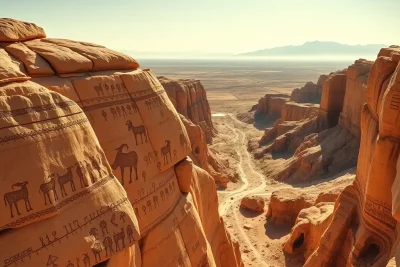
Discover the most remarkable archaeological sites you can visit in the Andes and explore the surviving monuments of ancient Andean civilizations. From Inca citadels and ceremonial centers to Moche pyramids, Nazca geoglyphs, and Tiahuanaco temples, these destinations offer an extraordinary journey through South American history, archaeology, architecture, religion, and technology. Learn what makes each site significant, what travelers can expect, and how to plan a respectful and memorable visit.
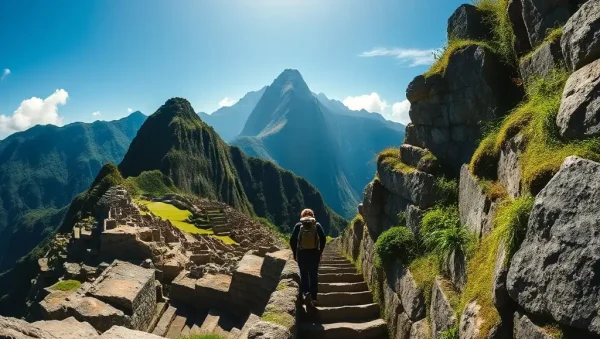
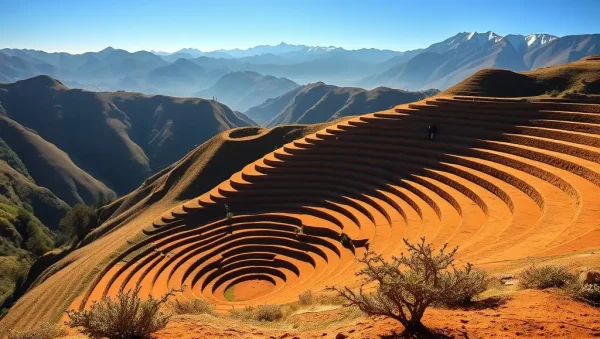
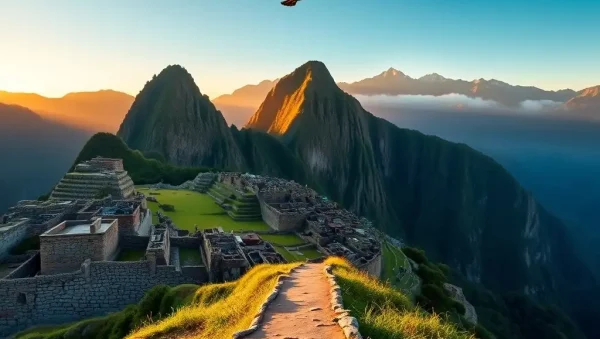
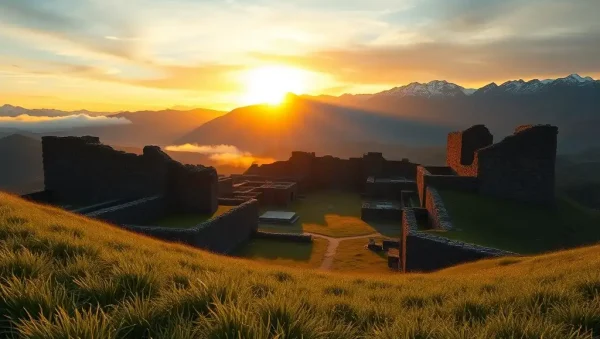
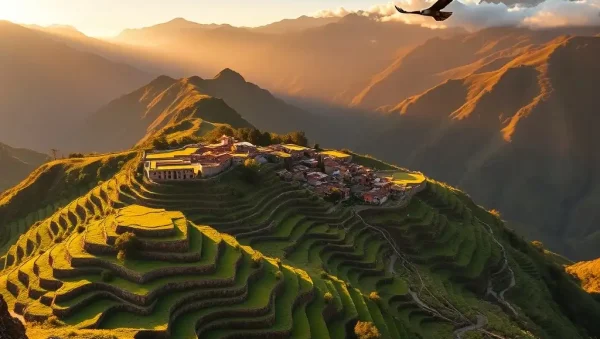
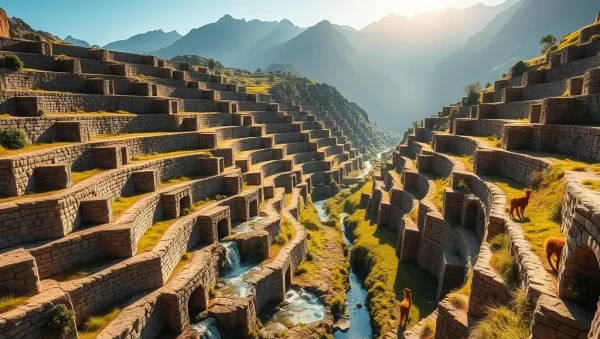
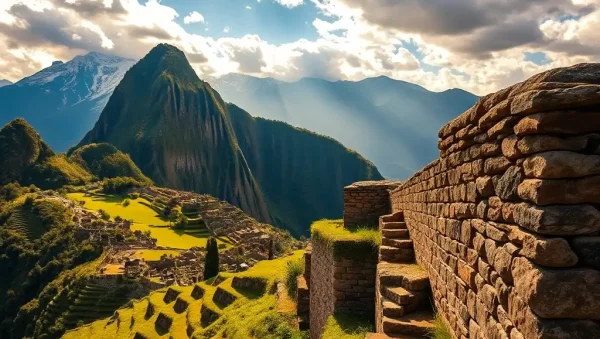
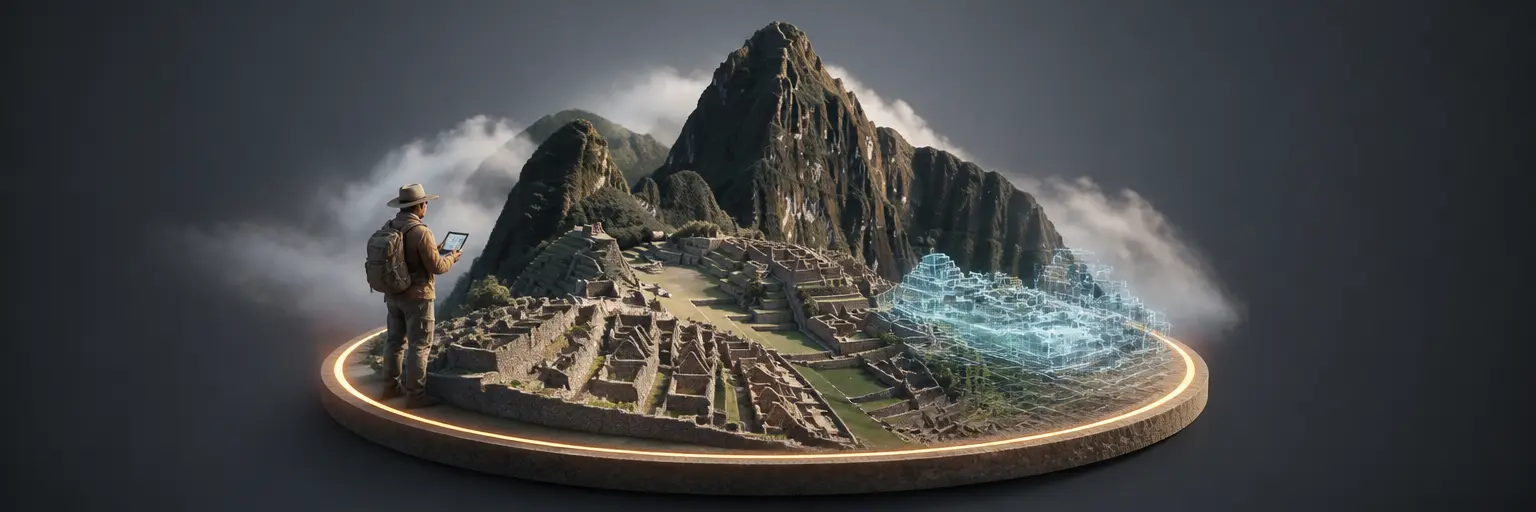
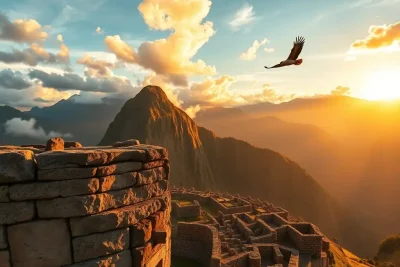
Visitors can explore iconic Inca archaeological sites such as Machu Picchu, Ollantaytambo, Pisac, Sacsayhuamán, and Choquequirao. These ancient locations reveal the sophistication of Inca stonework, agricultural terraces, road systems, water management, and religious architecture. Their dramatic settings among high mountains, valleys, and cloud forests make them some of the most popular historical attractions in Peru and the wider Andean region.
Expect a combination of guided tours, hiking routes, panoramic viewpoints, museum visits, and preserved ceremonial spaces. Travelers should consider altitude, weather, entrance regulations, hiking difficulty, and seasonal conditions when planning a visit. Exploring these ruins with a knowledgeable local guide can provide deeper insight into Inca society, astronomy, engineering, spiritual beliefs, and the importance of the Andean landscape.
The northern coast of Peru is home to fascinating Moche sites, including Huaca de la Luna, Huaca del Sol, and the archaeological complex of El Brujo. These monumental adobe structures demonstrate the power and creativity of the Moche civilization, which flourished centuries before the Inca Empire. Visitors can see colorful murals, ceremonial platforms, tombs, and museum collections connected to Moche rulers and religious traditions.
A visit to Moche archaeological sites offers an opportunity to learn about ancient coastal life, irrigation, warfare, craft production, and ritual ceremonies. Because adobe monuments require careful preservation, visitors should follow marked paths and site regulations. On-site museums and interpretive displays make these destinations especially valuable for travelers interested in pre-Inca civilizations, ancient Peruvian art, and archaeological discoveries.
The Nazca Lines are among the most famous archaeological attractions in South America. These enormous desert geoglyphs depict animals, plants, geometric forms, and other figures created by the ancient Nazca culture. Visitors can view the designs from observation towers or take an authorized flight over the desert for a broader perspective of this mysterious archaeological landscape.
Travelers can also explore nearby Nazca-related sites, museums, aqueducts, and ceremonial locations to better understand the civilization that produced the lines. Expert explanations often address theories about religion, astronomy, water, pilgrimage, and social organization while acknowledging that many questions remain unanswered. Respecting restricted areas and choosing responsible tour operators helps protect these fragile and irreplaceable geoglyphs.
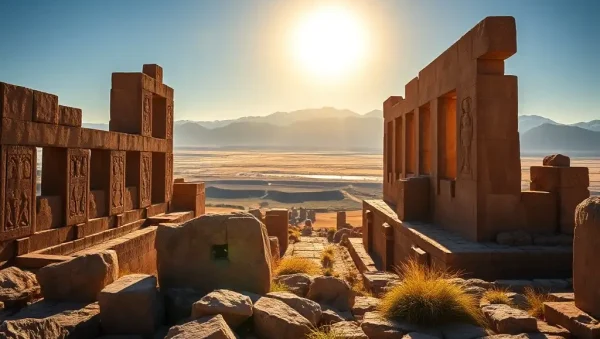
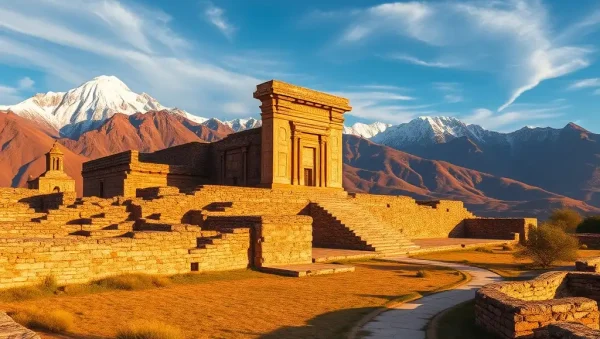
Located near Lake Titicaca in present-day Bolivia, Tiahuanaco is one of the most important archaeological sites in the Andes. The complex includes monumental gateways, carved stone sculptures, temples, sunken courts, and carefully planned ceremonial spaces. It provides essential evidence of the Tiwanaku civilization, whose influence extended across large areas of the Andean highlands.
Visitors can expect a high-altitude cultural experience that combines open-air ruins with archaeological museums. The site offers valuable insight into ancient Andean architecture, stone carving, agriculture, trade, religion, and political organization. Allow time to acclimatize and bring sun protection, warm clothing, water, and comfortable footwear, as the weather can change quickly on the Altiplano.
Planning is essential when visiting archaeological sites in Peru, Bolivia, Ecuador, Chile, or Argentina. Research opening hours, entrance tickets, transportation, local guides, altitude levels, walking distances, accessibility, and conservation rules before traveling. Some destinations require advance reservations, limited-entry permits, or specific visiting schedules, especially during busy periods.
Responsible tourism helps preserve ancient Andean heritage for future generations. Remain on designated paths, avoid touching walls or artifacts, do not remove stones, reduce plastic waste, and follow photography restrictions. By supporting local communities, museums, licensed guides, and conservation programs, visitors contribute to the protection of Inca, Moche, Nazca, Tiwanaku, and other pre-Columbian archaeological heritage.
Popular choices include Machu Picchu, Sacsayhuamán, Ollantaytambo, Choquequirao, Huaca de la Luna, the Nazca Lines, and Tiahuanaco. The best site depends on your interests, available time, fitness level, destination, and interest in Inca, Moche, Nazca, or Tiwanaku history.
A guide is not always required, but it is strongly recommended. A qualified local guide can explain the historical meaning of temples, plazas, carvings, agricultural terraces, and ceremonial areas while helping visitors understand the broader development of Andean civilizations.
Bring comfortable walking shoes, sun protection, water, layers of clothing, insect repellent when appropriate, personal medication, and a copy of your travel documents. At high-altitude sites, allow time for acclimatization and avoid strenuous activity until your body adjusts.
Many sites are suitable for families, especially those with museums, short walking routes, and visitor facilities. However, some locations involve steep paths, high altitude, heat, or limited services. Check accessibility and travel conditions in advance, and choose an itinerary appropriate for children and older travelers.
Visitors can help by following conservation rules, staying on marked trails, avoiding contact with ancient walls and carvings, never taking artifacts or stones, and using authorized guides and operators. Supporting local museums and community-based tourism also helps preserve archaeological sites and sustain the people who protect them.