
Decoding Designs: Understanding Andean Symbolism for Your Art

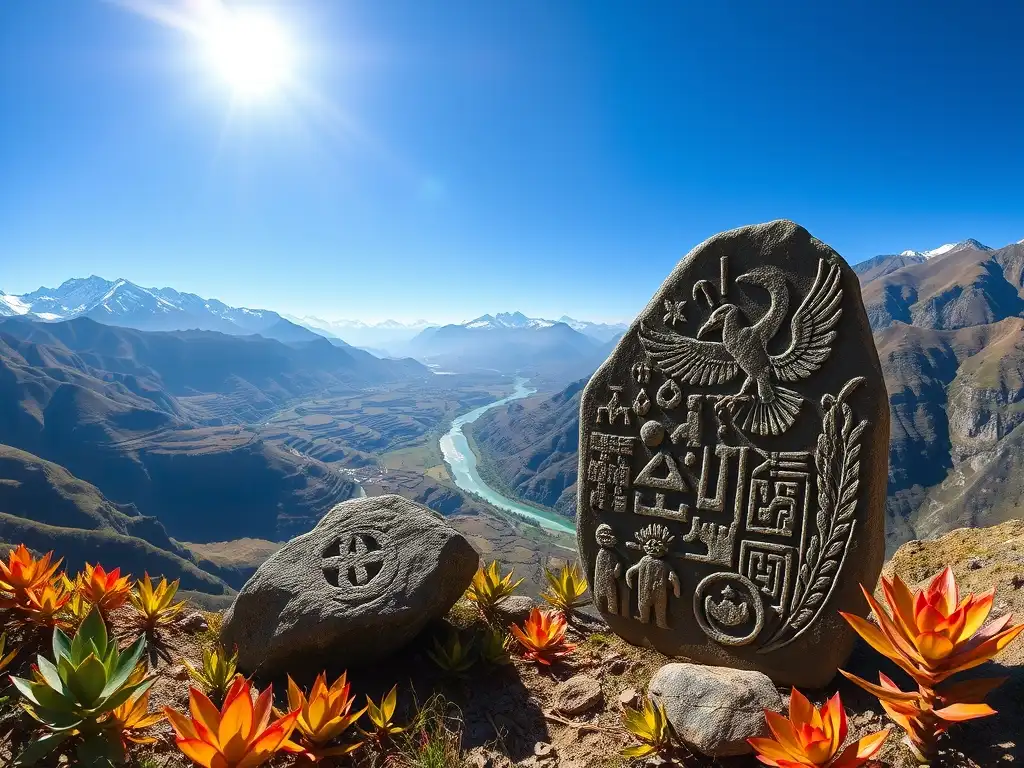
Unravel the mysteries hidden within the breathtaking artistry of the Andes! For centuries, the Incas, Moche, Nazca, and Tiahuanaco wove intricate narratives into their textiles, ceramics, and architecture. Prepare to be captivated as we delve into the fascinating world of Andean art symbolism meaning, unlocking the secrets behind these ancient designs and revealing the stories they tell. Dive in and discover the profound significance of these powerful symbols – your journey into Andean history begins now!
Andean art, a vibrant tapestry woven from the threads of diverse cultures across the Andes Mountains, holds a wealth of symbolic meaning waiting to be unlocked. This article serves as your guide to understanding the rich language of Andean symbolism, empowering you to create your own authentic and meaningful Andean-inspired art. We will delve into the key motifs that permeate Andean iconography, exploring their historical context and cultural significance. Whether you're a seasoned artist or a curious beginner, understanding these symbols will elevate your artistic creations and deepen your appreciation for the captivating artistry of these ancient civilizations.
This exploration of Andean art symbolism meaning will provide you with the knowledge to infuse your work with the powerful narratives and spiritual depth inherent in Andean traditions. Prepare to unlock a world of intricate designs and profound meaning! 🎉
Introduction to Andean Art Symbolism Meaning and its Relevance
Understanding Andean art symbolism is crucial for anyone seeking to create authentic and respectful Andean-inspired art. The symbols weren't merely decorative; they carried deep spiritual, social, and political significance. For example, the intricate designs found on textiles, ceramics, and metalwork weren't random patterns but rather complex narratives communicating beliefs, stories, and social structures. Interpreting these symbols allows artists to connect with the rich history and cultural heritage of Andean civilizations, adding layers of meaning and depth to their work.
By understanding the symbolism, artists can avoid misinterpretations and create art that truly honors the traditions it draws inspiration from. This understanding is not just about aesthetics; it’s about respecting and celebrating a rich cultural legacy. The careful study and accurate representation of these symbols are essential for creating meaningful and authentic Andean-inspired art.
Unveiling the Secrets: Key Motifs in Andean Art
Andean art is characterized by a fascinating array of recurring motifs, each carrying unique symbolic weight. These motifs, often intertwined and layered, form complex narratives that speak volumes about the beliefs and worldview of the Andean peoples. Understanding these key symbols is paramount to appreciating the complexity and depth of Andean artistic expression and to accurately representing them in your own creative work. The following sections will explore some of the most prevalent and significant motifs.
The Sun (Inti) in Andean Iconography and its Artistic Depiction
The Sun, or Inti, held immense importance in Andean cosmology. Depicted as a radiant disc, often with human-like features, Inti represented life, power, and fertility. In artistic representations, Inti is frequently shown with rays emanating outwards, symbolizing its life-giving energy. The precise artistic depiction varied across different Andean cultures, but the underlying symbolism of power and divine authority remained consistent. Artists often incorporated Inti into their work to evoke themes of royalty, strength, and the cyclical nature of life and death. Understanding this symbolism allows artists to effectively communicate these themes in their own creations.
The Serpent (Amaru) and its Symbolism Across Cultures
The serpent, or Amaru, is another prominent symbol in Andean art, representing both fertility and danger. Its dual nature reflects the complex relationship between life and death, creation and destruction, that permeated Andean cosmology. The Amaru is often depicted with intricate scales and a powerful presence, sometimes intertwined with other symbols, creating complex and layered meanings. Its representation varied across different Andean cultures, reflecting regional variations in belief systems and artistic styles. The Amaru's presence in Andean art adds a layer of mystery and power, and understanding its significance is vital for authentic representation.
The Condor (Kuntur) and its Spiritual Significance
The condor ( Kuntur) held a significant place in Andean spirituality, often associated with the upper world and the realm of the gods. Its ability to soar high above the mountains symbolized power, strength, and spiritual elevation. In Andean art, the condor is often depicted with outstretched wings, conveying a sense of freedom and majesty. The condor's symbolic meaning is closely tied to the Andean worldview, representing a connection between the earthly and spiritual realms. Understanding its spiritual significance is key for artists seeking to integrate this powerful motif into their work.
The Puma (Puma) and its Representation of Power
The puma ( Puma) occupies a prominent position in Andean symbolism, often representing power, strength, and leadership. Its nocturnal nature and predatory prowess linked it to the underworld and the forces of nature. In Andean art, the puma is frequently depicted with intense eyes and a powerful stance, conveying its dominance and authority. The puma's representation varied across different Andean cultures, reflecting regional interpretations of its symbolic meaning. The puma's image in Andean art adds a sense of strength and mystery, crucial elements for artists to consider when incorporating this motif.
Understanding the Meaning of Geometric Patterns in Andean Art
Geometric patterns are ubiquitous in Andean art, serving as powerful visual metaphors imbued with deep cultural and spiritual significance. These designs, far from being mere decoration, often communicate complex narratives, beliefs, and cosmological understandings. The precision and repetition found in many Andean textiles, ceramics, and stone carvings highlight the importance placed on these symbolic representations.
Understanding these patterns is key to unlocking a deeper appreciation of Andean art and culture. The use of geometric shapes wasn't arbitrary; it reflected a sophisticated understanding of the world and the cosmos. For example, the careful arrangement of lines and shapes often mirrored the Andean perception of the relationship between the earthly and spiritual realms.
The meanings often varied slightly between different cultures and time periods within the Andean region, adding layers of complexity to the interpretation of these visual codes. Further research into specific Andean cultures (Inca, Nazca, Moche, etc.) will reveal more nuanced understandings of their unique symbolic systems.
The Significance of the Step Fret (Chakana)
The chakana, or Andean Cross, is perhaps the most recognizable geometric pattern in Andean symbolism. Its stepped design, resembling a staircase ascending to the heavens, represents the four cardinal directions, the four elements (earth, air, fire, water), and the bridge between the earthly and spiritual realms. Different interpretations exist, with some scholars suggesting it symbolized the cosmos or the path to enlightenment. Its appearance in various Andean art forms, from textiles to stone carvings, underscores its enduring importance as a symbol of cosmic order and spiritual connection.
The chakana's significance transcends its visual form; it represents a profound cosmological worldview that permeates Andean spiritual beliefs. The four levels often relate to different stages of life or spiritual development, reflecting a cyclical understanding of time and existence. The chakana’s powerful symbolism continues to resonate today, making it a popular motif in contemporary Andean-inspired art.
The Meaning of Spirals and Concentric Circles
Spirals and concentric circles are prevalent motifs in Andean art, often associated with the sun, the moon, and cyclical processes of life, death, and rebirth. These shapes represent the continuous flow of time and the interconnectedness of all things. The spiral, in particular, is seen as a powerful symbol of energy and transformation, symbolizing the constant movement and change within the universe.
Concentric circles, on the other hand, often represent the cyclical nature of agricultural cycles and the seasons, reflecting the Andean peoples' deep connection to the land and its rhythms. The intricate detail and precision found in these designs highlight the importance of these concepts within Andean culture.
Their appearance in various media, from pottery to textiles, reinforces their enduring significance as symbols of cosmic order and natural cycles. The interpretation of these symbols often depends on their context within a larger design; for example, the combination of spirals and concentric circles might symbolize the cyclical interplay between celestial and terrestrial forces.
Exploring Textile Patterns and their Translation into Other Media
Andean textiles are renowned for their intricate and symbolic patterns. These patterns, often woven with incredible precision, represent a rich tapestry of cultural narratives and spiritual beliefs. The techniques used in Andean weaving, including the use of natural dyes and complex weaving structures, further enhance the symbolic significance of the textiles. Translating these patterns into other media, such as painting, digital art, or sculpture, requires careful consideration of their original meaning and context.
The challenge lies in maintaining the integrity and symbolic resonance of the original design while adapting it to a new medium. This process involves not only replicating the visual elements but also understanding the cultural context that gives them meaning. Successful translations maintain the essence of the original design while acknowledging its new visual presentation. For example, a textile pattern depicting a chakana could be effectively translated into a digital painting while preserving its spiritual significance.
Applying Andean Symbolism to Your Art Projects
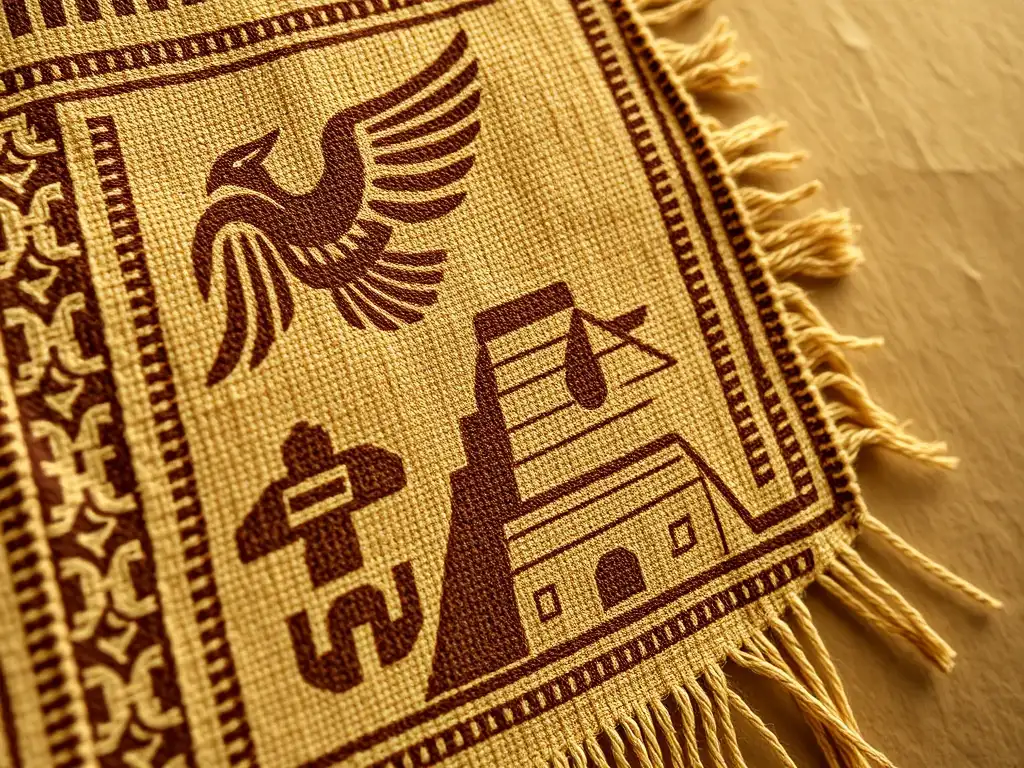
Applying Andean symbolism to your art projects can enrich your work with profound cultural significance and visual appeal. The key is to approach this with respect and understanding, avoiding the appropriation or misrepresentation of these powerful symbols. Researching the specific meanings and contexts of the symbols you choose to incorporate is essential to ensure your work is both aesthetically pleasing and culturally sensitive. Careful consideration of color palettes, composition, and the overall message you wish to convey will contribute to a successful and meaningful piece of art.
Example 1: Creating an Andean-Inspired Digital Poster
A digital poster featuring a stylized chakana overlaid with concentric circles could represent the cyclical nature of time and the harmony between the spiritual and earthly realms. The color palette could incorporate earthy tones like terracotta and ochre, reflecting the Andean landscape. The use of vibrant colors could add a layer of energy and vitality to the design, reflecting the vibrancy of Andean culture. The poster could be further enhanced by incorporating other Andean motifs, such as stylized llamas or depictions of Andean deities.
Example 2: Designing Andean-Inspired Jewelry
Andean-inspired jewelry could incorporate geometric patterns like spirals or stepped frets, carefully crafted to evoke a sense of both elegance and cultural resonance. The use of natural materials, such as silver or alpaca wool, would complement the design, reinforcing the connection to Andean traditions. The jewelry could be designed to tell a story, perhaps reflecting a specific Andean myth or legend. For example, a necklace featuring a series of interconnected spirals could represent the interconnectedness of life and the universe.
Example 3: Painting an Andean-Inspired Mural
A large-scale mural could depict a landscape inspired by the Andes, incorporating stylized representations of Andean flora and fauna. The use of geometric patterns could enhance the composition, adding layers of symbolic meaning. For example, a chakana could be subtly integrated into the background, representing a connection to the spiritual realm.
The colors used in the mural could reflect the vibrant hues of the Andean landscape, creating a visually stunning and culturally significant artwork. The mural could be further enriched by incorporating elements from Andean mythology and legends, creating a narrative that speaks to the rich history and culture of the region.
Tips and Resources for Further Exploration of Andean Art Motifs
Delving deeper into the fascinating world of Andean art symbolism requires dedication and a thirst for knowledge. Understanding the nuances of these ancient motifs goes beyond simple visual appreciation; it involves grasping the cultural context, historical significance, and spiritual beliefs that imbued these designs with meaning. To truly appreciate and effectively utilize these symbols in your own art, consider these avenues for further exploration.
The journey of understanding Andean art symbolism is a continuous process of learning and discovery. Don't be afraid to experiment, to make mistakes, and to constantly refine your understanding. Each symbol holds a story, a piece of history, a glimpse into the rich tapestry of Andean culture. The more you learn, the more deeply you will connect with the spirit and essence of these ancient designs. Remember, respectful interpretation and representation are paramount. Avoid appropriation and strive for authentic engagement with the cultural heritage you are drawing upon.
Recommended Books and Academic Resources on Andean Art Symbolism
Engaging with scholarly works provides a robust foundation for understanding the complexities of Andean art symbolism. These resources offer in-depth analyses, historical context, and nuanced interpretations that go beyond superficial observations. Look for books and articles focusing on specific Andean cultures—Inca, Moche, Nazca, Tiwanaku—to gain a deeper understanding of their unique symbolic systems. Academic journals specializing in Andean archaeology and anthropology are invaluable resources, offering the latest research and scholarly debates on the subject.
Pay close attention to the methodologies employed by researchers to ensure a responsible and informed understanding of the material. For instance, some books might focus on the iconography of textiles, while others might analyze the symbolism embedded in ceramic vessels. Consider the author's expertise and the specific Andean culture or time period they focus on to select resources relevant to your artistic project.
Beyond books, you can find numerous academic papers and articles available online through university databases and research repositories. These resources often offer detailed analyses of specific artifacts and their symbolic meanings, providing valuable insights for your artistic endeavors. Remember that rigorous academic research is crucial for a responsible and respectful approach to Andean art.
Online Courses and Workshops for Mastering Andean Art Techniques
The digital age offers a wealth of opportunities to learn Andean art techniques directly from experts. Numerous online courses and workshops cater to various skill levels, from beginner to advanced. These platforms provide hands-on instruction, allowing you to learn traditional techniques and modern interpretations of Andean art. Some courses might focus specifically on the symbolic aspects of Andean designs, teaching you how to incorporate them effectively into your own work.
Others might concentrate on the technical aspects of weaving, pottery, or painting, providing the foundational skills necessary to create authentic-looking Andean-inspired art. Look for courses taught by experienced artists and scholars specializing in Andean art, ensuring a high level of quality and accuracy in the instruction. The interactive nature of online courses allows for direct engagement with instructors and fellow students, fostering a collaborative learning environment.
Conclusion: Bringing the Spirit of Andean Art to Your Creations
By understanding the rich symbolism embedded within Andean art, you can infuse your own creations with a deeper sense of meaning and cultural resonance. Remember that responsible engagement with this cultural heritage is paramount. Avoid superficial imitation and instead strive for a genuine understanding and appreciation of the historical and spiritual contexts that shaped these artistic traditions.
Through dedicated research, practical application, and a respectful approach, you can bring the spirit of Andean art to life in your own unique and meaningful way. The journey of understanding Andean art symbolism is a continuous process of learning and discovery, enriching both your artistic practice and your appreciation of this ancient and vibrant culture. Let your art become a testament to the enduring power and beauty of Andean cultural heritage.
- Introduction to Andean Art Symbolism Meaning and its Relevance
- Unveiling the Secrets: Key Motifs in Andean Art
- Understanding the Meaning of Geometric Patterns in Andean Art
- Applying Andean Symbolism to Your Art Projects
- Tips and Resources for Further Exploration of Andean Art Motifs
- Conclusion: Bringing the Spirit of Andean Art to Your Creations
Frequently Asked Questions
What is the significance of Andean art symbolism?
Andean art symbolism is incredibly rich, conveying complex religious beliefs, social structures, and cosmological views. Symbols often represent deities, ancestors, and the natural world, reflecting a deep connection to their environment. Understanding these symbols provides insight into their worldview.
How did Andean artists create their art?
Andean artists utilized a variety of materials and techniques, depending on the culture and time period. Common materials included textiles, ceramics, gold, and stone, crafted using techniques like weaving, pottery, metalworking, and stone carving. Innovation and skill were hallmarks of their artistry.
What are some common Andean symbols and their meanings?
Common symbols include the condor (representing power and the sky), the puma (representing strength and the earth), and geometric patterns (often associated with celestial bodies and deities). Specific meanings can vary between cultures and contexts.
Where can I learn more about Andean art symbolism?
You can explore museums with Andean collections, consult academic journals and books on Andean archaeology and art history, and delve into online resources dedicated to ancient Andean cultures. Many resources offer detailed explanations and imagery.
How can I incorporate Andean symbolism into my own art?
Research specific symbols and their meanings to ensure respectful and accurate representation. You can draw inspiration from existing Andean art to create your own interpretations, but always cite your sources and acknowledge the rich cultural heritage. Respectful interpretation is key.
Final Reflection: Weaving the Threads of Andean Legacy
Understanding Andean symbolism isn't just about deciphering ancient codes; it's about connecting with a vibrant cultural heritage that continues to resonate today. The intricate designs woven into textiles, carved into ceramics, and painted onto walls speak volumes about a worldview deeply connected to nature, spirituality, and community. These aren't simply aesthetic choices; they are powerful expressions of identity and belief, carrying messages across centuries.
The enduring power of Andean symbolism lies in its ability to transcend time and geography. Its influence can be seen in contemporary art, fashion, and even spiritual practices, demonstrating the lasting impact of these ancient traditions. The past is never dead. It's not even past.
– William Faulkner. This quote perfectly encapsulates the ongoing relevance of Andean art and its capacity to inspire and inform our present. The motifs, colors, and patterns continue to be reinterpreted and reimagined, proving their timeless appeal and adaptability.
Now, consider how you can integrate this newfound understanding into your own creative journey. Let the rich tapestry of Andean symbolism inspire your own artistic expressions. Explore the meanings behind the imagery, experiment with incorporating these powerful symbols into your work, and allow yourself to be guided by the profound wisdom embedded within these ancient designs. Embrace the opportunity to connect with a legacy that speaks to the enduring human need for beauty, meaning, and connection to the earth.
Unleash Your Creativity: Dive into Andean Symbolism!
Thank you for exploring the fascinating world of Andean symbolism with us! Understanding these rich designs offers valuable insights that can significantly enhance your artistic expression. Now, let's unleash your creativity!
Here are some exciting ways to continue your journey:
- Integrate Andean symbols into your next artwork. Select a symbol that resonates with you and experiment with its incorporation into your creative process.
- Share your creations on social media and tag us! Connect with fellow art enthusiasts and celebrate the beauty of Andean culture together.
- Join an online art community or forum dedicated to Andean designs. This is a great way to exchange ideas and collaborate with others inspired by these ancient symbols.
Which Andean symbol resonates most strongly with you, and how will you use it to inspire your own artistic endeavors? Share your thoughts in the comments below!