
Weaving Wonders: Recreate Ancient Nazca Textile Patterns at Home

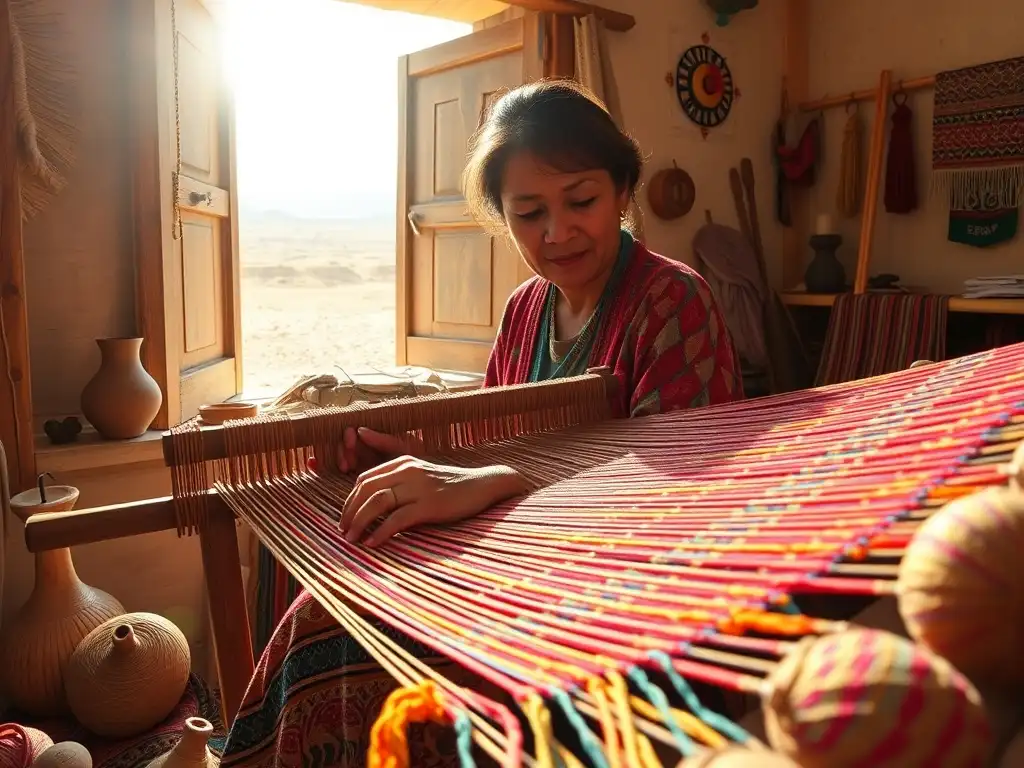
Unravel the mysteries of the Andes! Prepare to be amazed by the ingenuity and artistry of ancient civilizations, from the Incas to the Nazca. But don't just read about their breathtaking achievements – experience them. This website dives deep into the vibrant world of Andean culture, and we’re particularly excited to share our Nazca textile patterns tutorial. Ready to unlock the secrets behind these iconic designs and weave your own piece of history? Let's begin!
The Nazca culture, famed for its enigmatic geoglyphs etched into the Peruvian desert, also possessed a sophisticated textile tradition. Their intricate weaving techniques and vibrant designs offer a captivating glimpse into their artistry and worldview. This tutorial provides a step-by-step guide to recreating the beauty and complexity of Nazca textile patterns, allowing you to connect with this ancient civilization through the engaging process of textile art.
We will explore the unique characteristics of Nazca textiles, gather the necessary materials, and embark on a creative journey that will bring these mesmerizing designs to life in your own home. This hands-on experience offers a deeper understanding of Nazca culture than simply observing images; it allows for a personal connection with the ingenuity and aesthetic sense of these remarkable artisans. Get ready to unlock the secrets of Nazca textile patterns and weave your own piece of history!
Introduction to Nazca Textile Art and its Significance
Nazca textiles are renowned for their exceptional quality and intricate designs. Unlike many other Andean cultures that primarily used camelid fibers (llama, alpaca, and vicuña), Nazca textiles frequently incorporated cotton, showcasing a mastery of both plant and animal fibers. Their weaving techniques were remarkably advanced, employing various methods such as tapestry weaving, brocade, and plain weave to create stunningly detailed patterns.
These patterns often featured stylized representations of animals, plants, and geometric motifs, reflecting a deep connection with the natural world and spiritual beliefs. The vibrant colors, achieved through natural dyes derived from plants and minerals, further enhance the visual impact of these ancient artifacts. Many of these textiles were used for ceremonial purposes, clothing, and everyday life, highlighting their importance within Nazca society.
Studying these patterns offers insights into their social structures, religious practices, and artistic sensibilities. The precision and complexity of these designs are a testament to the skill and dedication of Nazca weavers, whose legacy continues to inspire awe and admiration today. Analyzing the motifs, color palettes, and techniques used allows us to appreciate the cultural context and artistic sophistication of this ancient civilization.
Getting Started: Your Nazca Textile Replication Toolkit
Before embarking on your Nazca textile replication project, it's crucial to gather the necessary tools and materials. While replicating the exact techniques of the Nazca weavers might be challenging without access to ancient tools and materials, we can achieve a similar aesthetic effect using modern equivalents. This section provides a comprehensive list of essential items, ensuring you are well-prepared for your weaving adventure. Remember that the quality of your materials will directly impact the final product. Investing in good quality yarn and tools will ensure a more satisfying and rewarding experience.
| Tool/Material | Description | Importance |
|---|---|---|
| Yarn (various colors) | Choose colors inspired by Nazca textiles: reds, browns, yellows, oranges, etc. | Provides the foundation of your design and the visual appeal of the finished piece. |
| Weaving Loom | A simple frame loom or even a cardboard loom will suffice for beginners. | This is the structure upon which you'll create your textile. |
| Shuttle | Used to carry the weft yarn across the warp yarns. | Essential for weaving the weft threads into the warp. |
| Warp Yarn | These are the vertical threads on the loom. | Forms the base structure of your woven piece. |
| Sharp Scissors | For precise cutting of yarn. | Ensures clean cuts and prevents frayed ends. |
| Needle (optional) | For weaving in loose ends or adding embellishments. | Improves the neatness of the finished product. |
| Reference Images | High-resolution images of Nazca textile patterns. | Crucial for inspiration and accurate reproduction of the patterns. |
Essential Materials for Nazca-Inspired Weaving
The materials you choose will significantly influence the look and feel of your finished textile. While the Nazca people used natural dyes, we have access to a wider range of colors today. However, strive to maintain the earthy and vibrant tones found in authentic Nazca textiles.
Similarly, while camelid fibers were prominent in Nazca weaving, readily accessible materials like cotton or wool yarn will provide similar texture and workability. Consider experimenting with different yarn weights and textures to achieve various effects – a thicker yarn might create a bolder, more rustic look, while a finer yarn will allow for more intricate detailing. Remember to always pre-wash your yarn to avoid shrinkage or color bleeding during the weaving process.
This preparatory step will ensure your finished textile retains its shape and color vibrancy. Choosing high-quality materials will not only enhance the aesthetic appeal but also improve the durability and longevity of your handmade creation. Selecting appropriate materials is the first step towards creating a truly authentic and visually stunning Nazca-inspired textile.
Preparing Your Workspace for Textile Recreation
Before embarking on your Nazca textile pattern recreation journey, setting up a dedicated and well-organized workspace is crucial. This isn't just about having enough space; it's about fostering a creative and efficient environment that minimizes distractions and maximizes your focus. Think of it as preparing your "ancient Andean artisan's workshop" – a space where inspiration can flow freely.
First, ensure you have ample, well-lit space. Natural light is ideal, but a good quality task lamp will suffice if natural light is limited. A large, flat surface, such as a table or desk, is necessary to spread out your materials. Avoid clutter; a clean workspace promotes clarity of thought and prevents accidental damage to your delicate materials. Consider using organizers like trays or small boxes to keep your tools and supplies neatly arranged. This will save you valuable time searching for things and keep your focus on the intricate details of your Nazca-inspired design.
Next, consider the comfort of your workspace. A comfortable chair that supports good posture is essential, especially for longer weaving sessions. You'll be spending considerable time meticulously recreating these intricate patterns, so comfort is key to preventing fatigue and maintaining concentration. Ambient music can be a great addition to the atmosphere, helping you relax and enter a creative flow.
Experiment with different genres to find what best enhances your concentration and inspiration. However, avoid anything too distracting or overly energetic that could disrupt your focus on the intricate details of your project. Remember, the goal is to create a calm and inspiring environment to mirror the dedication and skill of the ancient Nazca weavers. A well-prepared workspace will greatly enhance the enjoyment and success of your project.
- Introduction to Nazca Textile Art and its Significance
- Getting Started: Your Nazca Textile Replication Toolkit
- Essential Materials for Nazca-Inspired Weaving
- Preparing Your Workspace for Textile Recreation
Step-by-Step Nazca Textile Pattern Tutorial
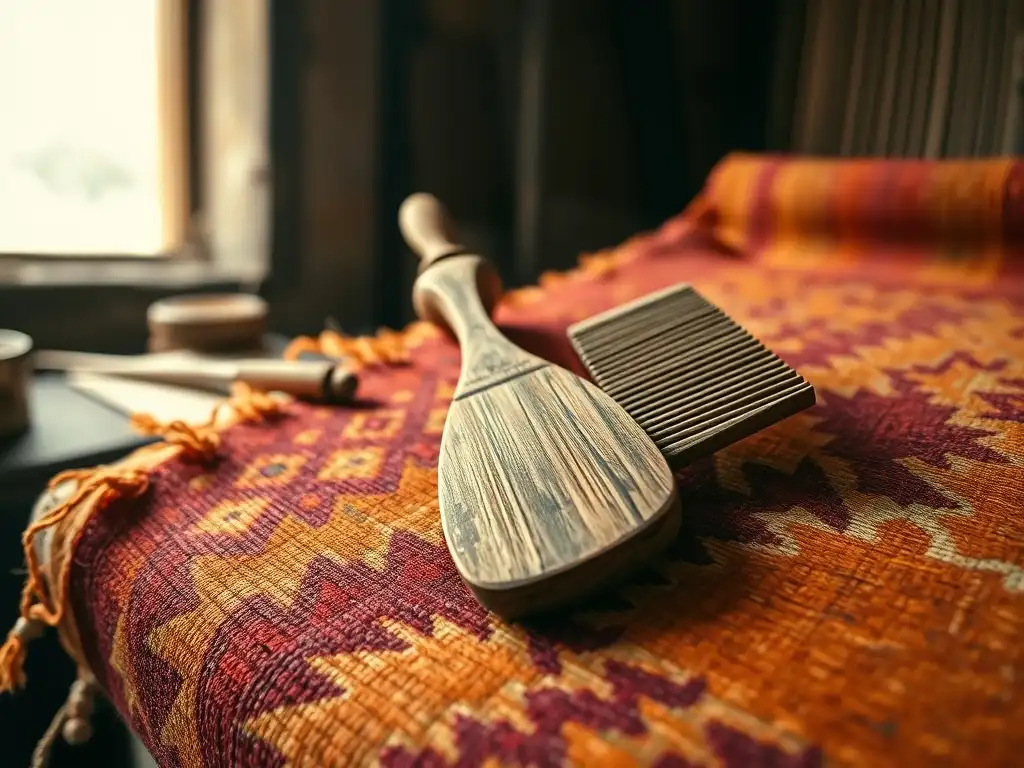
This section provides a detailed, step-by-step guide to recreating authentic Nazca textile patterns. We'll explore the fundamental techniques employed by Nazca weavers and then delve into recreating two iconic motifs: the hummingbird and the step fret design. This tutorial focuses on the principles, enabling you to adapt and expand upon these examples to create your own unique Nazca-inspired textiles. Remember, precision and attention to detail are key to achieving authentic-looking results. This Nazca textile patterns tutorial will empower you to appreciate the artistry and complexity of these ancient designs.
Understanding the Basic Nazca Weaving Techniques
Nazca weaving, renowned for its vibrant colors and intricate designs, relied on several key techniques. Understanding these techniques is crucial for recreating accurate patterns. The Nazca people primarily used a technique called backstrap loom weaving. This involved a simple loom consisting of a warp (longitudinal threads) stretched between a backstrap and a stationary post. The weft (transverse threads) were then interlaced through the warp to create the fabric.
The most common weave structure used was a plain weave, where the weft threads passed alternately over and under the warp threads. However, more complex techniques like supplementary weft and tapestry weaving were also employed to create intricate designs and add texture. Supplementary weft involved adding extra weft threads to create patterns without altering the basic weave structure. Tapestry weaving, on the other hand, involved changing the color of the weft thread to create the design directly within the weave. These techniques allowed Nazca weavers to achieve remarkable detail and precision in their textiles.
Let's examine the materials: The Nazca predominantly used natural dyes derived from plants, insects, and minerals. These dyes, often incredibly vibrant, were applied to cotton and camelid fibers (alpaca and llama). Achieving similar colors today requires careful research and sourcing of natural dyes or high-quality equivalents. The process of preparing the fibers and applying the dyes was incredibly laborious, underscoring the skill and dedication of Nazca weavers. Understanding this historical context adds depth to the creative process.
Recreating a Classic Nazca Motif: The Hummingbird
The hummingbird is a frequently recurring motif in Nazca textiles, symbolizing speed, grace, and the connection between the earthly and spiritual realms. To recreate this motif, we'll use a simplified approach suitable for beginners.
First, sketch your hummingbird design onto graph paper. This helps plan the color placement and thread count. Remember, Nazca designs often feature symmetrical or mirrored elements. Consider using a simple, stylized hummingbird design rather than a highly realistic one to maintain the feel of the original textiles.
Next, choose your threads. Aim for a range of colors that reflect the vibrant palette of Nazca textiles. Reds, yellows, oranges, greens, and blues were commonly used. Experiment with different shades to achieve depth and dimension.
Now, begin weaving! Using the plain weave technique, carefully interweave your threads according to your design. Remember to be patient and precise. This part requires focus and attention to detail. Remember, even small imperfections can impact the overall aesthetic.
Finally, once your weaving is complete, finish the edges by neatly securing the threads. You can use a simple overhand knot or a more decorative finish, depending on your preference. This completed hummingbird motif, while simplified, captures the essence of Nazca textile art.
Weaving a Geometric Pattern: The Step Fret Design
The step fret design is another characteristic Nazca motif, often appearing in conjunction with other designs or as a standalone element. This geometric pattern is relatively straightforward to replicate, making it an excellent project for those new to Nazca-inspired weaving.
The step fret design is based on a series of interconnected, stepped lines. These lines often create a zig-zag or sawtooth effect, and are usually woven using two or more contrasting colors. The beauty of this design lies in its simplicity and its ability to create a visually striking effect. To recreate this design, start by planning your pattern on graph paper, ensuring clear lines and even spacing between the steps. This careful planning will translate to a more aesthetically pleasing final product.
Choose your yarn colors. Consider using two or three contrasting colors for a vibrant and dynamic effect. Once again, referencing the color palettes found in authentic Nazca textiles is highly recommended. This will give your creation a greater sense of authenticity.
Begin weaving by following your graph paper design. You can use the plain weave technique, carefully changing colors as needed to create the stepped lines. Pay close attention to maintaining even tension throughout the weaving process to avoid distortions in the pattern.
Upon completion, secure the edges as before. The resulting step fret design serves as a testament to the geometric precision and aesthetic sensibility of Nazca weavers. This pattern is easily adaptable; you can alter the size and complexity of the steps to create various designs. Experiment with different color combinations to personalize your creation and bring your own interpretation to this ancient textile pattern. This Nazca textile patterns tutorial provides a foundation for further exploration and creativity.
Advanced Techniques and Nazca Textile Design Variations
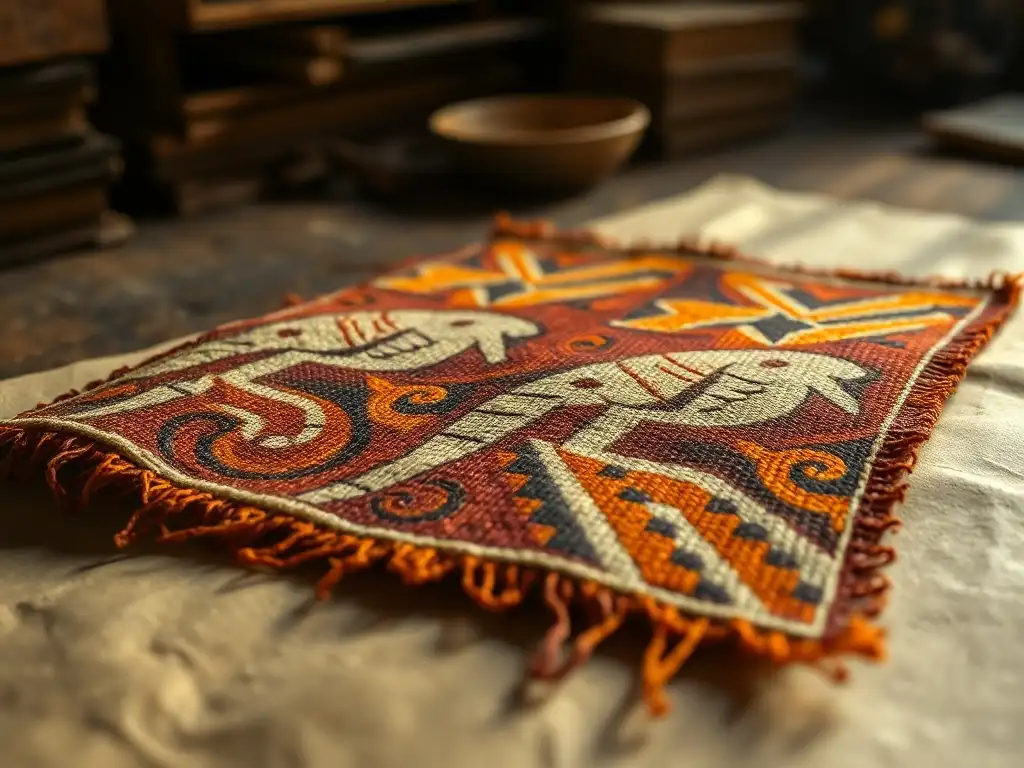
This section delves into more intricate aspects of replicating Nazca textile patterns, moving beyond basic techniques to achieve a higher level of authenticity and artistic expression. We'll explore advanced design elements, texture creation, and tips for achieving truly stunning reproductions. Mastering these techniques will allow you to create pieces that truly capture the spirit and artistry of ancient Nazca weaving. Remember, patience and practice are key to unlocking the secrets of these captivating designs. This "Nazca textile patterns tutorial" aims to provide you with the tools to succeed.
Exploring Different Nazca Pattern Elements
Nazca textiles weren't just about repeating a single motif. They showcased a remarkable variety of design elements, often combining them in complex and visually striking ways. Understanding these elements is crucial to recreating authentic patterns. Let's examine some key features:
- Geometric Shapes: Triangles, squares, trapezoids, and stepped patterns are prevalent. These weren't randomly arranged; they often followed specific mathematical ratios and symmetries, reflecting the sophisticated understanding of geometry within Nazca culture. Pay close attention to the precise angles and proportions when reproducing these elements. Consider using graph paper to plan your designs accurately.
- Zoomorphic Motifs: Animals, both real and mythical, frequently appeared in Nazca textiles. These include birds, felines, serpents, and stylized creatures. Observe the details – the curvature of a bird's beak, the stripes of a feline, the scales of a serpent – to accurately represent them in your weaving. Study existing examples carefully to understand the stylistic conventions.
- Phytomorphic Motifs: Plants and flowers were also integral to Nazca textile design. These often incorporated stylized representations of cacti, flowers, and other vegetation found in the Nazca region. Note the specific forms and arrangements of these elements to capture their essence.
- Combination and Arrangement: The true mastery of Nazca textile design lies in the skillful combination and arrangement of these elements. Patterns often involved intricate layering and interweaving of different motifs, creating a dynamic and visually engaging whole. Experiment with different arrangements to achieve your desired aesthetic.
Adding Depth and Texture to Your Weaving
The beauty of Nazca textiles extends beyond the visual patterns; it also lies in the tactile experience. Many pieces incorporated techniques to create depth and texture, enhancing the overall impact. Here are some ways to replicate this:
- Varying Yarn Thickness: Using different thicknesses of yarn can create subtle variations in texture. Thicker yarns can provide a sense of weight and solidity, while thinner yarns can add delicacy and intricacy.
- Combining Different Weaving Techniques: Experimenting with different weaving techniques, such as plain weave, twill weave, and tapestry weave, can introduce textural complexity. This allows for creating raised or recessed sections, adding depth to the overall design.
- Embellishments: Some Nazca textiles featured embellishments such as fringe, tassels, or additional decorative elements. These additions contribute to the tactile richness of the piece and can significantly enhance the overall aesthetic. Consider incorporating such elements to further enrich your reproduction. This is a great way to add a personal touch while staying true to the spirit of the original designs.
Tips for Achieving Authentic Nazca Textile Reproductions
Creating accurate reproductions requires attention to detail and a deep understanding of Nazca artistic conventions. Here are some practical tips:
- Color Palette: Use a color palette inspired by the natural dyes used by the Nazca people. Earth tones, reds, browns, and yellows are common. Avoid bright, unnatural hues.
- Material Selection: Choose materials that are similar in texture and weight to those used by the Nazca. Natural fibers like cotton or alpaca wool would be most appropriate.
- Study Existing Examples: Thoroughly examine existing examples of Nazca textiles. Pay close attention to the details of the patterns, colors, and techniques used. Museums and online resources offer invaluable visual references. This thorough study will greatly improve your ability to create accurate and compelling reproductions.
- Practice and Patience: Replicating Nazca textile patterns requires practice and patience. Don't get discouraged if your first attempts aren't perfect. Keep practicing, and you'll gradually improve your skills and develop your artistic interpretation of these ancient weaving traditions. Remember, the process itself is a valuable learning experience, enriching your appreciation for Nazca culture and textile art. Enjoy the journey!
This detailed "Nazca textile patterns tutorial" provides a comprehensive guide to recreating these amazing works of art. Remember to always respect the cultural heritage and significance of these patterns.
Displaying Your Finished Nazca-Inspired Textile Art
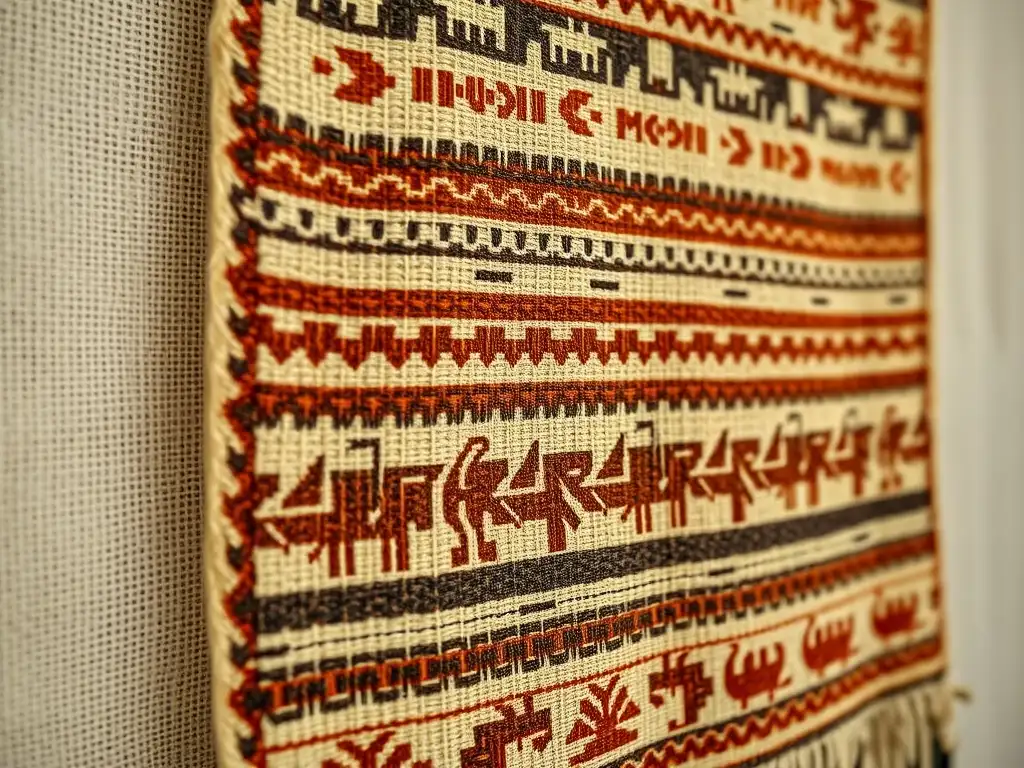
Creating a beautiful Nazca textile replica is only half the battle! Proper display enhances your hard work and allows you to fully appreciate the intricate detail of your weaving. This section will guide you through showcasing your creation, transforming it from a project into a cherished piece of art. We'll cover framing options and integrating your textile into your home decor, offering several approaches to suit different styles and spaces. Remember, the goal is to celebrate your achievement and let your Nazca textile pattern tutorial skills shine!
Framing Your Weaving for Display
Framing your finished Nazca-inspired textile offers protection and elevates its presentation. Several options exist, depending on your aesthetic preferences and budget.
- Simple and Elegant: A simple, neutral-colored frame with a subtle mat can highlight the vibrant colors and patterns of your weaving. Consider a linen or cotton mat in a complementary shade to avoid overpowering the textile's intricate details. This method is perfect for showcasing the weaving as a standalone artwork. The key is to choose a frame that complements, not competes, with the textile's rich history and cultural significance.
- Modern Minimalist: For a contemporary feel, opt for a sleek, minimalist frame in black, white, or a metallic finish. This approach contrasts beautifully with the traditional Nazca textile patterns, creating a visually striking juxtaposition. Think of a thin, black frame against the bold colors of your creation – the simplicity allows the weaving's patterns to truly stand out.
- Custom Framing: For a truly bespoke look, consider custom framing. This allows for precise matting and the use of archival-quality materials to protect your textile from light damage and deterioration. A custom frame can be designed to complement specific aspects of your weaving, perhaps echoing a particular color or motif. This is an investment, but it ensures your artwork is displayed with the utmost care and consideration.
The choice of framing material is also crucial. Avoid materials that might react with the dyes in your yarn. Opt for acid-free materials to ensure the longevity of your creation. Remember, the aim is to preserve your work for years to come, allowing you to continue enjoying your Nazca textile pattern tutorial project.
Incorporating Your Weavings into Home Decor
Beyond framing, there are numerous ways to integrate your Nazca-inspired textile into your home decor. This allows you to enjoy your handiwork daily, adding a touch of Andean artistry to your living space.
Consider these options:
- Wall Hanging: This is the most straightforward approach. Whether framed or not, your weaving can be hung as a striking wall hanging, adding a vibrant splash of color and texture to any room. Experiment with different placement to find the spot that best showcases your artwork.
- Pillow Covers: Transform your weaving into unique and eye-catching pillow covers. This allows you to incorporate the Nazca textile patterns into your everyday comfort. Imagine the texture and vibrant colors against a neutral-toned sofa or bed.
- Table Runner or Placemats: For a more functional approach, create a table runner or placemats from your weaving. This adds a touch of Andean elegance to your dining experience, serving both aesthetic and practical purposes. The intricate patterns will become a conversation starter, allowing you to share your passion for Nazca textile patterns.
- Tapestry or Wall Art: If your weaving is large enough, you can use it as a tapestry or wall art piece. This allows you to create a statement piece in your home, showcasing your skills and artistic appreciation. Imagine the impact of a large-scale weaving with prominent Nazca textile patterns decorating a living room wall!
Remember to consider the overall aesthetic of your home when choosing how to display your weaving. The goal is to create a harmonious blend of style and functionality, ensuring your Nazca-inspired textile remains a treasured piece of your home's decor. The possibilities are endless – let your creativity guide you!
Resources and Further Learning about Nazca Textiles
This section delves into resources that can further your understanding and appreciation of Nazca textile patterns, enriching your weaving experience and providing a deeper context for your creations. Understanding the historical and artistic significance will elevate your recreations beyond simple copies, transforming them into meaningful expressions of Andean heritage.
Recommended Books and Articles on Nazca Art
Delving into the academic literature surrounding Nazca textiles offers invaluable insights into the techniques, symbolism, and cultural context of these remarkable artifacts. While many resources focus on the broader spectrum of Andean art, several specifically address Nazca textiles and their unique characteristics. These resources provide crucial background information for anyone wanting to accurately and respectfully recreate these patterns.
For a comprehensive overview, consider searching for academic publications indexed in databases like JSTOR and Project MUSE. Keywords like "Nazca textiles," "Paracas textiles" (as Paracas textiles often share stylistic similarities), "Andean textile techniques," and "pre-Columbian textile art" will yield relevant results. Look for books and articles that analyze the iconography, dyeing techniques, and weaving structures used in Nazca textiles.
Pay close attention to the detailed descriptions of specific patterns, as these can be invaluable in your own recreations. Remember to always cite your sources properly, acknowledging the intellectual property rights of the authors and researchers who dedicated their time and expertise to uncovering the secrets of Nazca textile art.
Where to Buy Quality Weaving Supplies Online
The quality of your materials directly impacts the final product. Sourcing high-quality yarns and tools is crucial for achieving authentic-looking Nazca textile patterns. While local craft stores may offer some supplies, online retailers often provide a wider selection of materials specifically suited for weaving.
Consider searching for suppliers specializing in natural fibers like cotton, alpaca, and llama wool – fibers commonly used in ancient Andean weaving. Look for yarns with varying thicknesses and colors to accurately represent the complexity of Nazca designs. Beyond yarn, you'll need weaving tools such as looms (consider a backstrap loom for a more authentic approach), needles, shuttles, and scissors. Ensure your tools are durable and well-suited to your chosen weaving technique.
When shopping online, always read reviews carefully to assess the quality of the products and the reliability of the supplier. Remember to factor in shipping costs and delivery times when making your purchase. A well-stocked weaving kit is your key to bringing your Nazca textile pattern recreations to life.
Conclusion: Continuing the Legacy of Nazca Textile Art
Recreate Nazca textile patterns is not merely a craft; it's a journey into a rich cultural heritage. By engaging in this process, you're not only creating beautiful works of art but also actively participating in the continuation of a centuries-old tradition. Through careful research, attention to detail, and the use of quality materials, you can create pieces that honor the artistry and ingenuity of the Nazca people.
Remember that the patterns you weave are more than just designs; they are stories, symbols, and expressions of a vibrant culture that continues to inspire us today. The process of learning and recreating these patterns provides a profound connection to the past, fostering appreciation for the intricate craftsmanship and enduring legacy of Nazca textile art. Embrace the challenge, celebrate the artistry, and continue the legacy!
Frequently Asked Questions
What makes Nazca textiles unique?
Nazca textiles are renowned for their vibrant colors and intricate designs, often depicting mythological creatures, plants, and geometric patterns. Their complex weaving techniques are also noteworthy.
What materials were traditionally used in Nazca textile production?
Nazca weavers primarily used cotton and camelid fibers (alpaca and llama) for their textiles. Natural dyes derived from plants and minerals created the striking colors.
Are there any surviving examples of Nazca textiles I can see?
Yes! Many well-preserved examples are housed in museums around the world, including Peru. You can also find images online showcasing their beauty and complexity.
Where can I find a Nazca textile patterns tutorial?
This article provides a starting point for learning about Nazca textile patterns. Further research online and in books dedicated to Andean textiles can provide more detailed tutorials.
How difficult is it to recreate Nazca textile patterns?
The complexity varies. Simple geometric patterns are relatively easy to replicate, while recreating intricate designs requires patience and practice. Start with simpler patterns before tackling more complex ones.
Final Reflection: Unraveling the Threads of Nazca Heritage
The vibrant artistry of the Nazca textiles, once confined to museum displays and academic papers, is now within reach. This tutorial has demonstrated that recreating these intricate patterns isn't just a craft project; it's a powerful act of cultural preservation and personal connection to a rich history. By engaging with these designs, we actively participate in keeping the spirit of the Nazca alive.
The enduring legacy of the Nazca people resonates far beyond the arid plains of Peru. Their mastery of textile art, a testament to their ingenuity and spiritual beliefs, continues to inspire awe and wonder. The textiles are not merely fabrics; they are living expressions of a culture's soul.
This quote encapsulates the profound impact these patterns have had on me, and hopefully, on you as well. The process of recreating these designs has been a journey of discovery, revealing the meticulous detail and symbolic richness embedded within each thread.
Now, it's your turn to weave your own story. Don't just passively admire the beauty of Nazca textiles; actively engage with them. Pick up your needles, your loom, or even just a pencil and paper, and begin to explore the endless possibilities these patterns offer. Let the vibrant colors and intricate designs inspire your creativity, and in doing so, help to ensure that the legacy of the Nazca people continues to thrive for generations to come.
Unleash Your Creativity: Weave Your Own Nazca-Inspired Masterpiece!
Thank you for exploring the fascinating world of ancient Nazca textiles with us! Discovering their intricate patterns and rich cultural history offers a glimpse into a remarkable civilization and its unique artistic expression. Now, let's translate that appreciation into creative action!
Here are some ways to begin your creative journey:
- **Start weaving today! ** Gather materials for a simple weaving project and recreate a favorite Nazca design. Numerous online tutorials are available for beginners, making it easy to get started.
- **Share your work! ** Post pictures of your finished pieces on social media, tagging @AndeanCivilizations, and spark a conversation about the cultural significance of these ancient patterns.
- **Deepen your knowledge! ** Consider joining a local weaving workshop or online class to learn traditional techniques and gain a deeper understanding of this art form.
How will you personalize a classic Nazca pattern to make it uniquely your own?