
The Earth's Palette: Natural Pigments for Authentic Andean Art

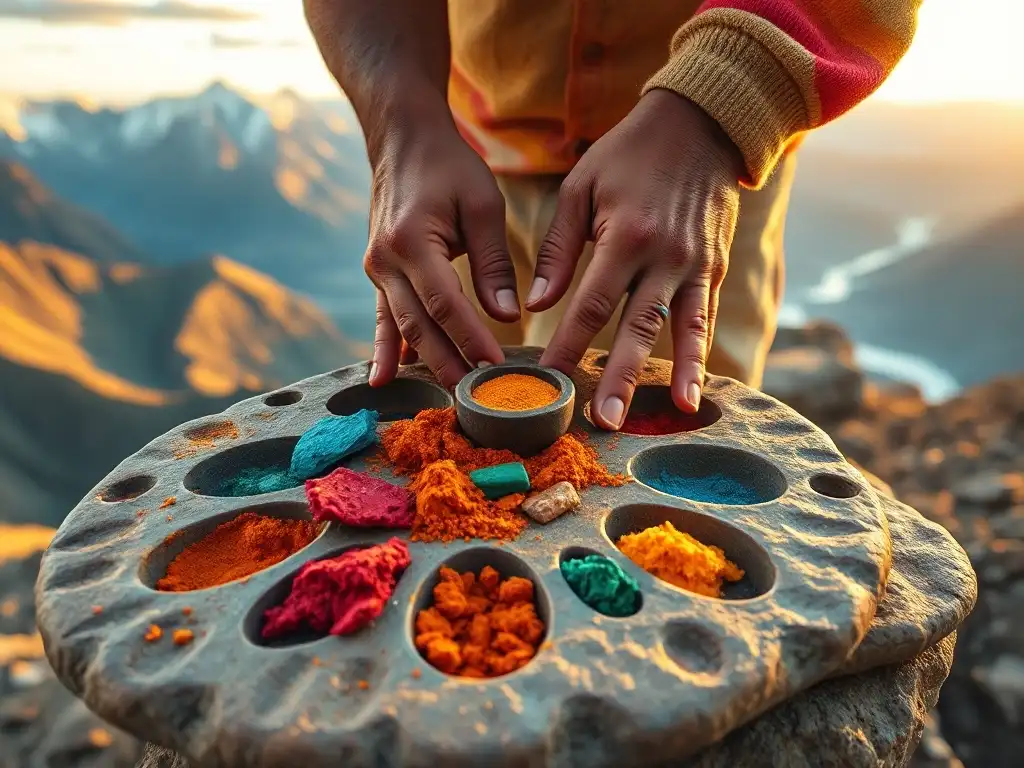
Uncover the secrets whispered by the wind across the Andes Mountains. For centuries, vibrant hues painted the landscapes and lives of ancient civilizations. Journey with us as we delve into the captivating world of Andean natural pigments, revealing the artistry and ingenuity behind the colors that adorned their magnificent textiles, ceramics, and monumental structures. Discover how these earth-born pigments shaped not only their art, but their very understanding of the world. Prepare to be amazed by the legacy they left behind.
The vibrant hues adorning ancient Andean textiles, ceramics, and murals weren't born from manufactured paints. Instead, they sprang from the very earth itself – a testament to the ingenuity and deep connection these civilizations had with their environment. This article delves into the fascinating world of Andean natural pigments, exploring the sources, techniques, and significance of these colors in recreating the authentic spirit of Andean art.
We'll uncover the secrets behind the rich reds, vibrant yellows, and earthy browns that defined Andean artistic expression, providing you with the knowledge to embark on your own creative journey inspired by these ancient masters. Understanding these pigments allows for a deeper appreciation of the artistry and cultural significance embedded within each piece, bridging the gap between modern creation and the rich heritage of Andean civilizations.
From the majestic Incan empire to the intricate artistry of the Nazca lines, the story of Andean color is a captivating narrative woven into the very fabric of their history and artistic legacy. Learn how to harness the power of these natural pigments to bring your own Andean-inspired art to life, ensuring authenticity and a true connection to the past.
Unearthing the Secrets of Andean Color: An Introduction to Natural Pigments
Andean natural pigments weren't simply colors; they were integral components of the cultural and spiritual landscape. The source materials, often readily available in the diverse Andean ecosystems, dictated the available palette. Red, for example, frequently came from minerals like hematite (iron oxide) found abundantly in various regions.
This resulted in a range of reds, from deep crimson to a more muted terracotta, depending on the specific mineral composition and preparation techniques. Yellows were often derived from clays containing iron hydroxides or from the mineral goethite. The intensity and shade of yellow varied significantly based on the location and the processing methods employed by artisans.
Browns, ranging from light tan to dark umber, were obtained from various manganese oxides and earth pigments. The rich diversity of the Andean landscape provided a seemingly endless array of options for creating an extensive and nuanced color palette. These pigments weren't just mixed; they were meticulously prepared, often involving grinding, mixing with binders (like gum arabic or plant saps), and sometimes even undergoing complex chemical processes to enhance their vibrancy and longevity.
The process of pigment creation was deeply intertwined with the spiritual beliefs and practices of the Andean people. The sourcing of materials, the preparation techniques, and even the application of the pigments to the art itself were likely infused with ritualistic significance, reflecting a profound respect for the natural world and its inherent power. Further research is needed to fully understand the extent of these rituals and their impact on the final artistic product.
However, even the limited information available highlights the deep connection between the Andean people, their environment, and their artistic expression. This connection is crucial to understanding the true essence of Andean art and to appreciating the effort and care that went into its creation. The careful selection and preparation of pigments were essential to the creation of lasting and meaningful artwork.
Why Choose Authentic Andean Natural Pigments for Your Art?
Using authentic Andean natural pigments in your art offers a multitude of benefits beyond simply achieving a historically accurate palette. Firstly, it connects you directly to the rich heritage and artistic traditions of the Andean civilizations. By employing the same materials and techniques (as far as possible in a modern context), you're engaging in a form of cultural preservation and participating in a centuries-old artistic practice. This fosters a deeper understanding and appreciation of the ingenuity and artistry of these ancient cultures.
Secondly, these pigments offer a unique aesthetic appeal. Unlike synthetic paints, natural pigments possess a subtle depth and complexity that is difficult to replicate artificially. Their slight variations in hue and texture add a layer of organic beauty and authenticity to your artwork. They often exhibit a luminosity and vibrancy that synthetic pigments simply cannot match. The subtle imperfections and variations inherent in natural pigments contribute to the unique character and charm of the final artwork. This organic quality is a defining characteristic of many traditional Andean art pieces.
Finally, the use of natural pigments aligns with environmentally conscious practices. While sourcing and processing these pigments requires responsible practices, the overall environmental impact is often significantly lower than that of synthetic paints, which rely on petrochemical processes and often contain harmful chemicals. Choosing these natural alternatives reflects a commitment to sustainability and responsible art creation.
This approach also encourages a renewed appreciation for the natural world and its role in artistic expression. The use of natural pigments offers a compelling blend of cultural connection, aesthetic appeal, and environmental responsibility, making it a truly enriching experience for both the artist and the viewer.
Sourcing Your Andean Palette: Where to Find Natural Pigments
Finding authentic Andean natural pigments requires a bit of research and perhaps some adventurous exploration! Many pigments were sourced locally, meaning the specific location will influence the available colors. For example, the vibrant reds often came from cinnabar (mercury sulfide) deposits found in specific regions of the Andes. These deposits are not uniformly distributed, so access depends heavily on geographical location.
Similarly, yellows and browns were commonly derived from iron oxides found in different soil types across the vast Andean landscape. The quality and shade of these pigments varied considerably depending on the specific geological source. Today, recreating this palette requires a careful consideration of geographical factors. You might find some pigments in specialized art supply stores catering to historical reproduction techniques, but sourcing directly from the earth—with proper permissions and ethical considerations—offers a more authentic experience.
Remember to always research and respect local regulations and land ownership before attempting to collect any materials from natural sources. Some modern suppliers may offer ethically sourced, sustainably harvested pigments, providing a responsible alternative for those who wish to stay true to traditional Andean methods. Always prioritize sustainability and respect for the environment when sourcing your pigments. The Andean people had a deep relationship with their land, and we should strive to emulate that respect in our own artistic endeavors.
Step-by-Step Guide: Creating Your Own Andean-Inspired Paint
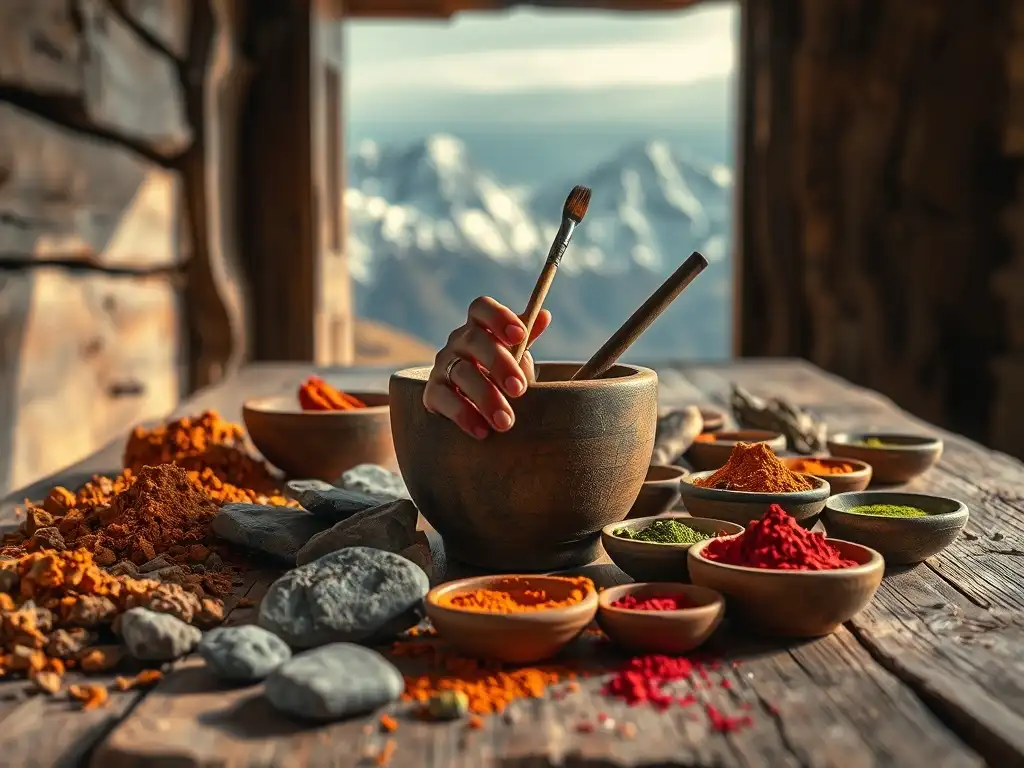
Creating paints using Andean-inspired natural pigments is a rewarding process that connects you directly to the artistic traditions of the region. This detailed guide will walk you through each step, ensuring you achieve vibrant and authentic colors. Remember, patience and precision are key to success.
The process is not always fast, but the results are well worth the effort. Moreover, understanding the process allows for a deeper appreciation of the skill and knowledge inherent in ancient Andean art. The following subsections will break down the process into manageable steps, allowing you to recreate the rich and varied colors of the past.
Preparing Your Raw Materials for Natural Pigments
Before you begin, gathering your raw materials is crucial. This involves carefully selecting and cleaning the earth pigments. For example, if using ochre, you’ll need to carefully excavate, avoiding any contamination from surrounding soil. Thorough cleaning is essential to remove any impurities that could affect the color or longevity of your paint. This often involves washing and sifting the material to remove unwanted debris, rocks, and other impurities.
The level of preparation required depends on the specific pigment. Some, like certain clays, might require less processing, while others, like cinnabar, might need more extensive refinement. Careful observation and meticulous preparation are key to achieving the desired color purity and consistency. Remember always to wear appropriate safety gear, such as gloves and a mask, when handling earth pigments.
Grinding and Processing Andean Mineral Pigments
Once your raw materials are prepared, the next step involves grinding the pigments into a fine powder. This is traditionally done using a mortar and pestle, a time-consuming but effective method. The finer the powder, the smoother and more vibrant the resulting paint will be. A consistent particle size is essential for a uniform color and to prevent any gritty texture in the final product.
The grinding process can be physically demanding, requiring patience and persistence. Modern methods, such as using a ball mill, can speed up this process, but the traditional method offers a more intimate connection to the ancient techniques. The choice of method depends on the desired level of authenticity and the scale of production. Remember to regularly check the fineness of the powder to ensure a consistent result.
Combining Natural Pigments with Binders
The ground pigments alone do not form a usable paint; they need a binder to hold them together. Traditional Andean binders included materials like gum arabic, egg whites, or even plant saps. The choice of binder affects the final paint's properties, influencing its texture, durability, and application. Gum arabic, for example, creates a water-soluble paint, while egg whites provide a more durable finish. Experimenting with different binders is part of the creative process.
The ratio of pigment to binder is also crucial. Too much binder will result in a weak and pale color, while too little will create a thick, difficult-to-apply paint. Finding the right balance through experimentation is essential to mastering this technique. Detailed records of your experiments will be invaluable in developing consistent results. Precise measurements are not always crucial, as some flexibility is allowed in this traditionally practiced art form.
Experimenting with Different Natural Pigment Ratios for Varied Color Intensity
One of the exciting aspects of working with natural pigments is the ability to adjust color intensity by varying the pigment-to-binder ratio. A higher concentration of pigment will result in a more intense and saturated color, while a lower concentration will produce a more muted and subtle shade. This allows for a wide range of color variations, even within the same pigment.
Furthermore, you can experiment with mixing different pigments to create new and unique hues. For example, mixing a red ochre with a yellow ochre can create a vibrant orange, mimicking the colors seen in many Andean textiles. Keep detailed notes of your experiments, documenting the ratios of pigments and binders used to achieve specific colors.
This will create a valuable reference for future projects, allowing you to consistently reproduce your desired shades. This process of experimentation is key to understanding the nuances of working with natural pigments and unlocking the full potential of your Andean-inspired palette. 🎨
A Deep Dive into Specific Andean Natural Pigments and Their Uses
The vibrant colors adorning ancient Andean textiles, ceramics, and murals weren't achieved with store-bought paints. Instead, skilled artisans harnessed the earth's palette, utilizing a remarkable range of natural pigments derived from minerals, plants, and insects. Understanding these pigments is key to appreciating the ingenuity and artistry of Andean civilizations and to recreating their aesthetic in your own work. The availability and use of these pigments varied across different Andean cultures and regions, reflecting the diverse landscapes and ecological conditions.
For example, coastal communities may have had greater access to certain marine-derived pigments, while highland communities relied heavily on minerals found in the Andean mountains. This regional variation adds another layer of complexity and richness to the study of Andean art and its materials. The careful selection and preparation of these pigments were crucial steps in the artistic process, demonstrating a deep understanding of both art and nature.
Ochre: The Earth's Red, Yellow, and Brown
Ochre, a hydrated iron oxide, is arguably the most widely used natural pigment throughout history, and the Andes are no exception. Its variations in color – from deep reds and oranges to yellows and browns – are determined by the hydration level and the presence of other minerals. Red ochre, a powerful symbol of fertility and life in many Andean cultures, was commonly used in ceremonial objects, textiles, and body painting.
Yellow ochre, on the other hand, often represented the sun and its life-giving energy. The different shades of ochre readily available in the Andean region allowed for a wide range of hues and tones in Andean art. Artisans expertly blended and layered these ochres to achieve subtle gradations and create complex visual effects.
The durability of ochre also contributed to its widespread use; many ancient Andean artifacts retain their vibrant colors even after centuries. The abundance and ease of access to ochre made it a staple material for both everyday objects and highly significant ceremonial items.
Cochineal: The Vibrant Red from Tiny Insects
Unlike ochre, the vibrant crimson red of cochineal dye wasn't sourced from the earth but from the cochineal insect ( Dactylopius coccus), a tiny parasite that feeds on prickly pear cacti. This insect was cultivated and harvested by Andean cultures, particularly the Inca, who prized cochineal for its rich color and its use in textiles reserved for the elite.
The process of extracting the dye from the insects was labor-intensive, adding to the value and prestige associated with cochineal-dyed fabrics. The intensity of the red varied depending on the processing techniques, highlighting the sophisticated knowledge of Andean artisans in manipulating natural resources.
The use of cochineal also extended beyond textiles; it was likely used in other forms of Andean art, though further research is needed to fully understand its range of applications. The vibrant red of cochineal stands as a testament to the ingenuity of the Andean people in harnessing even the smallest of creatures for artistic purposes.
Indigo: The Deep Blue of the Andes
Indigo, a deep blue pigment derived from the Indigofera plant, provided a striking contrast to the warm earth tones prevalent in Andean art. While not as ubiquitous as ochre, indigo was still a significant pigment, especially in textile dyeing. The process of creating indigo dye involved several steps, requiring a thorough understanding of fermentation and chemical processes. The intensity and shade of the blue could be varied by adjusting the fermentation time and other factors.
This demonstrates a remarkable level of chemical knowledge among Andean artisans. Indigo's use in Andean textiles contributed significantly to their visual impact and cultural significance, often used to create intricate patterns and designs. The deep, rich blue of indigo stands out as a testament to the sophisticated understanding of natural dyes among Andean cultures.
Other Andean Pigments: Exploring the Diversity of Color
Beyond ochre, cochineal, and indigo, a fascinating array of other pigments enriched the Andean artistic palette. Minerals like azurite (blue) and malachite (green) provided vibrant hues, while various plant-based dyes offered a spectrum of colors. Charcoal, derived from burnt wood, provided a dark, earthy tone, often used for outlining or shading.
The exact composition and sourcing of many of these pigments remain subjects of ongoing research, but their presence reveals a rich diversity of materials and techniques employed by Andean artisans. The creativity and resourcefulness of Andean communities in utilizing the available resources are evident in the wide array of colors and tones present in their art. Further investigation into less-studied pigments is crucial for a more complete understanding of Andean artistic practices.
Preserving Your Andean Art: Tips and Techniques
Creating art inspired by Andean techniques requires not only understanding the pigments but also knowing how to preserve your work for years to come. Natural pigments, while beautiful, can be sensitive to light and environmental factors. Proper care and preservation techniques are essential to ensure that your artwork retains its vibrancy and integrity. This is particularly important when working with natural pigments due to their potential sensitivity to environmental factors and their lack of the chemical stabilizers found in modern paints.
The Importance of UV Protection for Natural Pigment Art
Ultraviolet (UV) light is a major culprit in the fading of pigments, particularly organic ones like cochineal. Exposing your artwork to direct sunlight can significantly accelerate the fading process, diminishing the vibrancy of your colors over time. Therefore, it's crucial to protect your work from direct sunlight. Displaying your Andean-inspired artwork in a location with diffused light, or using UV-protective glazing if it's framed, will significantly extend its lifespan. Using archival-quality materials throughout the process, from the canvas or paper to the protective coatings, is essential for long-term preservation.
Sealing Your Work
Sealing your finished artwork with a suitable protective layer is a crucial step in preserving its integrity. A high-quality sealant will protect the pigments from moisture, dust, and environmental pollutants, while also enhancing the artwork's overall durability. The choice of sealant will depend on the type of surface you are working on (e.g., canvas, paper, wood) and the specific characteristics of your pigments.
Always test a small, inconspicuous area first to ensure that the sealant doesn't react negatively with the pigments. A properly sealed artwork will not only look better but will also be better protected from the damaging effects of time and environmental exposure. Proper sealing is an essential part of preserving the beauty and integrity of your Andean-inspired artwork for generations to come.
Beyond the Canvas: Applications of Andean Natural Pigments
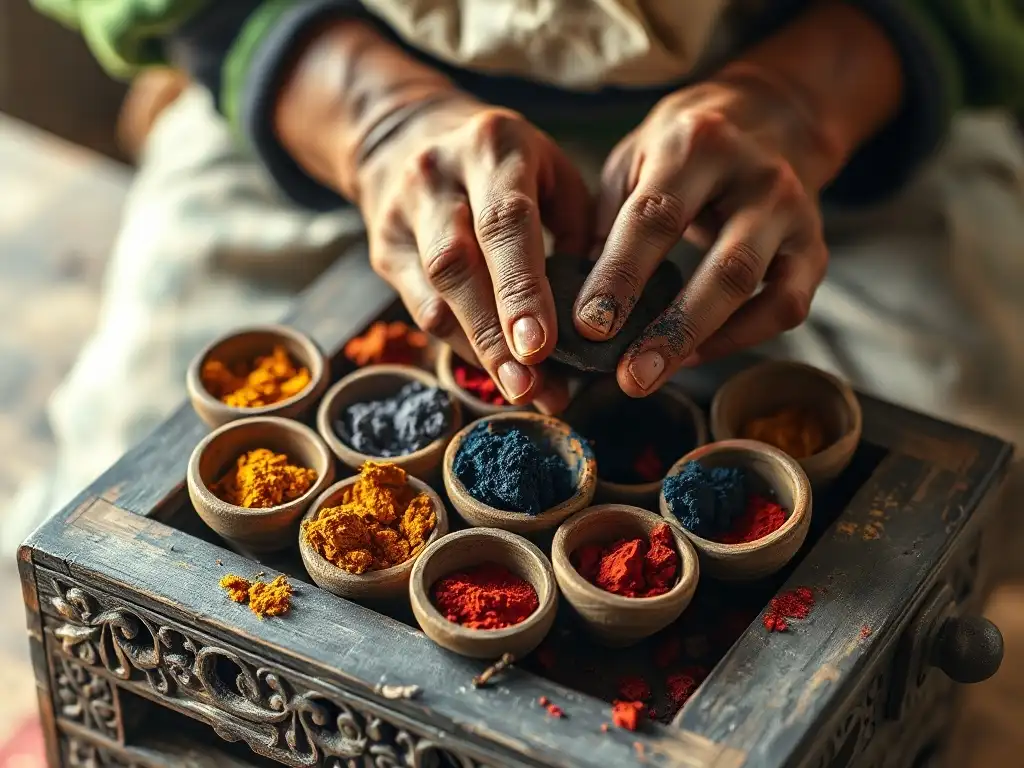
Andean natural pigments weren't limited to canvases; their vibrant hues enriched a vast array of artistic expressions and daily life. The ingenuity of Andean artisans extended the use of these pigments far beyond painting, demonstrating a deep understanding of their properties and potential. From the intricate designs adorning textiles to the striking colors of pottery, these pigments played a vital role in shaping the visual landscape of Andean cultures.
Their use wasn't merely decorative; it often held symbolic meaning, reflecting spiritual beliefs and social status. The durability and richness of these pigments ensured that the artistry of ancient Andean civilizations endured, leaving behind a legacy of breathtaking beauty and cultural significance.
The techniques employed for applying these pigments varied depending on the medium, showcasing the adaptability and skill of the artisans. For instance, the application of pigments to pottery involved a different process than that used for textiles, demonstrating a sophisticated understanding of material science.
Creating Andean-Inspired Pottery with Natural Pigment Glazes
The creation of Andean-inspired pottery using natural pigment glazes offers a fascinating journey into ancient techniques. Artisans skillfully combined crushed minerals, clays, and other natural materials to achieve a range of colors and finishes. The process involved careful preparation of the clay, meticulous application of the glaze, and precise firing techniques to achieve the desired effect.
Achieving vibrant, long-lasting colors required a deep understanding of the interplay between the pigment, the glaze, and the firing process. Experimentation with different combinations of natural pigments allowed for a wide spectrum of hues, from deep reds and ochres to subtle greens and blues. Modern artisans continue to explore and refine these ancient techniques, preserving the legacy of Andean pottery and adding their own creative interpretations.
The results are stunning pieces of art that reflect both tradition and innovation, showcasing the enduring appeal of natural pigments in ceramic art. For example, the use of iron oxide produced varying shades of red and brown, while manganese dioxide contributed deep blacks and purples.
Natural Pigments in Andean Textile Art
Andean textile art is renowned for its intricate designs and vibrant colors, achieved through the masterful use of natural pigments. These pigments, derived from plants, minerals, and insects, were meticulously prepared and applied to fibers, creating breathtaking tapestries and clothing. The process often involved complex steps, from harvesting and processing the raw materials to dyeing and weaving the textiles.
The colors achieved were often remarkably durable and resistant to fading, a testament to the skill and knowledge of Andean artisans. Different regions utilized unique palettes, reflecting the availability of local resources and cultural preferences. For example, cochineal insects provided brilliant reds, while various plants yielded yellows, blues, and greens.
The choice of color also held symbolic significance, with certain hues associated with specific deities or social classes. Studying Andean textile art provides valuable insights into the cultural practices, beliefs, and artistic achievements of these ancient civilizations. The enduring legacy of Andean textiles continues to inspire contemporary artists and designers, demonstrating the timeless beauty and cultural significance of natural pigments in textile art.
Personalizing Jewelry with Earthy Andean Colors
The earthy tones of Andean natural pigments lend themselves beautifully to jewelry making, offering a unique way to personalize handcrafted pieces. By incorporating these pigments into beads, stones, or metalwork, artisans can create jewelry that reflects the rich palette of the Andes. The process might involve dyeing natural materials or mixing pigments into clay or resin to create unique beads and pendants. The use of natural pigments allows for a wide range of colors and textures, from subtle earth tones to vibrant hues.
Many modern jewelers are inspired by Andean designs and color palettes, demonstrating the ongoing influence of these ancient traditions. The incorporation of natural pigments adds a unique depth and character to jewelry, creating pieces that are both aesthetically pleasing and culturally significant. This approach allows for a connection to the ancient Andean artistry while creating contemporary, personalized adornments.
Resources for Further Exploration of Natural Andean Pigments
For those wishing to delve deeper into the fascinating world of Andean natural pigments, a wealth of resources is available. These resources offer valuable insights into the history, techniques, and cultural significance of these pigments. Exploring these resources provides a deeper appreciation for the artistry and ingenuity of the Andean civilizations.
Books and Guides on Andean Art and Pigments
Several books and guides offer detailed information on Andean art and the use of natural pigments. These publications often include detailed descriptions of the pigments used, the techniques employed, and the cultural context in which these pigments were used. Some books focus specifically on the chemical composition of these pigments and their properties, while others explore the artistic and symbolic aspects of their use. These resources are invaluable for researchers, artists, and anyone interested in learning more about Andean art and culture. [Specific titles and authors pending]
Online Courses on Traditional Andean Art Techniques
The digital age has opened up new avenues for learning about traditional Andean art techniques, including the use of natural pigments. Several online courses offer in-depth instruction on various aspects of Andean art, from pottery making to textile weaving. These courses often include demonstrations of pigment preparation and application, providing a practical understanding of these ancient techniques.
Participants can learn from experienced instructors and connect with a community of fellow enthusiasts, sharing knowledge and experiences. These courses offer a valuable opportunity to learn directly from experts and explore the rich traditions of Andean art. [Specific course names and platforms pending]
Final Thoughts: Embracing the Earth's Palette in Your Art
Creating art inspired by Andean civilizations offers a unique opportunity to connect with a rich history and vibrant culture. By utilizing Andean natural pigments, you're not just employing color; you're engaging in a tradition that spans millennia, echoing the practices of master artisans who meticulously sourced and prepared their paints from the earth itself.
The process of gathering, preparing, and using these pigments is inherently rewarding, fostering a deeper appreciation for the land and the artistry it has inspired. It allows for a more intimate connection with the creative process, moving beyond the simple application of pre-mixed paints to a more holistic artistic experience.
The subtle variations in hue and texture inherent in natural pigments add a unique depth and authenticity to your artwork. Unlike commercially produced paints, these pigments possess a nuanced character that reflects the very essence of the Andean landscape – the fiery reds of ochre, the earthy browns of clay, the vibrant yellows of achiote. This organic quality imbues your creations with a sense of history and place, making them truly unique and evocative. Experimenting with different combinations and techniques will lead to unexpected results, enriching your artistic journey and expanding your creative palette.
Moreover, using Andean natural pigments promotes sustainability and reduces your environmental impact. By choosing natural, readily available materials, you contribute to a more environmentally conscious artistic practice. This aligns with the values of many Andean communities who have long prioritized sustainable living and harmonious coexistence with nature. Embracing this approach not only enriches your artistic practice but also aligns you with a tradition of responsible resource management.
Consider this a small but significant step towards a more sustainable and ethically conscious approach to art creation. The beauty of Andean art lies not only in its vibrant colors and intricate designs but also in its deep connection to the land and its people. By incorporating Andean natural pigments into your work, you become part of that legacy.
- Unearthing the Secrets of Andean Color: An Introduction to Natural Pigments
- Why Choose Authentic Andean Natural Pigments for Your Art?
- Sourcing Your Andean Palette: Where to Find Natural Pigments
- Step-by-Step Guide: Creating Your Own Andean-Inspired Paint
- A Deep Dive into Specific Andean Natural Pigments and Their Uses
- Preserving Your Andean Art: Tips and Techniques
- Beyond the Canvas: Applications of Andean Natural Pigments
- Resources for Further Exploration of Natural Andean Pigments
- Final Thoughts: Embracing the Earth's Palette in Your Art
- What were Andean civilizations' primary sources for natural pigments?
- How did the availability of pigments influence Andean art?
- What techniques did Andean artists use to create and apply natural pigments?
- Were Andean natural pigments durable and long-lasting?
- Where can I learn more about the specific types of Andean natural pigments?
Frequently Asked Questions
What were Andean civilizations' primary sources for natural pigments?
Andean artists utilized a diverse range of natural pigments derived from the environment. These included minerals like ochre and azurite, as well as plant-based dyes from various flowers, insects, and minerals. The specific sources varied regionally.
How did the availability of pigments influence Andean art?
The geographical location heavily influenced pigment availability, impacting artistic styles and palettes across different Andean cultures. Access to certain minerals or plants dictated the colors predominantly used in artwork and textiles.
What techniques did Andean artists use to create and apply natural pigments?
Andean artists employed sophisticated techniques, including grinding minerals into fine powders, mixing them with binders like gum arabic or egg yolk, and applying them using brushes, reeds, or fingers. Specific methods varied depending on the medium.
Were Andean natural pigments durable and long-lasting?
The durability of Andean pigments varied depending on the specific materials and application techniques used. Some pigments, like those derived from certain minerals, proved remarkably resistant to fading and degradation over time.
Where can I learn more about the specific types of Andean natural pigments?
To delve deeper into the fascinating world of Andean natural pigments, explore academic articles and books focusing on Andean archaeology and art history. Many museums also feature exhibits on Andean art and technology.
Final Reflection: The Enduring Legacy of Andean Earth Pigments
The vibrant hues of Andean art, born from the earth itself, resonate far beyond the canvases they adorn; they speak to a deep connection between humanity and nature, a connection as vital today as it was centuries ago. The resurgence of interest in natural pigments highlights a growing awareness of sustainable practices and a renewed appreciation for traditional artistry, challenging the dominance of synthetic alternatives and their environmental impact.
The enduring power of these pigments lies not just in their beauty, but in their narrative. They whisper stories of ancestral knowledge, passed down through generations, embodying a profound respect for the land and its resources. The earth provides not only the materials for our art, but also the inspiration for our lives.
This sentiment, though not directly quoted from an Andean source, encapsulates the spirit of the connection between the land and the art it inspires. The continued use and study of these pigments ensures that this rich cultural heritage remains vibrant and accessible, a testament to the ingenuity and resilience of Andean communities.
Consider, for a moment, the impact of your own choices. What colors surround you? Where do they originate? Embrace the opportunity to explore the world of natural pigments, to understand the stories they tell, and to appreciate the artistry and sustainability they represent. By choosing consciously, we can support both the preservation of ancient traditions and the creation of a more environmentally responsible future, one brushstroke at a time.
Unveil the Colors of Life Through Andean Art!
Thank you for exploring the vibrant world of natural pigments in Andean art! You've gained a deeper understanding of how these colors tell the stories of ancient civilizations and their relationship with the land. Now, let's put that inspiration to work!
Here are some ways to delve further into this fascinating subject:
- Experiment with Natural Pigments: Gather local materials and create your own artwork using natural pigments inspired by Andean techniques. Share your creations on social media and celebrate your artistic journey!
- Join a Workshop: Look for local art classes or workshops focusing on traditional techniques to improve your skills and connect with other art enthusiasts.
- Share Your Discovery: Share this article with friends and family to introduce them to Andean culture and the beauty of natural artistry.
What unique colors and stories will you discover as you explore the art of natural pigments? Let's discuss your creative process!