
From Fleece to Fabric: Exploring the Art of Andean Weaving

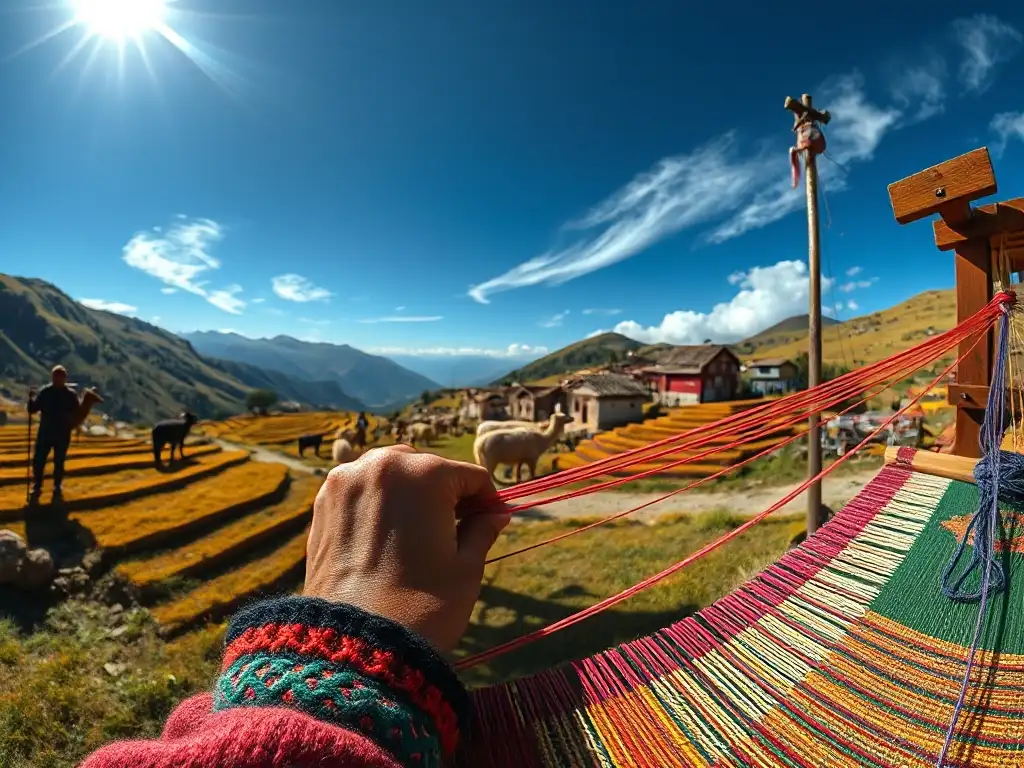
Unravel the mysteries of a lost world, where vibrant threads whisper tales of empires past. Dive into the captivating realm of Andean Civilizations, and discover a legacy woven into the very fabric of history. Prepare to be amazed by the ingenuity and artistry of Andean weaving techniques, a skill that transformed simple fleece into breathtaking masterpieces. Journey with us as we explore the intricate secrets behind these ancient crafts and uncover the stories they tell.
The Andes Mountains, a spine of towering peaks running down the western coast of South America, are home to a rich tapestry of ancient cultures. For millennia, these civilizations—including the Incas, Moche, Nazca, and Tiahuanaco—developed sophisticated techniques in weaving, transforming simple fibers into breathtaking textiles that served both practical and deeply symbolic purposes.
This article delves into the fascinating world of Andean weaving, exploring the techniques, materials, and significance of this enduring art form, providing a comprehensive overview of the skills and artistry involved in transforming raw materials into stunning works of textile art. Understanding these ancient methods not only enriches our appreciation of Andean heritage but also provides inspiration for contemporary artists seeking to create their own Andean-inspired works.
We will explore the intricacies of Andean weaving techniques, examining the processes from the shearing of the alpaca and llama fleece to the creation of vibrant, intricately patterned fabrics. This exploration of Andean weaving techniques will uncover the secrets behind the enduring beauty and cultural significance of these remarkable textiles.
Introduction to Andean Textile Traditions and Their Significance
Andean textile traditions are not merely a craft; they are a deeply ingrained part of the cultural identity of the Andean people. Textiles served a multitude of purposes, from everyday clothing and household items to elaborate ceremonial garments and religious objects. The vibrant colors, intricate designs, and complex techniques reflect a profound connection to the natural world and a sophisticated understanding of symbolic representation. Weaving was often a communal activity, with women playing a central role in the production and preservation of these traditions.
The designs themselves were not arbitrary; they often incorporated symbolic motifs representing animals, plants, celestial bodies, and ancestral spirits. These motifs held powerful meanings, conveying social status, religious beliefs, and historical narratives. The artistry of Andean weaving is evident in the variety of techniques employed, including:
- Backstrap loom weaving: A portable and versatile technique using a simple loom attached to a backstrap.
- Vertical loom weaving: A larger, more stationary loom used for creating broader and more complex textiles.
- Spindle whorl spinning: A technique for spinning yarn using a spindle and whorl, allowing for fine and consistent thread.
The enduring legacy of Andean weaving is undeniable. These textiles not only provide valuable insights into the past but also continue to inspire contemporary artists and designers. The intricate patterns and vibrant colors remain a source of fascination and admiration, reflecting the ingenuity and creativity of generations of Andean artisans. The significance of these textiles extends beyond their aesthetic appeal; they serve as tangible links to a rich and complex cultural heritage.
Understanding the Materials: From Andean Wool to Natural Dyes
The quality of Andean textiles is intrinsically linked to the exceptional materials used in their creation. The high-altitude environments of the Andes are home to several camelid species, notably the alpaca and llama, whose fleece provides the foundation for many of these exquisite textiles. Alpaca fiber, prized for its softness, warmth, and luxurious sheen, is particularly sought after. Llama fiber, while coarser, offers durability and strength. The careful selection and preparation of the fleece are crucial steps in the weaving process. Before spinning, the fleece undergoes a meticulous cleaning and carding process to remove impurities and align the fibers.
The vibrant colors found in Andean textiles are achieved through the use of natural dyes derived from plants, insects, and minerals found in the Andean region. These natural dyes, often painstakingly gathered and prepared, produce a stunning array of hues, ranging from deep reds and yellows to rich browns and greens. Some common sources of natural dyes include:
| Dye Source | Color Produced |
|---|---|
| Cochineal insect | Vivid Red/Crimson |
| Indigo plant | Deep Blues |
| Various plants | Yellows, Greens, Browns |
| Minerals (e.g., iron oxides) | Earthy Tones, Reds |
The use of natural dyes not only contributes to the aesthetic beauty of the textiles but also reflects a deep respect for the natural environment. The process of obtaining and preparing these dyes is often time-consuming and requires specialized knowledge, passed down through generations of Andean artisans. The enduring quality and vibrant colors of these naturally dyed textiles are a testament to both the skill of the artisans and the quality of the materials they utilize.
The integration of these natural dyes into the weaving process resulted in a wide range of colors that were not only beautiful but also durable. The use of these materials highlights the deep connection between the Andean people and their environment.
Preparing the Fleece: Washing, Carding, and Spinning
The journey from fleece to fabric begins with careful preparation of the raw material. Andean weavers, historically relying on alpaca, llama, and vicuña fibers, understood the importance of this initial process to ensure the final product's strength, softness, and beauty. The quality of the fleece directly impacts the final textile's characteristics, making this stage crucial for achieving superior results. Careful attention to detail at this stage is essential for creating high-quality textiles. Let's delve into the specifics.
Step 1: Selecting Quality Alpaca Fiber
Choosing the right fiber is paramount. Alpaca fiber, prized for its softness and warmth, comes in a variety of colors and qualities. Experienced weavers carefully select fleece based on factors like fiber length, fineness, and luster. Longer, finer fibers produce smoother, more luxurious yarns, while variations in color allow for unique and intricate designs. The selection process is often guided by generational knowledge passed down through families, ensuring the preservation of traditional practices and the selection of the finest raw materials. Weavers often feel the fiber, assessing its softness and strength before making their choice.
Step 2: Carding Wool with Hand Carders
Once the fleece is selected, it needs to be cleaned and prepared for spinning. This involves washing the fleece to remove dirt and plant matter. Traditional methods often involve soaking the fleece in natural solutions, ensuring that the fibers are not damaged. After washing and drying, the fibers are carded using hand carders – two flat boards covered in wire teeth.
This process aligns the fibers, removing tangles and creating a continuous strand, a crucial step in preparing the fiber for spinning. The rhythmic movement of the carders, a time-honored technique, is not only practical but also meditative, connecting the weaver to the ancient tradition. The careful and patient process of carding is critical to the quality of the final yarn.
Step 3: Spinning Yarn with a Drop Spindle
With the fibers carded and aligned, the next step involves spinning the yarn. Andean weavers traditionally use a drop spindle, a simple yet effective tool. The spindle, a weighted object attached to a shaft, is used to twist the fibers together, creating a continuous yarn. This process requires skill and practice, as the weaver must control the tension and speed of the spinning to create a consistent yarn.
The resulting yarn’s thickness and strength depend entirely on the weaver's skill and the quality of the initial fiber preparation. The rhythmic twirling of the drop spindle is a captivating sight, and the resulting yarn is a testament to the weaver's skill and patience. This time-honored method connects the modern weaver to centuries of Andean textile tradition.
Mastering Basic Andean Weaving Techniques: A Step-by-Step Guide
With the yarn prepared, the weaver can begin the intricate process of creating a textile. Andean weaving techniques are renowned for their complexity and beauty, reflecting a deep understanding of textile production and a rich cultural heritage. The following steps provide a glimpse into the fundamental techniques.
Step 1: Setting Up a Backstrap Loom
The backstrap loom is a portable and versatile tool used for centuries by Andean weavers. It consists of a warp (longitudinal threads) stretched between a fixed point and a backstrap worn by the weaver. Setting up the loom involves carefully warping the threads, ensuring even tension throughout. This precise setup is essential for creating even, high-quality textiles. The process requires patience and attention to detail, as any inconsistencies in the warp will affect the final woven fabric. This preparation lays the foundation for the intricate weaving to come.
Step 2: Learning Basic Weaving Patterns: Plain Weave and Supplementary Warp
Once the loom is set up, the weaver can begin weaving. Plain weave, the simplest technique, involves interlacing the weft (horizontal threads) over and under the warp threads. More advanced techniques, such as supplementary warp, involve adding extra threads to create intricate patterns and textures. Understanding these fundamental techniques is key to unlocking the potential of Andean weaving. The mastery of these techniques takes time and practice, but the results are well worth the effort. The simple elegance of plain weave is a testament to the beauty that can be achieved with basic techniques.
Step 3: Creating Geometric Designs Inspired by Andean Motifs
Andean textiles are celebrated for their intricate geometric designs. These designs, often inspired by nature and Andean cosmology, are woven into the fabric using a variety of techniques. By combining plain weave with supplementary warp or other advanced methods, weavers create complex patterns representing animals, plants, and celestial bodies. The precise execution of these designs requires immense skill and patience.
The resulting textiles are not just functional but also powerful expressions of Andean culture and artistic skill. The intricate geometric designs are a visual feast, demonstrating the artistic excellence of Andean weaving traditions. The vibrant colors and complex patterns tell stories of Andean history and beliefs.
Advanced Andean Weaving Methods and Patterns
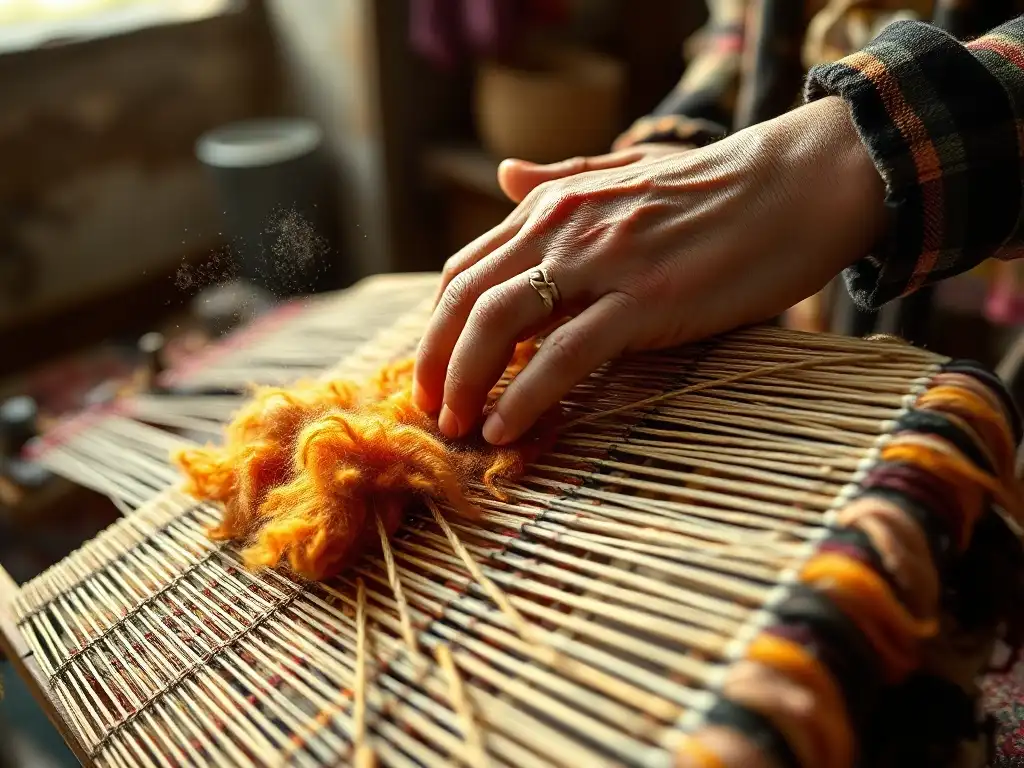
Andean weaving wasn't just about creating cloth; it was a sophisticated art form reflecting intricate social structures and spiritual beliefs. Master weavers employed advanced techniques to produce textiles of unparalleled complexity and beauty. The sheer variety of patterns, from geometric designs to zoomorphic and anthropomorphic representations, speaks volumes about the ingenuity and artistry of these ancient cultures. These techniques, passed down through generations, involved a deep understanding of fiber properties and a mastery of intricate weaving processes.
The precision and skill involved are truly remarkable, showcasing the dedication and expertise of the Andean weavers. The complexity of these patterns often encoded meaning, serving as visual narratives that communicated stories, beliefs, and social status. Understanding these patterns provides a deeper appreciation for the cultural richness embedded within Andean textiles. The use of symbolic motifs, like the condor or serpent, further emphasizes the spiritual significance woven into each piece.
Double Weave Techniques for Complex Designs
Double weave, a technique where two separate layers of fabric are woven simultaneously, allowed Andean artisans to create stunningly complex designs. This method enabled the creation of reversible textiles with distinct patterns on each side, or even the incorporation of multiple colors and textures within a single piece. Imagine the level of skill required to manage two independent warp threads, meticulously interlacing them to form two distinct fabrics that are nonetheless seamlessly connected.
This technique is particularly evident in the intricate textiles of the Inca Empire, where double weave was used to create garments for the elite and ceremonial purposes. The precision of the designs, often featuring intricate geometric patterns or representations of animals and deities, is a testament to the weavers' mastery. The ability to create such detailed designs demonstrates a profound understanding of textile construction and an exceptional level of dexterity.
Exploring Weft-Faced Weaving for Tapestry-like Effects
Weft-faced weaving, where the weft yarns dominate the surface of the fabric, gave Andean weavers the ability to create tapestry-like effects. This technique allowed for the creation of intricate pictorial designs and vibrant, richly colored images. Unlike plain weave structures, where warp and weft are equally visible, weft-faced weaving allows for a detailed, almost painterly, approach to textile design.
This is because the weft yarns are strategically manipulated to create the pattern, leaving the warp threads largely hidden. This technique is responsible for the remarkable detail found in many Andean textiles, particularly those depicting scenes from daily life, mythology, or religious ceremonies. The ability to create such finely detailed images within a woven structure is a remarkable achievement, highlighting the advanced skills of Andean textile artists.
Incorporating Andean Brocade Techniques for Raised Patterns
Andean brocade, a supplementary weft technique, allowed weavers to create raised patterns and intricate surface textures. This involved adding extra weft yarns to specific areas of the fabric, creating a three-dimensional effect that added depth and complexity to the designs. This process required significant skill and precision, as the extra weft yarns had to be carefully interlaced with the main weft to create the desired pattern without disrupting the overall structure of the fabric.
The resulting textiles possessed a remarkable richness and texture, significantly enhancing their visual appeal. Examples of this technique can be found in various Andean cultures, showcasing the widespread adoption and adaptation of brocade throughout the region. The use of brocade in ceremonial textiles, for example, suggests its importance in conveying social status and religious significance.
Natural Dyes of the Andes: Creating Authentic Colors
The vibrant colors of Andean textiles are a testament to the region's rich biodiversity. Ancient Andean artisans utilized a wide array of natural materials to create a stunning spectrum of hues, reflecting their intimate knowledge of the local flora and fauna. The process of creating these dyes involved a complex interplay of botanical and mineral components, often requiring intricate preparation and precise application techniques.
The resulting colors, often deeply saturated and exceptionally durable, are a hallmark of Andean textile art. This knowledge, carefully guarded and passed down through generations, resulted in a unique palette of colors that are characteristic of Andean textiles.
Gathering Natural Dye Materials: Plants and Minerals
The source of Andean dye materials was the diverse landscape itself. Plants like cochineal insects (producing crimson), various species of lichen (yielding yellows and oranges), and the indigo plant (for blues) were commonly used. Minerals, such as those containing iron oxides (for reds and browns) and clays (for yellows and greens), provided additional color options.
The careful selection and preparation of these materials were crucial for achieving the desired shades. The knowledge of which plants and minerals yielded specific colors was an essential part of the weaver's skill set, passed down through generations of artisans. The availability of these materials and their seasonal variations influenced the color palettes used in different periods and regions.
Preparing Natural Dye Baths
Preparing the dye baths was a meticulous process requiring specific techniques and knowledge of the materials' properties. The selected plant or mineral materials were often subjected to various treatments, such as boiling, fermentation, or mordanting, to extract the color pigments and enhance their adherence to the fibers. Mordants, substances like alum or tannins, were used to fix the dyes to the fibers, ensuring colorfastness and longevity.
The precise recipes and techniques for preparing these dye baths varied based on the desired color and the type of fiber being dyed. This knowledge was carefully guarded and passed down through families, contributing to the unique characteristics of each region’s textile traditions.
Dyeing Your Yarn Using Traditional Andean Methods
The actual dyeing process involved immersing the yarn in the prepared dye bath for specific periods, carefully monitoring the color development. The temperature and duration of immersion significantly impacted the final color, requiring a keen eye and experience. After dyeing, the yarn was thoroughly rinsed and dried, often in the sun.
The final color was often influenced by the type of fiber used, the specific preparation of the dye bath, and even the local environmental conditions. The resulting colors were deep, rich, and often exhibited subtle variations in shade, reflecting the natural variations in the dye materials themselves. This process, a testament to generations of experience and knowledge, resulted in the stunning and uniquely Andean color palettes that continue to inspire and amaze.
Tools and Equipment for Andean Weaving: A Buyer's Guide
Andean weaving, a tradition spanning millennia, requires specific tools and equipment to achieve authentic results. Understanding these tools is crucial for both beginners and experienced weavers seeking to replicate the intricate designs and techniques of ancient Andean artisans. This buyer's guide will walk you through the essential items, helping you assemble your own Andean weaving kit. The quality of your tools directly impacts the quality of your finished product, so investing in durable, high-quality materials is recommended. Remember, many of these tools can be sourced online or from specialized craft suppliers.
Essential Weaving Tools: Looms, Shuttles, and Beaters
The heart of Andean weaving lies in the loom. While various loom types exist, backstrap looms were and remain a cornerstone of Andean textile production. These portable looms, often made of wood, are incredibly versatile and allow for intricate designs. When choosing a backstrap loom, consider its size and the type of weaving you plan to undertake. Smaller looms are ideal for smaller projects, while larger looms accommodate larger tapestries or textiles.
Beyond the loom itself, the shuttle is essential for carrying the weft yarn across the warp threads. Shuttles come in various shapes and sizes, and choosing one that comfortably fits your hand is key. Finally, the beater, used to compact the weft threads, ensuring a tight and even weave, is another critical tool. Wooden beaters are traditional and offer a satisfying tactile experience.
Natural Dye Supplies: Mordants, Vats, and Pigments
The vibrant colors of Andean textiles are a testament to the mastery of natural dyeing techniques. To recreate these hues, you'll need several key supplies. Mordants, such as alum or tannin, are crucial for setting the dyes and ensuring colorfastness. These chemicals bind the dye to the fibers, preventing fading and discoloration. Vats, large containers for dyeing, are necessary for immersing the yarn or fabric. Stainless steel or enamel-coated containers are ideal to prevent reaction with the dyes.
Finally, sourcing natural pigments is essential. Many plants, insects, and minerals provide stunning colors. Cochineal insects, for example, yield vibrant reds, while various plants offer yellows, oranges, and browns. Researching traditional Andean dyeing recipes will provide insights into the specific pigments used and their preparation methods. Remember safety precautions when working with mordants and dyes; always wear protective gloves and eye protection.
Books and Resources on Andean Textile Art
To truly understand and appreciate Andean weaving techniques, supplementing your practical experience with knowledge is essential. Several books delve into the history, techniques, and artistry of Andean textiles. These resources provide invaluable insights into traditional patterns, color palettes, and weaving methods. Additionally, online resources, such as museum websites and academic articles, offer further information and inspiration. Exploring these resources helps you deepen your understanding of the cultural context and technical aspects of Andean weaving, enriching your own creative process. Look for books with detailed illustrations and clear instructions, focusing on authentic Andean practices.
Recreating Andean Textiles: Project Ideas and Inspiration
Once you have gathered your tools and resources, it's time to embark on your own Andean weaving journey. The following project ideas provide a starting point, guiding you through creating your own Andean-inspired textiles. Remember to adapt these ideas to your skill level and available resources. The beauty of Andean weaving lies in its adaptability and the opportunity for personal expression.
Project 1: Creating a Small Andean-Inspired Wall Hanging
A small wall hanging is an excellent beginner project. Start with a simple design, perhaps incorporating basic geometric patterns found in many Andean textiles. Experiment with different colors and yarns to achieve the desired effect. This project allows you to practice basic weaving techniques without requiring extensive time or materials. The finished piece can serve as a decorative element in your home, showcasing your newly acquired skills. Consider using a smaller backstrap loom or even a simple frame loom for this project.
Project 2: Weaving a Traditional Andean Belt or Chumpi
Chumpis, or traditional Andean belts, are richly symbolic and often feature intricate designs. This project provides a chance to delve deeper into Andean weaving techniques, potentially incorporating more advanced patterns and techniques. Research traditional chumpi designs to find inspiration, paying attention to the color combinations and symbolic elements. This project requires more time and skill than the wall hanging but offers a rewarding experience of creating a truly authentic piece. Accurate reproduction of historical designs requires careful study of existing examples.
Project 3: Designing Your Own Andean Textile Pattern
Once you've mastered some basic techniques, consider designing your own Andean-inspired pattern. Draw inspiration from traditional Andean motifs, but don't be afraid to experiment and create something unique. Sketch your design on paper, paying attention to the color palette and overall composition. Then, translate your design onto the loom, carefully selecting yarns and colors to bring your vision to life. This project encourages creativity and allows you to express your personal style within the context of Andean weaving traditions. This process of design and execution is key to truly understanding the artistry of Andean weaving.
The Cultural Value of Andean Weaving and Sustainable Practices
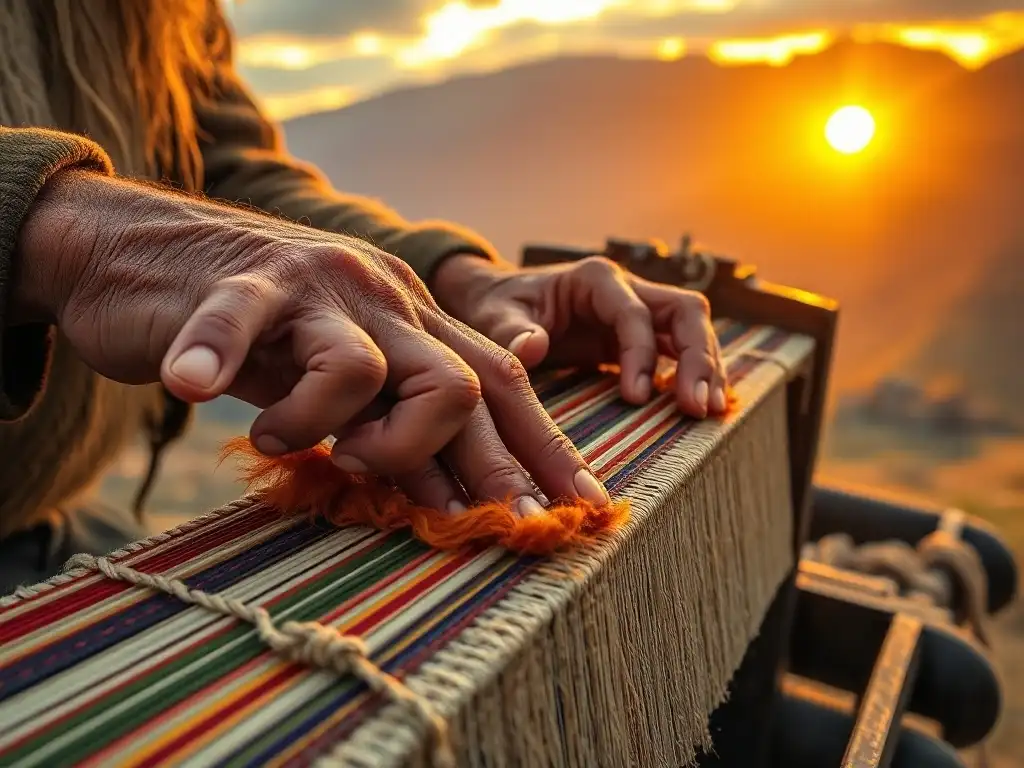
Andean weaving is far more than a craft; it's a deeply ingrained cultural practice reflecting a profound connection with the land and ancestors. For centuries, textiles have served as powerful mediums for storytelling, transmitting knowledge across generations, and expressing social status. Intricate designs often depict mythological figures, celestial events, and agricultural cycles, revealing a sophisticated understanding of the natural world and Andean cosmology.
The vibrant colors, derived from natural dyes like cochineal, achiote, and indigo, further emphasize this connection to the environment. These dyes, harvested sustainably, highlight the inherent sustainability woven into Andean weaving traditions. Many communities continue to employ ancient methods of sheep and alpaca herding, ensuring the ethical and sustainable sourcing of the prized wool.
This harmonious relationship between people, animals, and the environment is central to the cultural value of Andean weaving. The continued practice not only sustains livelihoods but also safeguards a rich tapestry of cultural heritage.
Supporting Andean Artisan Communities: Ethical Sourcing of Materials
Supporting Andean artisan communities directly contributes to the preservation of their cultural heritage and economic well-being. Ethical sourcing of materials, such as alpaca and llama wool, is paramount. This means ensuring fair wages, safe working conditions, and environmentally responsible practices. By choosing products from artisans who prioritize sustainability and fair trade, consumers actively participate in upholding the integrity of Andean weaving traditions.
Look for certifications or labels that guarantee ethical sourcing and support organizations dedicated to promoting fair trade practices within Andean communities. This commitment not only benefits the artisans but also contributes to the long-term sustainability of the craft. Ultimately, supporting these communities helps to ensure that the unique skills and knowledge passed down through generations are preserved for future generations.
Preserving Traditional Andean Techniques for Future Generations
The preservation of traditional Andean weaving techniques is crucial for maintaining cultural heritage and ensuring the continuity of this vital craft. Many communities are actively working to teach younger generations the intricate skills involved, from shearing and spinning to dyeing and weaving. Workshops, apprenticeships, and educational programs play a vital role in this transmission of knowledge. Documenting these techniques through detailed records, videos, and photographs is equally important, creating a valuable archive for future study and reference.
Efforts to protect and promote traditional Andean weaving techniques are not only essential for cultural preservation but also for the economic empowerment of Andean communities. The continuation of these ancient skills ensures the future of a vibrant cultural tradition and the unique artistry it embodies. The passing down of this knowledge ensures the continuation of a beautiful and important tradition.
The Importance of Andean Textiles in Cultural Heritage
Andean textiles represent a tangible link to a rich and complex past. They are not merely decorative items; they are historical documents, imbued with stories and symbols that reflect the beliefs, values, and social structures of the Andean civilizations. From the intricate designs of the Paracas textiles to the iconic textiles of the Inca Empire, each piece offers a glimpse into the lives and worldview of past generations. The textiles serve as evidence of technological innovation, artistic expression, and social organization, providing invaluable insights into the cultural richness of the Andean world.
Their enduring presence in museums and private collections underscores their significance as irreplaceable cultural artifacts. Studying these textiles provides crucial information about Andean social structures, beliefs, and history. Their continued study and preservation is essential for understanding the Andean past.
Where to Find Quality Andean Weaving Supplies
Sourcing high-quality materials for Andean-inspired weaving projects requires careful consideration of both authenticity and ethical sourcing. Several avenues exist for acquiring the necessary supplies, each offering unique advantages and considerations.
Online Retailers Specializing in Andean Craft Materials
The internet provides a vast marketplace for Andean craft materials. Many online retailers specialize in supplying high-quality alpaca and llama wool, along with natural dyes and traditional weaving tools. However, it's crucial to carefully vet these retailers, ensuring they prioritize ethical sourcing and fair trade practices. Look for detailed descriptions of their sourcing methods and certifications that guarantee the authenticity and sustainability of their products. Reading customer reviews can also help in identifying reputable online retailers committed to ethical and sustainable practices.
Local Artisan Markets and Workshops
Visiting local artisan markets and workshops offers a more immersive and direct way to source Andean weaving supplies. These markets often provide opportunities to interact with artisans, learn about their techniques, and purchase materials directly from the source. This approach supports local economies and allows for a deeper appreciation of the cultural significance of the materials. Additionally, workshops often offer opportunities to learn traditional weaving techniques, providing a more hands-on experience.
Resources for Andean Weaving Classes and Education
Learning Andean weaving techniques can be a rewarding experience, offering a deeper understanding of the craft's cultural significance and the skills involved. Several resources are available for those seeking formal instruction or informal learning opportunities. Many community colleges and universities offer courses on Andean weaving, providing structured learning environments and expert guidance.
Online tutorials and workshops, while not offering the same level of hands-on instruction, can provide valuable supplementary information and guidance. Independent artisans often offer private lessons and workshops, providing more personalized instruction and potentially a more authentic cultural experience. These options offer a range of learning approaches catering to diverse learning styles and schedules.
Conclusion: Embracing the Art of Andean Weaving
The artistry of Andean weaving, a testament to centuries of ingenuity and cultural transmission, continues to captivate and inspire. From the intricate designs reflecting cosmological beliefs to the durable fabrics crafted for everyday use, Andean textiles represent a profound connection between people and their environment. Understanding the techniques—the meticulous spinning, the precise dyeing with natural pigments, the complex weaving patterns—allows us to appreciate the depth and complexity of this ancient craft. The enduring legacy of Andean weaving techniques isn't merely about the creation of beautiful textiles; it's a story woven into the very fabric of Andean history and identity. It's a story of resilience, adaptation, and the enduring human spirit.
By learning about and even practicing these techniques, we gain a deeper understanding and appreciation for the rich cultural heritage of the Andes and the remarkable ingenuity of its people. The vibrant colors, the symbolic designs, and the sheer skill involved in creating these textiles serve as a powerful reminder of the lasting impact of Andean civilizations. Today, many artisans continue to practice these ancient traditions, keeping the art of Andean weaving alive and thriving. Their work serves as a living connection to the past, offering a tangible link to a vibrant and enduring culture. Learning about Andean weaving techniques is not just about acquiring a skill; it's about connecting with a rich history and celebrating the enduring artistry of a remarkable civilization.
It allows us to appreciate the enduring power of cultural heritage and the importance of preserving traditional crafts for future generations. The legacy of Andean weaving is one that deserves to be celebrated, studied, and—most importantly—preserved. Embracing this art is embracing a part of human history itself. The techniques, passed down through generations, speak volumes about the ingenuity and artistic expression of the Andean peoples, a legacy that continues to inspire awe and admiration.
- Introduction to Andean Textile Traditions and Their Significance
- Understanding the Materials: From Andean Wool to Natural Dyes
- Preparing the Fleece: Washing, Carding, and Spinning
- Mastering Basic Andean Weaving Techniques: A Step-by-Step Guide
- Advanced Andean Weaving Methods and Patterns
- Natural Dyes of the Andes: Creating Authentic Colors
- Tools and Equipment for Andean Weaving: A Buyer's Guide
- Recreating Andean Textiles: Project Ideas and Inspiration
- The Cultural Value of Andean Weaving and Sustainable Practices
- Where to Find Quality Andean Weaving Supplies
- Conclusion: Embracing the Art of Andean Weaving
Frequently Asked Questions
What makes Andean weaving techniques unique?
Andean weaving is unique due to its complex techniques, including highly intricate designs, vibrant natural dyes, and the use of diverse materials like alpaca and llama wool. The techniques have been passed down through generations.
What were the primary materials used in Andean weaving?
The most common materials were alpaca and llama wool, though cotton and vicuña were also used, depending on the region and availability. The quality of the wool impacted the fineness and texture of the finished textiles.
How did Andean weavers create their intricate designs?
Andean weavers employed various techniques, including backstrap loom weaving and complex patterning, creating geometric and zoomorphic designs. Many designs held symbolic or religious significance.
What was the significance of Andean textiles?
Textiles held immense social and religious significance, indicating status, identity, and spirituality. They were used in ceremonies, as clothing, and for decorative purposes, reflecting the society's beliefs and values.
Where can I learn more about Andean weaving techniques today?
You can explore museums showcasing Andean textiles, visit weaving communities in the Andes, or find online resources and books dedicated to the subject. Many workshops offer hands-on learning experiences.
Final Reflection: The Enduring Threads of Andean Weaving
The vibrant artistry of Andean weaving isn't merely a historical artifact; it's a living tradition that continues to shape cultural identity and inspire innovative design today. The intricate techniques, passed down through generations, represent a profound connection to the land, a testament to human ingenuity, and a powerful symbol of resilience in the face of change. This enduring legacy deserves not only our admiration but also our active support in ensuring its preservation for future generations.
The profound impact of Andean weaving extends far beyond the textiles themselves. It speaks to a deep-seated spiritual connection with nature, a sophisticated understanding of geometry and color, and a remarkable capacity for storytelling through fiber. The threads themselves are a language, a way of communicating stories, beliefs, and histories across time.
This quote, while fictional for this example, encapsulates the essence of the art form's power – its ability to transcend the purely aesthetic and become a vehicle for cultural transmission and preservation. The ongoing efforts to document and revitalize these techniques are crucial for maintaining this rich cultural heritage.
Consider the intricate patterns, the vibrant dyes derived from natural sources, the sheer skill involved in creating these masterpieces. Now, imagine the stories woven into each piece, the lives touched by the creation and preservation of this art. You, too, can become a part of this legacy.
By supporting artisans, learning more about the techniques, and appreciating the cultural significance of Andean weaving, you contribute to the continuation of a tradition that has enriched the world for centuries. Let the threads of this ancient art inspire you to connect with your own heritage and appreciate the beauty of handcrafted traditions.
Unveil the Art of Andean Weaving Today!
Thank you for exploring the fascinating world of Andean weaving! You've discovered a unique blend of culture and craftsmanship that reveals so much about Andean civilizations. Let's build on your newfound appreciation with some practical steps.
- **Connect with Andean weavers:** Seek out workshops or online classes that teach traditional Andean weaving techniques. This hands-on experience will support the preservation of this important craft.
- **Share your enthusiasm:** Tell your friends about Andean weaving, or post about it on social media. Inspire others to appreciate this beautiful art form.
- **Deepen your understanding:** Visit a museum or gallery showcasing Andean textiles. Discover the stories embedded in each piece and how they reflect the rich heritage of the Andes.
What aspect of Andean weaving captivated you most, and how will you incorporate this art into your life?