
The Future of the Past: Reimagining Andean Art for the 21st Century

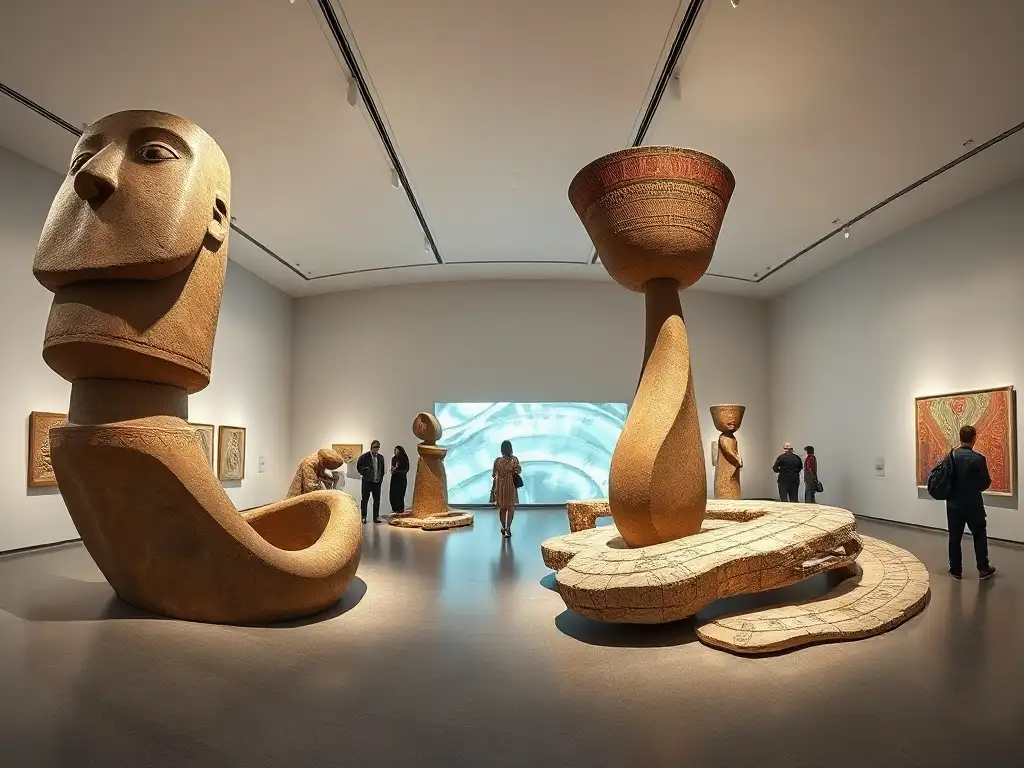
Step into a world lost to time, yet echoing powerfully in the present. For centuries, the breathtaking artistry of the Andean civilizations has captivated the world. But what happens when ancient techniques meet modern innovation? Prepare to be amazed as we delve into the fascinating intersection of tradition and technology, exploring Andean art 21st-century applications and uncovering how these ancient legacies continue to inspire and inform our world today. Discover the secrets hidden within the vibrant textiles, intricate ceramics, and monumental architecture – the future of the past awaits.
The vibrant tapestry of Andean art, spanning millennia and encompassing diverse cultures like the Inca, Moche, Nazca, and Tiahuanaco, continues to resonate deeply in the 21st century. This article explores how ancient Andean artistic traditions can be reinterpreted and reimagined using modern creative tools and technologies, offering a fresh perspective on this rich heritage. We will delve into the core elements of Andean art, examining its symbolic language, technical mastery, and the profound significance of its color palettes and materials.
By understanding these fundamental aspects, contemporary artists and enthusiasts alike can create innovative and authentic works inspired by this compelling legacy. This exploration aims to bridge the gap between ancient traditions and modern creative expression, demonstrating the enduring power and relevance of Andean art in our digital age, and providing a pathway for the continued appreciation and understanding of "Andean art 21st century applications".
Introduction: Bridging Ancient Traditions with Modern Creative Tools
The digital revolution has opened up unprecedented possibilities for artistic creation. Software like Adobe Photoshop, Illustrator, and Blender, alongside 3D printing and digital sculpting tools, allow for a level of experimentation and precision previously unimaginable. This presents a unique opportunity to reinterpret and reimagine Andean art, not as mere imitation, but as a dynamic dialogue between past and present.
We can utilize digital tools to meticulously recreate ancient techniques, to experiment with variations on established motifs, and even to create entirely new works inspired by the spirit and essence of Andean artistic traditions. This approach allows for a deeper engagement with the historical context, fostering a greater understanding and appreciation of the cultural significance behind the aesthetics. The possibilities are vast, ranging from digital recreations of ancient pottery to the creation of interactive virtual museums showcasing Andean artifacts.
Understanding the Essence of Andean Art: A Foundation for Modern Interpretation
To effectively reimagine Andean art for the 21st century, it's crucial to develop a deep understanding of its fundamental elements. This involves studying not only the visual aesthetics but also the cultural and symbolic meanings embedded within each piece. This foundational knowledge allows for a respectful and informed approach to modern interpretation, ensuring that the spirit and significance of the original works are honored and celebrated. By appreciating the context, we can move beyond mere stylistic imitation and engage in a meaningful creative process that builds upon the rich legacy of Andean art.
Decoding Key Motifs: The Chakana, the Inti, the Serpent
Andean art is replete with powerful symbolic motifs. The Chakana, or Andean Cross, represents the four directions, the cosmos, and the interconnectedness of all things. The Inti, or sun god, symbolizes power, life, and fertility. The serpent, often associated with water and earth, represents renewal and transformation. Understanding the intricate symbolism behind these and other recurring motifs is essential for creating contemporary works that resonate with the cultural depth of their inspiration. The careful incorporation of these symbols, either directly or through subtle allusions, can imbue modern artworks with a profound sense of meaning and connection to the past.
Exploring Traditional Techniques: Backstrap Weaving, Coiling Pottery, Repoussé Metalwork
Andean artisans mastered a variety of sophisticated techniques. Backstrap weaving, coiling pottery, and repoussé metalwork, among others, demonstrate remarkable skill and ingenuity. Studying these techniques, even through modern interpretations, can provide valuable insights into the creative processes of ancient Andean artists.
For example, understanding the intricate process of backstrap weaving can inspire contemporary textile designers to create new and innovative works using similar principles, while replicating the techniques digitally can allow for wider experimentation and dissemination of these ancient skills. This detailed understanding allows for the creation of modern art that not only looks authentic but also embodies the spirit of the original techniques.
The Significance of Color and Materials in Andean Art
The vibrant colors and carefully selected materials used in Andean art are not merely aesthetic choices; they hold deep cultural significance. The use of natural pigments derived from plants and minerals, and the selection of specific materials like gold, silver, and feathers, all contribute to the overall meaning and impact of the artwork. Understanding the symbolic associations of these colors and materials is crucial for creating contemporary works that maintain the integrity and authenticity of the Andean artistic tradition.
For instance, the use of specific hues can evoke particular landscapes, deities, or historical events, adding layers of meaning to the modern interpretation. The careful choice of materials in contemporary works can also serve as a tribute to the resourcefulness and artistry of Andean artisans.
21st Century Applications: Transforming Andean Art into Modern Creations
Andean art, with its vibrant colors, intricate designs, and symbolic imagery, offers a rich source of inspiration for contemporary artists. The 21st century provides a wealth of tools and platforms to reimagine and reinterpret these ancient motifs, breathing new life into traditional forms. This section will explore several exciting avenues for incorporating Andean art into modern creations, demonstrating the versatility and enduring appeal of this artistic heritage. The possibilities are truly limitless, ranging from digital designs to physical products and immersive experiences.
The key is to approach this process with respect for the original art and a creative vision that blends tradition with innovation. This fusion allows for both honoring the past and creating something entirely new and relevant for today's audience. By embracing technology and creative entrepreneurship, artists can share their passion for Andean art with a global audience and ensure its continued legacy.
Digitalizing Andean Motifs: Using Graphic Design Software
Modern graphic design software provides an incredible platform for reinterpreting Andean art. Programs like Adobe Photoshop, Illustrator, and Procreate allow artists to meticulously recreate intricate patterns, seamlessly blend traditional motifs with contemporary styles, and create unique digital artwork. Imagine taking the geometric precision of Nazca lines and translating them into a vibrant, modern logo design. Or, consider using the stylized animal imagery found in Moche pottery as inspiration for a series of striking digital illustrations.
The possibilities are endless. Artists can experiment with color palettes, textures, and compositions, pushing the boundaries of traditional Andean aesthetics while remaining true to their core elements. Furthermore, the digital format allows for easy sharing and reproduction, making it accessible to a wider audience. This digital transformation not only preserves the art but also makes it relevant and engaging for a 21st-century audience.
3D Printing Andean Inspired Sculptures: Bringing Ancient Forms to Life
3D printing has revolutionized the art world, enabling artists to create intricate and complex sculptures with unprecedented precision. Andean art, with its rich repertoire of zoomorphic and anthropomorphic forms, lends itself perfectly to this technology. Imagine recreating the majestic grandeur of a Tiahuanaco monolith, or the delicate detail of a Moche ceramic vessel, using 3D printing. Artists can experiment with different materials, from resins and plastics to metals, to achieve a range of textures and finishes.
This process allows for the creation of both exact replicas and innovative reinterpretations of ancient forms, pushing the boundaries of traditional sculpture while honoring its historical significance. The ability to produce multiple copies also opens up exciting possibilities for distribution and accessibility, making these stunning pieces available to a much wider audience. This technique allows for the preservation and dissemination of Andean art in a tangible, three-dimensional form.
Andean Art in Fashion: Designing Wearable Art Inspired by the Past
The bold colors, intricate patterns, and symbolic imagery of Andean art translate beautifully into fashion. Textiles, in particular, offer a powerful medium for reinterpreting traditional motifs. Think of vibrant textiles incorporating geometric patterns inspired by the Nazca lines or clothing featuring stylized animal imagery reminiscent of Moche pottery. Designers can experiment with various fabrics, weaving techniques, and embellishments to create unique and contemporary garments.
This approach not only showcases the beauty of Andean art but also allows for its integration into everyday life, making it accessible and relevant to a modern audience. The use of sustainable and ethically sourced materials further enhances the appeal and relevance of this approach. This contemporary application helps preserve and celebrate Andean artistic traditions while keeping them relevant in the 21st century.
Interactive Andean Art: Using Technology for Immersive Experiences
Technology offers exciting opportunities to create immersive and interactive experiences that bring Andean art to life. Virtual reality (VR) and augmented reality (AR) applications can transport viewers to ancient Andean sites, allowing them to explore intricate details and learn about their historical significance. Imagine experiencing a virtual tour of Machu Picchu, or interacting with a digital replica of a Nazca geoglyph. These experiences can be educational and engaging, making Andean art accessible to a wider audience.
Furthermore, interactive installations can combine physical and digital elements, creating dynamic and engaging displays that blur the lines between the real and the virtual. This innovative approach utilizes technology to enhance appreciation and understanding of Andean art, making it more engaging for a 21st-century audience. The possibilities are endless, from interactive museum exhibits to educational apps.
Monetizing Your Andean-Inspired Art
Creating art inspired by Andean civilizations is one thing; turning your passion into a sustainable income stream is another. However, with the right approach and a little entrepreneurial spirit, you can successfully monetize your Andean-inspired creations. This section outlines several avenues for generating income from your artistic endeavors, ensuring that your passion for Andean art can also provide a livelihood. Remember, ethical considerations and respect for cultural heritage are paramount throughout this process.
Selling Digital Designs Online: Platforms for Digital Art Marketplaces
The digital nature of many contemporary art forms makes online sales incredibly accessible. Platforms like Etsy, Creative Market, and Society6 offer opportunities to sell digital designs, such as patterns, illustrations, and prints, directly to customers worldwide. These platforms handle the technical aspects of transactions, enabling you to focus on your artistic creations.
The key to success lies in creating high-quality, unique designs that resonate with your target audience and accurately reflect the beauty and intricacy of Andean art. Careful marketing and a strong online presence are crucial for attracting customers and building a loyal following. This approach offers a low-barrier entry point for artists looking to sell their digital Andean art.
Selling Physical Products: Print-on-Demand and Handmade Options
For those wishing to offer tangible products, print-on-demand services and handmade options are viable routes. Print-on-demand platforms allow you to create and sell items like t-shirts, mugs, and phone cases featuring your Andean-inspired designs without the need for upfront inventory. Alternatively, creating and selling handmade items, such as textiles, jewelry, or sculptures, allows for greater control over materials and production but necessitates more upfront investment and effort.
Careful consideration of your target market and the production methods that best suit your artistic vision and business model are crucial. Consider offering a variety of products to cater to diverse customer preferences and maximize sales potential.
Teaching and Sharing Your Knowledge: Creating Online Courses
Sharing your expertise and passion for Andean art can be a lucrative venture. Creating and selling online courses through platforms like Skillshare, Udemy, or Teachable allows you to teach others about the history, techniques, and cultural significance of Andean art. You could offer courses on digital art techniques inspired by Andean motifs, traditional Andean weaving methods, or the symbolic meaning of Andean iconography.
Well-structured courses with engaging content and clear instructions can attract a large audience and generate a sustainable income stream. This option not only provides an income but also contributes to the wider appreciation and understanding of Andean art. This approach allows you to share your knowledge and passion, fostering a wider appreciation for Andean art.
Conclusion: The Enduring Power of Andean Art in the 21st Century
The vibrant tapestry of Andean art, with its intricate designs, symbolic narratives, and masterful craftsmanship, continues to resonate deeply in the 21st century. Its enduring power lies not just in its aesthetic beauty, but in its capacity to connect us to a rich and complex history, fostering a deeper understanding of human creativity and resilience. From the intricate textiles of the Inca to the powerful ceramics of the Moche, these artistic expressions offer a window into the past, sparking curiosity and inspiring contemporary artists to reinterpret and reimagine their legacies.
The digital age presents unprecedented opportunities for the preservation and dissemination of Andean art. High-resolution scans and 3D models allow for detailed study and accessibility to a global audience, ensuring that these invaluable cultural artifacts are not only preserved but celebrated. Furthermore, digital platforms facilitate collaborative projects, connecting researchers, artists, and communities in a shared exploration of Andean artistic traditions. This collaborative spirit is crucial for promoting a more inclusive and nuanced understanding of Andean art, moving beyond simplistic narratives and embracing the diversity of styles and interpretations across different cultures and time periods.
The integration of Andean artistic motifs and techniques into contemporary design, fashion, and technology demonstrates the enduring relevance of these traditions. This dynamic interplay between past and present not only revitalizes traditional art forms but also enriches contemporary aesthetics, creating a vibrant dialogue between different cultural expressions.
By embracing this creative exchange, we ensure that the legacy of Andean art continues to inspire and inform future generations, fostering a deeper appreciation for the rich cultural heritage of the Andes. The future of Andean art is bright, brimming with possibilities for innovation and collaboration, ensuring that its enduring power continues to shape and inspire our world.
The applications of Andean art in the 21st century are numerous and far-reaching, a testament to its enduring appeal and timeless beauty. The continued study and appreciation of Andean art is not merely an academic pursuit; it is a crucial step in preserving cultural heritage and fostering a more interconnected and understanding global community.
- Introduction: Bridging Ancient Traditions with Modern Creative Tools
- Understanding the Essence of Andean Art: A Foundation for Modern Interpretation
- 21st Century Applications: Transforming Andean Art into Modern Creations
- Monetizing Your Andean-Inspired Art
- Conclusion: The Enduring Power of Andean Art in the 21st Century
- How is ancient Andean art being reimagined in the 21st century?
- What are some examples of 21st-century applications of Andean art?
- How does this reimagining contribute to the preservation of Andean cultural heritage?
- Are there any ethical considerations in using Andean art in contemporary works?
- Where can I learn more about contemporary Andean art and its applications?
Frequently Asked Questions
How is ancient Andean art being reimagined in the 21st century?
Contemporary artists are drawing inspiration from ancient Andean motifs and techniques, incorporating them into new forms of expression like textiles, ceramics, and digital art. This creates a dialogue between past and present, revitalizing traditional aesthetics.
What are some examples of 21st-century applications of Andean art?
Modern fashion designers utilize Andean patterns in clothing lines, while contemporary architects integrate Andean design principles into building structures. Digital artists also create virtual recreations of ancient artifacts and landscapes.
How does this reimagining contribute to the preservation of Andean cultural heritage?
By recontextualizing and reinterpreting ancient Andean art, these applications help raise awareness and appreciation for the rich cultural heritage. This renewed interest can stimulate further research and conservation efforts.
Are there any ethical considerations in using Andean art in contemporary works?
Yes, it's crucial to ensure respectful appropriation and avoid cultural misrepresentation. Collaboration with Indigenous communities and acknowledging the origins of the art forms are vital aspects of ethical practice.
Where can I learn more about contemporary Andean art and its applications?
Many museums, galleries, and online platforms showcase contemporary artists inspired by Andean cultures. Searching for terms like "contemporary Andean art, indigenous art, and Andean design" will yield relevant results.
Final Reflection: Weaving the Threads of Andean Heritage into Tomorrow
The vibrant tapestry of Andean art, far from being a relic of the past, continues to resonate deeply in the 21st century, offering potent symbols of resilience, innovation, and cultural continuity. Its enduring power lies not just in its aesthetic beauty, but in its capacity to speak to contemporary concerns – from environmental stewardship to social justice – through a lens shaped by millennia of tradition. This enduring legacy demands our attention and active engagement.
The reimagining of Andean art forms, as explored throughout this article, reveals a dynamic interplay between tradition and modernity. It's a testament to the enduring spirit of Andean cultures, their ability to adapt and thrive while preserving their unique identity. This process of revitalization is not merely an artistic endeavor; it's a vital act of cultural preservation, a way of ensuring that the voices and stories of Andean communities are heard and understood in the modern world. The past is never dead. It's not even past.
– William Faulkner. This quote perfectly encapsulates the ongoing relevance of Andean art, its persistent influence shaping our present and future.
Consider the ways in which you can engage with this rich heritage. Perhaps it's through supporting contemporary Andean artists, seeking out exhibitions and museums showcasing their work, or simply taking the time to learn more about the intricate histories and techniques behind these captivating creations. Let the vibrant colors and powerful symbolism of Andean art inspire you to explore your own cultural heritage and to champion the preservation of artistic traditions worldwide.
The future of the past is not predetermined; it is shaped by our choices and actions today. Let's weave together a future where Andean art continues to flourish, enriching our lives and inspiring generations to come.
Unveil a New Era of Andean Art!
Thank you for joining us on this journey through the vibrant tapestry of Andean art and its evolution into the 21st century! Your passion for preserving and celebrating cultural heritage is invaluable. Now, it’s time to take action and be a part of this exciting movement.
Here are a few ways you can make a difference:
- Become a Creator: Design contemporary pieces inspired by traditional Andean art styles. Let your creativity flourish while honoring the rich artistic heritage of the Andes.
- Share Your Insights: Engage with your community by sharing your passion for Andean art. Post about it on social media, lead discussions, or attend and participate in local exhibitions to spread awareness and generate excitement.
- Connect and Collaborate: Join online communities and forums dedicated to Andean culture. Your perspective is important! Collaborate with fellow art enthusiasts and share your unique interpretations.
How will you express your connection to Andean art in today's world? Let's inspire each other!