
A Tapestry of Time: Combining Different Andean Art Styles

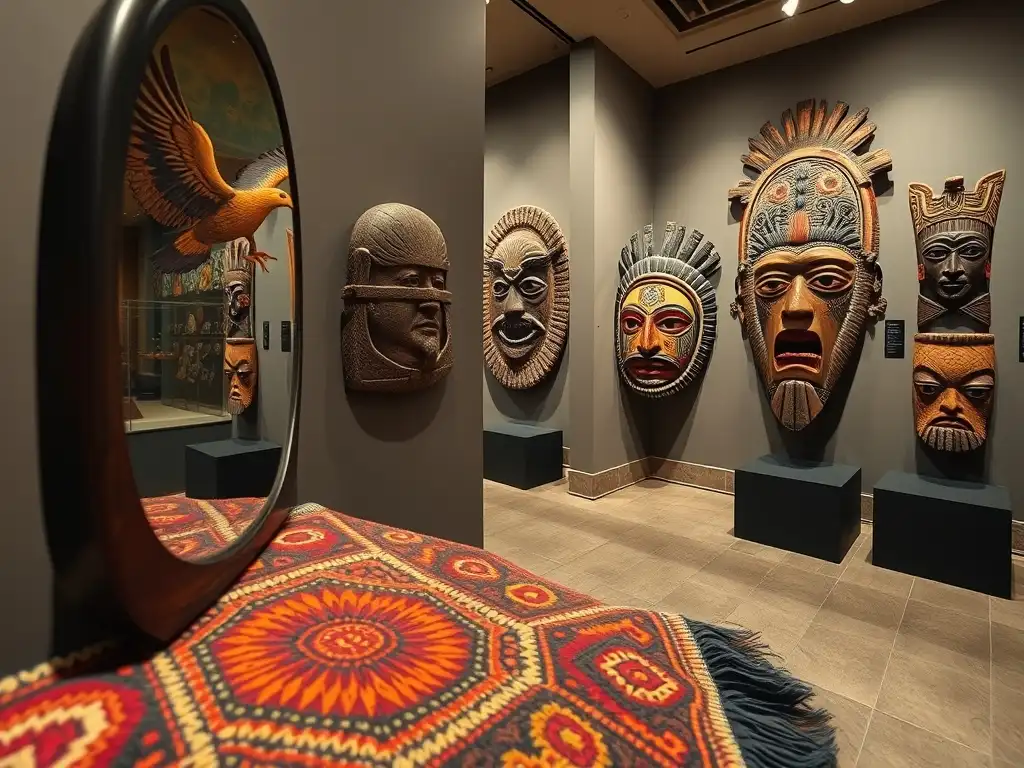
Unravel the mysteries of a lost world. Journey through the breathtaking artistry of the Andes, where vibrant cultures flourished for millennia. From the intricate textiles of the Nazca to the monumental architecture of the Incas, prepare to be amazed. But how did these distinct styles intertwine and influence each other? Discover the fascinating answers in our in-depth exploration of Andean art styles comparison, a captivating dive into the heart of Andean civilization. Prepare to be captivated by the legacy left behind.
Exploring the vibrant tapestry of Andean art reveals a stunning diversity of styles, each reflecting the unique cultural expressions of different civilizations. From the intricate geometric patterns of the Inca to the powerfully expressive ceramics of the Moche, the artistic legacy of the Andes is a testament to human ingenuity and spiritual depth.
This article delves into a comparison of major Andean art styles, providing a framework for understanding their distinct characteristics and exploring the possibilities of combining these influences in your own creative endeavors. We'll examine the core motifs, techniques, and symbolic meanings behind these artistic traditions, offering a deeper appreciation for the rich cultural heritage they represent.
This exploration is crucial for anyone interested in Andean art, whether for academic study, artistic inspiration, or simply a deeper understanding of this fascinating civilization's legacy. Understanding these styles allows for a more informed and nuanced appreciation of the "Andean art styles comparison", enriching the creative process and fostering a stronger connection to the past.
Introduction: Exploring the Diversity of Andean Art
The Andes Mountains, a spine of towering peaks running down the western edge of South America, cradled a multitude of vibrant civilizations for millennia. Each developed unique artistic expressions reflecting their environment, beliefs, and social structures. Understanding the distinct characteristics of these styles is key to appreciating the breadth and depth of Andean artistic achievement. This isn't simply about identifying differences; it's about recognizing the underlying threads of continuity and innovation that connect these diverse artistic traditions.
The following sections will explore some of the most prominent Andean art styles, highlighting their key features and providing examples to illuminate their unique qualities. We'll examine how these styles can inform and inspire contemporary artists seeking to create their own Andean-inspired works. The journey will be one of discovery, revealing the beauty and complexity of a rich artistic heritage.
Understanding Core Andean Art Motifs
Several recurring motifs and artistic principles unite the diverse styles of Andean art, despite their unique characteristics. These common threads demonstrate a shared cultural understanding and artistic sensibility across different civilizations and time periods. For instance, the use of geometric patterns, symbolic representations of animals and deities, and a preference for natural pigments are prevalent across various Andean art forms. However, the interpretation and application of these motifs varied significantly depending on the specific cultural context. Let's explore some of these variations in more detail.
The Geometric Precision of Inca Design
Inca art is characterized by its precise geometric designs and symmetrical compositions. Think of the intricate textiles, meticulously crafted stonework, and highly structured architecture. Their designs often featured repeating motifs like zigzags, triangles, and stepped patterns, reflecting a worldview emphasizing order, harmony, and the structured nature of their empire. The Inca's mastery of stonework, evident in sites like Machu Picchu, showcases their commitment to precision and engineering prowess, seamlessly integrated with their artistic sensibilities. This emphasis on geometric perfection is a key element that sets Inca art apart.
The Expressive Realism of Moche Ceramics
In stark contrast to the Inca's geometric precision, Moche ceramics are known for their expressive realism and dynamic depictions of scenes from daily life, mythology, and ritual. These intricately detailed vessels portray human figures, animals, and supernatural beings with remarkable accuracy and emotional depth. The Moche artists' ability to capture movement and emotion in clay is truly astonishing, revealing a profound understanding of human anatomy and behavior. The vibrant colors and detailed ornamentation further enhance the narrative power of these extraordinary works. Their art provides a window into the Moche worldview, revealing their beliefs and social structures.
The Enigmatic Line Work of Nazca Geoglyphs
The Nazca lines, enormous geoglyphs etched into the desert surface, represent one of the most enigmatic and awe-inspiring achievements of Andean art. These vast designs, visible only from the air, depict animals, plants, and geometric shapes, their purpose still debated by scholars. The precision and scale of these works are breathtaking, raising questions about the technology and social organization required to create them. The enigmatic nature of the Nazca lines adds to their mystique, fueling ongoing research and speculation about their meaning and creation. The sheer scale and precision are unparalleled in Andean art.
The Symbolic Grandeur of Tiahuanaco Art
Tiahuanaco art, associated with the pre-Inca civilization of the same name, is characterized by its monumental scale and complex symbolic imagery. The iconic Gate of the Sun, with its intricate carvings of deities and mythical figures, is a prime example of Tiahuanaco's artistic prowess. Their art often features stylized figures, geometric patterns, and intricate details, reflecting their sophisticated cosmology and religious beliefs. The monumental architecture and sculptural elements of Tiahuanaco demonstrate a mastery of stone carving and a deep understanding of symbolic representation. The grandeur and complexity of their art reflect the power and sophistication of their civilization.
- What Andean cultures are compared in this article?
- What aspects of Andean art are compared?
- How does the article highlight the differences between Andean art styles?
- What are some common threads connecting these diverse Andean art styles?
- Where can I find more information about specific Andean art styles?
How to Merge Andean Art Styles Effectively
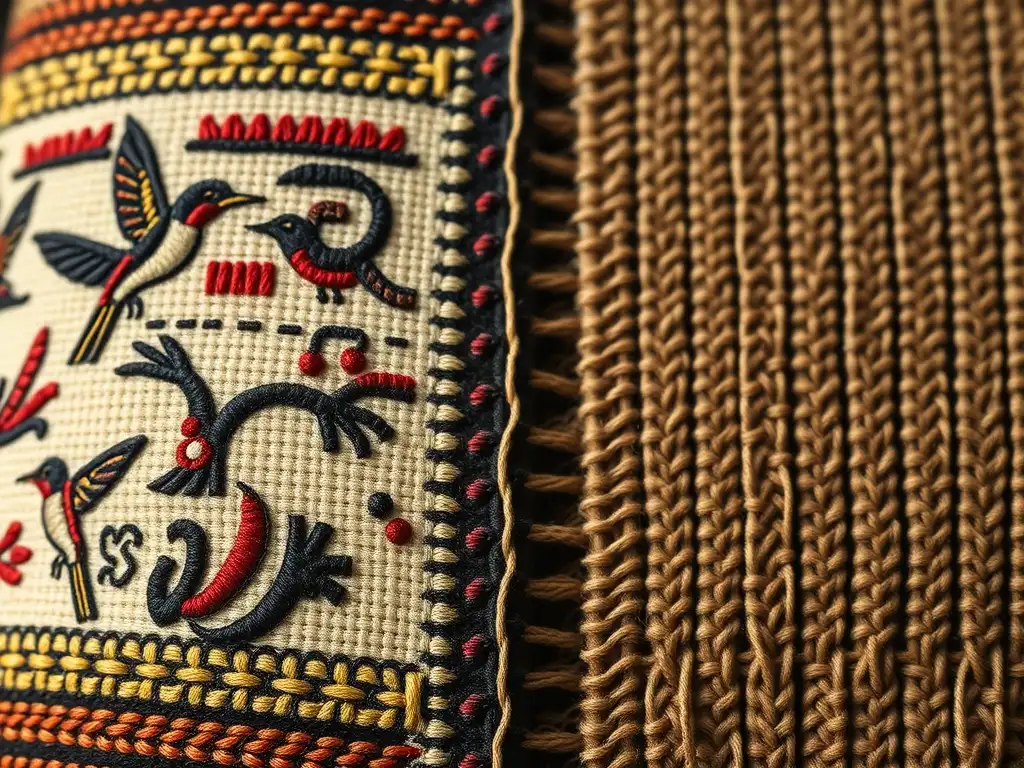
This section provides a practical guide to combining different Andean art styles in your own creative projects. We'll explore techniques for effectively merging diverse aesthetic elements, drawing inspiration from the rich artistic traditions of the Inca, Moche, Nazca, and Tiahuanaco cultures. Understanding the nuances of each style is crucial for a harmonious and meaningful fusion. This guide focuses on digital art creation, but the principles can be adapted to various mediums. Successful Andean art styles comparison and integration requires sensitivity and respect for the original cultural contexts.
Step-by-Step Guide: Creating a Digital Andean Collage
Creating a digital Andean collage is an excellent way to experiment with combining different art styles. This process allows for flexibility and experimentation, perfect for beginners exploring Andean art fusion. The key is to select styles that complement each other, avoiding jarring juxtapositions.
Choosing Your Primary Style: Inca Geometric Patterns
Inca art is characterized by its precise geometric patterns, often featuring repeating motifs like stepped triangles, zigzags, and interlocking designs. These patterns, frequently found in textiles and ceramics, provide a strong structural foundation for a collage. Their regularity and symmetry can act as an anchor, balancing more intricate or narrative elements from other styles. Consider starting with a dominant Inca pattern as your base layer, establishing a visual rhythm and a sense of order. The inherent symmetry of Inca designs allows for effective layering and composition.
Selecting Complementary Elements from Other Styles: Moche Narrative Scenes
To complement the structured Inca base, you could incorporate elements from Moche art, renowned for its vibrant narrative scenes depicting mythological figures, rituals, and daily life. The dynamic energy of Moche imagery contrasts beautifully with the geometric precision of Inca designs. Carefully select Moche scenes that relate thematically or aesthetically to your chosen Inca patterns.
For instance, a Moche scene depicting a deity could be juxtaposed with an Inca pattern representing celestial bodies, creating a cohesive narrative. The contrast between the detailed figural representation of Moche art and the abstract geometric forms of Inca art creates visual interest and depth.
Digital Tools for Andean Art Fusion: Adobe Photoshop and Procreate
Several digital tools are ideal for this type of project. Adobe Photoshop, with its extensive layering capabilities and selection tools, is excellent for precise manipulation and blending. Procreate, an iPad app, offers a more intuitive and streamlined workflow, perfect for sketching and painting. Both allow for easy experimentation and non-destructive editing, crucial when working with delicate artistic elements. Choosing the right tool depends on your familiarity with digital art software and your personal preferences. The ability to easily undo and redo actions is essential for successful Andean art fusion.
Layering Techniques: Combining Geometric and Figurative Elements
Layering is paramount in creating a successful fusion. Begin with the Inca geometric patterns as the base layer. Then, carefully incorporate Moche narrative scenes as separate layers, experimenting with opacity and blending modes to achieve a harmonious blend.
Consider using masks to selectively reveal or conceal parts of each layer, creating depth and visual interest. The goal is to create a sense of visual harmony, allowing both styles to retain their unique characteristics while working together effectively. Careful attention to color palettes is also crucial; maintaining a consistent color scheme across both styles will enhance the overall cohesion of the collage.
Practical Examples of Combined Andean Art Styles
This section presents concrete examples of how different Andean art styles can be combined, illustrating the potential for creative exploration and the importance of thoughtful integration.
Digital Art Project: A Digital Mural Combining Inca and Nazca Elements
Imagine a digital mural where a large-scale Inca geometric pattern forms the background. Over this, subtly layered Nazca lines, known for their intricate and mysterious designs, could be incorporated. These lines, representing animals or mythical creatures, could be subtly woven into the Inca pattern, creating a sense of depth and intrigue. The contrasting scales – the broad strokes of the Inca patterns and the fine lines of the Nazca designs – create a compelling visual tension. This example demonstrates how seemingly disparate styles can be unified through careful planning and execution.
Textile Design: A Scarf Design Integrating Moche and Tiahuanaco Motifs
A scarf design could feature a central Moche motif – perhaps a stylized deity or animal – surrounded by a border of Tiahuanaco geometric patterns. The bold colors and dynamic forms of Moche art would provide a focal point, contrasted by the more restrained and symmetrical designs of Tiahuanaco.
The interplay between the figurative and the geometric would create a visually appealing and sophisticated piece, demonstrating how different scales and levels of detail can be successfully integrated. The textile medium lends itself particularly well to the combination of these styles, mirroring the traditional use of both styles in textile production.
Pottery Project: Hand-building a Pot with Moche Shapes and Inca Decorations
A hand-built pot could incorporate the fluid, organic shapes characteristic of Moche pottery, while the surface could be decorated with Inca geometric patterns. The contrast between the free-flowing form and the precise decoration would create a unique and visually stimulating piece. This example highlights the potential for combining Andean art styles in three-dimensional projects, emphasizing the tactile aspects of the artistic process. The integration of both styles showcases the versatility of Andean artistic traditions and their potential for contemporary interpretation.
Monetizing Your Andean-Inspired Art
Creating art inspired by the vibrant Andean civilizations isn't just a passion project; it can be a lucrative venture. The unique aesthetics and rich history of Andean art styles offer a compelling market for those who wish to monetize their creativity. Understanding the various avenues for selling your artwork is crucial for success. This section will explore several key strategies for turning your Andean-inspired creations into a profitable endeavor.
Remember, effective monetization involves understanding your target audience, pricing your work competitively, and providing excellent customer service. The Andean art market is diverse, catering to both casual enthusiasts and serious collectors, so tailoring your approach is key. Consider offering a range of products and services to maximize your income potential.
Creating Digital Prints: Etsy or Printful
Digital prints offer a fantastic entry point for artists seeking to monetize their Andean-inspired designs. Platforms like Etsy provide a readily accessible marketplace to connect with buyers worldwide. Etsy's user-friendly interface and established customer base make it an attractive option for beginners. However, managing inventory and shipping can be time-consuming.
Print-on-demand services like Printful offer a streamlined alternative. Printful handles printing and shipping, allowing you to focus on design and marketing. This reduces upfront costs and simplifies logistics, making it ideal for artists who prefer to minimize operational overhead. The key to success with either method is high-quality artwork, compelling product descriptions, and effective marketing strategies within the platform.
Consider offering a variety of sizes and formats to cater to different preferences and budgets. For example, you could offer prints of your Andean-inspired designs on canvas, fine art paper, or even phone cases. Remember to carefully select high-resolution images to ensure the final print quality is exceptional. This is crucial for creating a positive customer experience and building a strong reputation.
Selling Custom Designs: Upwork or Fiverr
For artists with advanced skills and a strong portfolio, selling custom designs through platforms like Upwork or Fiverr can be incredibly profitable. These freelance marketplaces connect artists with clients seeking unique artwork for various purposes – from website design to clothing patterns. Offering custom Andean-inspired designs, such as logos incorporating traditional motifs or illustrations for books about Andean history, can be a lucrative path.
Successfully navigating these platforms requires a clear understanding of your pricing strategy, a well-crafted portfolio showcasing your skills, and the ability to communicate effectively with clients. Building a strong reputation through positive reviews is crucial for attracting more work and commanding higher rates. It's essential to clearly outline the scope of work, deadlines, and payment terms to avoid misunderstandings.
Providing regular updates to clients and ensuring timely delivery of high-quality work will lead to repeat business and referrals. Consider creating packages that offer different levels of customization to cater to a broader range of budgets.
Offering Online Classes: Skillshare or Teachable
Sharing your expertise in Andean art styles by teaching online classes is another powerful monetization strategy. Platforms like Skillshare and Teachable provide the infrastructure for creating and selling online courses. You can teach students the techniques involved in creating Andean-inspired art, from painting and drawing to digital illustration and textile design. The key to success is creating engaging and informative courses that cater to a specific skill level. A well-structured curriculum, high-quality video production, and regular interaction with students are crucial for building a successful online course.
Consider offering different course levels, from beginner to advanced, to attract a wider audience. Promoting your courses through social media and other online channels will help you reach potential students. Remember, providing certificates of completion can add value to your course and encourage enrollment. Regular updates and additions to your courses will also keep the content fresh and attract returning students.
Affiliate Opportunities: Amazon Associates for Art Supplies and Adobe Creative Cloud
Affiliate marketing offers a passive income stream by promoting relevant products. The Amazon Associates program allows you to earn commissions by recommending art supplies, books on Andean history and art, or even software like Adobe Creative Cloud. By incorporating affiliate links into your blog posts, social media updates, and course materials, you can generate income without creating your own products. The success of this approach depends on the relevance of the products you promote and the engagement of your audience.
Focus on recommending high-quality products that align with your brand and your audience's interests. Transparency with your audience about your affiliate partnerships is crucial for building trust and maintaining credibility. Always disclose your affiliate relationships clearly to avoid ethical concerns. You can also explore affiliate programs with other relevant companies that offer products or services related to Andean art and design.
Conclusion: A Journey Through Andean Artistic Heritage
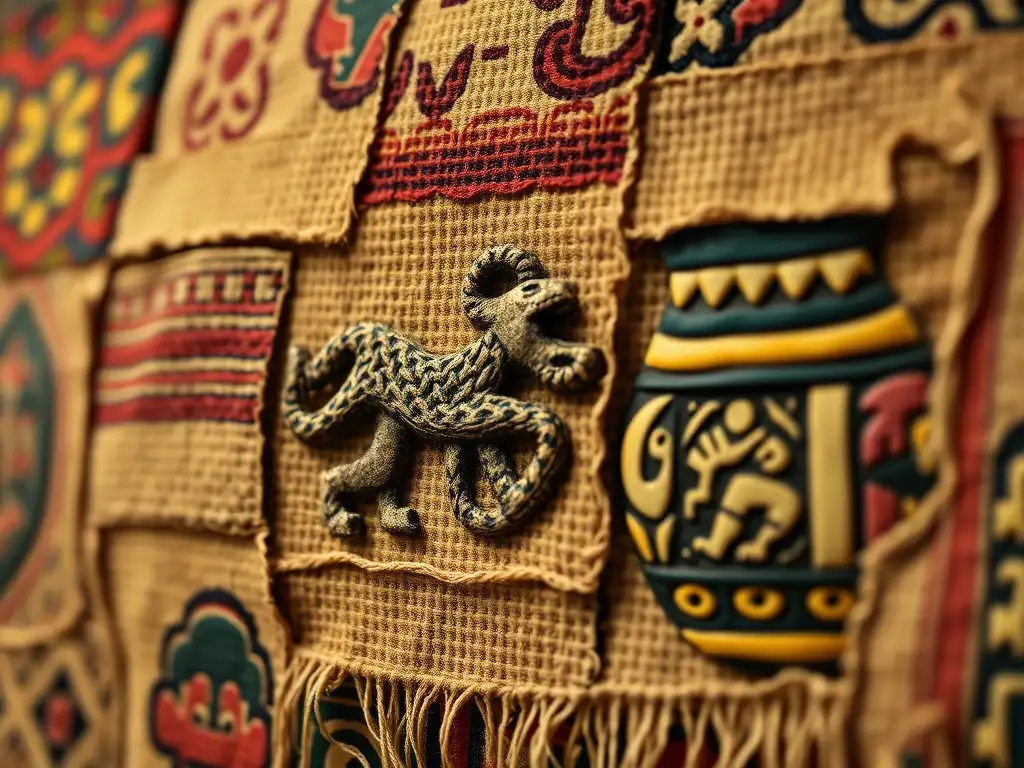
This exploration of Andean art styles comparison has unveiled a breathtaking panorama of artistic expression across diverse cultures and time periods. From the intricate pottery of the Moche, depicting vibrant narratives of their daily lives and mythology, to the enigmatic Nazca lines stretching across the desert landscape, a testament to their sophisticated astronomical and engineering knowledge, each civilization left an indelible mark on the artistic fabric of the Andes. The geometric precision of Tiahuanaco textiles, the refined goldwork of the Incas, and the powerful iconography found in Chimú metalwork all speak to a unique aesthetic sensibility, deeply rooted in their respective cosmologies and societal structures.
Understanding these nuances allows us to appreciate the depth and complexity of Andean artistic heritage. Analyzing these styles side-by-side reveals not only their differences, but also unexpected similarities and underlying thematic threads, highlighting the interconnectedness of these seemingly disparate cultures. The enduring legacy of these artistic traditions continues to inspire and captivate, demonstrating a remarkable resilience and adaptability across centuries.
This rich tapestry of visual language, woven with threads of innovation and tradition, serves as a powerful testament to the ingenuity and creativity of Andean civilizations. The distinct styles, while geographically and chronologically separated, often reveal common threads, reflecting a shared Andean worldview and a deep connection to their environment. This shared heritage underscores the importance of understanding these cultures not in isolation, but as part of a larger, interconnected artistic narrative.
Encouraging Experimentation and Personal Expression
The study of Andean art styles comparison should not simply be an academic exercise. It should serve as a catalyst for creative exploration. By understanding the techniques, symbolism, and artistic philosophies of these ancient cultures, contemporary artists can draw inspiration and develop their own unique styles. Don't be afraid to experiment! Combine elements from different Andean traditions.
Perhaps incorporate the vibrant colors of Moche pottery with the geometric patterns of Tiahuanaco textiles. Let the powerful imagery of Inca goldwork inspire your own metalwork designs. The possibilities are endless. The key is to engage with the source material actively, to understand the context and meaning behind the art, and then to allow that understanding to inform your own creative process. This process of learning and recreating, of reinterpreting and reimagining, is a vital part of keeping the spirit of Andean art alive and relevant in the 21st century.
Embrace the freedom to explore, to experiment, and to express your own unique vision, drawing inspiration from this rich and diverse artistic heritage. Think of it as a conversation across time, a dialogue between ancient masters and contemporary creators. This fusion of past and present can lead to truly innovative and meaningful artistic expressions. Remember, the Andean artists were innovators themselves, constantly adapting and evolving their techniques and styles. You, too, can follow in their footsteps.
Further Resources for Andean Art Study
To further deepen your understanding and appreciation of Andean art styles comparison, consider exploring these additional resources: [Specific information pending on relevant books, museums, online databases, and scholarly articles]. A focused search on keywords like "Andean textile analysis," "Moche ceramic iconography," or "Inca goldsmithing techniques" will yield a wealth of information. Many museums worldwide house significant collections of Andean artifacts, offering invaluable opportunities for firsthand observation and study.
Don't overlook the power of visual learning; carefully examining high-quality images of Andean art can provide immense insight into the techniques and artistic choices of these ancient masters. Engaging with scholarly articles and books dedicated to Andean art history will provide crucial contextual information, helping you to interpret the symbolism and significance embedded within the artwork. Remember, the study of Andean art is a continuous journey of discovery.
The more you learn, the more you will appreciate the depth, complexity, and enduring legacy of these remarkable civilizations. By combining academic research with hands-on creative exploration, you can unlock a deeper understanding of Andean art and its enduring relevance. This journey of exploration will not only enhance your artistic skills but also foster a profound appreciation for the vibrant artistic heritage of the Andes.
Frequently Asked Questions
What Andean cultures are compared in this article?
This article explores the artistic styles of several prominent Andean civilizations, including the Incas, Moche, Nazca, and Tiahuanaco. It focuses on identifying similarities and differences in their artistic expressions.
What aspects of Andean art are compared?
The comparison encompasses various aspects of Andean art, including ceramics, textiles, metalwork, and stone carving. The analysis considers stylistic features, iconography, and the materials used.
How does the article highlight the differences between Andean art styles?
The article emphasizes the unique characteristics of each culture's art, highlighting differences in color palettes, motifs, and artistic techniques. It demonstrates how these differences reflect unique cultural beliefs and practices.
What are some common threads connecting these diverse Andean art styles?
Despite their differences, the article reveals shared themes like the use of natural materials, depictions of deities and animals, and a focus on geometric patterns and symbolism. These commonalities suggest underlying cultural connections.
Where can I find more information about specific Andean art styles?
This article serves as an introduction. For deeper dives into individual cultures, you can explore further resources on Inca, Moche, Nazca, and Tiahuanaco art through academic journals, museum websites, and specialized books.
Final Reflection: Weaving a Legacy of Andean Art
The vibrant tapestry of Andean art, far from being a relic of the past, continues to resonate powerfully in contemporary society. Its enduring influence speaks to the timeless human need for creative expression and the profound connection between art and cultural identity. The diverse styles we've explored, from the intricate textiles of the Nazca to the monumental stonework of the Inca, offer a rich understanding of Andean civilizations and their enduring legacy.
The exploration of these diverse artistic expressions has profoundly impacted my understanding of the complexities and subtleties within Andean culture. It's remarkable how each style, while unique, reflects a shared spirit of innovation and a deep connection to the Andean landscape. Art washes away from the soul the dust of everyday life.
– Pablo Picasso. This quote, while not specifically about Andean art, perfectly captures the enduring power of art to transcend time and connect us to something larger than ourselves. The enduring beauty and skill displayed in these ancient art forms continues to inspire artists and designers today, reminding us of the power of human creativity.
Consider the intricate details, the bold colors, and the profound symbolism woven into each piece. You, the reader, are now equipped to appreciate the nuances of Andean art and its enduring influence. Take a moment to reflect on the ways in which art shapes our understanding of history and culture.
Seek out opportunities to engage with Andean art in your own life – whether through visiting a museum, exploring online resources, or simply taking the time to appreciate the beauty and complexity of these remarkable creations. Let the legacy of Andean artistry inspire your own creative journey and deepen your appreciation for the rich tapestry of human expression.
Weave Your Own Andean Story Today!
Thank you for exploring the intricate world of Andean art with us! We hope you've discovered the beauty and diversity of its many styles. Now it's time to put your newfound knowledge to use.
Here are some ways you can actively engage with Andean art and culture:
- **Create your own artwork** inspired by the styles you've learned about! Gather your materials and let your creativity flow—share your piece on social media with the hashtag #AndeanArt.
- **Join online or local art communities** focused on Andean culture. Connect with other enthusiasts and learn from each other.
- **Explore Andean art exhibitions and workshops** in your area. Check local galleries and cultural centers for events celebrating these rich traditions.
Which aspect of Andean art are you most excited to explore creatively? Share your thoughts in the comments below!