
Whispers of the Past: Crafting IncaInspired Jewelry with Modern Materials

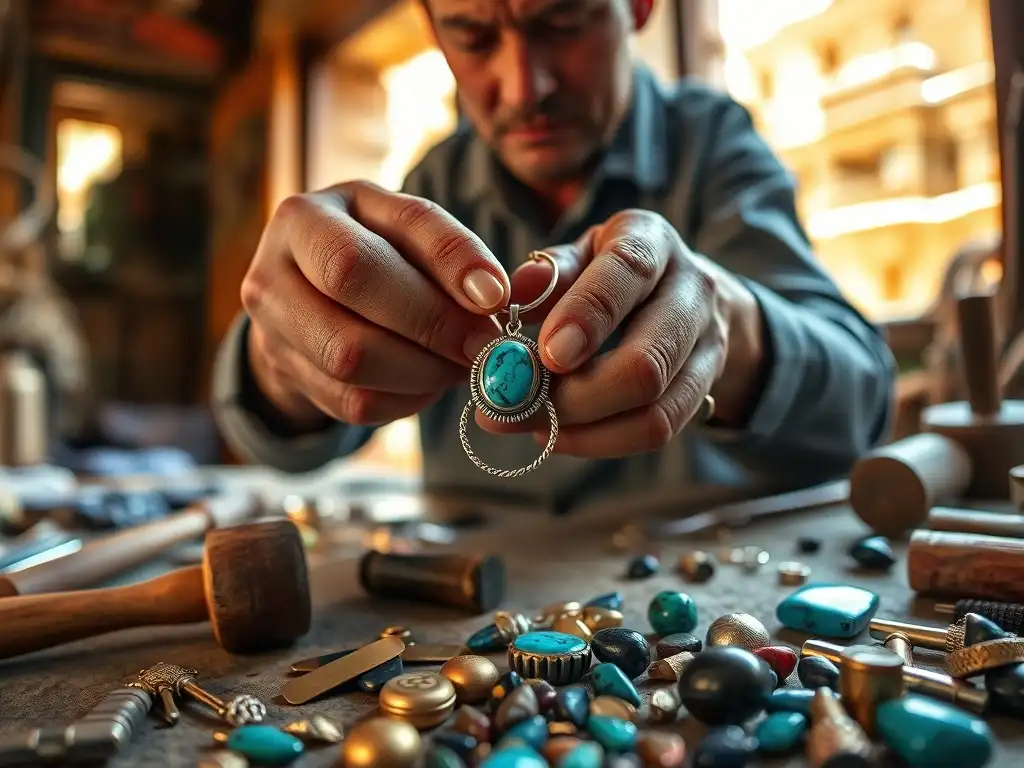
Uncover the secrets whispered on the wind across the Andes! Journey through millennia of breathtaking artistry as we delve into the captivating world of ancient Andean civilizations. From the intricate artistry of the Nazca lines to the sophisticated engineering of the Incas, prepare to be amazed. But we're particularly intrigued by one aspect: Inca jewelry design inspiration. Discover how these timeless aesthetics continue to inspire modern creations – read on to unlock the mysteries and ignite your own creative spark.
The Andes Mountains, a spine of majestic peaks running down the western coast of South America, cradled some of the most fascinating and sophisticated civilizations the world has ever known. Among them, the Inca Empire stands out for its intricate artistry, particularly in its jewelry. This article delves into the captivating world of Inca jewelry design, offering inspiration for modern creators seeking to blend ancient techniques and aesthetics with contemporary materials.
We will explore the symbolic meaning behind Inca jewelry, analyze recurring motifs, and ultimately provide you with the knowledge to create your own stunning pieces inspired by this rich cultural heritage. This journey into Inca jewelry design inspiration will not only enhance your artistic skills but also deepen your appreciation for the ingenuity and artistry of this remarkable civilization. Get ready to unlock the secrets of Inca aesthetics and transform them into breathtaking modern designs!
Introduction to Inca Jewelry Design Inspiration
Inca jewelry wasn't merely adornment; it was a powerful form of communication, reflecting social status, religious beliefs, and even cosmological understandings. Gold, silver, and copper were prized metals, often intricately worked into elaborate pieces featuring a variety of techniques. These techniques included hammering, repoussé (a metalworking technique where the metal is shaped from the back), filigree (delicate, intricate work made from thin wires), and granulation (the application of tiny metal spheres to the surface). The artisans demonstrated remarkable skill, creating pieces that are still awe-inspiring today.
Understanding the context of Inca jewelry design is crucial for modern interpretations. We must appreciate not only the technical mastery but also the symbolic weight each piece carried within Inca society. This understanding forms the foundation for respectful and authentic modern recreations. The use of modern materials allows for a unique blend of tradition and innovation, breathing new life into ancient designs.
Understanding the Essence of Inca Jewelry
The essence of Inca jewelry lies in its connection to the natural world and the spiritual realm. Animals, plants, and celestial bodies frequently appeared as motifs, reflecting the Inca's deep reverence for nature and their sophisticated understanding of the cosmos. For instance, the condor, a powerful bird of the Andes, symbolized strength and royalty, often depicted with outstretched wings in gold or silver. Similarly, snakes represented fertility and healing, while hummingbirds embodied speed and agility.
The use of specific colors also held significant meaning; for example, gold represented the sun god Inti, while silver was associated with the moon. Studying these symbolic associations is key to understanding the deeper meaning behind Inca jewelry and to responsibly incorporating these motifs into modern designs. Consider the impact of color, form, and symbolism when choosing your materials and design elements.
Exploring Inca Jewelry Motifs: From Nature to Deities
Inca jewelry motifs spanned a broad spectrum, from representations of the natural world to depictions of deities and mythical creatures. Detailed studies of surviving artifacts reveal a remarkable consistency in the use of certain symbols.
Common Motifs and their Significance
- Animals: Condors, snakes, jaguars, llamas, and hummingbirds were frequently depicted, each carrying specific symbolic meaning related to Inca mythology and cosmology.
- Plants: Representations of maize (corn), coca leaves, and other important plants highlighted their significance in Inca agriculture and daily life.
- Celestial Bodies: The sun, moon, and stars were frequently depicted, reflecting the Inca's deep reverence for the cosmos and their sophisticated astronomical knowledge.
- Deities: While representations of deities are less common than natural motifs, depictions of Inti (sun god) and Viracocha (creator god) have been found, often in highly stylized forms.
- Geometric Patterns: Intricate geometric patterns, such as stepped frets and interlocking designs, adorned many pieces, showcasing the artisans' mathematical and aesthetic skills.
By understanding these recurring motifs and their underlying meanings, modern designers can draw inspiration to create pieces that resonate with the spirit of Inca artistry while incorporating contemporary aesthetics and materials. Remember, mindful consideration of the cultural significance of these symbols is paramount in creating respectful and meaningful pieces. The use of modern materials like ethically-sourced gemstones or recycled metals adds a contemporary twist, creating jewelry that speaks to both the past and the present.
- Introduction to Inca Jewelry Design Inspiration
- Understanding the Essence of Inca Jewelry
- Exploring Inca Jewelry Motifs: From Nature to Deities
- What makes Inca jewelry design so unique?
- What materials were traditionally used in Inca jewelry?
- Where can I find inspiration for modern Inca-inspired jewelry designs?
- How can I incorporate modern materials into Inca-inspired jewelry?
- Are there ethical considerations when creating Inca-inspired jewelry?
Selecting Modern Materials for Inca-Inspired Jewelry
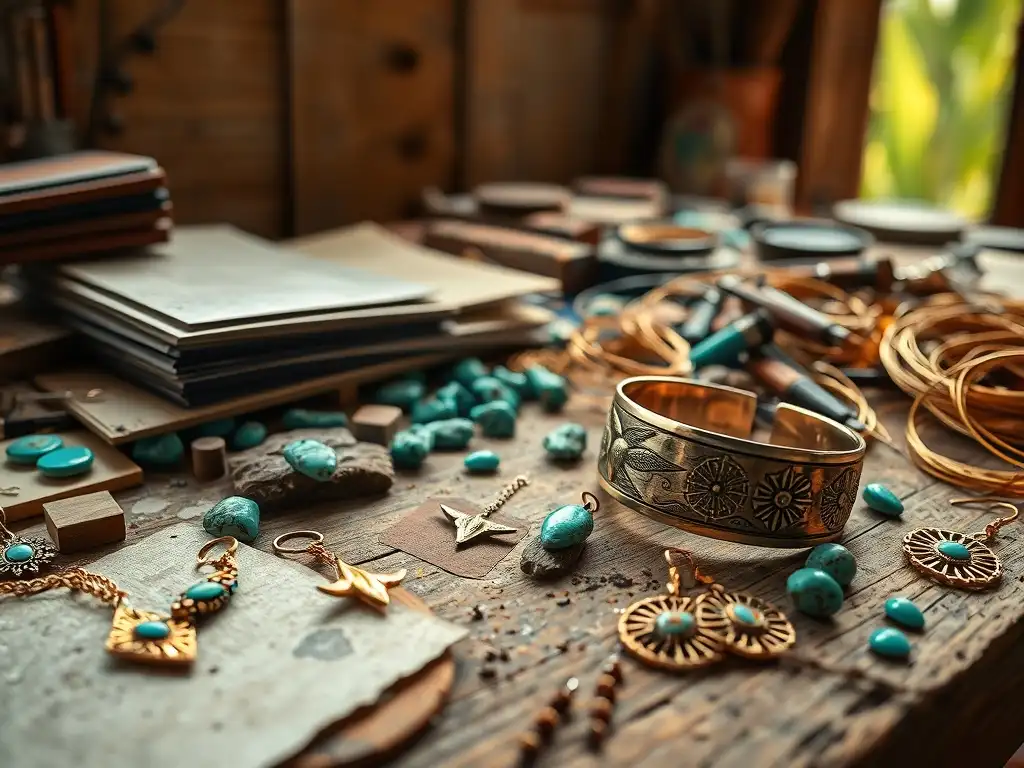
This section delves into the practical aspects of creating Inca-inspired jewelry using readily available modern materials. While replicating the exact materials used by Inca artisans is impossible, we can draw inspiration from their techniques and aesthetic sensibilities to create stunning and meaningful pieces. The key lies in understanding the properties and symbolic significance of the materials the Inca utilized and finding suitable modern equivalents.
This will allow you to achieve an authentic look and feel while working within the constraints of modern crafting practices. Choosing the right materials is crucial for both the visual appeal and the longevity of your Inca jewelry design inspiration.
Metal Choices: Finding Alternatives to Traditional Inca Gold
Inca artisans prized gold, silver, and copper, working them into intricate designs. While accessing these metals in their pure form might be challenging or expensive, many readily available alternatives offer similar visual effects and workability.
For a gold-like finish, consider:
- Brass: A cost-effective alloy of copper and zinc, brass offers a warm, golden hue that lends itself well to intricate detail work. Its malleability makes it ideal for hammering, stamping, and wire-wrapping techniques frequently seen in Inca jewelry. It also takes a beautiful polish, enhancing its luster.
- Gold-filled wire: This offers a more luxurious look than brass, while being more affordable than solid gold. Gold-filled wire consists of a layer of gold bonded to a base metal, offering a durable and beautiful option for creating delicate chains and intricate designs.
- Vermeil: This is sterling silver plated with gold, providing a more elegant and long-lasting golden hue than brass. It's a great option for pieces requiring a finer finish.
For a silver-like finish, sterling silver remains a popular and versatile choice. Its malleability and tarnish resistance make it a practical option for creating durable jewelry. Alternatively, you can explore:
- Nickel Silver (German Silver): This alloy has a bright, silvery appearance but is less expensive than sterling silver. However, be mindful of potential skin sensitivities, as nickel can be an irritant for some individuals. Always use a protective layer of sealant or lacquer on nickel silver jewelry to prevent tarnishing and skin contact.
Remember to consider the metal's weight and texture when selecting your materials. The Inca often favored a combination of metals to create visual interest and textural contrast in their pieces.
Gemstone Selection: Adding Color and Meaning to Your Pieces
Inca jewelry often incorporated gemstones, not just for their beauty but also for their symbolic meanings. Turquoise, for instance, was highly valued and associated with the sky and spiritual power. While sourcing authentic Inca gemstones is unlikely, many modern gemstones can evoke the same vibrant colors and symbolic resonance.
Consider these options:
| Gemstone | Inca Equivalent | Modern Significance/Color |
|---|---|---|
| Turquoise | Turquoise | Sky, protection, spirituality, vibrant blue-green |
| Lapis Lazuli | Lapis Lazuli | Royalty, wisdom, deep blue |
| Amazonite | Possibly Greenstone | Hope, truth, calming green |
| Carnelian | Possibly Red Jasper | Energy, courage, vibrant red |
| Peridot | Possibly Greenstone | Growth, abundance, olive green |
When selecting your gemstones, consider their hardness and durability. Choose stones that can withstand daily wear and tear, ensuring the longevity of your creations. The size and shape of the stones can also significantly impact the overall design, influencing the overall aesthetic reminiscent of Inca jewelry design inspiration.
Other Materials: Incorporating Thread, Leather, and Wood
Beyond metals and gemstones, the Inca utilized a range of organic materials in their jewelry-making. These included threads, leather, and wood, often incorporating them into intricate woven or beaded designs. Modern equivalents allow us to maintain this rich tradition:
- Threads: Embroidery floss, waxed linen cord, and even recycled sari silk can be used to create intricate beadwork or woven elements, mirroring the techniques used by Inca artisans. Experiment with different colors and textures to achieve a unique aesthetic.
- Leather: Soft leather cords and beads can be incorporated to add a touch of earthy texture and durability to your designs. Consider using vegetable-tanned leather for a more natural and sustainable option.
- Wood: Small, intricately carved wooden beads or pendants can add a rustic and organic element. Choose hardwoods like rosewood or ebony for durability and a rich, dark tone.
By thoughtfully selecting your materials, you can create pieces that genuinely capture the spirit and artistry of Inca jewelry, bridging the gap between ancient techniques and modern crafting. Remember, the most important aspect is to let your creativity flow, inspired by the rich legacy of Inca jewelry design inspiration.
Step-by-Step Guide: Creating Your Own Inca-Inspired Jewelry
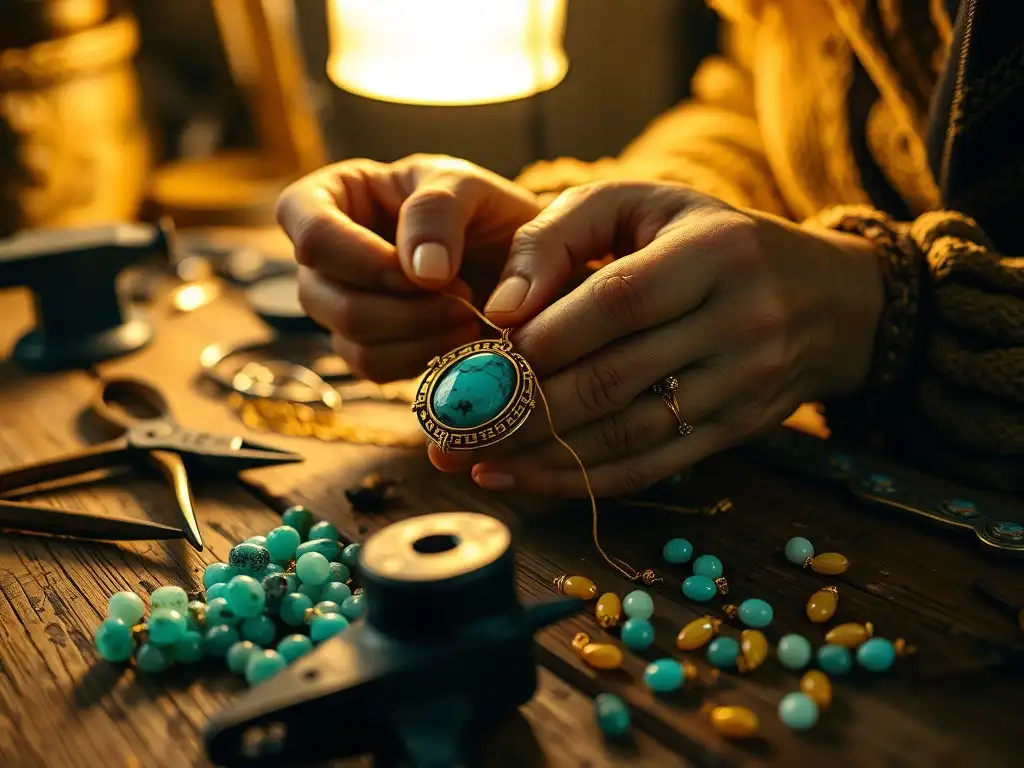
This section provides detailed instructions for crafting three distinct pieces of Inca-inspired jewelry using modern materials. We’ll explore metal clay, beading, and wire wrapping techniques, drawing inspiration from the intricate designs and symbolism found in authentic Inca jewelry. Remember, the key to successful Inca jewelry design inspiration lies in understanding the cultural significance behind the motifs and adapting them creatively to contemporary aesthetics.
Project 1: Designing an Inca-Inspired Pendant Using Metal Clay
Metal clay offers a fantastic medium for replicating the detailed textures and shapes found in ancient Inca pendants. This project focuses on creating a pendant inspired by the khipu, the intricate knotted cords used by the Inca for record-keeping. While we won't be creating a functional khipu, we'll capture its essence in a visually striking pendant.
First, you'll need metal clay (bronze or silver are excellent choices), sculpting tools, a kiln for firing, and finishing supplies (sandpaper, polishing cloth, patina if desired). Begin by rolling out a small amount of metal clay to your desired thickness. Using sculpting tools, carefully create a series of raised lines and small knots, mimicking the appearance of a khipu. Remember, asymmetry is key; Inca designs rarely followed perfect symmetry. Consider incorporating small beads or decorative elements for added texture and detail.
Once your design is complete, carefully dry the clay according to the manufacturer's instructions. Then, fire it in a kiln to achieve a hardened metal form. After firing, gently sand and polish the pendant to achieve a smooth, lustrous finish. You can add a patina for an aged look, reminiscent of ancient artifacts.
Finally, attach a bail for easy stringing onto a necklace. This process allows for intricate detail and a substantial, high-quality finished product. The finished pendant will be a unique piece reflecting Inca jewelry design inspiration, showcasing the beauty and complexity of the khipu in a modern, wearable form.
Project 2: Crafting an Inca-Style Bracelet with Beading Techniques
This project utilizes beading techniques to create a bracelet reminiscent of the colorful and geometric patterns found in Inca textiles and pottery. For this project, you’ll need a variety of beads in colors inspired by Andean landscapes – earthy tones like browns, reds, oranges, and yellows, perhaps punctuated by some greens and blues. Consider incorporating beads with geometric shapes, mirroring the patterns found in Inca weavings. You'll also need beading wire, strong thread or cord, and clasps.
Start by sketching out your desired pattern. Inca designs often incorporate repeating motifs, such as zigzags, chevrons, and stepped patterns. Experiment with different color combinations and bead sizes to create a visually appealing bracelet. You can use various beading techniques, such as peyote stitch or brick stitch, depending on your experience level and desired outcome.
Once you have your pattern finalized, begin stringing the beads onto your chosen wire or cord. Work meticulously and ensure that your beads are securely fastened. When the bracelet reaches your desired length, attach the clasps. Remember to maintain a consistent tension throughout the beading process to ensure the bracelet lies flat and comfortably on the wrist. This project offers a versatile approach to Inca jewelry design inspiration, allowing for creativity and personal expression through the selection of beads and patterns. The final bracelet will be a vibrant and wearable embodiment of Inca artistic sensibilities.
Project 3: Creating Inca-Inspired Earrings with Wire Wrapping
Wire wrapping provides a simple yet elegant method for creating earrings inspired by Inca motifs. For this project, you'll need copper, silver, or gold-filled wire, round or gemstone beads, and wire cutters and pliers. Choose beads that reflect the colors and textures of Inca artifacts.
Start by cutting lengths of wire. You can create simple drop earrings by wrapping the wire around a bead several times, creating a secure loop at the top for the earring hook. Alternatively, you can create more intricate designs by incorporating multiple beads and shaping the wire into small, symbolic forms. For example, you could create small stylized representations of llamas or other animals significant to Inca culture.
Remember that the beauty of wire wrapping lies in its adaptability. Experiment with different wire gauges, bead sizes, and wrapping techniques to achieve your desired look. Consider adding small decorative elements, such as tiny charms or beads, to enhance the design. This project allows for a high degree of customization, making it ideal for those seeking a more personalized approach to Inca jewelry design inspiration. The finished earrings will be lightweight, stylish, and a testament to the adaptability of modern techniques in recreating ancient aesthetics.
Monetizing Your Inca Jewelry Creations
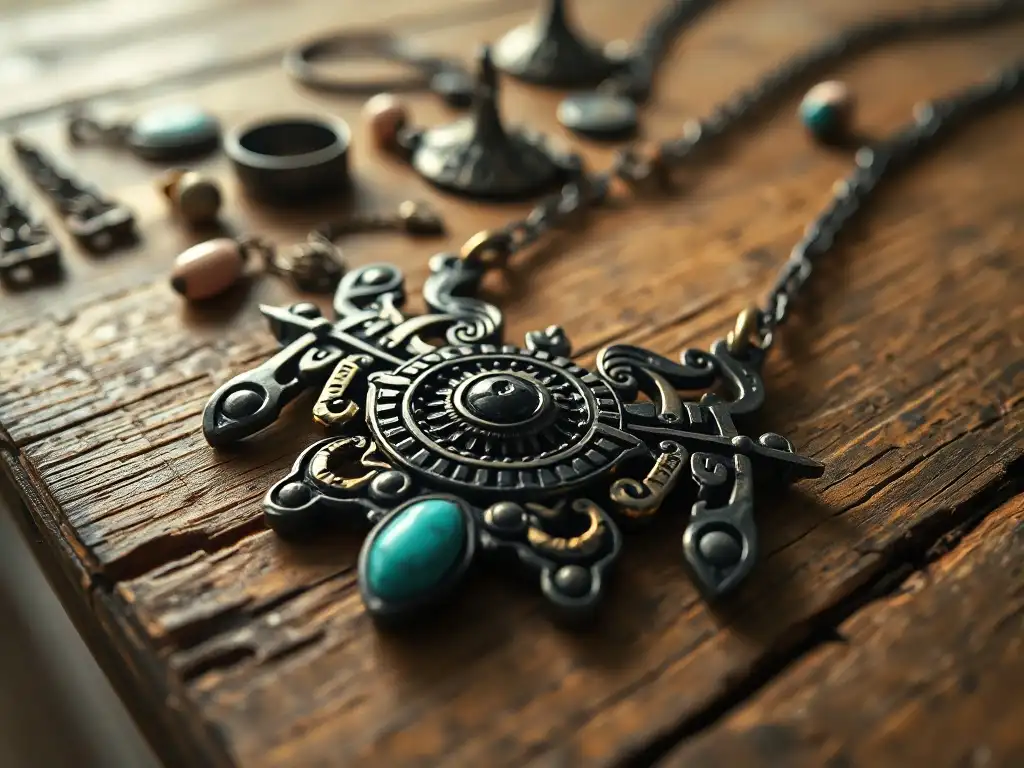
Creating beautiful Inca-inspired jewelry is rewarding, but turning your passion into profit requires a strategic approach. This section explores various avenues for monetizing your handcrafted pieces, focusing on online sales, craft fairs, and affiliate marketing. Understanding your target audience and choosing the right sales channels are key to success in the competitive world of artisan jewelry. Remember, the unique designs inspired by Inca artistry are your strongest selling point – showcase that heritage!
Selling Your Handcrafted Inca Jewelry Online
The digital marketplace offers unparalleled reach for selling handmade Inca jewelry. Platforms like Etsy, Shopify, and Amazon Handmade provide established audiences interested in unique, handcrafted goods. However, success requires more than just listing your pieces.
High-quality product photography is crucial; showcasing the intricate details and the inspiration behind each design is vital. Compelling product descriptions that highlight the Inca-inspired elements (e.g., the use of geometric patterns reminiscent of Inca textiles, the symbolic meaning of the chosen stones, the techniques inspired by ancient Inca metalworking) are essential for attracting buyers and ranking higher in search results. Furthermore, building a strong online presence through social media marketing is crucial for generating brand awareness and driving traffic to your online store.
Consider running targeted advertisements on platforms like Instagram and Pinterest to reach potential customers interested in "Inca jewelry design inspiration" and similar keywords. Remember to offer excellent customer service to build a loyal customer base and encourage positive reviews, which are invaluable for online success. Analyzing sales data to understand which designs are most popular and adapting your offerings accordingly is a continuous process for growth.
Participating in Craft Fairs and Local Markets
Craft fairs and local markets provide a tangible, interactive platform for selling your Inca-inspired jewelry. They allow for direct interaction with potential customers, offering an opportunity to explain the inspiration behind your creations and build personal connections. This personal touch can significantly enhance sales, especially for unique, handcrafted items. Strategic booth placement, attractive displays, and engaging interactions are essential.
Before committing to a craft fair, research the event's target audience and ensure it aligns with your target market. Prepare sufficient inventory to meet potential demand, considering factors such as the event's duration and expected foot traffic. Pricing your jewelry competitively while maintaining profitability is a balancing act. Consider offering discounts or special promotions to incentivize sales.
Collecting customer contact information allows you to build your email list for future marketing efforts. Don't forget the importance of business cards – a professional card featuring your brand name and contact information is a simple yet effective marketing tool. Analyzing sales data from each event will help you refine your strategy for future participation.
Exploring Affiliate Opportunities in Jewelry Making
Affiliate marketing offers a less direct but potentially lucrative way to monetize your Inca jewelry design inspiration. By partnering with relevant businesses, you can earn commissions by promoting their products or services to your audience. This could involve recommending specific tools and materials used in jewelry making, promoting online courses on jewelry design, or partnering with retailers selling similar products.
Building a strong online presence and engaging content are key to attracting affiliate partners. Transparency with your audience is vital; always clearly disclose any affiliate relationships to maintain trust. Choosing affiliate programs carefully is essential, ensuring they align with your brand values and target audience.
Tracking your affiliate marketing performance using analytics dashboards will provide valuable data to optimize your strategy and maximize your earnings. Focus on building long-term relationships with affiliate partners to foster mutual success. Remember, the key is to promote products and services that genuinely add value to your audience, rather than simply focusing on earning commissions.
Conclusion: Carrying the Legacy of Inca Art Through Modern Jewelry
This exploration into Inca-inspired jewelry design reveals a fascinating blend of ancient artistry and contemporary creativity. By understanding the symbolism, techniques, and materials used in traditional Inca jewelry, modern artisans can create pieces that resonate with the spirit of the Andes while showcasing innovative design sensibilities. The enduring appeal of Inca aesthetics lies in its inherent elegance and profound connection to nature and spirituality.
Modern interpretations can build upon this rich heritage, breathing new life into ancient motifs and techniques. The challenge, and the reward, lies in finding that perfect balance between honoring the past and forging a unique path for the future of Inca-inspired jewelry design. The legacy of Inca art continues to inspire, evolving and adapting to reflect the changing times while retaining its core essence.
This careful preservation and innovative reinterpretation ensures that the whispers of the past continue to resonate in the modern world. The resulting pieces become not just adornments, but tangible links to a vibrant and influential civilization.
Further Exploration of Inca Art and Design
The journey into Inca-inspired jewelry design is just the beginning. To truly understand and appreciate the depth and complexity of Inca art, further exploration is essential. Studying Inca textiles, pottery, and metalwork provides a broader context for understanding the stylistic choices and symbolic meanings embedded within their jewelry. Consider researching the specific iconography prevalent in Inca art, including representations of animals, deities, and celestial bodies.
Understanding the cultural significance of these symbols allows for a more informed and respectful approach to design. Many museums and online resources offer extensive collections of Inca artifacts, providing invaluable visual references and historical information. Moreover, engaging with contemporary Andean artists who continue to draw inspiration from Inca traditions offers a unique perspective on the evolution and adaptation of these artistic styles.
This continuous learning and engagement ensures that any modern interpretation remains respectful and authentic, contributing to a deeper appreciation of Inca artistry. Remember, the key is to approach this journey with respect and a genuine desire to understand and celebrate the rich cultural heritage of the Inca civilization. The more you learn, the richer and more meaningful your designs will become.
Embracing the Unique Beauty of Inca-Inspired Jewelry
The enduring appeal of Inca-inspired jewelry lies in its unique ability to seamlessly blend ancient symbolism with modern aesthetics. The vibrant colors, intricate designs, and carefully chosen materials combine to create pieces that are both visually stunning and deeply meaningful. Consider the versatility of Inca-inspired jewelry – a delicate pendant can be as impactful as a bold statement necklace.
The designs can adapt to various styles, from minimalist elegance to maximalist exuberance, making them suitable for a wide range of tastes and occasions. The use of modern materials, such as ethically sourced gemstones and recycled metals, allows for a contemporary interpretation that aligns with sustainable practices. This commitment to responsible sourcing not only enhances the ethical appeal of the jewelry but also reflects a growing awareness of environmental consciousness.
By celebrating the unique beauty and cultural significance of Inca-inspired jewelry, we contribute to the preservation and appreciation of a rich and fascinating artistic heritage. The resulting pieces become more than just accessories; they become wearable expressions of history, culture, and artistry. The enduring legacy of Inca art continues to inspire and captivate, enriching the world of modern jewelry design.
Frequently Asked Questions
What makes Inca jewelry design so unique?
Inca jewelry is characterized by its intricate craftsmanship, use of precious metals like gold and silver, and symbolic motifs representing nature, deities, and power. The designs often feature geometric patterns and zoomorphic forms.
What materials were traditionally used in Inca jewelry?
The Incas primarily used gold, silver, copper, spondylus shells, and turquoise to create their exquisite jewelry. They also incorporated feathers and other natural materials into their designs.
Where can I find inspiration for modern Inca-inspired jewelry designs?
Explore museums showcasing Inca artifacts, academic publications on Andean art, and online resources featuring Inca imagery. Analyzing existing pieces will reveal their distinctive aesthetics and techniques.
How can I incorporate modern materials into Inca-inspired jewelry?
Use contemporary materials like sterling silver, resin, semi-precious stones, and even recycled metals while maintaining the essence of Inca design elements such as geometric patterns and animal motifs.
Are there ethical considerations when creating Inca-inspired jewelry?
It's crucial to be mindful of cultural appropriation. Focus on celebrating and drawing inspiration from the Inca legacy rather than directly replicating sacred objects. Supporting ethical sourcing of materials is also important.
Final Reflection: Weaving the Past into the Present
The enduring legacy of Inca artistry continues to resonate today, inspiring innovative designs and a renewed appreciation for ancient craftsmanship. More than just aesthetically pleasing adornments, these pieces serve as tangible links to a rich cultural heritage, reminding us of the ingenuity and artistry of a civilization that flourished centuries ago. The techniques and motifs we explored offer a powerful testament to the enduring power of creativity across time.
The exploration of Inca jewelry design has been a deeply enriching experience, revealing not only the technical brilliance of the Inca artisans but also the profound spiritual and symbolic meaning embedded within their creations. Art washes away from the soul the dust of everyday life.
– Pablo Picasso. This quote perfectly encapsulates the transformative power of art, and the Inca's masterful jewelry serves as a potent example of this transformative potential. Their designs, imbued with intricate symbolism and vibrant colors, continue to captivate and inspire, demonstrating the timeless appeal of handcrafted beauty.
Now, consider the legacy you wish to leave. How can you incorporate the spirit of innovation and enduring artistry found in Inca jewelry into your own creative endeavors? Perhaps it's through exploring new materials, experimenting with traditional techniques, or simply appreciating the beauty and history woven into each piece. Let the whispers of the past guide your creative journey, inspiring you to craft not just beautiful objects, but also meaningful connections to the rich tapestry of human history.
Unveil Your Creativity: Craft Inca-Inspired Jewelry Today!
Thank you for exploring the captivating world of Inca-inspired jewelry! We hope you've found inspiration and valuable insights into blending ancient artistry with contemporary materials. Now, it's time to put your newfound knowledge into practice!
Here's how you can begin your creative journey:
- **Experiment with Design:** Sketch out some unique jewelry pieces, incorporating Inca motifs that speak to you. Let your creativity flow!
- **Join our Community:** Share your creations on social media using #AndeanJewelry, or connect with fellow artisans on our website for feedback and inspiration.
- Explore local craft stores and online marketplaces for unique materials that can add an unexpected and beautiful dimension to your designs.
Which Inca motif resonates most with you, and how do you envision transforming it into a stunning piece of wearable art?