
The Language of Lines: Mastering Nazca Geoglyph Techniques in Your Art

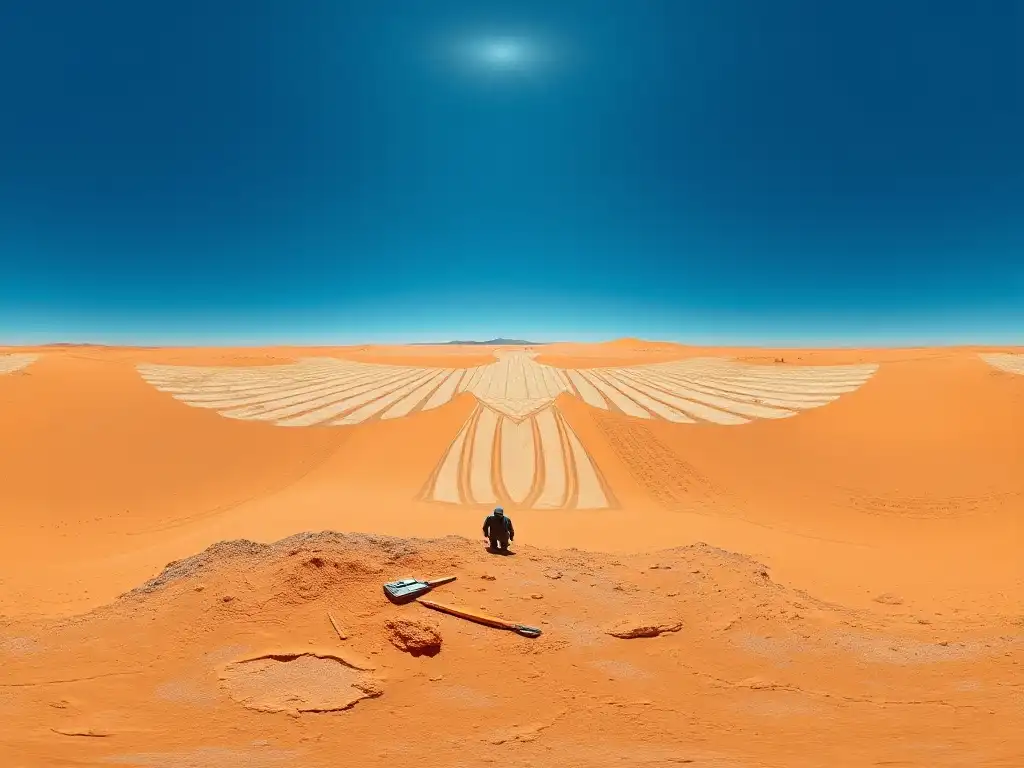
Unravel the mysteries of a lost world. For centuries, the Andean civilizations have captivated imaginations with their breathtaking artistry and advanced engineering. But have you ever wondered about the precise techniques behind the enigmatic Nazca geoglyphs? Prepare to be amazed as we delve into the secrets of their creation, unlocking the "language of lines" and revealing how you can incorporate these ancient skills into your own art. Discover the fascinating world of Nazca geoglyph art techniques and embark on a journey through time.
The enigmatic Nazca Lines, sprawling across the Peruvian desert, represent a monumental achievement in ancient Andean art and engineering. These vast geoglyphs, created by the Nazca culture between 500 BC and 500 AD, depict a mesmerizing array of animals, plants, geometric shapes, and human figures. For centuries, their purpose remained a mystery, fueling speculation and inspiring awe.
This article delves into the fascinating world of Nazca geoglyph creation, exploring the techniques employed by these ancient artists and offering practical guidance on how to adapt these methods to create your own stunning, Nazca-inspired art. We will explore the artistic principles behind these remarkable creations, examining the tools, materials, and processes used, and demonstrating how you can translate these ancient techniques into modern artistic expressions.
Understanding the essence of Nazca geoglyph creation unlocks a pathway to producing unique and evocative artwork with a profound historical connection. Prepare to uncover the secrets behind this captivating legacy and learn how to bring its spirit to life in your own creative endeavors.
Introduction to Nazca Geoglyphs and Their Artistic Influence
The Nazca Lines are not merely impressive in their scale; they also display a sophisticated understanding of design principles. The artists meticulously planned and executed their work, demonstrating a deep comprehension of perspective, proportion, and the interplay of lines and shapes. Many geoglyphs depict stylized animals, such as hummingbirds, monkeys, and lizards, showcasing a keen observation of the natural world and a remarkable ability to translate that observation into abstract forms.
The precise execution of these vast designs, often spanning hundreds of feet, points to a highly organized and skilled workforce, possibly involving sophisticated surveying techniques. The artistic influence of the Nazca Lines extends far beyond their geographical location. Their unique aesthetic has inspired countless artists throughout history, influencing modern design, textile arts, and even digital media.
The impact of these ancient creations continues to resonate today, demonstrating the enduring power of artistic innovation across time and cultures. The simplistic yet powerful imagery employed by the Nazca artists provides a timeless aesthetic that remains both striking and endlessly adaptable.
Understanding the Nazca Geoglyph Art Techniques
Creating the Nazca Lines required a significant level of planning and precision. While the exact methods used remain partially shrouded in mystery, archaeological evidence suggests the Nazca people primarily employed simple tools and techniques. They likely used stakes and ropes to outline the designs, carefully removing the reddish-brown topsoil to expose the lighter-colored subsoil, creating a contrast that made the geoglyphs visible from above.
[Specific information pending on the types of stakes used]. The scale of the undertaking is breathtaking; some geoglyphs extend for hundreds of meters, requiring a coordinated effort and a deep understanding of the landscape. The artistry lies not only in the scale but also in the subtle nuances of line weight and shape, which contribute to the overall visual impact.
The artists' ability to create such detailed and visually striking images using such rudimentary tools is a testament to their skill and ingenuity. Analyzing these techniques allows us to appreciate the sophistication of Nazca artistry and provides valuable insights into their worldview and social organization. The precision involved suggests a deep understanding of geometry and spatial relationships.
Adapting Ancient Nazca Techniques for Modern Art
While we cannot replicate the scale of the Nazca Lines in our modern art practices, we can certainly emulate their artistic principles and techniques. Consider using simple tools like pencils, charcoal, or even sticks to sketch and outline your designs. Experiment with different materials to create contrast, such as dark inks on light paper or light paints on dark canvas.
The simplicity of the Nazca lines allows for much creative interpretation. You can use these techniques to create both large-scale murals and small-scale drawings, adapting the size and complexity to your own creative vision. The focus should be on the clean lines, the bold shapes, and the powerful imagery, reflecting the essence of the Nazca style.
Think about using negative space effectively, as the Nazca artists did, to enhance the visual impact of your artwork. By embracing the simplicity and precision of the Nazca techniques, you can create modern art that resonates with the ancient spirit of these remarkable geoglyphs. The possibilities are limitless, from minimalist designs to complex narratives, all rooted in the powerful legacy of Nazca art.
Step-by-Step Guide: Creating Your Own Nazca-Inspired Artwork
This step-by-step guide will walk you through the process of creating your own Nazca-inspired artwork, focusing on replicating the unique aesthetic and techniques of these ancient geoglyphs. We'll explore how to translate the grand scale of the original Nazca lines into smaller, manageable artworks that capture their essence. Remember, the beauty of Nazca geoglyphs lies in their simplicity and the powerful impact of the lines themselves. Don't be afraid to experiment and find your own style within these guidelines.
First, gather your materials. You'll need a smooth surface (canvas, paper, or even a large piece of wood), a selection of fine-tipped markers or pens in various shades of brown, black, and white (to mimic the desert tones), and a ruler or straight edge for precision. A pencil for initial sketching is also highly recommended. Consider using a projector to enlarge a simplified design onto your canvas, if needed, for larger scale projects.
Next, carefully plan your design. While you can freely interpret the Nazca style, keeping the lines clean and simple is crucial. Focus on geometric shapes, stylized animals, or abstract patterns. Remember that the impact of the Nazca lines comes from their stark contrast against the background, so keep your design bold and uncluttered. Consider using a grid system to maintain consistency and proportions, especially when recreating intricate designs.
Finally, begin the drawing process. Start with a light pencil sketch to map out your design, then carefully trace over your lines with your chosen markers. Pay attention to the thickness and consistency of your lines to achieve the desired effect. Allow for the natural variation in line weight that might occur in the original geoglyphs, but try to maintain a sense of uniformity.
When finished, step back and evaluate your work from a distance. This helps you to identify any areas that need adjustment or enhancement. Remember, the process is as important as the final result; enjoy the journey of creation!
Planning Your Nazca Geoglyph Artwork
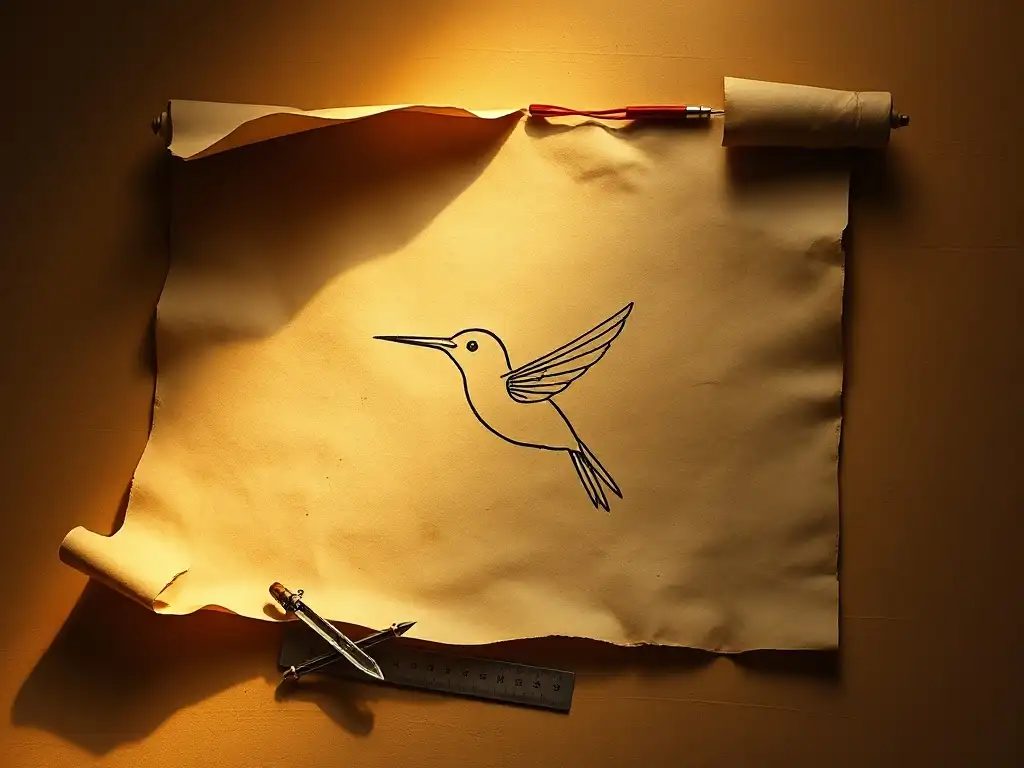
Before you even pick up a pen or brush, careful planning is key to creating successful Nazca-inspired artwork. This isn't just about sketching a quick idea; it's about understanding the principles behind the original geoglyphs and translating them into your own creative vision. This stage involves several crucial steps that will significantly impact the final result. Let's explore these steps in detail.
Firstly, research existing Nazca geoglyphs. Study their forms, the types of lines used, and the overall composition. Notice how the artists used simple shapes and lines to create complex and evocative images. Pay attention to the way the lines interact with each other and the negative space around them. This research will inform your own design choices and help you to understand the essence of the Nazca style. Consider creating a mood board or collection of images to inspire you.
Secondly, choose your subject matter. While many Nazca geoglyphs depict animals, you can interpret this theme broadly. Consider using abstract shapes, geometric patterns, or even stylized representations of natural elements. The key is to keep your design simple and impactful. Avoid overly complex or detailed images, as this will be difficult to translate into the Nazca style. Remember, less is often more.
Thirdly, develop a scaled-down version of your chosen design. Nazca geoglyphs are enormous, but your artwork will likely be much smaller. Consider using a grid system to help you proportionally reduce the size of your design without losing its integrity. This is particularly crucial for more complex designs. Experiment with different scales until you find one that works well with your chosen medium and size of canvas. Careful planning at this stage will save you time and frustration later in the process.
Creating a Nazca Line Artwork on Paper or Canvas
The execution of your Nazca-inspired artwork requires precision and patience. Whether you're working on paper or canvas, the principles remain the same: clean lines, careful planning, and a focus on the overall effect. The choice of medium will influence your technique slightly, but the core approach remains consistent. Let's delve into the specifics.
When working on paper, fine-tipped markers or pens are ideal. The smooth surface of the paper allows for clean, precise lines. Start with a light pencil sketch to map out your design, ensuring accurate proportions and line placements. Then, carefully trace over your pencil lines with your chosen markers. Varying line weight can add depth and interest, but maintain overall consistency. Remember to erase any remaining pencil marks once you're satisfied with your ink lines. Using a ruler for straight lines will significantly enhance the final look.
Creating your artwork on canvas offers a different tactile experience. Acrylic paints are a good choice, as they offer good coverage and can be thinned to create fine lines. You can use masking tape to create straight lines, or a fine-tipped brush for greater control. Prepare your canvas with a base coat of a neutral color, such as beige or light brown, to mimic the desert background. Then, carefully apply your paint, allowing each layer to dry before adding the next.
This will avoid smudging and ensure clean lines. For larger canvas works, consider using a projector to accurately transfer your design. Regardless of the medium, remember to step back periodically to assess your progress and make any necessary adjustments. The process of creation is as important as the final product itself. Enjoy the journey!
Creating a Digital Nazca Geoglyph Artwork
Creating a digital Nazca geoglyph artwork offers a unique blend of artistic expression and historical exploration. The process allows for experimentation and precision not readily available when working on a massive scale in the desert. This section explores how to translate the essence of Nazca geoglyph creation into a digital medium, focusing on techniques that capture the spirit of these ancient masterpieces.
One of the key challenges, and simultaneously opportunities, lies in replicating the scale and precision of the original geoglyphs. While we won't be working with kilometers of land, we can utilize digital tools to achieve a similar sense of grandeur and detail. High-resolution digital canvases allow for intricate linework, enabling the artist to mimic the fine lines and subtle curves characteristic of the Nazca designs.
Software like Adobe Photoshop or Illustrator, with their robust vector capabilities, are particularly well-suited for this task. The ability to zoom in and out allows for meticulous attention to detail while simultaneously maintaining an overview of the entire composition.
The choice of color palette is crucial in evoking the aesthetic of the Nazca geoglyphs. While the original geoglyphs rely on the contrast between the desert surface and the disturbed earth, digital artists have a broader range of options. They can opt for earthy tones mirroring the natural landscape, or they can explore more vibrant hues to create a unique interpretation.
The use of a limited palette, however, can add to the authenticity and impact of the artwork, echoing the simplicity and power of the original creations. Consider exploring variations in shades of brown, beige, ochre, and red to achieve a realistic desert feel. Experimentation with different blending modes can also create depth and texture, enhancing the overall visual effect.
Another crucial aspect is understanding the underlying principles of Nazca design. Many of the geoglyphs depict animals, plants, and geometric patterns, often exhibiting a remarkable level of symmetry and fluidity. Studying these motifs and their underlying structures is essential to creating compelling and authentic digital recreations.
Analyzing existing images and scholarly resources can provide valuable insights into the stylistic conventions and artistic techniques employed by the Nazca people. This research will not only inform the artistic choices but also add depth and understanding to the creative process. Remember that the essence of Nazca geoglyphs lies in their simplicity and power of suggestion, not necessarily in photorealistic rendering.
Finally, the process should be iterative. Start with a rough sketch, perhaps even a simple wireframe, to establish the overall composition and proportions. Then, gradually refine the lines, adding detail and adjusting the curves until the desired level of precision is achieved. Embrace experimentation and don't be afraid to deviate from traditional representations.
The beauty of digital art lies in its flexibility and capacity for exploration. The goal isn't to perfectly replicate a specific geoglyph, but rather to capture the spirit and essence of the Nazca artistic tradition in a new and exciting way. The digital medium presents a unique opportunity to reimagine these ancient works in a contemporary context, blending tradition with innovation.
- Introduction to Nazca Geoglyphs and Their Artistic Influence
- Understanding the Nazca Geoglyph Art Techniques
- Adapting Ancient Nazca Techniques for Modern Art
- Step-by-Step Guide: Creating Your Own Nazca-Inspired Artwork
- Planning Your Nazca Geoglyph Artwork
- Creating a Nazca Line Artwork on Paper or Canvas
- Creating a Digital Nazca Geoglyph Artwork
Monetization Opportunities: Tools and Resources for Nazca-Inspired Art
Creating art inspired by the Nazca geoglyphs is not only a fulfilling creative pursuit but also presents exciting opportunities for monetization. By leveraging your artistic skills and the inherent fascination with these ancient marvels, you can generate income and share your passion with a wider audience. This section explores avenues for turning your Nazca geoglyphs art techniques into a profitable venture.
Recommended Art Supplies for Nazca-Style Art
The accuracy and detail of Nazca geoglyphs demand precision in your artistic recreation. Choosing the right tools and materials is crucial for achieving authentic results and maximizing your creative potential. Here's a curated list of recommended supplies catering to various artistic preferences and budgets:
- For meticulous linework:
- Fine-tipped black ink pens (various nib sizes for different line thicknesses)
- Technical pens with archival ink for longevity
- High-quality drafting pencils (ranging from 2H to 6B for shading and detail)
- Precision rulers and templates for sharp lines and geometric shapes.
- For expansive canvases:
- Large sheets of high-quality drawing paper or illustration board
- Canvas boards or stretched canvases for painting (consider using a gesso primer for better adhesion)
- Durable fabrics like linen or cotton for textile art.
- For adding color and texture:
- Acrylic paints (offering vibrant colors and quick drying time)
- Watercolors (for a more delicate and nuanced approach)
- Ink washes for creating subtle variations in tone and depth.
- Sand or other textured mediums to mimic the desert landscape.
This selection ensures you have the resources to execute your Nazca geoglyphs art techniques with both precision and artistic freedom. Experiment with different combinations to find your preferred method. Remember, the key is to capture the essence of the geoglyphs – their scale, their simplicity, and their enigmatic power. High-quality materials will help you achieve that level of professionalism necessary for successful monetization.
Affiliate Programs and Resources for Andean Art Enthusiasts
Expanding your reach and earning passive income can be achieved by partnering with relevant affiliate programs. This strategy leverages your existing audience and expertise to promote products and services related to Andean art and culture. Some potential avenues include:
- Art supply retailers: Many online art stores offer affiliate programs, allowing you to earn a commission on sales generated through your unique referral links. Promote the specific supplies listed above, or other tools relevant to your chosen medium and style.
- Online art marketplaces: Platforms such as Etsy and Society6 offer opportunities to sell your Nazca-inspired artwork directly to consumers. While not strictly affiliate programs, these platforms provide a ready-made audience for your creations.
- Andean culture and history websites/blogs: Partnering with websites focusing on Andean culture can expose your art to a highly relevant audience. Negotiate affiliate deals to promote relevant books, documentaries, or tours related to the Nazca Lines and other Andean civilizations.
- Educational resources: If you offer workshops or tutorials on Nazca geoglyphs art techniques, consider promoting relevant books, online courses, or software through affiliate links.
By strategically incorporating affiliate links into your blog posts, social media content, and website, you can generate passive income while simultaneously providing valuable resources to your audience. Always disclose your affiliate partnerships transparently to maintain trust and credibility. Careful selection of partners who align with your brand and values will ensure a successful and mutually beneficial collaboration. This multifaceted approach to monetization will allow you to sustainably grow your business while sharing your passion for Nazca geoglyphs and Andean art.
Conclusion: Embracing the Legacy of Nazca Lines in Art
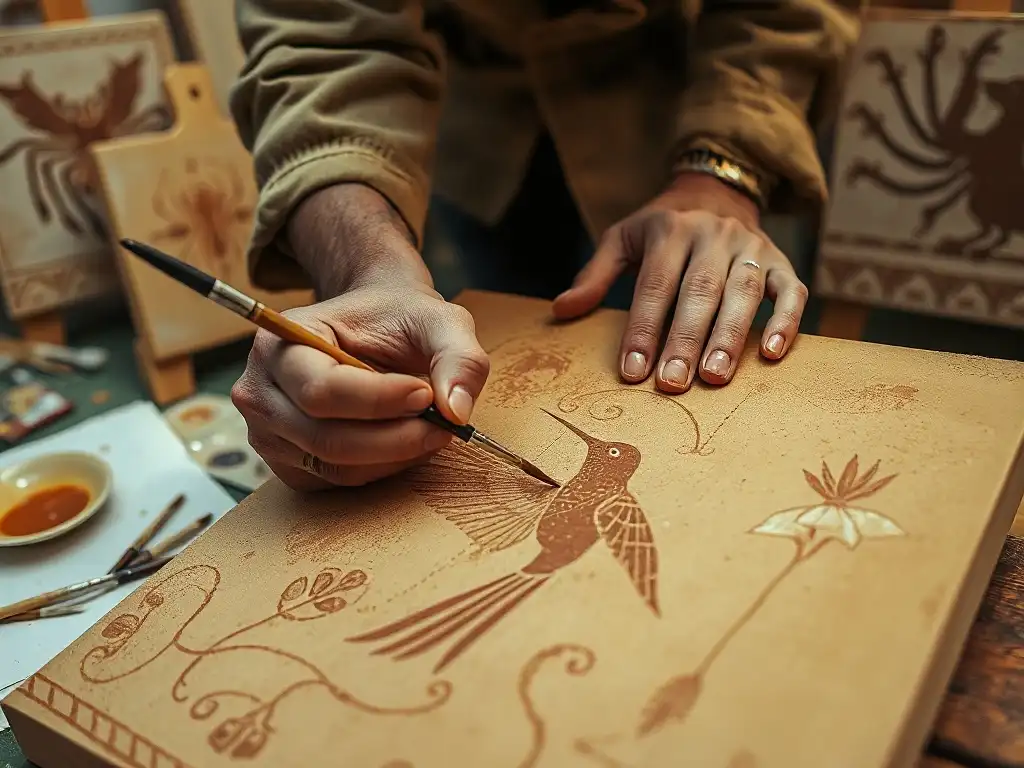
The Enduring Appeal of Nazca Geoglyphs in Contemporary Art
The Nazca geoglyphs, enigmatic figures etched into the Peruvian desert, continue to captivate and inspire artists worldwide. Their sheer scale, the mystery surrounding their creation, and the unique aesthetic qualities inherent in their design offer a rich source of inspiration for contemporary art. Artists find in the Nazca lines a powerful symbol of ancient ingenuity and a connection to a rich cultural heritage.
This enduring appeal is reflected in diverse artistic interpretations, from precise replicas to abstract reinterpretations that capture the essence of the geoglyphs' bold lines and enigmatic forms. The use of negative space, a hallmark of Nazca art, is frequently emulated, demonstrating the ongoing influence of these ancient masterpieces.
The popularity of Nazca geoglyphs in contemporary art isn't simply aesthetic; it's also a testament to the enduring power of cultural heritage. Artists use these designs to explore themes of cultural preservation, environmental awareness (given the fragility of the geoglyphs), and the enduring human fascination with deciphering the past. Many contemporary artists engage with the lines as a powerful symbol of the Andean civilization's sophisticated understanding of geometry, landscape, and cosmology. This engagement isn't just about imitation; it's about a dialogue across time, a conversation between ancient creators and modern interpreters.
Modern Applications of Nazca Geoglyph Techniques
The techniques used to create the Nazca geoglyphs, while ancient, offer valuable lessons for contemporary artists working in a variety of media. The careful planning and precision required for the creation of these massive designs translate well into modern artistic practices. For example, the use of natural pigments and the understanding of how light and shadow interact with the landscape provide inspiration for environmentally conscious artists working with land art or large-scale installations. The meticulous removal of the surface layer to reveal the lighter subsoil, a key Nazca technique, finds parallels in contemporary techniques such as etching and scratching.
Furthermore, the simple yet powerful lines of the Nazca geoglyphs provide a valuable lesson in minimalism and impactful design. The focus on clear, bold lines and the effective use of negative space teach artists to prioritize simplicity and clarity in their work. This understanding of form and composition is applicable across various artistic disciplines, from painting and drawing to sculpture and digital art.
The Nazca lines serve as a masterclass in creating impactful images with minimal means. The ability to convey complex ideas and narratives through a limited palette of techniques is a lesson that resonates deeply with contemporary artists seeking to make a strong visual statement.
Challenges and Opportunities in Replicating Nazca Styles
Replicating the Nazca geoglyph style presents unique challenges. The sheer scale of the original works is often difficult to emulate without access to vast landscapes. However, artists can adapt the techniques to smaller scales while preserving the core aesthetic principles. This adaptation might involve using different materials, such as sand, paint, or digital tools, but the emphasis remains on clean lines, careful planning, and a deep understanding of how form and space interact. This adaptation, in fact, presents an opportunity for creative exploration.
Moreover, the ethical considerations surrounding the Nazca lines must be addressed. The fragility of these ancient masterpieces necessitates a respectful approach to any form of replication or interpretation. Artists should strive to avoid actions that could damage or disturb the original geoglyphs. This understanding should inform the choice of materials and techniques, ensuring that any attempt to emulate the Nazca style is environmentally responsible and honors the cultural significance of the original works.
This conscious approach transforms the challenge of replication into an opportunity for responsible artistic practice, emphasizing respect for cultural heritage and environmental stewardship. The Nazca geoglyphs, therefore, become a powerful symbol not only of ancient art but also of responsible contemporary practice. A thoughtful approach to emulating their style ensures that their legacy endures, both aesthetically and ethically.
Frequently Asked Questions
What are Nazca geoglyphs?
Nazca geoglyphs are giant figures and lines etched into the desert surface of the Nazca plains in Peru. They were created by the Nazca culture and their purpose remains a mystery, although theories abound. Their scale and artistry are remarkable.
What techniques did the Nazca use to create the geoglyphs?
The Nazca people employed a technique of removing the dark reddish pebbles and exposing the lighter subsoil to create the images. They likely used simple tools and a thorough understanding of the desert landscape and its unique geological features. The process was painstaking and required significant labor.
How were such large-scale designs possible without aerial perspective?
While the exact methods remain debated, it's believed that elevated vantage points, possibly natural hills or strategically constructed platforms, allowed Nazca artists to visualize and plan the designs. Detailed planning and surveying were likely crucial to their success.
What are the most common themes depicted in Nazca geoglyphs?
The geoglyphs depict a variety of animals (such as hummingbirds, monkeys, and lizards), plants, and geometric shapes. Some figures are highly stylized, while others appear more realistic. Their symbolic meanings continue to fascinate researchers.
Can I learn to create Nazca-inspired geoglyph art?
Yes! While recreating geoglyphs on the scale of the originals is impossible, you can learn to emulate the techniques using various mediums. Experiment with line work, scale, and earth tones to capture the essence of Nazca art in your own creations.
Final Reflection: Echoes in the Desert, Visions on Canvas
The intricate artistry of the Nazca geoglyphs, once a remote enigma, now resonates with a powerful message about human creativity and our enduring connection to the land. Understanding their creation isn't just about deciphering ancient techniques; it's about unlocking a profound understanding of scale, perspective, and the enduring power of artistic expression across millennia. These ancient lines speak to us still, whispering secrets of patience, precision, and the transformative power of vision.
The impact of the Nazca lines extends far beyond their physical presence in the Peruvian desert. They continue to inspire artists, archaeologists, and dreamers alike, prompting us to question our own relationship with the environment and the legacy we leave behind. The desert whispers secrets only the wind can understand, but the lines etched into its surface speak a language we can all learn to read.
This quote, though fictional, encapsulates the enduring mystery and the universal appeal of these magnificent works. Their influence on contemporary art, from land art to minimalist design, is undeniable, proving the timeless relevance of their aesthetic principles.
Now, consider your own creative process. How can you incorporate the principles of scale, perspective, and meticulous planning, learned from studying the Nazca geoglyphs, into your own artistic endeavors? Let the echoes of the desert inspire you to embrace bold visions, to meticulously craft your own unique expressions, and to leave your own indelible mark on the world, however small. Dare to dream big, to work patiently, and to create art that speaks across time, just as the Nazca lines continue to do.
Unleash Your Creativity with Nazca-Inspired Art!
Thank you for exploring the fascinating world of Nazca geoglyph techniques. You've gained valuable insights that can enrich your artistic practice and connect you with ancient cultures. Now, let's put that knowledge to work!
Here are some ways to get started:
- Experiment with Line Art: Grab your sketchbook and begin creating your own geoglyph-inspired designs! Use the techniques you've learned to develop artwork that reflects your personal style.
- Join an Artistic Community: Connect with other artists online or in your local area who share your interest in ancient cultures. Share your work and find inspiration in the creations of others.
- Host a Workshop: Gather friends or community members for a fun workshop where you can teach them about Nazca techniques. You'll be surprised by the creativity that emerges from collaborative projects!
What unique designs will you create, inspired by the Nazca Lines? Share your ideas in the comments below!