
Golden Gleams: Creating Metallic Effects in Your Andean Art

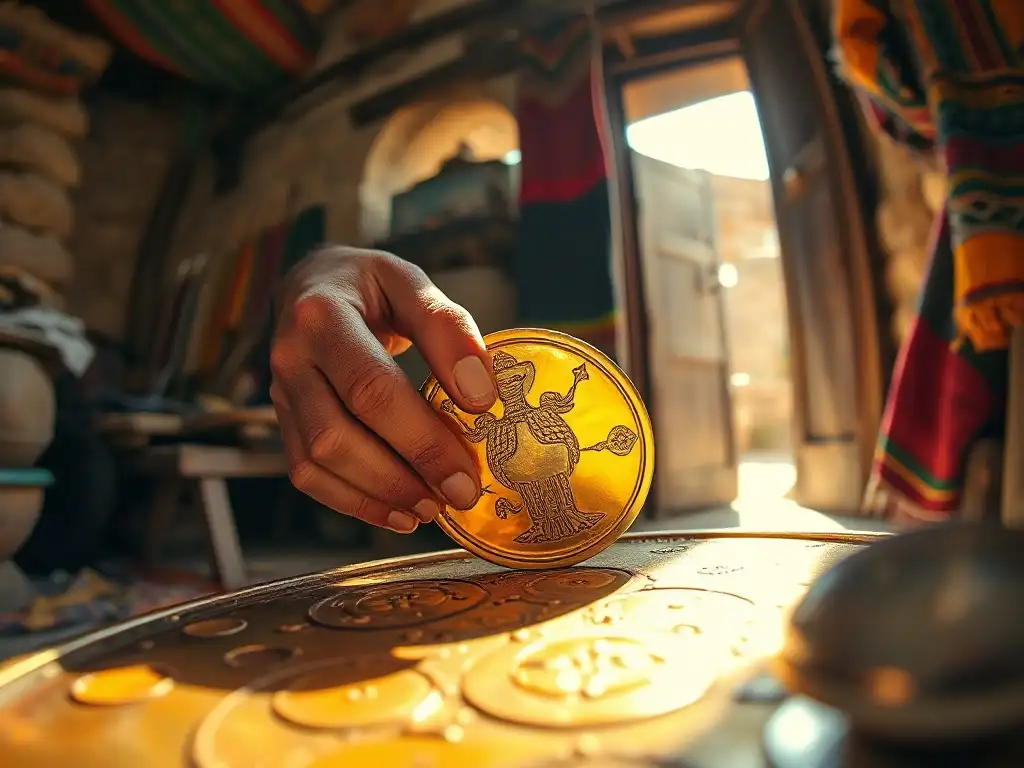
Uncover the secrets whispered by the Andes! Journey through millennia of breathtaking artistry and ingenuity, from the towering heights of Machu Picchu to the intricate designs of Nazca lines. But have you ever wondered about the lost techniques behind the dazzling Andean metalwork that captivated empires? Dive into the fascinating world of ancient Andean civilizations and discover the artistry that continues to inspire—starting with our exploration of Andean metalwork techniques. Prepare to be amazed.
- Introduction to Andean Metalwork and its Modern Applications
- Understanding Traditional Andean Metalwork Techniques
- Achieving Metallic Effects in Digital Andean Art
- Recreating Andean Golden Hues with Digital Painting
- Adding Texture and Detail to Your Digital Metalwork
- Advanced Techniques for Enhanced Metallic Effects
-
Showcase: Examples of Andean-Inspired Metalwork Art
- Case Studies: Artists Recreating Andean Metalwork
- Analyze different approaches to the Andean Metalwork style
- Sharing Your Artwork: Platforms to Showcase Your Digital Creations
- Exploring Creative Commons for inspiration and use
- Replicating Techniques: From Hammering to Casting
- Utilizing Modern Tools While Maintaining Authenticity
- Essential Tools and Resources for Your Journey
- Conclusion: Continuing the Legacy of Andean Metalwork
-
Frequently Asked Questions
- What are some common Andean metalworking techniques?
- How did the Incas differ in their metalworking from other Andean cultures?
- What were some of the challenges faced by Andean metalworkers?
- What is the significance of Andean metalwork in understanding their culture?
- Where can I learn more about Andean metalworking techniques?
- Final Reflection: The Enduring Legacy of Andean Metalwork
- Unveil the Magic of Andean Metallic Art!
Introduction to Andean Metalwork and its Modern Applications
The Andes Mountains, a spine of majestic peaks running down the western coast of South America, are not only a geographical marvel but also the cradle of some of the most sophisticated metalworking traditions in the ancient world. For centuries, cultures like the Incas, Moche, Nazca, and Tiahuanaco skillfully manipulated gold, silver, copper, and bronze, creating breathtaking artifacts that continue to captivate and inspire us today.
This article delves into the fascinating world of Andean metalwork techniques, exploring their historical significance and offering practical guidance on how to translate these ancient skills into modern art forms, specifically focusing on achieving authentic metallic effects in your own Andean-inspired creations. We will uncover the secrets behind the shimmering surfaces and intricate designs that characterize Andean metalwork, providing a pathway for contemporary artists to engage with this rich legacy.
Understanding the nuances of these techniques is key to creating truly authentic and evocative pieces, allowing you to connect with the spirit of the Andes in your artistic endeavors. This exploration will equip you with the knowledge and inspiration to produce artwork that truly reflects the mastery and artistry of these ancient Andean civilizations.
The Legacy of Andean Metalworking: A Source of Inspiration
Andean metalworking wasn't merely a craft; it was deeply intertwined with religious beliefs, social structures, and political power. The artistry involved in creating these objects reflects a profound understanding of metallurgy, demonstrating incredible skill in techniques like hammering, casting, repoussé (raising designs from the back of a metal sheet), and chasing (smoothing and refining the surface). The sheer diversity of techniques employed across different Andean cultures is astounding.
For instance, the Moche were renowned for their intricate goldwork, often depicting scenes of warfare, ritual, and daily life with remarkable detail. The Nazca, on the other hand, were masters of sheet metalwork, creating delicate and finely detailed objects. The Incas, known for their vast empire, developed sophisticated techniques for working with both precious and base metals, using them to create everything from ceremonial objects to everyday tools.
These techniques, passed down through generations, left behind a legacy of stunning artifacts – intricate headdresses, finely crafted jewelry, and imposing ceremonial vessels – that serve as a constant source of inspiration for modern artists seeking to emulate their unique aesthetic. The enduring appeal of Andean metalwork lies not only in its technical brilliance but also in its profound cultural and historical significance. Understanding this context is crucial for any artist seeking to authentically recreate these metallic effects.
Translating Ancient Techniques into Modern Art: A Digital Approach
While replicating the exact ancient methods might be impractical for many modern artists, the spirit and aesthetic of Andean metalwork can be effectively achieved through various digital techniques. Modern software allows for the creation of incredibly realistic metallic textures and effects, offering a powerful tool for contemporary artists. By studying historical examples and understanding the principles behind the techniques, one can use digital tools to emulate the hammered look of ancient copper, the gleam of Inca gold, or the intricate detail of Moche silver.
This involves experimenting with digital painting software, 3D modeling programs, and even photo manipulation techniques to achieve the desired visual effects. For example, using layer masks and blending modes in Photoshop can help create the subtle variations in texture and sheen characteristic of ancient metalwork. Similarly, 3D modeling software allows for the creation of highly detailed, three-dimensional representations of Andean artifacts, which can then be rendered with realistic metallic finishes.
The key is to understand the underlying principles of ancient Andean metalworking – the use of hammering to create texture, the layering of materials to achieve depth, and the careful manipulation of light and shadow to enhance the visual impact – and then to translate these principles into the digital realm. This digital approach offers both accessibility and creative freedom, allowing artists to explore the rich legacy of Andean metalwork in innovative and exciting ways.
Understanding Traditional Andean Metalwork Techniques
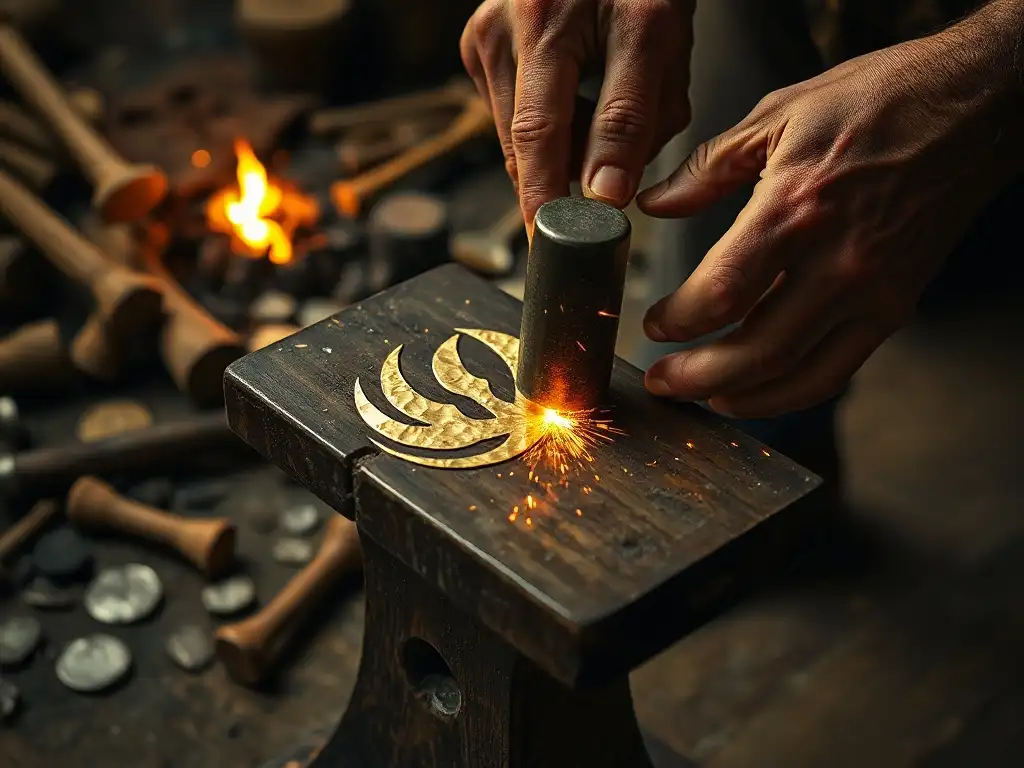
This section delves into the fascinating world of Andean metalworking, exploring the ingenuity and artistry of ancient civilizations who mastered techniques that continue to inspire awe today. Understanding these methods is crucial for anyone seeking to recreate the metallic effects found in their art. The skill and precision involved in Andean metalwork showcase a deep understanding of metallurgy and design, far beyond simple craftsmanship.
We'll examine the processes, materials, and artistry that defined this unique aspect of Andean culture, providing a foundation for understanding how to achieve similar effects in your own work. The legacy of Andean metalwork techniques lives on, enriching our appreciation for the sophisticated technologies of these ancient societies and influencing artistic expression even today.
Exploring the Art of Andean Goldsmithing
Andean goldsmithing wasn't merely a craft; it was a sophisticated art form deeply intertwined with religious beliefs and social structures. The artisans, often highly specialized and possibly part of a hereditary guild system, possessed exceptional skill in manipulating precious metals. Their creations, from intricate jewelry to monumental objects, demonstrate a mastery of techniques like hammering, repoussé, casting, and gilding, often combined in a single piece.
The precision and detail in their work are extraordinary, showcasing an advanced understanding of metallurgy and design principles. For example, the intricate detail found in Moche goldwork, with its depictions of deities and mythical creatures, showcases the advanced level of skill these artisans possessed. The ability to create such delicate and lifelike figures from such a malleable material is a testament to their expertise and artistic vision.
Consider the sheer patience and precision required – a single piece could take months, even years, to complete, reflecting the high value placed upon these objects. This dedication to precision is a key element to understand when striving to replicate these effects in modern art.
Key Techniques: Hammering, Repoussé, and Gilding
Several core techniques formed the basis of Andean metalwork. Hammering, a fundamental process, involved shaping the metal using various hammers and anvils. This allowed for the creation of basic forms and the refinement of details. Repoussé, a more advanced technique, involved hammering from the back of the metal sheet to create raised designs on the surface.
This method allowed for the creation of intricate three-dimensional forms and detailed imagery. Think of the stunningly detailed scenes depicted on many pre-Columbian artifacts; these were often achieved through the meticulous application of repoussé. Finally, gilding, the application of a thin layer of gold to a base metal, was used to enhance the appearance of objects and add a touch of luxury. This process, often involving mercury amalgamation, demonstrates a sophisticated understanding of chemical processes and material properties.
| Technique | Description | Example in Andean Art | Challenges for Modern Replication |
|---|---|---|---|
| Hammering | Shaping metal using hammers and anvils. | Creating basic forms for jewelry or larger objects. | Achieving consistent thickness and avoiding damage to the metal. |
| Repoussé | Hammering from the back to create raised designs. | Intricate details on gold plates, ceremonial vessels. | Requiring precision and skill to control the shaping of the metal. |
| Gilding | Applying a thin layer of gold to a base metal. | Enhancing the appearance of silver or copper objects. | Safely handling mercury (if using traditional methods). |
Materials Used in Ancient Andean Metalwork: Gold, Silver, and Copper
The Andean civilizations utilized a variety of metals, each with its unique properties and symbolic significance. Gold, highly valued for its beauty and malleability, was frequently used in ceremonial objects and adornments. Its association with the sun and divinity made it a particularly significant material. Silver, while less abundant than gold, was also used extensively, often in combination with other metals or alloys.
Silver's reflective qualities made it ideal for certain types of ceremonial objects. Finally, Copper, a more readily available metal, was used extensively for tools, weapons, and decorative items. Sometimes copper was alloyed with tin to create bronze, increasing its strength and durability. The selection of metal was often determined by both the intended use and the symbolic meaning associated with the material.
The artisans' skill extended to not just the shaping of the metal but also to understanding its alloying and manipulation to achieve the desired qualities. The varying colors and textures of these metals, used individually or in combination, contributed to the richness and complexity of Andean metalwork. Understanding the properties of these metals and their potential combinations is vital for anyone attempting to recreate these effects in their artwork.
How These Techniques Inform Modern Artistic Approaches
Understanding traditional Andean metalwork techniques offers a wealth of inspiration for contemporary artists. The ingenuity and skill displayed in pre-Columbian metallurgy, particularly the mastery of lost-wax casting, hammering, and alloying, provide a rich vocabulary for exploring new artistic avenues. Modern artists can draw upon the sophisticated understanding of material properties and the aesthetic sensibilities of ancient Andean artisans to create works that resonate with both ancient traditions and contemporary aesthetics.
For example, the intricate detail achieved through repoussé and chasing techniques—hammering from the back and front of a metal sheet to create relief—continues to inspire contemporary jewelry makers and sculptors. The ability to create incredibly fine details and textures using these methods allows for a level of intricacy that remains highly sought after.
Furthermore, the ancient Andean use of diverse alloys, creating unique colors and properties in their metals, opens up opportunities for exciting experimentation with contemporary materials and processes. Think of the vibrant gold-copper alloys, or the use of silver inlaid with other metals – these techniques are directly applicable to modern explorations in mixed-media art and metal smithing.
The understanding of lost-wax casting, a technique used extensively by Andean cultures, remains a cornerstone of metalwork today. While modern adaptations utilize more sophisticated equipment and materials, the core principles remain the same. This process, involving the creation of a wax model, the application of a mold, the melting and pouring of molten metal, and the final finishing, allows for incredibly complex and detailed forms, echoing the intricate designs seen in ancient Andean artifacts.
Studying these historical methods allows modern artists to refine their own casting techniques, potentially developing new approaches and variations. The possibilities for artistic expression are vast when one considers the intricate details achievable through this process, from miniature figurines to large-scale sculptures.
Moreover, the symbolic and spiritual significance imbued in Andean metalwork informs contemporary artistic practice. Ancient artisans didn't merely create objects; they crafted powerful symbols and representations of their beliefs and cosmology. By understanding the cultural contexts surrounding these techniques, modern artists can imbue their own work with a deeper meaning and narrative.
This added layer of cultural significance can elevate the artistic expression, creating pieces that are not only visually stunning but also carry a powerful message. The use of specific motifs, such as the condor or the puma, or the incorporation of geometric patterns with deep cultural significance, can add profound resonance to contemporary Andean-inspired art. This interweaving of ancient symbolism and modern artistic sensibilities creates a powerful dialogue between past and present.
Achieving Metallic Effects in Digital Andean Art
This section delves into the practical application of replicating the lustrous beauty of Andean metalwork in your digital art. We'll explore specific techniques and tools to achieve authentic-looking metallic effects, drawing inspiration from the intricate artistry of civilizations like the Inca, Moche, and Nazca. Mastering these techniques will allow you to create vibrant, historically accurate, and visually stunning digital representations of Andean artifacts and motifs. Remember, the key is to understand the underlying properties of metal – its reflectivity, sheen, and how light interacts with its surface – to effectively reproduce these qualities digitally.
Step 1: Choosing Your Digital Tools for Metal Effects
The first step in creating realistic Andean metalwork in digital art is selecting the appropriate software and tools. Your choice will depend on your existing skillset, budget, and the specific level of detail you aim to achieve. Different software offers varying degrees of control and functionality when it comes to manipulating textures, layering effects, and achieving photorealistic results.
Consider your comfort level with various interfaces and the features each program offers before making your decision. The choice of software significantly impacts the workflow and the final outcome. For example, the extensive layering capabilities of Photoshop allow for intricate metallic effects, while Procreate's intuitive interface makes it ideal for quick sketches and initial explorations.
Software Recommendations: Adobe Photoshop, Procreate, Gimp
Several digital art programs excel at creating realistic metallic textures. Let's examine three popular choices:
- Adobe Photoshop: A professional-grade industry standard, Photoshop provides unparalleled control over layers, blending modes, and adjustment tools. Its extensive brush library and ability to import custom brushes make it ideal for achieving highly detailed and nuanced metallic effects. You can utilize advanced techniques like layer masks and clipping masks to refine your metallic textures and achieve a high level of realism, mirroring the subtle variations found in actual Andean metalwork. Its vast plugin ecosystem further enhances its capabilities.
- Procreate: This iPad app offers a streamlined and intuitive interface perfect for both beginners and experienced artists. While lacking some of Photoshop's advanced features, Procreate provides excellent brush customization options and a responsive workflow. Its pressure sensitivity allows for nuanced control over brush strokes, mimicking the fluidity of traditional metalworking techniques. The ability to quickly iterate and experiment makes Procreate an excellent choice for exploring various metallic effects.
- GIMP (GNU Image Manipulation Program): A free and open-source alternative to Photoshop, GIMP provides a surprisingly robust set of tools for digital painting and manipulation. Although its interface may require a steeper learning curve than Procreate, GIMP offers many similar features for achieving metallic effects, including layer control and custom brush creation. For those on a budget, GIMP is a powerful and viable option for mastering Andean metalwork techniques.
Selecting the Right Brushes for Metallic Textures
The choice of brushes significantly impacts the final appearance of your digital Andean metalwork. Experimentation is key, but certain brush characteristics are crucial for achieving realistic metallic effects. Consider the following:
- Hardness: Hard-edged brushes are useful for creating sharp highlights and details, while softer brushes are better for blending and creating smooth transitions. Andean metalwork often features both sharp geometric designs and smoothly flowing curves, so mastering both types is essential.
- Shape: Round brushes are versatile, but experimenting with custom shapes – mimicking traditional Andean tools – can add authenticity. Consider brushes with slightly irregular edges to emulate the hand-crafted nature of the original artifacts.
- Opacity and Flow: These settings control how much paint is applied with each stroke. Lower opacity and flow allow for gradual build-up of color and texture, ideal for creating subtle highlights and reflections. Higher settings are useful for bolder strokes and creating strong contrasts.
- Texture: Some brushes incorporate textures directly into their strokes. Experiment with brushes that mimic the hammered or embossed surfaces often found in Andean metalwork. You can even create your own custom brushes using scans of actual metal textures. This level of detail significantly elevates the realism of your digital work, allowing for a more authentic recreation of Andean metalworking techniques.
Remember, the goal is not simply to replicate the look of Andean metalwork but to understand the process and translate that understanding into your digital artwork. By carefully selecting your tools and experimenting with different techniques, you can create stunning digital representations that honor the artistry and skill of ancient Andean civilizations.
Understanding Layering and Blending Modes for Metallic Sheen
Achieving a convincing metallic sheen in your digital Andean art requires a deep understanding of layering and blending modes. Forget simply slapping a gold texture on top – true Andean metalwork often displays subtle variations in light and shadow, reflecting the skill of the artisans. To replicate this, we'll leverage the power of digital layers. Think of each layer as a thin sheet of metal, with its own properties of reflectivity and color.
First, establish your base color. This might be a dark bronze for a weathered artifact or a bright, almost luminous gold for a ceremonial object. This base layer forms the foundation of your metallic effect. Then, add subsequent layers to build up the highlights and shadows. A lighter tone above the base, perhaps a slightly yellowish gold, can represent the areas where light directly strikes the surface. Use a blending mode like "Overlay" or "Soft Light" to subtly blend this highlight layer with the base, allowing the underlying color to peek through and create a realistic depth.
Next, consider the lowlights. These are the areas where the metal curves away from the light source, creating darker, less reflective areas. Create a darker layer using a slightly desaturated version of your base color, and place it below the highlight layer. Experiment with blending modes like "Multiply" or "Darken" to subtly deepen these areas. The key is subtlety; you want to suggest depth, not create harsh, unrealistic shadows.
The magic lies in the blending modes themselves. Each mode interacts differently with the layers below, allowing for a wide range of effects. "Overlay" is excellent for adding highlights without losing the underlying color, while "Soft Light" provides a more gentle, diffused effect. "Multiply" darkens the layers beneath, perfect for creating realistic shadows. Experimentation is key!
Try different modes and opacity levels to find what works best for your specific design and the type of Andean metalwork you're emulating. Remember that the ancient Andean artisans didn't use uniform, flat colors; their metalwork was nuanced and rich in detail, reflecting the light in countless subtle ways. Your digital replication should strive to achieve the same level of complexity. By carefully layering and blending colors, you can capture the essence of these ancient techniques.
Recreating Andean Golden Hues with Digital Painting
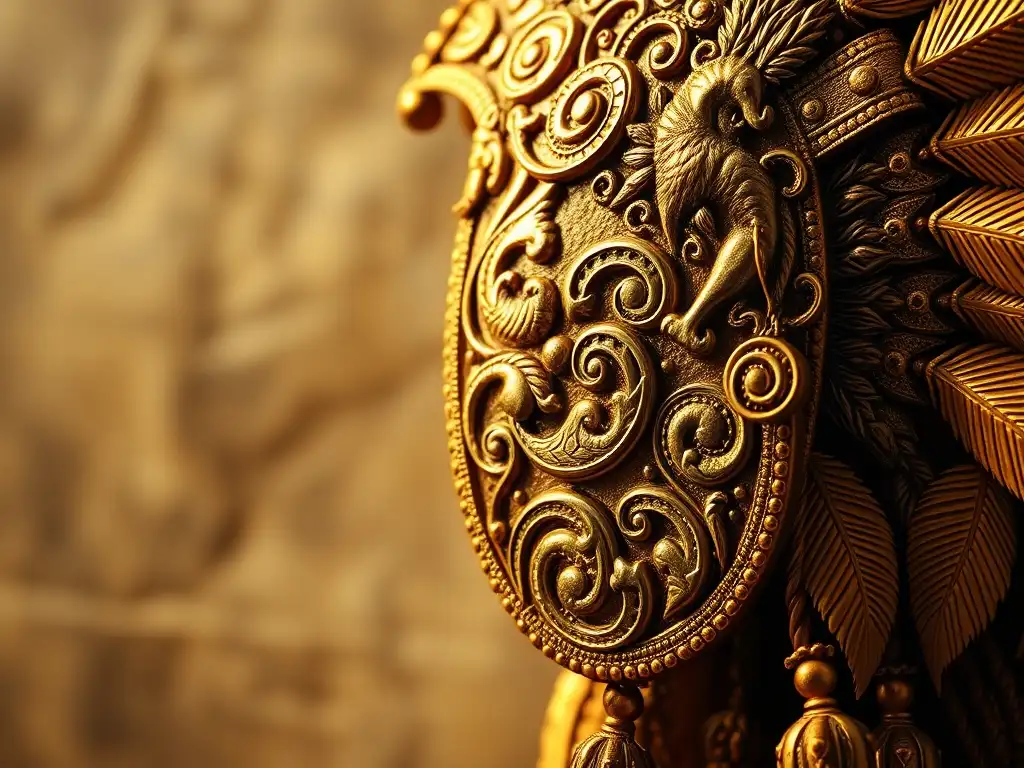
This section delves into the practical application of replicating the shimmering metallic effects found in Andean art, specifically focusing on digital painting techniques. We'll explore how to achieve the characteristic golden, silver, and copper hues prevalent in pre-Columbian Andean metalwork, providing you with the tools to create your own stunning digital recreations. The techniques described below can be adapted to various digital painting software, including Photoshop, Krita, and Procreate. Mastering these methods will allow you to convincingly render the visual impact of Andean metalwork techniques in your digital art.
Step 2: Creating a Base Layer for Metallic Color
Before applying complex metallic effects, establishing a solid base layer is crucial. This foundational layer provides the underlying tone and texture upon which subsequent metallic effects will be built. Avoid starting with a flat, uniform color. Instead, consider the inherent irregularities of hammered metal.
Begin by painting a base layer using a muted, slightly desaturated version of your target metallic color. For example, if you're aiming for gold, start with a dull, earthy yellow-brown. This initial layer should reflect the underlying material, hinting at the depth and richness of the final metallic effect. Vary the saturation and brightness subtly across the surface to mimic the uneven lighting and texture of real metal.
You can achieve this by using a soft brush with varied opacity and pressure. Think about the object's form; shadows should be darker and less saturated while highlights should be brighter and closer to the pure metallic color. Experiment with blending modes like "Multiply" or "Overlay" to refine the base color and create depth. This initial groundwork is essential for achieving a realistic and convincing metallic finish.
Understanding Color Palettes: Andean Gold, Silver, and Copper
Authentic Andean metalwork rarely used pure, unadulterated gold, silver, or copper. Instead, artisans often employed alloys and techniques to create a range of nuanced colors. Understanding these palettes is key to replicating the aesthetic accurately.
- Andean Gold: Wasn't always a bright, shiny yellow. Often, it incorporated other metals, resulting in hues ranging from a deep, reddish-gold to a pale, almost bronze-like yellow. Consider using a color palette that includes variations of yellow, orange, brown, and even hints of red to capture this complexity.
- Andean Silver: Similarly, Andean silver frequently displayed a range of tones, from a bright, almost white metallic sheen to a darker, greyish-silver, sometimes even with a hint of blue or green depending on oxidation or the presence of other metals in the alloy. Your digital palette should reflect this by including shades of grey, white, and subtle hints of blue or green.
- Andean Copper: Andean copper exhibits a fascinating spectrum of color, ranging from a bright reddish-orange to a deep, almost brown patina. The oxidation process played a significant role in determining the final color, creating a varied and beautiful effect. In your digital work, use a palette that encompasses various shades of orange, red, and brown to accurately depict the aged and oxidized appearance of Andean copper.
| Metal | Base Color(s) | Highlight Color(s) | Shadow Color(s) |
|---|---|---|---|
| Gold | Dark Yellow-Brown, Burnt Sienna | Bright Yellow, Golden Orange | Deep Brown, Dark Orange |
| Silver | Dark Grey, Cool Grey | Bright White, Light Grey | Dark Grey, Charcoal Grey |
| Copper | Dark Orange, Burnt Umber | Bright Orange, Reddish-Orange | Dark Brown, Deep Red |
The table above offers a starting point; experimentation is key to finding the perfect color combinations for your digital Andean metalwork. Remember to consider the light source and its impact on the final appearance.
Using Gradient Maps to Achieve Realistic Metallic Tones
Gradient maps are a powerful tool in digital painting that can significantly enhance the realism of your metallic effects. By applying a gradient map to your base layer, you can quickly and efficiently add depth, highlights, and shadows, mimicking the subtle variations in tone and texture found in real metallic surfaces. Choose a gradient that reflects the specific metal you are attempting to recreate; for example, a gradient that transitions from dark to light shades of gold, silver, or copper. Experiment with different blending modes to fine-tune the result and ensure it harmonizes with your base layer.
Using a gradient map as a layer style, rather than a direct adjustment, allows for greater control and flexibility. This technique can greatly expedite the process of creating convincing metallic effects, allowing you to focus on other artistic details. Remember to adjust the opacity of the gradient map layer to achieve the desired level of intensity.
Too high an opacity may result in an unrealistic, overly saturated look, while too low an opacity might not provide sufficient metallic effect. Finding the right balance through careful experimentation is key to successfully utilizing this technique in your digital Andean-inspired art. This method significantly streamlines the process of adding realistic metallic tones, letting you focus on the artistic details that truly bring your work to life.
Adding Depth with Highlights and Shadows: Simulating 3D Metalwork
Creating the illusion of three-dimensional metalwork in your digital Andean art requires a masterful understanding of light and shadow. Think about how light reflects off real gold or other metals—it's not a flat, even shine. Instead, it creates intense highlights, soft reflections, and deep shadows that give the piece its form and weight. This is crucial for replicating the sophisticated techniques of Andean metalworkers, who expertly manipulated light and shadow to enhance their creations.
To achieve this effect digitally, you'll need to carefully consider your light source. Let's assume, for example, your light source is positioned to the upper left. This means the upper left areas of your metallic objects will receive the strongest light, creating bright, almost incandescent highlights. These highlights shouldn't be harsh; instead, use a soft brush with a low opacity to blend them seamlessly into the surrounding areas. Experiment with different blending modes, like "Overlay" or "Soft Light," to achieve a realistic glow.
Conversely, the areas opposite the light source—in our example, the lower right—will be in shadow. These shadows shouldn't be completely black; they should be a darker shade of your base metal color, subtly hinting at the form of the object. Again, soft brushes and low opacity are your friends here. Gradually build up the shadow, paying attention to the curves and contours of the piece. Consider using a darker, cooler tone for the shadow to further enhance the three-dimensionality. The contrast between highlight and shadow is what truly brings the metal to life.
Remember the subtle reflections! Andean metalworkers often incorporated intricate designs and textures into their work. These details would catch and reflect light, creating smaller, secondary highlights and reflections. In your digital painting, you can simulate this by adding small, carefully placed highlights along the edges of raised designs or textures.
These tiny details significantly contribute to the overall realism and the sense of craftsmanship. Don't be afraid to experiment with different brush sizes and opacities to create a variety of reflective effects, mimicking the variations in sheen found in authentic Andean metalwork. This attention to detail elevates your digital artwork, capturing the essence of Andean metalworking techniques. The more you practice, the more intuitive this process will become, allowing you to create truly stunning representations of Andean artistry.
Adding Texture and Detail to Your Digital Metalwork
This section focuses on replicating the tactile qualities of Andean metalwork in your digital art. Ancient Andean artisans were masters of manipulating metal, achieving incredible textures and details. We'll explore how to digitally recreate these effects, focusing on techniques that capture the essence of their artistry, specifically targeting the nuances of Andean metalwork techniques.
Step 3: Simulating the Hammered Texture with Digital Brushes
Achieving the hammered look is crucial for replicating the feel of many Andean artifacts. Unlike smoothly polished modern metals, many pieces show the distinct marks left by repeated hammering. To simulate this, we need to move beyond simple color and shading.
The key is using the right digital brushes. Avoid perfectly smooth brushes; instead, search for brushes that mimic the irregular texture of a hammer's impact. Many digital art programs offer customizable brush settings. Experiment with:
- Shape Dynamics: Vary the brush size and angle randomly to create uneven hammering.
- Scattering: Introduce spacing between brush strokes for a more realistic, less uniform hammered effect.
- Texture: If your program allows, add a subtle texture to the brush itself to further enhance the hammered look. Think of a slightly rough surface.
Consider the directionality of the hammering. Andean artisans often hammered in a specific direction, creating patterns and flow in the texture. Try mimicking this by using long, sweeping strokes in one direction, then adding shorter, less directional strokes to create subtle variations.
For example, imagine replicating a hammered gold tupu (a ceremonial drinking vessel). You’d start with a base color, then use your custom hammered brush to apply the texture, building up layers for depth. Remember that light interacts differently with the uneven surface, creating highlights and shadows that further enhance the realism. Pay close attention to how light would reflect off the numerous tiny divots created by the hammering process.
Using Texture Overlays to Mimic Repoussé Techniques
Repoussé, a technique where metal is shaped from the back, is evident in numerous Andean artifacts. This creates a three-dimensional effect with subtle variations in the surface. Digitally, texture overlays are your best friend here.
First, create your base metal shape. Then, find or create a texture overlay that mimics the subtle bumps and curves characteristic of repoussé. Experiment with different textures – some might resemble woven fabric, others might have more organic, flowing patterns. The choice depends on the specific artifact you're trying to emulate. The key is to find an overlay with a relatively low contrast, so it doesn't overpower the base metal color. You can adjust the overlay’s opacity to fine-tune the effect.
Remember, the goal isn't to create a perfectly smooth, uniform surface. The beauty of repoussé lies in its subtle irregularities. Experiment with blending modes (like Overlay, Soft Light, or Multiply) to see how they interact with your base metal color and bring out the desired three-dimensional effect. This subtle textural detail is a hallmark of sophisticated Andean metalwork techniques.
Adding Details: Engravings and Embossed Patterns, Using a Graphics Tablet
Many Andean metalworks feature intricate engravings and embossed patterns. To recreate these details digitally, a graphics tablet becomes an invaluable tool. The pressure sensitivity allows for greater control and precision.
For engravings, use a fine, hard-edged brush. The tablet's pressure sensitivity lets you control the line weight, creating variations in depth and emphasis. Remember to study examples of Andean engravings; they often feature geometric patterns, stylized animals, or human figures. The precision and detail are astounding.
For embossed patterns, you'll need to use a combination of techniques. You might start with a base relief created through careful shaping of the metal in your digital program. Then, use a smaller brush to add finer details, enhancing the three-dimensionality. Consider adding highlights and shadows to accentuate the raised areas.
A graphics tablet's pressure sensitivity is essential here. You can use lighter pressure for smoother lines and heavier pressure to create more pronounced embossed areas. It allows for a level of control that closely mimics the careful handwork of Andean artisans, perfectly capturing the intricacies of their Andean metalwork techniques. The result is a digital representation that not only looks realistic but also captures the spirit of their remarkable craftsmanship.
Working with Light to Create Realistic Metallic Reflections
Achieving realistic metallic reflections in your digital Andean art is crucial for conveying the gleam and luminosity often associated with gold and other metals in Andean metalwork techniques. The key lies in understanding how light interacts with these highly reflective surfaces. Unlike matte materials that diffuse light, metals reflect it, creating highlights and specular reflections.
To simulate this, you need to carefully consider your light source. Where is it positioned? How strong is it? Is it a direct, harsh light, or a softer, more diffused light? The answer to these questions will dramatically impact the appearance of your metallic surfaces. A strong, direct light source will produce sharp, intense highlights, while a softer light will result in gentler, more diffused reflections. Consider the time of day in your artwork—a midday sun will cast different reflections than a setting sun.
The placement of your light source dictates the position of highlights. These highlights aren't just bright spots; they're often elongated, following the curves and contours of the metal object. Think of a polished gold pendant; the highlight will be shaped by the curves of the pendant itself. Observing real-world examples of Andean metalwork—even photographs—will significantly improve your ability to replicate these subtle yet crucial details in your digital artwork.
Furthermore, the color of the light also plays a vital role. The reflected light isn't just white; it often takes on the color of the light source itself. A warm light source, such as a sunset, will cast warm reflections onto your metallic surfaces, while a cool light source will produce cooler reflections. This subtle color shift adds depth and realism to your artwork, making it more believable and engaging.
Finally, consider the ambient light. This is the overall light in your scene that isn't directly from a main light source. Ambient light subtly illuminates the shadowed areas of your metalwork, preventing them from becoming completely black and lifeless. A good balance of direct light, reflected light, and ambient light is essential for creating realistic and captivating metallic reflections in your digital recreations of Andean metalwork techniques. Mastering these aspects will elevate your artwork from simple imitation to a truly convincing representation of these ancient artifacts.
Advanced Techniques for Enhanced Metallic Effects
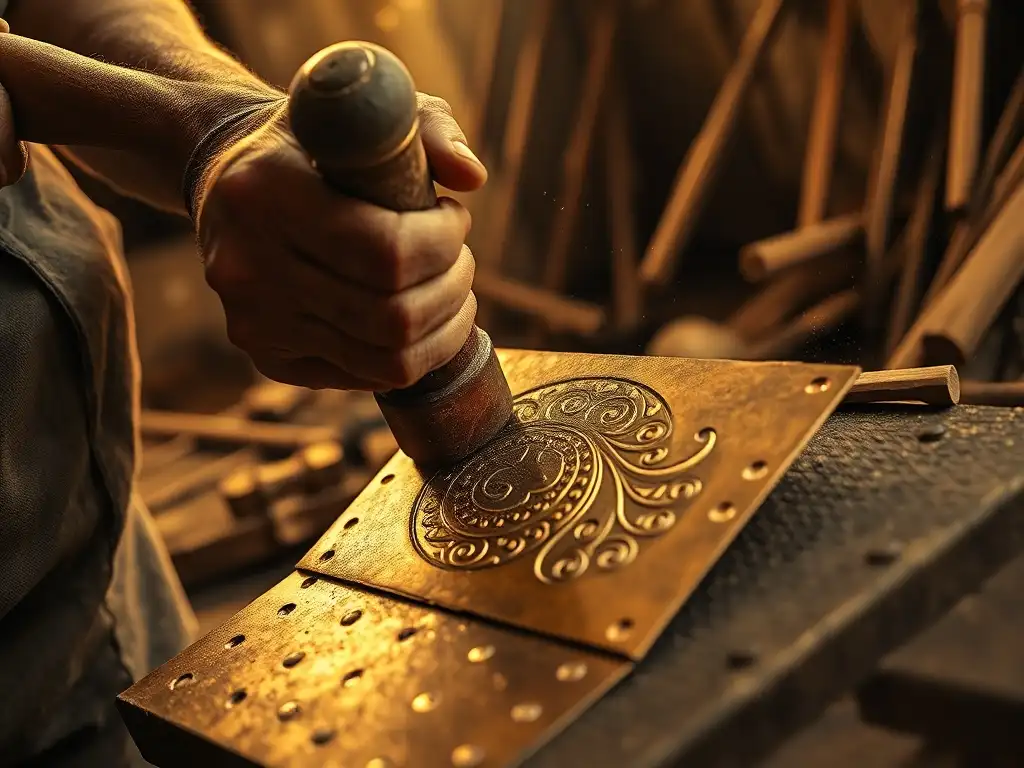
This section delves into more sophisticated methods for achieving realistic and nuanced metallic effects in your Andean-inspired artwork, building upon the foundational techniques already covered. We'll explore how to leverage the power of digital tools to create truly stunning pieces reflecting the artistry of Andean metalwork techniques. The goal is to move beyond simple metallic fills and achieve the depth and complexity found in authentic artifacts.
Using Adjustment Layers for Fine-Tuning Metallic Tones
Adjustment layers are a non-destructive way to refine your metallic effects. Instead of directly altering your base layer, you apply adjustments as separate layers, allowing for easy modification and experimentation. For Andean metalwork, subtle shifts in tone and hue can dramatically impact the final result. Consider the variations in gold found in Inca artifacts – from rich, deep yellows to lighter, almost brassy tones. These nuances can be captured using adjustment layers.
For example, let's say you've created a base layer depicting a gold ornament. To enrich the gold's hue, you might add a Hue/Saturation adjustment layer, subtly increasing the saturation for a more vibrant result. You could also experiment with a Color Balance layer to introduce warmer or cooler undertones, reflecting the variations found in ancient Andean metallurgy.
A Curves adjustment layer offers even more precise control, allowing you to selectively lighten or darken specific areas to simulate highlights and shadows, mimicking the way light interacts with real metal. Remember, subtlety is key; small adjustments can make a significant difference in the realism of your work. Experiment with different combinations of adjustment layers to discover what works best for your specific design.
This approach ensures that you can easily revisit and refine your metallic tones without damaging your original artwork. This iterative process is crucial to achieving the authentic look and feel of Andean metalwork techniques.
Incorporating Noise for a Natural, Aged Metal Effect
Authentic Andean metalwork often displays a patina of age and wear, a quality that contributes significantly to its character. Achieving this aged look requires more than just a simple metallic texture. Adding noise – random variations in color and brightness – is a critical step in creating a convincingly aged metallic surface.
The type and amount of noise you use will determine the final effect. A subtle amount of Gaussian noise can create a slightly textured, worn look, mimicking the effects of time and handling. For a more dramatic aged effect, consider using a higher level of noise and experimenting with different noise types, like Salt and Pepper noise. However, be cautious; too much noise can make your artwork appear grainy and unrealistic. The key is to find a balance that enhances the realism without detracting from the overall aesthetic.
Furthermore, consider the opacity of your noise layer. A lower opacity will subtly integrate the noise, giving a more refined, aged appearance. A higher opacity will produce a more pronounced, heavily textured look. Experiment with different opacity levels to control the intensity of the aging effect. Remember to consider the specific metal you are replicating; gold, silver, and copper all age differently, requiring adjustments to the noise application for authenticity. This attention to detail is crucial for capturing the artistry of Andean metalwork techniques.
Applying Metallic Effects to Different Surfaces: Ceramics, Textiles, Stone
While Andean metalwork is renowned, the techniques can inspire metallic effects on a variety of surfaces. Adapting the methods to ceramics, textiles, and stone requires careful consideration of the material's properties.
| Surface | Technique Adaptation | Considerations |
|---|---|---|
| Ceramics | Use a metallic glaze or paint with a slightly rough texture to mimic hammered metal. | Consider the reflectivity and potential cracking of the glaze during firing. |
| Textiles | Employ metallic threads or paints with a subtle texture to simulate the look of metal. | The weave of the fabric will influence the final effect. Experiment with different fabrics. |
| Stone | Achieve a metallic effect through careful application of metallic paints or foils. | The porosity of the stone will affect paint adhesion. Proper preparation is essential. |
Applying metallic effects to these varied surfaces requires a nuanced approach. For ceramics, consider the firing process and how it impacts the final metallic appearance. The texture of the textile will heavily influence how the metallic effect is perceived. With stone, the material's porosity must be taken into account to ensure proper adhesion. Experimentation and careful consideration of these factors are crucial for successfully replicating the spirit of Andean metalwork techniques across different media. The goal is to capture the essence of Andean artistic expression, not just a literal replication of metal.
Creating Detailed Inlays and Appliqués with Digital Tools
Creating realistic inlays and appliqués, reminiscent of the intricate metalwork found in Andean artifacts, requires a nuanced approach to digital art. The key is to understand the techniques used by ancient artisans and translate those techniques into a digital workflow. Instead of hammering and chiseling precious metals, we’ll be using digital sculpting tools and advanced layer manipulation within image editing software.
One effective method involves creating a high-resolution base image representing the primary metal surface, perhaps gold or silver. This base serves as the foundation for our inlay. Next, we meticulously sculpt the inlay pieces in 3D modeling software, paying close attention to detail. Think of the geometric precision seen in many Tiahuanaco artifacts or the more organic forms found in Moche goldwork. These 3D models are then rendered at a high resolution, ensuring sharp details are preserved.
Once rendered, these individual inlay pieces are imported into an image editing program. Using layer masks and blending modes, we carefully integrate the rendered inlays onto the base metal surface. This allows for subtle variations in lighting and shadow, crucial for creating a sense of depth and realism.
For example, we might use a "Multiply" blending mode to darken the areas where the inlay pieces overlap the base metal, mimicking the effect of shadows cast by the inlaid pieces. Experimentation with different blending modes is key to achieving the desired effect. Consider using a subtle drop shadow effect to further enhance the three-dimensionality of the inlays.
The process can be painstaking, demanding patience and precision. However, the results are well worth the effort. By carefully controlling the placement, size, and orientation of each inlay element, we can create stunning digital recreations of ancient Andean metalwork techniques. The ability to easily undo and redo steps in a digital environment offers a significant advantage over traditional metalworking, allowing for greater experimentation and refinement.
Remember to study examples of real Andean metalwork to inform your digital designs, paying attention to the patterns, motifs, and overall aesthetic. This will ensure authenticity and add a layer of depth to your digital creations. The process is iterative; refining the details, adjusting the lighting, and perfecting the overall composition is a crucial part of achieving a high-quality result. The final product should closely resemble the rich textures and intricate details of authentic Andean metalwork.
Showcase: Examples of Andean-Inspired Metalwork Art
This section highlights the diverse and captivating world of Andean-inspired metalwork art, showcasing the range of techniques and aesthetics employed by contemporary artists. We'll examine how these artists draw inspiration from ancient Andean metalwork techniques, adapting them to modern mediums and creative expressions. Understanding these examples helps you appreciate the nuances of the style and potentially inspire your own creations.
Case Studies: Artists Recreating Andean Metalwork
Let's delve into specific examples of artists who successfully recreate the spirit of ancient Andean metalwork. One artist, known for their intricate detail and use of hammered textures, meticulously replicates the repoussé technique often seen in pre-Columbian artifacts. Their pieces, often depicting stylized llamas or mythical creatures, showcase a deep understanding of the original techniques and a masterful command of modern metalworking tools. They often use silver and copper, mirroring the materials favored by the ancient artisans. The artist's commitment to authenticity is evident in their choice of materials and the meticulous attention to detail in their finished pieces.
Another artist takes a more abstract approach, drawing inspiration from the geometric patterns and symbolic imagery prevalent in Andean textiles and ceramics. They integrate these motifs into their metalwork, creating contemporary pieces that resonate with the ancient aesthetic. Instead of directly mimicking ancient techniques, they utilize the lost-wax casting method to achieve complex shapes and intricate details, resulting in pieces that are both modern and deeply rooted in Andean traditions.
This artist often incorporates semi-precious stones, echoing the use of inlay seen in some pre-Columbian artifacts. Their work exemplifies how Andean inspiration can be creatively reinterpreted in a contemporary context.
A third artist focuses on the use of color and patina, exploring the ways in which ancient Andean artisans manipulated the appearance of metals. They employ chemical processes to achieve a variety of finishes, ranging from shimmering gold to deep, earthy browns, mimicking the natural oxidation and intentional patination found in ancient pieces. This approach emphasizes the textural richness and visual complexity of Andean metalwork, demonstrating how the aesthetics can be achieved through different methods. They often use recycled materials, aligning their practice with sustainable art principles.
Analyze different approaches to the Andean Metalwork style
Analyzing different approaches to recreating Andean metalwork reveals a fascinating spectrum of interpretations. Some artists prioritize precise replication of ancient techniques, striving for historical accuracy and authenticity. Others take a more interpretive approach, drawing inspiration from the aesthetic principles of Andean metalwork to create unique, contemporary pieces. This variety demonstrates the enduring power and versatility of Andean artistic traditions.
The choice of metal itself significantly influences the final aesthetic. The malleability of silver allows for intricate detail and delicate forms, while the sturdiness of copper lends itself to larger, more robust pieces. The use of gold, though less common in contemporary recreations due to cost, adds a touch of regal opulence that mirrors the status of gold in ancient Andean societies. The combination of metals, such as the use of silver and turquoise inlay, can also create striking visual effects.
Furthermore, the surface treatment of the metal is crucial. Techniques like hammering, chasing, and repoussé create textures that evoke the handcrafted nature of ancient Andean metalwork. Patination, either natural or chemically induced, enhances the visual depth and complexity of the pieces. The careful consideration of these factors allows artists to achieve a variety of styles, from meticulous reproductions to bold reinterpretations.
Once you've created your Andean-inspired metalwork, sharing your digital creations is crucial for connecting with other enthusiasts and gaining exposure. Several online platforms offer excellent opportunities to showcase your digital artwork. Consider using platforms specifically designed for artists, where you can create a portfolio to display your work, connect with potential buyers, and engage with a community of fellow artists. These platforms often provide detailed analytics to help you track the performance of your work.
Additionally, social media platforms offer a wider audience reach, allowing you to share your work with a broader community. Remember to use relevant hashtags to increase visibility and connect with others interested in Andean art and culture. Careful consideration of image quality and presentation is key to maximizing the impact of your online presence.
Remember to always credit your inspiration and sources properly. The digital realm offers a powerful tool for sharing your artistry and connecting with a global audience. Utilize it strategically to enhance your impact and reach.
Exploring Creative Commons for inspiration and use
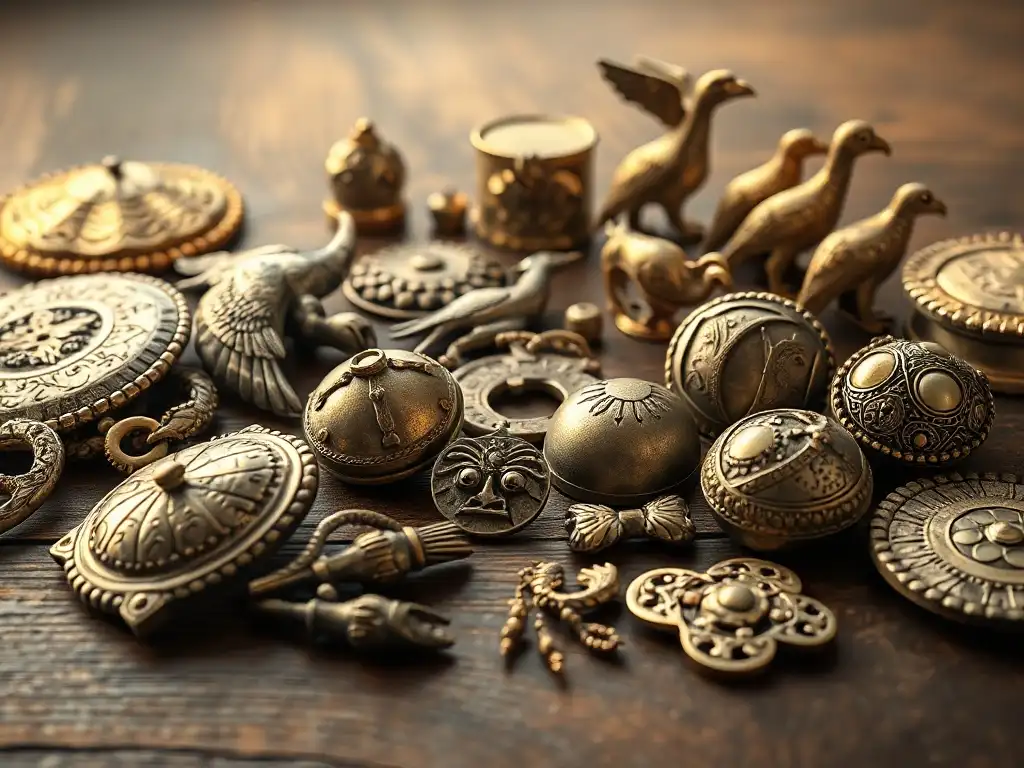
Finding inspiration for your Andean-inspired metalwork can be greatly enhanced by leveraging the wealth of resources available under Creative Commons licenses. These licenses allow for the legal use and adaptation of existing works, providing a fantastic starting point for your own creative endeavors. Instead of starting from a blank canvas, you can examine existing examples of Andean art – pottery, textiles, and, of course, metalwork – and glean ideas for patterns, motifs, and techniques. This approach allows for a deeper understanding of traditional styles and their evolution, fostering a more authentic and respectful approach to your art.
Remember to always carefully check the specific license terms associated with each work, as they can vary. Some licenses may permit only non-commercial use, while others may allow for modifications and derivative works. Understanding these nuances is crucial to ensuring the ethical and legal use of these valuable resources. By utilizing Creative Commons, you can build upon the rich heritage of Andean metalwork techniques while simultaneously contributing to a collaborative and open-source artistic community.
This collaborative spirit mirrors the interconnectedness often seen within Andean societies themselves, creating a powerful connection between past and present. The availability of high-resolution images under Creative Commons also allows for detailed study of the intricacies of ancient techniques, providing valuable insights into the craftsmanship involved. This detailed examination can inspire new approaches to your own metalwork, leading to innovative and exciting results. Thorough research and a mindful approach to Creative Commons resources will ensure your Andean-inspired metalwork project is both creatively stimulating and ethically sound.
Replicating Techniques: From Hammering to Casting
The beauty of Andean metalwork lies not only in the designs but also in the skilled techniques employed. Replicating these techniques, even on a smaller scale, can significantly enhance the authenticity and appeal of your Andean-inspired art. Let's explore some key methods: hammering, for instance, was a fundamental technique used to shape and refine metal sheets. By carefully studying examples of hammered metalwork, you can learn to manipulate the metal to create textures and forms that mimic those found in ancient artifacts. This process requires patience and practice, but the results are well worth the effort.
Casting, another prevalent technique, involved pouring molten metal into molds. While recreating ancient casting methods might require specialized equipment, simpler casting techniques can be adapted for smaller-scale projects. Experimentation with different mold materials and casting processes will lead to a deeper understanding of the challenges and rewards of this ancient craft. The use of alloys, a crucial aspect of Andean metalworking, also deserves attention.
Different combinations of metals resulted in varying colors and properties. While replicating precise ancient alloy compositions might be difficult without specialized testing equipment, exploring different metal combinations can help you achieve a variety of colors and textures. Through diligent research and hands-on practice with these techniques, you can bring a new level of realism and sophistication to your Andean-inspired metalwork. The process itself is a journey of discovery, mirroring the dedication and skill of the ancient Andean metalworkers.
Utilizing Modern Tools While Maintaining Authenticity
While replicating ancient Andean metalwork techniques is important, it's also crucial to acknowledge the benefits of modern tools and technologies. The goal isn't to create a perfect replica of an ancient artifact, but rather to draw inspiration from traditional methods and apply them creatively using contemporary resources. For example, while ancient metalworkers relied on hand tools for hammering and shaping, modern power tools can assist in achieving precise forms and intricate details more efficiently. This doesn't diminish the artistic value; rather, it allows for a broader range of creative exploration.
Similarly, modern casting techniques and materials offer greater control and precision than their ancient counterparts. The use of modern tools, however, should be approached thoughtfully. The key is to maintain the spirit and essence of the ancient techniques while using contemporary tools to enhance the creative process.
It’s about balance: using modern tools to improve efficiency and precision without sacrificing the artistic integrity and cultural respect inherent in replicating ancient Andean metalwork styles. This careful approach ensures the creation of unique and meaningful pieces of art that honor the past while embracing the present. The final product should reflect a thoughtful synthesis of tradition and innovation, a testament to both the skill of the ancient artisans and the creativity of the modern artist.
Essential Tools and Resources for Your Journey
This section delves into the practical aspects of recreating the lustrous metallic effects found in Andean metalwork techniques. Mastering these techniques requires not only artistic skill but also access to the right tools and resources. From digital painting software to high-quality texture packs, the right resources can significantly elevate your artwork, allowing you to capture the unique sheen and reflectivity of ancient Andean artifacts. We'll explore specific recommendations to help you embark on your creative journey.
Recommended Digital Painting Software and Hardware
Creating realistic Andean metalwork requires powerful digital painting software. Your choice will depend on your budget and experience level, but several options stand out for their capabilities in rendering intricate details and metallic textures. High-end options like Adobe Photoshop and Corel Painter offer advanced features like custom brushes, layer management, and powerful blending modes crucial for achieving nuanced metallic effects. These programs allow for precise control over highlights, reflections, and shadows – essential for capturing the gleam of gold, silver, and other metals used in Andean art.
For beginners, Krita offers a free and open-source alternative with surprisingly robust capabilities. It features a customizable brush engine, allowing you to create brushes that mimic the texture of hammered metal or the smooth polish of finely crafted artifacts. Regardless of your software choice, investing in a quality graphics tablet is highly recommended.
A tablet provides a more natural and intuitive drawing experience, allowing for greater precision and control over your brushstrokes, particularly important when rendering the fine details characteristic of Andean metalwork techniques. Consider tablets with pressure sensitivity and tilt recognition for a more expressive and realistic rendering of metallic surfaces. The Wacom Intuos and Huion Inspiroy series are popular choices offering a good balance of features and price.
High-Quality Metallic Texture Packs: Specific Resource Recommendations
Access to high-quality metallic texture packs is a game-changer. These packs provide pre-made textures that you can seamlessly integrate into your artwork, saving you valuable time and effort in creating realistic metallic surfaces. Look for packs specifically designed for digital painting that offer a variety of metallic finishes, including polished gold, hammered silver, and oxidized bronze – all commonly found in authentic Andean metalwork.
Consider textures that showcase the variations in surface treatments used by Andean artisans. For instance, some packs might offer textures depicting the hammered or repoussé techniques frequently employed in pre-Columbian metalwork. These textures will add authenticity and depth to your artwork. When choosing texture packs, pay attention to the resolution and file format.
High-resolution textures (at least 2000 x 2000 pixels) will ensure your artwork retains detail even when zoomed in. Common file formats include JPG, PNG, and TIFF. PNG is generally preferred for its support of transparency. Remember to always check the license agreement to ensure you're legally permitted to use the textures in your commercial or personal projects.
Online Tutorials and Courses on Digital Metal Effects
While possessing the right software and textures is crucial, mastering the art of rendering realistic metallic effects in digital painting requires dedicated learning. Numerous online tutorials and courses offer invaluable guidance. YouTube channels dedicated to digital painting often feature tutorials specifically focused on creating metallic textures and applying them effectively. Search for terms like "digital painting metallic textures," "rendering metal in Photoshop," or "Andean metalwork techniques digital painting" to find relevant content.
Many online learning platforms, such as Udemy, Skillshare, and Domestika, offer comprehensive courses on digital painting that cover various techniques for rendering different materials, including metals. Look for courses that specifically address the challenges of creating realistic metallic surfaces, such as handling reflections, highlights, and shadows, and those that incorporate examples of Andean metalwork.
These courses can provide structured learning, feedback from instructors, and interaction with fellow students, accelerating your learning process and enriching your understanding of Andean metalwork techniques. Remember to compare course content and reviews before making a purchase to ensure you are investing in a course that meets your learning needs and skill level.
Affiliate Links for Recommended Software and Resources
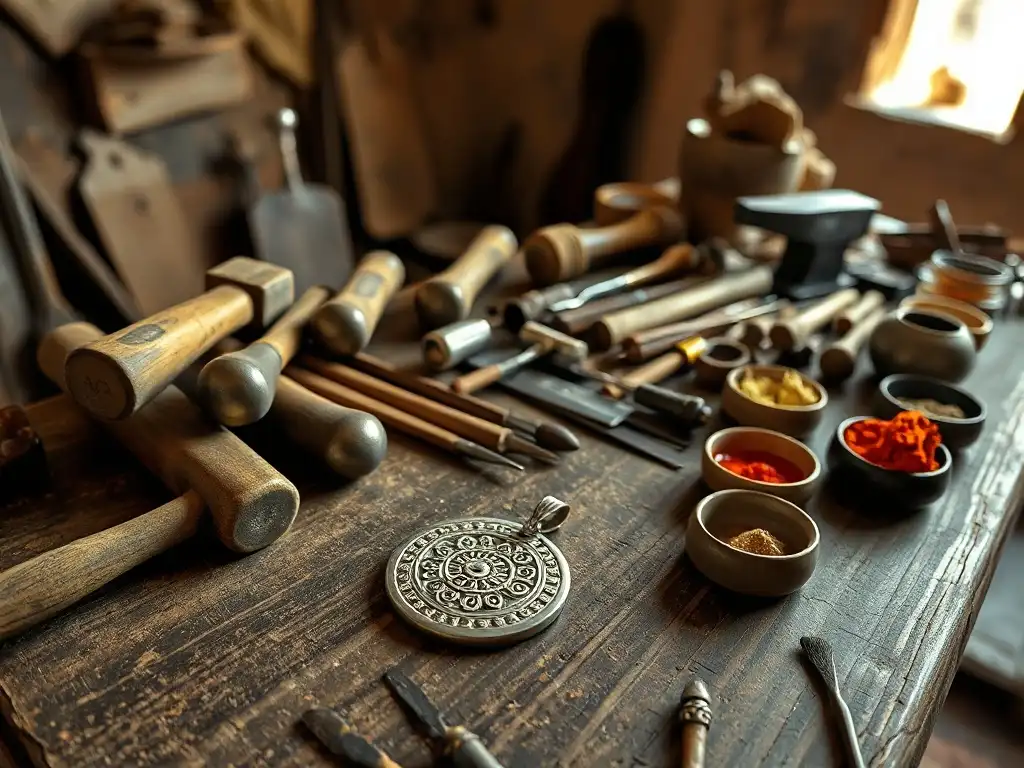
Creating authentic-looking Andean metalwork in your digital art requires the right tools. While many free options exist, investing in professional software can significantly elevate your results. We've compiled a list of software and resources we recommend, and where available, we've included affiliate links to support this website. Remember, using these links helps us continue providing valuable content about Andean civilizations and their artistic traditions. Please note that the availability and pricing of these products may vary.
We strongly suggest exploring digital painting software like Adobe Photoshop or Clip Studio Paint. Both offer robust features for detailed work, allowing you to achieve the intricate textures and metallic sheen characteristic of Andean metalwork. Photoshop's advanced layer functionality and blending modes are particularly useful for simulating the reflective qualities of gold and silver. Clip Studio Paint, on the other hand, offers a more intuitive interface and powerful brush customization options perfect for replicating the handcrafted look of ancient techniques.
Beyond the core software, consider investing in high-resolution texture packs specifically designed for metallic surfaces. These can significantly enhance the realism of your digital recreations. Similarly, high-quality brushes simulating various tools used in traditional Andean metalworking – from chisels to hammers – will add authenticity to your artwork.
Remember to always check the terms of use for any resource you acquire to ensure you are using it ethically and legally. Properly sourcing your assets is crucial for respecting the rich heritage of Andean art. The careful selection and use of these digital tools are key components of mastering Andean metalwork techniques.
Link to a paid course on Andean-inspired digital art techniques
Want to take your Andean-inspired digital art to the next level? We're working on developing a comprehensive paid course that delves into the intricacies of replicating Andean metalwork techniques digitally. This course will provide in-depth tutorials, focusing on recreating specific styles from different Andean cultures, using the software and resources mentioned above. It will cover advanced techniques such as simulating the patina of aged metals, incorporating traditional Andean motifs, and achieving photorealistic results.
We are currently finalizing the curriculum and anticipate launching the course within the next [specific timeframe pending]. We will update this section with a direct link once it's available. Meanwhile, stay tuned to our social media channels for updates and sneak peeks!
The course will feature detailed video tutorials, downloadable resource packs, and opportunities for personalized feedback, providing you with everything you need to master Andean metalwork techniques in your digital art. This is a unique opportunity to learn from experts and contribute to the digital preservation of Andean artistic heritage. We believe this course will be an invaluable resource for artists of all skill levels seeking to explore this fascinating subject.
Conclusion: Continuing the Legacy of Andean Metalwork
This exploration of Andean metalwork techniques offers a glimpse into the ingenuity and artistry of ancient Andean civilizations. Mastering these techniques, even in a digital context, allows us to appreciate the dedication and skill involved in creating these remarkable pieces. Understanding the processes—from the sourcing of materials to the intricate hammering and gilding—deepens our understanding of Andean culture and its enduring legacy.
By recreating these effects, we not only honor the past but also contribute to a vibrant continuation of Andean artistic traditions. The digital realm provides a unique opportunity to experiment and innovate while remaining faithful to the spirit of the originals.
The Importance of Preserving and Reinterpreting Andean Art
The preservation of Andean art is not merely an academic pursuit; it's a vital act of cultural continuity. These artifacts represent centuries of knowledge, belief systems, and artistic expression. Digital recreation, while not a replacement for original pieces, provides a valuable tool for preservation.
High-resolution scans and detailed digital models can capture the nuances of these delicate objects, making them accessible to a wider audience while minimizing the risk of damage to the originals. Moreover, reinterpreting these techniques in a contemporary context allows us to engage with the past in a meaningful way, fostering a deeper appreciation for Andean heritage. This act of reinterpretation is not about imitation; it's about understanding the underlying principles and applying them to new creative explorations.
For example, understanding the hammering techniques used in creating a Moche ceremonial vessel can inspire the creation of a modern sculpture with a similar textural quality. The preservation efforts are further enhanced by detailed documentation of the processes involved, creating a valuable resource for future generations of artists and researchers. This includes not only the techniques themselves but also the symbolic meanings associated with the different metals and designs.
Encouraging Experimentation and Innovation in Digital Art
The digital age provides unparalleled opportunities for experimentation within the realm of Andean-inspired art. Software like Photoshop, Blender, and Substance Painter allow artists to simulate the effects of hammering, gilding, and inlay with an unprecedented level of precision and control. By experimenting with different textures, colors, and techniques, artists can push the boundaries of traditional Andean metalwork, creating unique and innovative pieces that reflect both the past and the present.
Consider the possibilities: a digital recreation of a Nazca gold mask, incorporating modern design elements, or a virtual museum exhibit showcasing both original artifacts and their digital counterparts. This encourages a dialogue between tradition and innovation, resulting in a richer and more dynamic artistic landscape. The ability to easily share and collaborate on digital projects further enhances this process, fostering a global community of artists inspired by Andean metalwork techniques.
Continuing to explore the rich history of Andean civilizations through art.
The study of Andean metalwork techniques is an ongoing process. New discoveries are constantly being made, adding to our understanding of these sophisticated techniques and their cultural significance. The continued exploration of these techniques, both in the physical and digital realms, helps to expand our knowledge of Andean civilizations.
By engaging with these techniques, we not only create art but also contribute to a deeper understanding of the history, culture, and artistry of the Andes. The intricate details of the metalwork, the choice of materials, and the symbolic representations all contribute to a richer narrative of these ancient societies.
The digital reproduction and exploration of these techniques offer a powerful tool for education and outreach, making the richness of Andean culture accessible to a broader audience, fostering a renewed appreciation for the Andean legacy. The continued research and experimentation will undoubtedly lead to further insights and innovative interpretations, enriching our understanding and appreciation of Andean art for generations to come.
Frequently Asked Questions
What are some common Andean metalworking techniques?
Andean metalworkers employed various techniques, including lost-wax casting, hammering and repoussé, and alloying different metals like gold, silver, and copper to achieve desired colors and properties. Soldering was also frequently used to join pieces.
How did the Incas differ in their metalworking from other Andean cultures?
While the Incas continued many existing techniques, they are known for their large-scale production and standardization of metal objects, often incorporating gold and silver into their elaborate royal regalia and religious artifacts.
What were some of the challenges faced by Andean metalworkers?
Challenges included access to limited resources, particularly high-quality ores. The development of sophisticated techniques to overcome these limitations demonstrates their ingenuity and mastery. Altitude also posed significant logistical problems.
What is the significance of Andean metalwork in understanding their culture?
Andean metalwork provides invaluable insights into their social structures, religious beliefs, and economic systems. Elaborate objects reveal power dynamics and beliefs about the afterlife and the cosmos.
Where can I learn more about Andean metalworking techniques?
You can explore further by researching specific cultures like the Moche, Nazca, and Inca, examining museum collections showcasing their artifacts, and consulting academic works focusing on Andean archaeology and metallurgy.
Final Reflection: The Enduring Legacy of Andean Metalwork
The artistry of Andean metalwork, once a symbol of power and spirituality, continues to resonate today, a testament to the ingenuity and cultural depth of ancient civilizations. Its intricate designs and masterful techniques, far from being relics of the past, offer a powerful lens through which to understand both ancient societies and the enduring human desire for beauty and expression. The techniques explored in this article, while centuries old, remain relevant to contemporary artists and craftspeople seeking to connect with their heritage and explore new creative avenues.
The enduring impact of Andean metalwork extends far beyond its aesthetic appeal; it speaks to the resilience of cultural traditions and the power of artistic expression to transcend time. These techniques, passed down through generations, represent a profound connection to ancestral knowledge and a vibrant cultural heritage. Art washes away from the soul the dust of everyday life.
– Pablo Picasso. This quote, while not directly about Andean metalwork, perfectly captures the transformative power of art, a power deeply embedded within the creation and appreciation of these magnificent pieces. The legacy of these techniques continues to inspire contemporary artists, reminding us of the importance of preserving and celebrating our cultural heritage.
Consider the intricate details, the masterful manipulation of gold and silver, the symbolic power imbued in each piece. Now, imagine yourself, hands stained with the earth's rich pigments, carefully shaping a piece of metal, imbuing it with your own story, your own unique perspective.
You too can become a part of this enduring legacy, exploring the techniques discussed and creating your own golden gleams, a testament to the enduring power of Andean artistry and the boundless creativity of the human spirit. Let the spirit of the Andes guide your hand, and let your art become a reflection of both the past and the future.
Unveil the Magic of Andean Metallic Art!
Thank you for exploring the captivating world of metallic effects in Andean art! We're delighted you discovered the beauty and intricate techniques. Now, let's translate that inspiration into your own creations. Here's how to get started:
- **Experiment with metallic techniques:** Gather your supplies and create a piece reflecting the unique styles you've learned about. Don't hesitate to explore diverse textures and finishes!
- **Connect with fellow artists:** Join a local art community or workshop to share your passion for Andean culture and metallic art. Collaboration often sparks exciting new ideas.
- **Share your artwork:** Showcase your creations on social media using the hashtag #AndeanMetallicArt to connect with others and inspire fellow artists.
What exciting metallic effects will you incorporate into your next masterpiece? Let's discuss in the comments below!