
Sacred Geometry: Replicating Inca Architecture in Miniature

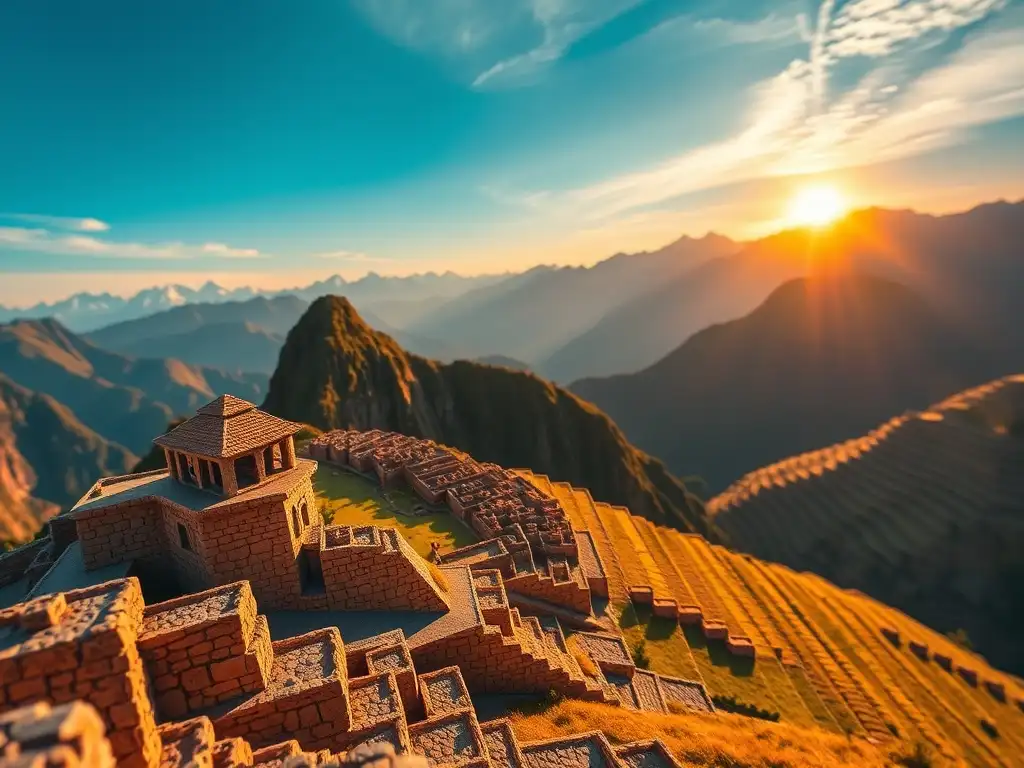
Uncover the secrets whispered in stone! Journey with us into the heart of the Andes, where magnificent civilizations flourished. From the intricate artistry of the Nazca lines to the awe-inspiring ingenuity of the Inca, Andean Civilizations reveals a world of wonder. But what mysteries lie hidden within the precise details of an Inca architecture miniature replica? Dive into our "Digital Resources for Andean History" section and discover the fascinating story behind this remarkable feat of engineering—and the sacred geometry that shaped an empire.
- Recreating Inca Architectural Marvels: A Guide to Miniature Replicas
- Step-by-Step Guide to Building Your Inca Architecture Miniature Replica
- Finishing Touches and Displaying Your Inca Miniature Masterpiece
- Resources for Further Exploration and Inca Miniature Building
-
Frequently Asked Questions
- What makes Inca architecture unique and suitable for miniature replication?
- What materials are best for creating miniature Inca structures?
- Are there specific Inca architectural features that are particularly popular for miniature replicas?
- Where can I find resources to help me build a miniature Inca replica?
- What are the challenges of creating an accurate miniature replica of Inca architecture?
- Final Reflection: Echoes of the Andes in Miniature
- Unveil the Beauty of Sacred Geometry in Your Own Space!
Recreating Inca Architectural Marvels: A Guide to Miniature Replicas
The Inca Empire, a civilization renowned for its breathtaking architectural achievements, continues to fascinate and inspire. From the towering stone walls of Machu Picchu to the intricate designs of Sacsayhuamán, Inca architecture showcases a profound understanding of engineering, artistry, and a deep connection to the Andean landscape. This guide delves into the process of creating miniature replicas of these architectural marvels, offering a hands-on approach to appreciating the ingenuity of Inca builders.
We'll explore authentic construction techniques, material selection, and practical steps to build your own stunning Inca architecture miniature replica, offering a unique way to engage with and understand this captivating civilization. This detailed guide will help you understand the intricacies of Inca design and construction while creating a beautiful and historically accurate miniature model, perfect for showcasing your appreciation of Inca architecture. Learn how to transform your passion for Inca history into a tangible, miniature masterpiece!
Understanding Inca Construction Techniques for Miniature Building
Before diving into the construction of your Inca miniature, it's crucial to understand the core principles behind Inca building techniques. Inca masons were masters of dry-stone construction, fitting stones together without mortar with incredible precision. This technique, characterized by its intricate interlocking of stones of varying sizes and shapes, required exceptional skill and planning. Understanding this will inform your approach to building a miniature replica. Consider the following aspects of Inca construction when planning your miniature:
- Precise Stone Fitting: Inca masons achieved incredibly tight fits between stones, minimizing the need for mortar. In your miniature, strive for a similar level of precision, even if you are not using actual stone. This attention to detail will greatly enhance the authenticity of your replica.
- Use of Polygonal Stones: Many Inca structures utilize polygonal stones, meaning stones with multiple sides and irregular shapes. Replicating this aspect in your miniature will add to its realism.
- Terracing and Landscape Integration: Inca structures often seamlessly integrated with the surrounding landscape. Consider this aspect when designing your model, possibly incorporating elements of the Andean terrain.
- Strategic Placement of Stones: The size and shape of each stone were carefully considered during the Inca building process. Simulating this in your miniature will enhance its aesthetic appeal and historical accuracy.
Choosing Your Materials for an Inca Architecture Model
The choice of materials significantly impacts the final look and feel of your Inca architecture miniature replica. Selecting materials that accurately reflect the texture and color of Inca structures is essential for achieving a realistic result. Several options exist, each with its own advantages and disadvantages. Let's explore some popular choices:
Selecting the Right Clay for Authentic Inca Miniature Building
Clay offers a versatile and readily available option for creating Inca miniature replicas. Different types of clay offer varied textures and workability. For instance, air-dry clay allows for easy sculpting and shaping, while polymer clay provides greater durability and allows for finer detailing. The color of the clay also plays a significant role in replicating the natural tones of Inca stonework. Experimenting with different clay types and techniques will enable you to achieve the desired level of detail and authenticity. Remember to consider the drying and firing process appropriate for your chosen clay.
Working with Balsa Wood for Inca Model Structures
Balsa wood, known for its lightness and ease of carving, provides an excellent alternative to clay for constructing Inca miniature replicas. Its soft texture allows for intricate detailing, mirroring the precision of Inca stonework. You can easily cut, shape, and assemble balsa wood pieces to create the complex structures characteristic of Inca architecture. Consider using different thicknesses of balsa wood to create depth and dimension in your model. Remember to use appropriate adhesives to ensure structural integrity.
Exploring Alternative Materials for Inca Replicas: Cardboard, Foam, and More
Beyond clay and balsa wood, various other materials can be used to create Inca miniature replicas. Cardboard, for instance, offers a readily available and cost-effective option, especially for larger-scale projects. Foam board provides a sturdy base for intricate detailing. Other materials like Sculpey (polymer clay), modeling paste, or even recycled materials can be adapted to create unique and textured effects. The key is to experiment and find the materials that best suit your skills and the level of detail you aim to achieve. Remember to consider the durability and longevity of your chosen materials. 🎉
Step-by-Step Guide to Building Your Inca Architecture Miniature Replica
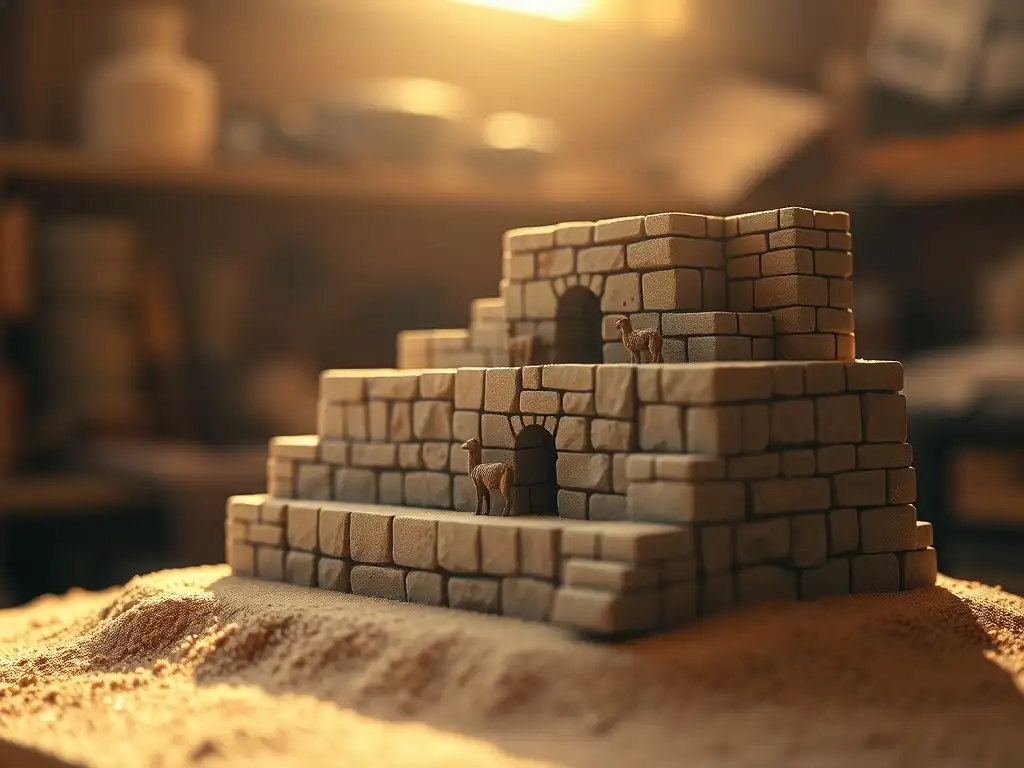
This section provides a detailed, step-by-step guide to creating your own miniature replica of Inca architecture. We'll explore the planning phase, construction techniques, and material choices, ensuring your project accurately reflects the ingenuity and artistry of Inca builders. This guide is perfect for enthusiasts seeking to recreate iconic Inca structures as stunning miniature models, ideal for display or educational purposes. Remember, accuracy and attention to detail are key to capturing the essence of Inca architecture miniature replica projects.
Step 1: Planning Your Inca Miniature Project - Choosing a Site
Before you begin constructing your Inca architecture miniature replica, careful planning is crucial. Selecting the right site to replicate is the first and most important step. The Inca civilization left behind a vast legacy of architectural marvels, each possessing unique characteristics. Consider the scale, complexity, and the specific details you wish to highlight in your miniature model. The level of detail you choose will significantly impact the time and resources required for your project.
Recreating Sacsayhuamán in Miniature: A Fortress of Wonder
Sacsayhuamán, the impressive fortress overlooking Cusco, presents a unique challenge and reward for miniature construction. Its cyclopean walls, composed of massive, precisely fitted stones, are a testament to Inca engineering prowess. Replicating this in miniature requires meticulous attention to the irregular shapes and sizes of the stones. Consider using readily available materials like polymer clay or meticulously cut foam board to achieve the desired effect. Remember to maintain the characteristic stepped structure of the walls and incorporate details like the strategically positioned towers. This project demands patience and precision but results in a truly awe-inspiring Inca architecture miniature replica.
Building a Miniature Ollantaytambo: A Royal Estate and Temple
Ollantaytambo, a captivating site combining royal residences, agricultural terraces, and a temple complex, offers a diverse range of architectural features to replicate. Your miniature model could focus on a specific aspect, such as the intricately carved stonework of the temple or the impressive agricultural terraces that cascade down the mountainside. For the terraces, consider using layered materials to achieve the effect of depth and height. The sheer scale of Ollantaytambo might necessitate creating your miniature in sections, allowing for greater detail and accuracy in each component. This will create a highly detailed Inca architecture miniature replica.
Designing a Miniature Inca Road System: Engineering Prowess
The Inca road system, a marvel of ancient engineering, is less commonly replicated in miniature form. However, building a section of this expansive network provides a unique perspective on Inca ingenuity. Focus on the strategic placement of the roads, their careful construction to navigate challenging terrain, and the incorporation of bridges and other engineering feats.
You can utilize fine wire or thin strips of wood to represent the pathways, and tiny sculpted stones to represent the carefully constructed road surfaces. This project, while less visually striking than a fortress, showcases the impressive engineering skills central to Inca civilization, and creates a unique Inca architecture miniature replica.
Step 2: Creating the Base and Foundations for Your Inca Replica
A sturdy and well-constructed base is essential for any successful miniature project. The base not only provides support for your structure but also influences the overall aesthetic of your miniature. Choosing the right material and technique for creating the base will significantly impact the final outcome. Consider the style you're aiming for – a sleek, modern presentation or a more rustic, aged appearance.
Using Pre-Cut MDF Bases for Precision in Inca Miniature Construction
Pre-cut MDF (Medium-Density Fiberboard) bases offer a clean, precise foundation for your Inca architecture miniature replica. The smooth surface provides an ideal platform for assembling your model, and the rigid material ensures stability. The uniformity of pre-cut bases simplifies the construction process, allowing you to focus on the intricate details of your miniature. Different sizes are readily available, allowing you to choose a base perfectly suited to the scale of your project. This method provides a professional, polished finish for your Inca architecture miniature replica.
Handcrafting Your Base for a More Rustic Inca Aesthetic
For a more authentic, rustic feel, consider handcrafting your base using materials that evoke the natural environment of the Andes. You could use a piece of reclaimed wood, perhaps adding texture by slightly distressing the surface. Alternatively, you might create a base from compacted earth or clay, incorporating small pebbles and stones to mimic the natural landscape.
This approach adds character and a sense of age to your miniature, enhancing its overall aesthetic appeal. Remember to ensure the base is sufficiently strong to support the weight of your Inca architecture miniature replica. This method offers a unique, textured base for your project.
Step 3: Constructing the Walls and Structures of Your Miniature Inca Building
This step is crucial for replicating the iconic Inca architectural style. The precision and meticulousness of Inca stonework are what make their structures so visually striking. We'll explore two primary methods: using miniature clay bricks to mimic stone masonry, and employing balsa wood for a simpler, more readily available approach. Remember to always prioritize accuracy and attention to detail, striving to capture the essence of Inca construction techniques in your miniature replica.
The patience invested here will significantly impact the final product's authenticity and visual appeal. Consider sketching your design beforehand to better visualize the wall placement and structural elements. This planning phase will minimize errors and save valuable time during the construction process.
Working with Small Clay Bricks to Achieve Inca Stone Masonry
Creating miniature clay bricks requires patience and a steady hand. You'll need air-dry clay (or polymer clay for a faster-drying option), a rolling pin, a sharp knife or sculpting tool, and a ruler. Roll out the clay to a consistent thickness, aiming for a scale appropriate to your miniature project. Use a ruler and knife to cut the clay into small, rectangular bricks, mimicking the shape and size of Inca stones.
Allow the bricks to dry completely before assembling them. Remember, perfectly uniform bricks are not realistic; Inca stonework often featured irregularities in size and shape, adding to its unique charm. Experiment with slightly varying the brick dimensions to achieve a more authentic look. The use of a very fine-tipped paintbrush can add details such as small cracks or fissures in the “stone” surface, enhancing the realism of your model.
Using Precision Cutting Tools for Balsa Wood Walls
Balsa wood offers a lighter and easier-to-work-with alternative to clay. You'll need thin sheets of balsa wood, a sharp hobby knife or scalpel, sandpaper, and ruler. Carefully measure and cut the balsa wood into the shapes required for your walls. Precision is key here, as any discrepancies will be more noticeable in a miniature replica.
Use sandpaper to smooth the edges and create a clean finish. You can even use small carving tools to add subtle texture to the wood, suggesting the unevenness of real stone. For added strength, consider using wood glue to join the balsa wood components, ensuring a strong and stable structure for your miniature Inca building. Remember to always use a cutting mat to protect your work surface.
Assembling Pre-Cut Components for Easier Inca Model Building
For a simpler approach, consider purchasing pre-cut balsa wood or laser-cut acrylic components designed for miniature model building. These pre-cut pieces can significantly simplify the construction process, allowing you to focus on the detailing and assembly. Many online retailers offer pre-cut kits specifically designed for creating miniature buildings.
While this may be less hands-on, it can be a great option for beginners or those short on time. The selection of pre-cut components will impact the final look, so carefully choose a kit that accurately reflects the architectural style you're aiming for. Remember to check reviews before purchasing to ensure quality and accuracy.
Step 4: Detailing Your Inca Architecture Model
Now comes the fun part – adding those fine details that truly bring your Inca miniature to life. These small touches will transform your replica from a simple structure into an accurate and engaging representation of Inca craftsmanship. Focus on replicating the unique features that characterize Inca architecture, and don’t be afraid to experiment with different techniques to achieve the desired effect.
Adding Miniature Inca Niches and Trapezoidal Openings
Inca architecture is characterized by its distinctive niches and trapezoidal doorways and windows. These features can be replicated using small pieces of clay, balsa wood, or even carefully sculpted polymer clay. Pay close attention to the proportions of these elements; Inca niches and openings were often precisely proportioned and carefully integrated into the overall design. You can use a small ruler and pencil to carefully mark out the dimensions of these features before sculpting or cutting them out. A toothpick or other small, pointed tool can be used to add fine details and texture to the niches.
Creating Authentic Inca Thatched Roofs for Your Replica
Inca roofs were often made of thatch. Replicating this in miniature requires a creative approach. You could use thin strips of colored paper or even carefully cut and glued fibers to simulate thatch. Experiment with different colors and textures to achieve the desired effect. The color and texture of the thatch can be further enhanced with a wash of diluted acrylic paint. For a more advanced approach, you could try using a very fine-grained material, like natural fibers or even carefully combed and glued raffia, to create a more realistic thatch effect.
Implementing Inca Stone Texturing Techniques
To add realism to your miniature Inca walls, consider adding stone texture. This can be achieved using a variety of techniques. For clay bricks, you can use a small tool to create subtle grooves and markings, mimicking the look of roughly hewn stone. For balsa wood, you can use sandpaper to create a slightly rough texture.
You could also apply a thin layer of paint or a textured paste to further enhance the stone-like appearance. Consider using a dry brushing technique with a light-colored paint to highlight the texture and create a sense of depth. Remember, the goal is to evoke the feeling of real Inca stonework, not to create a perfect replica.
Finishing Touches and Displaying Your Inca Miniature Masterpiece
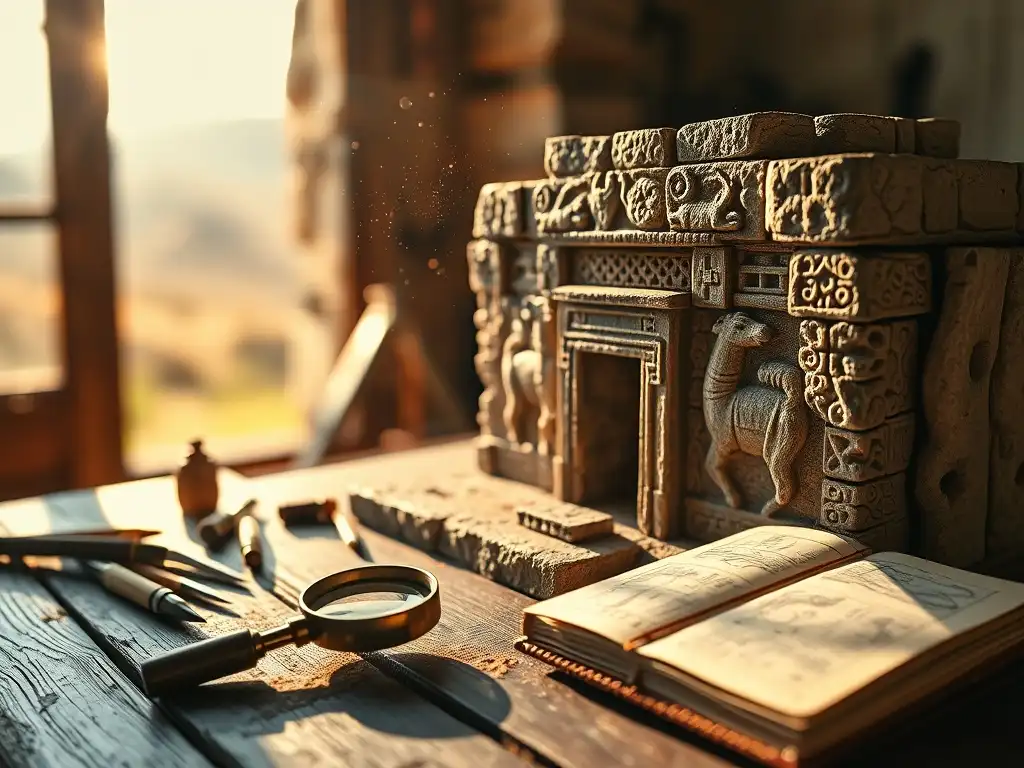
This section focuses on the final stages of your Inca architecture miniature replica project, from adding realistic paint details to showcasing your meticulously crafted model. We'll explore techniques to enhance the authenticity of your piece and provide ideas for displaying it proudly. Remember, the goal is to create a miniature that not only accurately reflects Inca architectural styles but also captures the spirit and artistry of the civilization.
Painting Your Inca Miniature Model for Realism
Painting your Inca miniature model is crucial for achieving a realistic and historically accurate representation. The careful application of color significantly impacts the final aesthetic appeal and believability of your replica.
Choosing the Right Paints for Authentic Inca Colors
Authenticity is key when replicating Inca architecture. Inca builders utilized natural pigments derived from minerals, plants, and insects. To mimic these colors in your miniature, consider using acrylic paints. Acrylics offer excellent control, blendability, and durability. Research Inca color palettes – earthy tones like ochre, burnt sienna, terracotta, and various shades of brown were prevalent.
You'll also find evidence of reds and yellows, though less frequently. Experiment with mixing different shades to achieve the specific hues you desire. For example, a mix of burnt umber and raw sienna can create a rich, deep brown reminiscent of Inca stonework. Avoid overly vibrant or modern colors; subtlety is key to achieving realism.
Applying Weathering Techniques to Your Inca Miniature Replica
To further enhance the realism of your Inca architecture miniature replica, consider incorporating weathering techniques. The passage of time leaves its mark on structures, and replicating this effect adds depth and authenticity. Use washes of thinned-down paints to simulate the effects of age and exposure to the elements. Apply darker shades to crevices and recesses to create shadows and highlight the texture of the stonework.
Dry brushing, a technique where you apply a small amount of paint to a dry brush and lightly brush it across the surface, can create a sense of wear and tear. Remember that Inca structures were often made of stone, so focus on highlighting the texture and irregularities of the stone itself. This process requires patience and a light touch, but the results significantly enhance the overall realism of your model.
Displaying Your Inca Architectural Model
Once your Inca miniature replica is complete, the next step is to find the perfect way to showcase your creation. Proper display not only protects your hard work but also enhances its visual impact.
Creating a Diorama Setting for Your Inca Miniature
Consider creating a diorama to provide context and enhance the visual appeal of your Inca miniature. A diorama offers a way to recreate a small-scale version of the environment in which the original structure would have been found. This could include miniature landscapes featuring elements like terraced farmland, mountains, or even a stylized representation of the Andes.
You can use materials like modeling clay, sand, small rocks, and even miniature plants to create a realistic and engaging setting. Remember to maintain a sense of scale and proportion to ensure the diorama complements your miniature without overwhelming it. A well-executed diorama will transform your Inca miniature from a standalone piece into a captivating scene.
Using a Display Case to Protect Your Inca Replica
Protecting your miniature Inca architecture replica from dust, damage, and light degradation is essential for preserving its quality over time. A display case provides a secure and aesthetically pleasing way to showcase your model. Choose a case that is appropriately sized for your miniature and provides adequate protection. Consider cases with UV-protective glass to minimize the impact of light on the paints and materials used in your replica.
Clear acrylic cases are also a good option, as they offer excellent clarity without the risk of shattering. Proper lighting within the display case can also enhance the visual impact of your model, drawing attention to the details and craftsmanship. The display case should not only protect your work but also serve as an elegant presentation for your Inca architecture miniature replica.
Resources for Further Exploration and Inca Miniature Building
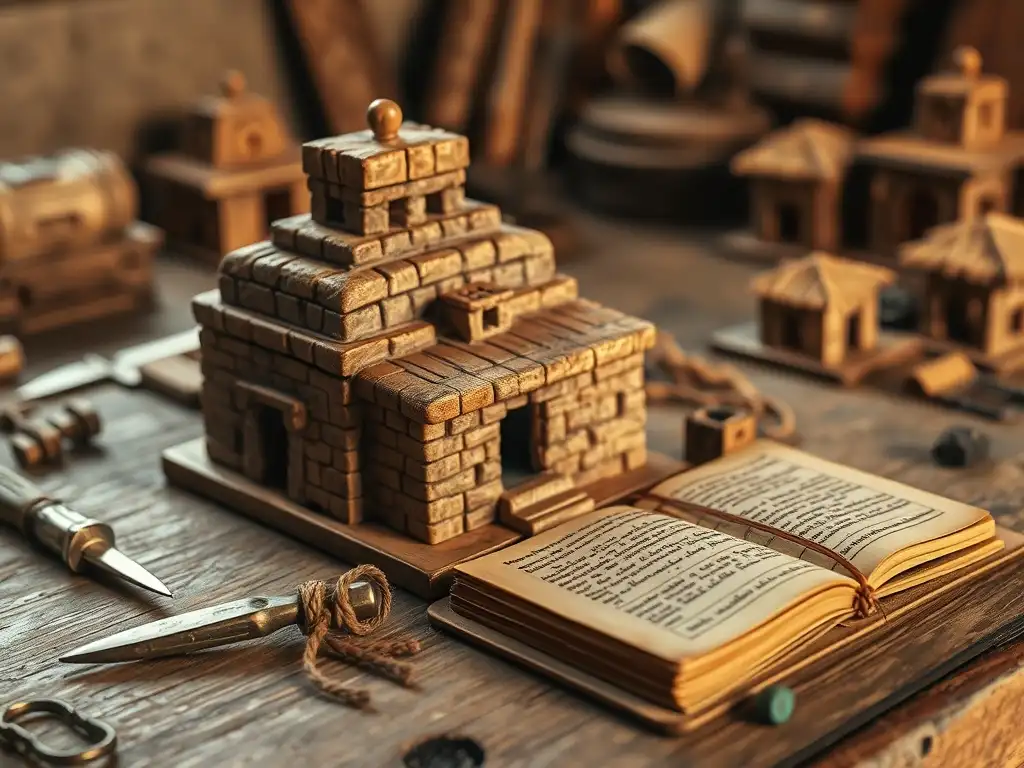
This section provides a curated list of resources to aid you in your journey of recreating Inca architecture in miniature. Whether you're seeking in-depth knowledge on Inca engineering principles or practical guidance on miniature building techniques, the resources below will prove invaluable. We've included options for both the dedicated scholar and the enthusiastic hobbyist, ensuring a comprehensive approach to your Inca architecture miniature replica project.
Recommended Books on Inca Architecture and Engineering
Delving into the intricacies of Inca architecture is crucial for creating an authentic miniature replica. These books offer detailed insights into the construction techniques, materials, and design philosophies employed by Inca builders, providing a strong foundation for your project. Understanding the why behind the design choices will significantly enhance the accuracy and artistry of your miniature.
Several academic works provide detailed plans and analyses of Inca structures. For instance, a comprehensive study of Machu Picchu's architectural features, including detailed measurements and analyses of stonework, would be incredibly helpful. Similarly, a text focusing on the sophisticated hydraulic systems of Inca cities, such as Cusco, would offer valuable insights into their engineering prowess.
These resources aren't just about aesthetics; they're about understanding the underlying principles of Inca construction, translating complex engineering into a manageable miniature scale. Don't forget to explore books focusing on the symbolism embedded within Inca architecture – understanding the spiritual significance adds another layer of depth to your replica. Look for titles that utilize high-quality photographs and diagrams to aid in visualization and replication.
Online Courses and Tutorials for Miniature Building Techniques
Once you've grasped the theoretical aspects of Inca architecture, it's time to tackle the practicalities of miniature building. Numerous online platforms offer courses and tutorials specifically tailored to miniature construction, equipping you with the essential skills and techniques.
These online resources cover a wide range of skills, from basic modeling and sculpting techniques to advanced methods like resin casting and 3D printing. You can find tutorials focusing on specific materials, such as working with clay, wood, or even paper mache – materials readily adaptable to replicating Inca architectural styles. Learning to work with different scales is also crucial, as is understanding how to accurately represent the intricate details of Inca stonework in miniature.
Consider searching for tutorials specifically focused on creating miniature landscapes, as incorporating a realistic setting can significantly elevate the overall impact of your Inca architecture miniature replica. The availability of online courses and tutorials ensures that regardless of your experience level, you can find resources suitable for your needs.
Where to Buy Supplies for Your Inca Miniature Architecture Project
Gathering the right materials is essential for a successful project. The following sections detail where to find the necessary supplies, from readily available materials to specialized components.
Find Clay, Wood, and Tools at Local Art Supply Stores
Your local art supply store is a great starting point for many of your basic materials. Here you can find a variety of clays suitable for sculpting, different types of wood for structural elements, and a range of tools – from sculpting knives and chisels to fine-detail brushes and precision cutters. Remember to consider the specific properties of each material: the plasticity of the clay, the grain of the wood, and the suitability of the tools for your chosen scale and level of detail.
Don't hesitate to ask for advice from the staff – their expertise can be invaluable in selecting materials best suited to your project. Consider the longevity of your materials; some clays may be more prone to cracking than others, impacting the long-term preservation of your Inca architecture miniature replica.
Explore Inca Model Kits and Components at Specialty Hobby Shops
For a more specialized approach, consider exploring specialty hobby shops. While you may not find complete Inca architecture kits, you might discover components that can be incorporated into your project. These shops often carry miniature building materials like pre-cut wood pieces, scale architectural details (such as miniature columns or decorative elements), and specialized tools designed for fine detail work.
Furthermore, these shops can be a valuable resource for advice and recommendations from experienced hobbyists. Remember to check for online retailers specializing in miniature building supplies as well, expanding your options considerably. The diversity of options available allows you to tailor your approach, balancing the use of readily available materials with specialized components to achieve a unique and accurate Inca architecture miniature replica.
Frequently Asked Questions
What makes Inca architecture unique and suitable for miniature replication?
Inca architecture is characterized by its precise stonework, innovative engineering, and geometric designs, all of which translate beautifully into miniature models. The interlocking stone blocks are particularly striking at any scale.
What materials are best for creating miniature Inca structures?
Common materials include polymer clay, wood, and stone, depending on the desired level of detail and realism. Careful attention to scale is crucial for accuracy.
Are there specific Inca architectural features that are particularly popular for miniature replicas?
Yes, terraces, zig-zag walls, and intihuatana stones are popular choices due to their iconic nature and relatively straightforward replication in miniature. Temples and palaces are also frequently replicated.
Where can I find resources to help me build a miniature Inca replica?
Numerous online tutorials, books on Inca architecture, and architectural diagrams can provide guidance. Visiting museums and historical sites is also an excellent way to gather inspiration.
What are the challenges of creating an accurate miniature replica of Inca architecture?
Maintaining accurate scale, replicating the intricate stonework, and achieving realistic weathering effects can be challenging. Researching authentic Inca building techniques is essential for accuracy.
Final Reflection: Echoes of the Andes in Miniature
The meticulous recreation of Inca architecture in miniature isn't just a hobby; it's a powerful testament to the enduring legacy of a civilization that continues to inspire awe and wonder. These intricate models, painstakingly crafted to reflect the sacred geometry and architectural ingenuity of the Inca, offer a tangible connection to a rich history and a profound understanding of their sophisticated building techniques. The precision required to replicate these structures highlights the remarkable skill of both the original builders and the modern artisans who strive to emulate their work.
The impact of Inca architecture extends far beyond its physical presence; it resonates deeply within our cultural consciousness, shaping our understanding of design, engineering, and the human spirit's capacity for innovation. The enduring appeal of these structures, even in miniature form, speaks to their timeless beauty and the profound connection they foster with the natural world. The mountains themselves seem to have inspired the Inca, their architecture a reflection of the earth's grandeur.
This sentiment, though paraphrased, captures the essence of the spiritual and practical harmony present in Inca design, a harmony that continues to inspire architects and artists today.
Consider the intricate details you've explored within this article. Now, imagine the possibilities: What can you create? What structures, inspired by the Inca or other cultures, can you bring to life in miniature? Let the spirit of innovation and the echoes of ancient wisdom guide your own creative endeavors. Embrace the challenge of replication, not merely as a technical exercise, but as a journey of discovery and a celebration of human ingenuity across time and space.
Unveil the Beauty of Sacred Geometry in Your Own Space!
Thank you for exploring the fascinating world of Inca architecture with us! We hope you're inspired by the intricate designs and rich cultural heritage embodied in sacred geometry. Let's put that inspiration into action! Here are some ways to continue your journey:
- **Embark on a creative project:** Build a miniature Inca-inspired structure to experience the beauty of sacred geometry firsthand. Gather your materials and let your imagination guide you.
- **Join our vibrant community:** Share your creations and insights with fellow enthusiasts on our forums. Participate in discussions and discover new techniques to refine your skills.
- **Deepen your knowledge:** Explore our additional resources on Andean art and architecture to further your understanding and appreciation of these ancient traditions.
How will you incorporate the magic of sacred geometry into your next creative project? We'd love to hear your ideas!