
Beyond the Canvas: Sculpting with Tiahuanaco Stone Carving Methods

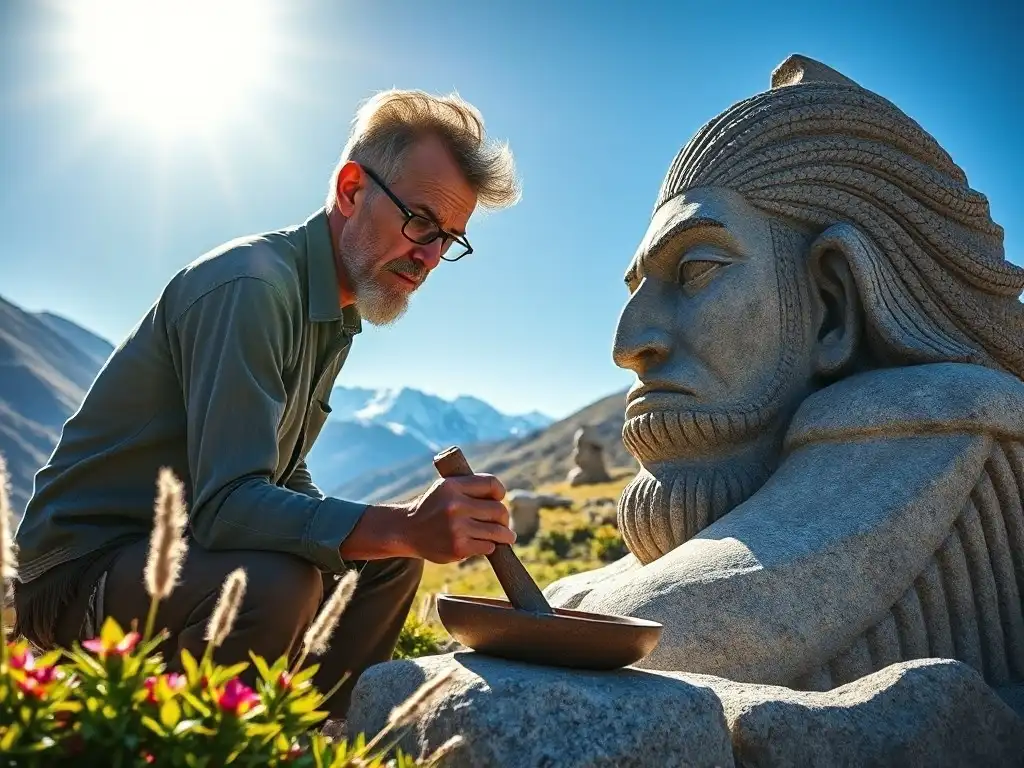
Unravel the mysteries of the Andes! Journey through millennia of breathtaking artistry and ingenuity, exploring the legacies of the Incas, Moche, Nazca, and more. But prepare to be amazed by the unparalleled skill of the Tiahuanaco – their mastery of stone, revealed in intricate carvings, remains a source of wonder. Discover the secrets behind their Tiahuanaco stone carving techniques and unlock a deeper understanding of these incredible ancient civilizations. Dive in and prepare to be captivated.
The Andean civilizations left behind a breathtaking legacy of artistry, and few examples are as awe-inspiring as the monumental stone carvings of Tiahuanaco. This ancient city, located near Lake Titicaca in modern-day Bolivia, boasts structures and sculptures crafted from massive blocks of andesite, a remarkably hard volcanic rock. This article delves into the fascinating world of Tiahuanaco stone carving techniques, exploring the methods employed by these master artisans to create their enduring masterpieces.
We will uncover the secrets behind their precision, the tools they used, and the enduring artistry that continues to inspire wonder and admiration centuries later. Understanding these ancient techniques offers a unique perspective on the ingenuity and cultural significance of the Tiahuanaco civilization, providing a valuable resource for anyone interested in Andean history, art, and the remarkable skill of its people.
We'll explore the process from initial stone selection to the final, breathtaking polish, offering insights into the remarkable precision and artistry involved in Tiahuanaco stone carving. Prepare to be amazed by the ingenuity and dedication of these ancient artisans!
Unearthing the Secrets of Tiahuanaco Stone Carving
The imposing structures and intricate carvings of Tiahuanaco have long captivated archaeologists and art historians. But how did the Tiahuanaco people achieve such precision and scale in working with such a hard stone like andesite? Evidence suggests a sophisticated understanding of stone working, involving a multi-stage process. This wasn't simply a matter of brute force; rather, it involved careful planning, specialized tools, and a deep knowledge of the stone's properties. Archaeological findings reveal the use of various techniques, including:
- Precise Quarrying: The selection and extraction of suitable andesite blocks from quarries were crucial first steps. This required advanced knowledge of geology and engineering to identify suitable stone and safely extract massive blocks. The precision with which these blocks were shaped before even reaching the construction site speaks volumes about their mastery.
- Sophisticated Tooling: While the exact composition of all tools remains a subject of ongoing research, evidence suggests the use of stone hammers, chisels, and possibly abrasive materials like sand and water for smoothing and polishing. The development and maintenance of these specialized tools would have required considerable skill and organization within the Tiahuanaco society.
- Precise Shaping and Carving: The process of shaping and carving the stone blocks involved a combination of percussion and abrasion. The degree of precision achieved in the intricate details of many Tiahuanaco carvings indicates a high level of skill and patience among the artisans.
- Advanced Joining Techniques: The massive blocks were not simply placed together; they were meticulously fitted using techniques that minimized the use of mortar. The precision of the joints in Tiahuanaco structures is remarkable, suggesting a deep understanding of geometry and engineering. The close fitting of these blocks is a testament to their advanced understanding of stonework.
Understanding Traditional Tiahuanaco Stone Working Techniques
The Tiahuanaco people likely employed a combination of techniques, adapted and refined over generations. The process was likely iterative, with artisans constantly refining their methods and tools to achieve even greater precision and efficiency. Consider the following aspects:
- Pre-shaping: Before any intricate carving began, the rough shaping of the stone blocks probably took place near the quarry. This would have involved removing excess material to create a more manageable size and shape for transport and further work. This pre-shaping would have been critical in reducing the amount of work required at the construction site.
- Carving Techniques: The actual carving likely involved a combination of techniques. Rough shaping was probably done using heavier tools, while finer details were achieved with smaller, more precise tools. The use of different tools and techniques allowed for the creation of both large-scale structures and intricate carvings.
- Polishing Techniques: The final stage involved polishing the carved stone to achieve a smooth, almost glassy finish. This likely involved the use of abrasive materials, possibly combined with water, to gradually refine the surface. The remarkable smoothness of many Tiahuanaco carvings is a testament to the time and effort invested in this final stage.
- Transport and Placement: Moving the massive blocks of andesite to the construction site would have been a significant logistical challenge, requiring a well-organized workforce and potentially the use of ramps, rollers, or other sophisticated techniques. The precise placement of these blocks further highlights the advanced engineering skills of the Tiahuanaco people.
The Core Principles of Tiahuanaco Stone Shaping
The success of Tiahuanaco stone carving rested on several core principles:
- Knowledge of Materials: A deep understanding of the properties of andesite was essential. The artisans needed to know how to best work with the stone, considering its hardness, grain, and potential weaknesses.
- Tool Development and Maintenance: The creation and maintenance of effective tools were vital. The artisans needed to develop tools capable of withstanding the stresses of working with such a hard stone and to maintain them in optimal condition.
- Planning and Precision: Careful planning and meticulous execution were key to the success of the project. The artisans needed to plan their work carefully, ensuring that all pieces would fit together perfectly.
- Collaboration and Teamwork: The scale of many Tiahuanaco projects suggests a high level of collaboration and teamwork. The artisans needed to work together effectively to achieve the desired results. The sheer size and complexity of the structures speaks to a highly organized and skilled workforce.
The legacy of Tiahuanaco stone carving continues to inspire awe and wonder. The techniques employed by these ancient artisans remain a testament to their ingenuity, skill, and deep understanding of their craft. Further research and analysis will undoubtedly continue to shed light on the intricacies of this remarkable aspect of Andean civilization.
Tools and Materials: Recreating Ancient Craftsmanship
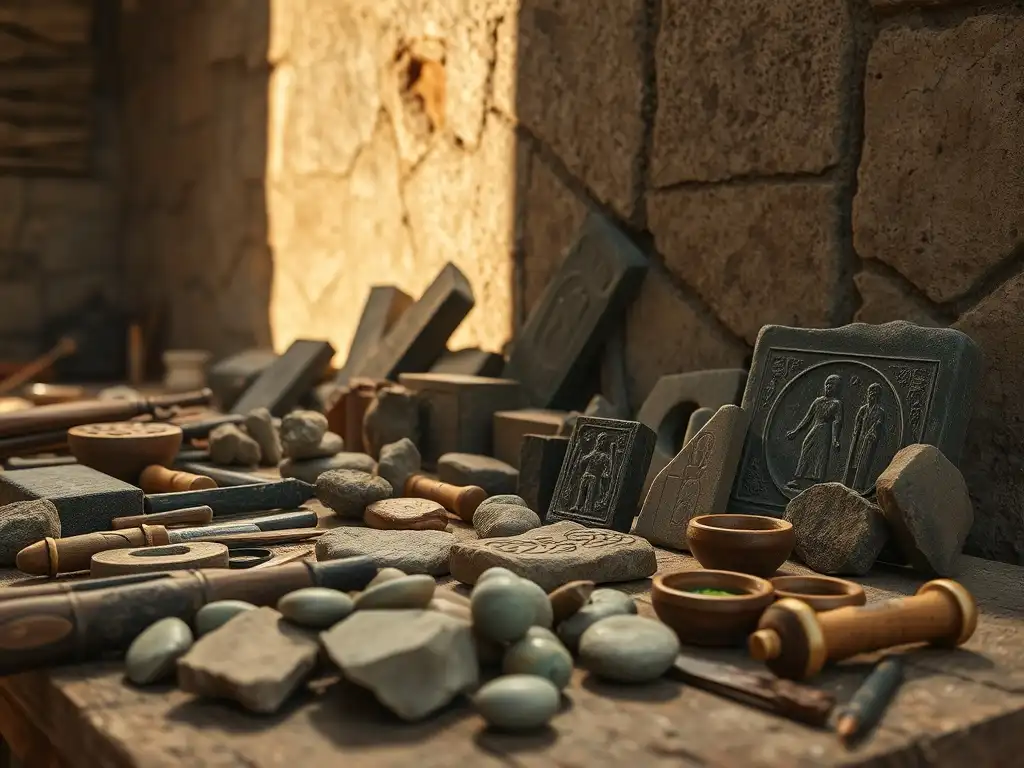
Recreating the intricate stone carvings of Tiahuanaco requires careful consideration of the tools and materials used. While we may not have access to the exact same materials as the ancient artisans, understanding their choices allows us to approximate their techniques and achieve similar results. The Tiahuanaco people were masters of adapting readily available resources, demonstrating remarkable ingenuity.
One of the most crucial aspects was the selection of stone. Andesite, a hard, volcanic rock, was a favored material due to its durability and ability to hold fine detail. Other stones, such as basalt and diorite, were also utilized, depending on the desired effect and the availability of resources in specific locations.
The quality of the stone itself played a significant role; artisans carefully selected blocks free of cracks or imperfections that could compromise the integrity of the final sculpture. Sourcing suitable stone would have been a significant undertaking, potentially involving extensive travel and selection from quarries. The size and shape of the stone blocks also dictated the scale and complexity of the project, influencing the overall design.
The tools themselves were primarily made from harder materials capable of working the tough Andean stone. These included various types of hammers, chisels, and drills, likely made from harder stones like obsidian or even bronze, depending on the period and the specific carving task. The hammers, varying in size and weight, would have been used for rough shaping and removing large amounts of stone.
Chisels, with different shapes and sizes, would have been employed for finer detail work, creating intricate patterns and designs. The precision and control required to execute such detailed carvings highlight the high level of skill possessed by the Tiahuanaco stone carvers. Evidence suggests that abrasive materials like sand and water were also used in conjunction with these tools to further refine the surface and create a smooth finish.
The process would have been painstakingly slow, requiring considerable patience and skill. Imagine the dedication required to shape a monumental statue from a single block of andesite using only hand-held tools!
Understanding the Carving Process: From Rough Block to Finished Masterpiece
The Tiahuanaco stone carving process was a multi-stage procedure, starting with the selection of the raw material and culminating in a highly polished, intricate sculpture. Archaeological evidence and careful study of surviving artifacts reveal a systematic approach. The process began with the initial shaping of the stone block, likely using large hammers to remove significant quantities of material and establish the basic form. This initial stage would have been physically demanding, requiring significant strength and stamina.
Following the rough shaping, the artisans would have employed smaller hammers and chisels to refine the form and create the desired contours. This phase demanded precision and a keen eye for detail, as the carvers gradually brought the sculpture closer to its intended shape. The level of detail achieved in many Tiahuanaco carvings is truly astonishing, testament to the skill and artistry of the craftspeople. We can see evidence of this in the intricate designs adorning many of the surviving statues and architectural elements.
The final stage involved polishing the surface of the sculpture to achieve a smooth, almost mirror-like finish. This was likely accomplished using progressively finer abrasive materials, along with water, to create the polished surfaces we see today. This meticulous process not only enhanced the aesthetic appeal of the finished product but also contributed to its durability and longevity. The result was a stunning masterpiece, a testament to the technical prowess and artistic vision of the Tiahuanaco civilization. The time invested in each piece was considerable, showcasing the importance of these works within the culture.
Deciphering the Iconography: Symbolism and Meaning in Tiahuanaco Stone Carvings
The iconography of Tiahuanaco stone carvings is rich in symbolism and meaning, reflecting the complex religious beliefs and social structures of the civilization. Understanding this iconography is crucial to appreciating the full significance of these remarkable works. Many carvings feature stylized figures, often depicted in ritualistic poses or adorned with elaborate headdresses and clothing. These figures likely represent deities, ancestors, or important figures within Tiahuanaco society.
The recurring motifs, such as the stepped pyramid, the puma, and the condor, are thought to represent cosmic forces and natural phenomena. The stepped pyramid, for example, may symbolize the connection between the earthly and celestial realms, while the puma and condor represent earthly and aerial power, respectively. Analyzing these symbols helps to understand the worldview and beliefs of the Tiahuanaco people. The intricate details and symbolic representations embedded within the carvings demonstrate a sophisticated understanding of cosmology and social hierarchy.
Furthermore, the precise arrangement and placement of figures and symbols within the carvings are likely to have held specific meanings, potentially reflecting narratives or rituals. Researchers continue to decipher the meaning behind these intricate designs, relying on a combination of archaeological evidence, comparative studies of other Andean cultures, and careful analysis of the carvings themselves. Each new discovery sheds more light on the rich tapestry of beliefs and practices within Tiahuanaco society. The ongoing research into Tiahuanaco iconography remains a fascinating and important area of study, constantly revealing new insights into this enigmatic civilization.
- Unearthing the Secrets of Tiahuanaco Stone Carving
- Understanding Traditional Tiahuanaco Stone Working Techniques
- The Core Principles of Tiahuanaco Stone Shaping
- Tools and Materials: Recreating Ancient Craftsmanship
- Understanding the Carving Process: From Rough Block to Finished Masterpiece
- Deciphering the Iconography: Symbolism and Meaning in Tiahuanaco Stone Carvings
- What unique characteristics define Tiahuanaco stone carving?
- What types of stone were primarily used in Tiahuanaco carvings?
- How did Tiahuanaco artisans transport and work such massive stones?
- What tools did Tiahuanaco stone carvers utilize?
- What are some examples of the artistry found in Tiahuanaco stone carving?
Step-by-Step Guide: Applying Tiahuanaco Stone Carving Techniques
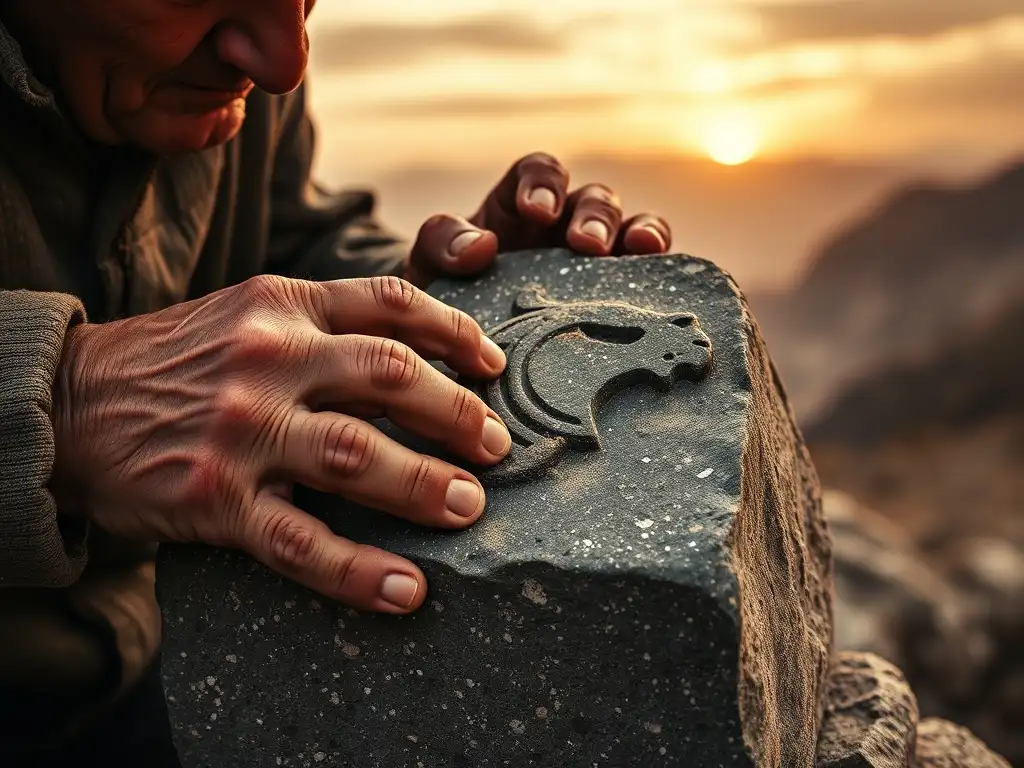
This section delves into the practical application of Tiahuanaco stone carving techniques, offering a detailed, step-by-step guide for aspiring Andean art enthusiasts. We will explore the process from initial concept to the final stages of sculpting, focusing on replicating the methods employed by the master artisans of Tiahuanaco. Remember, patience and precision are paramount in this art form. Understanding the nuances of Tiahuanaco stone carving techniques requires dedication and practice.
1. Planning Your Andean-Inspired Sculpture
Before even touching the stone, meticulous planning is crucial for successful Tiahuanaco-style stone carving. This phase involves several key steps:
First, conceptualization: What will your sculpture depict? Consider iconic Tiahuanaco motifs like the chakana (Andean cross), stylized figures, or geometric patterns. Sketch your design from multiple angles. Detailed drawings are essential to translate your vision into three dimensions. Think about the overall form and the interplay of light and shadow on the finished piece. A well-defined concept minimizes errors during the carving process.
Next, material selection: While we'll discuss stone selection in the following section, consider how the chosen material will impact your design. Certain stones are better suited for intricate detail than others. Your initial design should take into account the characteristics of the stone you intend to use. For example, a softer stone might allow for more delicate work, but will also require more careful handling to prevent damage.
Finally, scale and proportions: Determine the appropriate size for your sculpture. Consider the complexity of your design and the tools at your disposal. A smaller, simpler piece may be a better starting point for beginners. Pay close attention to proportions, ensuring that all elements are harmoniously balanced. Use a ruler and compass to accurately transfer your sketches to the stone. Accurate proportions are fundamental to achieving a realistic and aesthetically pleasing representation of your Andean-inspired design.
2. Selecting and Preparing Your Stone
The choice of stone significantly influences the final outcome of your Tiahuanaco-inspired sculpture. Tiahuanaco artisans primarily utilized readily available andesite, a volcanic rock known for its durability and ability to hold fine detail. However, other stones like basalt or even certain types of limestone can be used, depending on availability and the desired aesthetic.
Before beginning the carving process, the stone must be carefully prepared. This involves:
- Cleaning: Remove any loose debris, dirt, or other contaminants from the stone's surface using a wire brush and water.
- Inspection: Carefully examine the stone for cracks or flaws that could compromise the integrity of your sculpture.
- Cutting (if necessary): If you need to cut the stone to a specific size, use a diamond saw with a water coolant to prevent cracking. This requires specialized equipment and safety precautions. Consider purchasing pre-cut blocks of stone to simplify this step.
- Stabilization: For particularly fragile stones, consider applying a stabilizing agent to prevent further weathering or damage during the carving process. This step is crucial for preserving the longevity of your artwork.
3. The Initial Carving: Rough Shaping with Stone Chisels
The initial carving stage focuses on rough shaping the stone to approximate the final form of your sculpture. This is where you begin to translate your two-dimensional drawings into a three-dimensional object. Tiahuanaco artisans likely used a variety of stone chisels, made from harder materials like obsidian or other volcanic rock. Modern equivalents include steel chisels with various shapes and sizes.
This phase involves:
- Layout: Carefully transfer your design onto the stone using a pencil or charcoal. This provides a visual guide throughout the initial carving process.
- Roughing out the form: Using larger chisels, remove excess stone to create the overall shape of your sculpture. Focus on establishing the major volumes and proportions. Don't worry about fine details at this stage.
- Progressive refinement: Gradually switch to smaller chisels as you refine the shape, removing less stone with each pass. Maintain a consistent rhythm and avoid applying excessive force. Remember that patience is key. Rushing this process can lead to irreparable damage.
- Regular cleaning: Regularly brush away stone dust to maintain visibility and assess your progress. This helps to ensure that you are carving accurately and consistently.
This initial carving stage sets the foundation for the subsequent, more refined stages of the sculpting process. A well-executed initial carving significantly improves the efficiency and precision of the final detailing. Remember to frequently check your work against your initial sketches to ensure accuracy and maintain the integrity of your Andean-inspired design.
4. Fine Detail and Smoothing: Using Abrasives and Water
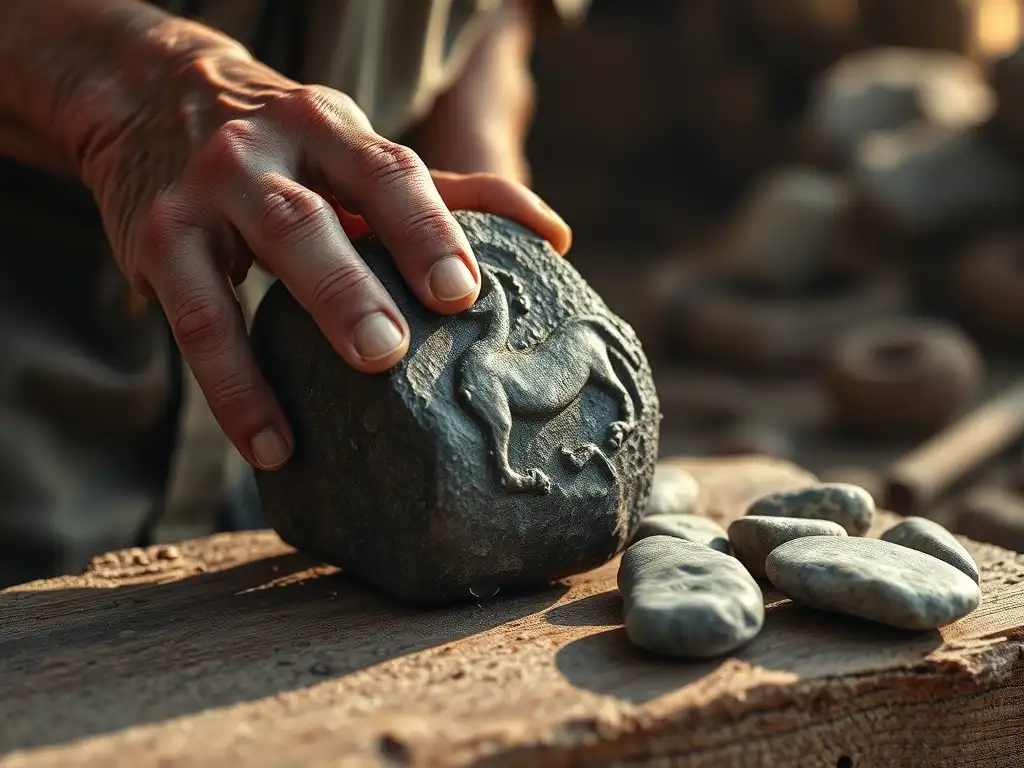
After the initial shaping, the next crucial step in Tiahuanaco stone carving techniques involves refining the details and smoothing the surface. This process requires patience and precision, utilizing a range of abrasives and plenty of water. The artisans of Tiahuanaco likely used locally sourced materials, possibly including various types of sand, volcanic ash, or even pulverized stone itself. These would have been graded by fineness, creating a progression from coarser to finer grits for progressively smoother surfaces.
Imagine the painstaking work involved: a skilled sculptor, perhaps working under the Andean sun, meticulously shaping the intricate details of a deity's face or the sinuous lines of a mythical creature. They would have used hand-held tools, potentially made of wood or bone, to apply the abrasive materials. The constant application of water would have been essential, not only to lubricate the process and prevent overheating of the stone, but also to wash away the resulting grit and allow for consistent assessment of the work's progress.
This step would have involved frequent rinsing and inspection to ensure even smoothing and the preservation of delicate features. The transition from a roughly hewn form to a finely detailed sculpture would have been a gradual process, each stage carefully executed to achieve the desired level of refinement.
The skill involved in this phase is evident in the remarkable precision of surviving Tiahuanaco artifacts, where even the smallest details are exquisitely rendered. The combination of carefully selected abrasives and the diligent application of water was key to achieving this level of mastery in Tiahuanaco stone carving techniques.
5. Polishing and Finishing: Bringing Out the Natural Beauty
The final stage in mastering Tiahuanaco stone carving techniques involves polishing and finishing the sculpture, a process that enhances its aesthetic appeal and protects it from the elements. This phase would have likely involved the use of even finer abrasives, potentially including carefully selected minerals or even smooth stones.
The aim was not merely to achieve a glossy surface, but to bring out the natural beauty of the stone itself, highlighting its color and texture. This process would have involved a significant investment of time and effort, as the sculptor would have worked to achieve an even, consistent polish across the entire surface of the piece.
Evidence from surviving artifacts suggests that the Tiahuanaco artisans may have employed a variety of polishing techniques, perhaps experimenting with different materials and methods to achieve specific effects. Some pieces display a high-gloss finish, while others have a more matte appearance, suggesting a range of approaches. The final stage might have involved the application of a protective layer – perhaps a natural resin or oil – to further enhance the sculpture's durability and preserve its appearance over time.
This careful attention to detail is a testament to the artisans' skill and the importance placed on the preservation of their creations. The polished surfaces of surviving Tiahuanaco artifacts still gleam, a striking testament to the effectiveness of their finishing techniques and the enduring quality of their work. This final step transformed a carefully carved stone into a piece of breathtaking artistry, a testament to the advanced Tiahuanaco stone carving techniques.
Mastering Tiahuanaco Stone Carving: Tips and Advanced Techniques
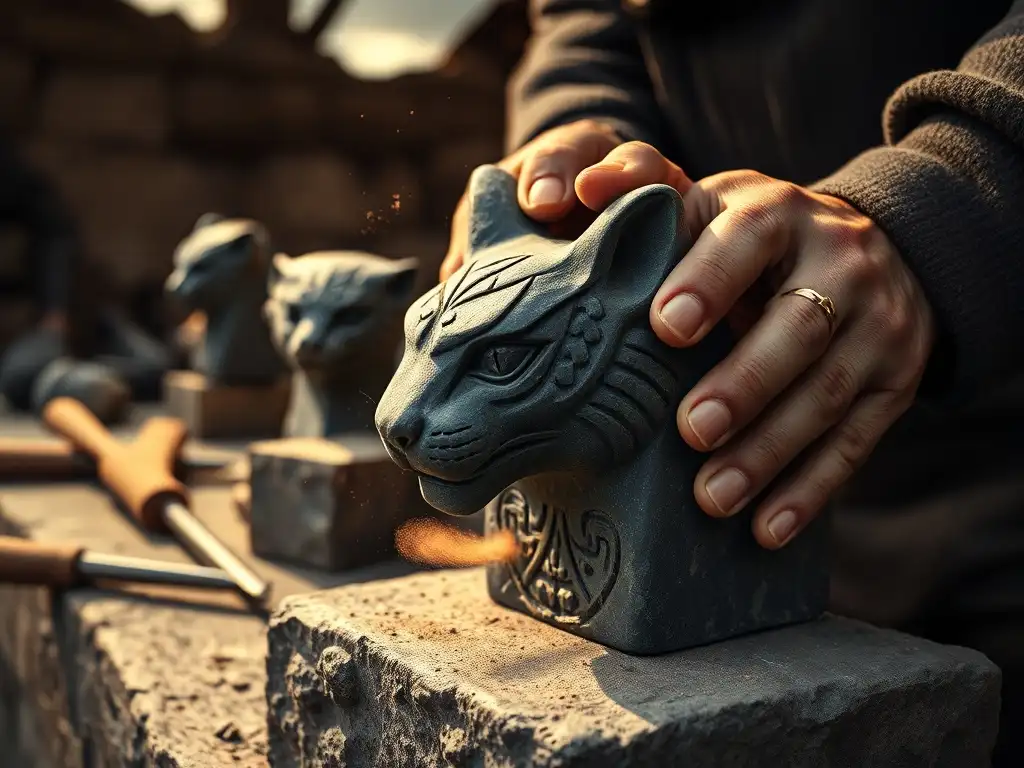
This section delves into the intricacies of Tiahuanaco stone carving, offering insights beyond the basics. Understanding the nuances of these ancient techniques allows for a deeper appreciation of the artistry and the challenges faced by the Tiahuanaco masters. We'll explore advanced shaping methods and point you towards resources to further your knowledge of this fascinating art form.
Advanced Stone Shaping Techniques
The Tiahuanaco people were masters of manipulating stone, employing a range of advanced techniques to create their iconic sculptures and monumental architecture. Their precision and skill are truly remarkable, especially considering the tools available to them. Beyond basic chipping and grinding, they utilized several sophisticated methods:
- Precise Chipping: This wasn't simply random chipping; it involved carefully controlled strikes with specialized stone tools to remove precise amounts of material. This allowed for the creation of intricate details and smooth surfaces. Evidence suggests they may have used a variety of hammers and punches, possibly made from harder stones like andesite, to achieve varying levels of precision. The skill required for this is immense, demanding years of practice and a keen eye for detail.
- Abrasive Grinding and Polishing: After initial shaping, the surfaces were meticulously ground and polished using abrasive materials like sand and possibly other finer-grained minerals. This process would have involved considerable time and effort, resulting in the incredibly smooth and polished surfaces seen on many Tiahuanaco artifacts. The level of polish achieved is a testament to their dedication and mastery of this technique.
- Inlay and Intarsia: Some Tiahuanaco artifacts feature intricate inlay work, where pieces of contrasting stone are carefully inserted into pre-cut grooves. This technique required incredible precision and patience, further highlighting the sophistication of their craftsmanship. This inlay often involved colorful stones, adding another layer of complexity and beauty to their creations. Analyzing these inlaid pieces provides invaluable insights into their resource management and artistic vision.
- Drilling and Perforation: The creation of holes and intricate perforations in stone required specialized tools and techniques. While the exact methods remain a subject of ongoing research, it's believed that they may have used tubular drills made from harder materials, rotating them with hand-held mechanisms. The precision of these drilled holes is astonishing, especially considering the lack of sophisticated machinery.
The mastery of these techniques wasn't achieved overnight. It required generations of skilled artisans passing down their knowledge and refining their methods. The result is a legacy of breathtaking stone carvings that continue to inspire awe and wonder today. The legacy of Tiahuanaco stone carving lives on, both in its physical remnants and in the ongoing efforts to understand and replicate its techniques.
Resources for Further Learning about Andean Stone Art
For those eager to delve deeper into the world of Andean stone art and Tiahuanaco stone carving techniques, several avenues exist for further exploration:
- Academic Journals and Publications: Many scholarly articles and books detail the techniques and artistry of Tiahuanaco stone carving. These resources often contain detailed analyses of specific artifacts and offer insights into the materials and methods used. Look for publications focusing on Andean archaeology and art history.
- Museum Collections and Exhibits: Museums around the world house significant collections of Tiahuanaco artifacts. Visiting these museums and examining the artifacts firsthand offers an unparalleled opportunity to appreciate the skill and artistry involved. Many museums also offer educational materials and guided tours.
- Documentary Films and Videos: Numerous documentaries explore the history and culture of the Andean civilizations, often including segments on stone carving techniques. These visual resources can provide valuable context and insights.
- Reputable Online Resources: While caution is advised when using online resources, several reputable websites and digital archives offer information on Andean art and archaeology. Always verify the source's credibility before relying on the information provided.
By exploring these resources, you can gain a deeper understanding of the rich history and sophisticated techniques behind Tiahuanaco stone carving, appreciating the incredible skill and artistry of these ancient Andean masters. The pursuit of knowledge in this field is an ongoing journey, full of discoveries and insights into a truly remarkable civilization.
Preserving Your Andean-Inspired Stone Art
This section delves into the crucial aspects of maintaining your Andean-inspired stone sculptures, ensuring their longevity and continued beauty. Proper care is essential, mirroring the meticulous techniques employed by the ancient Tiahuanaco artisans themselves. Understanding the materials and potential threats will allow you to appreciate and protect your creations for generations to come. We'll explore both preventative measures and remedial actions to keep your stone art looking its best. Remember, even with the most durable materials, proactive care is key to preserving your investment and legacy.
Proper Maintenance of Your Stone Sculptures
The longevity of your Andean-inspired stone sculpture hinges significantly on proper maintenance. This goes beyond simply dusting; it involves understanding the specific properties of the stone you've used and the environmental conditions it's exposed to. Different types of stone react differently to weather, pollutants, and temperature fluctuations.
For instance, sandstone, a common material used in recreating Tiahuanaco styles, is porous and susceptible to water damage. Prolonged exposure to rain or excessive humidity can lead to erosion and the growth of algae or lichen. Regular cleaning, using soft brushes and mild, pH-neutral detergents, is vital. Avoid harsh chemicals or abrasive cleaners that can scratch the surface and damage the intricate details. 🧼
Harder stones, like granite, are more resistant but are still not immune to environmental degradation. Acid rain, a significant concern in many areas, can slowly etch the surface over time. Regular inspections and prompt attention to any signs of damage are paramount. Consider applying a high-quality, breathable sealant specifically designed for stone to protect against moisture and pollutants. This sealant should be applied sparingly and according to the manufacturer's instructions.
A crucial aspect of maintenance is proper placement. Avoid placing your sculptures in direct sunlight for prolonged periods, as this can lead to thermal shock and cracking, especially in porous stones. Similarly, avoid areas with high humidity or where they may be subjected to extreme temperature fluctuations. A sheltered location, perhaps under a covered patio or pergola, is ideal. ☀️
Understanding Environmental Threats to Your Stone Art
Environmental factors pose significant threats to the longevity of your stone sculptures. Understanding these threats allows for proactive measures to mitigate damage. The most common threats include:
- Water Damage: This is arguably the most significant threat. Water can seep into porous stones, causing freeze-thaw cycles (in colder climates) that lead to cracking and erosion. Rain, snow, and even high humidity can contribute to this damage.
- Air Pollution: Acid rain and other airborne pollutants can etch and discolor the stone's surface over time. Industrial areas and cities with high levels of air pollution pose a greater risk.
- Biological Growth: Algae, lichen, and moss can grow on the surface of the stone, especially in humid environments. This not only affects the aesthetics but can also contribute to erosion.
- Thermal Shock: Rapid temperature changes can cause the stone to expand and contract, leading to stress fractures and cracking. This is particularly problematic in areas with significant temperature fluctuations.
Cleaning and Repairing Your Stone Sculptures
Regular cleaning is essential to prevent the accumulation of dirt, grime, and pollutants. However, cleaning should be done carefully to avoid damaging the surface. Use soft brushes, mild detergents, and plenty of clean water. For stubborn stains, a poultice of kaolin clay can be effective. Always test any cleaning solution on an inconspicuous area first. 🧽
If damage does occur, such as a chip or crack, professional restoration may be necessary. Attempting repairs yourself without proper expertise can worsen the situation. A skilled conservator specializing in stone restoration can assess the damage and undertake appropriate repairs using techniques that preserve the integrity of the sculpture. Remember, timely intervention is key to minimizing further damage and preserving the artwork's value.
Protecting Your Stone Art from Vandalism and Theft
Sadly, even the most beautiful creations are susceptible to vandalism and theft. Consider installing security measures such as surveillance cameras or motion detectors, particularly if your sculpture is displayed outdoors in a vulnerable location. Proper lighting can also deter potential thieves. Engraving a unique identification number on the sculpture can aid in its recovery if stolen. 🔒 Furthermore, documenting your work with high-quality photographs serves as valuable evidence and aids in insurance claims.
Frequently Asked Questions
What unique characteristics define Tiahuanaco stone carving?
Tiahuanaco stone carving is distinguished by its precise execution and monumental scale. The artisans demonstrated mastery of complex techniques to create intricate designs on massive blocks of stone.
What types of stone were primarily used in Tiahuanaco carvings?
The Tiahuanaco people primarily used andesite, a volcanic rock, known for its durability and ability to hold detail. Other stones, such as red sandstone, were also employed for specific purposes.
How did Tiahuanaco artisans transport and work such massive stones?
The precise methods remain a subject of debate, but theories involve sophisticated systems of ramps, rollers, and levers. The skilled organization of labor was crucial for moving and shaping these colossal blocks.
What tools did Tiahuanaco stone carvers utilize?
While the exact tools are not all definitively identified, evidence suggests that stone hammers, chisels, and abrasives were used. Copper and bronze tools may have also played a role in the later stages of carving.
What are some examples of the artistry found in Tiahuanaco stone carving?
Tiahuanaco stone carving is renowned for its intricate reliefs, depicting mythological figures, animals, and geometric patterns. The Gate of the Sun and the various monoliths are prime examples of this impressive artistry.
Final Reflection: Echoes of the Andes, Shaping Our Future
The meticulous artistry of Tiahuanaco stone carving, once confined to the ancient Andes, continues to resonate today, challenging our understanding of pre-Columbian engineering and artistic prowess. These techniques, far from being relics of a bygone era, offer valuable insights into sustainable practices and innovative problem-solving that remain remarkably relevant in our modern world grappling with environmental challenges and resource management. The precision and longevity of these ancient works stand as a testament to human ingenuity and a powerful counterpoint to our often fleeting and unsustainable approaches.
The enduring legacy of Tiahuanaco's stone carving extends far beyond the physical artifacts themselves; it speaks to a profound connection between humanity and the natural world. The mastery displayed in these works, the careful selection of materials, and the respect for the landscape from which they were sourced, offer a powerful lesson in mindful creation. The earth provides all we need; we only need to learn how to receive it.
This sentiment, though not directly from a Tiahuanaco source, encapsulates the spirit of their artistic and engineering achievements, highlighting a harmonious relationship with their environment that we would do well to emulate.
Consider the intricate details, the monumental scale, and the sheer durability of these ancient carvings. What can you learn from the patience, skill, and resourcefulness of the Tiahuanaco artisans? How can we, in our own lives and work, incorporate a similar sense of respect for materials, a commitment to quality, and a long-term vision that transcends immediate gratification? Let the echoes of the Andes inspire you to create something enduring, something beautiful, something that speaks to the enduring power of human ingenuity and our connection to the earth.
Unveil Your Artistic Potential Today!
Thank you for exploring the fascinating world of Tiahuanaco stone carving! We hope you've gained valuable insights and feel inspired to create your own art. Now, let's turn that inspiration into action.
Here's how you can begin your stone carving journey:
- Start with a small, manageable project using readily available materials. A small stone and a few basic tools are all you need to get started.
- Connect with other artists by joining a local art workshop or class focusing on traditional carving techniques.
- Share your progress and experiences online—you might inspire others to explore the beauty of Andean art!
How will you incorporate the spirit of Tiahuanaco into your own artistic creations? We'd love to hear your ideas and start a conversation!