
Stories in Thread: Embroidering Your Own Andean Narratives

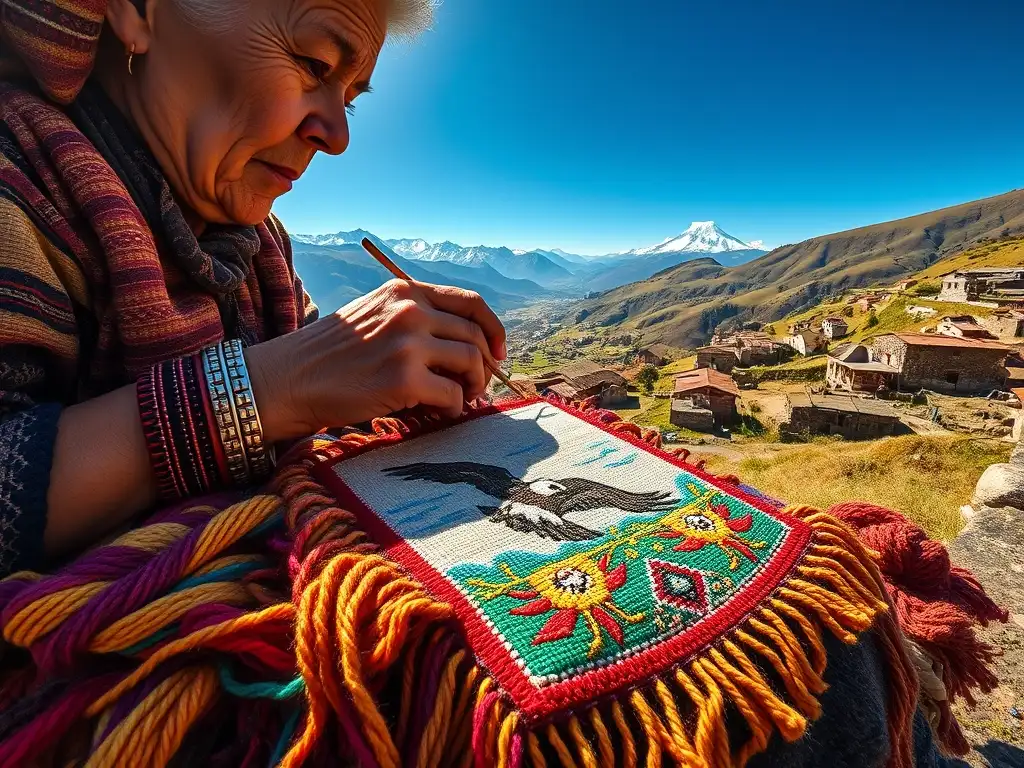
Unravel the mysteries of the Andes! Dive into a world where vibrant threads whispered stories across millennia. From the intricate artistry of the Incas to the breathtaking designs of the Nazca, discover the secrets behind Andean embroidery techniques, a captivating art form that reveals the heart of ancient Andean civilizations. Prepare to be amazed as we explore the rich tapestry of their legacy—a legacy you can now begin to recreate. Ready to embroider your own Andean narrative?
The vibrant threads of Andean textiles whisper tales of empires, gods, and everyday life. For centuries, Andean peoples have woven intricate narratives into their clothing, tapestries, and ceremonial objects, creating a rich visual language that continues to inspire awe and wonder.
This article delves into the fascinating world of Andean embroidery techniques, providing a gateway for you to explore this ancient art form and even create your own Andean-inspired narratives. We’ll uncover the historical context of this captivating craft, examine traditional techniques passed down through generations, and equip you with the knowledge to begin your own embroidery journey, breathing new life into these ancient stories.
Understanding Andean embroidery is not just about learning a craft; it's about connecting with a profound cultural heritage and expressing your own creativity through a timeless medium. Prepare to be captivated by the beauty and complexity of Andean textile art, and discover how you can contribute to its ongoing legacy.
Unveiling the Rich Tapestry of Andean Textile Art
Andean textile art is renowned globally for its breathtaking complexity and symbolic richness. From the intricate designs of the Paracas culture to the sophisticated weaving techniques of the Inca empire, these textiles are far more than just decorative items; they are powerful expressions of cultural identity, religious beliefs, and social status. Consider the iconic textiles of the Nazca culture, known for their vibrant colors and geometric patterns.
These textiles, often found in burial contexts, provide invaluable insights into their cosmology and social structures. Similarly, the intricate embroidery found on Inca tunics and mantles tells stories of power, lineage, and divine connection. The use of specific colors, motifs, and techniques often held symbolic meanings, representing deities, animals, plants, or significant events.
The sheer variety and sophistication of Andean textile art across different cultures and time periods highlight the enduring importance of this craft within Andean societies. The attention to detail and the mastery of technique are truly remarkable, showcasing a level of artistic skill that continues to inspire contemporary artists.
The Historical Significance of Andean Embroidery
The history of Andean embroidery is deeply intertwined with the social, political, and religious life of the various Andean cultures. Embroidery wasn't merely a decorative skill; it was a vital part of social organization and ritual practice. For example, the intricate embroidery on Inca royal garments served to visually represent the power and authority of the ruling elite, displaying symbols of their lineage and divine connection.
The production of these textiles was often a highly specialized activity, with skilled artisans holding prestigious positions within their communities. The use of specific dyes, sourced from natural materials like insects and plants, further underscored the importance of these textiles, connecting them to the natural world and the spiritual realm.
The preservation of numerous examples of Andean embroidery, often discovered in archaeological contexts, has provided invaluable evidence for understanding the history and culture of these civilizations. These well-preserved textiles offer insights into weaving techniques, color palettes, and design motifs that have been passed down through generations.
Exploring Traditional Andean Embroidery Techniques
Andean embroidery techniques are diverse and fascinating, reflecting the ingenuity and artistry of the Andean peoples. While specific techniques varied across different cultures and time periods, several common threads emerge. Many techniques involve the use of natural fibers like alpaca and llama wool, often spun and dyed using traditional methods. Common stitches include a variety of surface embroidery techniques, often employing intricate patterns and designs.
These designs frequently incorporate geometric motifs, zoomorphic and anthropomorphic figures, and representations of plants and celestial bodies. The use of supplementary weft techniques, where additional threads are woven into the fabric to create raised designs, is also characteristic of Andean embroidery. Furthermore, the skillful manipulation of colors and textures contributes to the overall impact of the textiles.
Understanding these basic techniques is crucial for anyone wishing to embark on their own Andean-inspired embroidery projects. Learning about the different types of stitches, the preparation of the materials, and the symbolic meaning of the designs will unlock the true potential of this ancient art form. Learning these techniques allows us to appreciate the skill and artistry involved in creating these masterpieces, and to continue the tradition of weaving stories into thread.
Modern Interpretations of Andean Embroidery: Connecting with the Past
Andean embroidery techniques, passed down through generations, continue to inspire contemporary artists and designers. We see a vibrant resurgence of these ancient skills, not merely as historical preservation, but as a powerful means of creative expression. Many modern artisans are reinterpreting traditional motifs, blending them with contemporary aesthetics to create unique and captivating pieces.
This fusion allows for a fresh perspective on ancestral designs, while simultaneously honoring the rich heritage they represent. For example, some artists incorporate modern color palettes and unconventional materials into their work, resulting in pieces that are both familiar and strikingly new. Others maintain the traditional techniques but apply them to modern garments or accessories, bridging the gap between ancient craftsmanship and contemporary fashion.
This innovative approach ensures that Andean embroidery remains relevant and engaging for a wider audience, fostering appreciation for its enduring beauty and significance. The use of Andean embroidery techniques in modern fashion, particularly in high-end design houses, showcases the versatility and timeless elegance of these intricate designs. They are no longer confined to museums or historical displays; they are actively reimagined and celebrated in the modern world, proving the enduring power of Andean artistry.
Materials for Your Andean-Inspired Embroidery Project
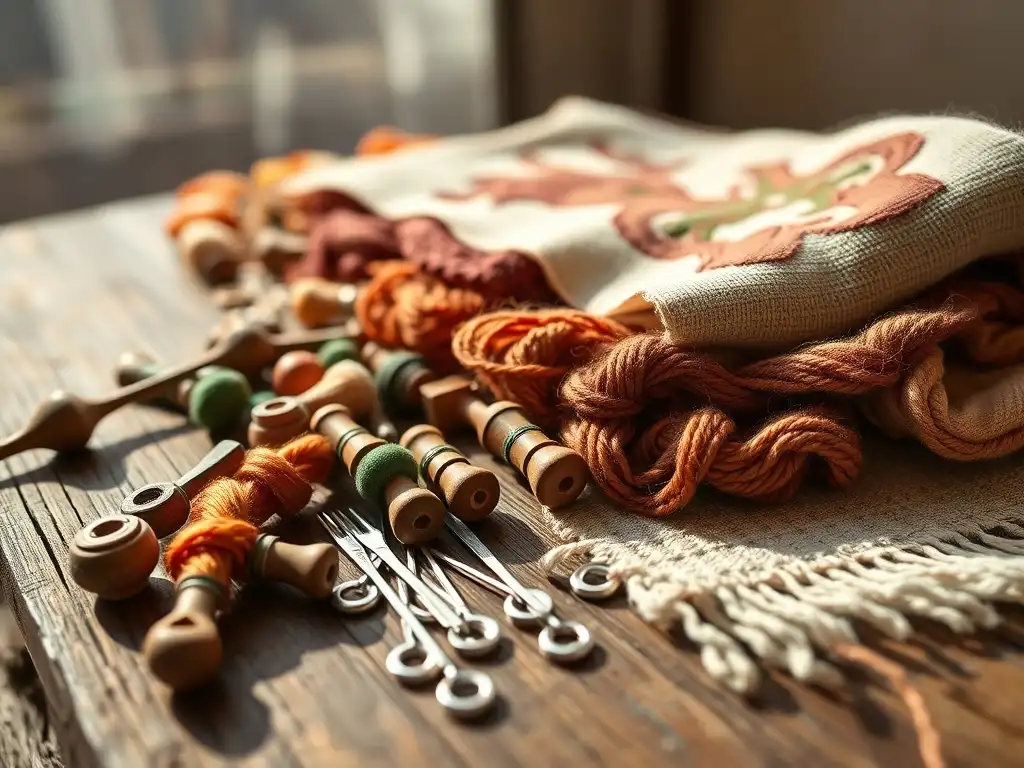
Embarking on your own Andean embroidery adventure requires gathering the right materials. The quality of your materials will directly impact the final outcome of your project. First, you'll need a suitable fabric base. Traditional Andean textiles often used alpaca or llama wool, known for their softness and durability. However, cotton or linen can serve as excellent substitutes, offering a smoother surface for beginners.
Next, select your threads. Again, wool threads, in a variety of colors, closely mimic the traditional materials. However, high-quality embroidery floss or even silk threads can be used to achieve beautiful results. Choose colors inspired by the Andean landscape – rich earthy tones, vibrant blues and greens, and accents of gold and red. In addition to threads and fabric, you'll need embroidery needles.
Choose needles with a sharp point and a comfortable grip suitable for your chosen thread thickness. Finally, consider using a hoop to keep your fabric taut while you work, aiding in precision and preventing puckering. Having all these materials at hand ensures a smooth and enjoyable embroidery process, allowing you to fully focus on the creative aspects of your project. Remember to consider the weight and texture of your chosen fabric and thread to ensure they work well together. Experimentation is key to discovering what you find most comfortable and aesthetically pleasing.
Step-by-Step Guide to Andean Embroidery: Creating a Sample Motif
Let's create a simple Andean-inspired motif. We'll focus on a common element found in many Andean designs: the stylized bird. Begin by transferring your design onto your fabric. You can use a lightbox or simply trace it with a water-soluble pen. Start by outlining the bird's shape with a running stitch, using a contrasting thread color to create a clear definition. Next, fill in the bird's body using a satin stitch, creating a smooth, even surface.
Pay attention to the direction of your stitches; consistency adds to the overall aesthetic appeal. For the bird's wings, you might incorporate a back stitch for added texture and detail. Remember to maintain consistent tension on your thread to prevent unevenness. Finally, add small details like eyes and beak using French knots or seed stitches. These small details add character and bring your bird to life. Once finished, admire your handiwork!
This simple motif provides a foundation upon which you can build more complex designs. Practice this technique repeatedly to improve your skills and confidence. Experiment with different stitch types and color combinations to discover your own unique style, always drawing inspiration from the rich tapestry of Andean embroidery traditions. Remember, patience and practice are key to mastering these intricate techniques. Don't be discouraged if your first attempts aren't perfect; the beauty lies in the process of learning and creating.
Advanced Andean Embroidery Techniques: Adding Texture and Dimension
Andean embroidery isn't just about flat surfaces and simple stitches. Mastering advanced techniques allows you to create truly stunning pieces that capture the depth and complexity of the Andean aesthetic. One key technique is raised embroidery, achieved through various methods like padding the fabric before stitching or using multiple layers of fabric to build up texture. This creates a three-dimensional effect, mimicking the intricate details found in many ancient Andean textiles. Think of the incredibly detailed depictions of birds and animals found in Paracas textiles; the raised embroidery techniques used to achieve this level of realism are truly remarkable.
Another significant technique is the use of different fiber types and weights. Andean artisans skillfully combined various materials like alpaca, llama, cotton, and even vicuña wool to create unique textures and visual effects. The interplay of these different fibers adds depth and complexity to the final piece. For example, a thicker, coarser yarn might be used to create the outline of a figure, while finer threads would provide the details. This careful manipulation of materials is a hallmark of sophisticated Andean embroidery.
Furthermore, exploring surface embroidery techniques like appliqué and couching expands the possibilities. Appliqué, which involves sewing fabric pieces onto a base material, allows for intricate designs and bold color contrasts. Couching, a technique where threads are laid onto the fabric and then sewn down, adds texture and visual interest. These techniques, combined with traditional Andean stitches, allow for a wide range of creative expression, enabling you to reproduce the vibrancy and complexity of ancient Andean textiles. Consider experimenting with different stitch densities and thread placements to achieve the desired effect, mimicking the layered approach often seen in pre-Columbian examples.
Inspiration from Andean Cultures: Motifs and Patterns
The beauty of Andean embroidery lies partly in its rich tapestry of motifs and patterns. Drawing inspiration directly from Andean cultures is essential for creating authentic and meaningful pieces. Many traditional designs are deeply symbolic, representing elements of nature, mythology, and daily life. For instance, the geometric patterns found in Nazca textiles often incorporate lines, triangles, and zigzags, reflecting the region's unique artistic sensibility. These patterns aren't merely decorative; they frequently hold significant cultural and spiritual meaning.
Understanding the symbolism behind these motifs is crucial. The depiction of animals, such as llamas, condors, and snakes, are common in Andean art and hold specific significance within different cultures. Llamas, for example, represent wealth and status, while condors symbolize power and strength. Similarly, anthropomorphic figures, often depicted in stylized forms, frequently represent deities or ancestors. Researching the specific iconography of different Andean cultures will greatly enrich your work and allow you to create pieces that resonate with the rich history and cultural heritage of the region.
Beyond specific motifs, consider the color palettes used in traditional Andean textiles. The use of natural dyes, often derived from plants and minerals, produced a wide range of earthy tones, including vibrant reds, deep blues, and rich yellows. These color combinations often reflect the surrounding landscape and the materials readily available to the artisans. By emulating these color palettes, you can add an authentic touch to your embroidered work and further enhance its connection to Andean artistic traditions. Experiment with different color combinations to create a unique and personalized interpretation of Andean aesthetics.
Showcasing Your Andean-Inspired Embroidered Art
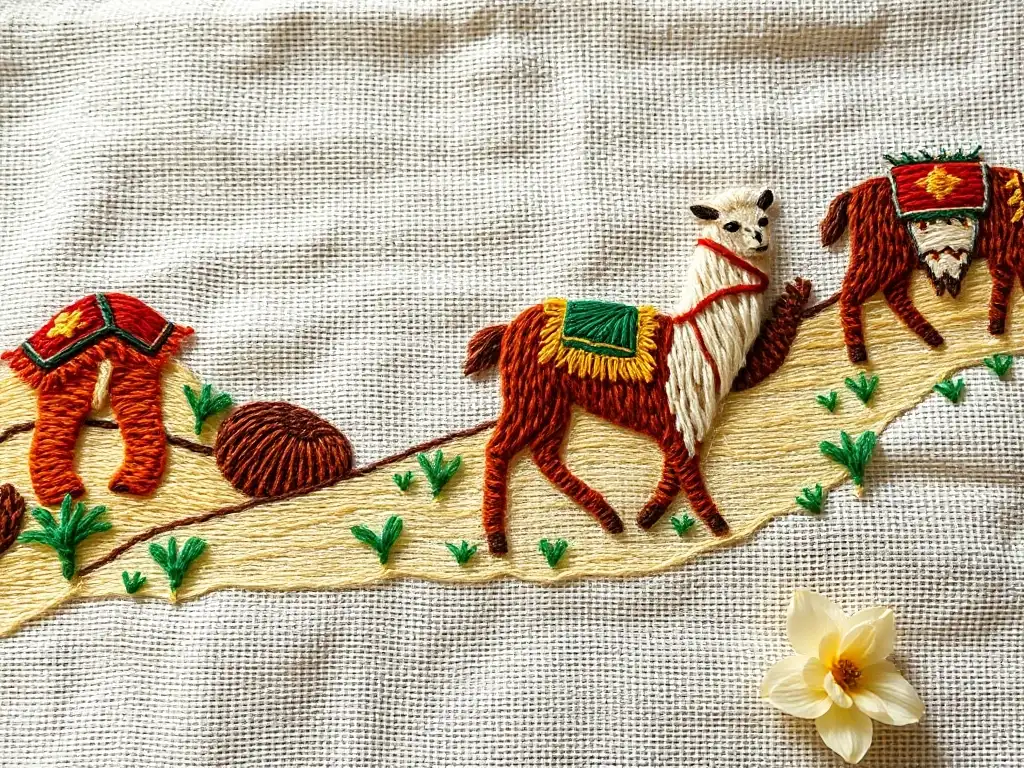
Once you've completed your Andean-inspired embroidered artwork, the next step is to showcase it effectively. This isn't just about displaying your finished piece; it's about sharing your creative journey and connecting with others who appreciate Andean art and culture. Several avenues exist for sharing your work. Consider participating in local craft fairs or exhibitions. This provides a fantastic opportunity to interact with potential buyers and fellow artisans, gaining valuable feedback and expanding your network.
Another effective method is creating an online portfolio. Platforms like Etsy or Instagram are ideal for showcasing your unique creations to a wider audience. High-quality photographs are essential; carefully capture the texture and detail of your embroidery to highlight its beauty. Moreover, provide detailed descriptions of your work, including the techniques used and the inspiration behind the design. This will add context and value to your pieces.
Finally, don't underestimate the power of educational outreach. You can share your knowledge and passion for Andean embroidery by offering workshops or tutorials. This allows you to inspire others and help them discover the rich world of Andean artistic traditions. Sharing your creative process, including challenges and successes, can be incredibly rewarding and further solidify your connection to the Andean artistic heritage. Remember, showcasing your work is not just about selling; it's about sharing your passion and contributing to the appreciation of Andean embroidery techniques.
Resources for Continued Learning in Andean Embroidery
Delving deeper into the fascinating world of Andean embroidery techniques requires dedication and a thirst for knowledge. Fortunately, numerous resources are available to help you hone your skills and expand your creative horizons. Beyond the readily available online tutorials, consider exploring specialized books dedicated to Andean textile arts. These often contain detailed patterns, historical context, and insights into traditional methods. Many libraries, particularly those with strong anthropology or art history departments, hold valuable collections on pre-Columbian textiles.
Don't underestimate the power of hands-on workshops! Look for local craft guilds, community centers, or even museums offering classes in Andean-inspired embroidery. Learning directly from experienced artisans can provide invaluable insights and techniques that are difficult to find elsewhere. These workshops often offer a unique opportunity to connect with a community of fellow enthusiasts, fostering collaboration and shared learning.
Furthermore, consider seeking out online forums and communities dedicated to textile arts. Engaging with other embroiderers, sharing your work, and seeking feedback can significantly boost your skills and inspire new creative directions. Remember, the journey of mastering Andean embroidery techniques is a continuous process of learning and refinement. Embrace the challenges and enjoy the rewarding experience of creating your own unique narratives in thread.
Monetizing Your Andean Embroidery Skills: Selling Your Creations
Once you've developed proficiency in Andean embroidery techniques, you might consider turning your passion into a source of income. Several avenues exist for selling your handcrafted creations. Online marketplaces, such as Etsy, provide a platform to reach a global audience and showcase your unique style. Consider creating a professional website or social media presence to showcase your portfolio and interact directly with potential customers. High-quality photography is crucial for attracting buyers online.
Invest in good lighting and learn basic photo editing techniques to present your work in the best possible light. Local craft fairs and markets offer a fantastic opportunity to connect directly with customers, receive immediate feedback, and build a loyal following. Participating in such events allows for personalized interaction, fostering a stronger connection with your audience. Collaborating with other artisans or businesses can broaden your reach and expose your work to new markets. For instance, partnering with a local boutique or clothing designer could lead to unique collaborations and increased sales.
Remember to carefully consider pricing your work, taking into account the time, materials, and skill involved in your creations. Research comparable products to establish a competitive yet profitable pricing strategy. Finally, providing excellent customer service is key to building a successful business. Respond promptly to inquiries, package your items carefully, and strive to exceed customer expectations. Turning your passion for Andean embroidery into a sustainable business requires dedication and strategic planning, but the rewards of sharing your art with the world can be incredibly fulfilling.
- Unveiling the Rich Tapestry of Andean Textile Art
- The Historical Significance of Andean Embroidery
- Exploring Traditional Andean Embroidery Techniques
- Modern Interpretations of Andean Embroidery: Connecting with the Past
- Materials for Your Andean-Inspired Embroidery Project
- Step-by-Step Guide to Andean Embroidery: Creating a Sample Motif
- Advanced Andean Embroidery Techniques: Adding Texture and Dimension
- Inspiration from Andean Cultures: Motifs and Patterns
- Showcasing Your Andean-Inspired Embroidered Art
- Resources for Continued Learning in Andean Embroidery
- Monetizing Your Andean Embroidery Skills: Selling Your Creations
Frequently Asked Questions
What makes Andean embroidery unique?
Andean embroidery is unique due to its vibrant colors, complex designs, and use of traditional techniques passed down through generations. The intricate patterns often depict mythological figures and scenes from daily life.
What materials were traditionally used in Andean embroidery?
Traditionally, Andean embroidery utilized natural dyes from plants and insects to create the rich colors. Alpaca and llama wool were the preferred fibers, chosen for their softness and warmth.
Are there specific Andean embroidery stitches?
While many stitches are used, some techniques like "reverso" (reverse appliqué) and various surface embroidery stitches are particularly common. These techniques create three-dimensional effects and intricate detail.
Where can I learn more about Andean embroidery techniques?
You can find information through online resources, books on Andean textiles, and even workshops offered by textile artists. Many museums also showcase examples of Andean embroidery.
How can I incorporate Andean embroidery techniques into my own projects?
Start by researching specific patterns and stitches. Experiment with natural dyes if possible, and consider using traditional Andean materials like alpaca wool. Embrace the storytelling aspect of Andean embroidery.
Final Reflection: Weaving the Future with Andean Threads
The resurgence of Andean embroidery techniques isn't just a craft revival; it's a powerful reclamation of cultural heritage in a rapidly changing world. These intricate stitches, passed down through generations, hold within them stories of resilience, adaptation, and the enduring spirit of Andean communities. Understanding these techniques is not merely appreciating artistry; it's acknowledging the profound connection between people and their land, a connection that continues to inspire and inform contemporary art and design.
The enduring power of Andean embroidery lies in its ability to bridge past and present, tradition and innovation. It's a living testament to the strength of cultural identity, a vibrant counterpoint to the homogenizing forces of globalization. As the renowned Peruvian textile artist, Ada Ballivian, once said, The threads themselves tell a story, a history woven into the very fabric of our being.
Her words resonate deeply, highlighting the emotional and spiritual significance embedded within each carefully placed stitch. This isn't just about mastering a technique; it's about understanding the cultural context that breathes life into the art.
Now, consider your own story. What narratives do you want to embroider into the fabric of your life? Take a moment to reflect on the power of handcrafted expression, the beauty of cultural preservation, and the potential for your own creative journey to be enriched by the rich tapestry of Andean traditions.
Perhaps you'll pick up a needle and thread, inspired to explore these ancient techniques. Or maybe you'll simply carry the spirit of these stories with you, appreciating the enduring power of cultural heritage in shaping our individual and collective identities. Let the threads of Andean artistry inspire you to weave your own unique and meaningful narrative.
Unveil Your Unique Andean Story Through Embroidery!
Thank you for exploring the vibrant world of Andean embroidery with us! We hope you've found inspiration to weave your own narratives into your creative work. Now, let's make that inspiration a reality!
Here are some engaging ways to **bring your Andean stories to life:**
- **Embark on a personal embroidery project:** Design a piece that reflects a cherished memory, a family tradition, or a significant cultural theme.
- **Connect with fellow embroidery enthusiasts:** Join a local group or online community to share ideas, techniques, and support each other's creative journeys.
- **Host a creative storytelling gathering:** Invite friends to share their stories while you all work on your embroidery, fostering a vibrant community of creativity and shared heritage.
What story will you choose to tell through embroidery, and how will it inspire others?