
The Power of Repetition: Exploring Patterns in Andean Art

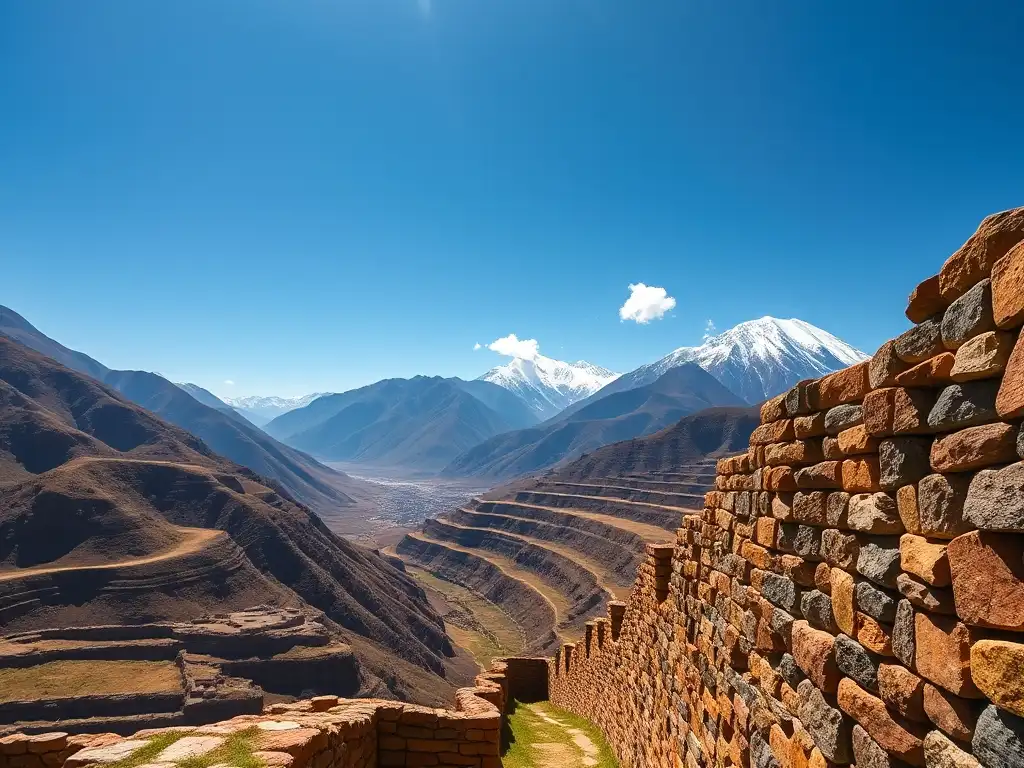
Dive into a world lost in time, yet echoing with vibrant life. For centuries, the Andes Mountains have whispered secrets through the intricate artistry of their ancient inhabitants. Uncover the fascinating power behind Andean art repetition patterns, a key to understanding the complex beliefs and sophisticated societies of the Incas, Moche, Nazca, and Tiahuanaco. Prepare to be captivated by the enduring legacy of these civilizations – explore the mysteries that await you.
The vibrant tapestry of Andean art, spanning millennia and encompassing diverse cultures like the Inca, Moche, Nazca, and Tiahuanaco, is undeniably captivating. But beyond the immediate visual splendor lies a deeper, more profound element: the strategic and meaningful use of repetition.
This article delves into the power of repetition in Andean art, exploring how recurring motifs, patterns, and symbols contributed not only to the aesthetic beauty but also to the cultural and spiritual significance of these remarkable creations. We will examine specific examples across different Andean cultures, uncovering the rich layers of meaning embedded within these seemingly simple repetitions.
Understanding these patterns unlocks a deeper appreciation for the ingenuity and artistry of ancient Andean civilizations and provides inspiration for contemporary artists seeking to create their own Andean-inspired works. This exploration will equip you with the knowledge to identify and interpret these patterns, empowering you to incorporate their essence into your own creative endeavors.
Understanding Andean Art and Its Repetitive Motifs
Andean art is replete with repetitive motifs, often featuring geometric shapes, stylized animals, and anthropomorphic figures. These elements aren't randomly scattered; their placement and repetition are deliberate and purposeful. Consider, for instance, the intricate textiles of the Inca. The seemingly endless repetition of geometric designs – such as chevrons, zigzags, and stepped patterns – wasn't merely decorative.
These patterns often held symbolic meaning, representing concepts like fertility, the cosmos, or the cyclical nature of life and death. Similarly, the Nazca lines, though primarily known for their monumental scale, incorporate repetitive elements within their designs. The stylized depictions of animals and plants, often repeated multiple times along the lines, likely held ritualistic or cosmological significance.
The Moche pottery, famous for its detailed depictions of scenes from daily life and mythology, also employs repetition in its designs. Repeated motifs, like stylized birds or warriors, emphasize key narrative elements and create a visual rhythm that draws the viewer into the story. The use of repetition wasn't limited to textiles and pottery; it also extends to architecture, with repetitive patterns found in stonework and building designs across various Andean cultures.
Why Repetition Matters in Andean Visual Culture
The prevalence of repetition in Andean visual culture wasn't simply an aesthetic choice; it served several crucial functions. Firstly, repetition enhanced the visual impact and memorability of the artwork. By repeating key motifs, artists ensured that the message or symbol was clearly conveyed, even to viewers unfamiliar with the specific cultural context. This is particularly relevant considering the diverse linguistic and social structures of the Andean region. Secondly, repetition often held deep symbolic meaning.
The repetition of a specific motif could amplify its power, reinforcing its significance within the cultural worldview. For example, the repeated depiction of a particular animal could signify its importance in Andean cosmology or mythology. Thirdly, repetition facilitated the creation of complex and intricate designs. By using repeated units, Andean artisans could achieve a level of detail and precision that might have been otherwise unattainable.
This is evident in the intricate textiles and ceramics, where repeated patterns create a mesmerizing visual effect. Finally, the act of repetition itself may have held ritualistic significance, with the creation of repetitive patterns potentially serving as a form of meditative or spiritual practice. The process of carefully repeating motifs could have been a way to connect with the spiritual realm and to imbue the artwork with sacred power. The enduring legacy of Andean art lies not only in its beauty but also in the profound meaning embedded within its seemingly simple, yet powerfully repetitive, patterns.
Decoding Common Andean Art Repetition Patterns
The study of Andean art reveals a fascinating preoccupation with repetition and pattern. These weren't merely decorative choices; repeated motifs held deep symbolic meaning, often reflecting cosmological beliefs, social structures, and agricultural cycles. Understanding these patterns provides a key to unlocking the rich cultural tapestry of these ancient civilizations. The consistent use of repetition highlights the importance of these symbols and their connection to the Andean worldview.
The repetition itself served to amplify the power and significance of the chosen image or design, emphasizing its importance within the broader context of the artwork and the culture it represented. Analyzing the frequency and placement of these repeated patterns further enhances our understanding of their intended meaning and the artistic techniques employed by the artisans. The deliberate and skillful execution of these intricate designs underscores the high level of artistic sophistication achieved by Andean cultures.
The Stepped Fret Pattern: Usage in Paracas Textiles
The stepped fret, a geometric pattern characterized by a series of interlocking, stepped lines, is a ubiquitous motif in Paracas textiles (ca. 200 BCE – 200 CE). These intricate textiles, often used for burial shrouds, feature the stepped fret pattern prominently, sometimes as a border, other times woven into the main body of the design.
The repetition of this pattern, often in vibrant colors and with variations in size and spacing, suggests a deep cultural significance. Some scholars propose that the stepped fret symbolizes the Andean landscape, with the steps representing terraces or agricultural fields, reflecting the vital role of agriculture in Paracas society. The meticulous craftsmanship involved in creating these textiles, with thousands of individual threads meticulously woven together to form the repetitive pattern, is a testament to the skill and dedication of Paracas artisans.
The complexity of the patterns further suggests a highly structured and organized society capable of producing such elaborate works of art. Variations in the stepped fret pattern across different Paracas textiles provide valuable insights into regional differences and stylistic evolution within the culture.
The Checkerboard Pattern: Usage in Tiwanaku Architecture
The checkerboard pattern, a simple yet powerful visual element, appears frequently in Tiwanaku (ca. 300 CE – 1000 CE) architecture. This geometric pattern, created by the alternation of two colors or materials, is evident in the arrangement of stones in walls, floors, and even in the design of monumental structures.
In the context of Tiwanaku architecture, the checkerboard pattern is believed to have held symbolic meaning related to duality and cosmic order. The repeated juxtaposition of light and dark, or different colored stones, might represent the interplay of opposing forces in the Andean worldview, such as day and night, or the male and female principles. The precise placement and consistent repetition of the checkerboard pattern in Tiwanaku structures demonstrate the high level of planning and precision that went into their construction.
The scale of these structures, where the checkerboard pattern is repeated across vast surfaces, emphasizes the importance of this motif in Tiwanaku culture. The use of the checkerboard pattern wasn't limited to grand structures; it's also found in smaller artifacts, highlighting its pervasive use across various aspects of Tiwanaku society.
The Geometric Repeat: Usage in Inca Metalwork
Inca metalwork (ca. 1438 – 1533 CE) is renowned for its intricate designs and masterful craftsmanship. Geometric repeats, including triangles, zigzags, and stepped patterns, are frequently employed in Inca gold and silver objects.
These repeated motifs, often incorporated into larger, more complex designs, are believed to have symbolized the Inca worldview and social order. The precise and repetitive nature of the geometric patterns found in Inca metalwork highlights the technical skill and precision of Inca artisans. The use of sophisticated techniques like repoussé and casting allowed Inca smiths to create intricate and repetitive patterns on a variety of objects.
These patterns weren't merely decorative; they likely served as visual representations of Inca cosmology, mirroring the order and structure of the empire itself. The repetition of these geometric forms, often in symmetrical arrangements, suggests a deep understanding of mathematical principles and a highly developed aesthetic sense. The use of precious metals, combined with the intricate repeated patterns, further emphasizes the status and power of the Inca elite.
Animal and Mythical Figure Repetitions: Usage in Wari Tapestries
Wari tapestries (ca. 600-1000 CE) often feature the repetition of animal and mythical figures. These repeated motifs, woven into intricate designs, provide insights into Wari beliefs and cosmology. The repetition of specific animals, such as jaguars, condors, and snakes, might symbolize power, divinity, or fertility.
These mythical creatures, often depicted in stylized forms, might represent deities or ancestral spirits. The arrangement and repetition of these figures within the tapestries often follow specific patterns, suggesting a structured approach to design and a deeper symbolic meaning. The use of vibrant colors and intricate weaving techniques further enhanced the visual impact of these repeated motifs, emphasizing their symbolic significance.
The careful placement and repetition of these animal and mythical figures suggest that the weavers held a profound understanding of their cultural significance. Analyzing the frequency and context of these repeated images offers valuable insight into the Wari worldview and the role of these figures in their society. The vibrant colors and intricate detail of these tapestries, combined with the repeated motifs, highlight the artistic skill and cultural richness of the Wari civilization.
- Understanding Andean Art and Its Repetitive Motifs
- Why Repetition Matters in Andean Visual Culture
- Decoding Common Andean Art Repetition Patterns
- What is the significance of repetition in Andean art?
- Which Andean cultures prominently used repetitive patterns?
- What are some common motifs found in repetitive Andean art patterns?
- How did Andean artists create these repetitive patterns?
- Where can I see examples of repetitive patterns in Andean art?
Creating Your Own Andean-Inspired Art: A Step-by-Step Guide
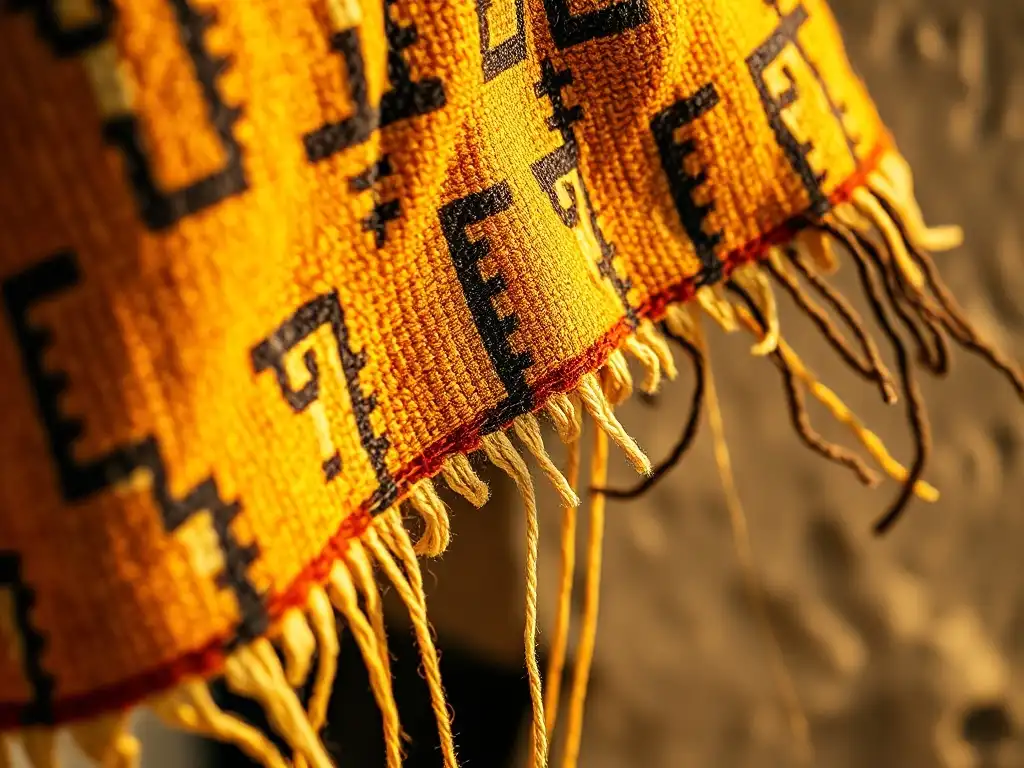
This section provides a practical guide to creating your own art inspired by the captivating repetition patterns found in Andean art. We'll explore the materials you'll need and delve into the process of selecting and adapting traditional Andean designs for your own creative projects. Remember, the beauty of Andean art lies in its intricate details and the powerful effect of repetition. Let's unlock that power!
Step 1: Gathering Your Materials for Andean Pattern Art
Before embarking on your Andean art journey, gathering the right materials is crucial. The specific tools and materials will depend on your chosen medium – whether you prefer drawing intricate geometric designs or working with textiles.
Essential Tools for Drawing Geometric Andean Designs
For creating detailed Andean geometric patterns, you'll need precise tools to achieve the accuracy characteristic of these designs. Consider these essentials:
- High-quality pencils: A range of hardness (e.g., 2H, HB, 2B) will allow you to create both light sketches and bold lines. Experiment to find your preferred pencil grade.
- Sharpener: Keeping your pencils sharp is key to creating clean, precise lines. A good quality sharpener, preferably one with a built-in container to catch the shavings, is essential.
- Ruler and compass: Many Andean patterns incorporate geometric shapes, so a ruler and compass are vital for achieving accurate measurements and constructions.
- Eraser: Choose a high-quality eraser that won't smudge your work or damage your paper. A kneaded eraser is ideal for lifting small areas of graphite without disturbing the surrounding lines.
- Drawing paper: Choose a paper weight appropriate for your chosen pencil grade. Thicker paper is less likely to wrinkle or tear. Consider using cartridge paper or watercolor paper for a more robust surface.
- Templates (optional): Pre-made templates for common Andean motifs can be useful, especially for beginners, to help you master basic shapes and proportions before moving to more complex designs.
Materials for Textile-Based Andean Repetition Art
If you're venturing into textile art inspired by Andean patterns, the materials will differ slightly. Here’s a list of what you will need:
- Fabric: Choose a fabric suitable for your chosen technique. Cotton, linen, and wool are all popular choices, offering different textures and drape. The color of your fabric will also influence the final appearance of your design.
- Needles: Select needles appropriate for your chosen fabric and stitching method. Embroidery needles are ideal for detailed work.
- Threads: A wide variety of embroidery floss or yarn in a range of colors will allow you to replicate the vibrant color palettes found in traditional Andean textiles.
- Embroidery hoop (optional): Using an embroidery hoop keeps your fabric taut and makes it easier to work with, particularly for intricate designs.
- Scissors: Sharp, small scissors are crucial for precise cutting of fabric and threads.
Step 2: Choosing Your Andean Art Repetition Pattern
The selection of your Andean pattern is a crucial step, influencing the overall complexity and aesthetic of your project. Consider your skill level and desired outcome when making your choice.
Selecting a Pattern Based on Your Skill Level
Andean art boasts a vast array of patterns, ranging from simple geometric motifs to incredibly complex, multi-layered designs. Beginners might start with simpler patterns, such as repeating zigzags, chevrons, or stepped triangles, before progressing to more intricate designs. More experienced artists can tackle challenging patterns incorporating multiple elements and layers. Remember that even simple patterns can be incredibly effective when repeated across a surface.
| Skill Level | Suggested Patterns | Notes |
|---|---|---|
| Beginner | Zigzags, chevrons, stepped triangles, simple bands | Focus on mastering basic shapes and repetition techniques. |
| Intermediate | Interlocking geometric shapes, repeating animals | Experiment with color and variations within the repeating motif. |
| Advanced | Complex geometric tessellations, intricate khipus patterns | Requires precision and a strong understanding of pattern construction. |
Adapting Traditional Patterns for Modern Art
Don't be afraid to experiment! While respecting the rich heritage of Andean art, feel free to adapt traditional patterns to create something unique and contemporary. You can:
- Modify colors: Experiment with different color palettes to create a modern interpretation of a traditional pattern.
- Change the scale: Enlarge or reduce the size of the pattern to suit your project.
- Combine patterns: Combine elements from different Andean patterns to create a new, hybrid design.
- Add your own elements: Incorporate your own creative elements into the pattern, such as abstract shapes or personal symbols, to give it a unique twist. The possibilities are endless! Let your creativity flow, embracing the power of repetition to create truly stunning Andean-inspired art. 🎨
Step 3: Developing Your Andean-Inspired Design
This step involves translating your inspiration into a concrete design. Consider the various Andean cultures and their distinctive styles. The Incas, for example, favored geometric patterns and repeating motifs, while the Nazca lines demonstrate a fascination with intricate, large-scale designs. The Moche pottery often showcased complex narrative scenes, though even within those scenes, repeating elements like stylized figures or decorative borders can be observed. Think about which cultural aesthetic resonates most with you and choose elements that capture that style.
Remember, the power of repetition in Andean art lies not just in the repetition itself, but in the subtle variations and rhythmic interplay of elements. A simple geometric shape, repeated with slight alterations in size, color, or orientation, can create a captivating visual rhythm. This is a key element to achieving authentic Andean-inspired art.
Don't be afraid to experiment and see how different combinations affect the overall impact of your design. Consider incorporating symbolic elements significant to Andean cultures, such as the condor, the serpent, or geometric representations of the sun and moon. The key is to study examples of existing Andean art to understand the principles at play.
Sketching Your Repetition Pattern: Tutorial on creating a stepped fret motif
Let's create a stepped fret motif, a common pattern in Andean textiles. Start by drawing a series of horizontal lines evenly spaced on your sketchbook. Then, draw a series of vertical lines intersecting the horizontal lines, creating a grid. Within each square of the grid, draw a stepped shape, resembling a small, stylized staircase.
These steps can vary slightly in size or angle to add subtle visual interest. Experiment with different orientations—sometimes steps face up, sometimes down, creating a dynamic rhythm. Remember, the beauty of this pattern lies in its simplicity and the elegant repetition.
You can easily adapt this basic stepped fret motif by changing the shape of the steps, adding small details, or altering the spacing between the lines. Once you’ve created a single repeating unit, carefully copy and paste it to create a larger pattern. This will help you visualize how the pattern will look when repeated across a larger surface.
Refining Your Design: Tips on achieving balanced repetition
Once you have a basic pattern, it's time to refine it. Consider the overall balance and visual weight of your design. Are there any areas that feel too heavy or too light? Too much visual density in one section can disrupt the harmony of the repeated pattern. Experiment with variations in color, size, and orientation of your repeating units to achieve a balanced visual effect.
A helpful technique is to create a mock-up of your design on a larger scale. This will allow you to assess the pattern's overall impact and make any necessary adjustments. Remember that even subtle variations in the repetition can significantly impact the final aesthetic. The Andean artisans mastered this balance through generations of experience, creating patterns that are both visually stimulating and harmonious.
Think about using negative space effectively. The empty spaces between your repeating motifs are just as important as the motifs themselves. They contribute to the overall rhythm and visual flow of the design. By strategically manipulating the negative space, you can create a sense of movement, depth, or even stillness. Don't underestimate the power of simplicity. Sometimes, a subtle variation in a simple pattern can be more effective than a complex design. The goal is to create a pattern that is both visually appealing and reflects the spirit of Andean art.
Step 4: Implementing Your Andean Art Repetition
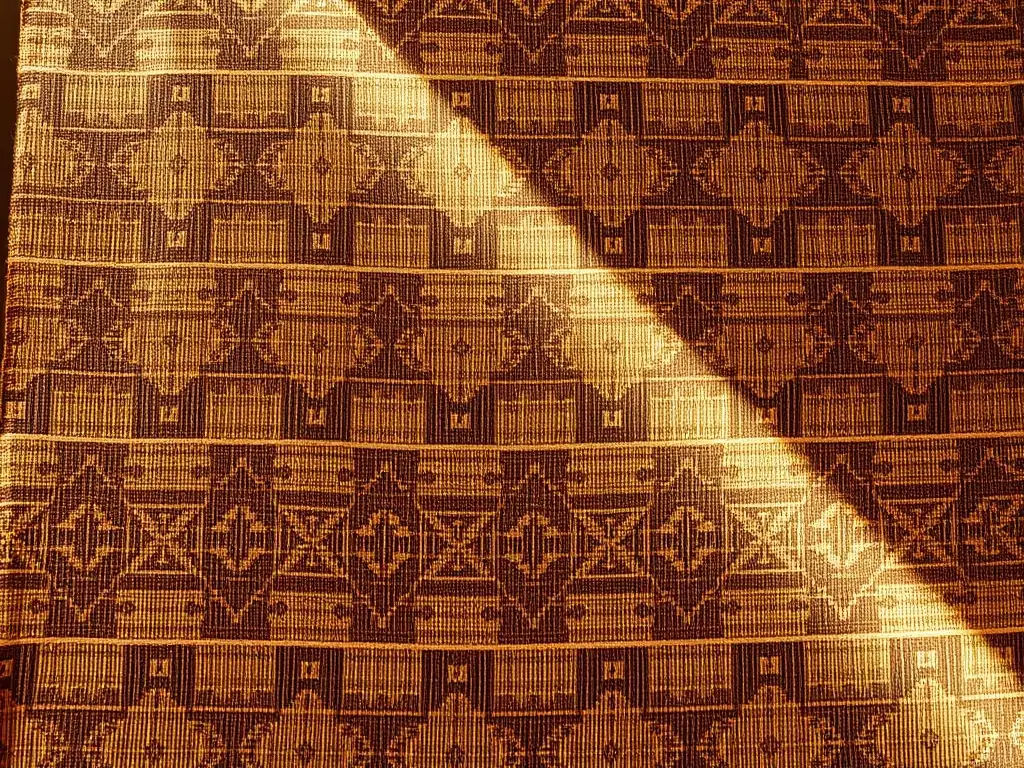
Now that your design is finalized, it's time to bring it to life! There are many ways to implement your Andean-inspired repetition pattern, each offering a unique approach to the creative process. Whether you choose to weave, paint, or use another medium, the principles of repetition and balance remain central to the aesthetic. Explore different methods and find the one that best aligns with your artistic preferences and the complexity of your design.
Transferring Your Design onto Canvas or Paper: Example using graphite transfer paper
Graphite transfer paper is a simple yet effective method for transferring your design onto canvas or paper. First, create a clean, clear sketch of your repeating pattern on regular paper. Place the graphite transfer paper (carbon side down) onto your canvas or paper, followed by your sketch. Carefully trace the outlines of your design, applying firm but gentle pressure. Once you lift the paper, your design will be faintly transferred onto the canvas or paper.
This technique is particularly useful for complex designs or when precise accuracy is crucial. It allows you to easily replicate your pattern multiple times, ensuring consistency across your artwork. After transferring the pattern, you can begin painting or adding other details. Remember to use a light hand while tracing to avoid smudging. You might need to trace over certain lines to make them darker.
Weaving Your Pattern: Basic plain weave technique
Weaving offers a unique way to implement your Andean-inspired patterns. The plain weave technique is a foundational method that is easy to learn. It involves interlacing warp (vertical) and weft (horizontal) threads over and under each other in a simple, repetitive pattern. To create your design, you need to plan the color sequence of your weft threads to match your chosen pattern.
This requires a careful arrangement of threads, ensuring the desired pattern emerges as you weave. Each row of weaving adds to the repetition of the pattern. This method is especially suitable for geometric designs and lends itself well to creating the textured richness often seen in Andean textiles. While plain weave is relatively simple, mastering the tension and consistency of your weave is key to achieving a clean and well-defined pattern.
Painting Your Pattern: Tips on using acrylic paints and layering
Acrylic paints are a versatile choice for implementing your Andean-inspired repetition pattern. Their quick-drying nature allows for layering and experimentation. Begin by applying a base coat of your chosen background color to your canvas. Then, carefully paint your repeating pattern using fine brushes or stencils.
Layering different colors can add depth and complexity to your design. Consider using a darker shade of your base color to create shadowing effects within the pattern, giving it a three-dimensional look. Experiment with different brushstrokes to create varying textures within the pattern. You can also achieve unique effects by blending colors or using different paint application techniques, such as dry brushing or stippling.
Remember that the success of your painting lies in the precision and consistency of your pattern repetition. Take your time and focus on creating a visually harmonious whole. Consider using masking tape to help maintain straight lines, particularly when using stencils or creating geometric patterns.
Step 5: Adding Personal Touches to Your Andean-Inspired Artwork
This is where your creativity truly shines! While emulating traditional Andean patterns is a fantastic starting point, the beauty of art lies in personal expression. Don't be afraid to experiment and deviate slightly from the strict adherence to historical accuracy. The goal is to capture the spirit of Andean art, not to create a perfect replica.
Think of this stage as a conversation between tradition and innovation. You're building upon centuries of artistic heritage, adding your unique voice to the chorus. This is your opportunity to infuse your own personality, experiences, and perspectives into your artwork, resulting in a piece that is both inspired by the past and distinctly your own.
Consider what elements resonate with you most strongly from the patterns you’ve studied—are there specific colors, shapes, or motifs that particularly captivate you? Allow these preferences to guide your artistic decisions as you personalize your design. Remember, the most compelling art often comes from a place of genuine passion and personal connection.
Experimenting with Color Variations: Example of earth-toned vs. vibrant schemes
Andean art is not limited to a single palette. While earth tones—browns, ochres, reds—are prevalent due to the readily available pigments, vibrant colors were also used, particularly in textiles and ceramics. Let's compare two approaches:
| Color Scheme | Description | Effect on the Artwork | Example |
|---|---|---|---|
| Earth-toned Palette | Utilizing browns, ochres, terracotta, and muted greens. | Creates a sense of groundedness, antiquity, and connection to the Andean landscape. | Imagine a textile depicting stylized llamas in various shades of brown and ochre. |
| Vibrant Color Palette | Incorporating bright blues, greens, yellows, and reds, often in bold combinations. | Evokes a feeling of energy, celebration, and a more contemporary interpretation. | Think of a ceramic piece with a geometric pattern in bright, contrasting colors. |
Experimenting with these palettes can significantly alter the mood and feeling of your artwork. An earth-toned palette might be suitable for a piece conveying a sense of serenity and connection to nature, while a vibrant palette could be ideal for a more celebratory or energetic piece. The key is to understand how color choices impact the overall aesthetic and to select a palette that best reflects your artistic vision and the message you want to convey.
Incorporating Modern Elements while Respecting Tradition: Example of abstracting a traditional pattern
The challenge lies in finding a balance between honoring the rich history of Andean art and expressing your contemporary sensibilities. One effective technique is to abstract traditional patterns. Instead of directly replicating a complex design, you can extract its core elements—its repeating motifs, its rhythmic structure, its color palette—and reinterpret them in a modern context.
For example, consider a traditional Khipu knot pattern. Instead of meticulously recreating the intricate knots, you could simplify the design into a series of interconnected lines and shapes, maintaining the pattern's underlying rhythm and structure but presenting it in a more minimalist and contemporary style. You might use a bolder color palette or incorporate unexpected textures, but the underlying essence of the original pattern remains recognizable.
This approach allows you to pay homage to Andean traditions while simultaneously creating something new and uniquely your own. The process of abstraction allows for artistic freedom while ensuring a clear link to the source material, creating a compelling dialogue between past and present. This mindful adaptation is key to creating Andean-inspired art that respects its heritage while forging its own identity.
Monetizing Your Andean-Inspired Art Skills
This section explores practical avenues for turning your passion for Andean art and its intricate repetition patterns into a profitable venture. Understanding how to market and sell your creations is crucial, whether you're a seasoned artist or just starting. We'll cover both digital and physical sales strategies, as well as opportunities to share your knowledge and expertise through workshops and courses. Remember, the unique beauty of Andean art repetition patterns provides a strong selling point in a competitive market.
Selling Your Andean Art: Online Platforms
The digital marketplace offers unparalleled reach for selling your Andean-inspired artwork. Leveraging online platforms allows you to tap into a global audience interested in unique, handcrafted items and the rich cultural heritage they represent. Two prominent options stand out: Etsy for handmade goods and Printful for print-on-demand products.
Etsy Shop Setup Guide for Handmade Andean-Inspired Textiles
Etsy is a popular choice for selling handmade and vintage items. Setting up your shop effectively is key to attracting buyers. Begin by crafting a compelling shop name reflecting your Andean art focus, perhaps incorporating keywords like "Andean textiles," "Peruvian patterns," or "Inca inspired." High-quality photos are essential; showcase the intricate repetition patterns and the unique craftsmanship of your textiles. Detailed product descriptions should highlight the inspiration behind your designs, materials used, and any traditional techniques employed.
Consider offering various sizes and variations to cater to a wider customer base. Remember to optimize your shop's SEO by using relevant keywords like "Andean art repetition patterns" and synonyms throughout your listings. Finally, providing excellent customer service is crucial for building a positive reputation and encouraging repeat business. Positive reviews can significantly boost your shop's visibility on Etsy.
Printful for Reproducing your Art on Products
Printful offers a print-on-demand service, allowing you to expand your product range without managing inventory. You can upload your original Andean-inspired designs featuring repetition patterns onto a vast array of products, including t-shirts, mugs, phone cases, tote bags, and more. Printful handles the printing and shipping, allowing you to focus on design and marketing. This is an excellent option for reaching a broader audience and diversifying your income streams.
The key here is to choose products that best showcase your designs. For example, the intricate details of your Andean art repetition patterns might be best displayed on a high-quality art print or a tote bag, rather than a smaller item like a keychain. Promote your Printful store alongside your other sales channels to maximize exposure. Remember to maintain consistency in branding across all your platforms.
Offering Workshops: Sharing the Art of Andean Repetition
Beyond selling your art, consider sharing your knowledge and passion by offering workshops. This not only generates income but also fosters a community around Andean art and its unique aesthetic qualities.
Creating and Marketing Online Courses on Andean Pattern Design
Online courses provide scalability and reach a global audience. Platforms like Skillshare, Udemy, and Teachable offer user-friendly tools for creating and hosting courses. Structure your course around specific techniques, such as creating repeating patterns inspired by Inca textiles or exploring the symbolism within Nazca lines. High-quality video tutorials, downloadable pattern templates, and interactive exercises will enhance the learning experience.
Marketing your course effectively involves using social media, collaborating with other artists, and leveraging SEO techniques. Remember to highlight the unique aspects of Andean art repetition patterns to attract students interested in learning these specific skills. Offering different course levels (beginner, intermediate, advanced) can also broaden your appeal and generate more income.
Leading Local Workshops on Andean Textile Techniques
Local workshops provide a more hands-on and personalized learning experience. Partner with local craft centers, community colleges, or art studios to host workshops on traditional Andean textile techniques, incorporating the concept of repetition patterns. These workshops could include demonstrations of weaving, embroidery, or dyeing techniques, allowing participants to create their own Andean-inspired textiles. Promote your workshops through local community boards, social media, and partnerships with relevant organizations.
Offering both beginner-friendly and advanced workshops can attract a diverse range of participants. Consider including a small takeaway project for participants to reinforce their learning and showcase their newfound skills. Word-of-mouth referrals from satisfied participants can be a powerful marketing tool for future workshops.
Further Exploring Andean Art Repetition for Inspiration
The beauty of Andean art lies not only in its vibrant colors and intricate designs but also in the powerful use of repetition. Understanding how these patterns were employed—their symbolic meaning, their function within specific cultural contexts—is crucial for anyone aiming to create authentic and meaningful Andean-inspired art. This involves going beyond simply copying existing motifs and delving into the cultural significance behind the repetitive elements. For example, the repeated geometric shapes found in Nazca textiles weren't merely decorative; they often held deep cosmological significance, representing celestial bodies or agricultural cycles.
Similarly, the repetitive patterns in Inca stonework weren't arbitrary; they reflected a highly structured worldview and a sophisticated understanding of engineering. To truly capture the essence of Andean art repetition, one must strive to comprehend the 'why' behind the 'what'. This deeper understanding informs the creative process, allowing for the development of original designs that resonate with the spirit of Andean artistic traditions.
Careful study of existing artifacts, combined with research into relevant anthropological and archaeological literature, will greatly enhance your ability to create truly inspired pieces. By immersing yourself in the cultural context, your artwork will transcend mere imitation and become a genuine expression of your understanding and appreciation of Andean artistic heritage. The more you understand the cultural nuances, the more authentic your creations will feel, leading to greater success in monetizing your skills.
Recommended Books and Articles on Andean Art
Engaging with scholarly works is paramount for understanding the intricacies of Andean art and its repetitive patterns. A solid foundation in academic research will allow you to develop a more nuanced and informed approach to your own creative work. While finding comprehensive guides specifically focused on repetitive patterns can be challenging, many books and articles offer valuable insights.
Look for resources that delve into the symbolism and techniques of specific Andean cultures, such as the Incas, Moche, or Nazca. Books on textile analysis, ceramic studies, and architectural history of the Andean region are particularly insightful. Pay close attention to the detailed illustrations and descriptions of the repetitive motifs, noting their variations and their context within the larger artwork.
Focusing on publications with high-quality images and detailed scholarly analyses will greatly benefit your understanding of Andean art repetition patterns. Remember to cross-reference information from multiple sources to get a well-rounded perspective, ensuring your understanding is robust and your creations are authentic. This rigorous approach will elevate your artwork and demonstrate your expertise to potential clients and buyers.
Online Resources for Advanced Andean Pattern Research
The digital age offers unprecedented opportunities for research. While physical libraries remain invaluable, the internet provides access to a vast array of resources concerning Andean art and its patterns. Digital archives of museum collections often include high-resolution images and detailed descriptions of artifacts, allowing for close examination of repetitive motifs.
Many universities and research institutions provide online access to their digital libraries, containing scholarly articles and books on Andean art and archaeology. These databases often allow for advanced searches using keywords like "Andean art repetition patterns," "Inca textile patterns," or "Nazca ceramic motifs," enabling you to pinpoint relevant resources efficiently. Furthermore, online forums and communities dedicated to Andean art and culture can be valuable sources of information and inspiration.
Engaging with other enthusiasts and experts can provide valuable insights and perspectives, helping you refine your understanding of Andean artistic traditions and improve the quality of your own work. However, always critically evaluate online sources, ensuring they are credible and academically sound before incorporating information into your research. This careful approach will enhance the credibility of your work and position you as a knowledgeable and skilled artist in the field of Andean-inspired art.
Frequently Asked Questions
What is the significance of repetition in Andean art?
Repetition in Andean art wasn't merely decorative; it held deep symbolic meaning. Patterns represented cyclical nature, cosmic order, and connections to the spiritual world. They often reflected agricultural cycles and beliefs about the cosmos.
Which Andean cultures prominently used repetitive patterns?
Many Andean cultures utilized repetitive patterns, including the Inca, Moche, Nazca, and Tiahuanaco. Each culture developed unique styles and motifs, yet the principle of repetition remained a common thread. The specific patterns and their meanings varied between cultures.
What are some common motifs found in repetitive Andean art patterns?
Common motifs include geometric shapes (triangles, zigzags, stepped patterns), zoomorphic figures (birds, snakes, jaguars), and anthropomorphic representations. These elements often combine to create complex and layered designs reflecting their cosmology and worldview.
How did Andean artists create these repetitive patterns?
Andean artists employed various techniques to create repetitive patterns, including weaving, pottery, textiles, and stone carving. The precision and consistency of these patterns demonstrate a high level of skill and artistic mastery. Tools and techniques varied according to the medium.
Where can I see examples of repetitive patterns in Andean art?
Examples of repetitive patterns in Andean art can be found in museums worldwide and archaeological sites throughout the Andes region. Many online resources also showcase high-quality images of these intricate designs. You can find examples in textiles, ceramics, and metalwork.
Final Reflection: Echoes of the Andes: A Legacy of Repetition
The intricate patterns found in Andean art aren't merely decorative; they are a powerful testament to the enduring spirit and cultural resilience of Andean civilizations. These repetitive motifs, woven into textiles, carved into pottery, and etched into stone, continue to resonate today, offering a profound connection to a rich and complex history. Their enduring presence challenges us to consider the power of visual language and its ability to transcend time and geographical boundaries.
The impact of these repetitive patterns extends far beyond the aesthetic. They represent a deep-seated cultural understanding of the cosmos, community, and the cyclical nature of life itself. These designs are not simply repeated; they are imbued with meaning, each iteration reinforcing a narrative that speaks to the interconnectedness of all things. The repetition is not a sign of monotony, but a testament to the enduring power of tradition and the cyclical nature of life.
This quote encapsulates the essence of the Andean worldview, a perspective that offers valuable insights into our own relationship with the world around us.
Consider the profound implications of this artistic legacy. What stories do these repeated motifs tell? How can we, in our own lives, find meaning in repetition and pattern? I invite you to look beyond the surface of Andean art and to discover the echoes of their wisdom within your own creative expressions and daily experiences. Let the enduring power of repetition inspire you to find beauty and meaning in the seemingly ordinary, and to recognize the strength and resilience that comes from embracing cyclical patterns in your own life's journey.
Unleash Your Creativity Through Andean Patterns!
Thank you for exploring the rich world of Andean art with us! We hope you've gained a deeper appreciation for the intricate beauty and cultural significance of the repeating patterns found in this remarkable art form. Now, let's continue this artistic journey together!
Here are a few ways you can engage with the vibrant traditions of Andean art:
- **Create Your Own Artwork:** Find inspiration in the diverse Andean patterns and try recreating them in your own artwork. Experiment with drawing, painting, or digital design to bring these designs to life.
- **Share Your Creations:** Post your artwork or your thoughts on social media using the hashtag #AndeanArt, and invite others to share their experiences and inspirations.
- **Connect with Fellow Enthusiasts:** Explore local art workshops or online communities to learn more about Andean art techniques and connect with other people who share your passion.
Which patterns resonate most with you, and how will you incorporate them into your own artistic expression?